Understanding Your Digestive Health
The human colon acts as the body’s final waste management center. Specifically, it performs complex chemical processes around the clock. It extracts vital water, nutrients, and salts from solid waste. Furthermore, this organ hosts trillions of bacteria essential for strong immunity. Consequently, keeping this delicate ecosystem balanced is crucial for your overall wellness. When this system falters, the effects ripple through your entire body.
Decoding the Body’s Distress Signals
Unfortunately, we often dismiss subtle physical distress signals as normal annoyances. For instance, persistent bloating might seem minor initially. However, it could indicate a significant imbalance in your gut microbiome. Other red flags include sudden, unexplained changes in bowel habits. Additionally, unexpected weight loss or chronic fatigue often points to underlying digestive trouble. You should never ignore these persistent symptoms.
Pay close attention to these common indicators of colon distress:
- Chronic Constipation: This often suggests a severe lack of fiber or hydration.
- Unexplained Diarrhea: In contrast to occasional upset, this may signal infection or intolerance.
- Abdominal Cramping: Therefore, sharp pain that does not resolve needs medical attention.
- Blood in Stool: In fact, this specific symptom always requires immediate medical consultation.
The Risks of Delaying Care
Neglecting these early warnings can lead to severe health consequences. As a result, minor inflammation may eventually escalate into chronic conditions. Debilitating issues like diverticulitis or irritable bowel syndrome (IBS) often develop slowly. Moreover, untreated polyps can potentially transform into colorectal cancer over time. Early detection remains your most powerful weapon against serious disease. Thus, listening to your gut is truly a lifesaving skill.
Proactive Steps for Gut Health
Fortunately, you can take control of your digestive destiny today. Start by prioritizing a diet rich in whole foods and fiber. Simultaneously, ensure you drink plenty of water throughout the day. Finally, schedule regular screenings based on your age and risk factors. A proactive approach ensures your digestive system remains resilient, efficient, and healthy.
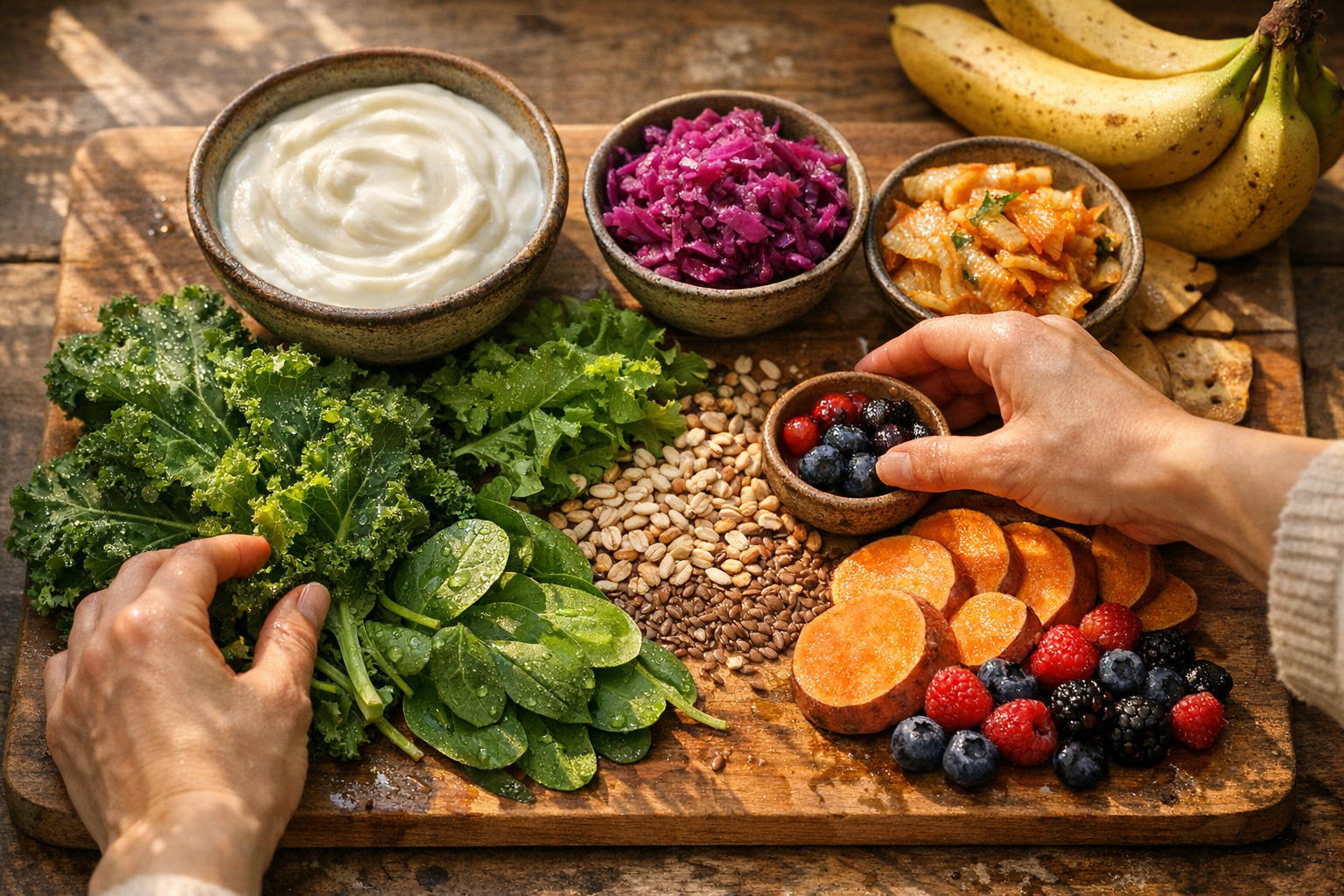
The digestive tract plays a crucial role beyond just breaking down food. Source Indeed, it houses trillions of beneficial bacteria that influence your immune system, mental health, and overall wellbeing. When this delicate ecosystem falls out of balance, your entire body feels the impact.
Warning Signs Your Gut Needs Attention
Your body communicates through symptoms that many people dismiss as normal. Nevertheless, persistent issues often indicate underlying digestive problems that require attention. Learning to identify these warning signs empowers you to take action before minor concerns escalate.
Persistent Bowel Irregularities
Chronic constipation affects millions of people worldwide. You might experience infrequent bowel movements, straining, or incomplete evacuation. Conversely, ongoing diarrhea presents equally concerning challenges. Both conditions signal that your digestive system struggles to function properly.
Defining Normalcy and Comfort
Defining a “normal” bathroom schedule can be tricky because every body is unique. However, medical experts generally agree on a standard healthy range. Typically, going anywhere from three times a day to three times a week is considered normal. Crucially, the process should always be painless and relatively quick. You should not feel the need to strain excessively to pass stool. Furthermore, you should feel a sense of complete evacuation after finishing. If you frequently experience urgency, pain, or incomplete emptying, your colon is likely distressed. Therefore, comfort is just as important as the clock.
Analyzing Stool Consistency
Beyond frequency, the actual texture of your waste tells a detailed story about your internal health. In fact, medical professionals often use the Bristol Stool Chart to gauge digestive function. Ideally, your stool should be smooth, soft, and sausage-shaped.
Pay attention to these visual cues:
- Hard Lumps: These indicate constipation and slow transit time.
- Smooth Shapes: These represent optimal hydration and health.
- Watery Consistency: This suggests inflammation, irritation, or rapid transit.
Consequently, you should monitor these patterns daily. Sudden, unexplained shifts often signal that your digestive speed is off. Moreover, thin or ribbon-like stools can sometimes indicate a physical obstruction.
The Impact of Diet and Hydration
Your daily intake directly dictates your digestive output. Specifically, dietary fiber acts as the broom that sweeps your colon clean. Without enough roughage, waste moves too slowly through the intestines. As a result, the colon absorbs too much fluid from the stool. This process creates hard, dry waste that is painful to pass.
To improve this, focus on balancing these key elements:
- Soluble Fiber: Found in oats and fruits, this absorbs water to form a gel.
- Insoluble Fiber: Found in whole grains and veggies, this adds necessary bulk.
- Water Intake: This is essential for keeping fiber effective and soft.
Therefore, increasing fiber without drinking enough water can actually worsen constipation. You must treat them as a partnership.
Gut Bacteria Balance
Finally, invisible microorganisms play a massive role in your regularity. Your gut microbiome helps break down food and produces essential vitamins. However, factors like chronic stress or antibiotics can disrupt this delicate ecosystem. This state is known as dysbiosis.
Common signs of bacterial imbalance include:
- Excessive gas after meals
- Chronic bloating or distension
- Unpredictable bowel habits
Moreover, an overgrowth of harmful bacteria can damage the protective lining of the colon. Thus, consuming probiotics through fermented foods like yogurt or sauerkraut is often beneficial. This helps restore the diverse army of good bacteria your body needs for smooth digestion.
Unexplained Fatigue and Low Energy
Feeling constantly tired despite adequate sleep might stem from digestive issues. Your gut absorbs essential nutrients that fuel cellular energy production. When absorption falters, your body cannot generate the energy it needs.
Moreover, an unhealthy gut microbiome produces inflammatory compounds that drain your vitality. This chronic inflammation forces your immune system into overdrive. As a result, you feel exhausted even after minimal exertion. Poor digestion also disrupts sleep quality, creating a vicious cycle of fatigue.
Skin Problems and Irritation
Your skin often mirrors your internal health. Unexplained acne, eczema, or rosacea frequently connect to gut dysfunction. The gut-skin axis demonstrates how intestinal inflammation manifests externally through various skin conditions.
Additionally, when your digestive system cannot properly eliminate toxins, your skin compensates. This backup system becomes overwhelmed, leading to breakouts and irritation. Furthermore, nutrient malabsorption prevents your skin from receiving vital vitamins and minerals needed for repair and regeneration.
Bloating and Abdominal Discomfort
Frequent bloating indicates gas buildup from bacterial imbalances or food intolerances. Your abdomen might feel distended and uncomfortable after meals. This symptom suggests your digestive enzymes struggle to break down certain foods effectively.
Persistent gas and cramping also signal potential issues with gut motility. When food moves too slowly through your intestines, bacteria ferment it excessively. This fermentation process produces uncomfortable gas and bloating that disrupts daily activities.

Building a Foundation for Digestive Wellness
Restoring gut health requires a comprehensive approach that addresses multiple factors simultaneously. Therefore, implementing strategic lifestyle changes creates lasting improvements. These foundational strategies support your digestive system’s natural healing capacity.
Hydration as Your First Defense
Water serves as the cornerstone of digestive health. It softens stool, preventing constipation and promoting regular elimination. Your colon absorbs water to maintain proper consistency in waste material. Without adequate hydration, this process fails.
Aim to drink water consistently throughout the day rather than gulping large amounts at once. Generally, your body needs about half your weight in ounces daily. For example, a 150-pound person should consume approximately 75 ounces of water. However, individual needs vary based on activity level, climate, and overall health status.
Herbal teas and water-rich foods also contribute to your hydration goals. Cucumbers, watermelon, and celery provide both water and beneficial nutrients. Meanwhile, limit caffeine and alcohol, as these substances dehydrate your system and irritate digestive tissues.
The Power of Probiotic-Rich Foods
Probiotics introduce beneficial bacteria that restore microbial balance in your gut. These living organisms compete with harmful bacteria for resources and space. Consequently, they help crowd out pathogens that cause digestive distress.
Fermented foods naturally contain diverse probiotic strains. Yogurt with live cultures offers an accessible starting point for most people. Additionally, kefir provides even more bacterial variety than traditional yogurt. This tangy beverage delivers billions of beneficial microorganisms per serving.
Sauerkraut and kimchi represent powerful fermented vegetable options. These foods combine probiotics with fiber and essential nutrients. Similarly, kombucha offers a refreshing probiotic beverage option. Start with small portions and gradually increase your intake to avoid initial digestive discomfort.
Miso and tempeh provide plant-based probiotic alternatives. These fermented soy products support gut health while offering complete protein. Furthermore, they contain enzymes that aid digestion and nutrient absorption.
Fiber: Your Digestive System’s Best Friend
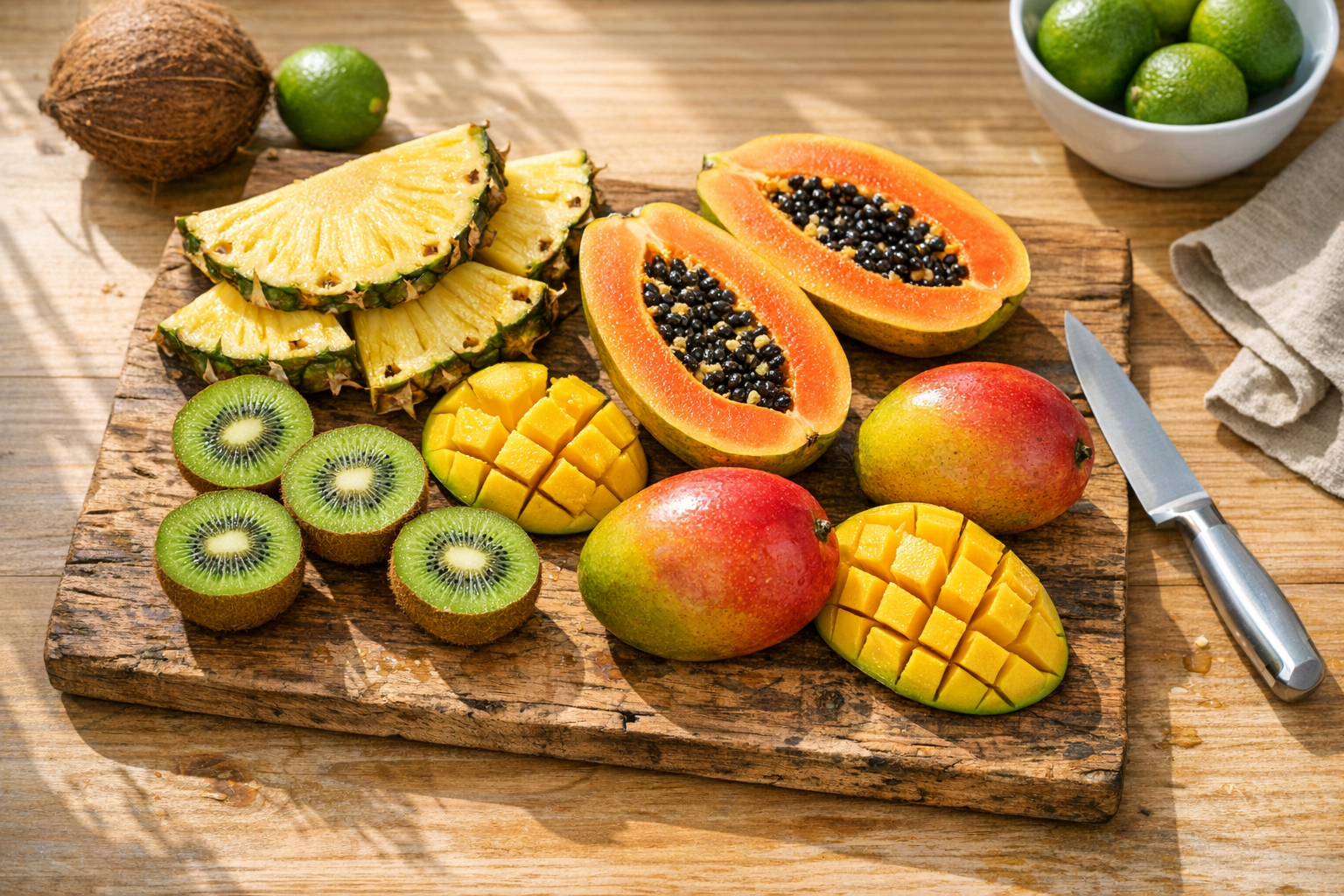
Dietary fiber feeds beneficial gut bacteria and promotes regular bowel movements. Soluble fiber dissolves in water, forming a gel that slows digestion. This type helps regulate blood sugar and lowers cholesterol levels. Meanwhile, insoluble fiber adds bulk to stool and speeds transit through your intestines.
Whole grains provide substantial amounts of both fiber types. Oats, quinoa, and brown rice support digestive regularity while nourishing beneficial bacteria. Legumes like lentils and beans offer exceptional fiber content along with plant-based protein.
Fruits and vegetables deliver fiber alongside vitamins, minerals, and antioxidants. Berries pack impressive fiber into small servings. Apples with skin, pears, and oranges provide soluble fiber that feeds your microbiome. Leafy greens and cruciferous vegetables offer insoluble fiber that keeps things moving smoothly.
Gradually increase fiber intake to prevent gas and bloating. Your digestive system needs time to adjust to higher fiber levels. Drink plenty of water as you add more fiber to your diet. This combination prevents constipation and maximizes fiber’s benefits.
Lifestyle Factors That Transform Gut Health
Beyond nutrition, several lifestyle practices profoundly influence digestive wellness. Therefore, addressing these factors creates a holistic approach to gut healing. Small consistent changes accumulate into significant health improvements over time.
Managing Stress for Digestive Peace
Your gut and brain communicate constantly through the vagus nerve. Chronic stress disrupts this connection, triggering digestive symptoms. Stress hormones alter gut motility, increase inflammation, and damage the intestinal lining.
Mindfulness meditation reduces stress hormones that harm digestive function. Just ten minutes daily can significantly improve gut symptoms. Deep breathing exercises activate your parasympathetic nervous system, promoting rest and digestion. This state allows your body to focus energy on healing and repair.
Regular physical activity helps manage stress while directly benefiting digestion. Exercise stimulates intestinal contractions that move food through your system. It also reduces inflammation and supports healthy gut bacteria diversity. Aim for at least 30 minutes of moderate activity most days.
Yoga combines movement, breathing, and mindfulness for comprehensive stress relief. Specific poses massage internal organs and promote digestive flow. Twisting postures particularly benefit colon health by encouraging elimination.
Prioritizing Quality Sleep
Your gut microbiome follows circadian rhythms just like you do. Disrupted sleep patterns harm bacterial diversity and digestive function. Poor sleep increases intestinal permeability, allowing toxins to enter your bloodstream.
Establish a consistent sleep schedule by going to bed and waking at similar times daily. This regularity supports your body’s natural rhythms. Create a relaxing bedtime routine that signals your body to wind down. Dim lights, avoid screens, and practice calming activities.
Your bedroom environment significantly impacts sleep quality. Keep the room cool, dark, and quiet. Invest in comfortable bedding that promotes restful sleep. Address any sleep disorders like apnea that compromise both sleep and digestive health.

Avoiding Digestive Irritants
Certain substances directly damage your digestive lining and disrupt bacterial balance. Processed foods contain additives that trigger inflammation and feed harmful bacteria. These products lack the nutrients your gut needs for repair and maintenance.
Excessive sugar feeds pathogenic bacteria and yeast overgrowth. This imbalance produces toxins that damage intestinal walls. Artificial sweeteners also harm beneficial bacteria despite containing zero calories. Natural whole foods provide better alternatives for satisfying sweet cravings.
Nonsteroidal anti-inflammatory drugs damage the intestinal lining with regular use. These medications increase intestinal permeability and cause inflammation. Discuss alternatives with your healthcare provider if you rely on these drugs frequently. Natural anti-inflammatory approaches may offer safer long-term solutions.
Alcohol irritates digestive tissues and disrupts the microbiome. It increases intestinal permeability and impairs nutrient absorption. Limiting alcohol consumption protects your gut lining and supports beneficial bacteria.
Advanced Strategies for Optimal Colon Health
Once you establish foundational habits, additional strategies can further enhance digestive wellness. These advanced approaches target specific aspects of gut and colon health. They complement basic practices for comprehensive digestive support.
Incorporating Prebiotic Foods
Prebiotics are specialized plant fibers that feed beneficial gut bacteria. Unlike probiotics, they survive digestion and reach your colon intact. There, they selectively nourish health-promoting bacteria, helping them thrive and multiply.
Garlic and onions contain powerful prebiotic compounds called fructooligosaccharides. These foods support Bifidobacteria and Lactobacilli growth. Leeks and asparagus provide similar benefits with distinct flavors. Jerusalem artichokes offer exceptional prebiotic content, though they may cause initial gas.
Bananas, especially slightly green ones, contain resistant starch that acts as a prebiotic. This type of starch resists digestion and feeds beneficial colon bacteria. Oats provide beta-glucan, another prebiotic fiber that supports immune function alongside gut health.
Mindful Eating Practices
How you eat matters as much as what you eat. Rushing through meals impairs digestion and nutrient absorption. Your body needs time to produce adequate digestive enzymes and stomach acid.
Chew each bite thoroughly before swallowing. Digestion begins in your mouth where enzymes start breaking down food. Proper chewing reduces the burden on your stomach and intestines. It also helps you recognize fullness signals, preventing overeating.
Eat in a relaxed environment without distractions. Stress during meals diverts blood flow away from your digestive organs. This impairs enzyme production and motility. Focus on your food, savoring flavors and textures mindfully.
Avoid drinking large amounts of liquid with meals. Excessive fluid dilutes digestive enzymes and stomach acid. This reduces their effectiveness in breaking down food. Instead, drink water between meals to maintain hydration without compromising digestion.
Regular Movement and Exercise
Physical activity stimulates intestinal contractions that promote regular bowel movements. Exercise also reduces inflammation throughout your body, including your digestive tract. It supports healthy blood flow to intestinal tissues, delivering oxygen and nutrients.
Walking after meals particularly benefits digestion. A gentle 15-minute walk helps food move through your system. This simple practice can reduce bloating and prevent constipation. Make post-meal walks a daily habit for consistent digestive support.
Core-strengthening exercises support the muscles involved in elimination. Pilates and targeted abdominal work improve bowel function. However, avoid exercises that create excessive intra-abdominal pressure if you experience digestive issues.
Creating Your Personalized Gut Healing Protocol
Every person’s digestive system responds uniquely to different interventions. Therefore, developing a personalized approach yields the best results. Start with foundational strategies and gradually add targeted interventions based on your specific symptoms.
Keep a food and symptom journal to identify patterns and triggers. Record what you eat, when you eat, and any symptoms that follow. This information reveals connections between specific foods and digestive distress. Over time, patterns emerge that guide your dietary choices.
Implement changes gradually rather than overhauling your entire lifestyle overnight. Your digestive system needs time to adapt to new foods and habits. Sudden dramatic changes can temporarily worsen symptoms. Patience and consistency produce lasting improvements.
Consider working with healthcare professionals for persistent or severe symptoms. Gastroenterologists, registered dietitians, and functional medicine practitioners offer specialized expertise. They can order tests to identify specific issues and create targeted treatment plans. Professional guidance ensures you address underlying causes rather than just masking symptoms.
Conclusion: Your Journey to Digestive Wellness
Maintaining a healthy digestive system and colon requires ongoing attention and care. However, the rewards extend far beyond comfortable digestion. A thriving gut microbiome supports your immune system, mental health, and energy levels. It reduces inflammation and protects against chronic diseases.
Start by implementing the foundational strategies outlined in this guide. Prioritize hydration, incorporate probiotic and prebiotic foods, and increase your fiber intake gradually. Address lifestyle factors like stress management, sleep quality, and regular physical activity. These basic practices create a solid foundation for digestive wellness.
Remember that healing takes time, especially if you’ve experienced chronic digestive issues. Be patient with your body as it rebalances and repairs. Celebrate small improvements along the way. Each positive change builds momentum toward optimal gut health.
Your digestive system possesses remarkable healing capacity when given proper support. By consistently applying these principles, you empower your body to restore balance naturally. The journey to digestive wellness transforms not just your gut health but your overall quality of life. Start today with one simple change, and build from there toward lasting digestive vitality.
Supporting your digestive health requires a multifaceted approach that combines the right supplements, lifestyle tools, and educational resources to keep your system functioning optimally. Many people find that adding Benefiber Daily Prebiotic to their daily routine helps maintain regularity by providing soluble fiber that feeds beneficial gut bacteria without causing uncomfortable gas or bloating. For those looking to restore bacterial balance after antibiotic use or digestive upset, a quality pack of acidophilus probiotics can replenish the good bacteria your colon needs to function properly and support immune health. When you experience occasional bloating or discomfort after meals, taking Physician’s CHOICE Digestive enzymes with prebiotics and probiotics can help your body break down food more efficiently and reduce uncomfortable symptoms. For those dealing with stubborn constipation or seeking a gentle colon cleanse, Global Healing Oxy-Powder uses oxygenated magnesium to naturally support elimination without harsh stimulants that can damage your digestive system over time. Staying properly hydrated is absolutely essential for digestive health, which is why using a water bottle with time markers can help you track your daily intake and ensure you’re drinking enough fluids to keep things moving smoothly. Another excellent option for comprehensive digestive support is Zenwise Health Digestive enzymes, which combine multiple enzymes with probiotics to address bloating, gas, and indigestion from multiple angles simultaneously. If you’re interested in naturally boosting your gut health through fermented foods, the Masontops Complete Mason jar fermentation kit makes it simple to create probiotic-rich sauerkraut, kimchi, and pickles right in your own kitchen. Understanding your unique dietary triggers is crucial, which is why the 5Strands Food Intolerance test can identify hundreds of potential sensitivities through a simple at-home hair analysis that delivers results within just four days. For additional fiber supplementation in convenient capsule form, Foods Supplements, Psyllium husk caps provide natural soluble fiber that supports intestinal health without the need to mix powders into beverages throughout the day. Finally, educating yourself about gut-friendly nutrition through resources like Cook Your Health: a comprehensive cookbook focused on quieting your gut, boosting fiber intake, and reducing inflammation through delicious, targeted recipes that support long-term digestive wellness.
*As an Amazon Associate, I earn from qualifying purchases.
Related Posts
Nourishing Your Digestive System: Essential Foods for Optimal Colon Wellness
Your colon plays a vital role in your overall health.…

Digestive Wellness: Essential Guide to Supporting Your Colon Naturally
Your digestive system drives your overall health. When your colon…