Your digestive system drives your overall health. When your colon functions efficiently, you feel energetic and light. However, many people struggle with bloating, irregularity, and sluggishness. You might feel weighed down by processed foods or stress. Fortunately, you can support your body’s natural waste removal process without harsh chemicals. Simple lifestyle changes often yield the best results.
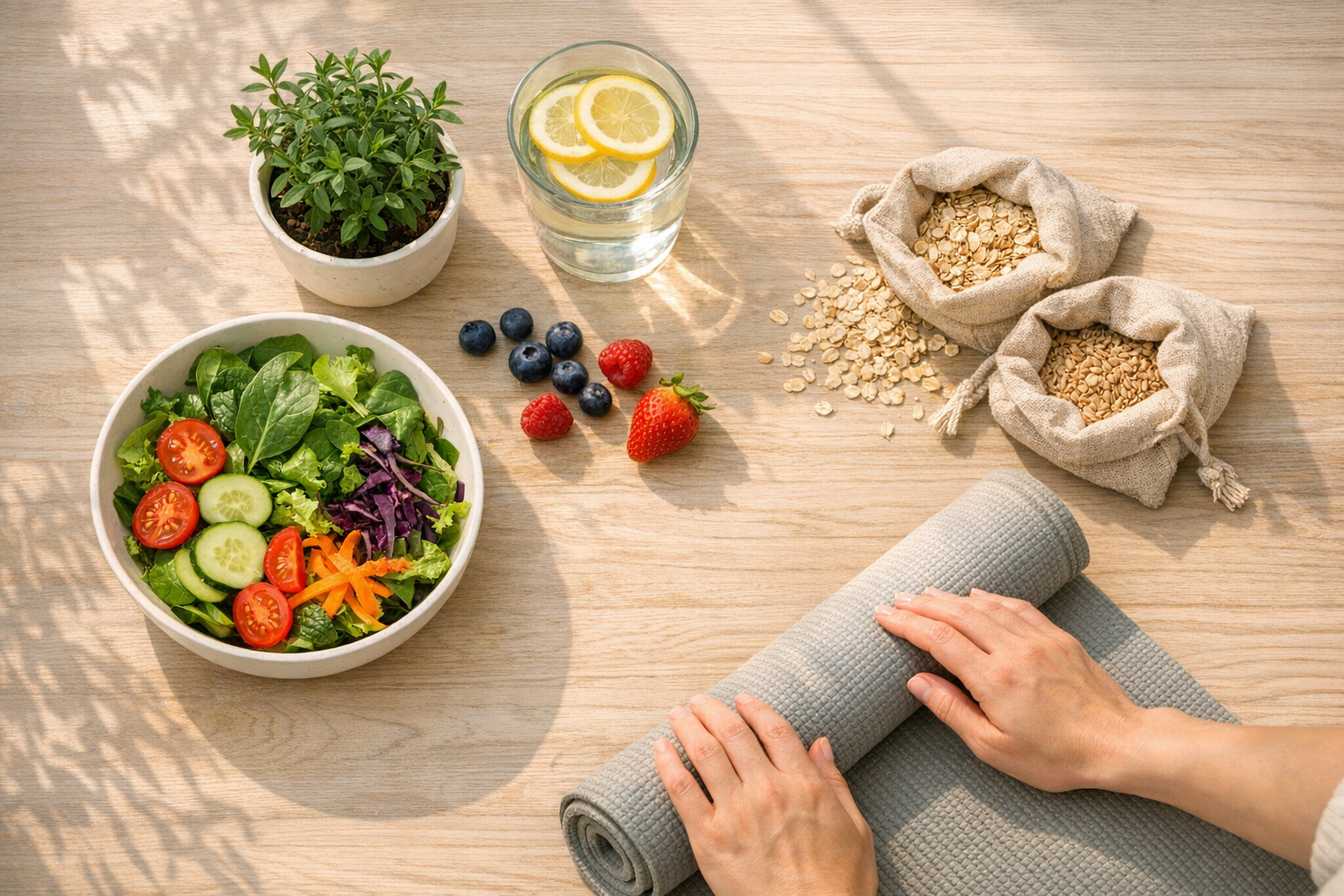
Your body possesses a powerful natural detoxification system. The liver and kidneys filter blood, while the colon expels solid waste. Sometimes, this system needs assistance. We will explore natural methods to encourage regularity. These techniques range from dietary adjustments to specific hydration strategies. Always listen to your body as you try new approaches.
The Power of Hydration
The large intestine relies heavily on adequate moisture to function correctly. Without enough fluid, the digestive process slows down significantly. Water acts as a lubricant for the entire gastrointestinal tract. It softens waste and ensures smooth transit through the bowel. In fact, proper hydration helps the mucosal lining of the colon remain slippery. This allows stool to pass without straining or discomfort.
The Fiber-Water Connection
Additionally, fiber cannot do its job without liquid. Soluble fiber absorbs water to create a gel-like consistency. This helps bulk up stool while keeping it soft. However, eating high-fiber foods without drinking water can backfire. It may actually worsen constipation instead of relieving it. Therefore, increasing fiber intake requires a simultaneous increase in fluid consumption.
How Much Water is Enough?
Determining the right amount of fluid depends on various factors. Activity level, climate, and overall health play significant roles. Generally, health experts recommend eight glasses a day as a starting point. Nevertheless, you might need more if you exercise frequently or live in a hot climate.
Monitor these signs to ensure you are drinking enough:
- Thirst: Do not wait until you are parched.
- Urine Color: Aim for pale yellow or clear urine.
- Energy Levels: Fatigue often indicates mild dehydration.
Tips for Staying Hydrated
Incorporating more fluids into your daily routine is often easier than it seems. Furthermore, you do not have to rely solely on plain tap water. You can try several simple strategies to boost your intake.
Try these daily habits:
- Carry a reusable water bottle everywhere you go.
- Set hourly reminders on your smartphone.
- Drink a full glass immediately upon waking up.
- Flavor your water with fresh lemon, cucumber, or mint.
Hydrating Foods for Colon Health
Many fruits and vegetables have naturally high water content. Eating these foods supports hydration and provides essential nutrients. For example, watermelon and cucumbers are excellent choices for digestive wellness. They offer fluids alongside vitamins and minerals. Similarly, celery, strawberries, and zucchini contribute to your daily goals. Consequently, your diet becomes a powerful tool for maintaining regularity and preventing hard stools.
Drinking lukewarm water immediately upon waking helps kickstart digestion. This simple habit signals your gut to wake up. Furthermore, it hydrates your cells after sleep. Some people add lemon juice for extra flavor and acidity. Lemon stimulates digestive enzymes.
The Water Flush Method
A “water flush” involves drinking a significant amount of water over a short period. Typically, you would drink six to eight glasses of lukewarm water. You should do this on an empty stomach. This volume of fluid expands the stomach and stimulates movement in the intestines.
However, do not force yourself to drink past the point of comfort. Listen to your body’s signals. If you feel nauseous, stop immediately. This method works best when you have time to stay near a bathroom. It creates a strong urge to empty your bowels.
Understanding Salt Water Flushes
A salt water flush provides a more intense option than plain water. This technique utilizes the principle of osmosis. Since the salt concentration matches your blood, your kidneys do not absorb the water immediately. Instead, the solution travels through your digestive tract. It cleanses the walls of your intestines as it moves.
To try this, dissolve two teaspoons of non-iodized sea salt in one liter of warm water. You must use sea salt or Himalayan pink salt, not table salt. Drink the mixture within five minutes on an empty stomach. Most people experience a bowel movement within 30 to 60 minutes.
Best Practices for Salt Flushes
Perform this flush in the morning. You will need quick access to a restroom for several hours. Therefore, choose a day when you stay home. Do not attempt this if you have high blood pressure or heart issues. The high sodium content poses risks for certain individuals. Always consult a doctor before trying intense flushes.
Fiber: The Natural Broom
Dietary fiber acts as a scrubbing brush for your colon. It adds bulk to stool and speeds up transit time. Unfortunately, modern diets often lack sufficient fiber. You should aim for a mix of soluble and insoluble fiber. Soluble fiber absorbs water, while insoluble fiber adds bulk.
Whole foods provide the safest source of fiber. Focus on leafy greens, broccoli, and berries. Additionally, seeds like chia and flax offer excellent benefits. These seeds contain healthy fats that lubricate the digestive tract.
Resistant Starches
Resistant starches function like fiber but offer unique benefits. They feed beneficial gut bacteria. You can find resistant starch in potatoes, rice, and legumes that have been cooked and then cooled. The cooling process changes the chemical structure of the starch. Consequently, it reaches the colon intact.
Harnessing Herbal Teas
Herbal teas offer a gentle way to support digestion. Many cultures have used herbs for centuries to treat stomach issues. These teas can soothe inflammation and stimulate muscle contractions in the gut.
Ginger tea aids digestion by reducing nausea and bloating. It warms the stomach and speeds up gastric emptying. Similarly, peppermint tea relaxes the muscles of the digestive tract. This relaxation allows gas to pass more easily.
Potent Herbal Cleansers
Some herbs possess stronger laxative properties. Senna and cascara sagrada stimulate the colon directly. You can find these ingredients in many “detox” tea blends. However, use them sparingly.
Overuse of laxative herbs can lead to dependence. Your bowel muscles may lose their natural tone if you rely on stimulants too often. Treat these herbs as occasional remedies rather than daily supplements.
Probiotics and Fermented Foods
A healthy microbiome protects your colon. Beneficial bacteria break down food and produce essential nutrients. Fermented foods introduce these good bacteria into your system naturally.
Yogurt, kefir, sauerkraut, and kimchi act as excellent probiotic sources. They contain live cultures that populate your gut. Moreover, the fermentation process pre-digests the food, making it easier to absorb.
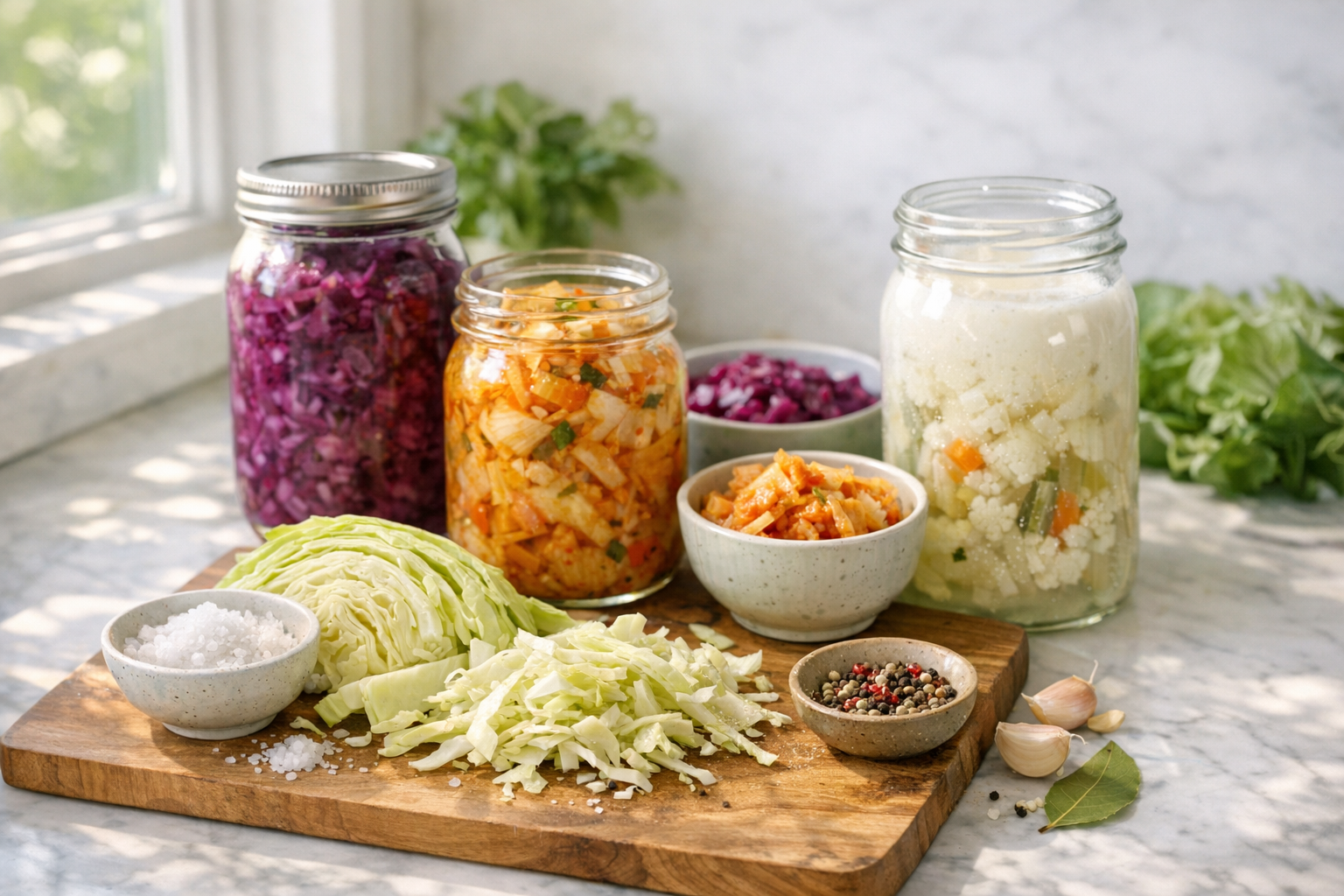
Try to include one serving of fermented food daily. Consistency matters more than quantity. A small amount eaten regularly yields better results than a large amount eaten once. If you dislike fermented foods, a high-quality probiotic supplement serves as a good alternative.
Safety and Potential Risks
Natural does not always mean safe. Colon cleansing carries inherent risks. You must approach these methods with caution. Aggressive flushes can disrupt your electrolyte balance. This imbalance may cause dizziness, dehydration, or heart palpitations.
Furthermore, frequent cleansing can harm your gut bacteria. You might wash away good bacteria along with the waste. Therefore, you should focus on building long-term habits rather than seeking quick fixes.
When to See a Doctor
Consult a medical professional if you experience chronic constipation. Pain during bowel movements requires immediate attention. Additionally, blood in your stool indicates a serious issue. Do not use cleanses to treat undiagnosed medical conditions.
Conclusion
Supporting your colon involves patience and consistency. Hydration, fiber, and healthy foods form the pillars of digestive wellness. While salt flushes and herbal teas offer occasional support, your daily habits matter most. Listen to your body’s signals and adjust your routine accordingly. Ultimately, a balanced approach leads to lasting health and vitality.
The Fibre Supplement I Recommend Before Jumping to Harsher Interventions
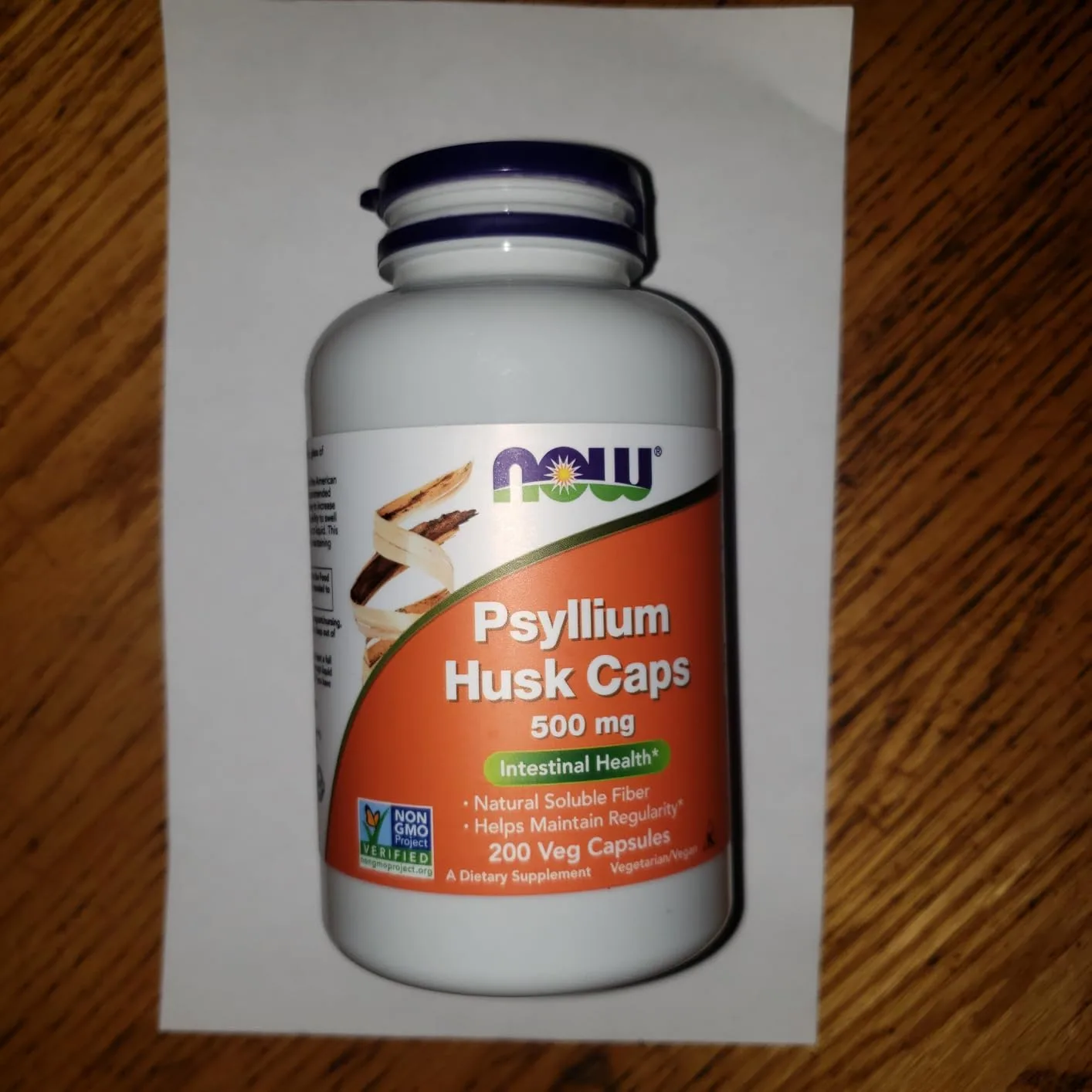
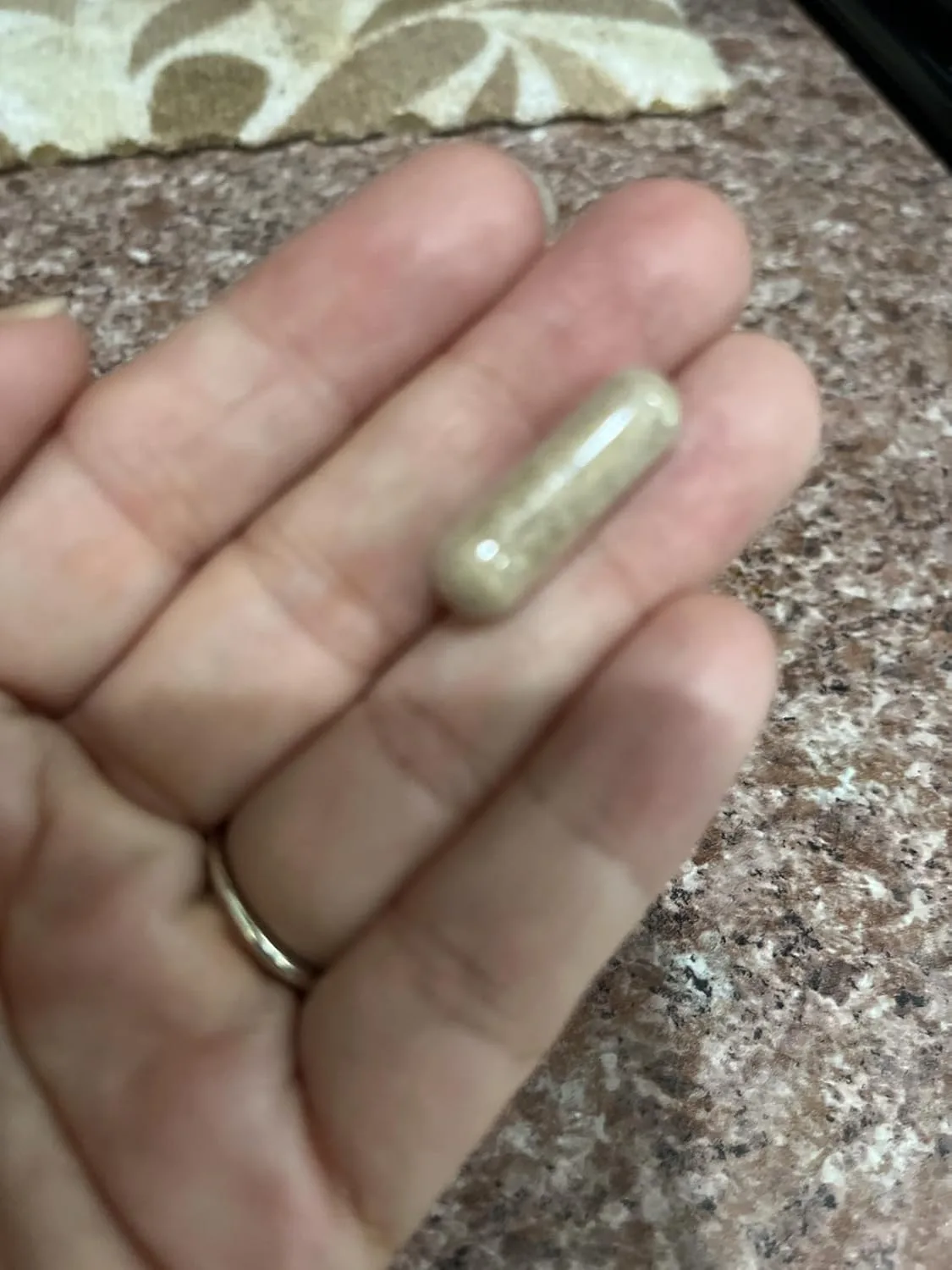
Psyllium husk is one of the most evidence-backed tools for gentle, sustainable colon support—especially when bloating and irregularity are keeping you stuck in a cycle of discomfort. Unlike colon cleanses or aggressive stimulant laxatives, psyllium works *with* your body’s natural rhythm rather than forcing a result.
What works
- Absorbs water in the colon and forms a gel that gently bulks stool, triggering natural peristalsis without cramping or urgency—clients typically notice more regular, easier bowel movements within 3–5 days.
- Acts as a prebiotic, feeding beneficial bacteria in your microbiome; this dual action addresses both the symptom (constipation or sluggishness) and the underlying ecosystem.
- Pure, unflavoured psyllium husk is cheaper and more versatile than commercial “cleanse” blends, and you control the dose—I’ve seen clients titrate up slowly to find their sweet spot without bloating.
What doesn’t
- If you’re already dealing with IBS-D (diarrhoea-dominant), psyllium can worsen urgency; this tool is better suited to constipation, sluggishness, or mixed IBS patterns.
- You must drink at least 8 glasses of water daily or psyllium can actually *cause* blockages; dehydrated clients or those with swallowing difficulties should talk to their GP first.
Psyllium is a tool, not a cure—if you have chronic constipation, ongoing bloating, or abdominal pain that doesn’t improve within 2 weeks, please see your doctor to rule out underlying conditions. If you’re ready to try it, start with a psyllium husk supplement and add water to your daily routine.
This post contains affiliate links. As an Amazon Associate, I earn from qualifying purchases at no extra cost to you.