Your colon plays a vital role in your overall health. It processes waste and absorbs essential nutrients. However, many people neglect this crucial organ until issues arise. Fortunately, you can proactively support your digestive tract through diet. Eating the right foods strengthens your gut lining. Furthermore, specific nutrients fuel the beneficial bacteria living in your system. This balance is key to long-term wellness.
Understanding the Fiber Connection
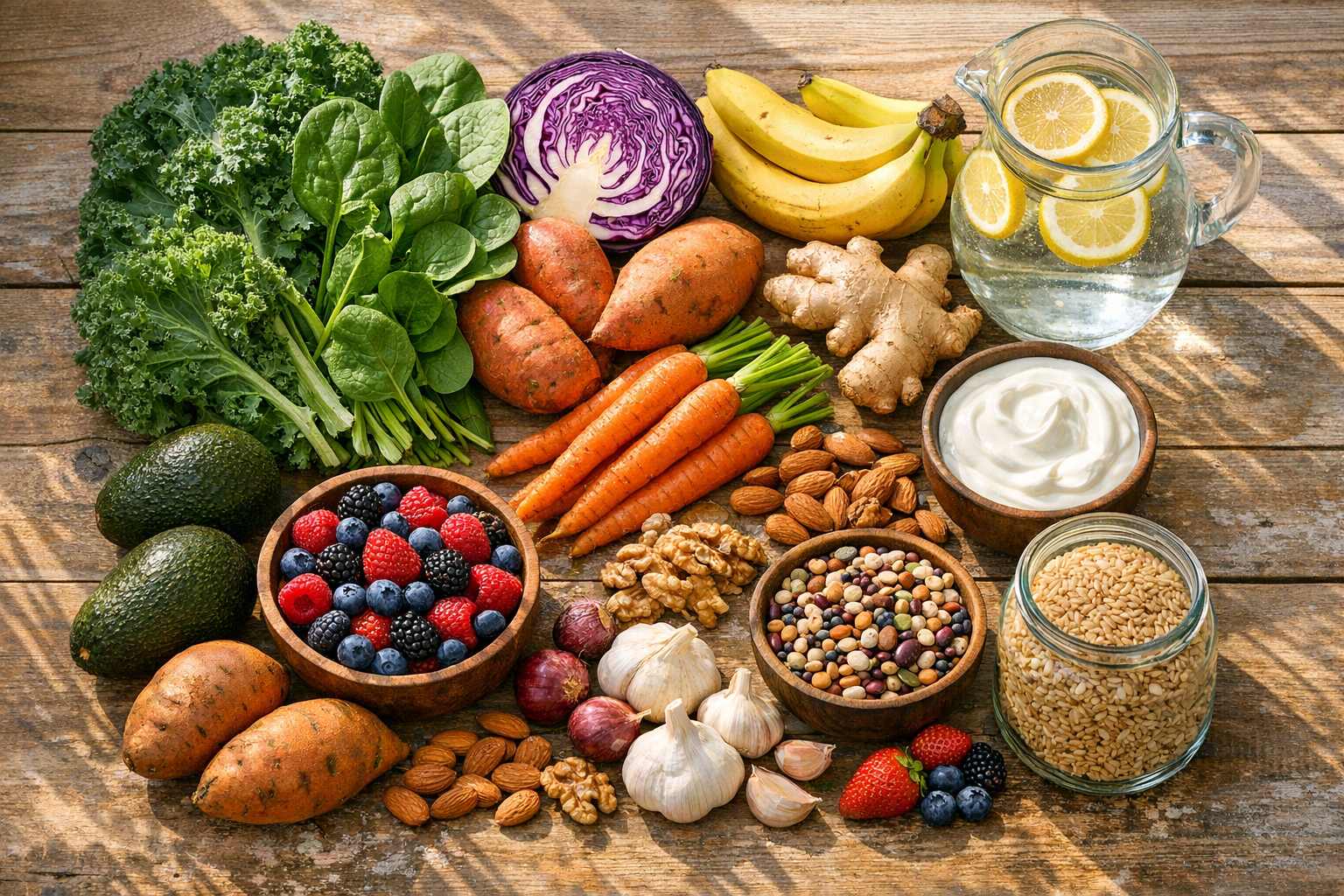
Fiber acts as the primary fuel for a healthy colon. Yet, most modern diets lack this essential component. You need fiber to keep waste moving efficiently. Without it, digestion slows down significantly. Consequently, you may experience discomfort or constipation. There are two main types of fiber to consider.
Soluble fiber absorbs water and forms a gel. This helps manage blood sugar levels. In contrast, insoluble fiber adds bulk to your stool. It acts like a broom for your digestive tract. Therefore, you should include both types in your meals. Whole grains serve as an excellent source of insoluble fiber. They retain the nutrient-rich bran and germ. Thus, they offer more health benefits than refined grains.
The Power of Whole Grains
Incorporating whole grains into your diet is simple. Source Brown rice, quinoa, and oats are fantastic options. These foods provide sustained energy throughout the day. Additionally, they feed the good bacteria in your microbiome. When these bacteria feast on fiber, they produce short-chain fatty acids. These fatty acids nourish the cells lining your colon. .
Start your day with a bowl of oatmeal. Alternatively, swap white bread for whole-wheat varieties. Small changes add up over time. Your digestive system will thank you for the extra fiber. Moreover, whole grains contain essential vitamins and minerals. These nutrients support overall bodily functions. Remember to increase your intake gradually. Adding too much fiber too quickly can cause bloating. Therefore, pace yourself and listen to your body.
Fermented Foods and Dairy
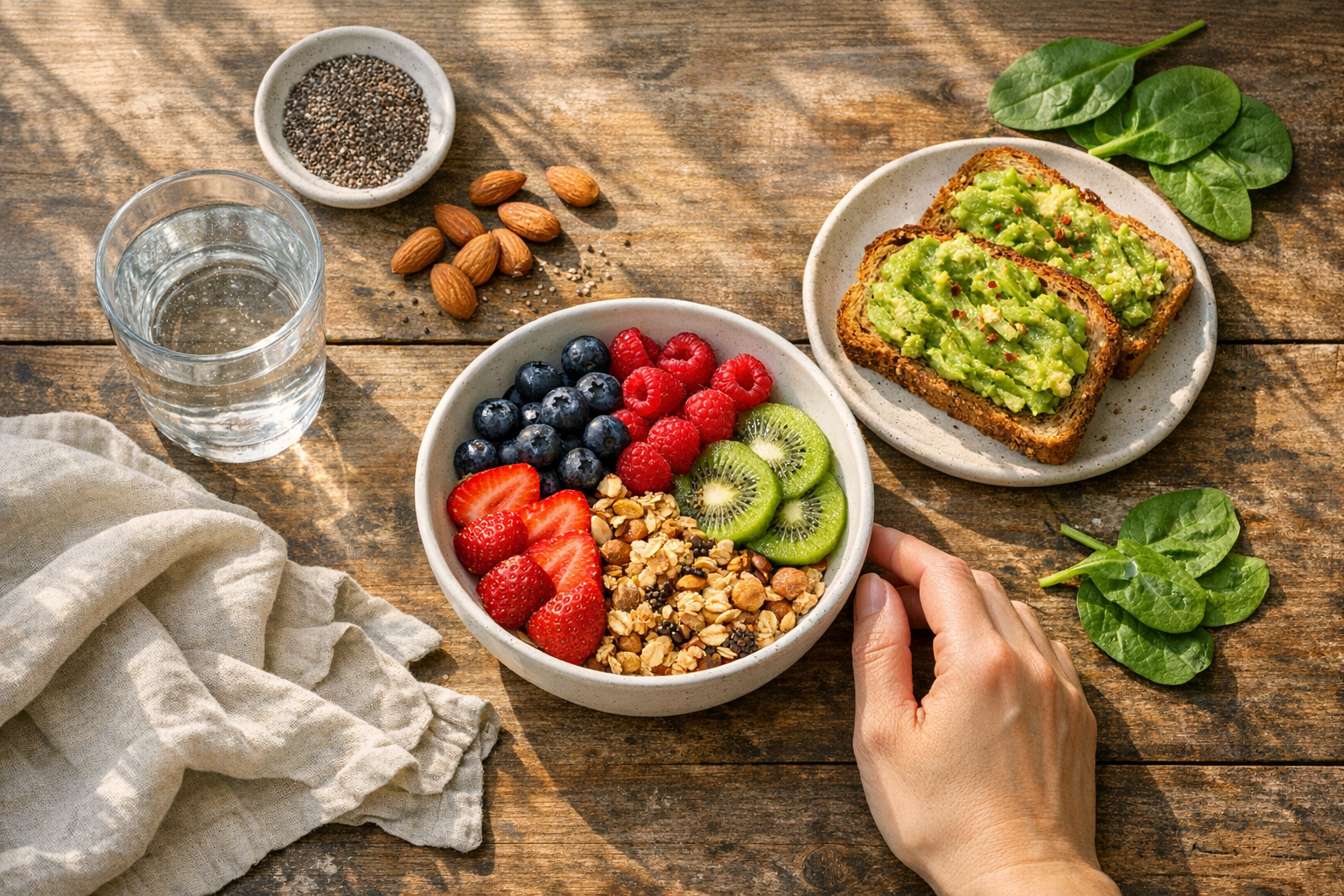
Your gut hosts trillions of bacteria. This community is known as the microbiome. A healthy microbiome requires a balance of good and bad bacteria. Fermented foods introduce beneficial probiotics to this ecosystem. Yogurt is perhaps the most well-known source. Specifically, yogurt containing live and active cultures supports digestion. These friendly bacteria help break down food.
Kefir is another powerful dairy option. It contains even more probiotic strains than yogurt. Consequently, it offers potent support for gut health. If you tolerate dairy well, these foods are invaluable. They reduce inflammation in the digestive tract. Furthermore, some studies suggest they boost the immune system. Choose plain varieties to avoid added sugars. You can sweeten them naturally with fruit. For those who are lactose intolerant, lactose-free options exist. Ultimately, maintaining bacterial diversity is the goal.
Non-Dairy Fermented Options
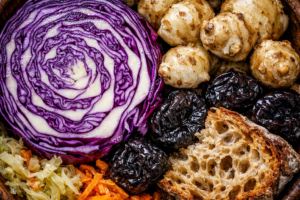
You do not need dairy to get probiotics. Sauerkraut and kimchi are excellent plant-based alternatives. These fermented vegetables are rich in fiber and probiotics. They add a tangy crunch to meals. Miso and tempeh also provide similar benefits. Including these foods introduces variety to your diet. Variety keeps your microbiome robust and resilient.
Beans and Legumes
Beans are nutritional powerhouses for the colon. They are packed with fiber and protein. Black beans, lentils, and chickpeas are versatile ingredients. You can easily add them to soups, salads, and stews. Because they are high in fiber, they promote regularity. Regular bowel movements remove toxins from your body. Thus, beans play a critical role in detoxification.
Additionally, legumes contain resistant starch. This type of starch resists digestion in the small intestine. It travels to the colon intact. Once there, bacteria ferment it. This process creates beneficial compounds for your gut. Therefore, beans support a healthy colon environment. Some people avoid beans due to gas. However, rinsing canned beans reduces this effect. Also, your body adapts as you eat them more often. Start with small portions to build tolerance.
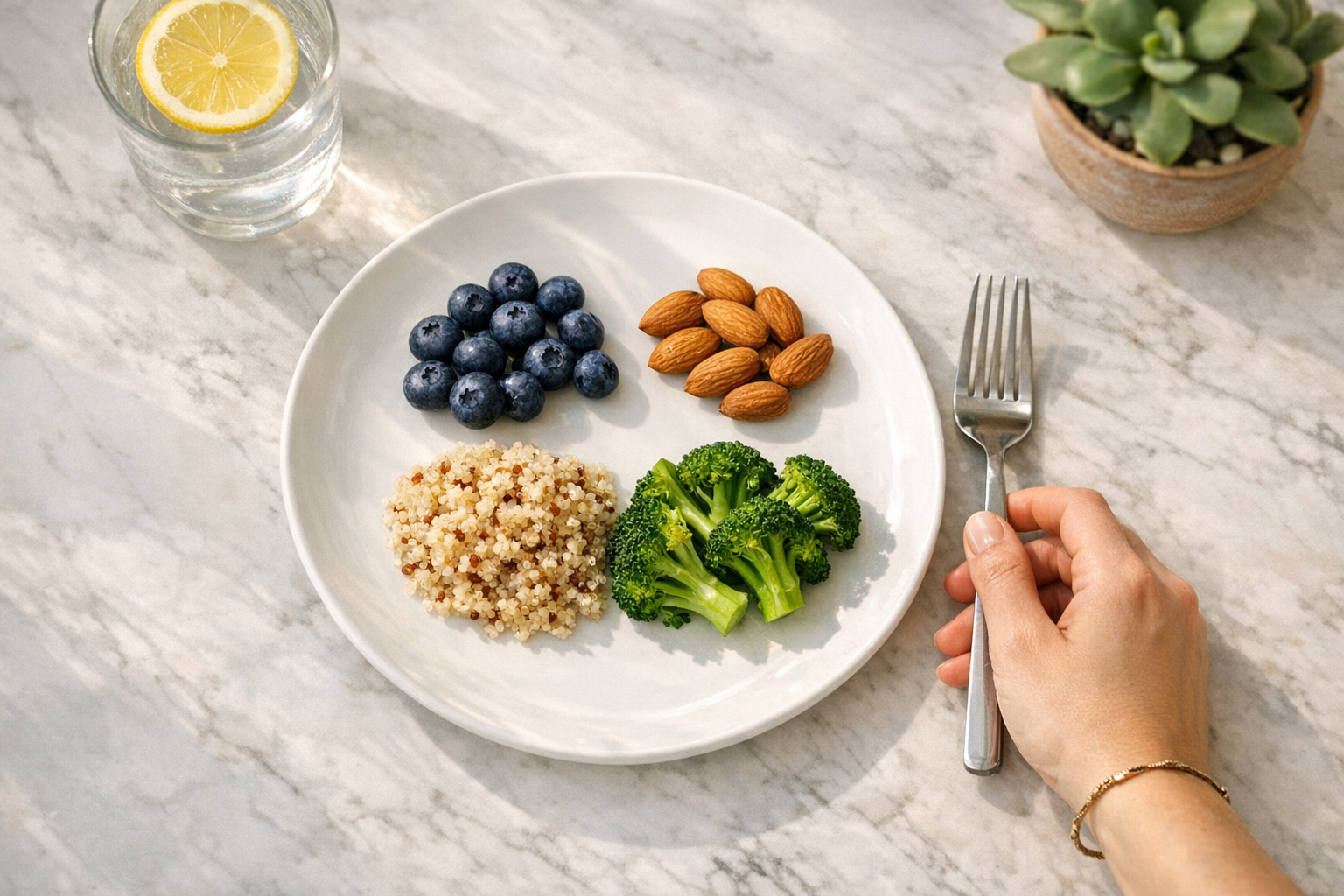
Cruciferous Vegetables
Vegetables are non-negotiable for colon wellness. Source specifically, the cruciferous family offers unique benefits. This group includes broccoli, cauliflower, kale, and Brussels sprouts. They contain compounds called glucosinolates. During digestion, these break down into biologically active substances. Research suggests these substances may protect cells from damage. .
Moreover, these vegetables are incredibly nutrient-dense. They provide vitamins C, K, and folate. Fiber is also abundant in these greens. Ideally, you should eat them several times a week. Roasting them brings out their natural sweetness. Steaming preserves their nutrients effectively. Avoid overcooking them to maintain their texture. By adding these veggies to your plate, you actively defend your health.
Hydration and Lifestyle Factors
Dietary changes work best with proper hydration. Fiber needs water to function correctly. Without adequate fluid, fiber can actually cause constipation. Therefore, you must drink plenty of water throughout the day. Water helps move waste through the digestive system. It keeps the colon lining soft and lubricated. Aim for at least eight glasses daily.
Physical activity also stimulates digestion. Exercise increases blood flow to your organs. Consequently, it helps muscles in the digestive tract contract. This action moves food along more efficiently. A simple walk after meals can help. Combining a high-fiber diet with exercise creates optimal results. Stress management is equally important. High stress can negatively impact your gut. Thus, relaxation techniques support digestive wellness too.
Final Thoughts on Colon Health
Nourishing your colon requires a holistic approach. It involves more than just one
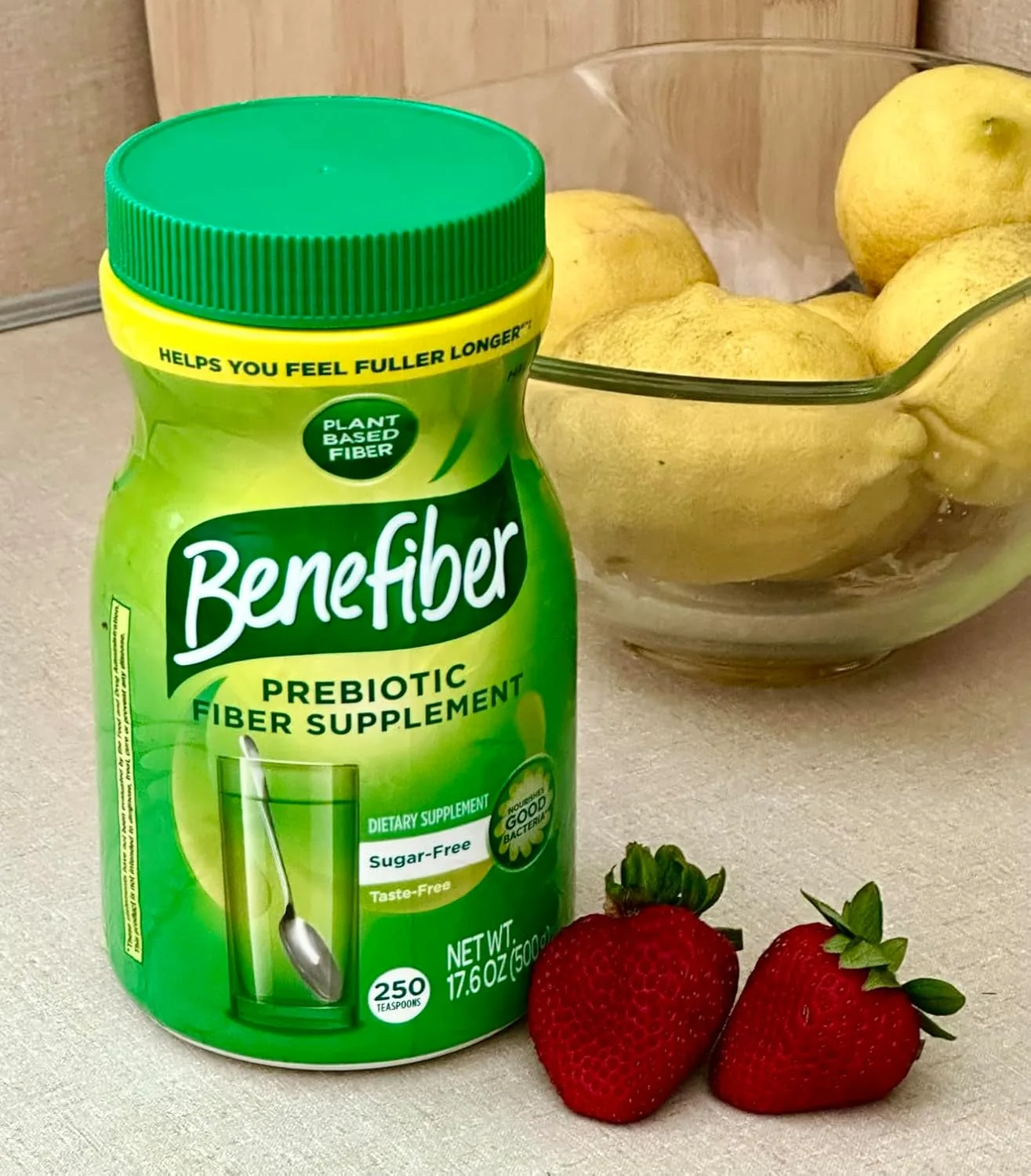
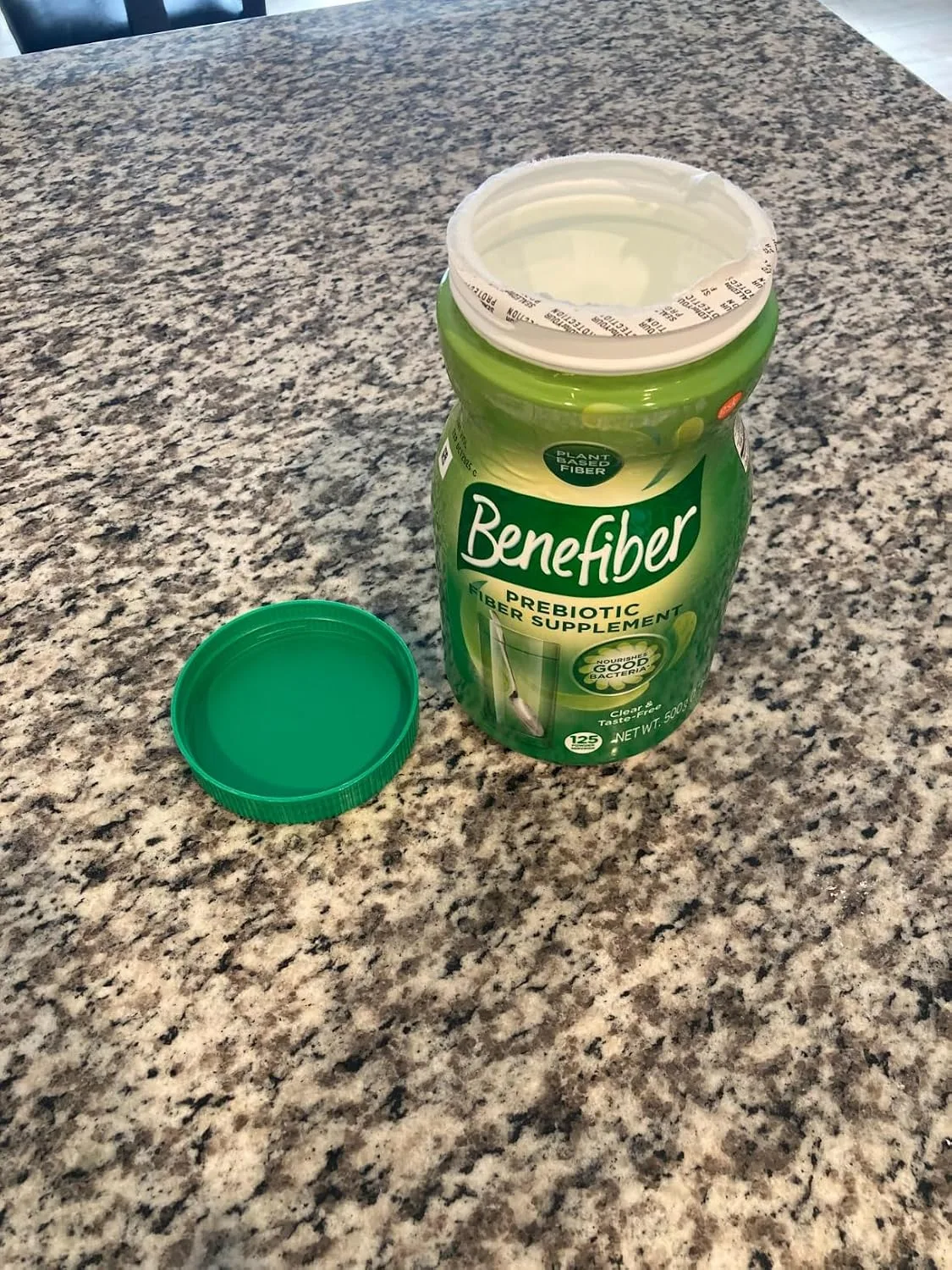
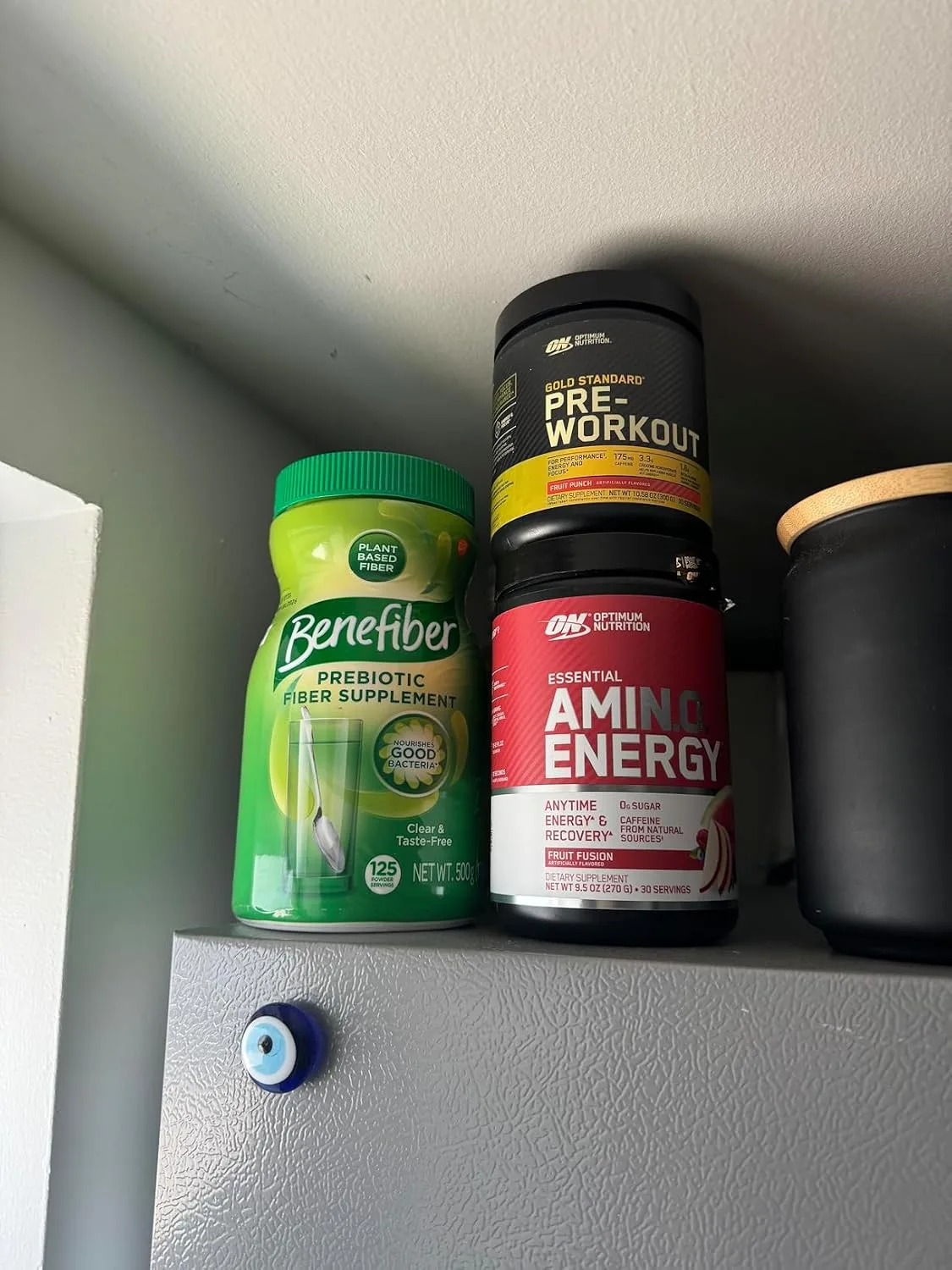
When Whole Foods Aren’t Enough: The Prebiotic Supplement That Bridges the Fiber Gap
If you’re struggling to hit your daily fiber target through food alone—which is honestly common for people managing digestive symptoms—a soluble prebiotic can be a practical bridge while you build tolerance and work up to whole-food sources. This is especially useful in the early stages of IBS or after a flare when raw vegetables feel impossible.
What works
- Soluble, non-fermentable formula means it feeds your colon bacteria without triggering the bloating and gas that insoluble fiber or whole grains can cause during flares.
- Mixes into any liquid without grit or aftertaste—clients actually stick with it, unlike chalky fiber powders that sit in the cupboard.
- Most people report softer, more regular stools within 3–5 days when introduced gradually, without the cramping that can come from jumping straight to high-fiber whole grains.
What doesn’t
- This is not a replacement for actual food—it’s a stepping stone. The goal is always to transition toward whole grains, vegetables, and fruits once your system tolerates them.
- If you have FODMAP sensitivity or severe small intestinal bacterial overgrowth (SIBO), even “gentle” prebiotics can flare symptoms; talk to your GP or dietitian first if you fall into this category.
A prebiotic supplement can ease the transition to better fiber intake, but it works best as part of a larger dietary strategy—not as a long-term standalone solution. If bloating or cramping persists after a week of gradual introduction, stop and consult your healthcare provider. Try Benefiber Daily Prebiotic.
This post contains affiliate links. As an Amazon Associate, I earn from qualifying purchases at no extra cost to you.