Have you ever finished a meal and felt completely fine — only to spend the next hour bloated, gassy, or running to the bathroom? Or maybe you’ve noticed that no matter how much sleep you get, you still wake up exhausted, your skin looks dull, and your mood feels off for no obvious reason. I’ve been there, and so have millions of other people. What surprised me when I started digging into the research is how often these seemingly unrelated symptoms trace back to the same root issue: the signs of gut microbiome imbalance showing up throughout the body in ways we’d never expect.
This post contains affiliate links. As an Amazon Associate, I earn from qualifying purchases. This means I may earn a small commission if you click through and make a purchase — at no extra cost to you. I only recommend products I genuinely believe may support your health goals.
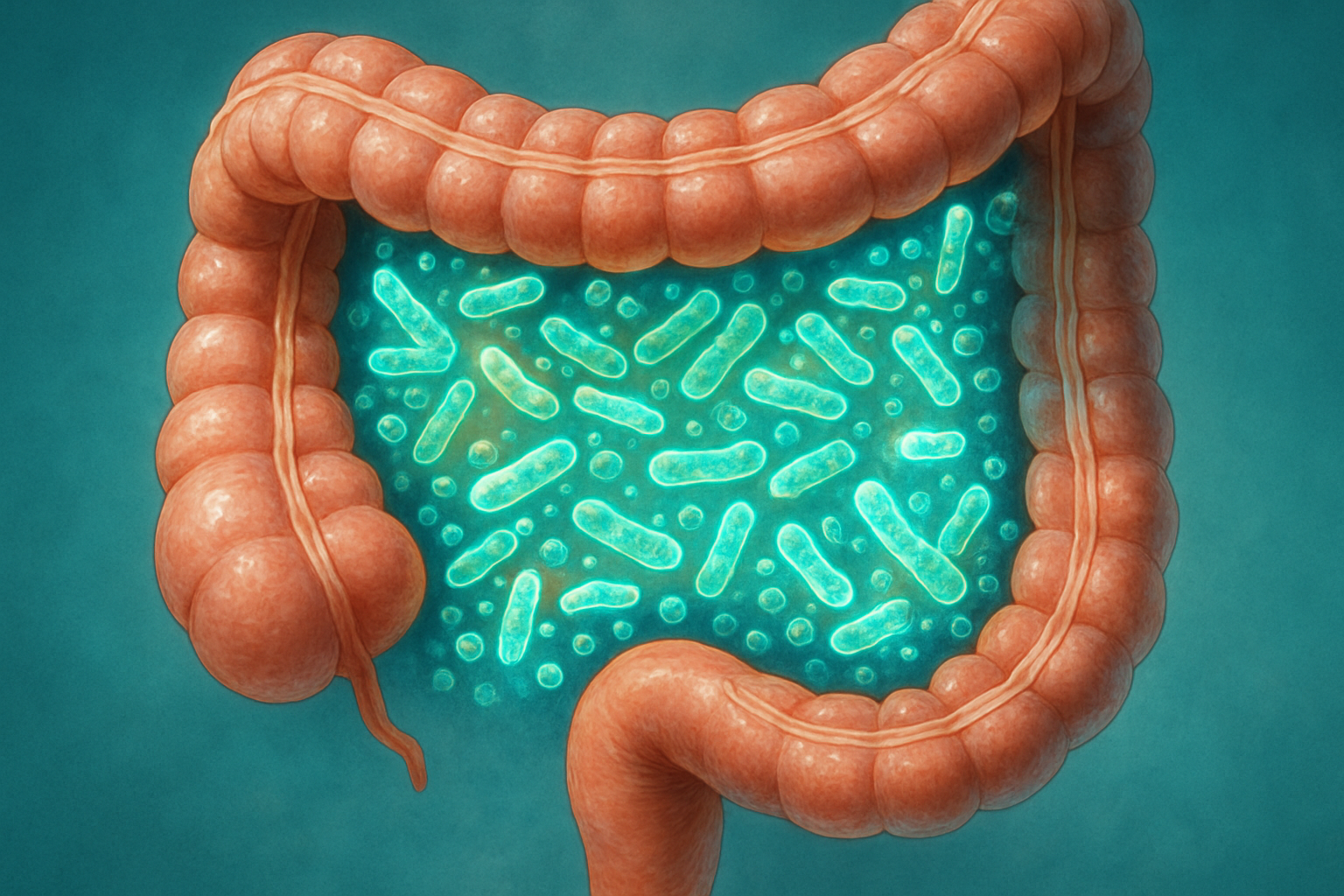
Your gut is home to trillions of bacteria, fungi, and other microorganisms that collectively form your microbiome. When that community is diverse and thriving, research suggests it may support everything from digestion and immunity to mood and metabolism. But when it gets thrown off — by stress, antibiotics, a poor diet, or even just the passage of time — things can start to go sideways in ways that feel confusing and frustrating. Let’s talk about seven signs that your gut microbiome might be out of balance, and what you can actually do about it.
7 Common Signs of Gut Microbiome Imbalance to Watch For
1. Frequent Bloating, Gas, or Irregular Bowel Movements
This is usually the first thing people notice. If you’re dealing with persistent bloating, uncomfortable gas, constipation, or loose stools on a regular basis, your gut bacteria may be out of whack. Research suggests that an imbalance between beneficial and harmful bacteria — sometimes called dysbiosis — can disrupt normal digestion and fermentation in the gut, leading to exactly these kinds of symptoms. Many people find that adding a quality probiotic helps restore some regularity over time.
2. You’re Getting Sick More Often Than Usual
Did you know that an estimated 70–80% of your immune system lives in your gut? When your microbiome is healthy and diverse, it may help train and regulate immune responses. But when the balance tips, your defenses can feel like they’re running on empty. If you seem to catch every cold that goes around or find yourself feeling run down frequently, it may be worth taking a closer look at what’s happening in your digestive system.
3. Persistent Fatigue and Low Energy
Gut health and energy levels are more connected than most people realize. Research suggests that the gut microbiome plays a role in how well your body absorbs certain nutrients — like B vitamins, magnesium, and iron — that are critical for energy production. An imbalanced microbiome may also contribute to low-grade inflammation, which can leave you feeling chronically tired even when you’re doing everything else right.
4. Mood Swings, Anxiety, or “Brain Fog”
The gut-brain axis is real, and the science behind it is genuinely fascinating. Your gut produces roughly 90% of the body’s serotonin, and studies have found strong links between gut microbiome diversity and mental well-being. Many people find that when their digestion improves, their mood, focus, and mental clarity improve right along with it. If you’ve been dealing with unexplained anxiety, irritability, or that cloudy-headed feeling, your gut health may be a piece of the puzzle.
5. Skin Issues Like Acne, Eczema, or Dullness
The gut-skin connection — sometimes called the gut-skin axis — is an emerging area of research that’s gaining a lot of attention. Studies suggest that imbalances in the gut microbiome may contribute to inflammatory skin conditions. If you’ve tried every topical solution and your skin still isn’t cooperating, it might be time to look inward — literally.
6. Intense Cravings for Sugar or Processed Foods
Here’s a wild one: certain harmful gut bacteria and yeast (like Candida) may actually influence your food cravings to feed themselves. Research suggests that an overgrowth of sugar-loving microbes may amplify cravings for exactly the foods that help them thrive — creating a frustrating cycle that’s hard to break through willpower alone. Supporting a healthier microbiome may help rebalance those cravings over time.
7. Food Sensitivities That Seem to Be Getting Worse
If foods that never bothered you before are suddenly causing discomfort, your microbiome diversity may have taken a hit. Research suggests that a less diverse gut community is less equipped to process a wide variety of foods, which can show up as new or worsening sensitivities. Many people find that nurturing their microbiome helps them tolerate a broader range of foods over time.
What You Can Do to Support a Healthier Gut Microbiome
The good news? Your microbiome is remarkably responsive to the choices you make every day. Here are some of the most well-supported strategies for nurturing a healthier gut balance:
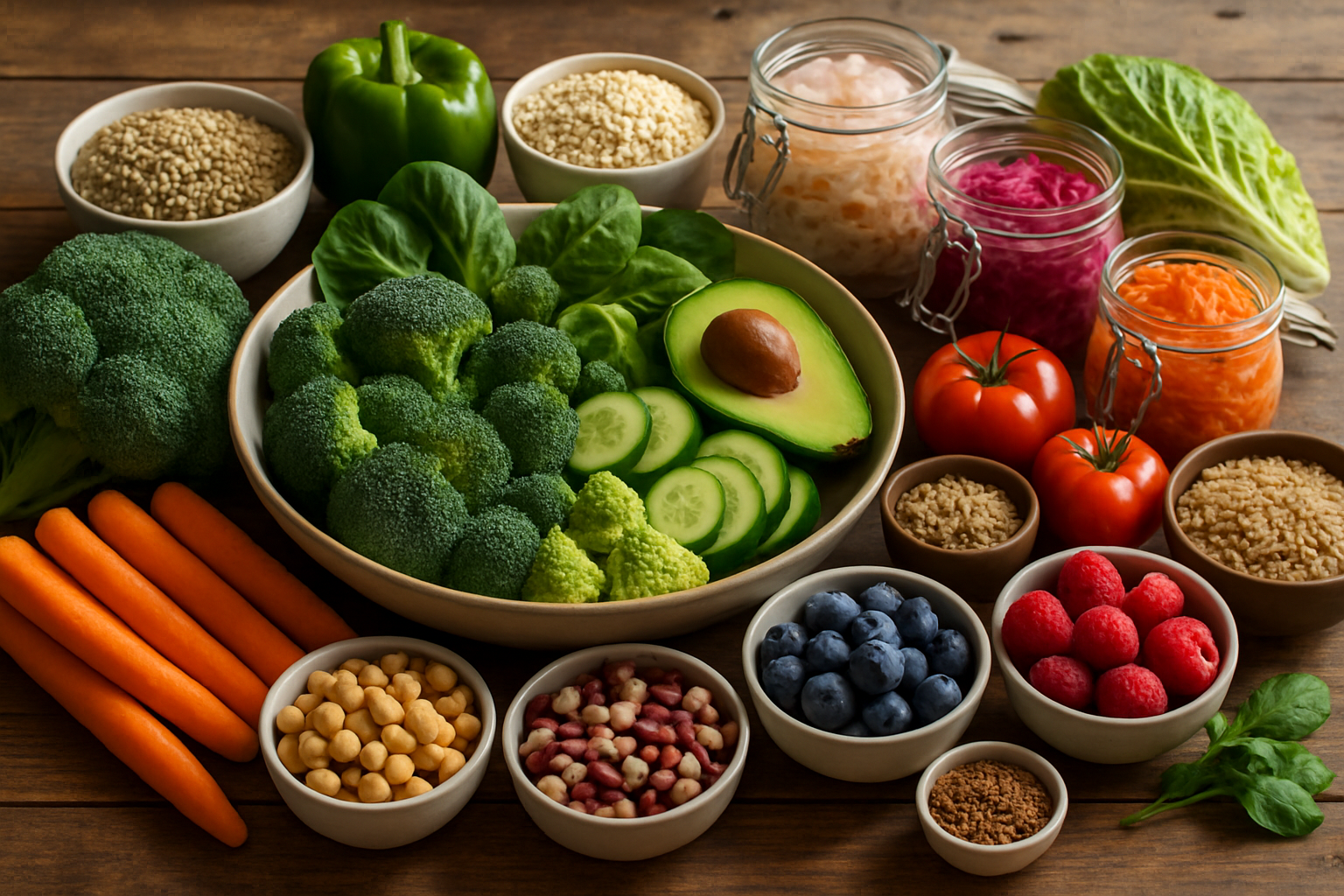
- Eat more fiber and fermented foods. Diverse plant foods — vegetables, legumes, fruits, whole grains — feed beneficial bacteria. Fermented foods like yogurt, kefir, kimchi, sauerkraut, and miso introduce live cultures directly into your gut.
- Reduce ultra-processed foods and added sugars. These can fuel the growth of less beneficial microbes and reduce overall diversity.
- Manage stress consistently. Chronic stress has been shown to alter gut microbiome composition. Even small daily habits like walking, deep breathing, or adequate sleep can make a meaningful difference.
- Consider a quality probiotic supplement. While food should always come first, a well-formulated probiotic may help support microbiome balance — especially after illness, antibiotic use, or a period of poor diet.
Products Worth Trying for Gut Microbiome Support
I’ve spent a lot of time researching probiotic supplements, and I want to be upfront: not all probiotics are created equal. Strain diversity, CFU count, delivery mechanism, and whether a product includes prebiotic fiber all matter. Here are a few options I think are genuinely worth considering — and that have strong customer feedback and ingredient transparency:
Best Overall Daily Probiotic
Physician’s CHOICE Probiotics 60 Billion CFU is one of my top picks for everyday gut support. It delivers 60 billion CFUs across 10 clinically studied strains and includes organic prebiotics to help the good bacteria thrive once they arrive. Many people find it helpful for occasional constipation, bloating, gas, and general digestive comfort. It’s formulated for both women and men, and the shelf-stable design makes it easy to incorporate into any routine.
Category: Gut Health & Microbiome
Related Posts

How Your Gut Bacteria Affect Your Mood, Energy, and Mental Clarity
Have you ever noticed how a stressful week seems to…
What Is the Gut Microbiome and Why Does It Control More Than Your Digestion
Have you ever eaten something totally "normal" and spent the…
The Best Foods for a Thriving Gut Microbiome You Can Buy at Any Grocery Store
Have you ever finished a meal and felt like your…