Have you ever finished a meal and felt uncomfortably bloated, sluggish, or just “off” — even though you ate something totally reasonable? I used to chalk that up to eating too fast or choosing the wrong foods. But the more I dug into digestive health, the more I kept landing on the same surprising culprit: the liver. Understanding the liver health and digestion connection genuinely changed the way I think about gut symptoms, and I think it might do the same for you.
Your Liver Does a Lot More Than You Probably Think
Most of us learned in school that the liver “filters toxins.” And while that’s technically true, it’s a pretty underwhelming description for an organ that performs over 500 functions. When it comes to digestion specifically, the liver is doing some seriously heavy lifting every single day.
Here’s what I find most fascinating: your liver produces bile. Every day, it churns out somewhere between 800 and 1,000 milliliters of bile, which gets stored in your gallbladder and released into your small intestine when you eat. That bile is what breaks down dietary fats so your body can actually absorb them. Without adequate bile production, fat-soluble vitamins like A, D, E, and K can’t be properly absorbed either. So if you’ve ever wondered why you feel greasy and heavy after eating fatty foods, a sluggish liver may be part of that story.
Beyond bile, the liver also metabolizes proteins, regulates blood sugar, processes hormones, and neutralizes substances that your gut absorbs from food. Research published in journals covering gastroenterology and hepatology consistently highlights the bidirectional relationship between liver function and gut health — meaning what happens in your gut affects your liver, and what happens in your liver absolutely affects your gut.
Signs Your Liver May Be Asking for a Little More Support
I want to be clear here: I’m not talking about serious liver disease, which is a medical issue that requires a doctor’s care. What I’m talking about are the everyday patterns that many people experience when their liver is working harder than it needs to — or not as efficiently as it could be.
Many people find that when they make lifestyle choices that support liver health, some of these common experiences tend to improve:
- Persistent bloating, especially after fatty or rich meals
- A feeling of fullness that lingers long after eating
- Nausea or discomfort after eating fried foods
- Fatigue that doesn’t fully resolve with rest
- Skin that looks dull or breaks out more than usual
- Difficulty losing weight despite reasonable effort
- Brain fog or general sluggishness after meals
Again, these symptoms can have many causes, and it’s always worth talking with your healthcare provider if something feels off. But if you’ve ruled out other causes and you’re still searching for answers, giving your liver some extra love is a reasonable and research-supported place to start.
What Actually Supports Liver Health and Better Digestion
The good news is that the liver is remarkably resilient. It’s one of the few organs in the body that can regenerate itself, and research suggests there are several practical things you can do to support its function on a daily basis.
Prioritize Whole Foods and Reduce Processed Ones
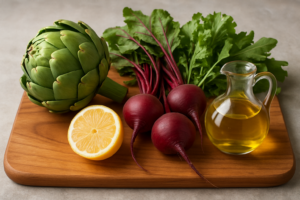
This one isn’t glamorous, but it matters enormously. Highly processed foods, excess sugar, and refined carbohydrates are linked to non-alcoholic fatty liver disease (NAFLD), which is now one of the most common liver conditions worldwide. On the flip side, research suggests that cruciferous vegetables like broccoli, Brussels sprouts, and cauliflower may support the liver’s natural detoxification pathways. Beets, leafy greens, garlic, and turmeric also show up consistently in the research as liver-friendly foods.
Stay Hydrated
Water is essential for bile production and for keeping things moving through your digestive tract. Many people underestimate how much chronic mild dehydration can slow down digestive processes. Aim for consistent water intake throughout the day rather than playing catch-up in the evening.
Consider Targeted Herbal Support
This is where herbal supplements come in, and honestly, it’s the area I get the most questions about. Milk thistle is probably the most well-researched herb for liver support. Its active compound, silymarin, has been studied extensively and research suggests it may help protect liver cells, support regeneration, and reduce oxidative stress. Dandelion root, artichoke, and beets are also commonly used in liver support formulas, and many people find them helpful for digestive comfort as well.
Products Worth Trying
I’ve looked at a lot of liver support supplements, and the ones I feel comfortable recommending are those that use well-researched ingredients at meaningful doses, without unnecessary fillers. Here are a few worth considering:
Milk Thistle and Dandelion: The Liver Support Combination I Recommend First
If your liver isn’t processing bile efficiently or your Phase 2 detoxification pathways are sluggish, bloating and digestive discomfort can linger even when you’re eating well. Milk thistle (silymarin) and dandelion are two of the most researched botanical supports for liver function, and pairing them together addresses both bile flow and hepatic stress in a way single-herb formulas often don’t.
What works
- Milk thistle silymarin has the strongest clinical evidence for supporting liver cell regeneration and reducing hepatic inflammation — most of my clients who’ve had liver enzyme support needs see measurable shifts within 6–8 weeks of consistent use.
- Dandelion root acts as a choleretic, meaning it stimulates bile production and flow — this is the mechanism that often explains why bloating improves when the liver-gut axis gets better support.
- This formulation is standardized for silymarin content (80%), so you’re not guessing at potency the way you would with loose dried herb blends or budget brands.
What doesn’t
- This is a support tool, not a medication — it won’t reverse cirrhosis or replace medical treatment for liver disease, and if you have an active liver condition or are on medications like warfarin or certain statins, you need to check with your GP first.
- Results aren’t immediate; most people need at least 4 weeks of consistent daily use before noticing shifts in digestion, bloating, or energy — if you’re expecting overnight relief, this isn’t the right expectation.
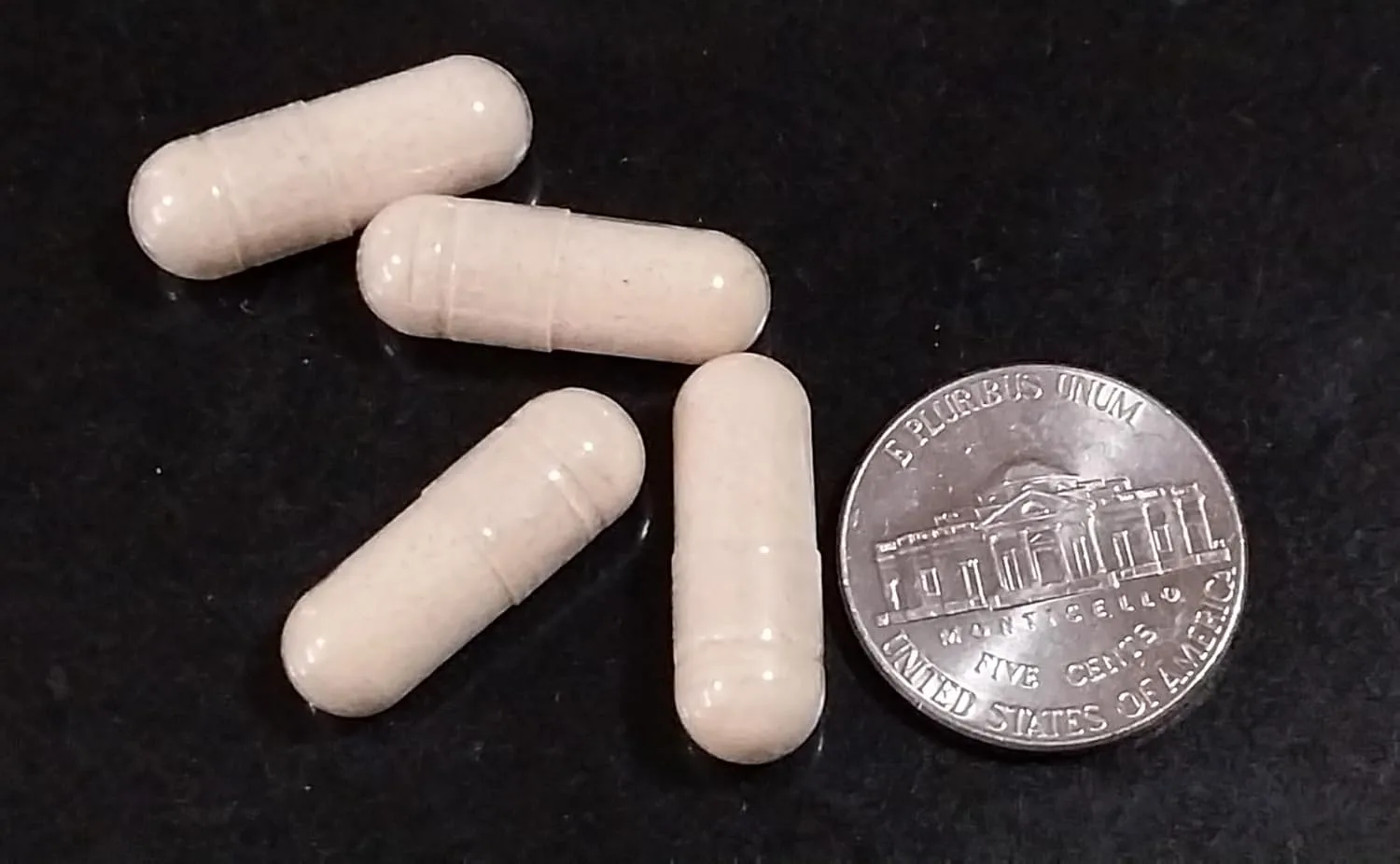
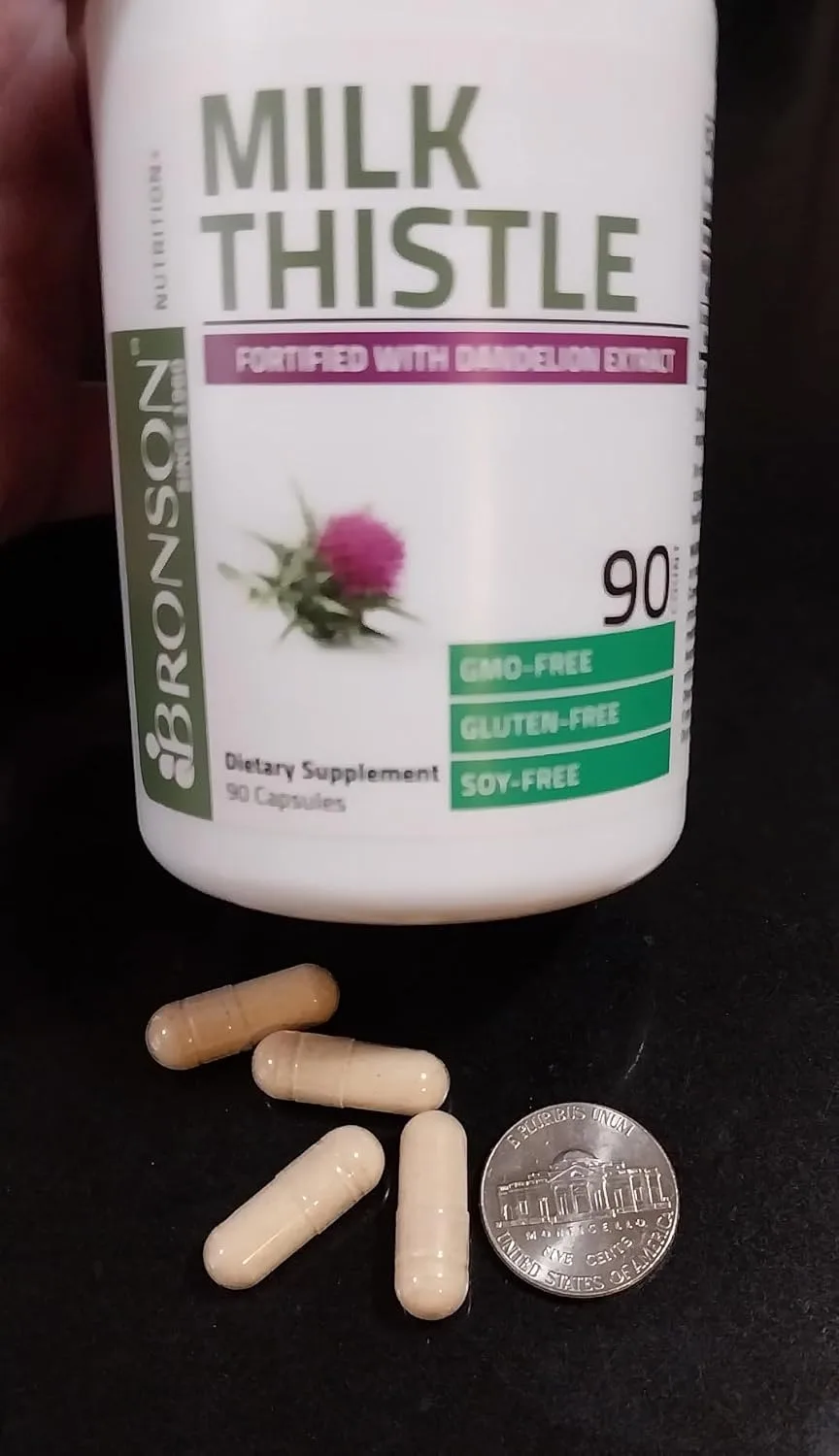
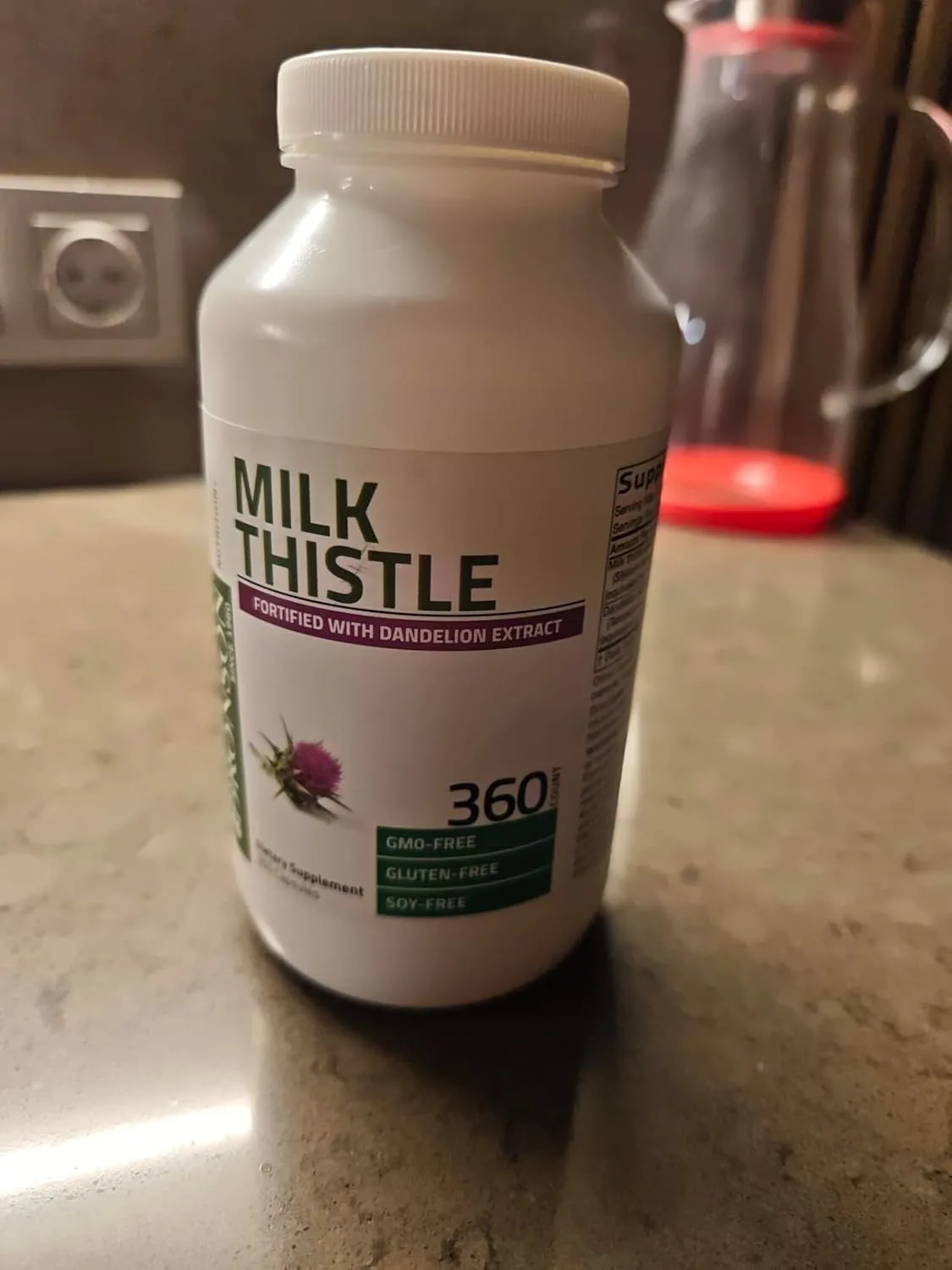
This supplement works best as part of a broader liver-supportive lifestyle (adequate hydration, reduced alcohol, managed stress) — it’s not a replacement for addressing root causes like food sensitivities or dysbiosis. If you’re curious about whether liver support might help your specific symptoms, Bronson Milk Thistle Silymarin with Dandelion Extract is the formula I’ve recommended most consistently to clients with sluggish digestion and bloating.
This post contains affiliate links. As an Amazon Associate, I earn from qualifying purchases at no extra cost to you.
This post contains affiliate links. As an Amazon Associate, I earn from qualifying purchases. This means I may earn a small commission if you click through and make a purchase — at no extra cost to you. I only recommend products I believe may genuinely support your health goals.