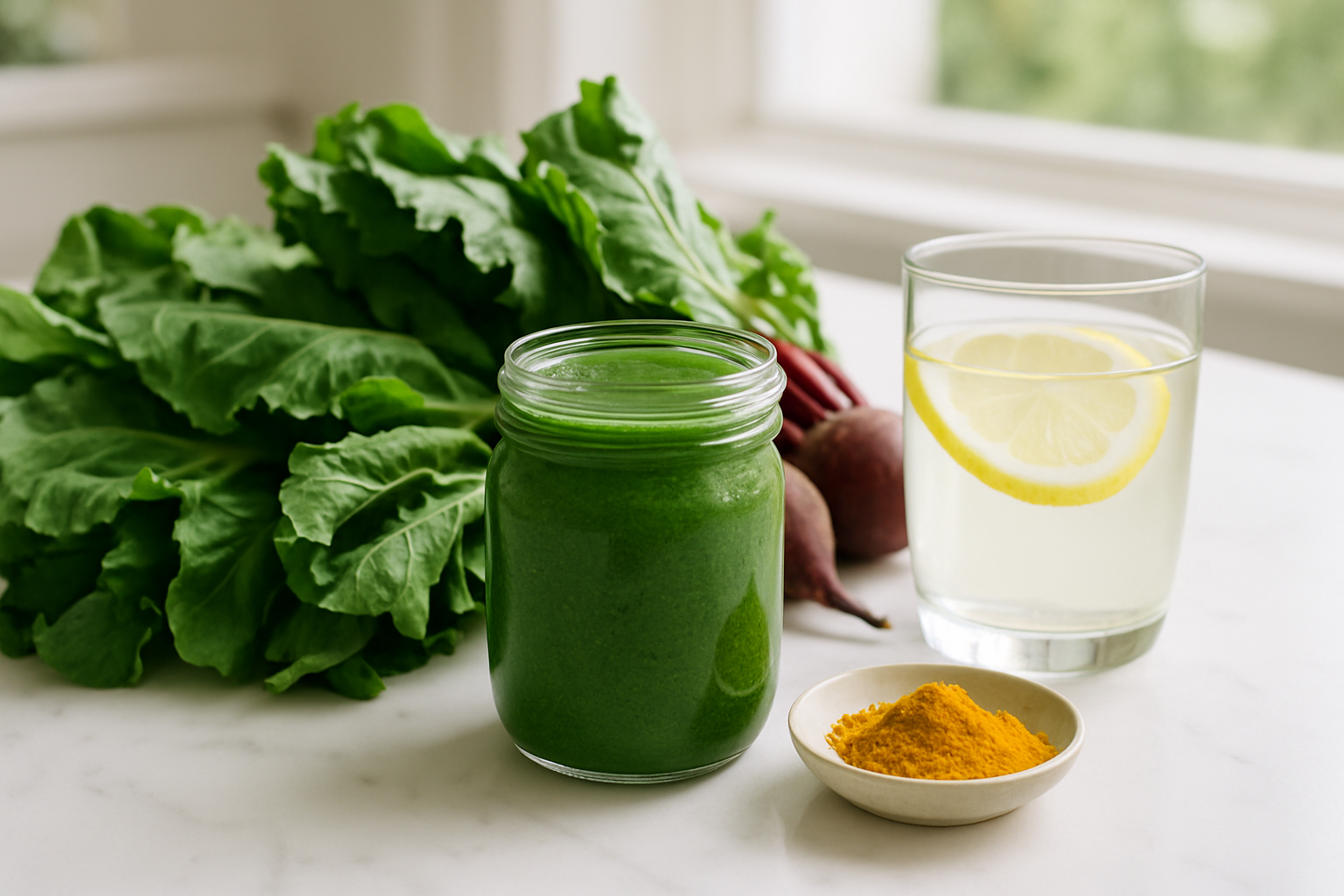
Have you ever stood in the health food aisle, staring at a row of “detox” teas, juice cleanses, and liver flush kits, wondering if any of it actually does anything? I have. And honestly, the deeper I dug into the detox diet truth gut health connection, the more I realized how much noise is out there — and how much genuinely useful information is buried underneath it. Today I want to cut through the confusion and give you a real, grounded look at what detoxing actually means, what the science says, and what habits and products may actually support your gut and liver in a meaningful way.
The Detox Diet Truth About Gut Health: Separating Fact from Fiction
Here’s the thing that took me a while to accept: your body already has a detox system. A remarkably good one, actually. Your liver, kidneys, lungs, skin, and digestive tract work around the clock to filter waste, process toxins, and keep things moving. No juice cleanse can replicate what your liver does every single day without you even thinking about it.
That said — and this is the part the skeptics sometimes skip over — your lifestyle absolutely affects how well those systems function. Research suggests that poor diet, chronic stress, alcohol, and a sedentary lifestyle can all put extra strain on the liver and gut. So while you can’t “detox” your body with a three-day lemon water fast, you can make choices that genuinely support your body’s natural detoxification processes. That distinction matters a lot.
Many popular detox programs are built around real ingredients — milk thistle, dandelion root, activated charcoal, sea moss — that have legitimate research behind them. The problem is the marketing, which tends to promise dramatic, overnight transformations that simply aren’t realistic or scientifically supported. Let’s talk about what these ingredients may actually do.
Ingredients That May Actually Support Your Liver and Gut
Milk Thistle and Silymarin
Milk thistle is probably the most well-researched herb when it comes to liver support. Its active compound, silymarin, has been studied extensively, and research suggests it may help protect liver cells from damage and support the liver’s regenerative processes. Many people find it helpful when they’re recovering from periods of overindulgence or supporting overall liver function long-term. This isn’t magic — it’s a well-regarded botanical with a real body of evidence behind it.
Dandelion Root
I’ll admit, dandelion root sounds more like a backyard nuisance than a wellness tool. But research suggests it may support bile flow from the liver and gallbladder, which plays a direct role in how well your body digests fats and eliminates waste. Some studies also point to mild diuretic effects, which may help the kidneys flush excess water and waste products more efficiently.
Activated Charcoal
Activated charcoal is a fascinating one. It’s been used in emergency medicine for decades to help bind certain toxins in the gut before they’re absorbed. For everyday wellness use, research is more limited, but many people find it helpful after meals that don’t sit well, or as an occasional digestive reset. It’s worth knowing that activated charcoal can also bind to medications and nutrients, so timing matters — and if you’re on any prescriptions, it’s worth a conversation with your doctor before adding this one in.
Sea Moss, Burdock Root, and Artichoke
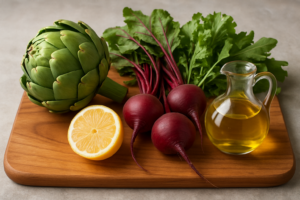
Sea moss has exploded in popularity, and while some of the claims floating around social media are overblown, it does contain a range of minerals and prebiotic compounds that may support gut lining health and microbiome diversity. Burdock root has a long history in traditional medicine as a liver and blood-cleansing herb. Artichoke extract, meanwhile, has been studied for its potential to support healthy cholesterol levels and stimulate bile production — both of which are connected to how efficiently your liver processes waste.
Activated Charcoal: The One “Detox” Tool With Actual Clinical Merit
If you’re going to use a supplement marketed as a “detox” agent, activated charcoal is one of the few with real evidence behind it — but only for specific situations. It works by binding certain substances in your digestive tract, which is why hospitals actually use it for acute poisoning cases. For everyday gut health, the window of usefulness is narrower than the marketing suggests.
What works
- Activated charcoal can reduce bloating and gas when taken shortly after a meal heavy in food additives or after accidental exposure to foods you know trigger symptoms — the binding happens in real time, before absorption.
- Unlike most detox products, it has established pharmacological use; your GP might actually recommend it for specific poisonings or medication overdoses, which tells you the mechanism is legitimate (even if casual use is oversold).
- High-quality activated charcoal (like food-grade versions) has minimal side effects in short-term use, making it safer to trial than many supplement stacks claiming to “cleanse” your system.
What doesn’t
- It doesn’t selectively remove “toxins” while leaving nutrients — it binds indiscriminately, so regular use can interfere with absorption of medications, supplements, and fat-soluble vitamins (A, D, E, K), which is why it’s not a daily detox solution.
- If you have constipation-prone IBS or are on medications you depend on, activated charcoal can do more harm than good; it’s a short-term troubleshooter, not a gut-healing supplement.
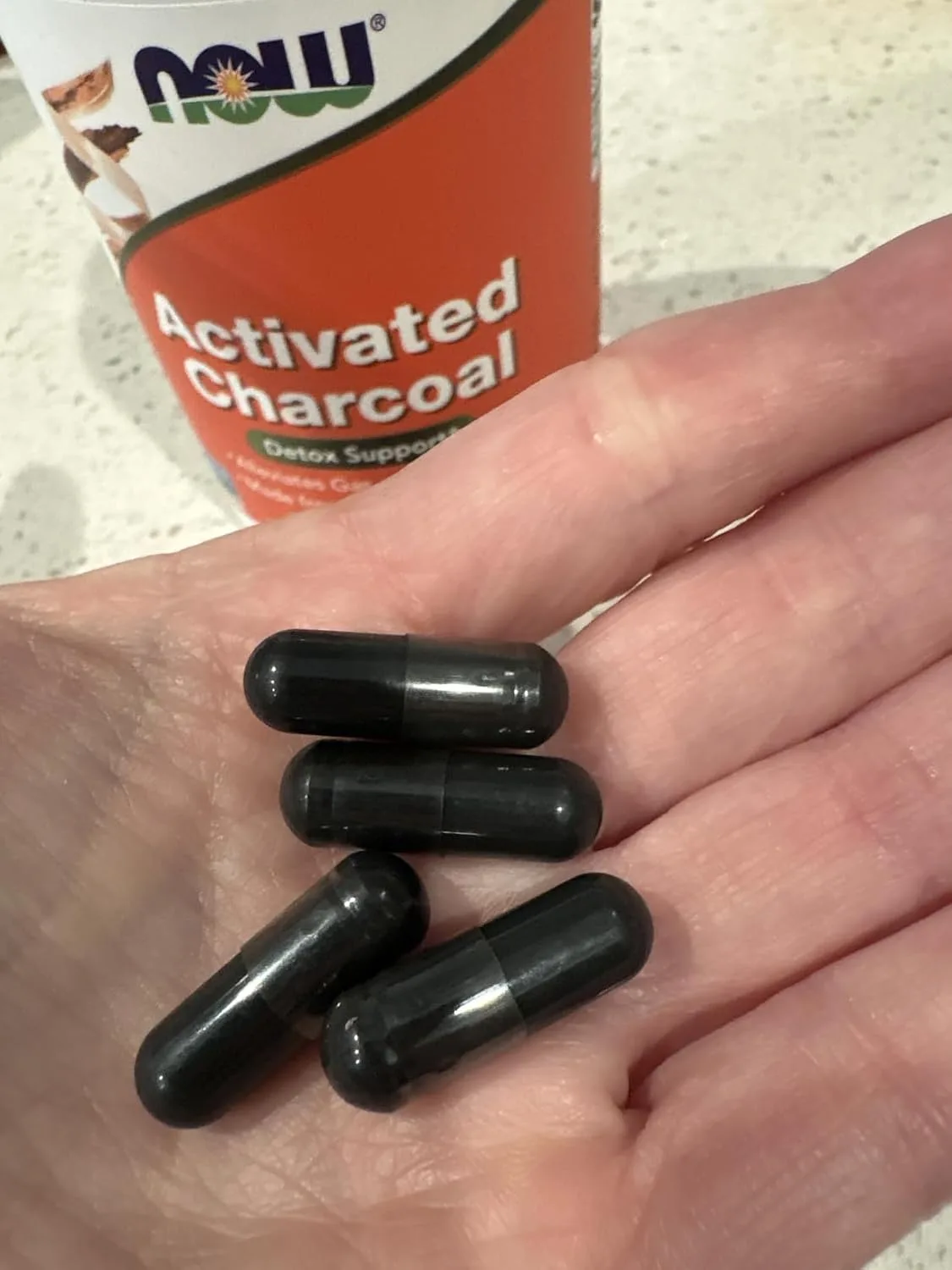
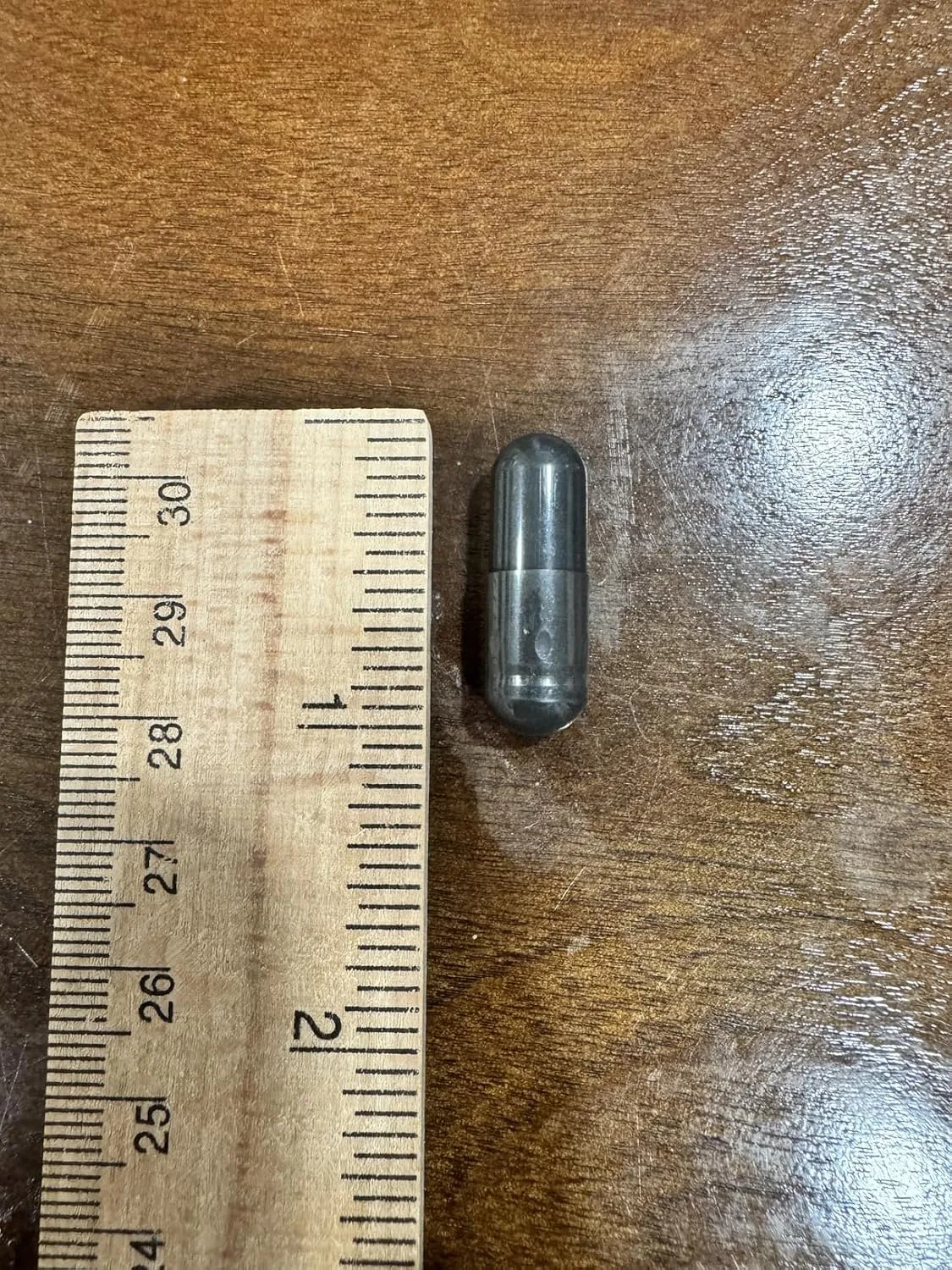
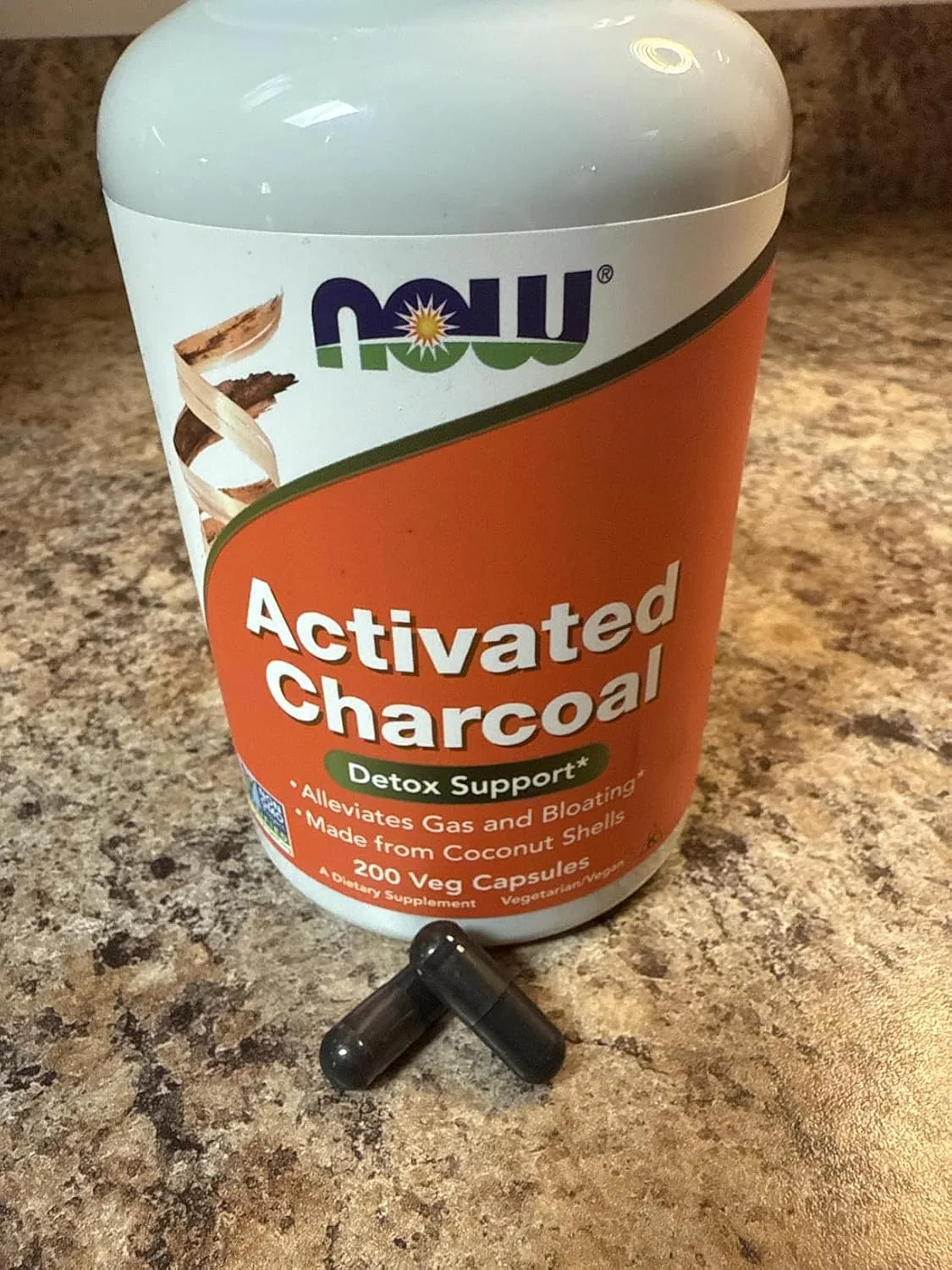
Activated charcoal works best as an occasional tool for specific situations (accidental trigger food exposure, post-meal bloating), not as a daily “detox” habit — and if you’re on regular medications or have nutrient absorption issues, talk to your GP before adding it in. NOW Foods Activated Charcoal is a reliable, affordable option if you do decide to keep some on hand.
This post contains affiliate links. As an Amazon Associate, I earn from qualifying purchases at no extra cost to you.
This post contains affiliate links. As an Amazon Associate, I earn from qualifying purchases. This means I may earn a small commission if you click through and make a purchase — at no extra cost to you. I only recommend products I genuinely think are worth your time and money.