Have you ever finished a meal and felt like your stomach just couldn’t quite get it together — bloating, sluggishness, that general “off” feeling that’s hard to explain? I’ve been there more times than I’d like to admit. It wasn’t until I started paying serious attention to what I was eating — specifically, what I was feeding the trillions of microorganisms living in my gut — that things started to shift. If you’ve been searching for the best foods for gut microbiome health, I want to share what the research says and, more importantly, what you can actually find at your regular grocery store starting today.
Why Your Gut Microbiome Matters More Than You Might Think
Your gut microbiome is essentially a vast, living ecosystem — home to hundreds of different bacterial species that play a role in digestion, immune function, mood regulation, and so much more. Research published in journals like Nature and Cell has shown that the diversity of your gut bacteria is closely linked to your overall health. The more diverse your microbiome, the better it may be at doing its many jobs.
Here’s the part that gave me real hope: what you eat can meaningfully influence that diversity. You don’t need expensive supplements or a complete dietary overhaul. Many of the most microbiome-friendly foods are affordable, widely available, and honestly pretty delicious once you know how to use them.
The Best Foods for Gut Microbiome Health at Your Local Grocery Store
Fermented Foods: Probiotics You Can Eat
Fermented foods are among the most well-studied allies for gut health. They contain live beneficial bacteria — probiotics — that may help populate and diversify your microbiome. A 2021 Stanford study found that a diet high in fermented foods increased microbiome diversity and reduced inflammatory markers in participants. That’s pretty compelling stuff.
Look for these in your grocery store’s refrigerated section:
- Plain yogurt with live active cultures — one of the easiest ways to add probiotics to your day. Look for “live and active cultures” on the label.
- Kefir — a tangy, drinkable fermented milk that may contain even more bacterial strains than yogurt.
- Sauerkraut — fermented cabbage that’s rich in beneficial bacteria. Make sure it’s refrigerated, not shelf-stable (the canning process kills the live cultures).
- Kimchi — a spicy Korean fermented vegetable dish that research suggests may support gut health and even immune function.
- Miso and tempeh — fermented soy-based options that work beautifully in soups and stir-fries.
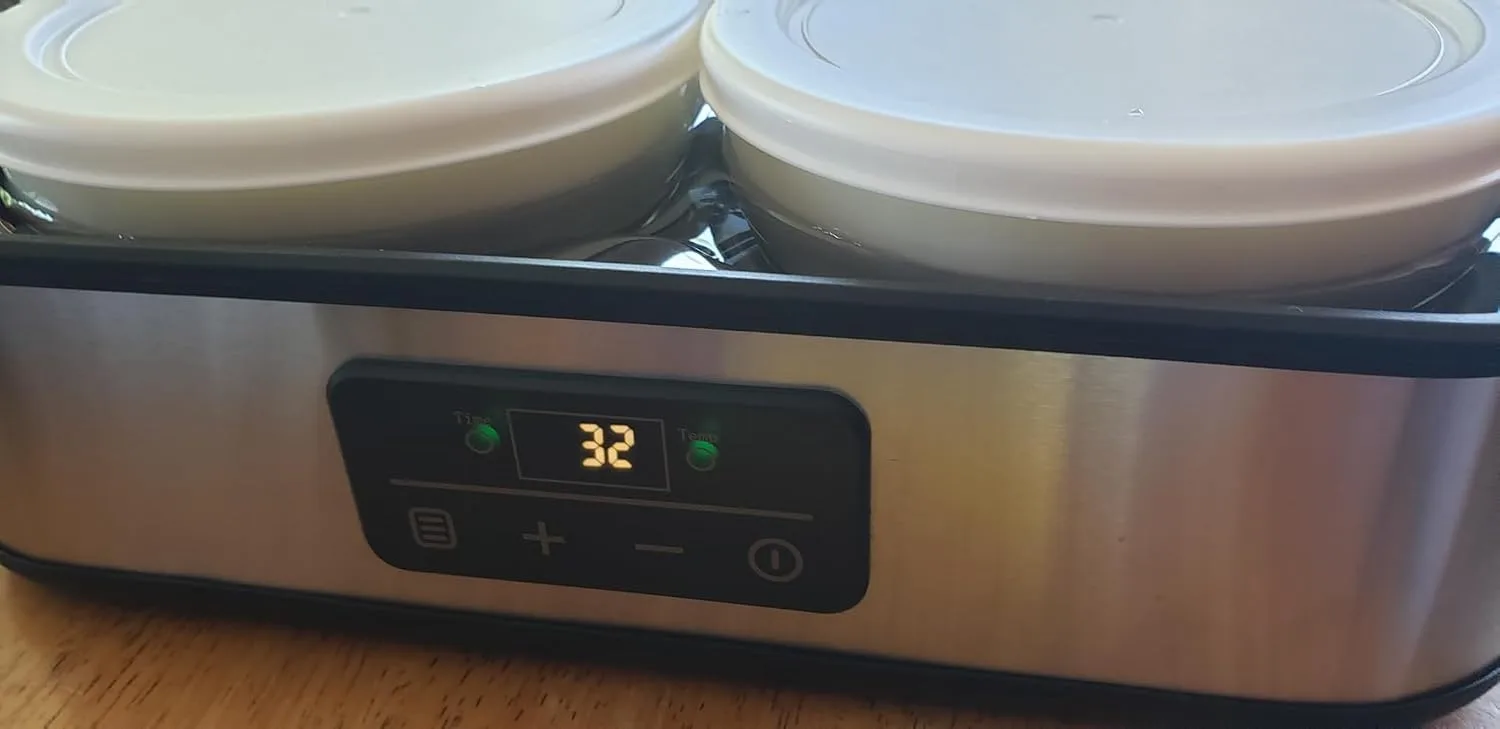
One thing I started doing that genuinely changed my gut health journey: making my own fermented vegetables at home. It sounds intimidating, but it’s surprisingly simple and far less expensive than buying store-bought versions. I’ll share a product recommendation below that made this super approachable for me.
Prebiotic-Rich Foods: Feeding the Good Bacteria You Already Have
Probiotics get a lot of attention, but prebiotics are just as important — maybe more so. Prebiotics are types of fiber that your body can’t digest, but your gut bacteria absolutely love to feast on. When beneficial bacteria ferment these fibers, they produce short-chain fatty acids like butyrate, which research suggests may support the gut lining and reduce inflammation.
Great prebiotic foods you can grab this week include:
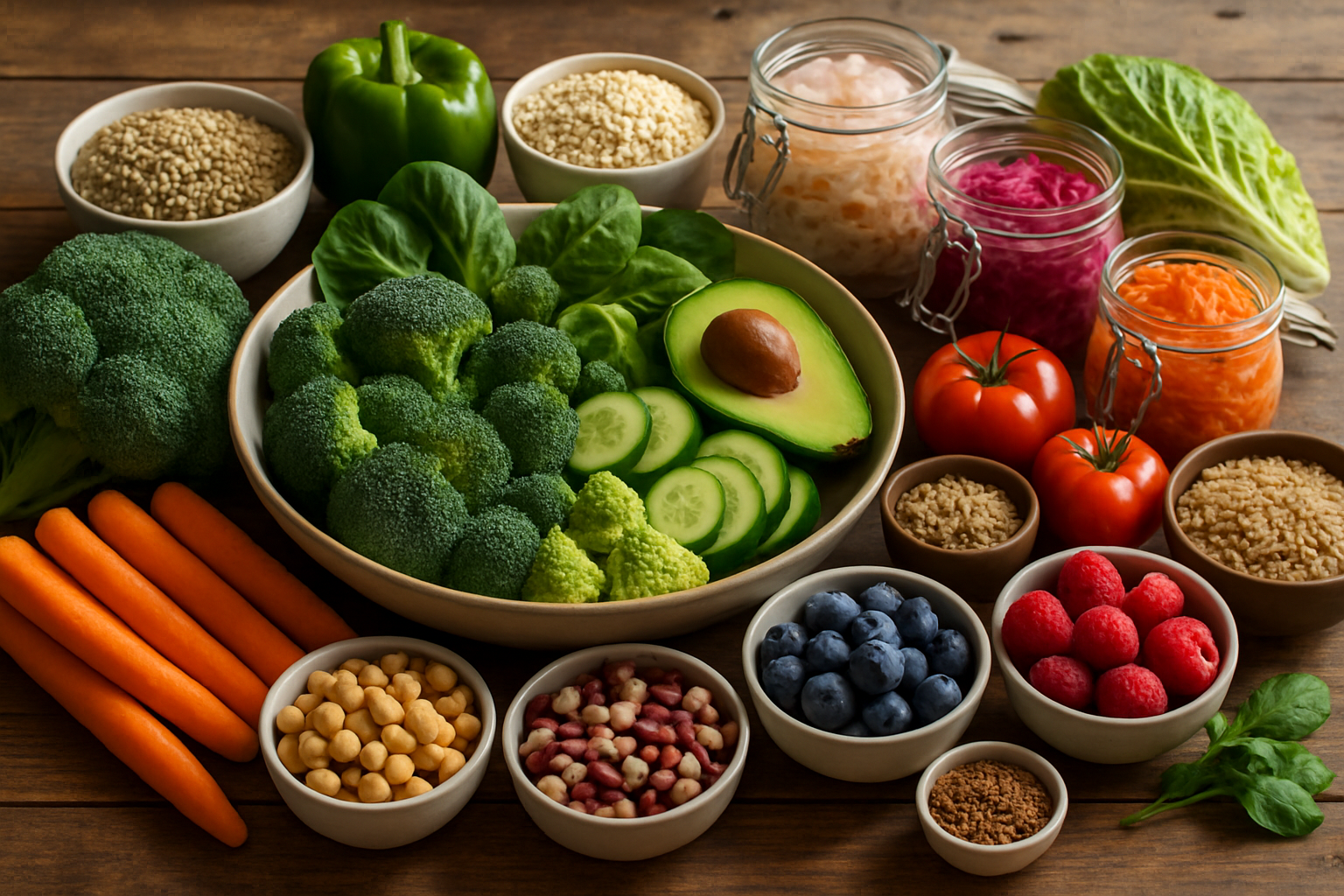
- Garlic and onions — among the richest sources of inulin, a well-studied prebiotic fiber
- Leeks and asparagus — underrated prebiotic powerhouses that are easy to roast or sauté
- Bananas — especially slightly underripe ones, which contain more resistant starch
- Oats — a great source of beta-glucan fiber that feeds beneficial bacteria
- Jerusalem artichokes — incredibly high in inulin; worth seeking out if you haven’t tried them
High-Fiber Plant Foods: Diversity for Your Microbiome
Research consistently shows that people who eat a wide variety of plant foods tend to have more diverse gut microbiomes. One large study found that eating 30 or more different plant foods per week was associated with greater microbiome diversity compared to eating 10 or fewer. You don’t have to hit 30 every single week — just aim to expand your plant variety over time.
Some everyday options to rotate in:
- Lentils, chickpeas, and black beans
- Broccoli, Brussels sprouts, and other cruciferous vegetables
- Apples and pears (eat the skin!)
- Flaxseeds and chia seeds
- A colorful mix of berries
Products Worth Trying to Support Your Gut Health Routine
Sometimes your diet needs a little extra support, or you’re not getting enough prebiotic-rich foods on a given day. Here are a few products I genuinely think are worth your consideration — all available on Amazon.
Prebiotic Inulin Powders
Inulin is one of the most researched prebiotic fibers out there, and adding a small amount to smoothies, oatmeal, or even coffee is one of the easiest ways to feed your gut bacteria daily. I like keeping a bag on hand for days when my veggie intake is lower than usual.
- NOW Foods Organic Inulin Prebiotic Pure Powder — 1 Pound — This is a great value option if you plan to use inulin consistently. It’s USDA certified organic, Non-GMO Project Verified, and dissolves easily in liquids. The 1-pound size means you won’t run out quickly.
- The Prebiotic Powder I Use When Whole Foods Aren’t Enough
If you’re eating fermented foods and plant fiber consistently but still want a reliable, measurable way to feed your beneficial bacteria daily, inulin powder is one of the most evidence-backed shortcuts I recommend. It’s especially useful for days when your vegetable intake falls short or when you need a gentle, predictable dose of prebiotic fiber without the bloating that can come from suddenly doubling your raw vegetable consumption.
What works
- Inulin is one of the most studied prebiotic fibers available; research shows it measurably increases beneficial bacteria like Bifidobacterium and supports production of short-chain fatty acids that nourish your gut lining.
- This formulation dissolves easily and mixes into liquids without grit, making it genuinely easy to use daily—I’ve seen clients stick with it far longer than they do with capsules or tablets.
- The 1-pound size offers real value if you’re using inulin consistently; most people find a small daily amount (1–2 teaspoons) is enough to see a shift in digestion within 2–3 weeks without triggering excessive bloating.
What doesn’t
- If you have FODMAP sensitivity or unmanaged IBS, inulin can trigger bloating, gas, or cramping—start with a very small amount (1/4 teaspoon) and increase slowly, or skip it entirely if you’ve found you react poorly to high-FODMAP foods.
- Inulin powder isn’t a substitute for eating actual vegetables and fermented foods; it’s a supplement to a fiber-rich diet, not a replacement for one. Results depend entirely on whether the rest of your eating pattern supports gut health.
If you have active inflammatory bowel disease, a recent diagnosis of dysbiosis, or you’re uncertain how your gut will respond to prebiotic fiber, check with your GP or gastroenterologist before adding inulin powder—sometimes timing and dose matter. NOW Foods Organic Inulin Prebiotic Pure Powder — 1 Pound
This post contains affiliate links. As an Amazon Associate, I earn from qualifying purchases at no extra cost to you.
I was surprised by how much visible probiotic culture this had compared to other brands. 
I was surprised how affordable this kombucha was for the live cultures inside. 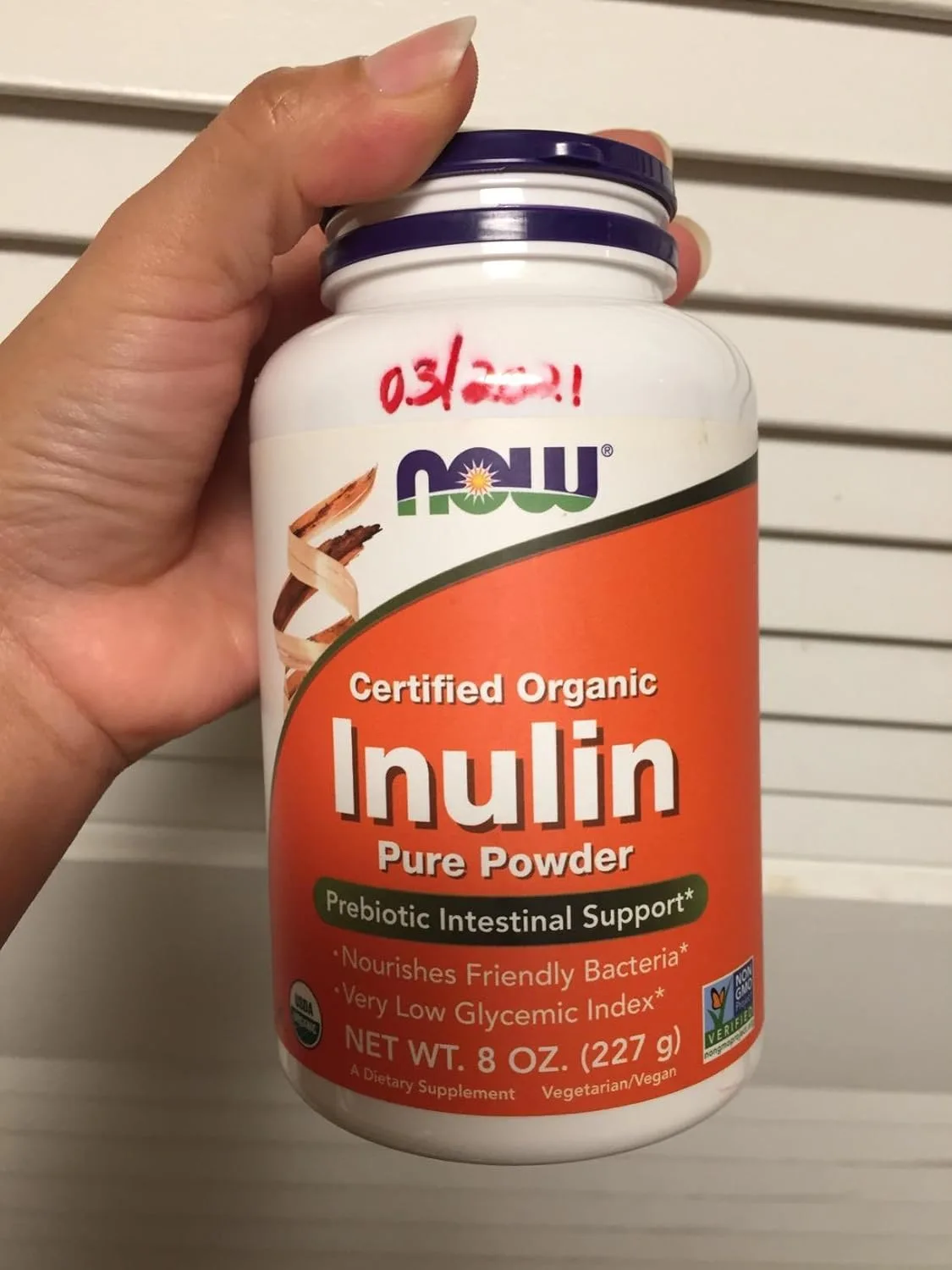
Great variety of options all in one place! 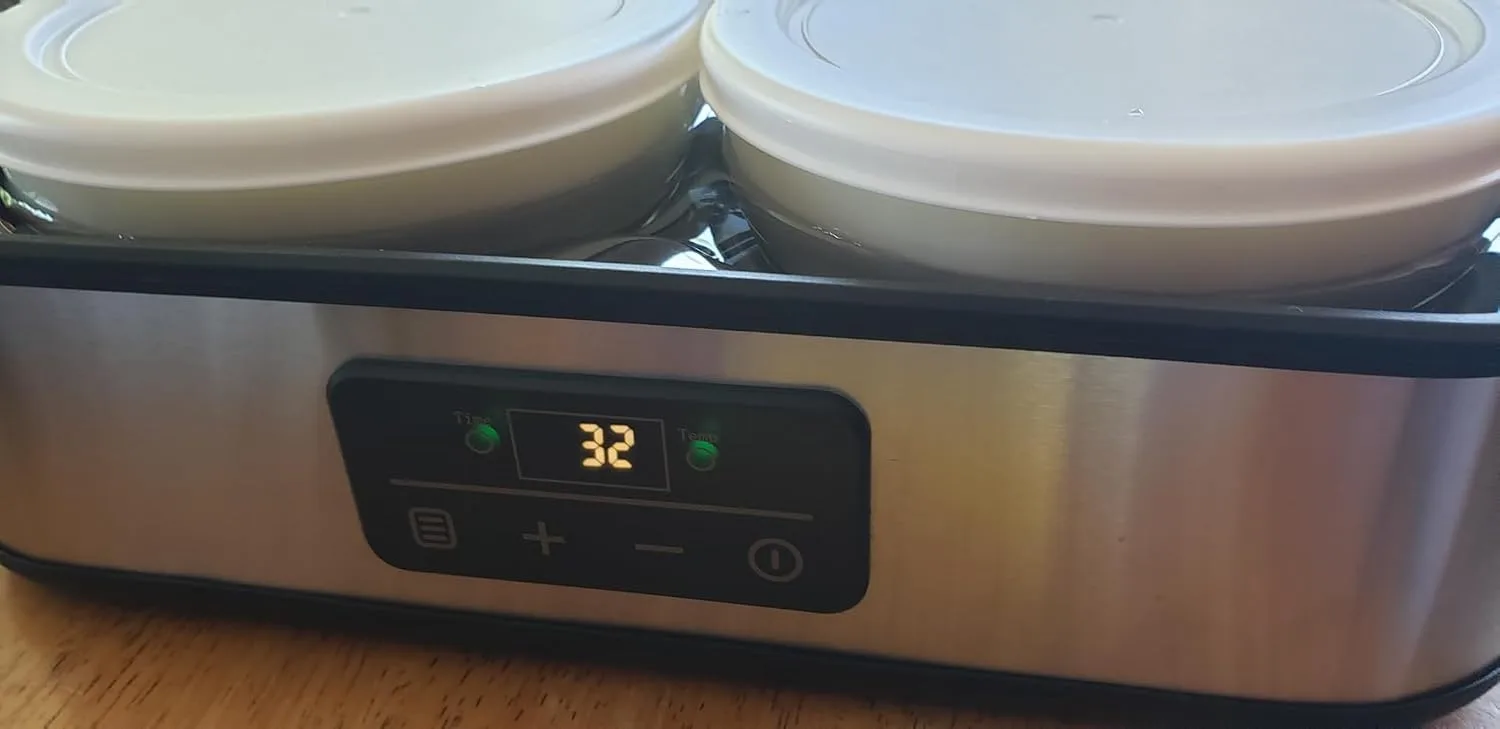
I was surprised by how many live cultures settled at the bottom of mine. 
Great quality and exactly as described. Highly recommend! 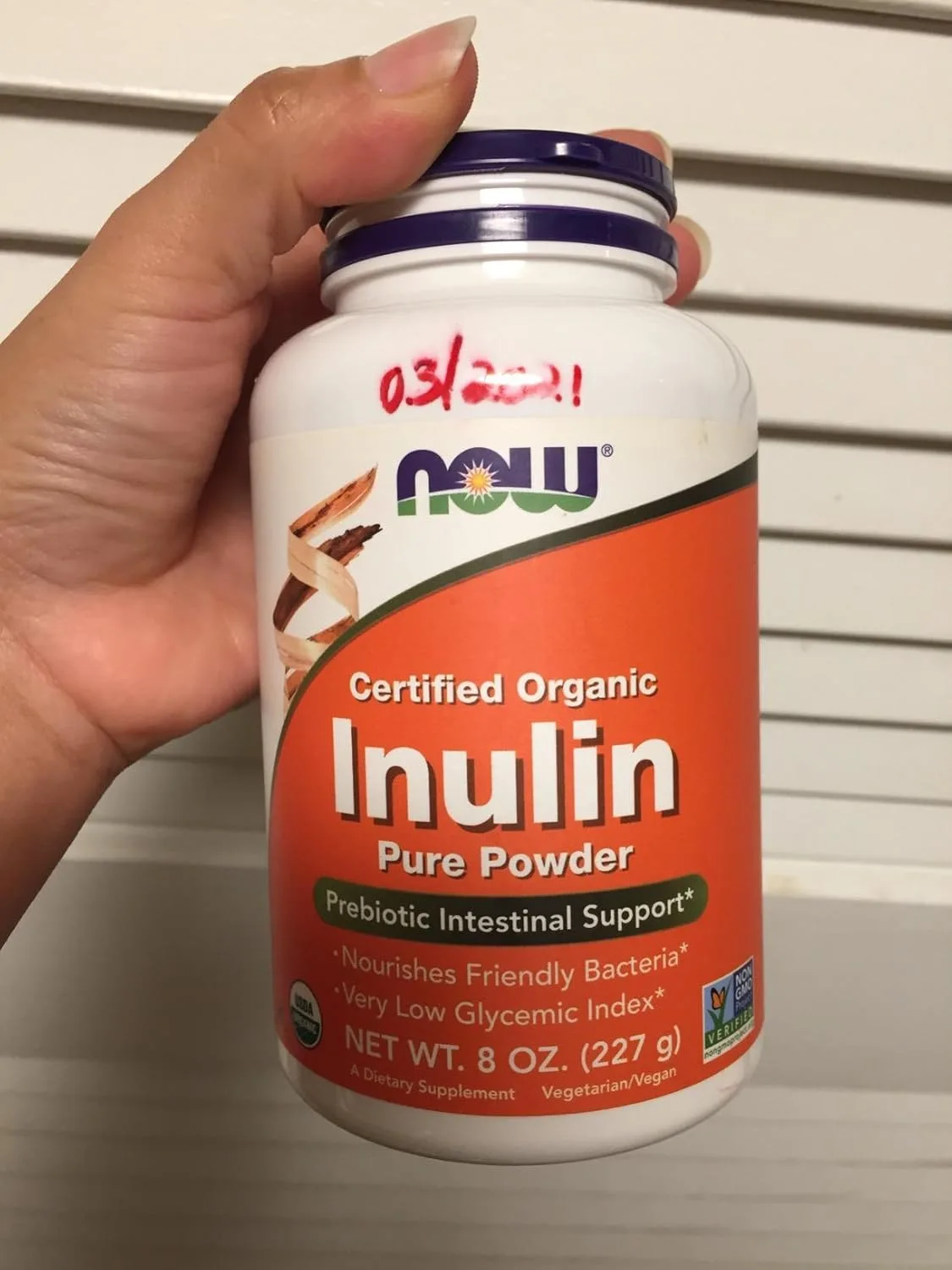
I was surprised how fine the powder is—it dissolves smoothly in water without clumping.