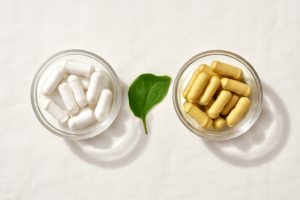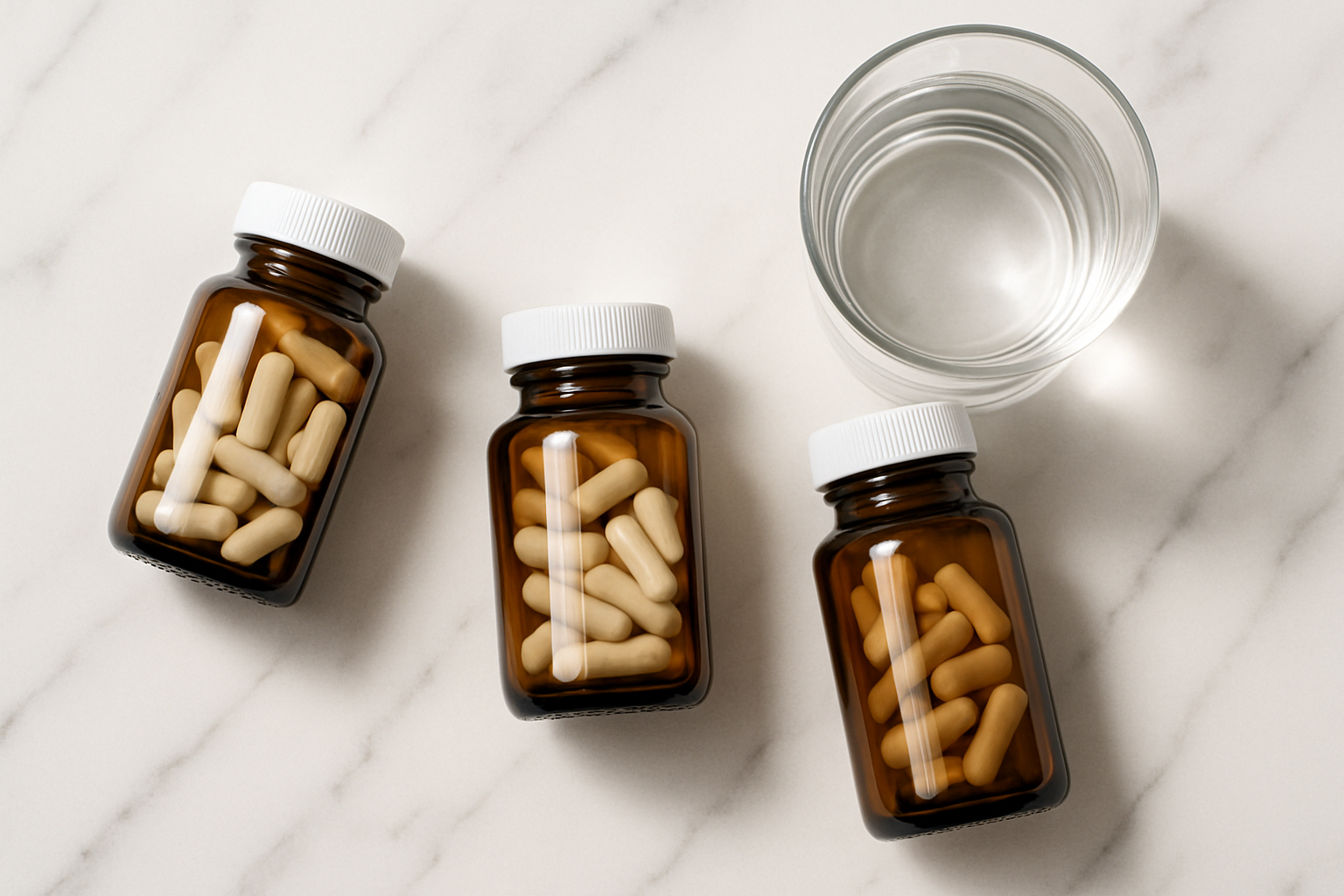
Have you ever woken up after a weekend of not-so-great eating, maybe a few too many glasses of wine or a stretch of processed convenience foods, and just felt… heavy? Not physically bloated necessarily, but sluggish in a way that’s hard to describe. Your energy is flat, your digestion feels off, and your body seems to be sending quiet distress signals. I’ve been there more times than I’d like to admit. And when I started digging into why, I kept landing on the same organ: the liver. That led me down a rabbit hole of research into what’s now become my favorite liver antioxidant supplement stack — a trio of compounds called NAC, glutathione, and alpha-lipoic acid that work together in ways that genuinely impressed me.
Why Your Liver Deserves More Attention Than You’re Giving It
Here’s something that surprised me when I first learned it: your liver performs over 500 different functions every single day. It filters toxins from your blood, produces bile to help digest fats, metabolizes medications, regulates blood sugar, and stores essential nutrients. It is, without exaggeration, one of the hardest-working organs in your entire body.
The problem is that modern life throws an enormous amount of oxidative stress at the liver — environmental toxins, processed foods, alcohol, medications, even chronic stress. Oxidative stress happens when free radicals outnumber your body’s antioxidant defenses, and the liver is ground zero for that battle. Over time, this imbalance may contribute to sluggish liver function, impaired detoxification, and a whole cascade of symptoms that many people never connect back to liver health.
The good news? Research suggests that certain antioxidants may help support the liver’s natural defenses in meaningful ways. That’s where NAC, glutathione, and alpha-lipoic acid come in.
Breaking Down the Liver Antioxidant Supplement Stack: NAC, Glutathione, and ALA
NAC (N-Acetyl Cysteine): The Building Block Your Liver Craves
NAC is probably the most well-researched compound in this trio. It’s a precursor to glutathione — meaning your body uses it to actually manufacture glutathione internally. Research has shown that NAC may help replenish glutathione levels in liver cells, support detoxification pathways, and provide direct antioxidant protection against oxidative damage. It’s so well-regarded that hospitals use high-dose intravenous NAC as a treatment for acetaminophen overdose, precisely because of its liver-protective properties.
For everyday supplementation, many people find that 600mg per day is a commonly studied and well-tolerated dose. NAC is generally best taken with food and works synergistically with the other compounds in this stack.
Glutathione: The Master Antioxidant
Glutathione is often called the “master antioxidant” because it doesn’t just fight free radicals on its own — it also helps recycle other antioxidants like vitamins C and E. Your liver is actually the primary site of glutathione production and storage in the body, which tells you a lot about how central this molecule is to liver health.
The challenge with supplementing glutathione directly has historically been absorption — standard oral forms were thought to break down in the digestive tract before reaching cells. That’s why liposomal glutathione has become so popular. The liposomal delivery wraps the glutathione in a phospholipid layer that may significantly improve absorption and bioavailability compared to standard capsule forms.
Alpha-Lipoic Acid: The Antioxidant That Works Everywhere
Alpha-lipoic acid (ALA) is unique because it’s both water- and fat-soluble, meaning it can work in virtually every tissue and cell compartment in your body. Research suggests ALA may help regenerate other antioxidants, support healthy blood sugar metabolism, and directly protect liver cells from oxidative damage. Some studies have also explored its potential role in supporting liver health in the context of fatty liver, though more research is ongoing. Many people find that 300–600mg per day is a commonly used range.
Together, these three compounds create a synergistic cycle: NAC boosts glutathione production, glutathione does the heavy lifting as the primary liver antioxidant, and ALA helps regenerate both — keeping the whole system running more efficiently.
Products Worth Trying
I’ve spent a fair amount of time comparing labels and researching brand quality in this category. Here are the products I’d point a friend toward, organized by compound.
NAC Supplements
- NOW Supplements NAC 600mg with Selenium (250 Veg Capsules) — This is excellent value for a long-term stack. The added selenium is a smart bonus since selenium is a cofactor in glutathione production, making this formula more synergistic than plain NAC alone. NOW has a solid reputation for third-party testing and quality control.
- Nutricost NAC 600mg (180 Capsules) — Non-GMO, Gluten Free — A clean, straightforward NAC option at a budget-friendly price point. Non-GMO and gluten-free with no unnecessary fillers. A great pick if you want simplicity.
- Life Extension N-Acetyl-L-Cysteine 600mg (60 Capsules) — Life Extension is one of the most trusted names in supplements, with decades of research-backed formulations. A solid premium option if you prefer a brand with a long scientific track record.
Liposomal Glutathione Supplements
- Liposomal Glutathione 1000mg + 750mg with Vitamin C and Phospholipid Antioxidant Complex (120 Caps) — I love that this formula pairs glutathione with vitamin C, since vitamin C helps regenerate glutathione in the body. The phospholipid complex supports liposomal absorption. A well-rounded option for those serious about bioavailability.
- The Glutathione + Vitamin C Pairing That Actually Supports Liver Recovery
If you’re relying on glutathione supplementation for post-inflammatory recovery or metabolic support, pairing it with vitamin C makes a real difference—C helps recycle depleted glutathione back into its active form. The liposomal delivery in this formula matters too, especially if your digestive tract is sensitive or inflamed; it bypasses some of the absorption challenges that plague cheaper tablets.
What works
- Liposomal glutathione is better absorbed than standard forms, which is clinically relevant since most oral glutathione is broken down in the GI tract before it can be used.
- The vitamin C co-formula is evidence-based: C acts as a cofactor to regenerate oxidized glutathione, extending its antioxidant window in the body.
- Clients with post-inflammatory gut conditions or those recovering from food sensitivities often report clearer energy and fewer rebound symptoms within 2–3 weeks when paired with dietary consistency.
What doesn’t
- This is not a “detox” supplement and won’t undo poor lifestyle choices on its own; glutathione supports your liver’s own recovery, but it’s not a shortcut past the work of removing triggers and eating consistently.
- People taking chemotherapy drugs or certain medications (especially those that rely on glutathione metabolism) should check with their GP first, as supplementation can interfere with drug clearance.
Glutathione is most effective as part of a pattern—consistent meals, reduced inflammatory triggers, sleep—not as a standalone repair. If your gut is still actively inflamed or you’re having frequent flares, address the root cause with your healthcare provider before relying on supplements to do the heavy lifting. That said, for maintenance and recovery support once you’ve stabilized, Liposomal Glutathione 1000mg + 750mg with Vitamin C and Phospholipid Antioxidant Complex (120 Caps) is genuinely worth the investment.
This post contains affiliate links. As an Amazon Associate, I earn from qualifying purchases at no extra cost to you.
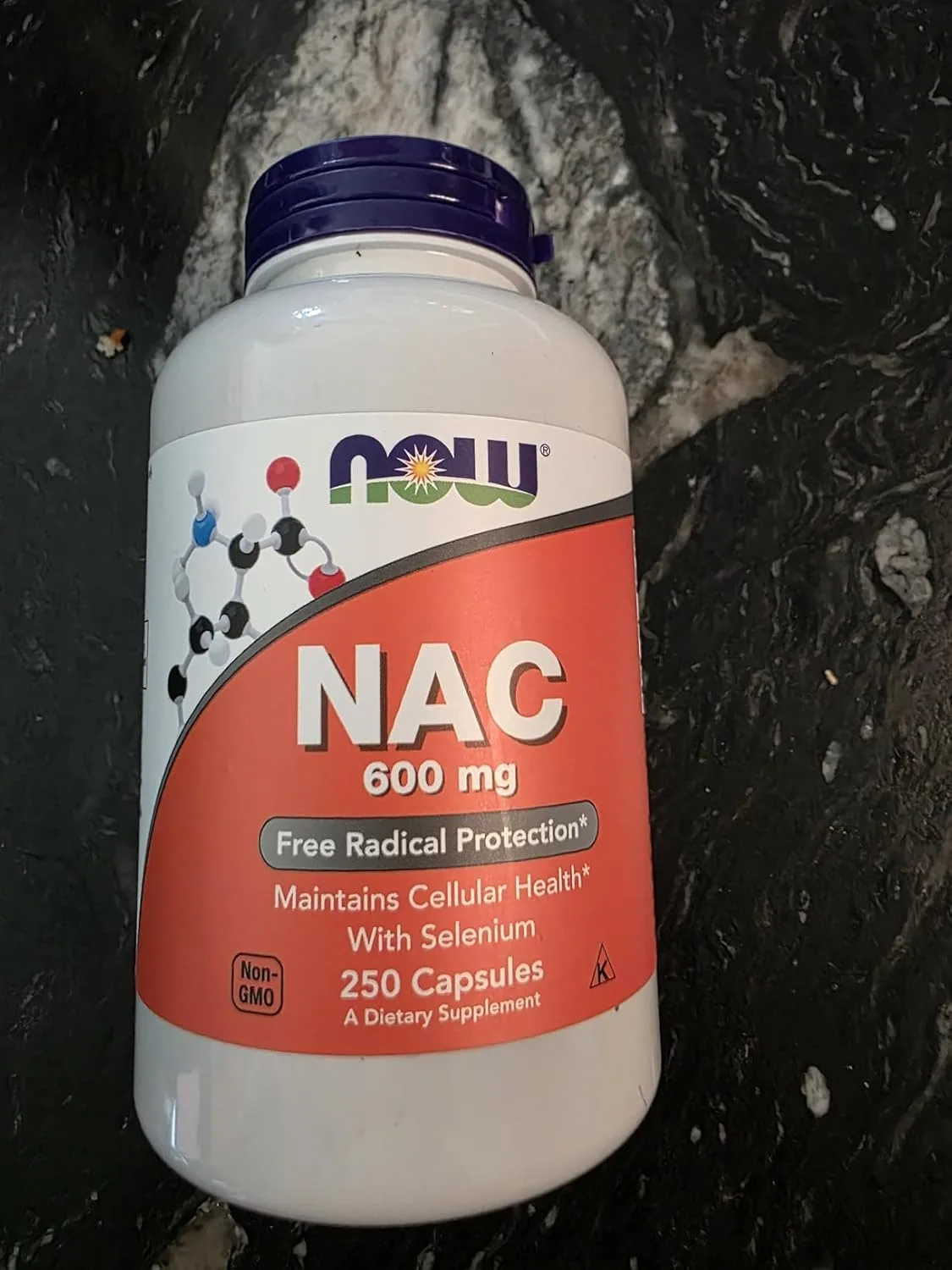
The bottle arrived well-packaged and looks professional. 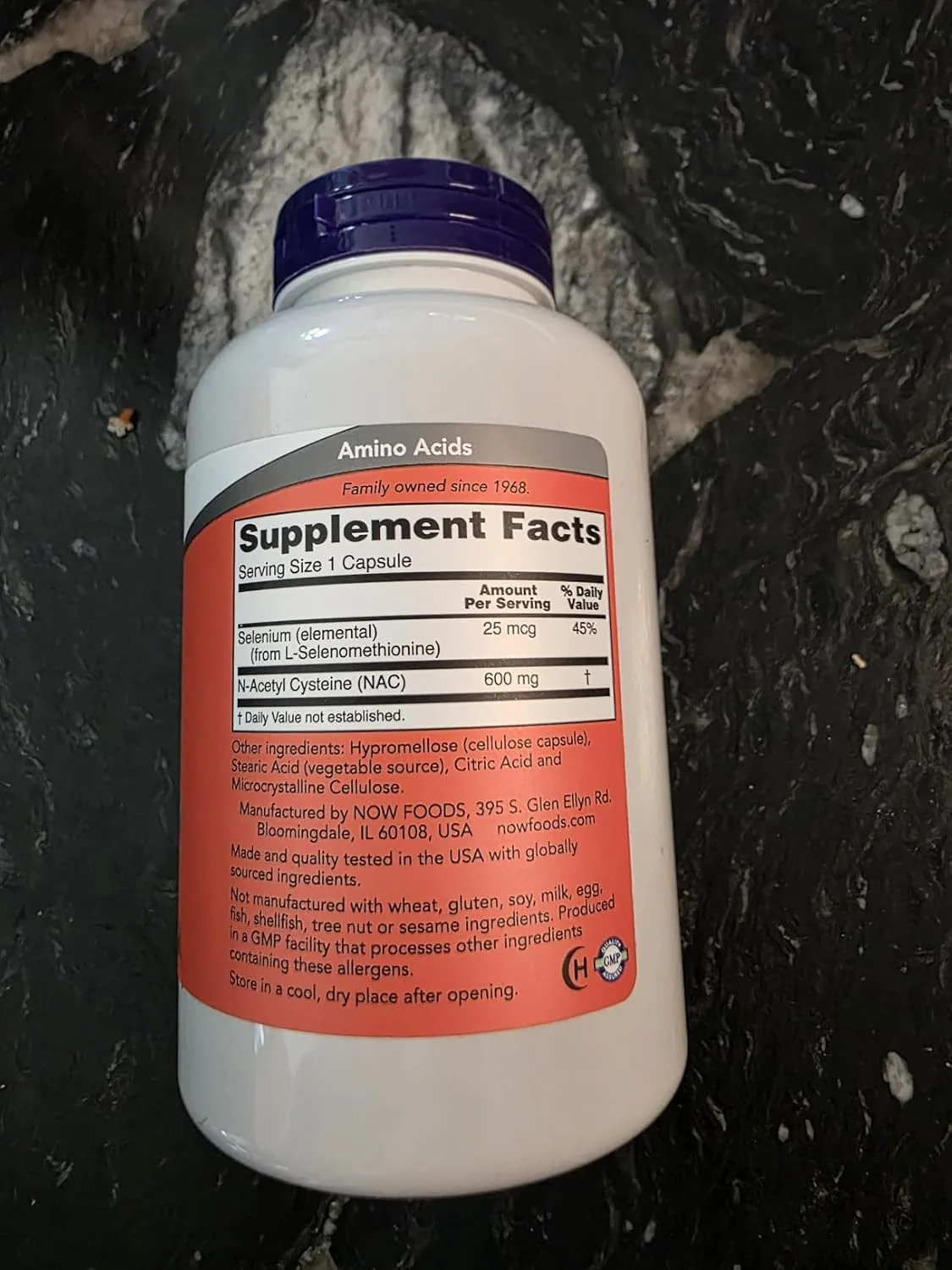
Great quality capsules, exactly as described on the label. 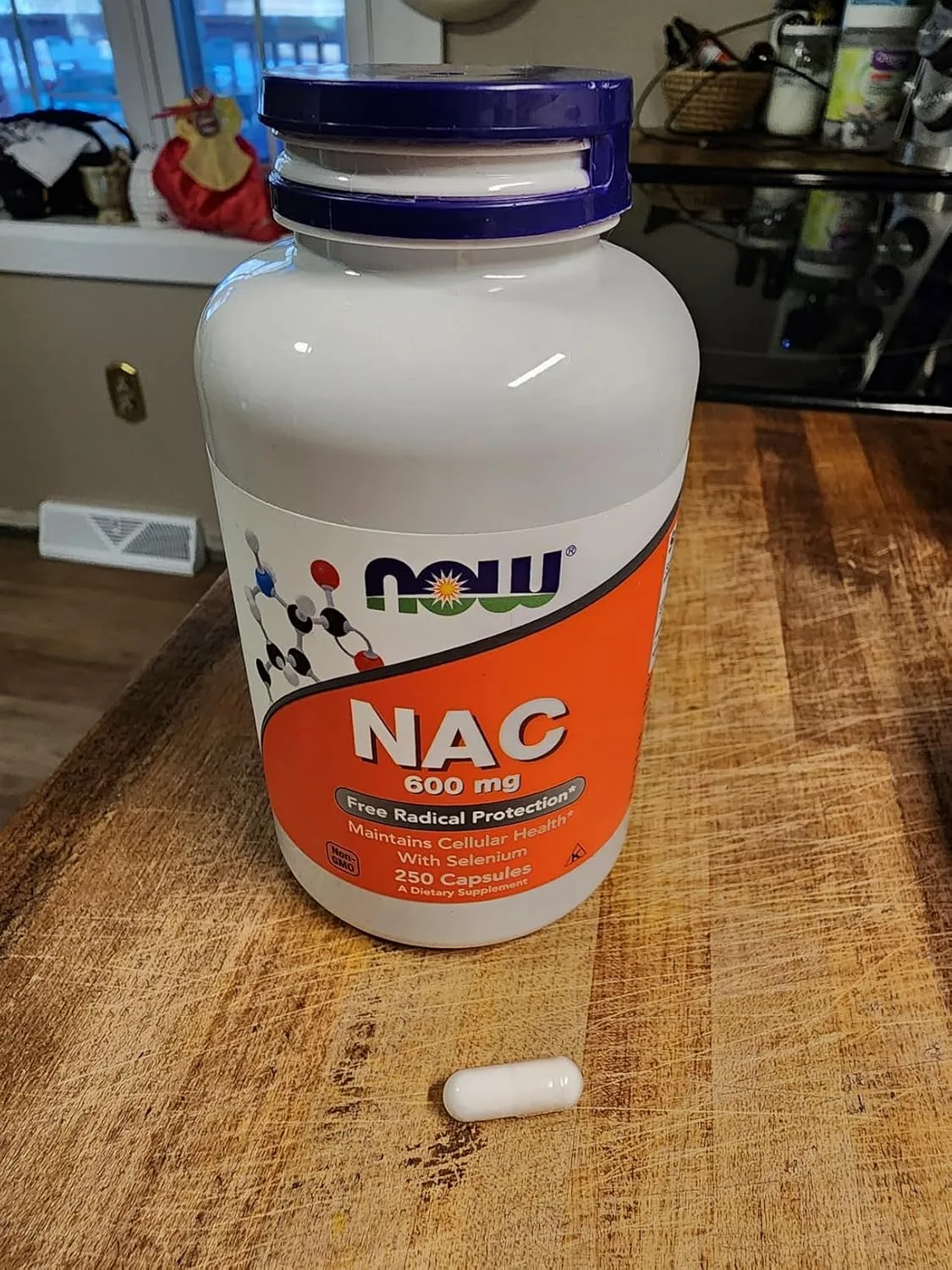
Here’s what the bottle looks like in person—great quality. 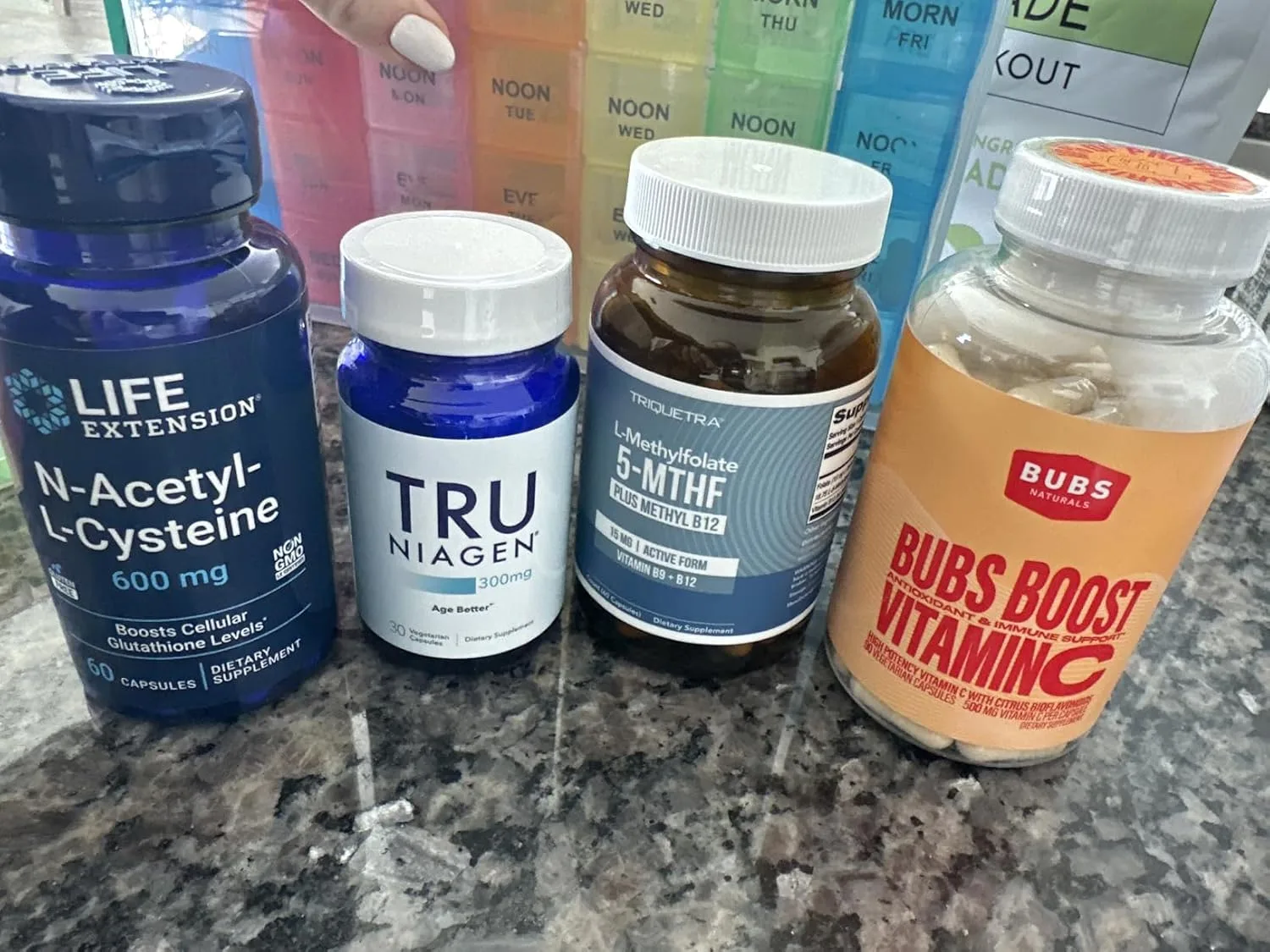
Arrived in great condition. Bottle is exactly as described. 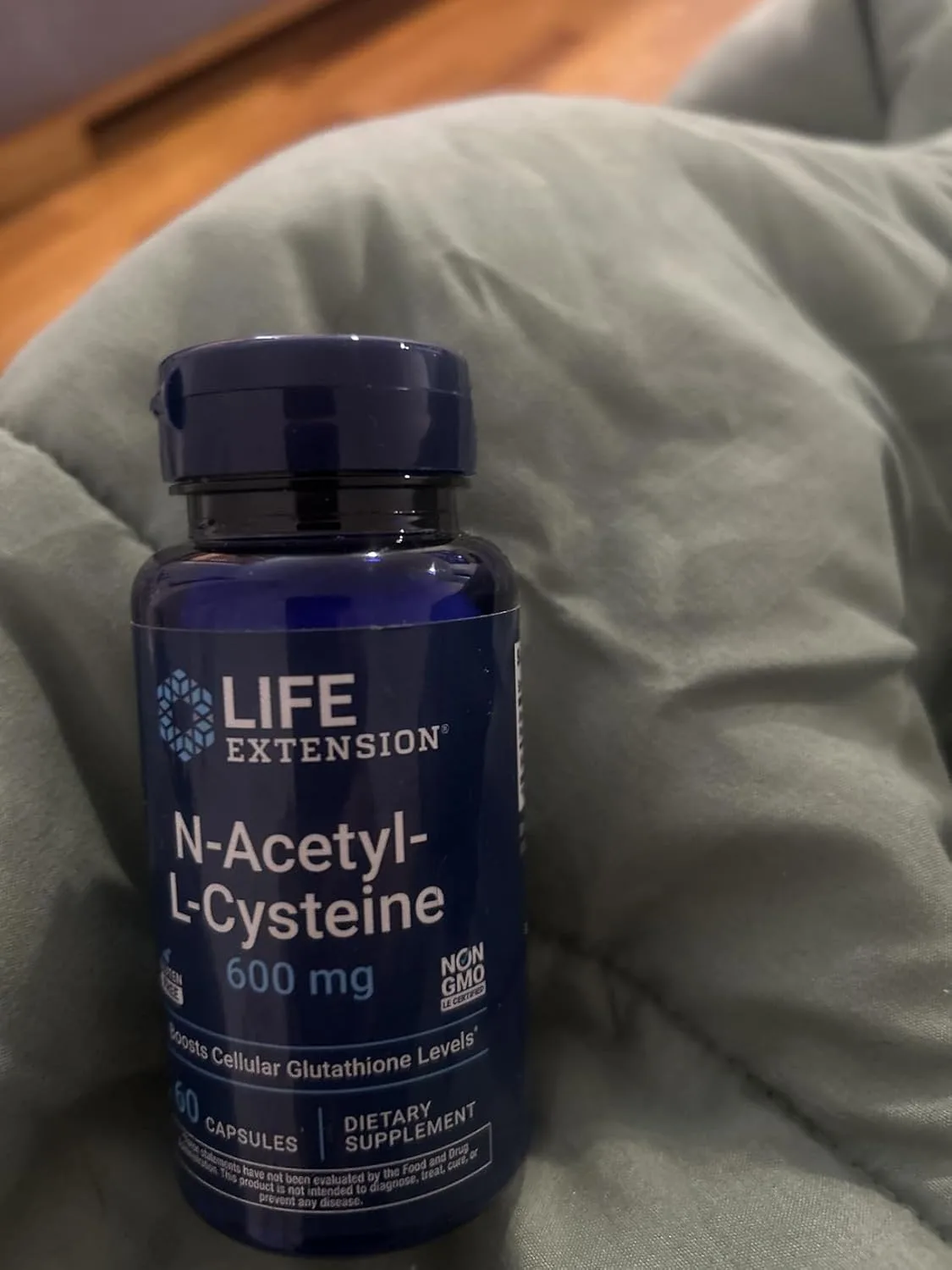
I was impressed by how compact this three-in-one antioxidant formula is. 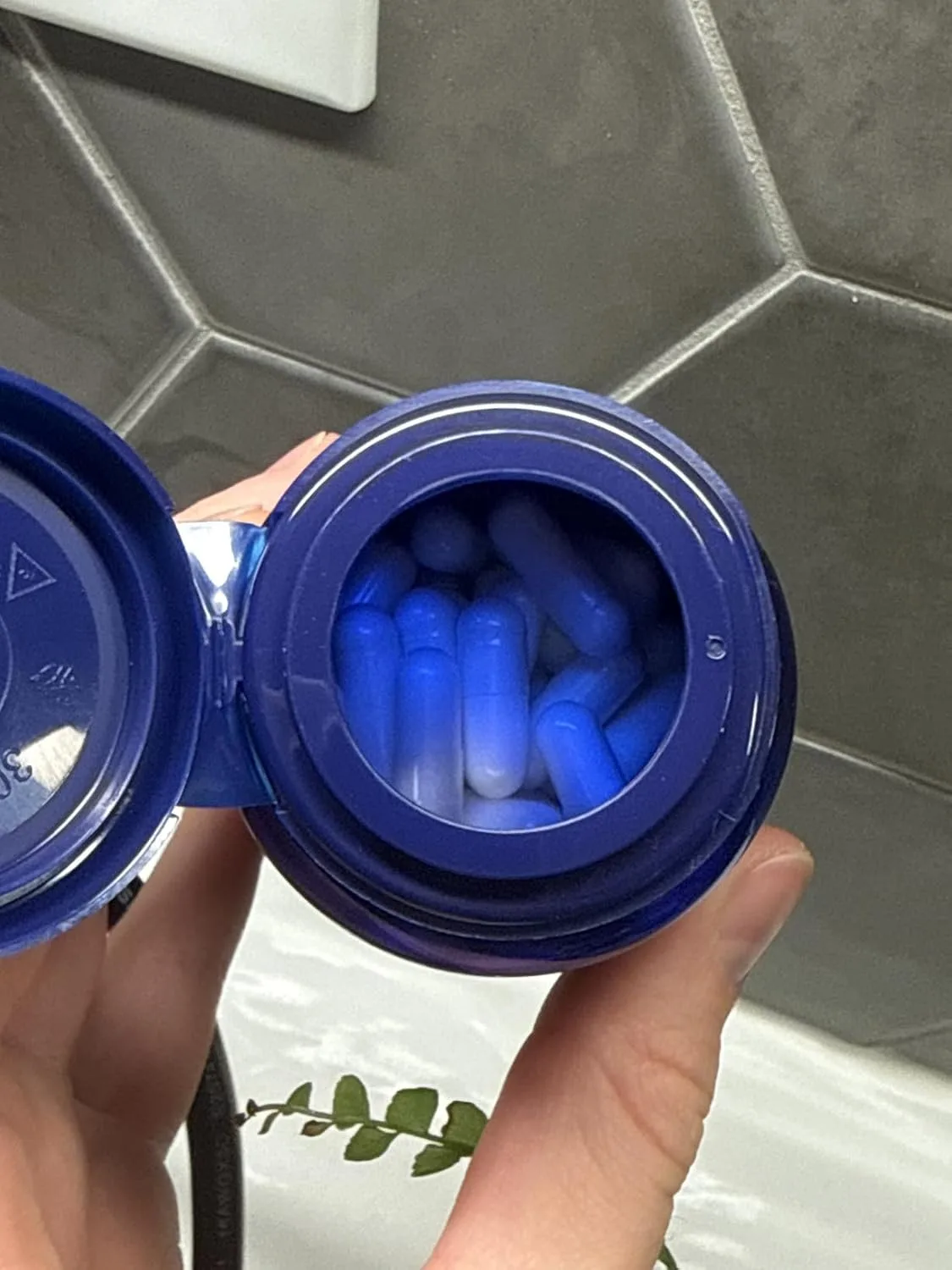
The capsules look fresh and properly sealed. Quality packaging. 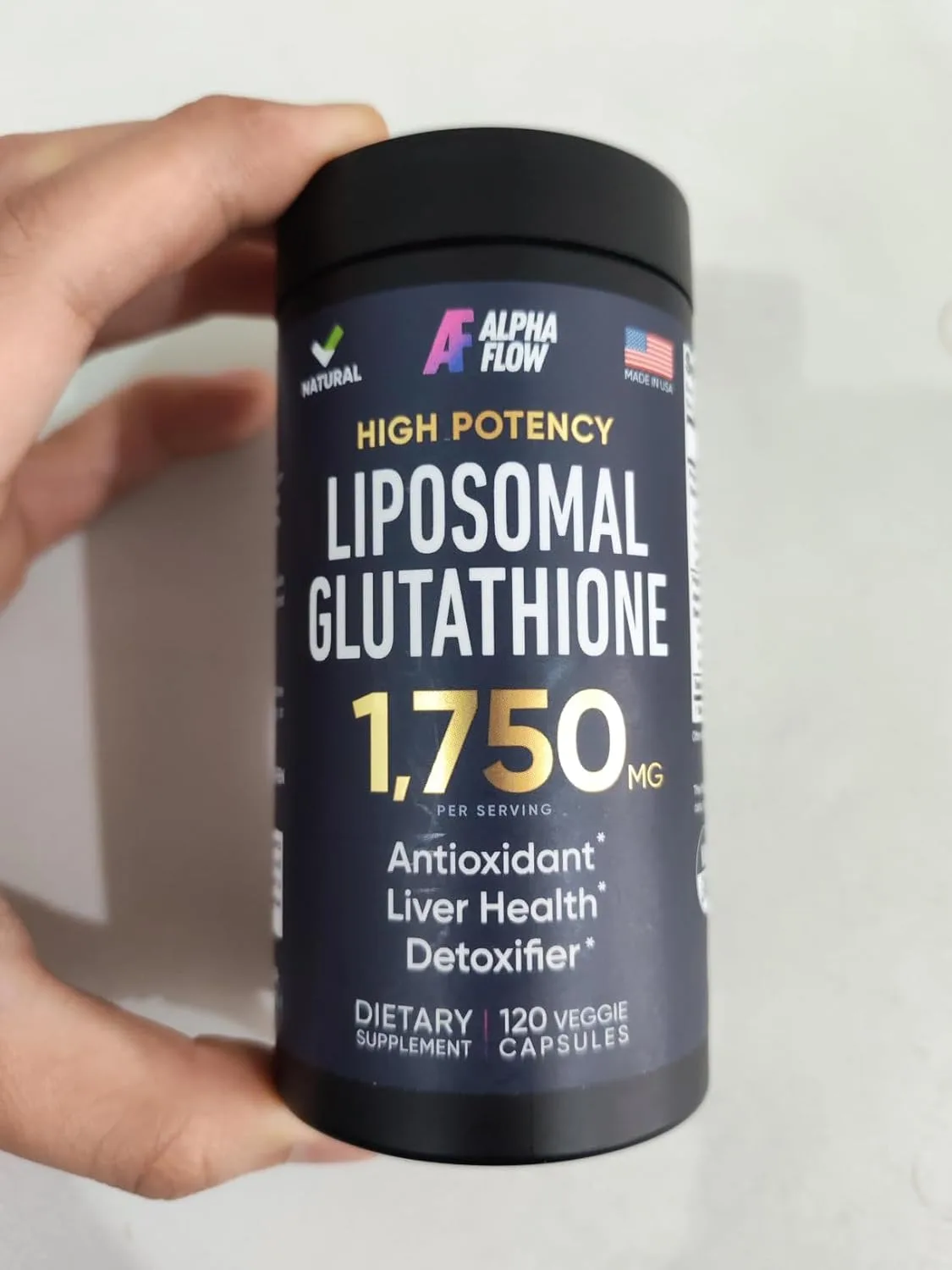
Great quality bottle, exactly as described online. 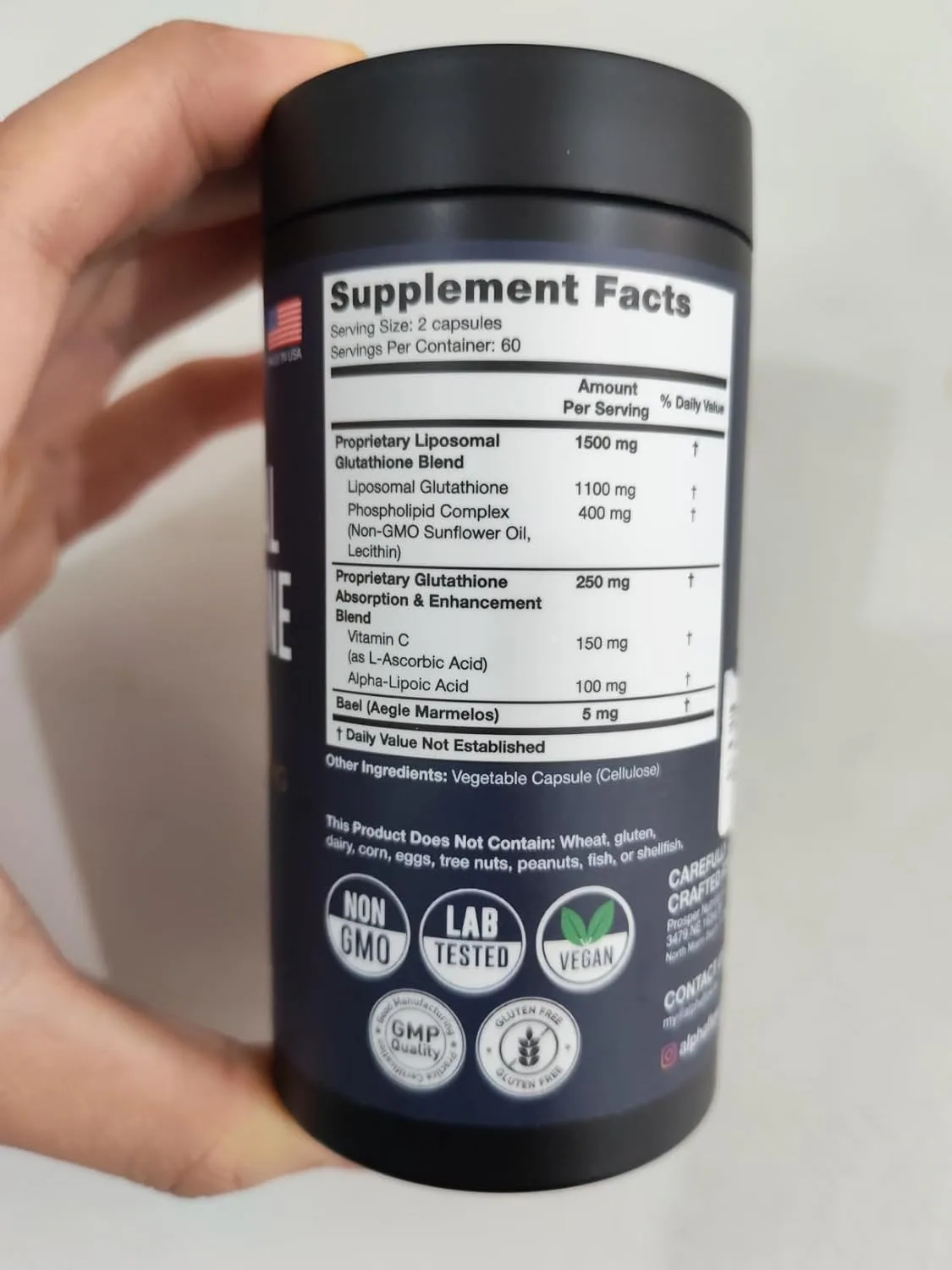
The bottle quality looks great, packaging is professional. 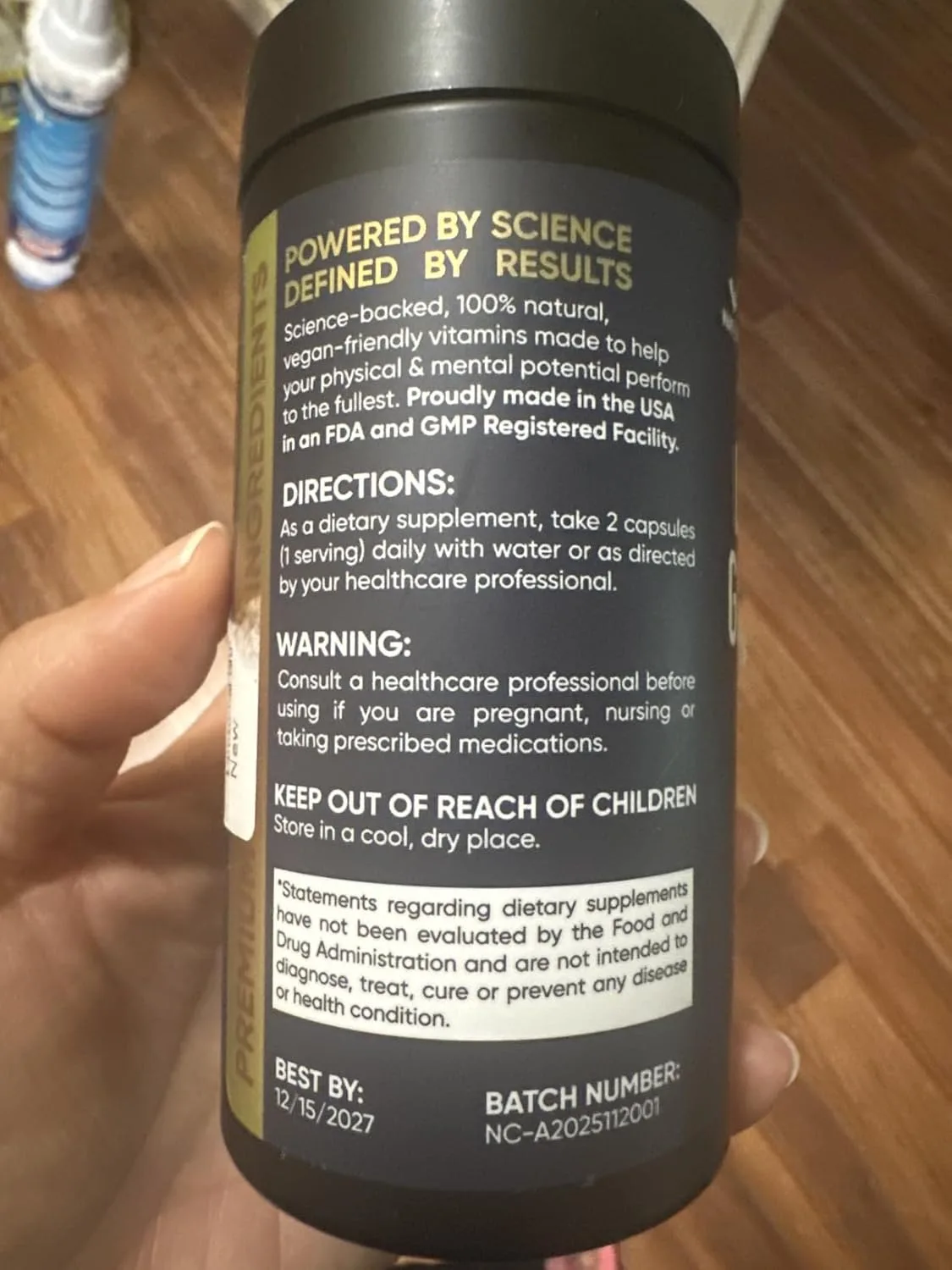
Quality packaging, clearly labeled ingredients. Exactly what I ordered. 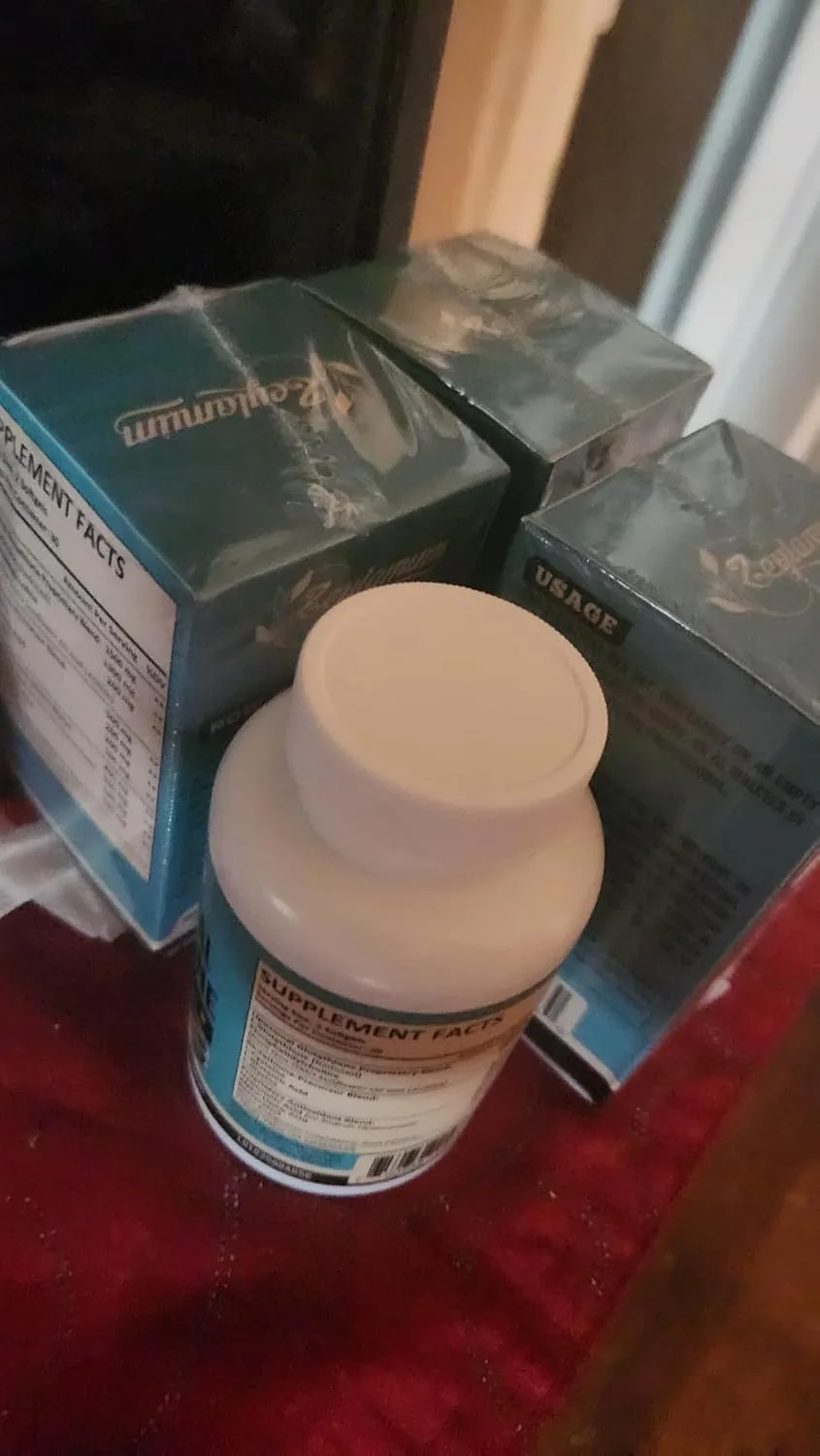
I was impressed by how easy these capsules are to take daily for liver support. 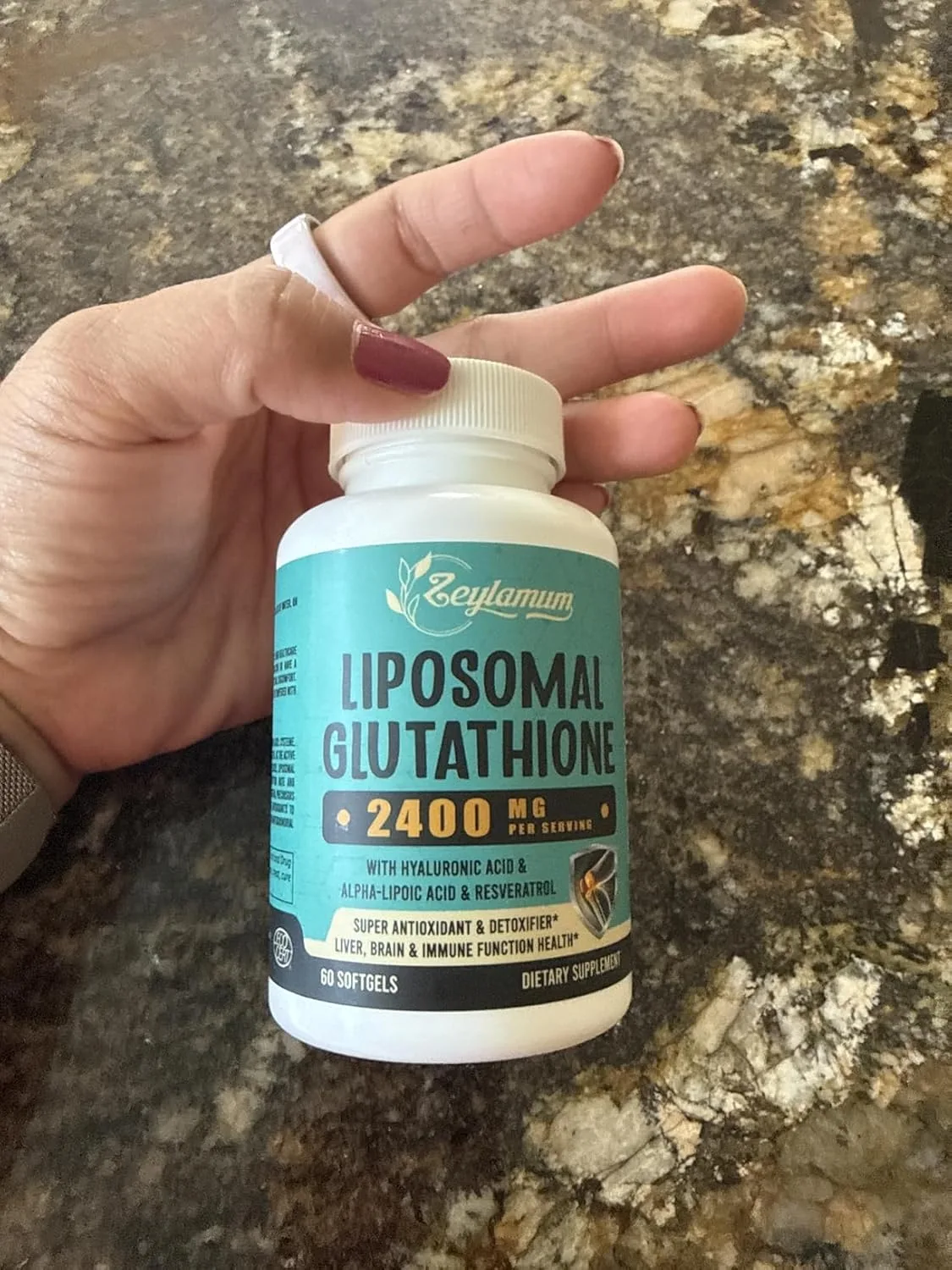
I was impressed by how compact this three-in-one antioxidant formula is for daily liver support. 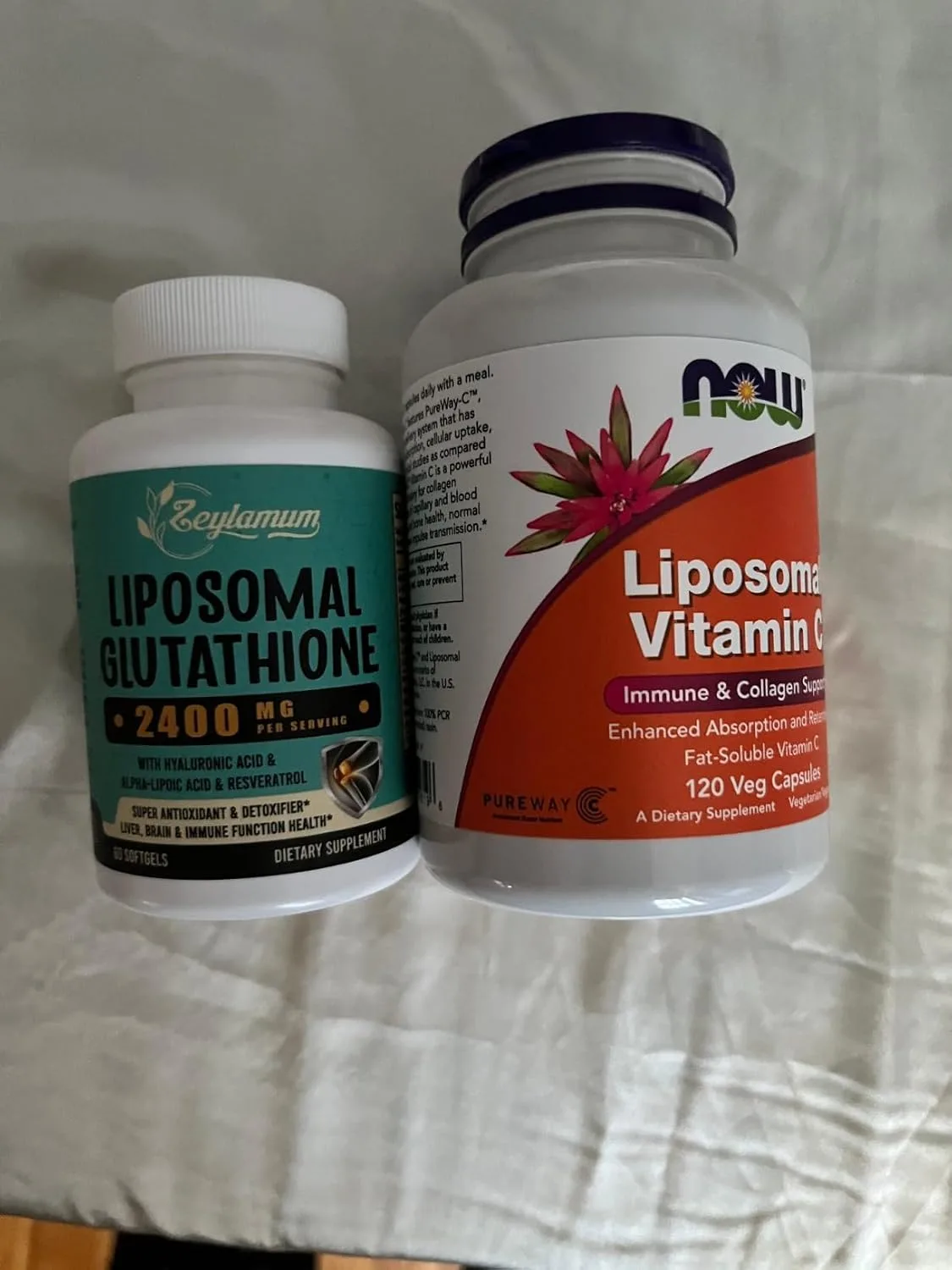
Capsules are easy to swallow, clean packaging. No complaints here. 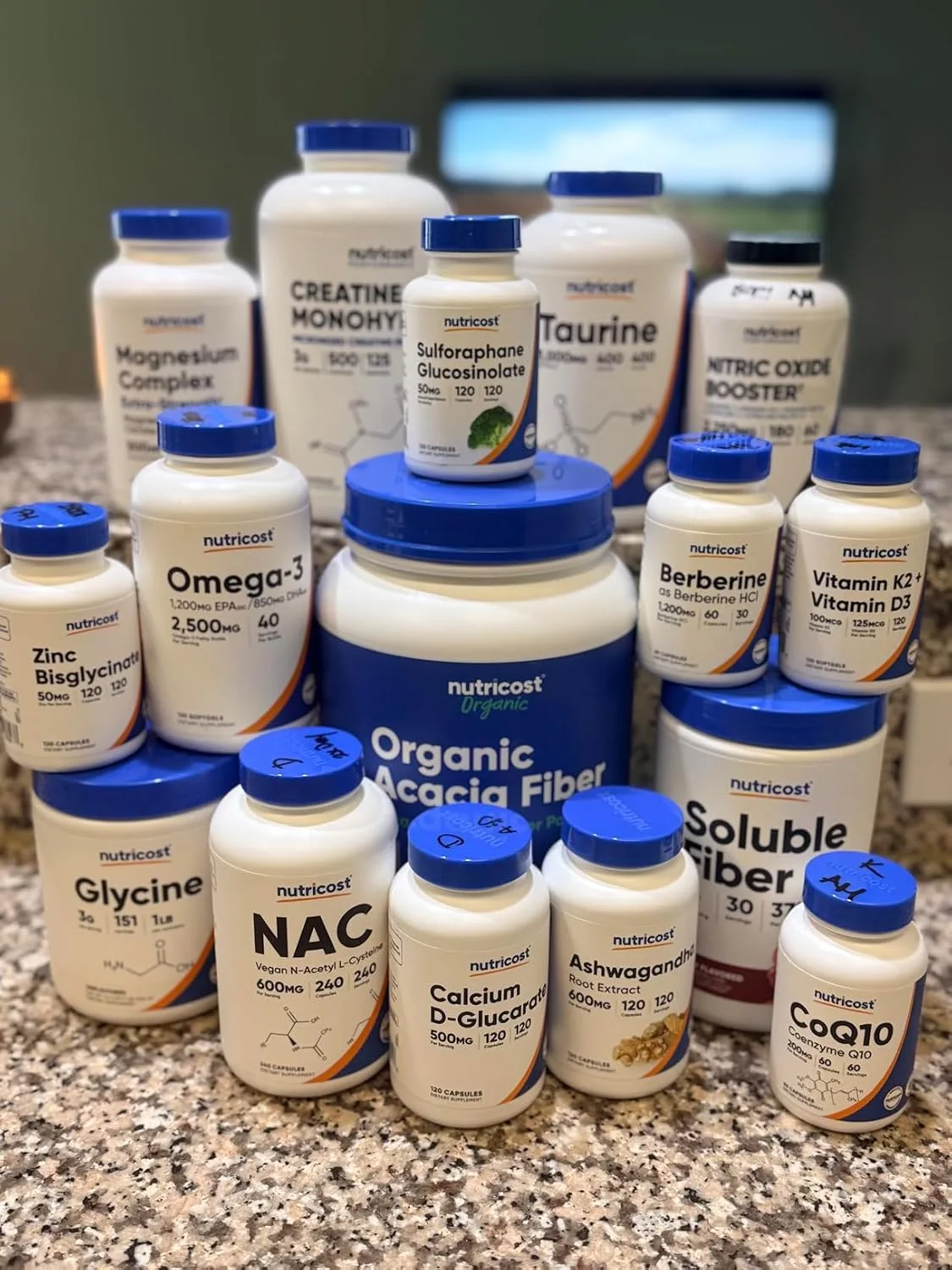
The bottle arrived well-packaged and exactly as advertised. 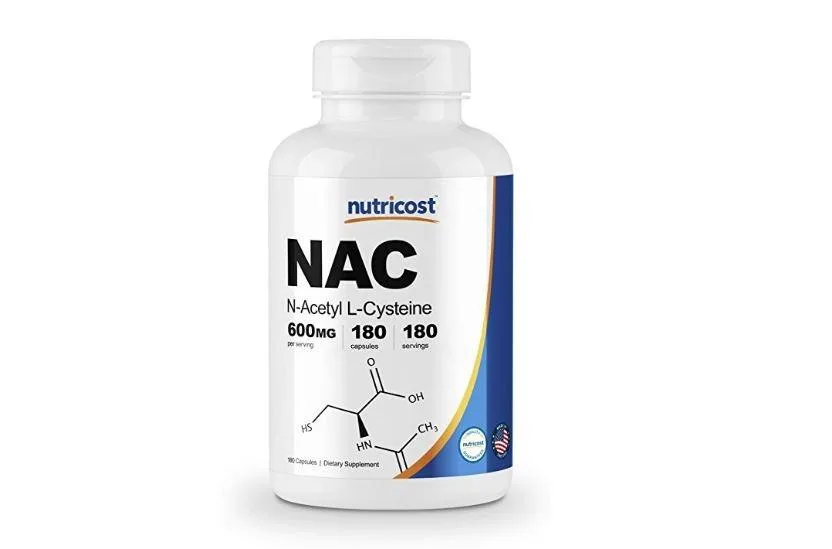
Great quality capsules, exactly as described. Really impressed. 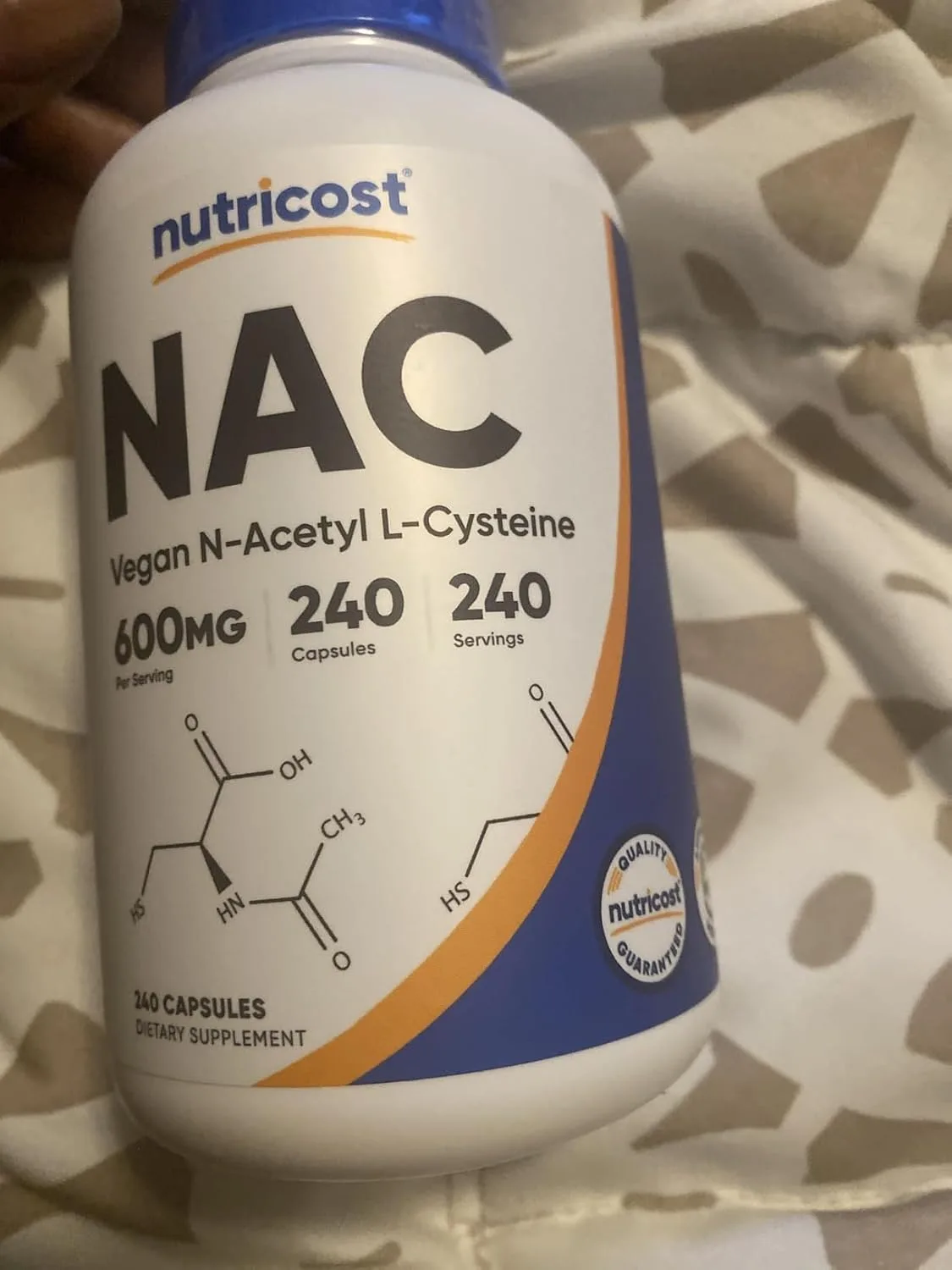
Great quality bottle—exactly what I needed for my liver support routine.