Have you ever eaten a perfectly normal meal and then spent the next two hours feeling like you swallowed a brick? Or noticed that fatty foods — even healthy ones like avocado or salmon — leave you feeling bloated, nauseous, and weirdly exhausted? I used to chalk this up to just “having a sensitive stomach,” but after doing a deep dive into digestive health, I discovered something that completely changed how I understood my gut: bile flow, digestion, and gut health are far more connected than most of us ever realize. When bile isn’t flowing the way it should, it can quietly sabotage everything from how you absorb nutrients to how energized you feel throughout the day.
What Is Bile and Why Should You Care About It?
Bile is a yellowish-green digestive fluid produced by your liver and stored in the gallbladder. When you eat a meal — especially one containing fat — your gallbladder releases bile into the small intestine to help break down fat molecules and absorb fat-soluble vitamins like A, D, E, and K. Think of bile as your body’s natural dish soap. Without enough of it, fat doesn’t get emulsified properly, and your digestive system has to work overtime to compensate.
But bile does more than just help digest fat. Research suggests it also plays a role in regulating the gut microbiome, moving waste through the digestive tract, and even supporting liver detoxification. When bile flow is sluggish — a condition sometimes called biliary stasis — the ripple effects can be surprisingly widespread. Many people find that addressing this one piece of their digestive puzzle makes a noticeable difference in how they feel day to day.
Signs Your Bile Flow Might Be Sluggish
Sluggish bile doesn’t always announce itself with dramatic symptoms. Often, it shows up as a collection of vague complaints that are easy to dismiss or blame on something else entirely. Here are some of the most common signs many people experience:
- Bloating and gas after meals, especially fatty or rich foods
- Light-colored or floating stools, which can indicate poor fat digestion
- Nausea after eating or a lingering feeling of fullness
- Fatigue and brain fog, particularly after meals
- Right-side discomfort under the ribcage
- Difficulty tolerating healthy fats like olive oil, nuts, or eggs
- Skin issues like dryness or breakouts, which may be connected to poor fat-soluble vitamin absorption
If several of these resonate with you, it may be worth exploring bile support as part of your gut health strategy — and of course, talking with your healthcare provider if symptoms are ongoing or severe.
Bile Flow, Digestion, and Gut Health: What the Research Suggests
Science has been paying a lot more attention to bile in recent years, and the findings are genuinely fascinating. A 2020 review published in Frontiers in Physiology highlighted bile acids as key regulators of the gut microbiome, suggesting that disruptions in bile flow may contribute to dysbiosis — an imbalance of gut bacteria linked to everything from IBS to metabolic issues. Another body of research points to bile acids as signaling molecules that communicate with the liver, gut, and even the brain through receptors like TGR5 and FXR.
What this means practically is that supporting healthy bile flow isn’t just about avoiding that post-lunch bloat. It may also contribute to a healthier gut environment, better nutrient absorption, more consistent energy, and smoother detoxification through the liver. The gut is truly a system, and bile is one of its most underappreciated players.
People who have had their gallbladder removed are particularly vulnerable to bile-related digestive issues. Without a gallbladder to store and concentrate bile, the liver drips bile continuously rather than releasing it in the targeted bursts your body needs at mealtimes. Many people in this situation find that digestive enzyme support becomes especially helpful.
Simple Lifestyle Habits That May Support Bile Flow
Before we get into supplements, it’s worth mentioning that some everyday habits can make a real difference in how well your bile flows. Many people find that these simple shifts help fairly quickly:
- Stay hydrated. Bile is mostly water, and dehydration can thicken it and slow its flow. Aim for consistent water intake throughout the day.
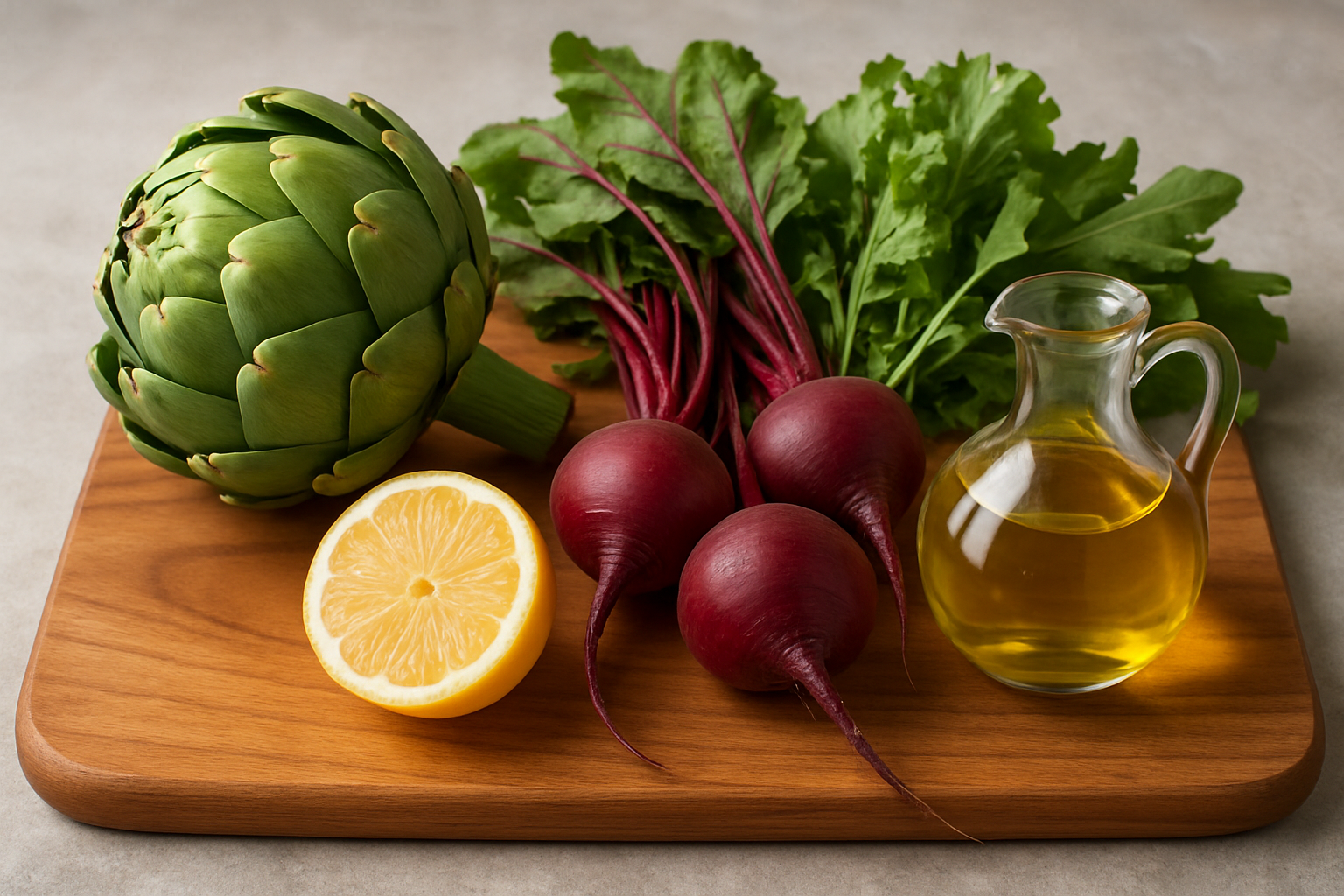
- Eat bitter foods. Bitter greens like arugula, dandelion, and radicchio may stimulate bile production. Even a small salad before a meal can prime your digestive system.
- Don’t skip healthy fats entirely. Your body needs fat intake to trigger bile release. Very low-fat diets can actually cause bile to become stagnant.
- Move your body. Gentle movement after meals — even a short walk — may help stimulate digestive motility and bile flow.
- Limit alcohol and processed foods. Both can put extra burden on the liver, which is doing the hard work of producing bile in the first place.
Products Worth Trying for Bile and Digestive Support
I want to be upfront: supplements are not a substitute for healthy habits or medical care. But for many people, targeted nutritional support can fill in gaps that diet alone doesn’t address. Here are some options I think are genuinely worth exploring, based on the ingredients and what the research suggests they may support.
Ox Bile Supplements
Ox bile is one of the most studied and traditionally used supports for fat digestion, particularly for people who have had their gallbladder removed or suspect low bile output. It provides exogenous bile acids that may help compensate when your body’s own production or release isn’t keeping up.
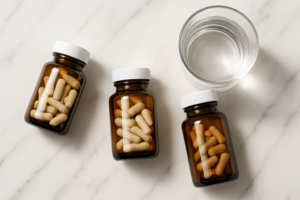
- Digestive Enzymes with Ox Bile (90 Ct) — This comprehensive formula pairs ox bile with trypsin, papain, bromelain, and pancreatin enzymes. It’s a great all-in-one option if you want broader digestive enzyme coverage alongside bile support. Many people find a multi-enzyme approach particularly helpful for overall meal digestion.
- The Ox Bile and Enzyme Combination That Actually Works for Fat Digestion
If you’re struggling with bloating after fatty meals or suspect low bile output, pairing ox bile with digestive enzymes addresses both sides of the problem at once — the bile you need to emulsify fat, plus the enzymes to break it down further. This is especially useful if dietary shifts and lifestyle changes alone haven’t moved the needle.
What works
- Ox bile provides exogenous bile acids that help compensate when your body’s own bile production or gallbladder function isn’t keeping up — most people notice reduced bloating and nausea after fatty meals within 2–3 days of consistent use.
- The multi-enzyme formula (trypsin, papain, bromelain, pancreatin) covers multiple stages of protein and carbohydrate breakdown, so you’re not just solving the fat problem — you’re supporting digestion more broadly, which many clients report translates to fewer post-meal energy crashes.
- Taking this type of supplement with meals signals to your digestive system that nutrient-dense food is coming, which can help train your body back into better bile and enzyme production over time.
What doesn’t
- This supplement is not a fix for underlying liver disease, severe pancreatic insufficiency, or active bile duct obstruction — if you have yellowing skin, persistent pain, or a history of gallstones, you need a doctor’s evaluation before supplementing.
- If you have a bleeding disorder or take blood thinners, check with your GP first — bromelain may have mild anticoagulant properties, and you want medical clearance before adding it.
This is a helpful tool for supporting digestion, but it’s not a substitute for ruling out underlying conditions like pancreatic insufficiency, gallbladder disease, or liver dysfunction — especially if your symptoms are severe or worsening. If you’re ready to try it, Digestive Enzymes with Ox Bile (90 Ct) offers solid ingredient dosing at a reasonable price point.
This post contains affiliate links. As an Amazon Associate, I earn from qualifying purchases at no extra cost to you.
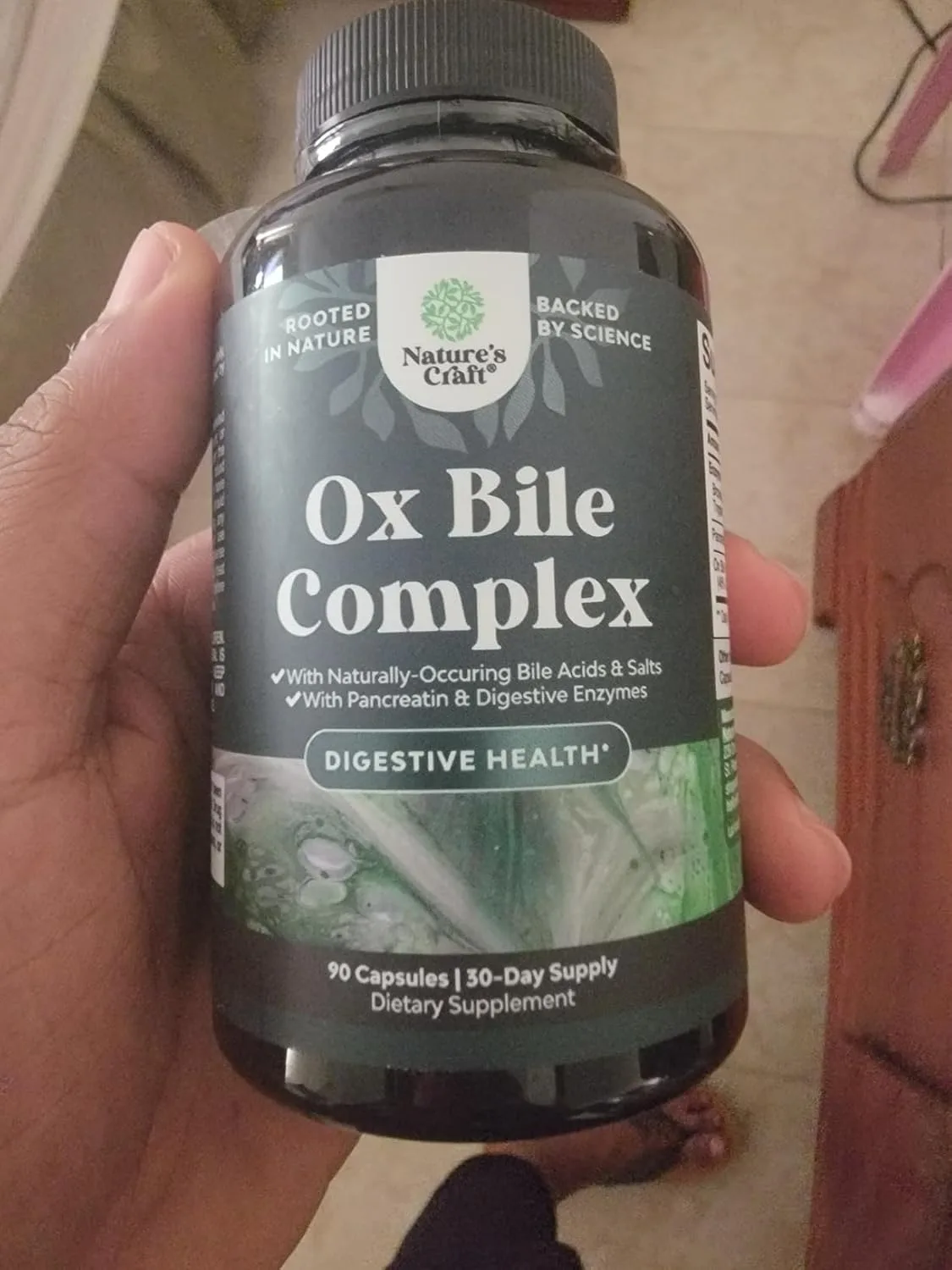
I was surprised how compact the bottle is—easy to keep on my kitchen counter. 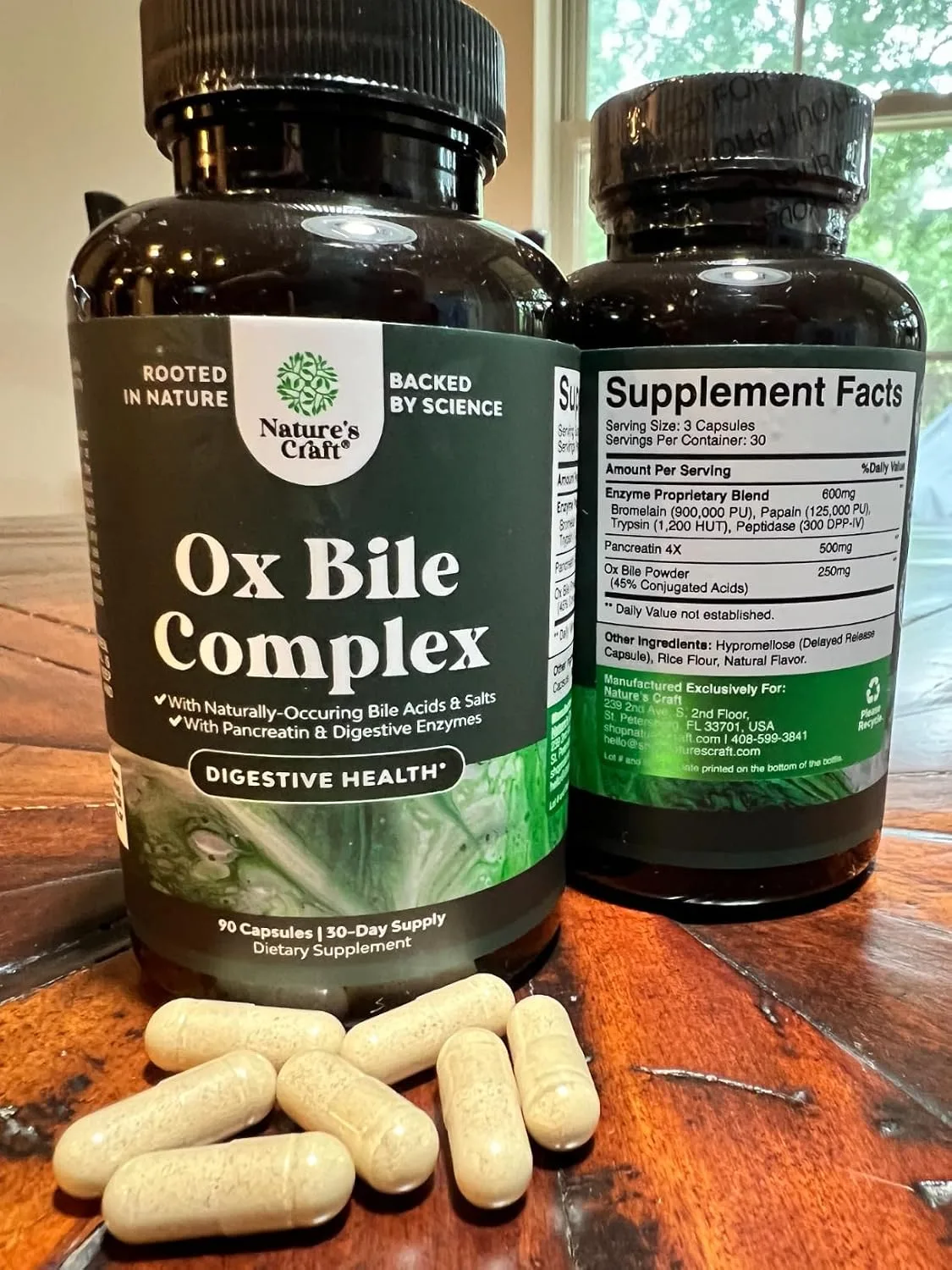
Finally found a supplement that actually works for my digestion! 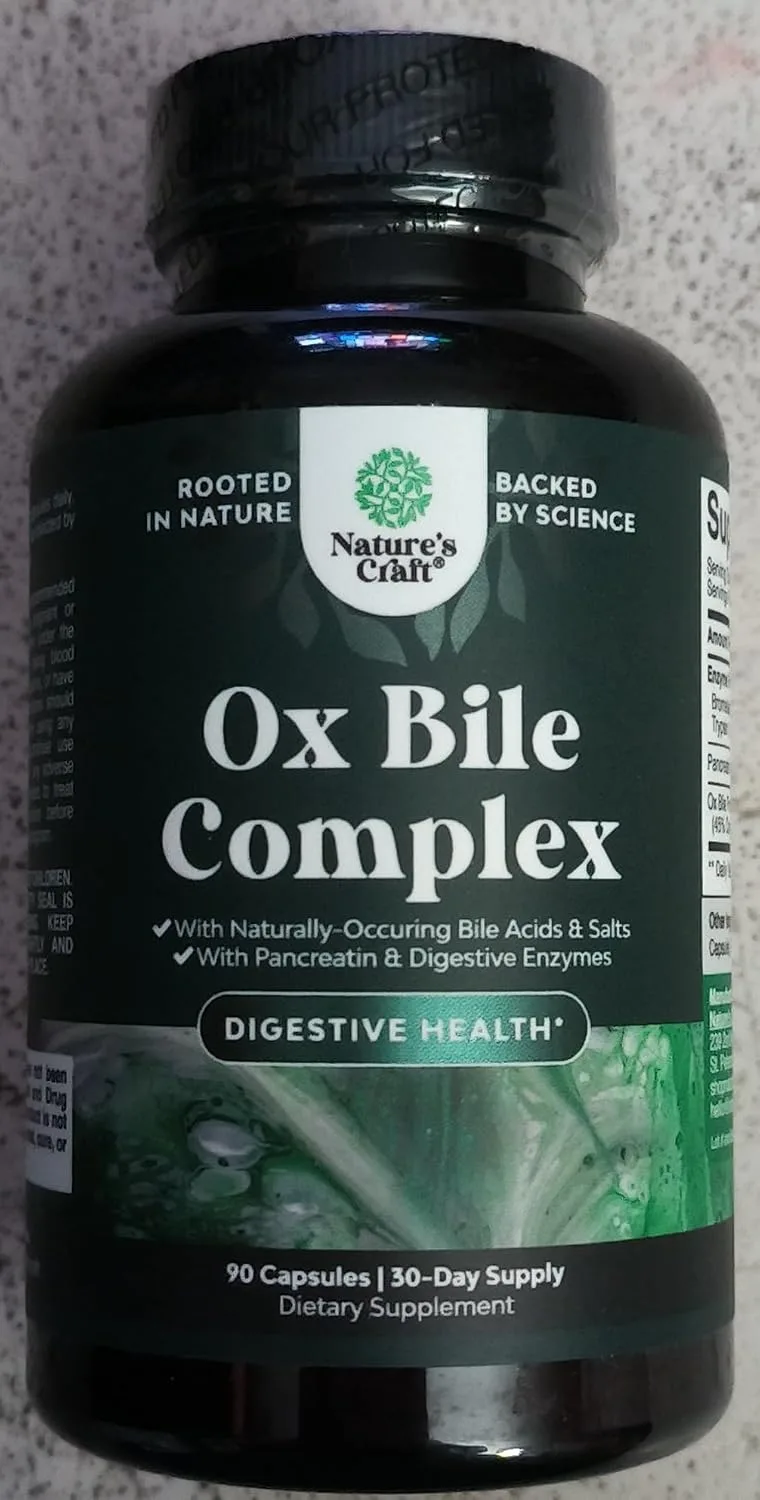
I was surprised how compact the bottle is for a month’s supply. 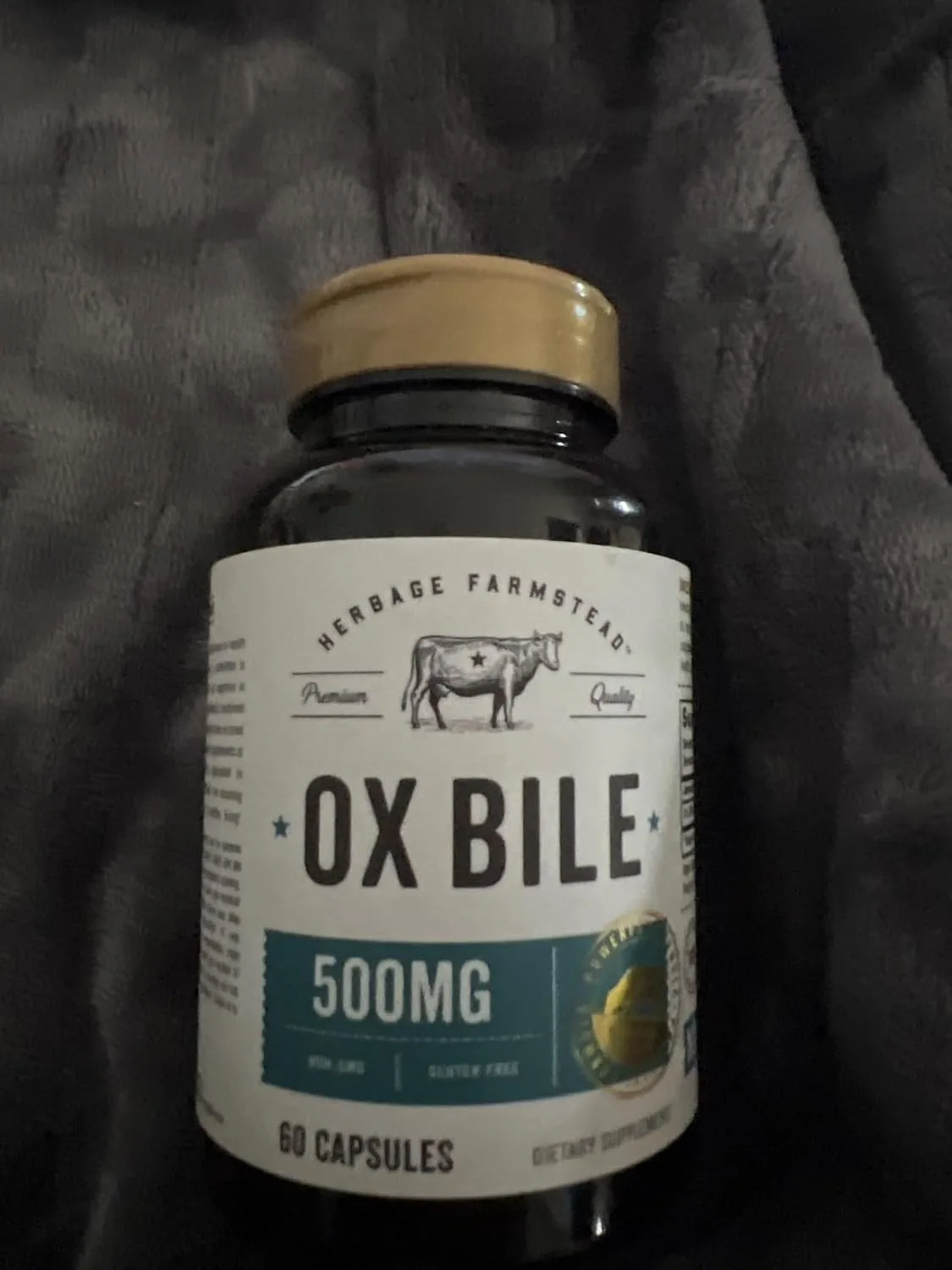
Arrived quickly and packaging was well sealed and professional 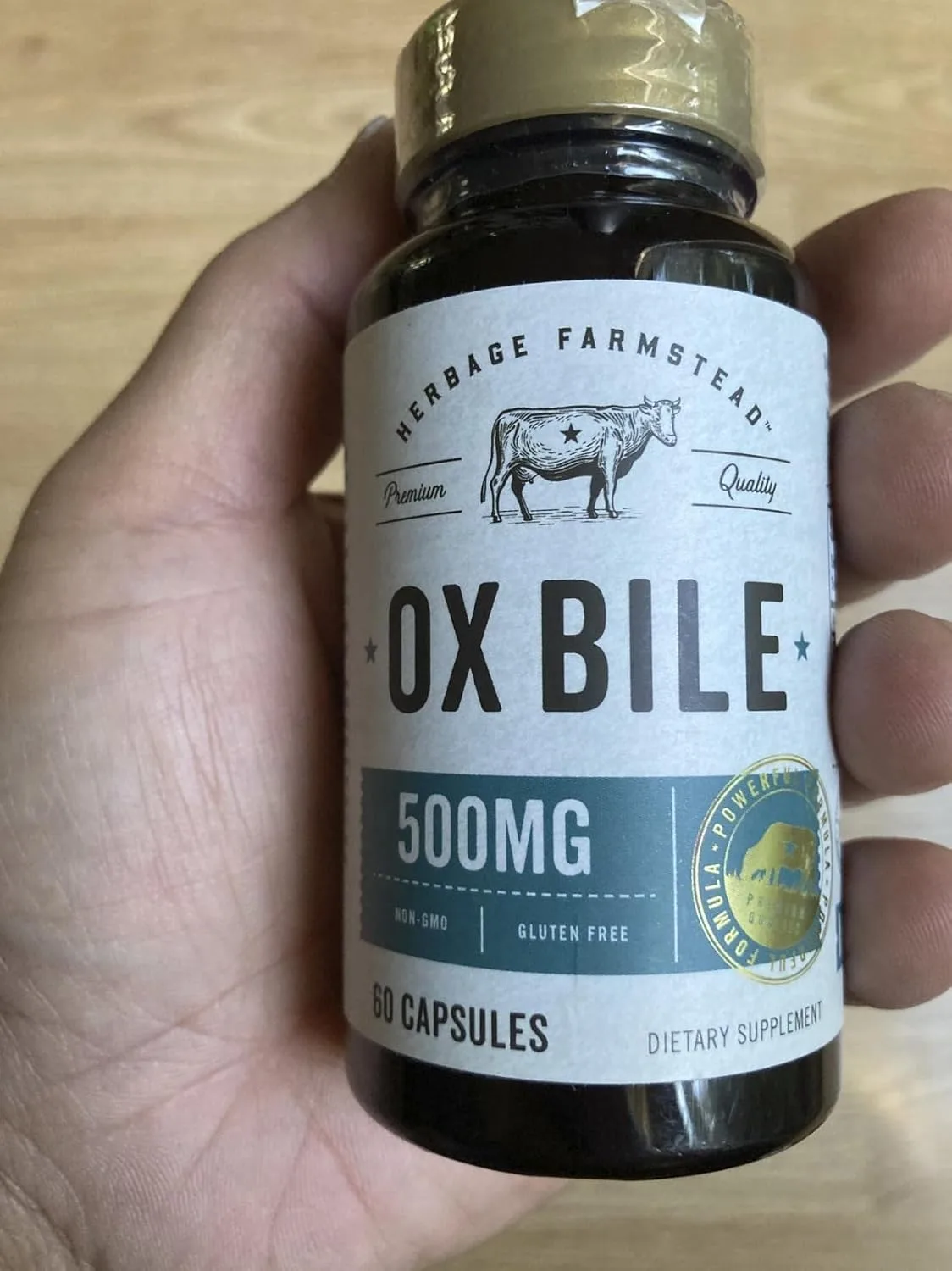
The bottle arrived well-packaged and looks professional quality. 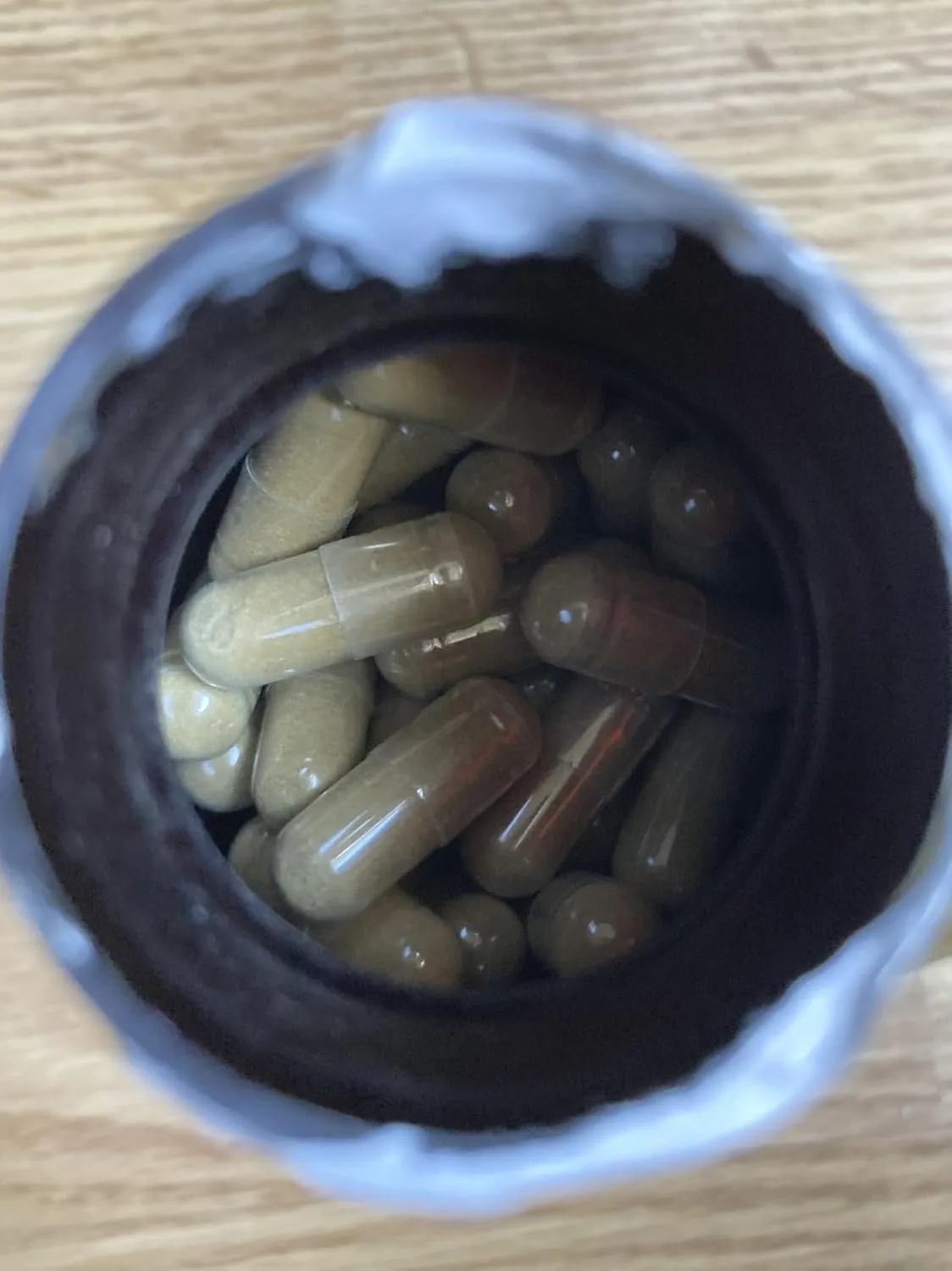
Arrived well-packaged and exactly as described. Quality looks solid.