Have you ever noticed how a stressful week seems to wreck your digestion — or how a bout of stomach trouble leaves you feeling foggy, irritable, and completely drained? I used to chalk that up to coincidence. Then I started digging into the research on the gut bacteria mood connection, and honestly, it changed the way I think about everything from my morning energy levels to those midday mental slumps. What’s happening in your gut is far more connected to what’s happening in your head than most of us ever learned.
Your Gut Is Basically a Second Brain
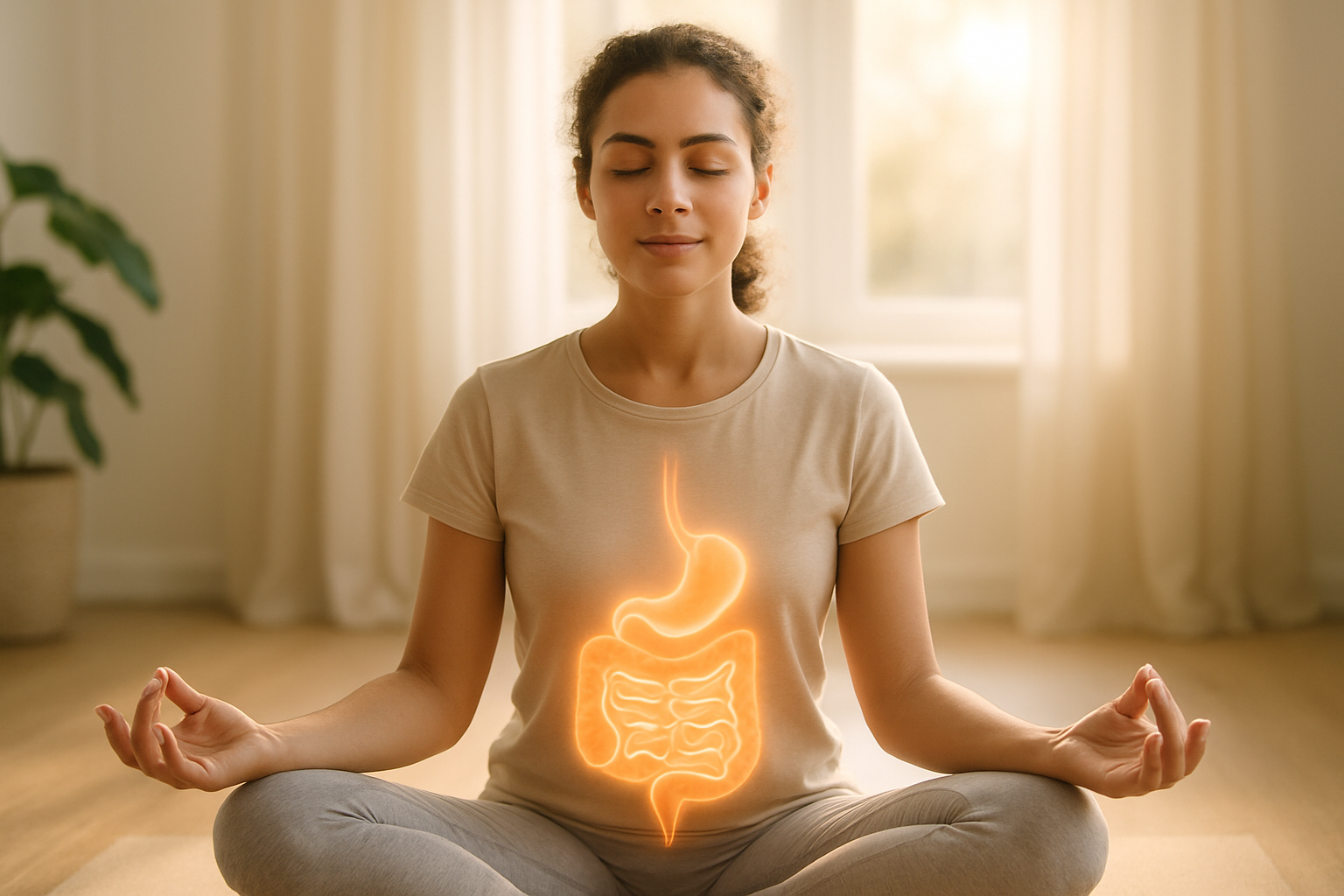
Here’s something that blew my mind when I first learned it: your gut contains roughly 100 million nerve cells. Scientists actually call it the “enteric nervous system,” and many researchers refer to it as your second brain. It communicates constantly with your actual brain through a two-way highway known as the gut-brain axis — and your gut bacteria are sitting right in the middle of that conversation.
Research suggests that the trillions of microorganisms living in your digestive tract — your gut microbiome — play a significant role in producing and regulating neurotransmitters. We’re talking about serotonin, dopamine, and GABA, the very chemicals that influence how calm, motivated, and focused you feel throughout the day. In fact, studies estimate that somewhere around 90% of the body’s serotonin is produced in the gut. Let that sink in for a second.
When your microbiome is diverse and well-balanced, many people find that their mood feels more stable, their thinking is sharper, and their energy holds up better across the day. When it’s out of balance — something researchers call dysbiosis — the ripple effects can show up as brain fog, low mood, fatigue, and even heightened anxiety. It’s not all in your head. Well, technically some of it is — but it starts in your gut.
The Gut Bacteria Mood Connection: What the Research Actually Says
I want to be careful here, because I’m not a doctor and this isn’t medical advice. But the science coming out of microbiome research over the past decade is genuinely exciting, and I think everyone deserves to know about it.
Multiple studies have found associations between gut microbiome composition and mental health outcomes. Research published in journals like Nature Microbiology and Gastroenterology suggests that certain strains of gut bacteria — particularly from the Lactobacillus and Bifidobacterium families — may support healthier stress responses and more positive mood states. These are often called “psychobiotics,” a term coined by researchers to describe probiotics that may have a beneficial effect on mental wellbeing.
On the energy side of things, your gut bacteria also help regulate how efficiently you absorb nutrients. A compromised gut lining or an imbalanced microbiome may interfere with how well you pull vitamins, minerals, and macronutrients from your food — which could explain why some people feel chronically tired even when they’re eating well and sleeping enough. L-Glutamine, an amino acid, is one nutrient that research suggests may help support gut lining integrity, which in turn may support better overall absorption.
And mental clarity? Brain fog is one of the most common complaints I hear from people dealing with gut issues. While the exact mechanisms are still being studied, inflammation in the gut — often linked to dysbiosis — may contribute to systemic inflammation that affects cognitive function. Supporting a healthier gut environment may, for many people, translate to clearer thinking over time.
Practical Things You Can Do to Support Your Gut-Brain Connection
Okay, so what can you actually do with all of this? Here are some evidence-informed habits that many people find helpful for nurturing a healthier microbiome and, in turn, supporting mood, energy, and mental clarity:
- Eat more fiber-rich whole foods. Vegetables, legumes, whole grains, and fruits feed beneficial gut bacteria. Aim for variety — different plants feed different microbial strains.
- Include fermented foods regularly. Yogurt, kefir, sauerkraut, kimchi, and kombucha may help introduce and maintain beneficial bacteria in your gut.
- Manage stress intentionally. Chronic stress is genuinely one of the biggest disruptors of gut microbiome balance. Even small practices like deep breathing, a daily walk, or limiting doomscrolling can help.
- Prioritize sleep. Research suggests your microbiome follows its own circadian rhythm. Poor sleep can throw off your gut bacteria just like it throws off everything else.
- Consider targeted supplementation. For many people, diet alone isn’t enough — especially after illness, antibiotics, or a period of high stress. That’s where the right supplements may offer meaningful support.
Products Worth Trying for Gut-Brain Support
I’ve looked into quite a few supplements in this space, and I want to share a few that stand out for their thoughtful formulations. As always, talk with your healthcare provider before starting anything new — especially if you’re managing a health condition.
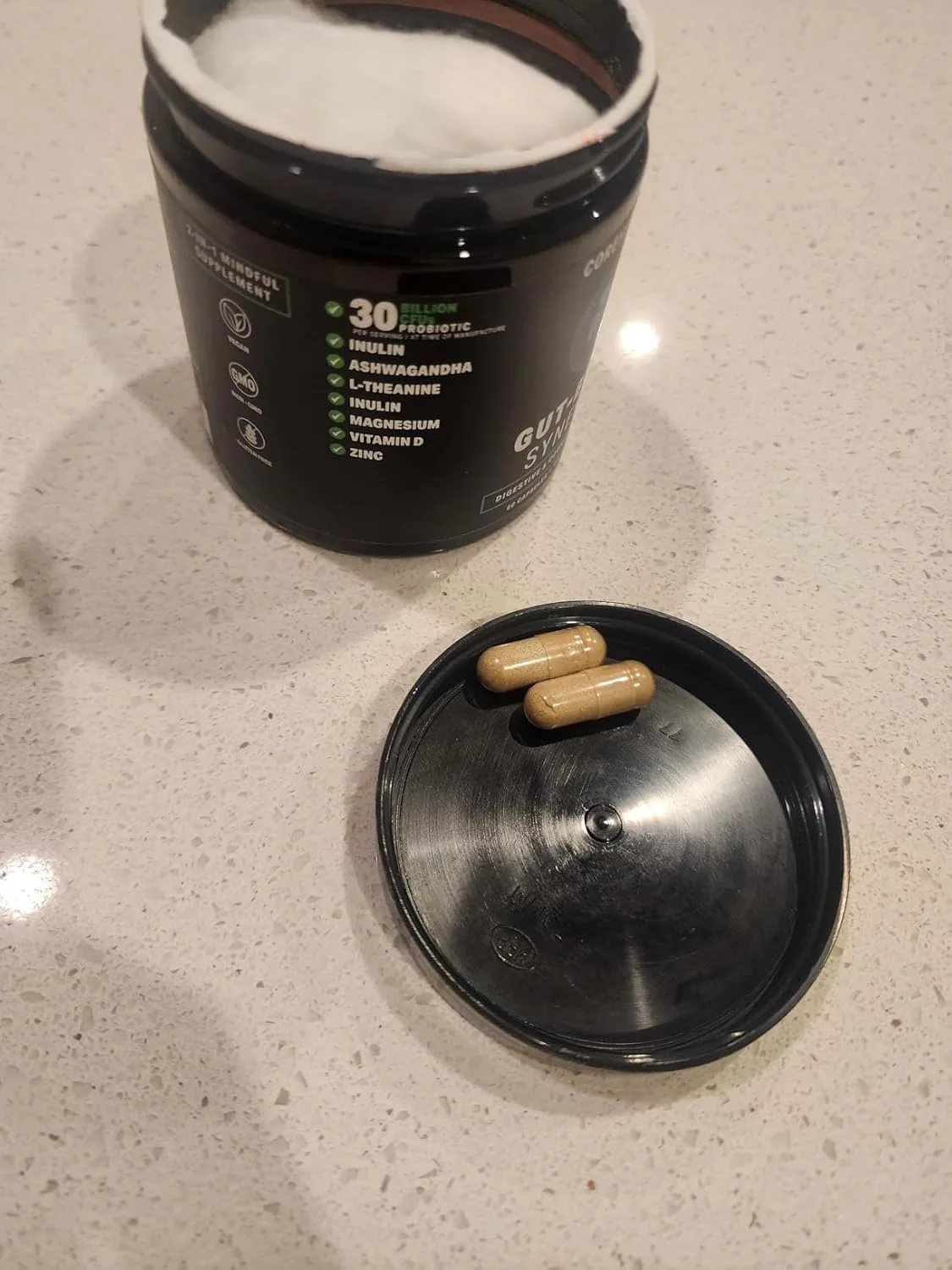
Supporting the Gut-Brain Axis With a Targeted Probiotic-Nootropic Formula
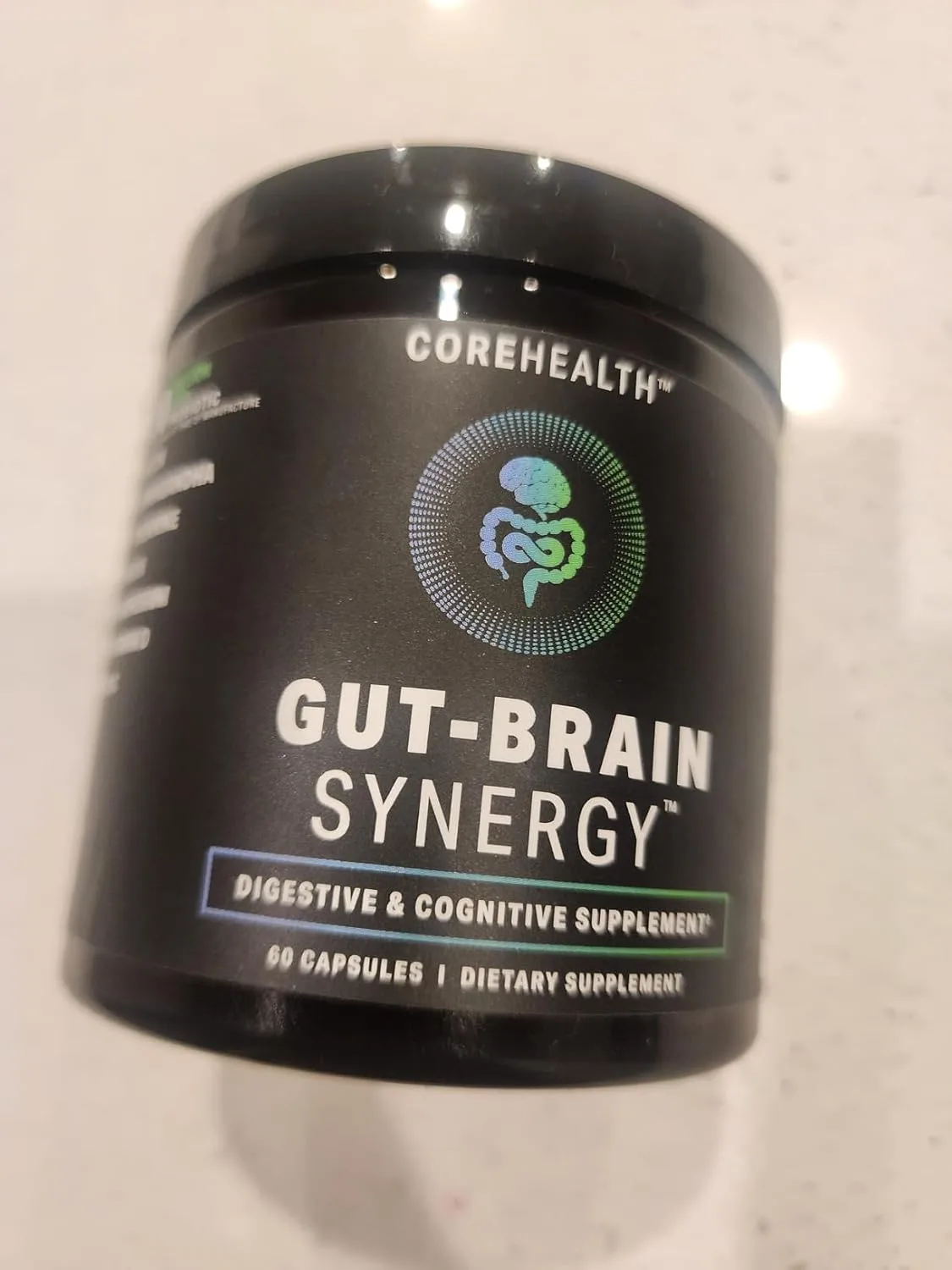
If you’re experiencing brain fog, low mood, or energy crashes that seem tied to digestive stress, a combined probiotic and nootropic approach can help address both ends of the gut-brain conversation at once. This formulation targets the bacterial strains most associated with neurotransmitter production while including cognitive support compounds that work synergistically with a healthier microbiome.
What works
- The probiotic strains included (typically Lactobacillus and Bifidobacterium species) have research backing their role in GABA and serotonin precursor production — the actual mechanism linking gut bacteria to mood and calm.
- Clients typically report improvements in mental clarity and energy within 2–3 weeks, though the mood-stabilizing effects often take 6–8 weeks as the microbiome shifts; combining probiotics with nootropic support can bridge that gap.
- The dual-action approach sidesteps the common frustration of taking a probiotic alone and wondering why your focus hasn’t improved — this formula acknowledges that nutrient status and bacterial health both matter for cognition.
What doesn’t
- This is not a substitute for treating underlying IBS, inflammatory bowel disease, or clinical depression — if your mood symptoms are severe or your digestive condition is undiagnosed, you need proper medical evaluation first.
- If you’re on SSRIs or other psychiatric medication, check with your GP or pharmacist before adding nootropic compounds, as some can interact with or duplicate medication effects.
Think of this as support for an already-healthy baseline, not a rescue for crisis-level brain fog or mood disturbance. Gut-Brain Synergy Probiotic & Nootropic works best when you’re also prioritizing sleep, stress management, and whole foods — the fundamentals that actually feed your microbiome.
This post contains affiliate links. As an Amazon Associate, I earn from qualifying purchases at no extra cost to you.
This post contains affiliate links. As an Amazon Associate, I earn from qualifying purchases. This means I may earn a small commission if you purchase through my links, at no extra cost to you. I only recommend products I genuinely think are worth your time.