Have you ever eaten something totally “normal” and spent the rest of the day feeling like your stomach declared war on you? Or noticed that when you’re stressed at work, your digestion goes completely haywire — even though you didn’t change a single thing about your diet? I’ve been there. Most of us have. And it wasn’t until I started digging into the research on gut microbiome health that I realized just how much of what we feel — physically, mentally, even emotionally — traces back to this incredible ecosystem living inside us.
So, What Exactly Is the Gut Microbiome?
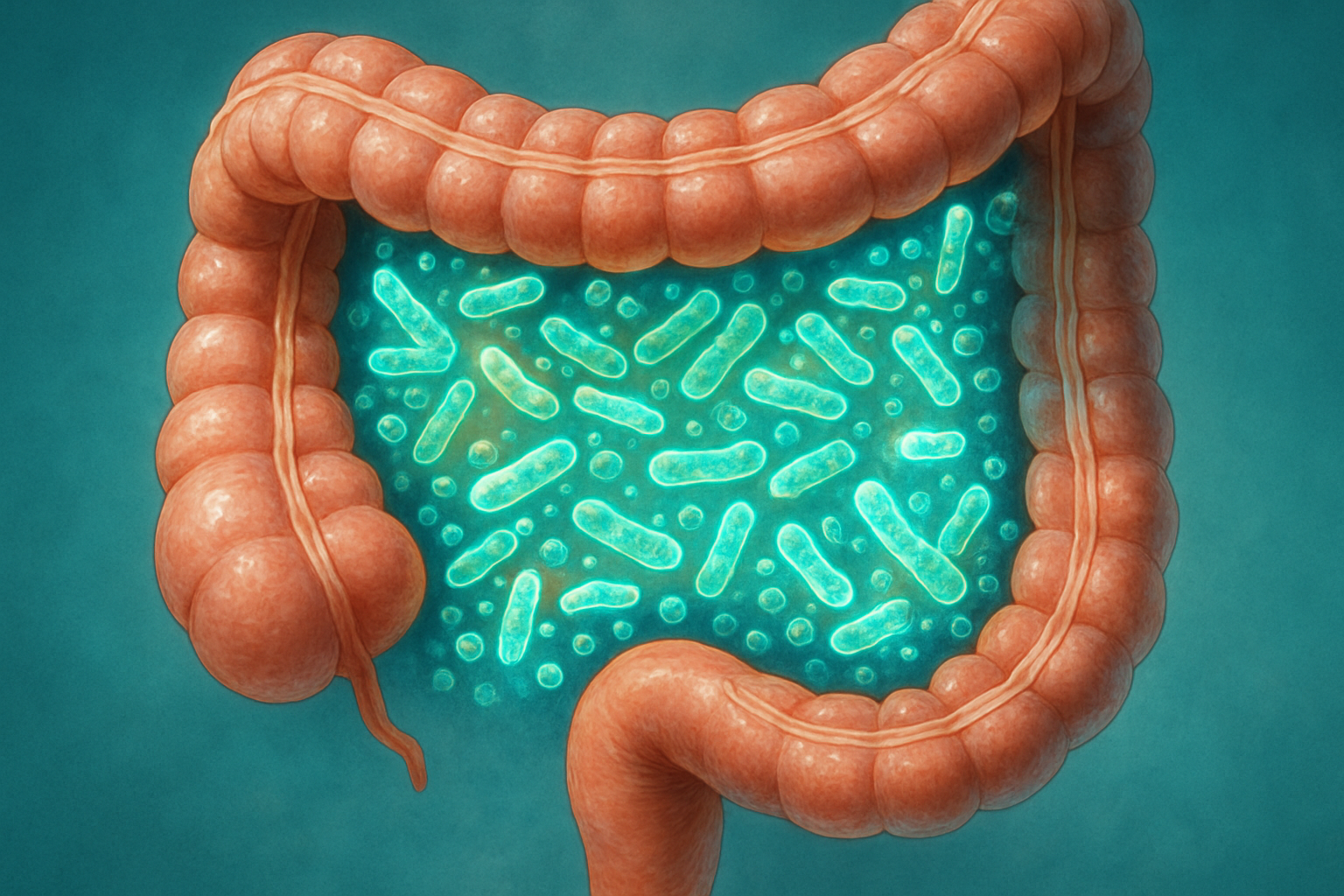
Here’s the short version: your gut microbiome is a massive community of trillions of microorganisms — bacteria, fungi, viruses, and other microbes — living primarily in your large intestine. We’re talking somewhere around 38 trillion microbial cells, which actually rivals the number of human cells in your entire body. That still blows my mind every time I think about it.
These microbes aren’t just passive passengers. They’re actively working — breaking down food your body can’t digest on its own, producing vitamins like B12 and K2, training your immune system, and even communicating with your brain through something researchers call the gut-brain axis. The composition of your microbiome is as unique as your fingerprint, shaped by everything from how you were born and whether you were breastfed, to what you eat today, how much you sleep, and yes, how stressed you are.
Research suggests that a diverse, balanced microbiome is associated with better overall health outcomes, while an imbalanced microbiome — sometimes called dysbiosis — may be linked to a surprisingly wide range of issues that go well beyond an upset stomach.
Gut Microbiome Health Goes Way Beyond Digestion
This is the part that genuinely surprised me when I first started reading about it. We tend to think of gut health as purely a digestive issue — bloating, constipation, diarrhea, that kind of thing. And yes, your microbiome absolutely plays a central role in all of that. But the research points so much further.
Your Immune System
Did you know that roughly 70% of your immune system lives in your gut? Your microbiome helps train immune cells to distinguish between friendly microbes and harmful invaders. When the balance is off, research suggests the immune system may overreact or underperform — which many scientists believe may play a role in chronic inflammation and autoimmune conditions.
Your Mood and Mental Health
The gut-brain axis is a real, bidirectional communication highway between your gut and your brain. About 90% of your body’s serotonin — the neurotransmitter most associated with mood and wellbeing — is actually produced in the gut. Studies have found associations between gut microbiome composition and conditions like anxiety and depression, though researchers are careful to note this is a complex, evolving area of science. Still, many people find that when their gut feels better, they feel better overall. That’s not just in their heads — it may literally be coming from their gut.
Your Metabolism and Weight
Research suggests that gut bacteria may influence how efficiently your body extracts calories from food, how it stores fat, and how it regulates blood sugar. Some studies have found meaningful differences in the microbiome composition of people with metabolic conditions compared to those without — though the science here is still developing and it’s certainly not a simple cause-and-effect story.
Your Skin
The gut-skin axis is another emerging area of research. Many people find that digestive issues and skin flare-ups seem to go hand in hand, and scientists are beginning to understand why. Inflammation in the gut may contribute to inflammatory skin responses, and an imbalanced microbiome may play a role in conditions like eczema and acne for some individuals.
What You Can Actually Do to Support Your Gut Microbiome
Okay, so now that we know how far-reaching this all is, let’s talk about what’s actually within your control. The good news? Quite a lot.
Feed Your Microbiome Well
Your gut bacteria eat what you eat. Fiber-rich foods — vegetables, fruits, legumes, whole grains — act as prebiotics, feeding the beneficial bacteria in your gut. Fermented foods like yogurt, kefir, sauerkraut, kimchi, and kombucha introduce live beneficial organisms. Research published in Cell in 2021 found that a high-fiber, high-fermented-food diet significantly increased microbiome diversity. Diversity, researchers generally agree, is a marker of a healthy gut.
Manage Stress (Easier Said Than Done, I Know)
Because of the gut-brain axis, chronic stress can genuinely disrupt your microbiome composition. Even simple practices — walking, deep breathing, consistent sleep — may help support a healthier gut environment over time.
Consider a Quality Probiotic
Probiotic supplements won’t replace a good diet, but many people find them helpful — especially after antibiotic use, periods of stress, or digestive disruptions. The key is choosing one with multiple well-researched strains and a meaningful CFU count.
Products Worth Trying for Your Gut Health Journey
I want to share a few options I think are genuinely worth considering, depending on where you are in your gut health journey.
The Multi-Strain Probiotic That Actually Shifts Your Baseline Microbial Diversity
If you’re going to supplement with probiotics, you need a formulation with enough CFU count and strain diversity to actually colonize — not just pass through. A single-strain supplement might help temporarily, but reshaping your microbiome requires multiple beneficial species working together, which is why I reach for multi-strain formulas when clients are ready to commit to consistent daily use.
What works
- The 60 billion CFU count is high enough to create meaningful change without triggering the bloating and gas that lower-dose probiotics sometimes cause in sensitive clients — you’re getting therapeutic density, not just a token amount.
- Multi-strain formulas (this one includes Lactobacillus and Bifidobacterium species) mimic what a genuinely diverse microbiome looks like, which research suggests is more stable and resilient than a monoculture of a single strain.
- Most clients report noticeable improvements in bloating, regularity, and general digestive comfort within 2–3 weeks of consistent daily use — not overnight, but real and measurable.
What doesn’t
- Probiotics are not a substitute for addressing diet and lifestyle — if you’re still eating ultra-processed foods, under chronic stress, and sleeping poorly, a supplement won’t overcome that foundation.
- If you have active inflammatory bowel disease (Crohn’s or ulcerative colitis), immunosuppression, or a central line, talk to your gastroenterologist first — probiotics can occasionally cause infection risk in these populations, even though they’re safe for most people with IBS.
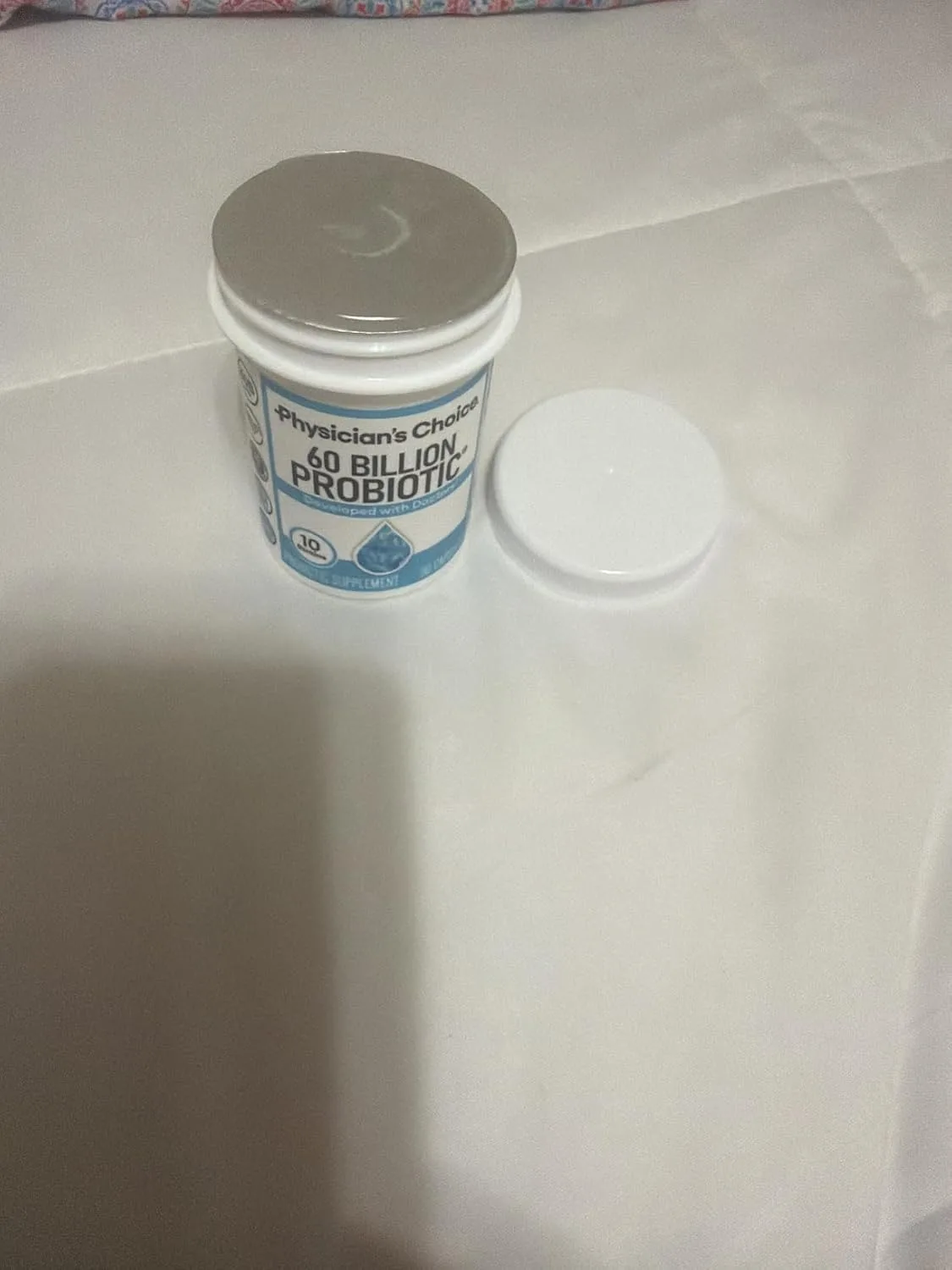
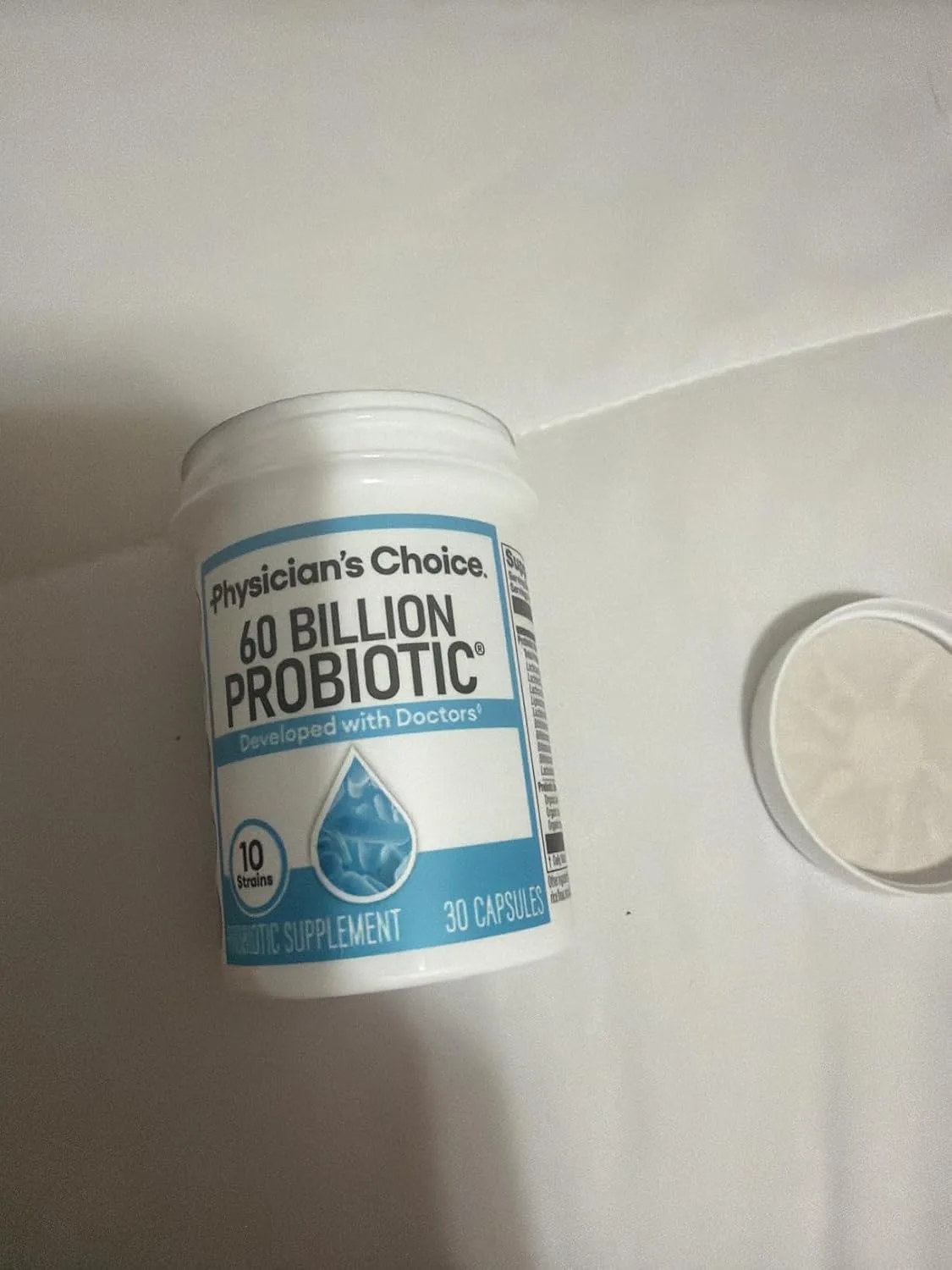
Think of probiotics as a tool to reinforce a better microbiome, not fix one on their own — they work best when paired with genuine dietary and stress changes. If you’re ready to try a multi-strain formula with real clinical density, Physician’s CHOICE Probiotics 60 Billion CFU (30ct) is what I recommend to clients most often.
This post contains affiliate links. As an Amazon Associate, I earn from qualifying purchases at no extra cost to you.

This post contains affiliate links. As an Amazon Associate, I earn from qualifying purchases. This means if you click a link and make a purchase, I may earn a small commission at no extra cost to you. I only recommend products I genuinely think are worth your time and money.