If you’ve ever finished a meal and immediately felt that familiar bloating, discomfort, or that vague sense that something just isn’t right in your gut, you’re definitely not alone. I’ve been there — standing in the kitchen wondering why my digestion felt so unpredictable, and how something as simple as what I eat or supplement with could actually make a difference. That’s what first led me down the rabbit hole of researching a collagen supplement for gut health, and honestly, what I found genuinely surprised me.
This post contains affiliate links. As an Amazon Associate, I earn from qualifying purchases. This means if you click a link and make a purchase, I may earn a small commission at no extra cost to you. I only recommend products I’ve personally researched and believe may be genuinely helpful.
What Is Leaky Gut and Why Does It Matter?
Before we talk about collagen, it helps to understand what “leaky gut” actually means — because it’s a term that gets thrown around a lot without much explanation. The technical name is intestinal permeability. Your gut lining is made up of tightly packed cells that act like a selective barrier. Nutrients get through; harmful substances are supposed to stay out.
When that barrier becomes compromised — whether from stress, poor diet, certain medications, or chronic inflammation — those tight junctions can loosen. Research published in journals like Frontiers in Immunology suggests that increased intestinal permeability may be connected to a range of digestive issues, including bloating, food sensitivities, and broader inflammatory responses in the body. It’s important to note that leaky gut is still an evolving area of research, and it’s always worth discussing your specific symptoms with a qualified healthcare provider.
So Where Does Collagen Come In?
Here’s where things get genuinely interesting. Collagen is the most abundant protein in the human body. It forms the structural backbone of your skin, joints, bones — and yes, your gut lining. The connective tissue that holds your intestinal wall together is rich in collagen, particularly Type I and Type III. As we age, or when our gut is under stress, collagen production naturally declines.
Research suggests that certain amino acids found in collagen — especially glycine, glutamine, and proline — may play a meaningful role in supporting the integrity of the gut lining. Glycine, for example, has been studied for its potential anti-inflammatory properties in the digestive tract. Glutamine is well-known in gut health circles as a primary fuel source for enterocytes, the cells lining your small intestine. Many people find that adding a collagen supplement to their routine is one of the more approachable ways to consistently get these amino acids into their diet.
Is collagen a magic fix? No. But as one piece of a broader gut-supportive lifestyle — good sleep, reduced stress, a fiber-rich diet, and avoiding gut irritants — it may offer real, practical support for people working on their digestive health.
Choosing the Right Collagen Supplement for Gut Health: What to Look For
Not all collagen supplements are created equal, and this is something I wish someone had told me earlier. Here are a few things worth paying attention to when you’re shopping:
- Hydrolyzed collagen peptides: These are broken down into smaller chains that are easier for your body to absorb. Look for “hydrolyzed” or “collagen peptides” on the label.
- Type I and III collagen: These are the types most directly associated with gut lining and connective tissue support.
- Type II collagen: More relevant for joint cartilage, but a multi-collagen product can give you broader coverage.
- Clean sourcing: Grass-fed bovine or wild-caught marine sources tend to be higher quality with fewer additives.
- Unflavored options: These are the most versatile — you can add them to coffee, smoothies, or even soups without changing the flavor.
Products Worth Trying
I’ve done a lot of research on what’s actually available and well-regarded, and these are the collagen options I’d point a friend toward. As always, check with your doctor before starting any new supplement — especially if you have existing health conditions.
Vital Proteins Collagen Peptides Powder (9.33 oz)
This is probably the most recognized name in collagen supplements, and for good reason. Vital Proteins Collagen Peptides is unflavored, easily dissolves in hot or cold liquids, and provides a solid dose of Type I and III collagen peptides. It’s a great starter option if you’re just exploring collagen for the first time and want something straightforward without a lot of extras.
Vital Proteins Collagen Peptides Advanced with Hyaluronic Acid & Vitamin C (20 oz)
If you want to take things a step further, this advanced formula from Vital Proteins adds hyaluronic acid and Vitamin C — both of which may support collagen synthesis in the body. Vitamin C in particular is a well-known cofactor in collagen production. This larger 20 oz size is a great value if you’re committing to a regular routine.
Orgain Hydrolyzed Collagen Peptides (1 lb)
For those who prefer a grass-fed, Non-GMO option at a competitive price point, Orgain’s Hydrolyzed Collagen Peptides is worth a close look. It provides 20g of collagen per serving, covers Type I and III, and is Paleo and Keto friendly. Many people find it mixes cleanly into their morning routine without any aftertaste.
NeoCell Marine Collagen Peptides with Hyaluronic Acid (180 Caplets)
If powders aren’t your thing — maybe you just don’t like mixing drinks — NeoCell Marine Collagen Caplets offer a convenient capsule format. Marine collagen is derived from fish and is considered highly bioavailable. The added hyaluronic acid gives it extra appeal for those focused on gut lining and tissue hydration support.
Vital Vitamins Multi Collagen Capsules (150 Count)
For broad-spectrum
Related Posts
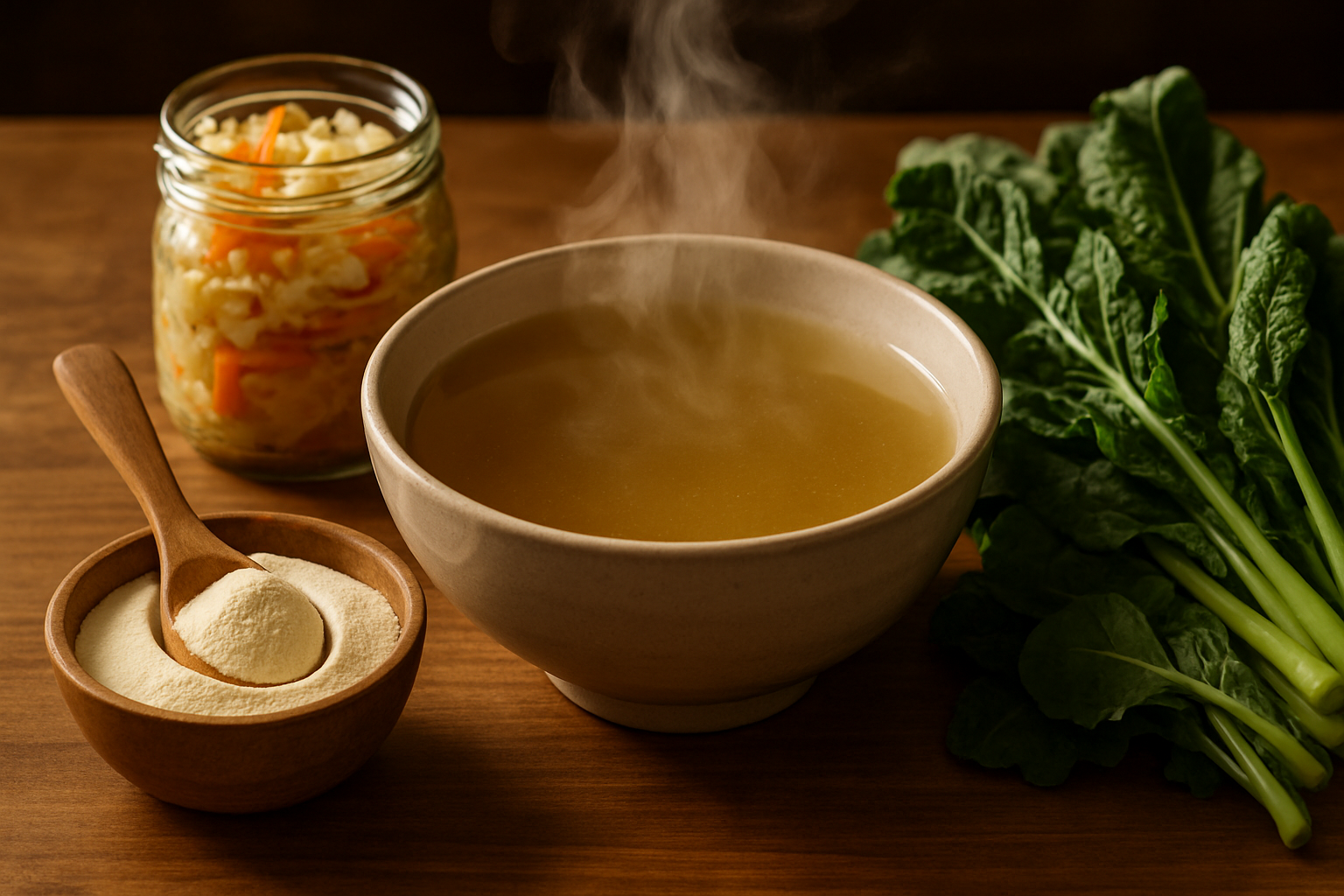
Foods That Heal and Foods That Harm Your Gut Lining: A Practical Guide
Have you ever finished a meal and immediately felt that…
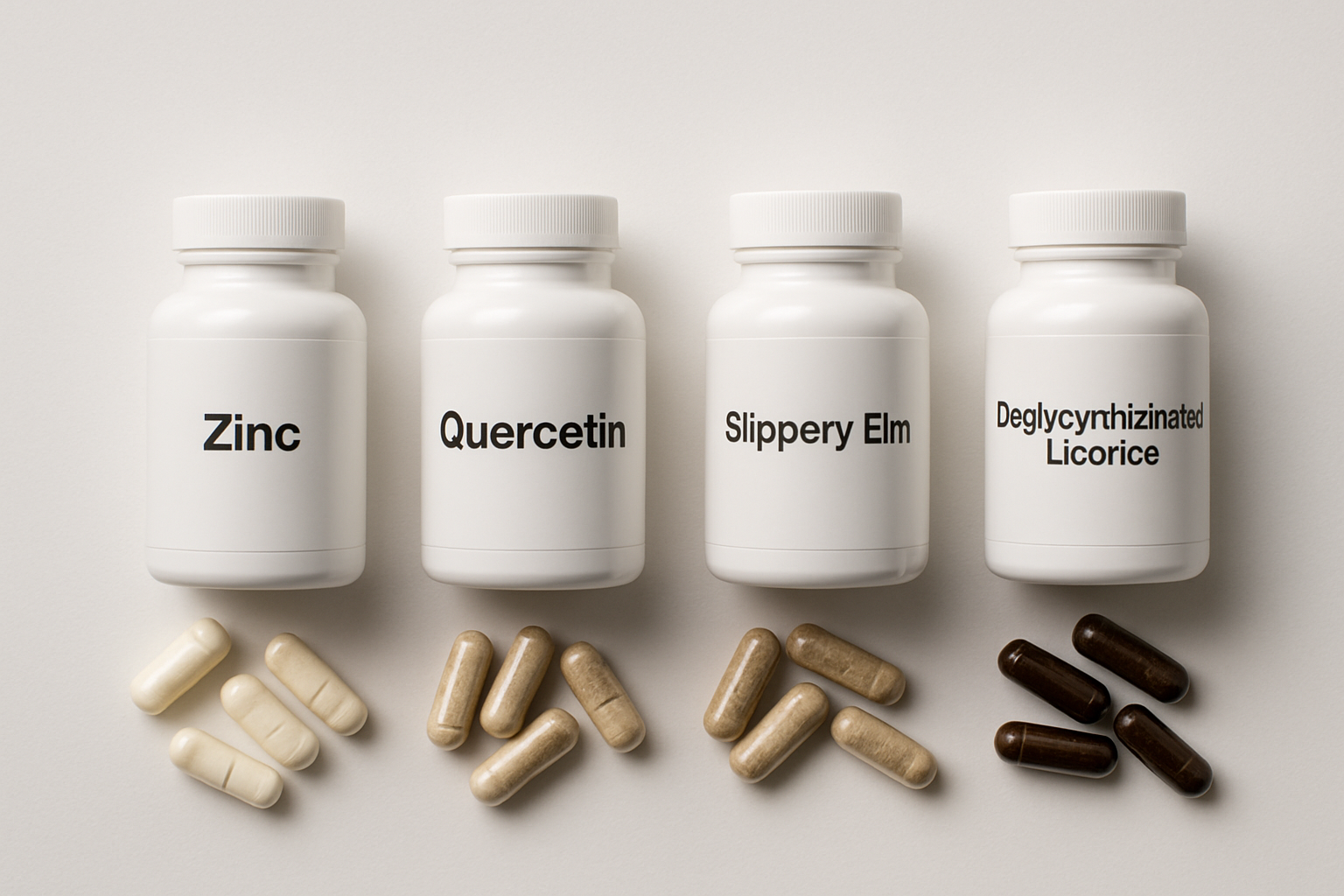
Zinc, Quercetin, and Slippery Elm: The Gut Lining Repair Stack That’s Getting Attention
Have you ever finished a meal and felt that familiar…
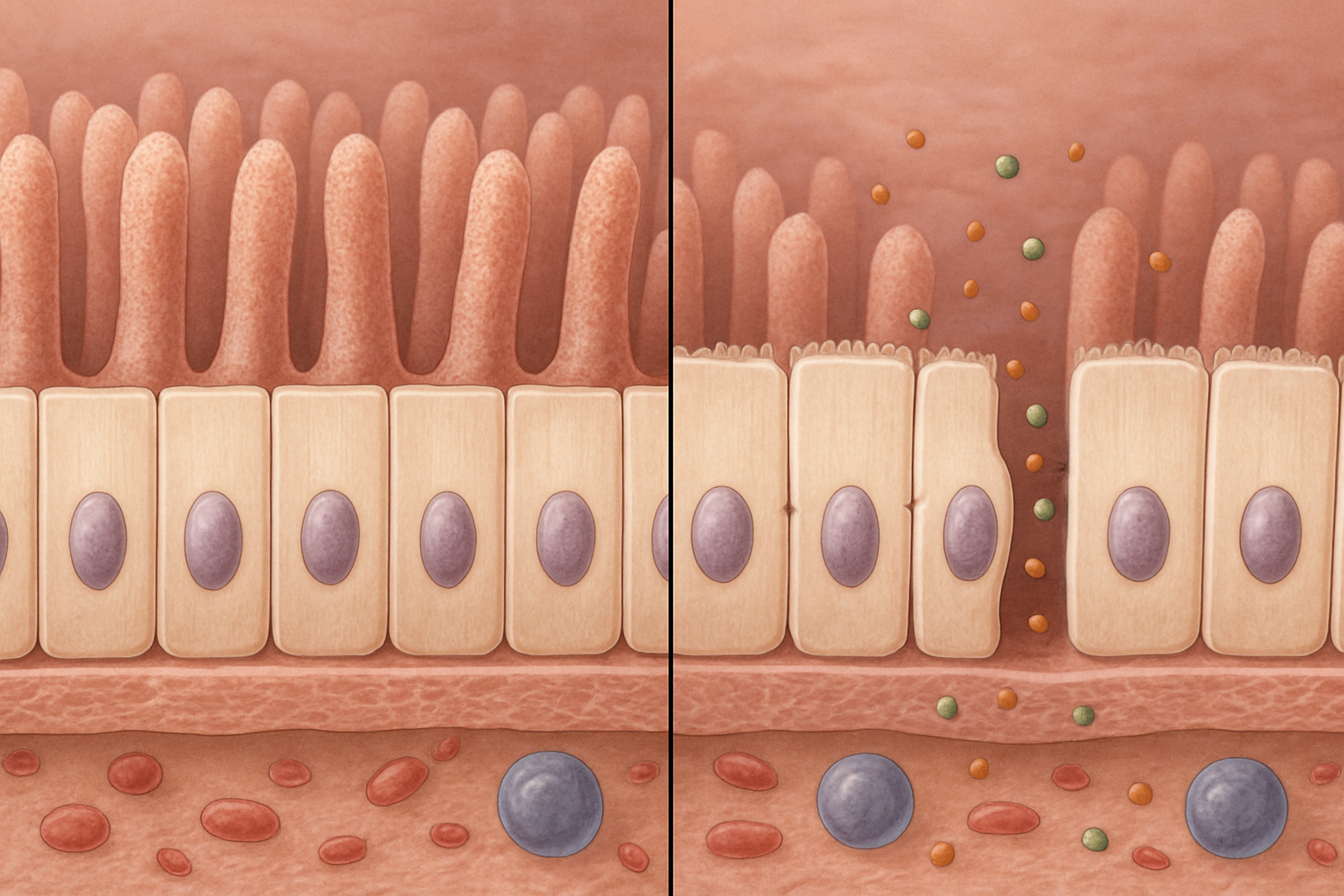
What Is Leaky Gut Syndrome and Is It Actually Real (The Science Says Yes)
Have you ever finished a meal and felt absolutely fine,…