Have you ever finished a meal and felt absolutely fine, only to spend the next hour bloated, foggy, and inexplicably exhausted? I used to chalk that up to “just how I am.” Turns out, a lot of people dealing with those kinds of vague, hard-to-explain symptoms are asking the same question I eventually asked myself — could something be going wrong in my gut? That question led me down a research rabbit hole, and I kept running into the same term: leaky gut syndrome explained in article after article, study after study. So today I want to share what I found, break it all down in plain language, and help you figure out what it might mean for you.
Leaky Gut Syndrome Explained: What Is Actually Happening in Your Gut?
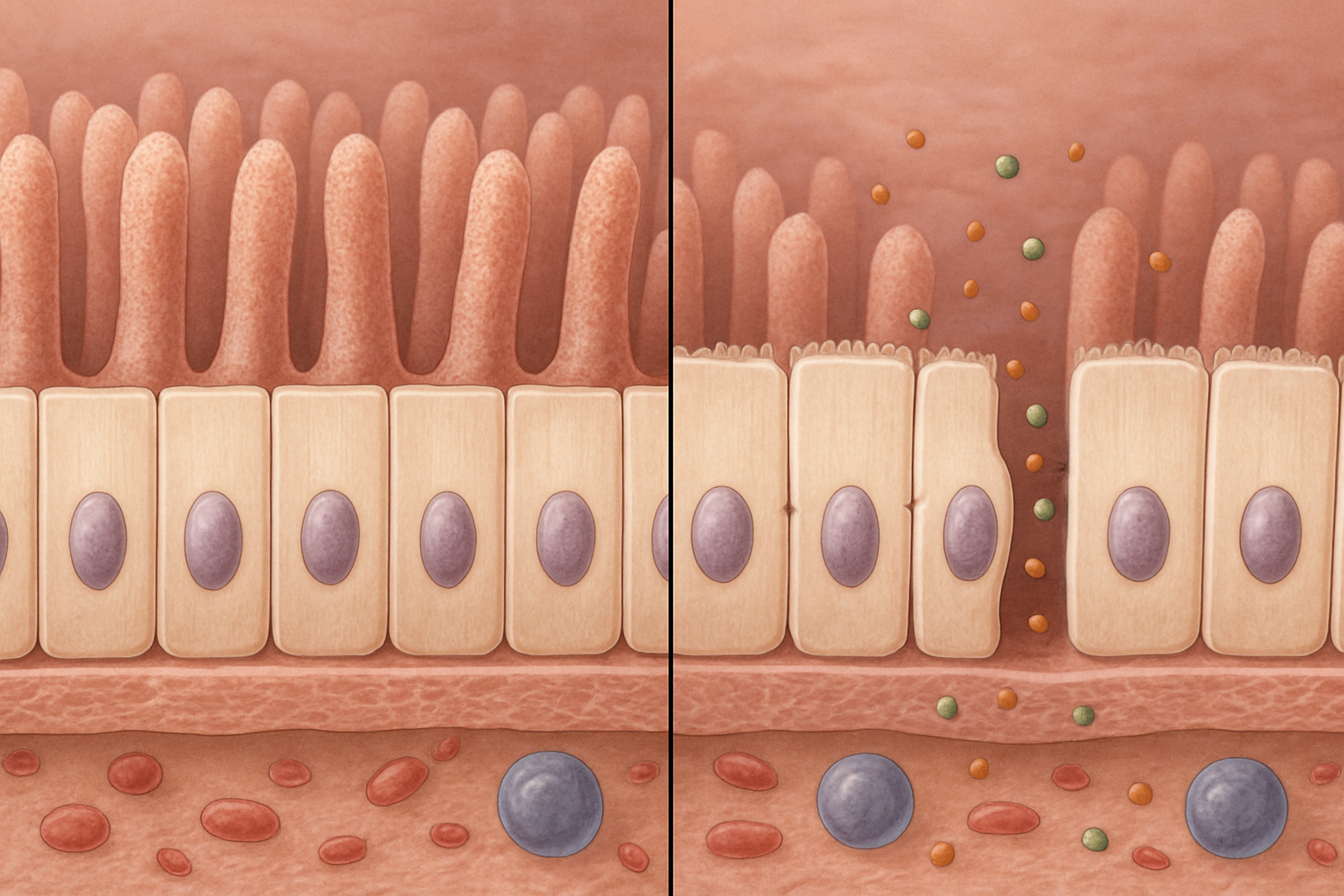
Your gut lining is doing something remarkable every single day. It acts as a carefully controlled barrier — letting nutrients pass into your bloodstream while keeping harmful substances, undigested food particles, and bacteria where they belong: inside the digestive tract. This barrier is made up of cells held together by structures called tight junctions, and when everything is working as it should, those junctions stay snug and selective.
Intestinal permeability — the clinical term for what most people call leaky gut — is what happens when those tight junctions become compromised. Research published in journals like Frontiers in Immunology and Gut has confirmed that increased intestinal permeability is a measurable, real phenomenon. When the gut lining becomes more porous than it should be, substances that normally stay in the digestive tract may pass into the bloodstream, potentially triggering an immune response and widespread inflammation throughout the body.
This is why the symptoms associated with leaky gut can seem so random and disconnected — brain fog, skin issues, fatigue, bloating, food sensitivities, joint discomfort. They’re not random at all. They may all be connected to what’s happening in your gut lining.
Is Leaky Gut Syndrome Actually Real? Here’s What the Research Says
This is the question I get asked most often, and I completely understand the skepticism. For years, mainstream medicine dismissed leaky gut as a wellness buzzword with no scientific basis. The good news is that the research has caught up — and it’s compelling.
Scientists have identified a protein called zonulin that directly regulates the permeability of tight junctions in the gut. Elevated zonulin levels have been observed in people with celiac disease, irritable bowel syndrome, type 1 diabetes, and even certain autoimmune conditions. This gives researchers a measurable biomarker to study — meaning increased intestinal permeability isn’t just a theory anymore. It can be measured and observed.
Research also suggests several factors may contribute to a compromised gut lining, including:
- Chronic stress, which can alter gut microbiome composition and weaken the mucosal lining
- A diet high in processed foods, refined sugar, and alcohol
- Long-term use of certain medications like NSAIDs and antibiotics
- Imbalances in the gut microbiome (dysbiosis)
- Environmental toxins and infections
Now, to be clear — I’m not here to diagnose anyone or promise a cure. Leaky gut is still an evolving area of research, and there is ongoing scientific discussion about how directly intestinal permeability causes various health conditions versus being a secondary effect. But the existence of increased intestinal permeability itself? The science says yes, that’s real.
What May Help Support a Healthy Gut Lining
If you’re concerned about your gut health, the encouraging thing is that lifestyle and dietary shifts may make a meaningful difference. Many people find that taking a thoughtful, consistent approach to gut support helps them feel better over time. Here are some areas worth focusing on.
Prioritize Gut-Friendly Foods
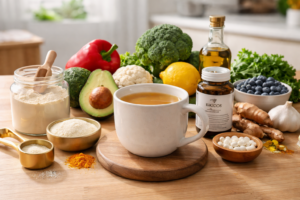
Research suggests that a diet rich in fiber, fermented foods, and anti-inflammatory nutrients may support gut barrier integrity. Think leafy greens, bone broth, sauerkraut, kefir, olive oil, and berries. Reducing ultra-processed foods and added sugar is one of the most impactful steps many digestive health practitioners recommend.
Address Stress Consistently
The gut-brain connection is well established. Chronic stress literally changes the gut environment. Even simple practices like daily walks, breathwork, or prioritizing sleep can support a healthier gut over time.
Consider Targeted Gut Support Supplements
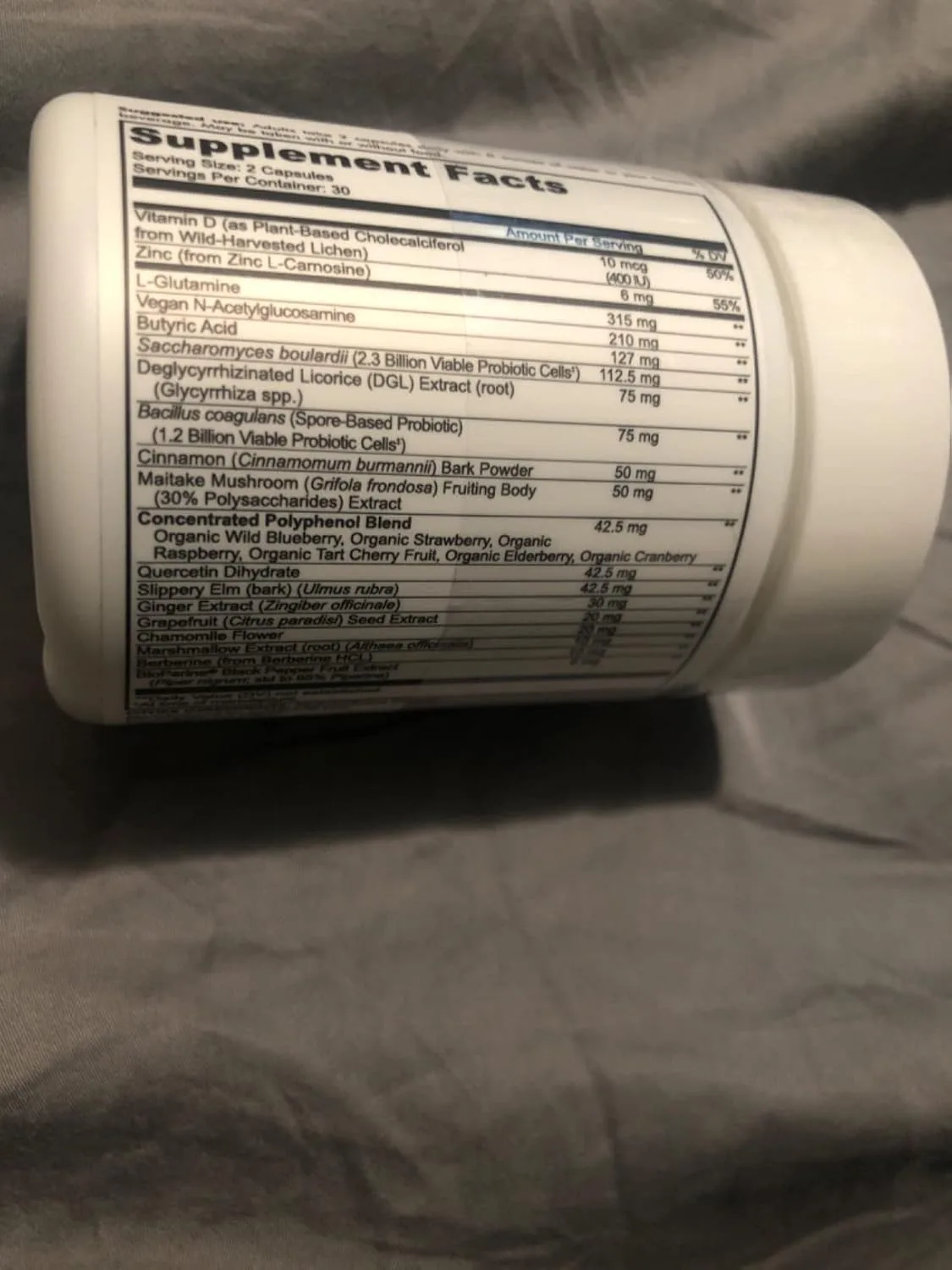
There are several ingredients that research has highlighted for their potential to support gut lining health. L-glutamine is an amino acid that serves as a primary fuel source for intestinal cells. Zinc carnosine has been studied for its role in maintaining mucosal integrity. Prebiotics and probiotics may help restore a balanced microbiome. Herbs like slippery elm, marshmallow root, and DGL licorice root have a long history of use for soothing the digestive tract.
Products Worth Trying for Gut Lining Support
I’ve spent time looking into what’s actually in these supplements — not just the marketing — and these are the ones I think are worth your attention. As always, check with your healthcare provider before starting any new supplement, especially if you have existing health conditions.
The Intestinal Barrier Support I Recommend When Leaky Gut Symptoms Are Active
If your gut lining is genuinely compromised, you need a supplement that supports tight junction integrity and reduces intestinal permeability—not just wishful thinking. L-glutamine is the amino acid your intestinal cells actually use for repair, and a well-formulated powder makes it easy to take therapeutic doses consistently.
What works
- L-glutamine is the preferred fuel source for enterocytes (intestinal lining cells), and the research on IBD and post-infection gut damage shows measurable improvement in permeability markers when dosed at 5g+ daily for 8+ weeks.
- Clients with active bloating, brain fog, and food sensitivities often report noticeable symptom reduction within 4–6 weeks, particularly when paired with removing their trigger foods—not because the supplement is magic, but because you’re giving your gut actual building blocks while it heals.
- A powder format allows you to hit therapeutic doses without swallowing 10+ capsules, and it mixes easily into water or a smoothie, making compliance realistic for the 8–12 weeks this actually takes to work.
What doesn’t
- L-glutamine alone won’t heal a leaky gut if you’re still eating your trigger foods or living in chronic stress—it’s a tool, not a workaround for the actual cause of your intestinal damage.
- If you have a histamine sensitivity or FODMAP intolerance, glutamine powder can trigger symptoms in some people; start low (2–3g daily) and work up slowly, or skip it and talk to your GP about other barrier-support options like bone broth or collagen peptides instead.
This supplement works best as part of a proper gut-healing protocol—dietary change, stress management, and ruling out active infection are non-negotiable. If your symptoms persist after 8 weeks of consistent use plus trigger-food removal, that’s your sign to get proper testing (stool panel, food IgG testing) rather than doubling down on supplements. Check it out on Amazon here.
This post contains affiliate links. As an Amazon Associate, I earn from qualifying purchases at no extra cost to you.
This post contains affiliate links. As an Amazon Associate, I earn from qualifying purchases. This means if you click a link and make a purchase, I may earn a small commission at no extra cost to you. I only recommend products I genuinely believe may support digestive wellness.