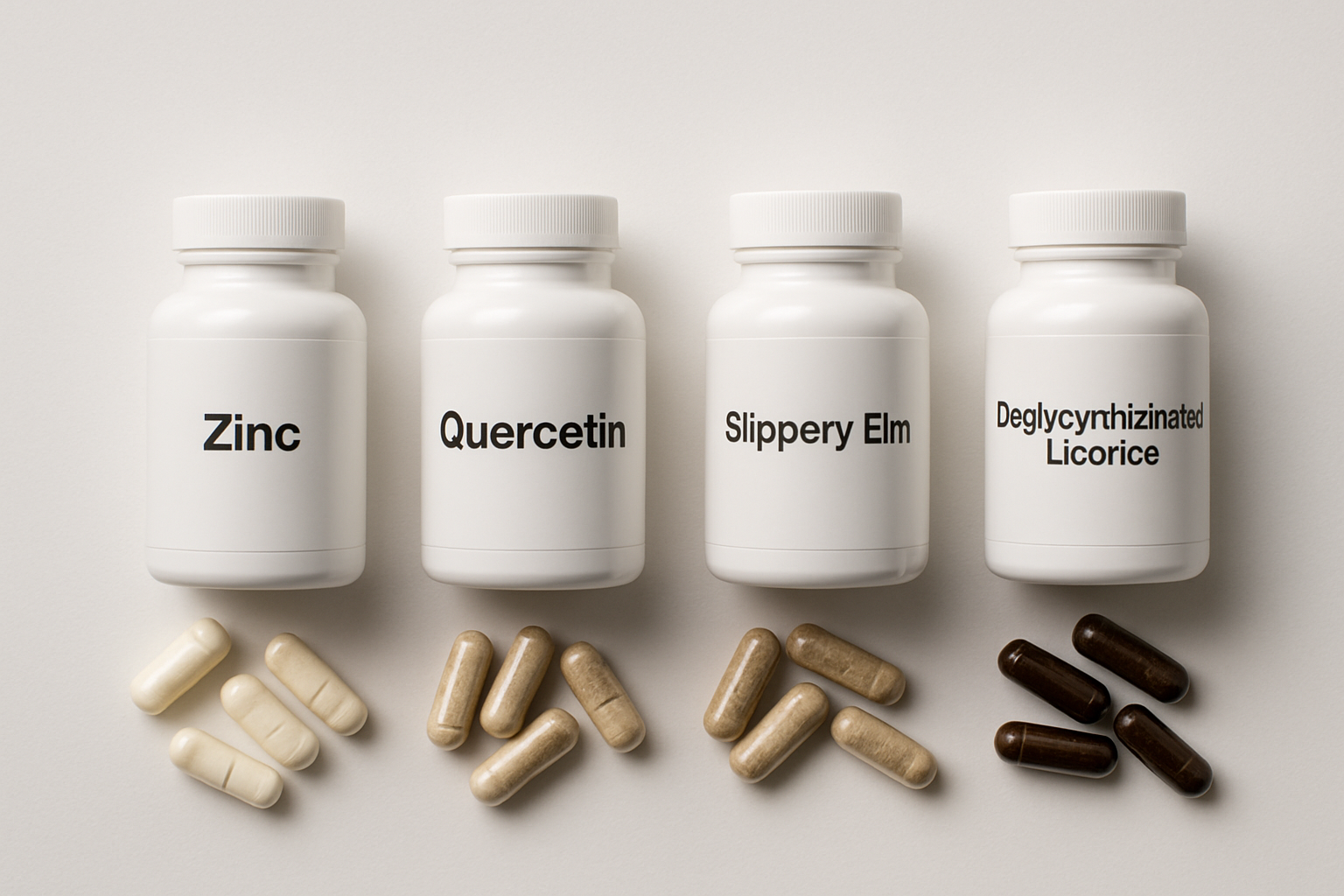
Have you ever finished a meal and felt that familiar uncomfortable bloat, that foggy-headed heaviness, or that vague sense that something just isn’t right in your gut — even when you ate something totally reasonable? I’ve been there more times than I can count. And if you’ve been down the rabbit hole of gut health research like I have, you’ve probably started wondering whether your gut lining itself might be part of the problem. That’s exactly what led me to dig deep into supplements to repair gut lining — and three names kept coming up over and over: zinc, quercetin, and slippery elm.
Before we dive in, I want to be clear: nothing in this post is medical advice, and none of these supplements are intended to diagnose, treat, cure, or prevent any disease. What I’m sharing is research-backed information and my honest take on what many people find helpful. Always check with your healthcare provider before starting anything new, especially if you’re managing a chronic condition or taking medications.
Why Your Gut Lining Deserves More Attention
Your gut lining is essentially a one-cell-thick barrier between the outside world and your bloodstream. It’s responsible for absorbing nutrients, blocking harmful substances, and housing a massive portion of your immune system. When that barrier becomes compromised — something researchers sometimes refer to as increased intestinal permeability, or colloquially “leaky gut” — things that shouldn’t pass through may begin to do exactly that.
Research suggests that a compromised gut lining may be associated with a wide range of symptoms, including bloating, food sensitivities, fatigue, skin issues, and even mood disturbances. Factors like chronic stress, processed foods, alcohol, certain medications like NSAIDs, and imbalanced gut bacteria may all contribute to wear and tear on that delicate barrier over time.
The good news? There’s a growing body of evidence suggesting that targeted nutritional support may help the gut lining do what it’s designed to do. And three ingredients in particular have been getting serious attention from both researchers and people who’ve simply tried them and noticed a difference.
The Three-Ingredient Stack: What the Research Says
Zinc Carnosine: The Heavy Hitter for Mucosal Support
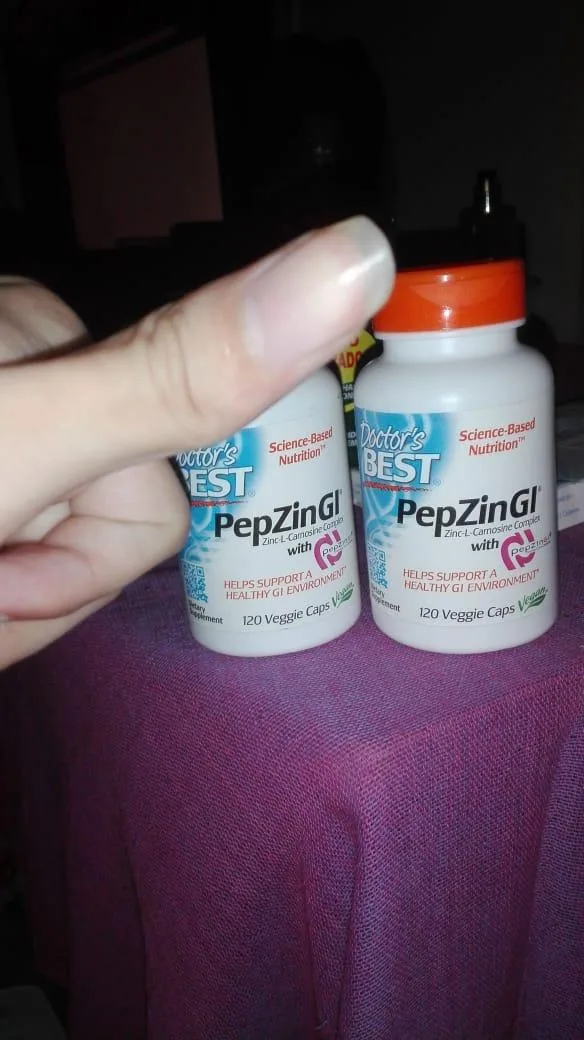
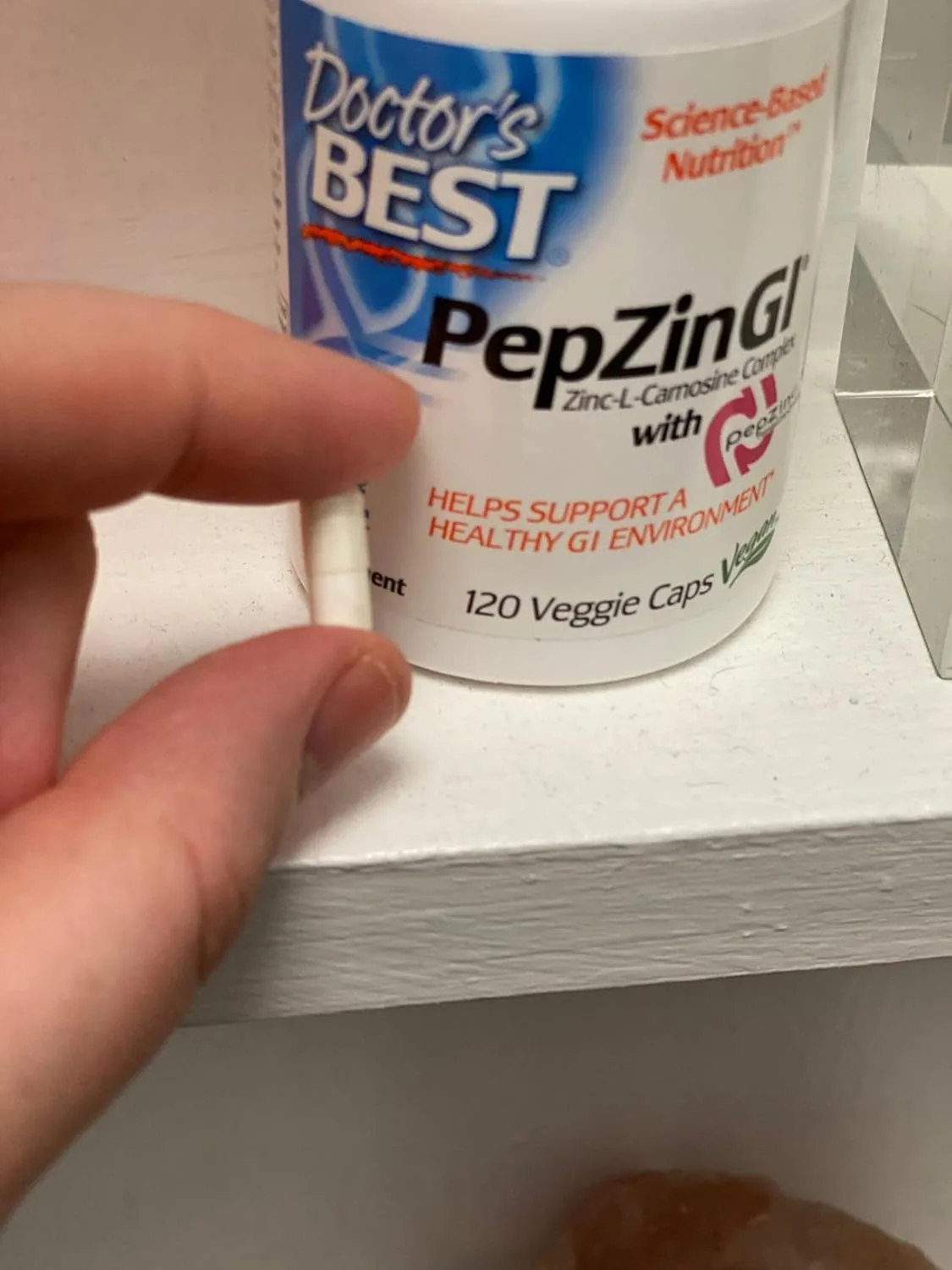
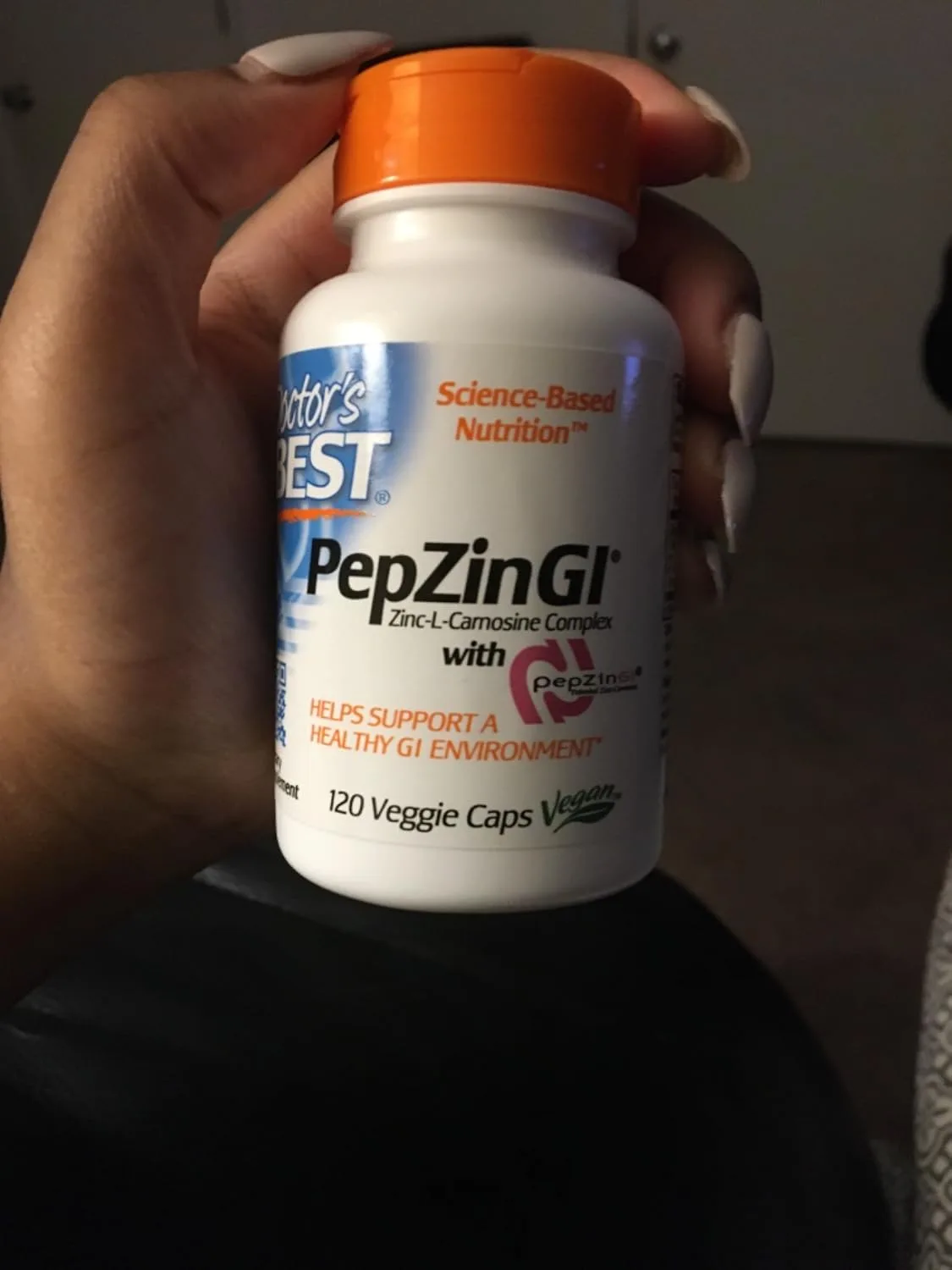
Zinc carnosine is a chelated compound — zinc bonded to the dipeptide L-carnosine — and it behaves quite differently from regular zinc supplements. Rather than being rapidly absorbed into the bloodstream, zinc carnosine appears to stick to the mucosal lining of the stomach and intestines, where it may exert localized protective effects. Research suggests it may help stabilize the gut mucosal layer, support the integrity of tight junction proteins (those are the gatekeepers between your gut cells), and help maintain a healthy stomach lining environment.
Clinical studies, including some conducted in Japan where this compound has been used for decades, have shown that zinc carnosine may support gastric mucosal health and help with digestive comfort. Many people find it especially helpful if they’ve had long-term use of NSAIDs, significant stress, or a history of gut irritation.
Quercetin: The Flavonoid That May Tighten the Gates
Quercetin is a naturally occurring flavonoid found in foods like onions, apples, and capers. It’s been studied extensively for its antioxidant and anti-inflammatory properties, but what makes it particularly interesting for gut lining health is its potential effect on tight junction proteins. Research suggests quercetin may help upregulate the expression of proteins like occludin and claudin-1, which are critical to maintaining a sealed, functional gut barrier.
On top of that, quercetin has been shown in some studies to help modulate mast cell activity in the gut — which matters because mast cells play a role in gut inflammation and reactivity. It also pairs well with bromelain, a digestive enzyme from pineapple, which may enhance quercetin’s absorption and add its own digestive support benefits.
Slippery Elm: The Old-School Soother That Still Holds Up
Slippery elm bark has been used in traditional herbal medicine for centuries, and modern herbalism still holds it in high regard for good reason. When mixed with water, slippery elm produces a mucilage — a thick, gel-like substance — that coats and soothes the mucous membranes of the digestive tract. Think of it as a protective, calming layer for irritated tissue.
While rigorous clinical trials on slippery elm are more limited compared to zinc carnosine, the mechanism makes intuitive sense and many practitioners of integrative medicine recommend it routinely. It may be particularly helpful for people dealing with heartburn, irritated esophageal tissue, or general gut inflammation. It’s also one of the gentler options, making it a good starting point for people new to gut support supplements.
The Zinc and Quercetin Combination That Supports Intestinal Barrier Function
Zinc and quercetin work synergistically to support tight junction integrity — the actual “seals” between your intestinal cells that can become compromised when your gut is inflamed or stressed. If you’re experiencing bloating, food sensitivities, or that post-meal heaviness even after eating well, this combination addresses one of the root mechanisms rather than just masking symptoms.
What works
- Zinc is required for tight junction protein synthesis — clients with low zinc status often see noticeable improvement in bloating and general digestive comfort within 4–6 weeks of consistent supplementation.
- Quercetin is a bioflavonoid with mild natural antihistamine properties; it’s particularly helpful for people whose gut inflammation is driven by histamine sensitivity or mast cell activation.
- Combination formulas like this one save you from buying three separate bottles and ensure the ratios are thought through — this specific product pairs both with a small amount of slippery elm, which adds a soothing mucilage layer without unnecessary bulk.
What doesn’t
- This won’t work overnight — gut barrier repair takes weeks, not days, and if your symptoms are driven by active infection, unmanaged food sensitivities, or undiagnosed coeliac disease, no supplement will fix the underlying problem.
- Zinc can interact with certain medications (especially antibiotics and some bisphosphonates) and high doses over time can interfere with copper absorption, so if you’re on regular medication or have a history of mineral deficiency, check with your GP before starting.
This stack is a support tool, not a treatment for diagnosed inflammatory bowel disease or coeliac disease — those conditions need proper medical oversight and often require much more than supplementation. That said, if you’ve ruled out the big culprits and you’re looking for a thoughtful, evidence-informed way to support your barrier function, this is worth a genuine trial. Check it out on Amazon here.
This post contains affiliate links. As an Amazon Associate, I earn from qualifying purchases at no extra cost to you.
This post contains affiliate links. As an Amazon Associate, I earn from qualifying purchases. This means if you click a link and make a purchase, I may earn a small commission at no extra cost to you. I only recommend products I genuinely believe are worth your attention.