Have you ever finished a meal and immediately felt that familiar heaviness, bloating, or nagging discomfort that makes you wonder what’s actually going on inside your gut? I’ve been there more times than I can count, and it wasn’t until I started paying close attention to what I was eating — not just for calories or nutrients, but specifically for my gut lining — that things started to shift. If you’ve been researching foods to heal gut lining issues, you’re already asking exactly the right question.
Your gut lining is a remarkable structure — a single layer of cells that acts as the gatekeeper between what you’ve eaten and the rest of your body. When it’s healthy, it absorbs the good stuff and keeps the harmful stuff out. But research suggests that a range of modern dietary and lifestyle factors may compromise that barrier over time. The good news? What you eat every single day can either work for your gut lining or against it. Let’s break that down in a way that’s actually useful.
Foods That May Support and Heal Your Gut Lining
Think of these as your gut’s best friends — foods that research suggests may help maintain or restore the integrity of that delicate intestinal barrier.
Bone Broth and Collagen
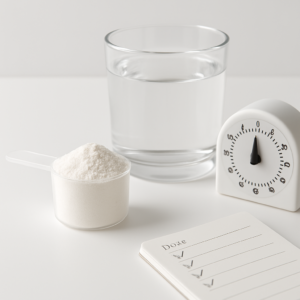
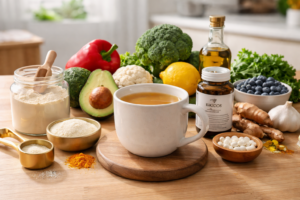
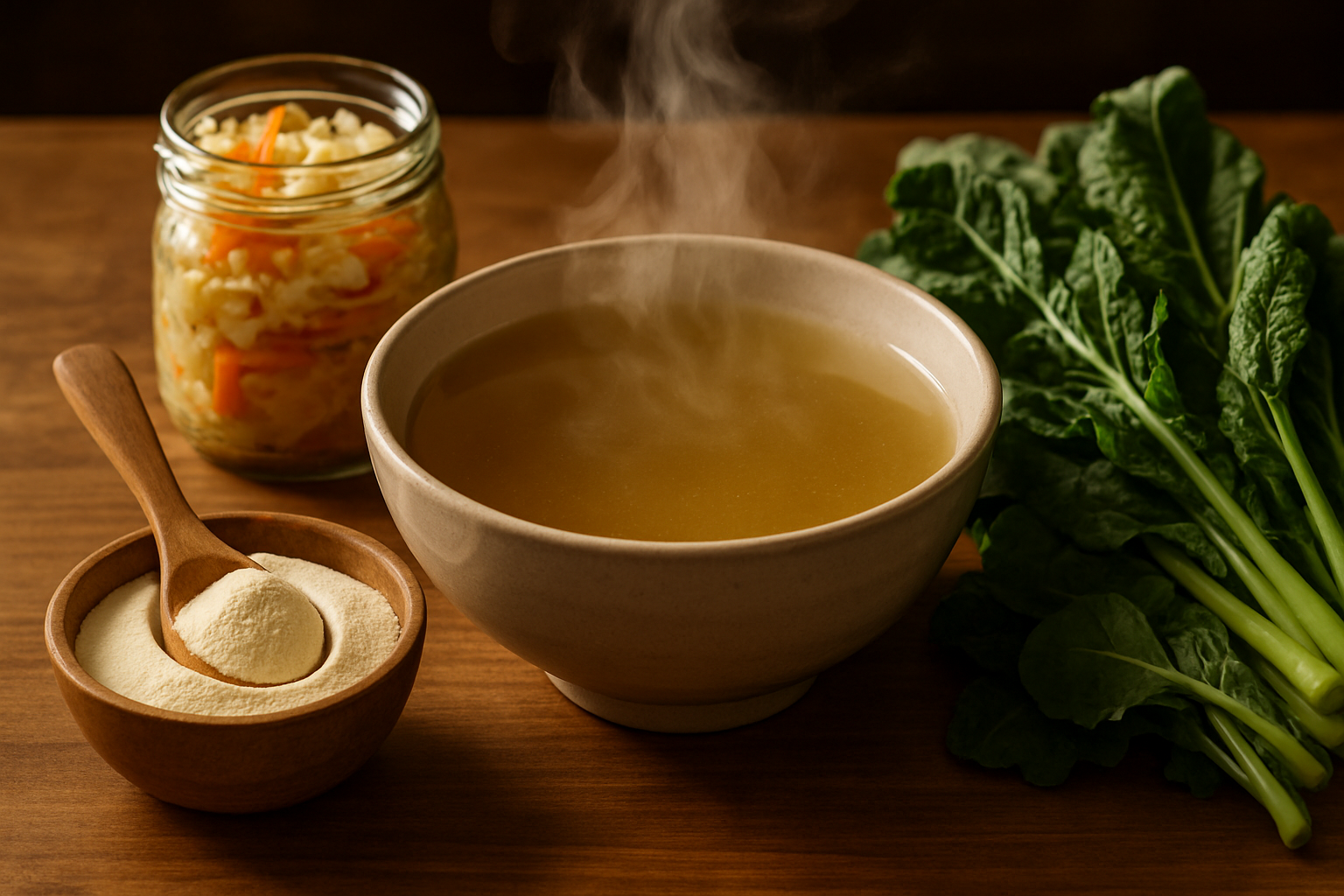
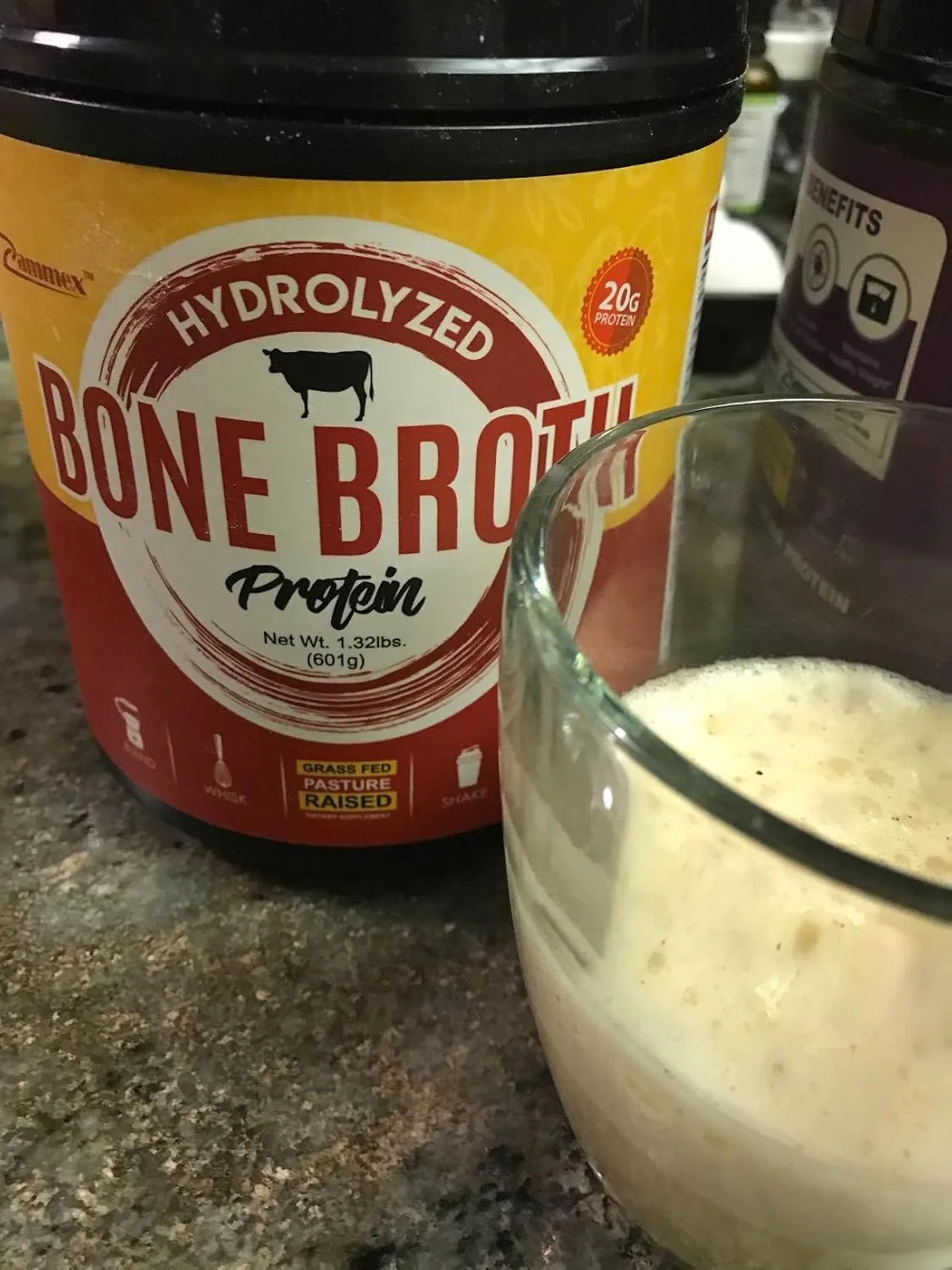
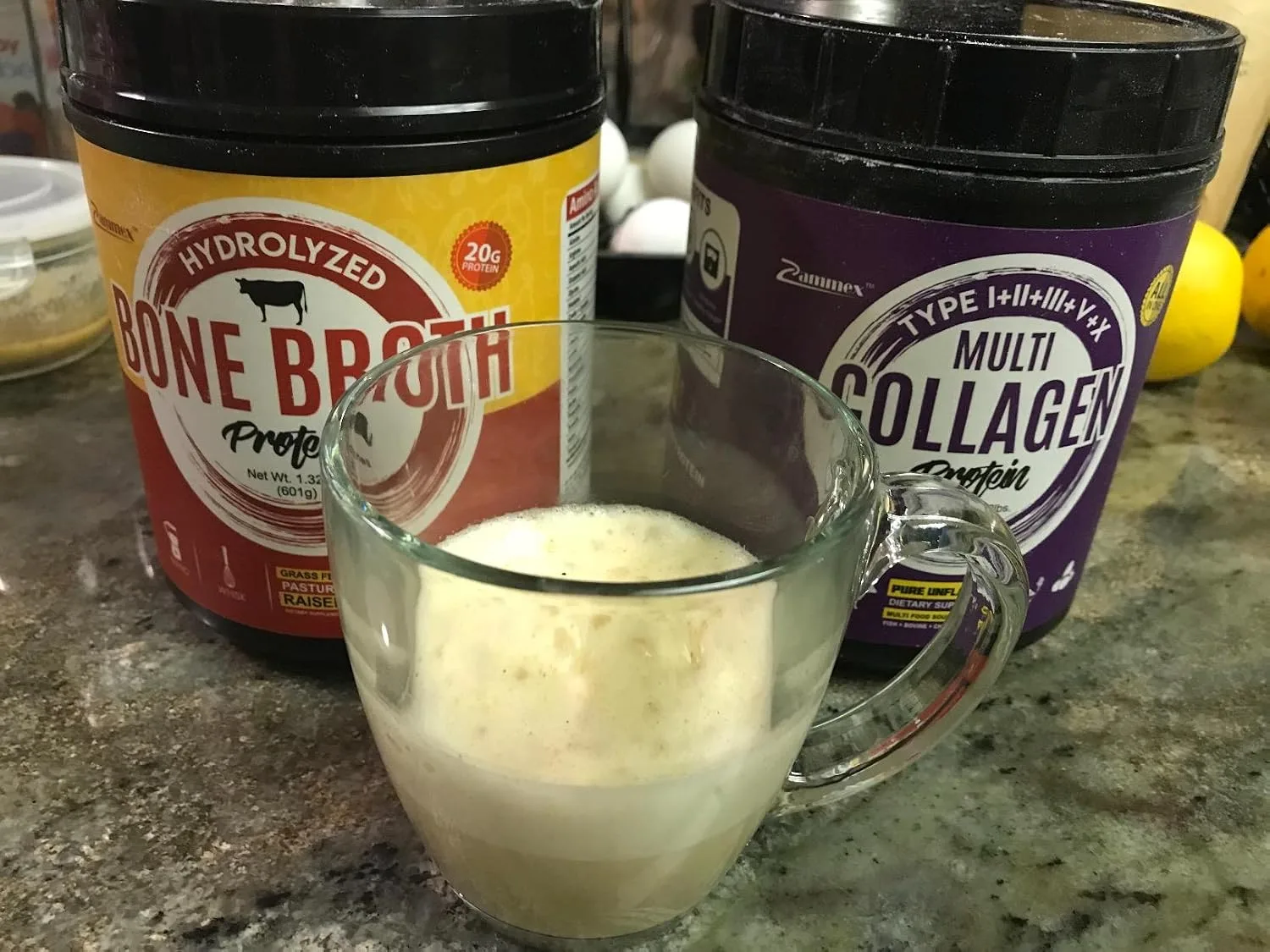
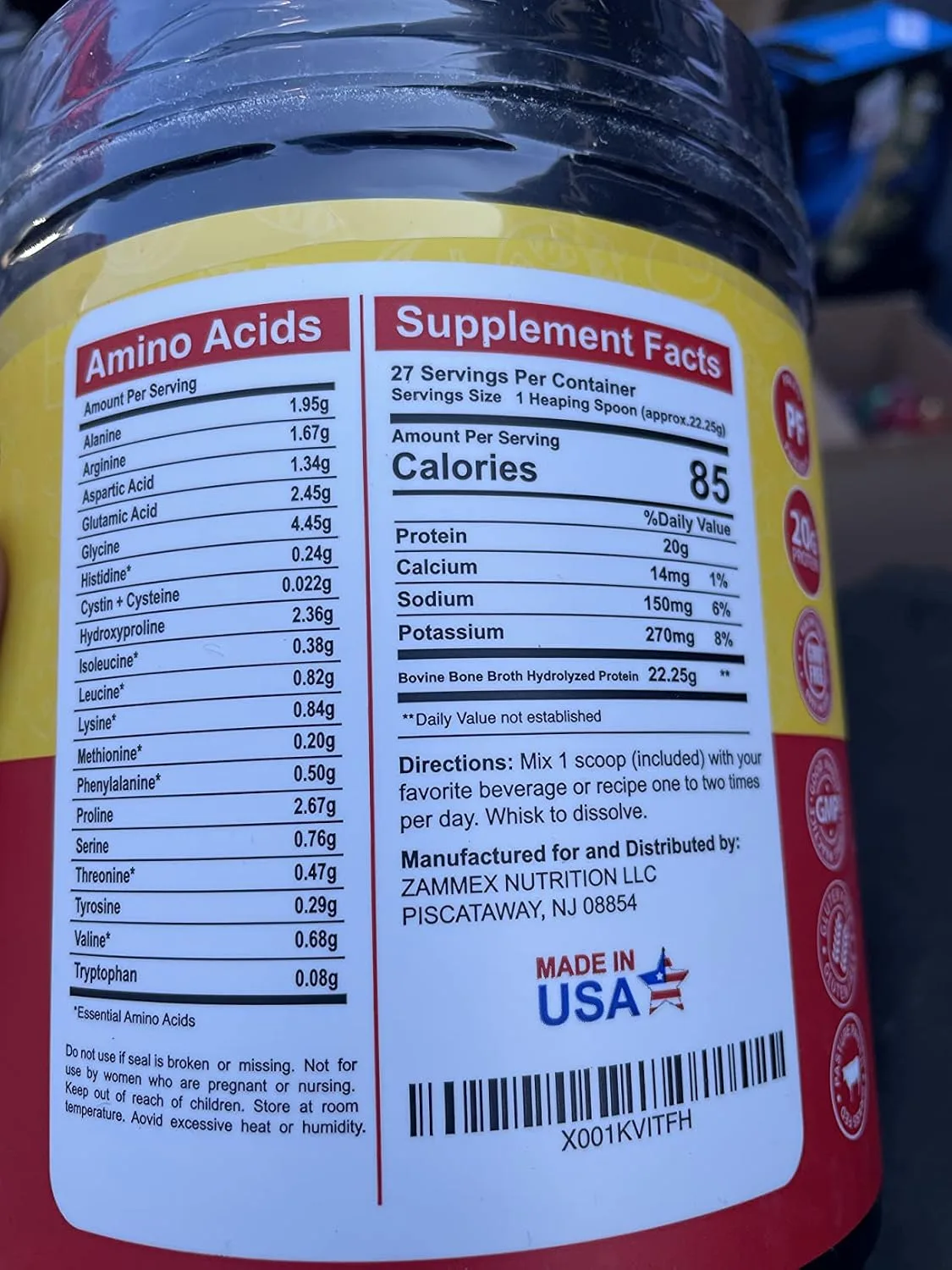
Bone broth has been used for centuries across cultures, and modern research is beginning to catch up with why. It’s rich in collagen, gelatin, and amino acids like glutamine and glycine — compounds that many people find supportive of gut lining health. Glutamine in particular has been studied for its potential role in maintaining intestinal barrier function. If simmering bones on your stovetop all day isn’t realistic for your schedule (and honestly, it’s not for most of us), a high-quality collagen protein powder can be a convenient alternative.
Fermented Foods
Yogurt, kefir, sauerkraut, kimchi, miso, and kombucha are all rich in live cultures that may help diversify and support a healthy gut microbiome. Research suggests that a thriving microbiome plays a meaningful role in maintaining gut barrier integrity. Even adding a small serving of fermented food daily may make a difference for some people over time.
Prebiotic-Rich Foods
Prebiotics are essentially food for your beneficial gut bacteria. Foods like garlic, onions, leeks, asparagus, bananas, and oats contain prebiotic fibers that help the good bacteria in your gut thrive. When those bacteria are well-fed, they produce short-chain fatty acids like butyrate, which research suggests may help nourish the cells lining your colon.
Omega-3-Rich Foods
Fatty fish like salmon, sardines, and mackerel are excellent sources of omega-3 fatty acids, which have well-documented anti-inflammatory properties. Since chronic low-grade inflammation is thought to be a contributing factor in gut lining disruption, many people find that regularly eating omega-3-rich foods feels genuinely supportive to their overall digestive health.
Zinc-Rich Foods
Zinc is a mineral that plays a role in tissue repair and immune function, and some research suggests it may help support tight junction proteins — the structures that help keep your gut lining sealed and intact. Good food sources include pumpkin seeds, chickpeas, lentils, beef, and cashews.
Foods That May Harm Your Gut Lining
This isn’t about fear or perfection — it’s about awareness. Most of us eat some of these foods regularly, and that’s okay. But understanding which foods research links to potential gut lining disruption can help you make more informed choices on a day-to-day basis.
- Ultra-processed foods: These are typically high in additives, emulsifiers, and refined ingredients that some studies suggest may negatively affect the gut microbiome and potentially contribute to barrier disruption.
- Excess alcohol: Research consistently links heavy alcohol consumption to increased intestinal permeability. Even moderate amounts may be worth limiting if you’re actively working to support your gut health.
- Added sugars: A diet high in added sugars may contribute to an imbalance in gut bacteria (dysbiosis), which in turn may affect the health of the gut lining over time.
- Refined grains: Stripped of their fiber and nutrients, refined grains offer little to feed your beneficial gut bacteria and may contribute to blood sugar fluctuations that affect gut health indirectly.
- Certain food additives: Some research suggests certain emulsifiers and artificial sweeteners may alter gut bacteria composition, though more human studies are still needed.
I want to be clear here — this isn’t about eliminating everything “bad” overnight. Small, consistent shifts are far more sustainable than dramatic overhauls that you can’t maintain.
Products Worth Trying to Support Your Gut Lining
If you want to make bone broth and collagen a more regular part of your routine, these are some options I think are genuinely worth looking at. They each offer a convenient way to get gut-supportive nutrients without spending hours in the kitchen.
The Collagen Supplement I Recommend When Clients Have Damaged Gut Lining
If you’re dealing with a compromised gut barrier — whether from prolonged inflammation, food sensitivities, or just years of digestive stress — collagen peptides can be a practical tool to support the structural integrity of your intestinal lining. It’s not a magic fix, but it addresses the actual mechanism: your gut lining needs amino acids like glycine and proline to rebuild.
What works
- Collagen peptides are bioavailable and easily absorbed — they don’t require much digestive effort, which matters if your gut is already inflamed and struggling.
- Most clients report less bloating and more stable digestion within 4–6 weeks, though this happens gradually and isn’t a dramatic overnight shift.
- Unflavoured peptides mix into warm broth, coffee, or tea without altering taste, making compliance much easier than capsules or powders with additives.
What doesn’t
- Collagen alone won’t heal a leaky gut if you’re still eating the foods driving inflammation — you have to address both the lining and the root cause simultaneously.
- If you have a histamine sensitivity or mast cell issues, collagen can trigger reactions; start low and monitor, or skip it and work with your GP on histamine-safe alternatives.
This is a tool to support healing alongside dietary changes, not a substitute for identifying and removing your trigger foods or addressing any underlying infection or autoimmune condition — if symptoms persist despite collagen and dietary shifts, that’s your signal to work with a gastroenterologist. Check it out on Amazon here.
This post contains affiliate links. As an Amazon Associate, I earn from qualifying purchases at no extra cost to you.
This post contains affiliate links. As an Amazon Associate, I earn from qualifying purchases. This means if you click a link and make a purchase, I may earn a small commission at no extra cost to you. I only recommend products I genuinely believe may be helpful.