Mistaking lactose intolerance for a milk allergy can cost you years of unnecessary restriction and anxiety. I spent thirty-six months avoiding dairy entirely—telling servers about my “allergy,” passing up cheese boards, skipping lattes—before a single diagnostic test revealed the truth: my body simply couldn’t digest lactose efficiently, but my immune system had no problem with milk proteins whatsoever. That distinction transforms everything about how you manage symptoms and reclaim foods you thought were off-limits.
A note on this content’s scope: What follows draws from my years comparing notes with other people navigating digestive concerns and dietary troubleshooting. This is personal, practical perspective based on patterns I’ve observed—not clinical guidance. Always bring questions about your own digestive symptoms, medication interactions, or diagnosed conditions to your doctor or the medical provider overseeing your care.

What Is the Actual Difference Between Lactose Intolerance and a Milk Allergy?
The confusion is entirely understandable—symptoms overlap, both involve dairy, and most people haven’t had reason to study the biological machinery behind either one. Yet at the cellular level, these two conditions operate through completely separate mechanisms.
Lactose intolerance stems from a shortage of lactase, an enzyme produced in your small intestine. Lactase’s sole job is to split lactose—a disaccharide sugar present in milk and dairy—into glucose and galactose, which your body can absorb. When lactase output drops too low, undigested lactose passes into your colon, where resident bacteria ferment it as a food source. That fermentation generates gas, methane, hydrogen, and organic acids that draw water into the intestinal lumen—collectively producing bloating, cramping, flatulence, and loose stools. It causes genuine discomfort but poses no systemic danger. The World Health Organization notes that roughly 68% of adults globally experience some degree of lactose malabsorption after childhood.
A milk allergy operates through an entirely different pathway: your adaptive immune system. When you ingest milk—or in severe cases, even inhale milk particles—your body’s defenses misidentify casein, whey, or other milk proteins as pathogens requiring elimination. IgE antibodies bind to mast cells and basophils, triggering release of histamine and other inflammatory mediators. Reactions can manifest as urticaria, angioedema, bronchospasm, gastrointestinal distress, or—in anaphylactic presentations—circulatory collapse and airway compromise. While milk allergy peaks in infancy and early childhood (many children resolve it by school age), some individuals maintain a lifelong sensitivity.
A side-by-side comparison clarifies the separation:
- Lactose intolerance: Enzymatic deficiency, digestive compartmentalization, symptom onset between 30 minutes and 120 minutes postprandially
- Milk allergy: Immune-mediated protein recognition, potential for systemic manifestations, symptom appearance within minutes of exposure
- Severity spectrum: Lactose intolerance ranges from mildly bothersome to severely disruptive but never life-threatening; milk allergy carries risk of medical emergency
- Population prevalence: Lactose intolerance is globally endemic in adulthood; milk allergy concentrates in pediatric populations, with persistence into adulthood in a minority
Pinpointing Which Condition Is Actually Yours
My turning point arrived when I finally pursued proper testing. The hydrogen breath test I underwent didn’t just confirm lactose malabsorption—it proved my immune system wasn’t mounting any response to milk protein at all. Three years of self-imposed dairy exile, countless social meals navigated around my perceived “allergy,” and persistent worry about accidentally triggering an anaphylactic reaction could have ended the moment I picked up a phone and scheduled that appointment.
Several pathways exist for diagnostic clarity:
Diagnostic Approaches Your Provider Can Order
- Hydrogen breath test: Considered the diagnostic reference standard for lactose intolerance. You consume a standardized lactose dose; elevated breath hydrogen in subsequent samples indicates bacterial fermentation of unabsorbed lactose.
- Skin prick testing or serum IgE measurement: Allergists employ these methods to detect IgE-mediated reactivity to milk antigens, establishing immune-system involvement in your symptoms.
- Supervised dairy reintroduction: Systematic removal and controlled reexposure under clinical observation generates symptom correlation data—less precise than laboratory measures but useful when formal testing isn’t accessible.
Lactase Supplementation: The Pragmatic First Step for Lactose Malabsorption
Once lactose intolerance is confirmed (distinct from a true milk allergy), introducing a lactase enzyme supplement immediately before dairy consumption can produce striking shifts in symptom burden. The supplement furnishes the lactase activity your intestinal lining isn’t generating, permitting normal lactose hydrolysis and absorption—sidestepping restriction entirely.
Real-world outcomes I’ve observed
- Many people experience measurable symptom reduction—gas, bloating, and abdominal cramping diminish substantially or resolve—within a 30-minute window following supplementation before a dairy-containing meal.
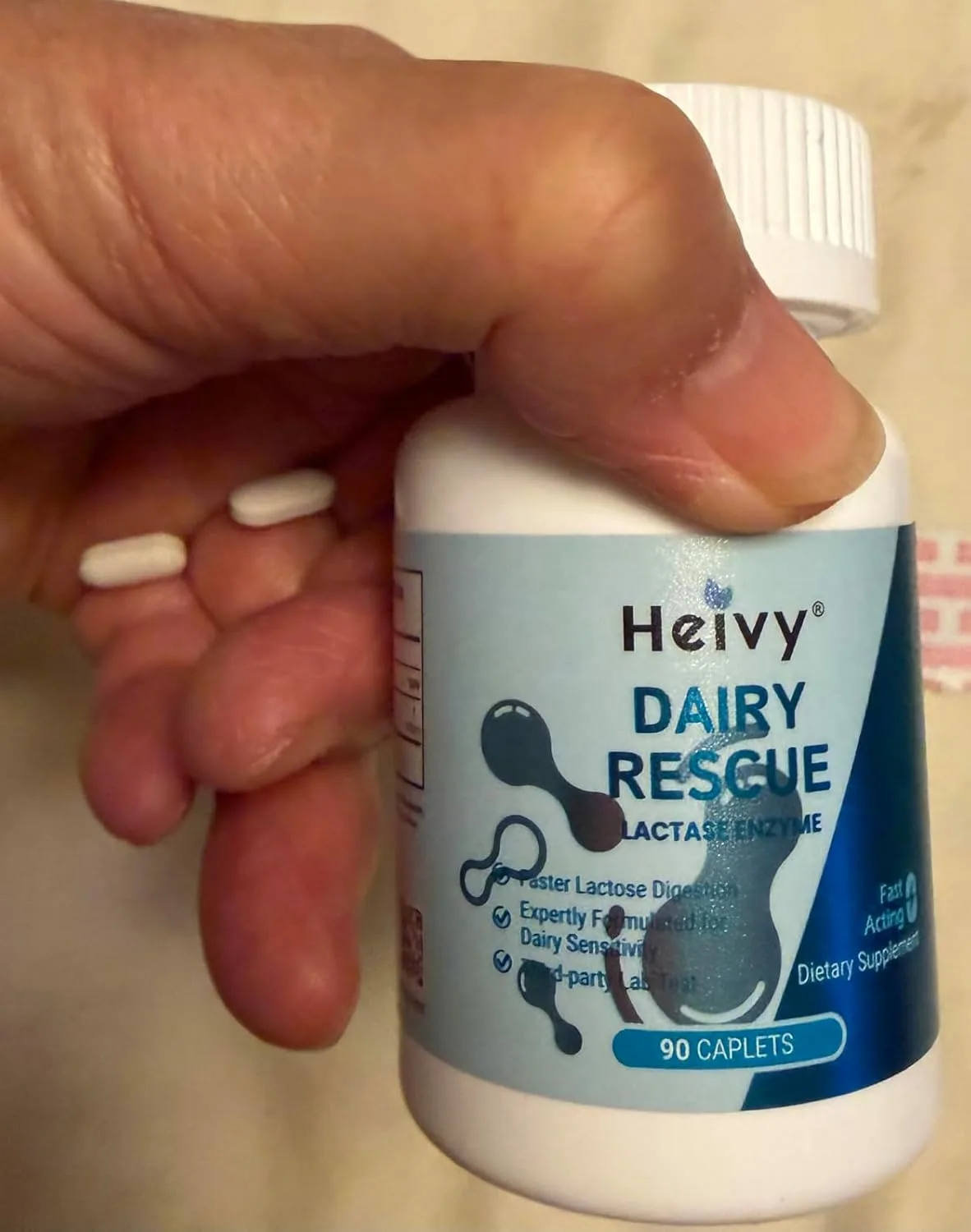
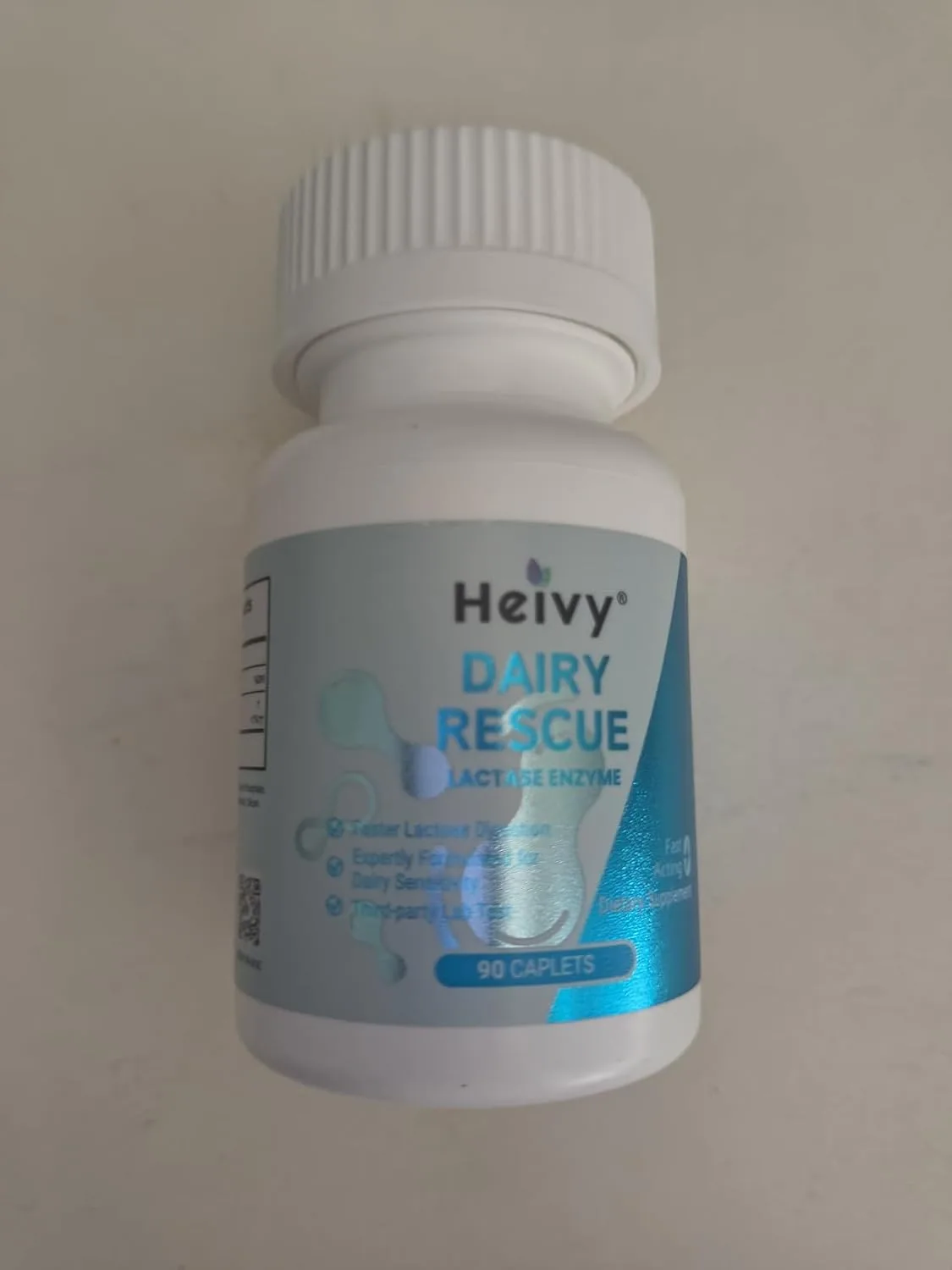
- A 9000 FCC unit dose (found in formulations like Heivy) typically covers moderate dairy exposure—a slice of aged cheese, a standard serving of yogurt, an 8-ounce glass of milk—without requiring stacked dosing.
- This tactic restores spontaneity and social ease around eating: no menu interrogations, no specialty product hunting, no pre-meal planning around dairy availability.
Boundaries and limitations to recognize
- Lactase supplements target only lactose digestion; they cannot suppress allergic cascades triggered by immune recognition of milk proteins, so they provide zero benefit if your symptoms are allergy-driven.
- Response heterogeneity is real: certain people need enzymatic support with every dairy meal, others observe gradual lactase recovery with routine supplementation, and a subset show minimal response regardless of dosing adjustments.
Lactase enzymes work best when you’re certain about your diagnosis—if there’s any chance you have a milk allergy or other underlying condition, get properly tested first rather than relying on a supplement to mask the real issue. Heivy Pure Lactase Enzyme 9000 FCC is the one I recommend to other people starting out because the dose is reliable and the price point won’t hurt your wallet while you’re experimenting.
About This Article

Written by Alex Mercer. Alex Mercer has lived with IBS since childhood and isn't a nutritionist or a doctor. After years of being told he was anxious or would grow out of it, he spent more than 12 years reading the research properly, and now shares what he has learned with the family, friends and support-group members who come to him with the same questions. He translates peer-reviewed research into practical, honest advice, and is always upfront about what the evidence does and does not show. More about this site.
Scope and limits. Alex is not a doctor, dietitian, or nutritionist, and nothing here is medical advice. Talk to a clinician before changing your diet, starting a supplement, or acting on symptoms — especially persistent or worsening ones.
Verify this against a primary source
Specifics change, and your situation may differ from the one described here. These are the authorities worth checking directly:
- NIDDK — digestive disease research and clinical guidance
- MedlinePlus — plain-language medical reference from the NIH
- Mayo Clinic — symptom and condition reference