0 Comments

This post contains affiliate links. As an Amazon Associate I earn from qualifying purchases at no extra cost to you.

For six months, I popped a broad-spectrum digestive enzyme capsule before nearly every meal. I was convinced it was helping. My stomach felt calmer, my bloating had eased, and I had enthusiastically told three different friends to try them. Then I actually sat down and read the research on digestive enzymes for food intolerances — and realized my experience was far more complicated than I thought. Some enzymes are backed by genuinely solid clinical evidence. Others? The science is thin at best, and I had probably been spending money on very expensive placebo comfort. Here is what I found out, and what it means for you.

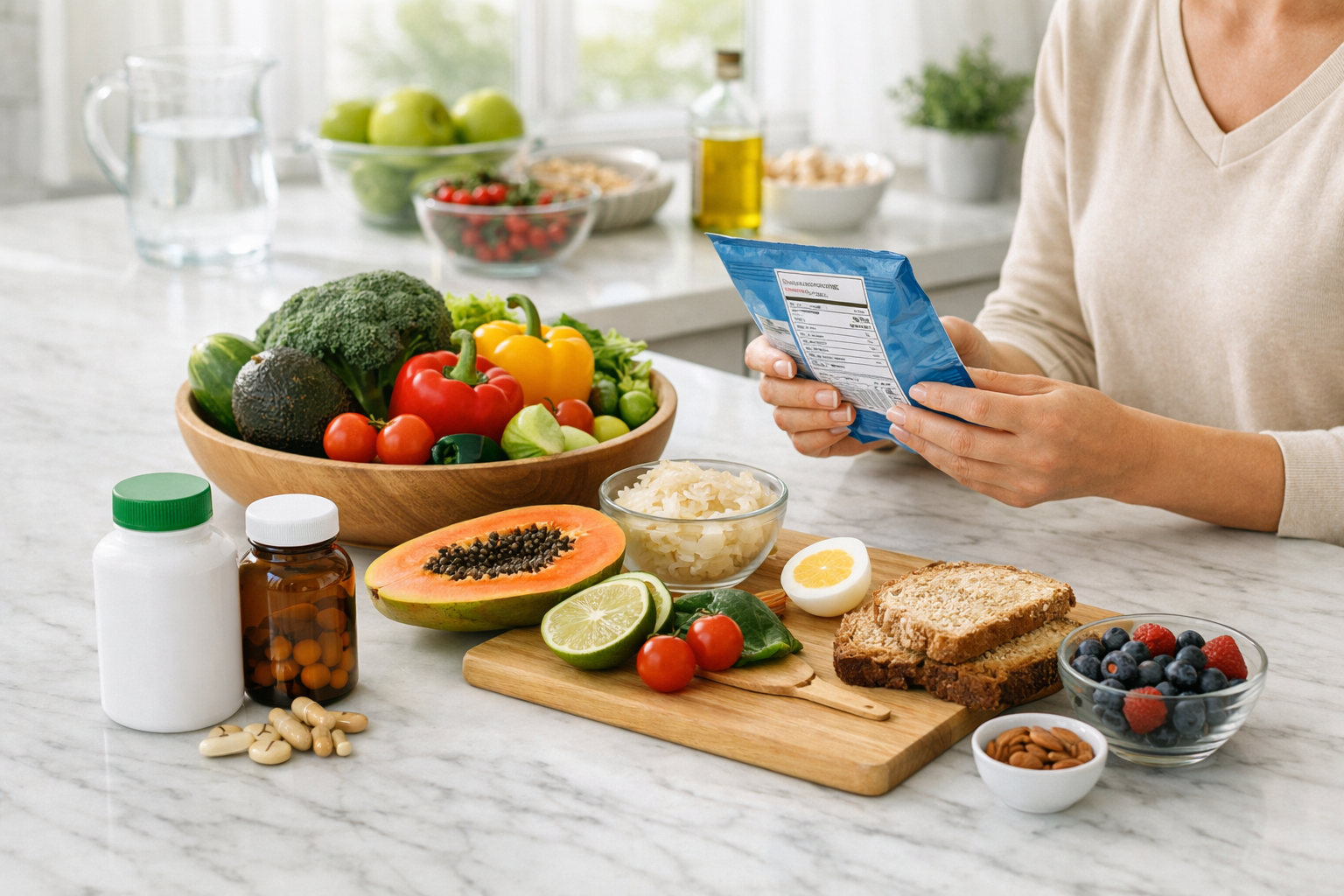
Digestive Enzymes for Food Intolerances: What Research Actually Says About Whether They Work — image 1

What Digestive Enzymes Actually Are (And What They Are Not)

Digestive enzymes are proteins your body produces — primarily in the pancreas and small intestine — to break down food into absorbable nutrients. Amylase breaks down starches, lipase handles fats, proteases work on proteins, and lactase specifically cleaves lactose, the sugar in dairy. Supplemental digestive enzymes are manufactured versions of these compounds, derived from animal pancreatin, fungal fermentation, or plant sources.

It is important to understand that digestive enzymes are not the same as probiotics, and they are not a treatment for food allergies. A true IgE-mediated food allergy — the kind that triggers anaphylaxis — cannot be managed with an enzyme supplement. What enzymes may address are non-immune digestive intolerances, where the problem is incomplete breakdown of specific food components rather than an immune response. The distinction matters enormously before you spend a cent.

It is also worth knowing what you are reacting to before reaching for a supplement. At-home testing kits like the 5Strands Food Intolerance Test, which uses hair analysis to screen 658 food items, or the AFIL 1000+ Foods At-Home Wellness Test Kit can give you a useful starting map of your sensitivities. These are not diagnostic medical tests, but they can help you identify patterns worth discussing with your doctor. The Everlywell Food Sensitivity Test, which measures IgG antibody responses to 96 foods from a finger-prick sample and uses CLIA-certified labs, is another option that offers a more clinically oriented snapshot. Knowing your specific intolerances means you can choose enzymes that are actually relevant to what your gut struggles with.

Where the Evidence Is Actually Strong: Lactase and Lactose Intolerance

If there is one category of digestive enzyme supplementation where the research is genuinely convincing, it is lactase for lactose intolerance. Lactose intolerance affects an estimated 65 to 70 percent of the global adult population and results from reduced production of the lactase enzyme in the small intestinal lining. Without sufficient lactase, undigested lactose passes into the colon, where bacteria ferment it and produce gas, bloating, cramping, and diarrhea.

Multiple randomized controlled trials have demonstrated that taking oral lactase supplements at the time of dairy consumption significantly reduces breath hydrogen levels — a direct measure of undigested lactose reaching the colon — and reduces self-reported gastrointestinal symptoms. A 2010 review published in the European Journal of Clinical Nutrition found consistent evidence that exogenous lactase supplements are effective at improving lactose digestion in lactose-intolerant individuals. The key variables are dose and timing: the enzyme needs to be taken with the first bite of a dairy-containing meal to be effective.

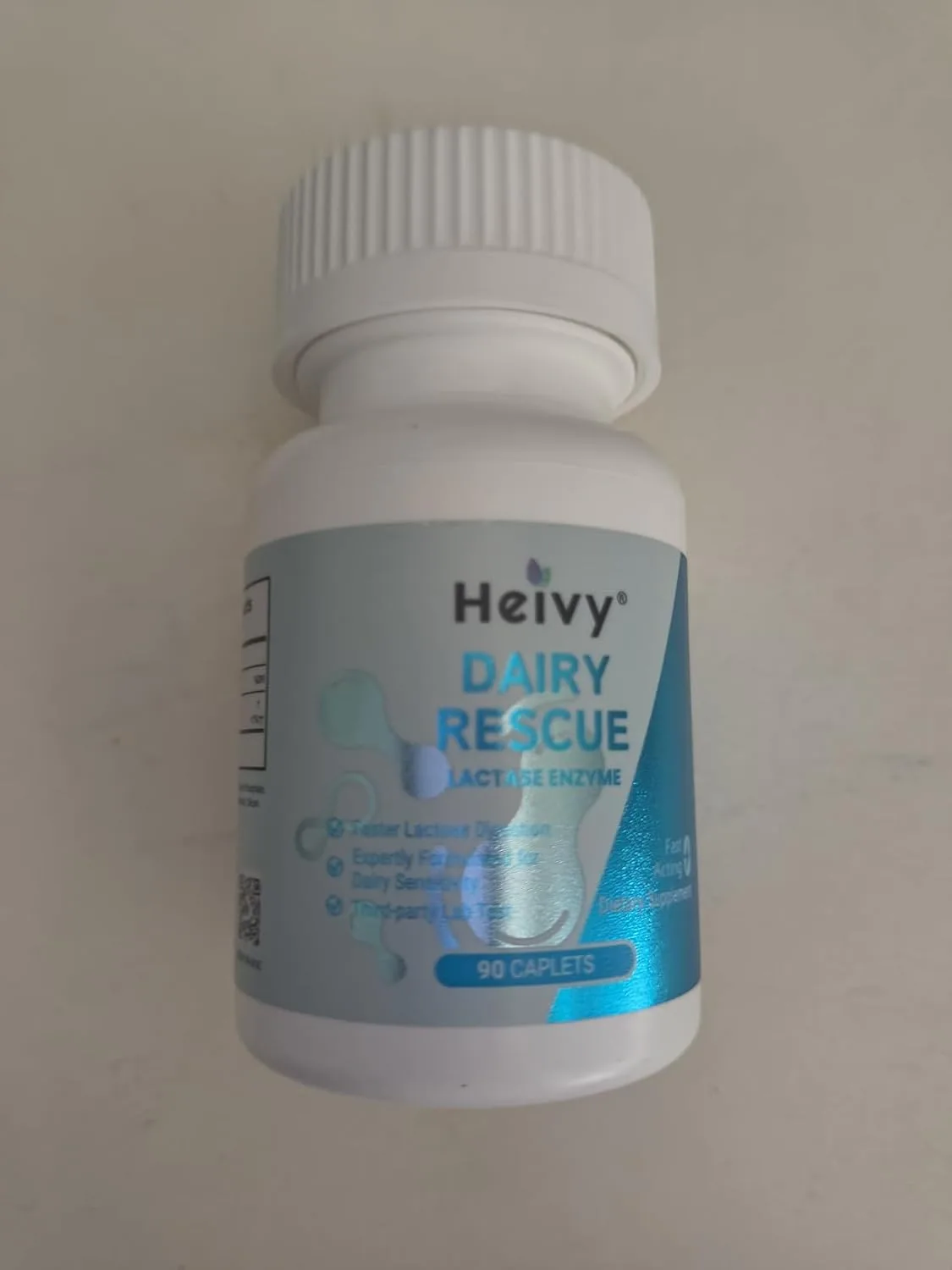
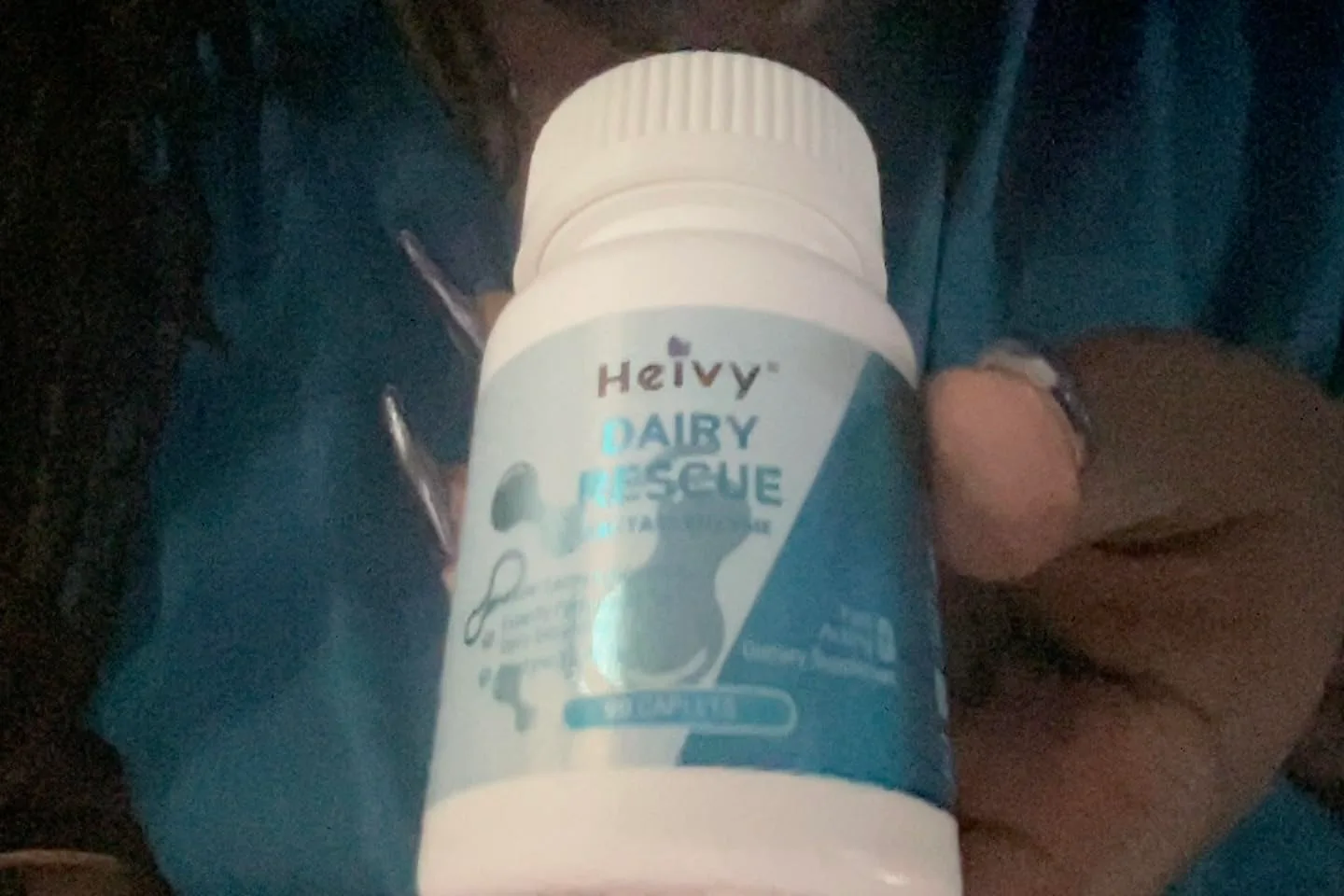
For practical supplementation, Heivy Pure Lactase Enzyme 9000 FCC is a well-dosed fast-acting option that delivers 9000 FCC units per tablet — a meaningful potency level supported by the research on effective dosing. The Vitamatic Lactase Enzyme 9000 FCC 240 Tablets offers the same potency in a larger, more economical pack if you consume dairy regularly. If you want broader dairy breakdown support — covering not just lactose but dairy proteins and fats as well — NOW Foods Dairy Digest Complete contains a combination of lactase, proteases, and lipase specifically formulated for dairy digestion, which may help people who react to casein or dairy fats in addition to lactose.

Digestive Enzymes for Food Intolerances: What Research Actually Says About Whether They Work — image 2

The Murkier Territory: Gluten, FODMAPs, and Broad-Spectrum Enzymes

This is where things get considerably more complicated, and where I suspect many people — myself included — have made assumptions that the research does not fully support.

Gluten and Prolyl Endopeptidases

Gluten sensitivity (non-celiac) is distinct from celiac disease. In celiac disease, even trace amounts of gluten trigger an autoimmune response that damages the intestinal lining, and no enzyme supplement should be used as a substitute for strict gluten avoidance. However, for non-celiac gluten sensitivity, some research has explored whether prolyl endopeptidases — enzymes that specifically cleave the proline-rich peptide sequences in gluten that are resistant to normal human digestion — might reduce symptoms from inadvertent exposure.

A 2015 study in the journal Clinical Gastroenterology and Hepatology found that AN-PEP, a prolyl endopeptidase derived from Aspergillus niger, significantly accelerated gluten degradation in the stomach during a meal. However, most research has examined enzyme activity in laboratory or controlled meal conditions rather than long-term symptom outcomes in real-world settings. For people with celiac disease, the current consensus is clear: enzymes are not a treatment. For non-celiac gluten sensitivity, the picture is more hopeful but not yet conclusive enough to rely on enzymes as a primary strategy.

FODMAPs and Alpha-Galactosidase

Alpha-galactosidase — the active ingredient in products like Beano — is one of the better-studied enzymes for carbohydrate intolerance. It breaks down raffinose-family oligosaccharides found in beans, lentils, cabbage, and other foods that are classic FODMAP triggers for IBS sufferers. Several small trials have shown reduced gas and bloating symptoms with alpha-galactosidase taken before meals containing these foods. The evidence is modest but reasonably consistent for this specific use case.

Broad-spectrum formulations that combine multiple enzymes — proteases, amylases, lipases, cellulases, and various carbohydrases — are marketed for general digestive discomfort, but the evidence base for their use in unspecified food intolerances is thin. The rationale is logical, but “logical” and “clinically demonstrated” are different things.

Digestive Enzymes for Food Intolerances: What Research Actually Says About Whether They Work — image 3

One product worth mentioning for people who deal with multiple sensitivities simultaneously is the Enzyme Science Intolerance Complex 90 Capsules, which targets gluten, casein, phenol, and complex carbohydrate sensitivities with a multi-enzyme blend. A smaller 30-capsule version, Enzyme Science Intolerance Complex 30 Capsules, is a practical starting option if you want to trial it without committing to a full bottle. These products are thoughtfully formulated, but I would be cautious about expecting dramatic results without first understanding exactly which foods are triggering your symptoms.

What I Wish I Had Known Before I Started Taking Them

Looking back on my six months of enthusiastic enzyme-popping, a few things are now clear to me that were not before.

  • Specificity matters. Taking a broad-spectrum enzyme when your actual problem is lactose intolerance is like using a Swiss Army knife when you need a scalpel. Identify your specific trigger first, then match the enzyme to the problem.
  • Timing is critical. Most digestive enzymes need to be taken at the start of the meal — not after symptoms appear. They work by being present in the gut while food is being digested, not as a rescue remedy.
  • Dosage units matter. For lactase, look for products providing at least 6000 to 9000 FCC units per serving, which is the range associated with meaningful symptom reduction in research.
  • Enzymes do not fix the underlying cause. They manage symptoms from specific exposures but do not repair the gut lining, rebalance gut flora, or address why your enzyme production is impaired.
  • Talk to your doctor if symptoms are severe. Chronic digestive symptoms can be a sign of conditions — including pancreatic insufficiency, celiac disease, IBD, or SIBO — that require medical diagnosis and treatment, not supplement management.
Digestive Enzymes for Food Intolerances: What Research Actually Says About Whether They Work — image 4

My Honest Recommendation on Digestive Enzymes for Food Intolerances

If you are dealing with digestive discomfort after meals, using digestive enzymes for food intolerances can absolutely be a legitimate and well-supported strategy — but only when matched to the right intolerance. The evidence for lactase supplementation in lactose intolerance is robust and consistent. The evidence for alpha-galactosidase in FODMAP-type carbohydrate sensitivity is reasonably supportive. The evidence for broad-spectrum enzymes as a general digestive comfort solution is much weaker, and the evidence for enzymes as a workaround for celiac disease is not there at all.

My honest recommendation: start by identifying what you are actually reacting to. Consider an at-home test like the 5Strands Food Intolerance Test or the Everlywell Food Sensitivity Test as a starting point, and bring those results to a conversation with your healthcare provider. If dairy is your primary issue, a high-potency lactase like Heivy Pure Lactase Enzyme 9000 FCC or Vitamatic Lactase Enzyme 9000 FCC is a genuinely evidence-backed option worth trying. If you react to a broader range of foods including dairy proteins and fats, Tags:

Related Posts