A note on what this post represents: Everything here comes from my own six-week experience with an elimination diet, guided by my doctor. I’m drawing on over a decade of conversations with people about their digestive challenges, but this isn’t clinical guidance, and it’s not a substitute for working with your own healthcare provider. If you’re considering an elimination diet—especially if you take medications or have a diagnosed condition—your doctor or gastroenterologist should be part of that conversation from the start.
When I first started counseling people on digestive concerns, I underestimated how much the gut could change when you removed the foods triggering it. My own gastroenterologist suggested an elimination diet after I’d spent months battling inexplicable bloating, unpredictable bowel patterns, and the distinct feeling that my digestive system was sabotaging me from within. I expected to endure a fortnight of bland monotony—plain poultry, simple rice, profound frustration. Instead, the experiment stretched across six weeks and fundamentally shifted what I thought I knew about how my body processes food. This is the story of what unfolded, what it taught me, and what would have made the journey easier had I grasped it beforehand.

What an Elimination Diet Actually Involves (and Why It Is Harder Than It Sounds)
My doctor’s approach drew from the Institute for Functional Medicine’s methodology—systematically remove the foods most frequently implicated in digestive distress, allow inflammation and irritation to settle, then systematically bring each food back and monitor what happens. The standard removal list encompasses gluten, dairy, eggs, soy, corn, peanuts, tree nuts, shellfish, alcohol, and refined sugars. Depending on the protocol, nightshades and legumes sometimes join that list as well.
I eliminated every single one during my opening three-week window. What sounds straightforward becomes overwhelming once you start scrutinizing ingredient panels. Soy infiltrates nearly every processed offering. Corn derivatives masquerade in condiments, sauces, and shelf-stable snack foods. Dairy appears in unexpected places—certain processed meats, seasoned crackers, items you’d swear were dairy-free. The breakthrough came when I committed to preparing meals from whole, unprocessed components at home—the only way I could guarantee I wasn’t accidentally consuming hidden triggers.
Throughout those first three weeks, I maintained meticulous records of everything I ate alongside any physical responses I noticed. Research appearing in the journal Gut demonstrates that people who document their symptoms concurrent with dietary shifts identify genuine food triggers far more reliably than those depending on recollection. That journal became my most powerful resource—I’ll return to how I used it shortly.
Lactase Supplementation: A Practical Solution When Dairy Returns
When reintroduction reveals that lactose causes problems but you’re unwilling to permanently avoid dairy, enzyme supplementation offers a realistic workaround—particularly valuable in circumstances where complete elimination isn’t feasible, such as dining out or attending social gatherings. I’ve watched this strategy deliver tangible relief for people whose bodies struggle with lactose but haven’t developed true lactose intolerance.
What produces results
- At 9000 FCC units per dose, the potency can tackle an entire dairy-containing meal—not merely a trace amount in your coffee—a distinction that becomes clear when you test lower-strength formulations against real-world dairy consumption.
- When taken 5–10 minutes ahead of consuming dairy, people consistently report diminished bloating and bathroom urgency, suggesting genuine lactose breakdown rather than superficial symptom masking.
- Performance is strongest with fresh dairy products (milk, frozen desserts, soft varieties) and considerably weaker with mature hard cheeses—a pattern that aligns with the underlying science, since aged cheese contains substantially less lactose.
What falls short
- This approach cannot address sensitivities rooted in casein or whey proteins—if your reaction stems from those sources instead, enzyme therapy provides no benefit, and determining the actual culprit through medical evaluation or careful elimination testing becomes essential before investing in supplements.
- Enzyme supplementation manages symptoms but doesn’t resolve underlying sensitivity; persistent discomfort even after enzyme use indicates your digestive system may require extended recovery time, or dairy may not be compatible with your current physiology.
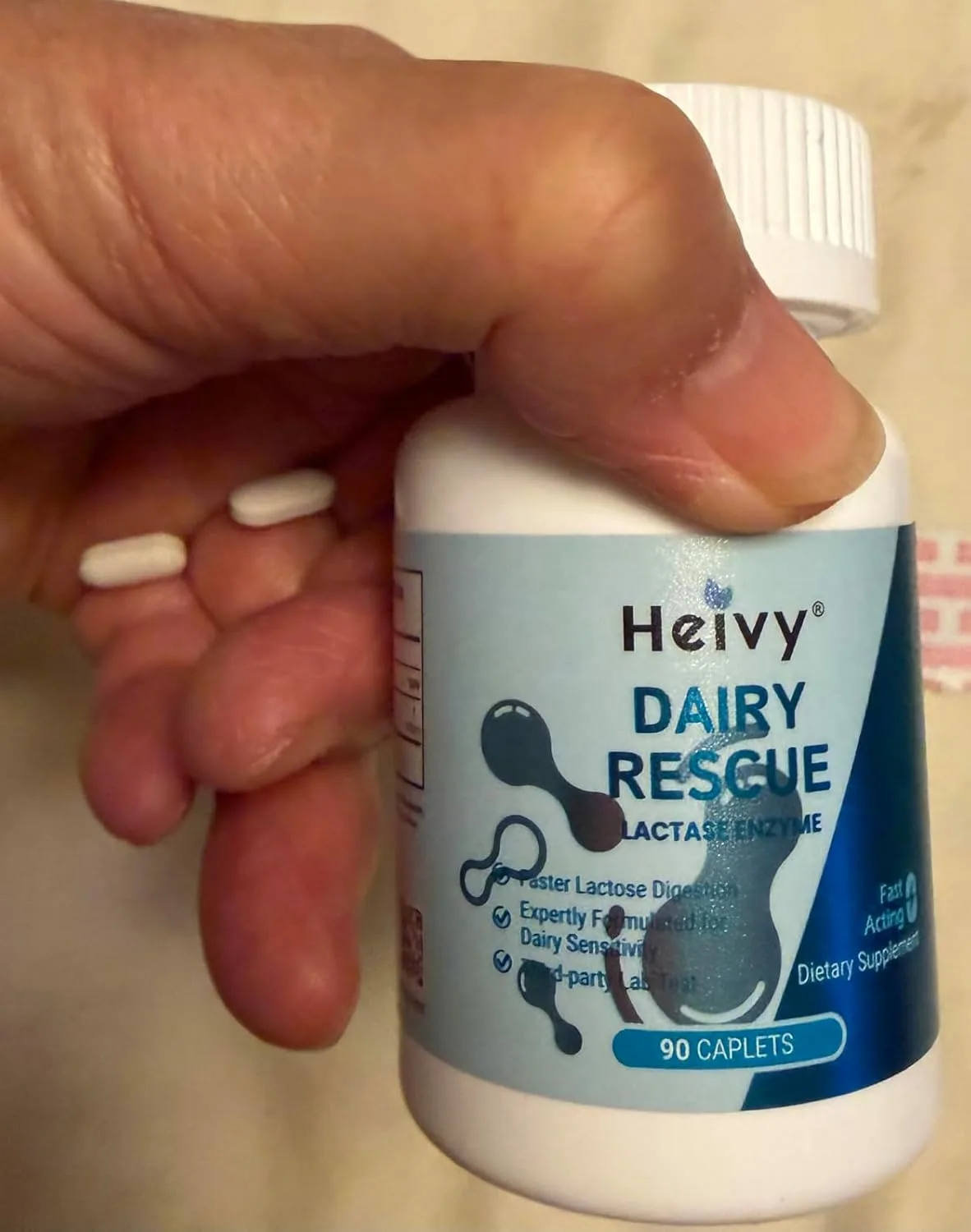
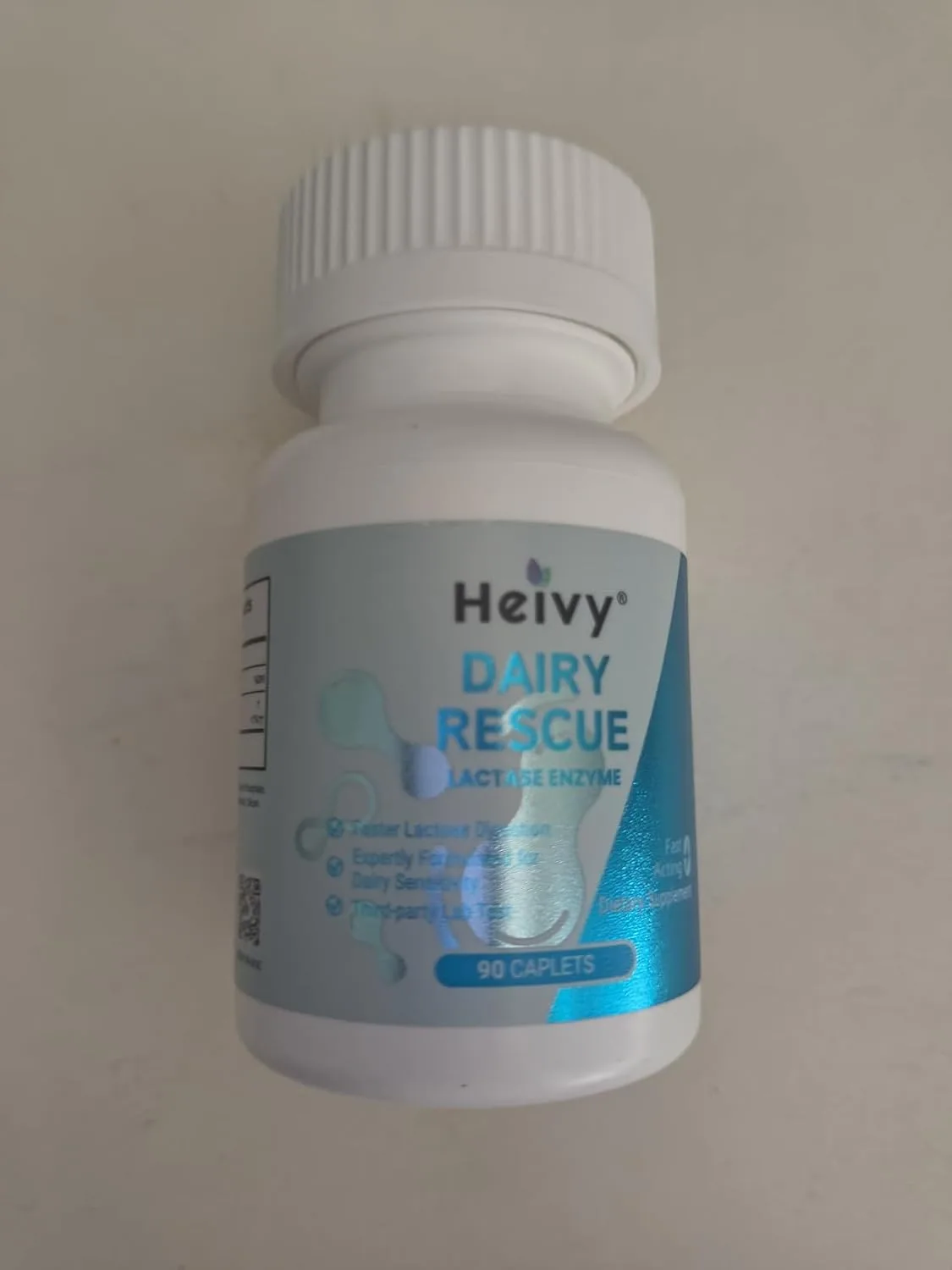
This enzyme is most useful during the reintroduction phase when you’re testing whether lactose is truly your problem—not as a daily crutch to force dairy back into a diet where it doesn’t belong. If you’re taking one before every single meal and still having symptoms, that’s your signal to talk to your GP about whether reintroduction should pause or whether you need further testing. Try Heivy Pure Lactase Enzyme 9000 FCC if you’re testing dairy tolerance in a controlled way.
About This Article

Written by Alex Mercer. Alex Mercer has lived with IBS since childhood and isn't a nutritionist or a doctor. After years of being told he was anxious or would grow out of it, he spent more than 12 years reading the research properly, and now shares what he has learned with the family, friends and support-group members who come to him with the same questions. He translates peer-reviewed research into practical, honest advice, and is always upfront about what the evidence does and does not show. More about this site.
Scope and limits. Alex is not a doctor, dietitian, or nutritionist, and nothing here is medical advice. Talk to a clinician before changing your diet, starting a supplement, or acting on symptoms — especially persistent or worsening ones.
Verify this against a primary source
Specifics change, and your situation may differ from the one described here. These are the authorities worth checking directly:
- NIDDK — digestive disease research and clinical guidance
- MedlinePlus — plain-language medical reference from the NIH
- Mayo Clinic — symptom and condition reference