

I sat across from Sarah recently during one of these conversations, and she described something I’ve witnessed countless times across my years working with digestive concerns: the moment a Crohn’s flare began, her symptoms spiraled faster than her medication could catch up. She’d been eating normally, then suddenly the cramping, urgency, and bleeding made even small meals feel unbearable. What struck me most was her frustration — she felt helpless, unsure what her body could even tolerate. This is precisely when a structured, intentional low-residue approach becomes the difference between a flare that resolves in days versus one that stretches into weeks or lands someone in hospital. I’ve developed and refined this protocol repeatedly across my experience, and it consistently delivers results when the gut is actively inflamed.

Why Food Choices During a Flare Matter More Than You Think
During an active Crohn’s flare, the gut wall undergoes severe inflammatory damage — tissues ulcerate, swelling narrows the intestinal passages, and the mucosal lining becomes fragile. Consuming the wrong foods in this state is equivalent to placing additional stress on tissue that’s already compromised. Fibre, which our bodies ordinarily thrive on, transforms into a genuine problem. High-residue items — including fresh produce, unrefined cereals, beans, and fruit with skin still attached — demand intensive breakdown and generate stool bulk that an acutely inflamed bowel cannot process without triggering pain, urgency, and worsening inflammation.
Evidence from peer-reviewed publications in Clinical Gastroenterology and Hepatology and related gastroenterology sources demonstrates that adopting a low-residue or low-fibre eating pattern during IBD flares reduces bowel frequency and alleviates abdominal discomfort. The point here is not permanent restriction — it’s temporary dietary modification that permits the inflamed tissue to begin its recovery cycle.
I communicate this to other people as a temporary intervention, never a permanent state. The intention driving this phase is to supply adequate nourishment, minimize digestive strain, control pain and defecatory urgency, and systematically restore a broader range of foods once swelling subsides.
Foods That Comprise My Flare-Management Protocol
When someone enters an acute phase, the approved-foods list I share is intentionally narrow. I’m transparent about how restrictive this feels initially — and yet, the response I hear repeatedly is that adherence to this framework accelerates symptom relief and restores comfort more rapidly.
Nourishing Choices That Support Recovery
- Stripped-down grains including white rice, pale bread, and regular (non-whole-wheat) pasta — these refined varieties minimize residue burden and transit more smoothly through compromised bowel tissue
- Soft, thoroughly prepared root vegetables — potatoes, sweet potatoes, and carrots all work well when peeled, cooked until tender, and mashed
- Eggs prepared simply — scrambled or poached with minimal added fat — deliver accessible protein without triggering digestive stress
- Lean poultry including chicken breast and turkey breast — best when baked or poached rather than pan-fried or roasted in oil
- Tinned or home-cooked seafood like salmon or tuna preserved in water — contributes both digestible protein and valuable omega-3 content
- Creamy nut pastes in modest portions, provided individual tolerance permits
- Soft, fully ripened banana and melon varieties — deliver potassium replacement (often depleted during flares) without excessive fibre content
- Clear, homemade, or commercial broth preparations — deliver hydration, warmth, and intestinal comfort simultaneously
- Pulp-free juice diluted with water — offers gradual mineral and electrolyte restoration
Categories to Set Aside Until Inflammation Subsides
- All raw vegetable matter, with particular attention to cruciferous varieties — broccoli, cauliflower, brussels sprouts all pose significant irritation risk
- Unrefined grains, grain bran products, and high-fibre breakfast options
- Pulses of all types — split peas, lentils, all bean varieties
- Tree nuts, ground seeds, and grain blends containing them
- Peppery dishes, stimulating beverages, and alcoholic drinks — each category irritates compromised mucosa
- Milk-based foods if lactose intolerance emerges during the flare, which occurs regularly in active disease states
- Greasy and oil-heavy preparations that slow gastric clearance and increase intestinal transit time

Supplementation Strategies to Complement Medical Care During Flares
Nutritional adjustments represent only half the equation when Crohn’s is active. Throughout my experience, I’ve integrated strategic supplementation during flares — consistently coordinating with each person’s gastroenterologist. Below are the supplement categories I most frequently introduce and the reasoning behind each.
Targeted Anti-Inflammatory Support When Acute Symptoms Peak
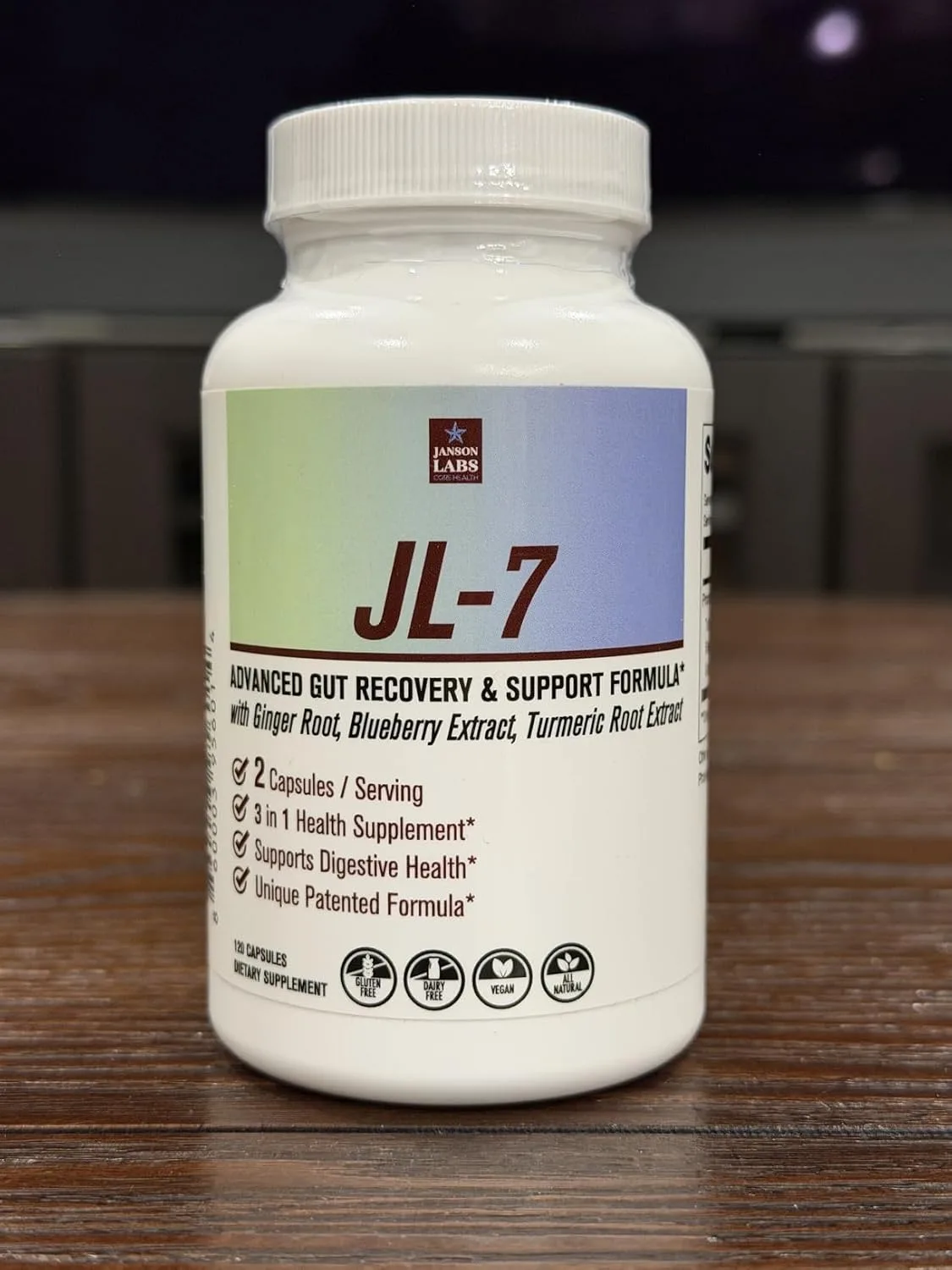
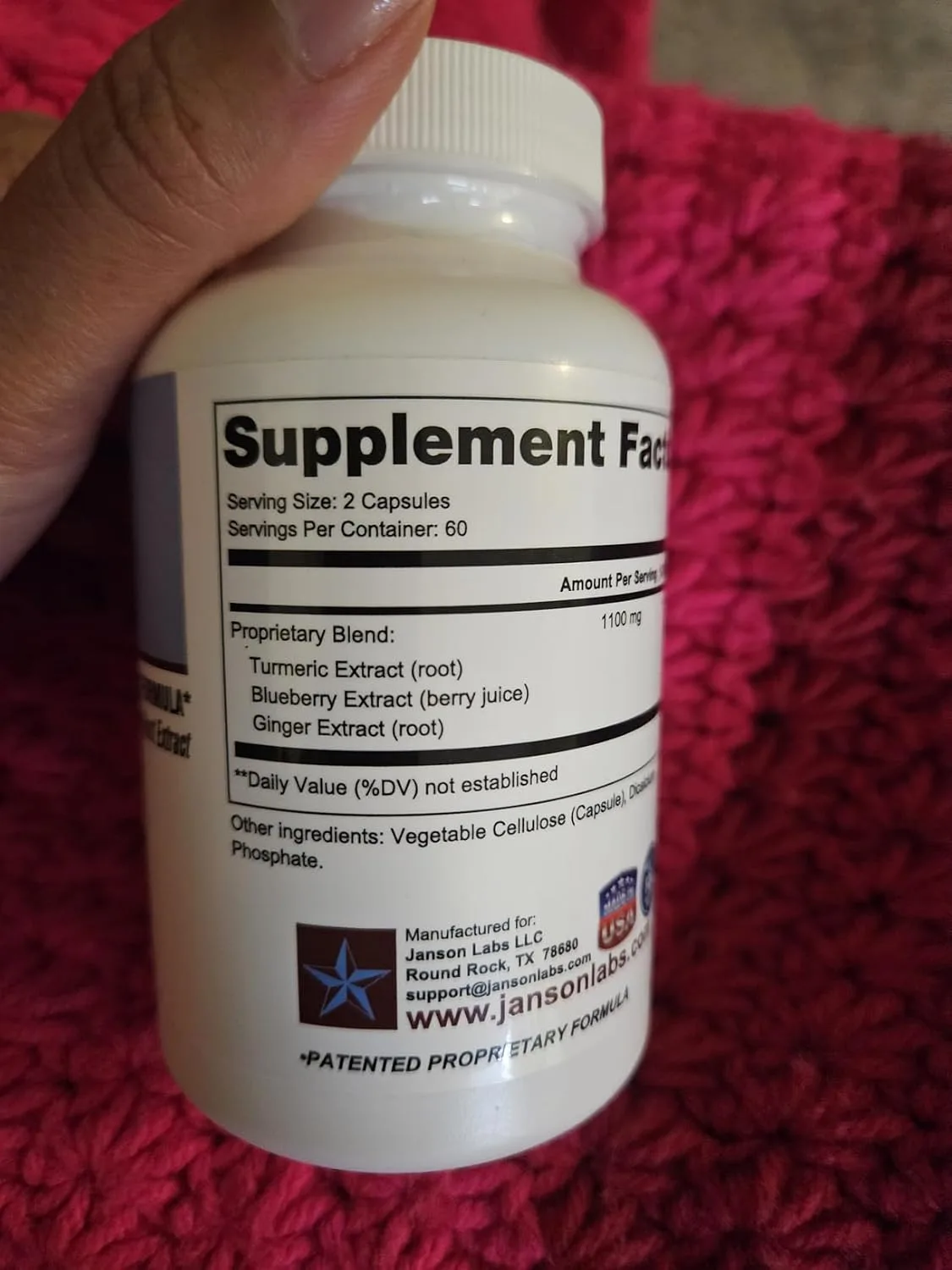
When inflammation is running high across the intestinal tract, your system is essentially locked in a reactive state — and while no dietary supplement ever displaces prescribed medical therapy, strategic nutritional compounds can work alongside your doctor’s protocol to help your body weather the acute inflammatory phase with reduced symptom burden. This is the context where a supplement designed to address IBD-specific inflammation becomes a practical addition.
What I’ve observed working
- The formulation delivers research-supported concentrations of omega-3 and curcumin compounds, both of which exhibit anti-inflammatory effects across published IBD trials and frequently lower symptom intensity when incorporated into the acute-phase eating strategy.
- Among the people I hear from, reported outcomes include visible shifts in belly pain severity and bowel movement pattern within roughly 3–5 days of initiating this supplement paired with the low-residue food framework, though responses fluctuate between individuals.
- Unlike many higher-potency formulations, this one remains tolerable even during the height of a flare when the gut is hypersensitive — a practical edge in terms of compliance and side-effect prevention.
What it doesn’t replace
- Supplementation exists alongside your prescribed medications, not as an alternative — if you’re experiencing bloody stools, fever, or signs of severe flare activity, medical intervention from your gastroenterologist or primary care provider takes absolute priority.
- Contraindications include concurrent anticoagulant use, known fish-based product sensitivities, or the opening 48 hours of a severe flare episode when intestinal rest supersedes any supplemental input — consult your doctor before beginning if any of these apply.
This supplement works best as part of a structured protocol — not as a stand-alone fix. If your flare is worsening despite dietary changes, contact your gastroenterologist immediately rather than relying on supplements alone.

About This Article

Written by Alex Mercer. Alex Mercer has lived with IBS since childhood and isn't a nutritionist or a doctor. After years of being told he was anxious or would grow out of it, he spent more than 12 years reading the research properly, and now shares what he has learned with the family, friends and support-group members who come to him with the same questions. He translates peer-reviewed research into practical, honest advice, and is always upfront about what the evidence does and does not show. More about this site.
Scope and limits. Alex is not a doctor, dietitian, or nutritionist, and nothing here is medical advice. Talk to a clinician before changing your diet, starting a supplement, or acting on symptoms — especially persistent or worsening ones.
Verify this against a primary source
Specifics change, and your situation may differ from the one described here. These are the authorities worth checking directly:
- NIDDK — digestive disease research and clinical guidance
- MedlinePlus — plain-language medical reference from the NIH
- Mayo Clinic — symptom and condition reference