A note on the nature of this content: What follows draws on my years of experience comparing notes with other people navigating digestive health concerns. This material is informational and not a substitute for clinical evaluation. Readers with diagnosed conditions or contemplating dietary shifts should always consult their own healthcare provider before proceeding, especially if medications or existing diagnoses are involved.
Standard blood work and imaging often miss the critical distinction between two conditions that feel identical to the person experiencing them—yet require entirely different management approaches. A test result showing “no celiac antibodies” can feel like a clean bill of health when symptoms are still very real. During my years helping other people through digestive concerns, I watched repeatedly as this diagnostic gap left people stuck: no official diagnosis, no clear path forward, and no understanding of whether their symptoms demanded absolute strictness or whether some flexibility was medically safe. The moment I grasped the true differences between these two conditions, I could finally offer the people I hear from both clarity and the confidence to make informed choices about their own bodies. This post maps that distinction so you can do the same.

What Is Celiac Disease and Why Does the Diagnosis Matter So Much?
Celiac disease functions as a serious autoimmune disorder. In people with celiac disease, ingesting gluten — a protein present in wheat, barley, and rye — triggers the immune system to attack the small intestinal wall itself. This assault gradually erodes the villi, microscopic structures that carpet the intestinal lining and drive nutrient absorption. Beyond temporary stomach upset, this creates lasting, detectable structural harm to the gut that can result in nutrient deficiencies, weakened bones, reproductive complications, nerve damage, and significantly elevated odds of specific malignancies without intervention.
Statistics from the Celiac Disease Foundation indicate roughly 1 in 100 individuals on a global scale carry a celiac diagnosis, yet roughly 4 out of 5 people with the condition go without a diagnosis. Confirmation requires blood work that looks for particular immune markers — chiefly tTG-IgA — paired with a tissue sample from the small intestine that shows damage to the lining. A vital detail: gluten consumption must continue leading up to testing or findings become unreliable. A permanent, completely gluten-free regimen represents the sole established intervention. Even microscopic gluten exposure — 20 ppm or less — can spark an immune reaction and harm to the gut lining in individuals with celiac disease.
Non-Celiac Gluten Sensitivity: A Distinct Syndrome Operating Under Different Mechanisms
Non-celiac gluten sensitivity (NCGS) emerged as a formally acknowledged clinical entity only within the previous ten years. Individuals with NCGS encounter tangible, sometimes severe reactions to gluten intake — cramping, bloating, loose stools, brain fog, and migraines among them — yet laboratory markers for celiac come back negative and intestinal tissue remains structurally intact. The immune system is not mounting an autoimmune attack.
Investigation into NCGS mechanics is still unfolding. Certain research groups, including contributors to the Salerno Experts’ Criteria framework in the Nutrients periodical, theorize that the innate immune pathway—rather than the adaptive immune process tied to celiac—may be at play. Intriguingly, emerging research challenges whether gluten itself is truly the trigger for NCGS symptoms, suggesting instead that FODMAPs — carbohydrates in wheat that ferment in the gut — could provoke reactions in certain individuals.
The clinical implication is substantial: NCGS does not inflict structural injury to the intestines during gluten exposure. This reality does not diminish the validity or seriousness of someone’s symptoms, but it does reshape the rigidity needed in dietary management and means that unintentional gluten contact carries different long-term implications than it does for celiac disease.

Comparing Celiac Disease and Gluten Sensitivity: Essential Distinctions Across Condition Features
Grasping the core distinctions between celiac and non-celiac gluten sensitivity fundamentally alters how you approach managing your own health. Here follows a thorough examination of how these two presentations diverge across the variables that matter most.
Immune System Activation Pattern
Celiac disease engages the adaptive immune mechanism—the body synthesizes identifiable antibodies (tTG-IgA, EMA) and directs destruction at its own intestinal cells. NCGS recruits a separate immune pathway, likely innate rather than adaptive, without generating celiac-type antibodies or inducing destructive autoimmunity.
Structural Changes to Gut Tissue
Celiac disease produces identifiable, worsening deterioration of the intestinal barrier (villi flattening). NCGS leaves no morphological alteration to intestinal architecture, which is precisely why absence of tissue harm on biopsy is part of what establishes an NCGS diagnosis.
Path to Arriving at a Diagnosis
Celiac disease becomes confirmed through serological screening and gut tissue analysis. NCGS follows a different pathway—celiac and allergic reactions must first be eliminated as possibilities, then symptom resolution on a gluten-free regimen plus a structured reintroduction trial confirms the condition.
Required Level of Dietary Caution
Those with celiac disease must maintain complete gluten elimination, indefinitely and without exception. Cross-contact with gluten presents a legitimate clinical hazard. Those with NCGS may discover they manage minor gluten quantities or experience variable symptom patterns, though the majority prefer remaining entirely gluten-free for optimal symptom control.
Projected Complications Without Treatment
Celiac disease left unmanaged brings documented threats: nutrient malabsorption, declining bone density, infertility, nerve injury, and intestinal cancers. NCGS does not present the same range of documented future health hazards, though investigation into longer-term sequelae continues to develop.
Food Sensitivity Panels as a Practical Step When Celiac Has Been Excluded
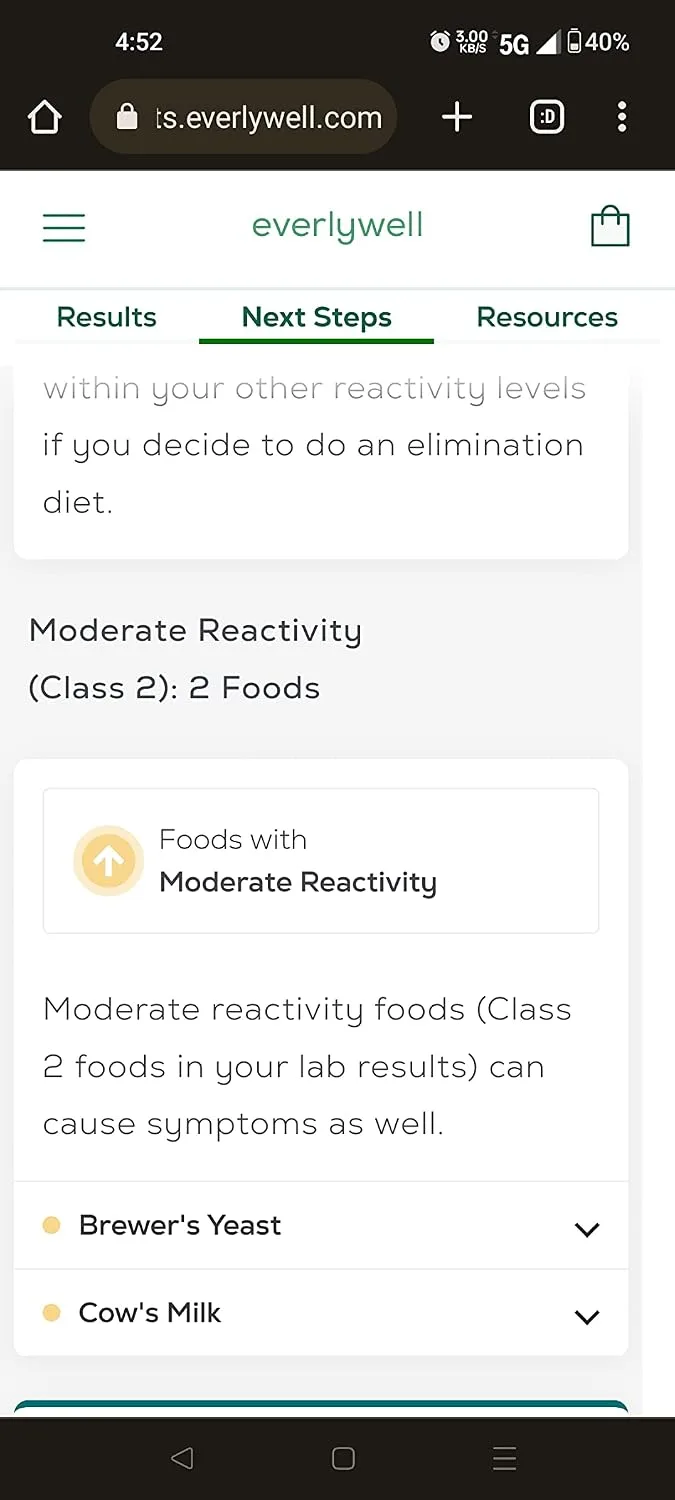
Once celiac disease has been ruled out yet problems continue, commercially available food sensitivity panels function as a useful starting mechanism to recognize patterns in partnership with your own provider, letting you collect concrete information before committing to an extended elimination protocol. This strategy transforms vague impressions into organized, measurable data.
Where these tests prove valuable
- Generates an individualized profile you can present to a qualified guide, translating fuzzy statements like “pasta makes me feel strange” into organized groupings that can be methodically tested.
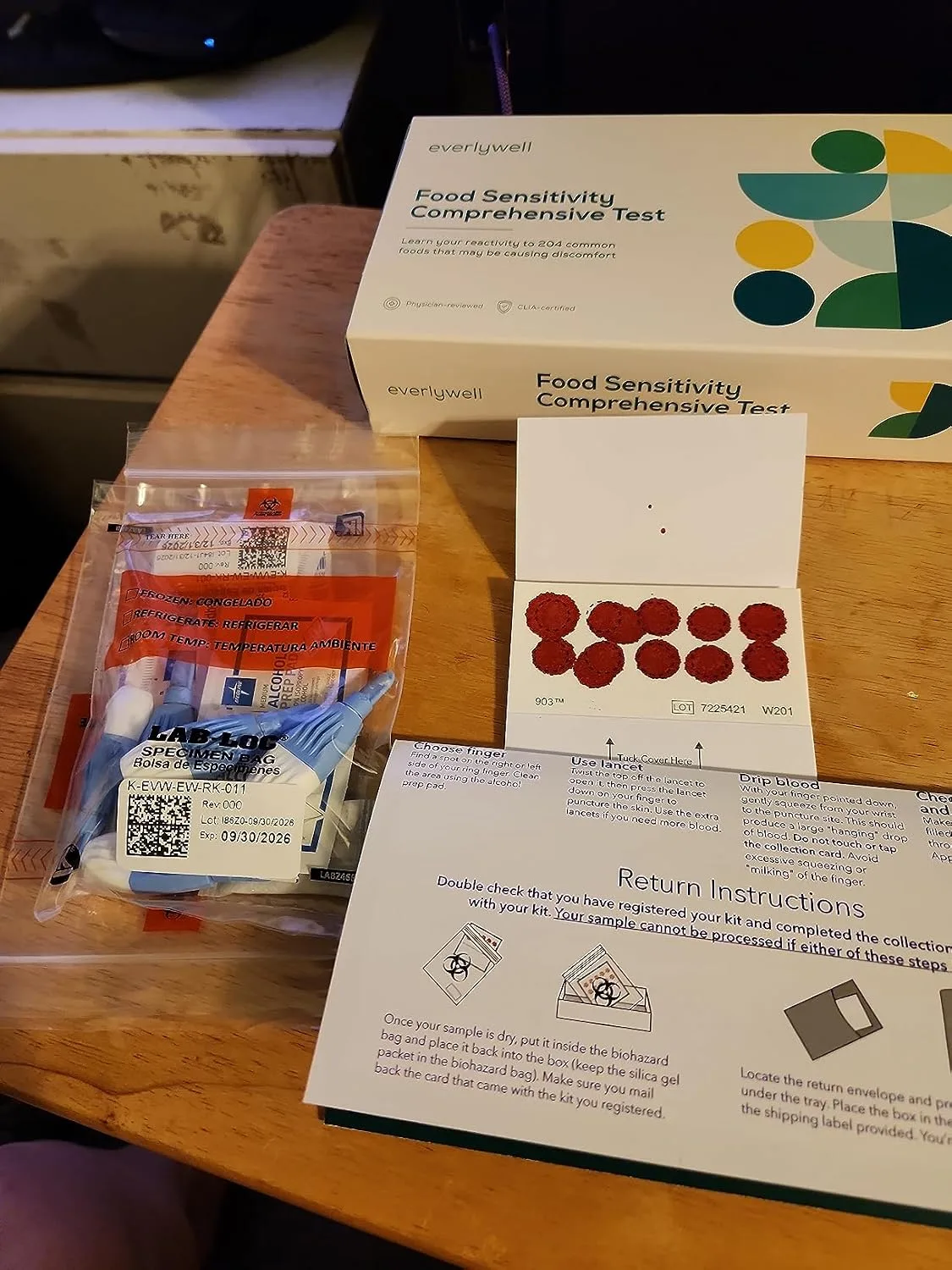
- Hair samples require no needles and arrive in the mail, eliminating friction for those already stretched thin by symptom management or active flare-ups.
- Outcomes sometimes uncover overlooked triggers (such as eggs, legumes, or particular grain varieties) that routine elimination diets commonly overlook, pushing past generic assumptions about problem foods.
Where these tests fall short
- These panels function as screening aids only and must not stand in for proper celiac disease workup or true allergy evaluation—they supplement your personal experiment, they do not replace diagnosis from your healthcare team.
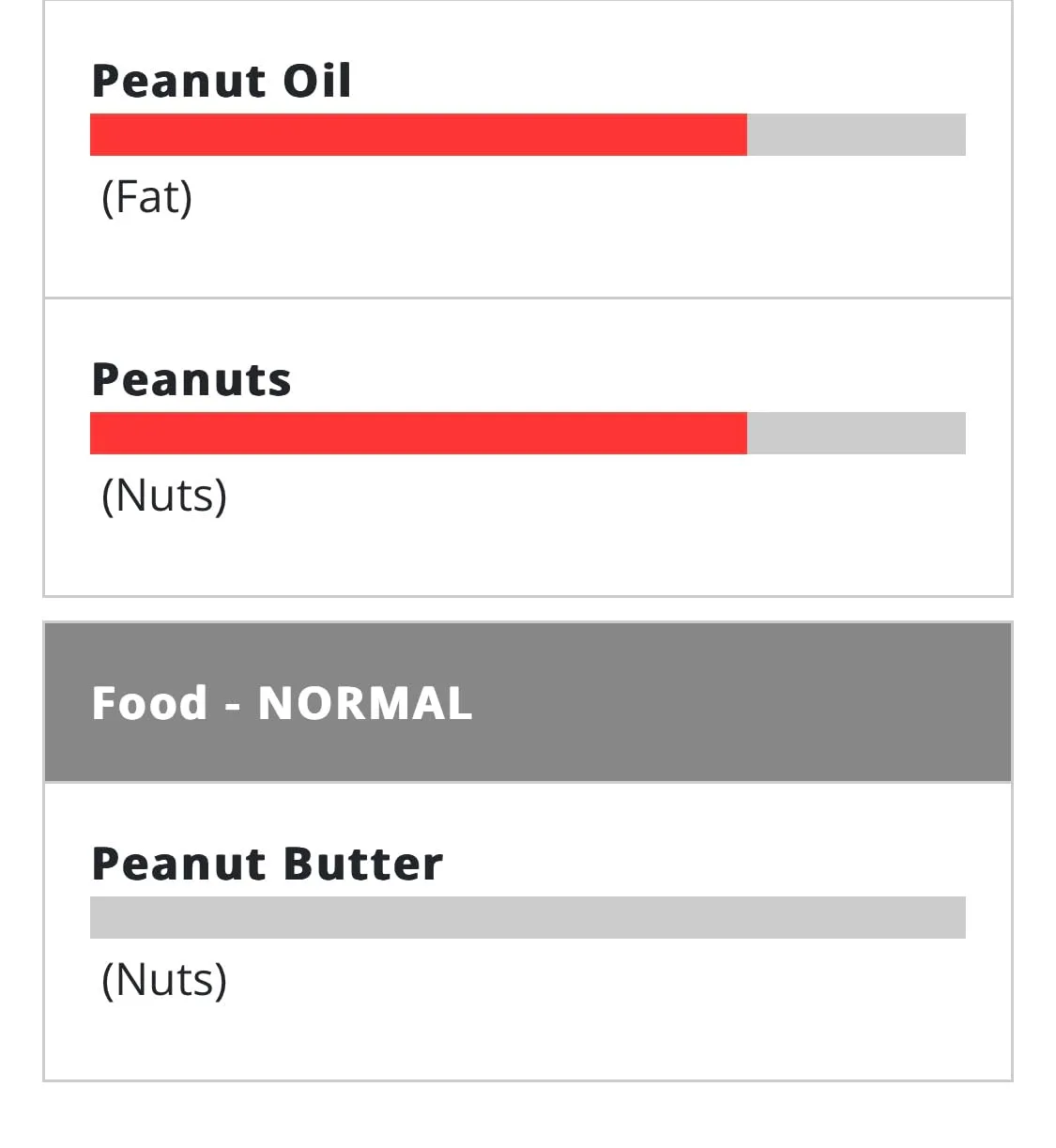
- Panel results demand careful assessment and intentional next steps; a flagged item on your report does not guarantee you will react to it in reality, meaning individual challenge testing remains necessary to establish genuine causation.
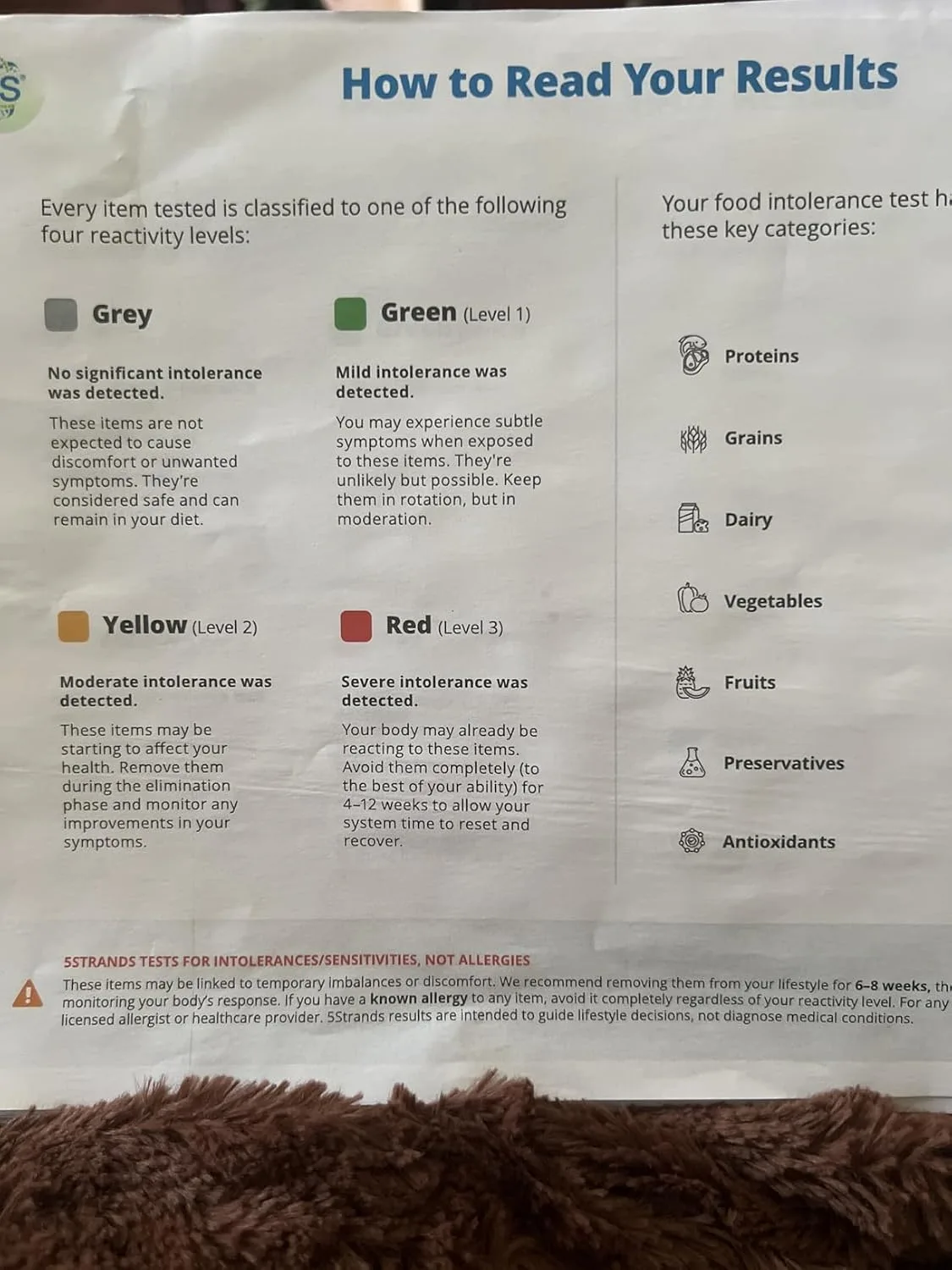
Think of this as a starting map, not a final answer—symptoms are often multifactorial, and stress, sleep, and gut barrier integrity matter as much as the foods themselves. Use the results to guide a structured elimination and reintroduction with a registered dietitian, not to avoid foods indefinitely. 5Strands Food Intolerance Test

About This Article

Written by Alex Mercer. Alex Mercer has lived with IBS since childhood and isn't a nutritionist or a doctor. After years of being told he was anxious or would grow out of it, he spent more than 12 years reading the research properly, and now shares what he has learned with the family, friends and support-group members who come to him with the same questions. He translates peer-reviewed research into practical, honest advice, and is always upfront about what the evidence does and does not show. More about this site.
Scope and limits. Alex is not a doctor, dietitian, or nutritionist, and nothing here is medical advice. Talk to a clinician before changing your diet, starting a supplement, or acting on symptoms — especially persistent or worsening ones.
Verify this against a primary source
Specifics change, and your situation may differ from the one described here. These are the authorities worth checking directly:
- NIDDK — digestive disease research and clinical guidance
- MedlinePlus — plain-language medical reference from the NIH
- Mayo Clinic — symptom and condition reference