Colonoscopy prep hydration emerges as one of the most recurring themes across the people I hear from. Walk into this conversation, and what I hear consistently is frustration, depletion, and a bewildered realization: the preparation itself carries far more physical demand than most expect. The confusion is understandable. On paper, colonoscopy prep appears elementary — absorb the prep instructions, consume the solution, remain at home. Yet fasting paired with a potent osmotic laxative generates genuine bodily strain, and fluid loss typically becomes the central challenge. The encouraging part? Equipped with an informed game plan, the entire experience becomes substantially more bearable.
Why Colonoscopy Prep Depletes You More Than You Expect
To navigate this effectively, I’ll walk through exactly what unfolds internally throughout colonoscopy prep — and why grasping this mechanism shifts how you respond.
Colonoscopy prep formulations function by moving fluid into your intestinal tract via osmotic action, which prompts continuous bowel clearing. This emptying is essential — your colon must be thoroughly evacuated so the gastroenterologist can observe the full tissue surface clearly. Yet this same mechanism also extracts electrolytes from your bloodstream alongside that fluid loss. Potassium, sodium, magnesium, and chloride all decline. In my experience supporting people through colonoscopy preparation, I observe a pattern: most concentrate their attention on liquid intake volume — which absolutely matters — while letting the electrolyte restoration piece slip entirely. That’s typically the point where problems intensify.
Endoscopy research literature repeatedly documents that inadequate fluid and electrolyte replacement during bowel cleansing can trigger migraine, vertigo, physical exhaustion, queasiness, and irregular heartbeats. These are far more than minor annoyances — they signal your system struggling to maintain its internal balance. The situation becomes considerably more precarious for people in older age, individuals with kidney-related concerns, or those taking medications that influence fluid retention. I consistently encourage the people I hear from to consult with their doctor regarding their individual circumstances prior to adjusting any aspect of their prep routine.
Fasting creates yet another hurdle. Absence of food intake eliminates what represents a substantial hydration channel — food contributes roughly one-fifth of our total daily fluid consumption. Eliminate food intake while administering a laxative solution, and you’re confronted with serious dehydration risk unless your beverage selections become highly deliberate.
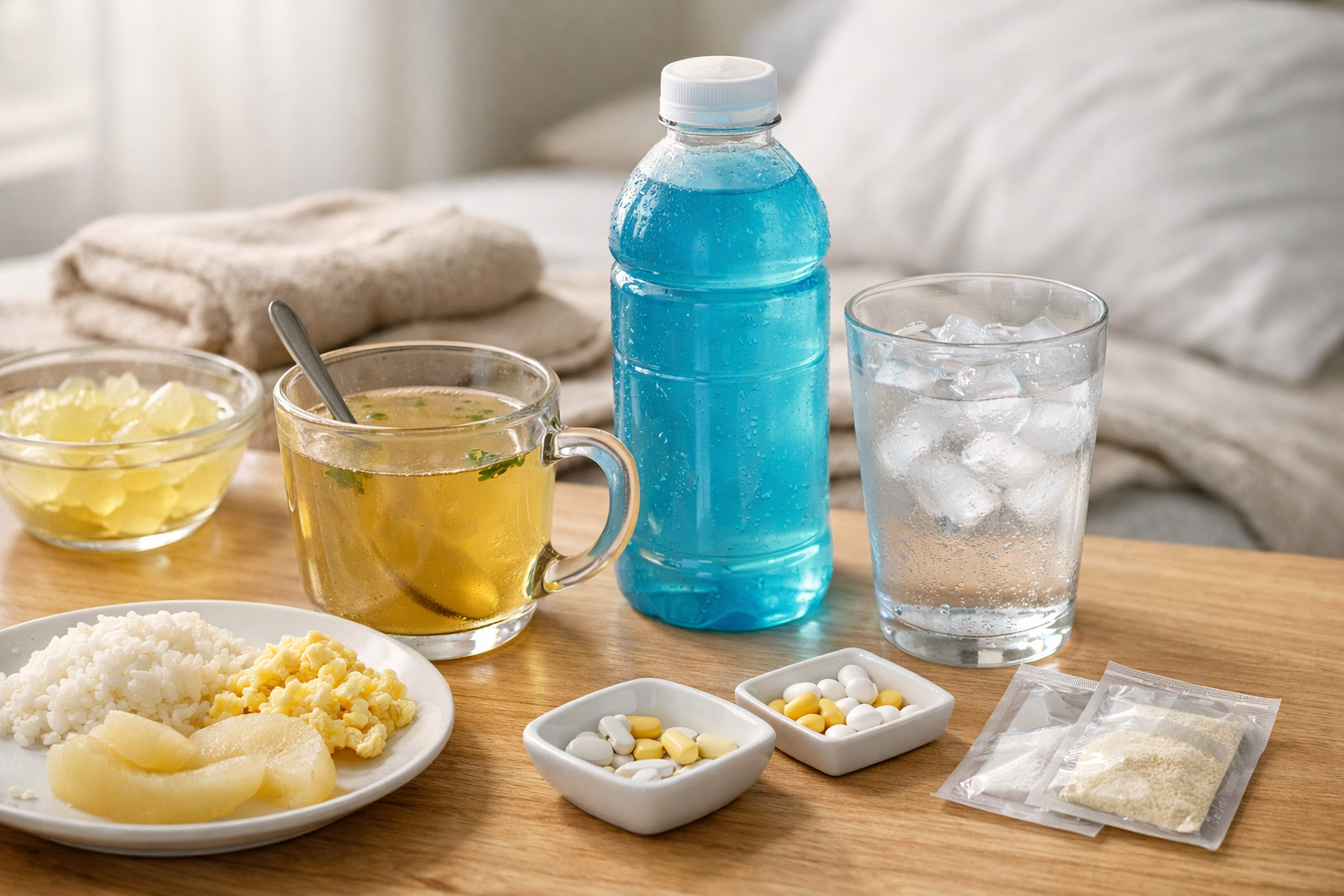
Restoring Electrolytes During Prep: Why Water by Itself Falls Short
Colonoscopy prep formulations perform their role with precision — clearing your digestive tract — yet this same action strips away critical minerals: potassium, sodium, and additional electrolytes your system cannot function without. Consuming only plain water leaves these minerals depleted, which explains why so many people report shakiness, head pressure, or lightheadedness midway through their prep timeline. A specially formulated electrolyte blend intended for substantial fluid replacement genuinely transforms how someone experiences the preparation process.
Where electrolytes prove beneficial
- Formulations free from sugar and artificial calories protect your bowel prep effectiveness and prevent the addition of compounds that can generate intestinal distress during this physiologically demanding period.
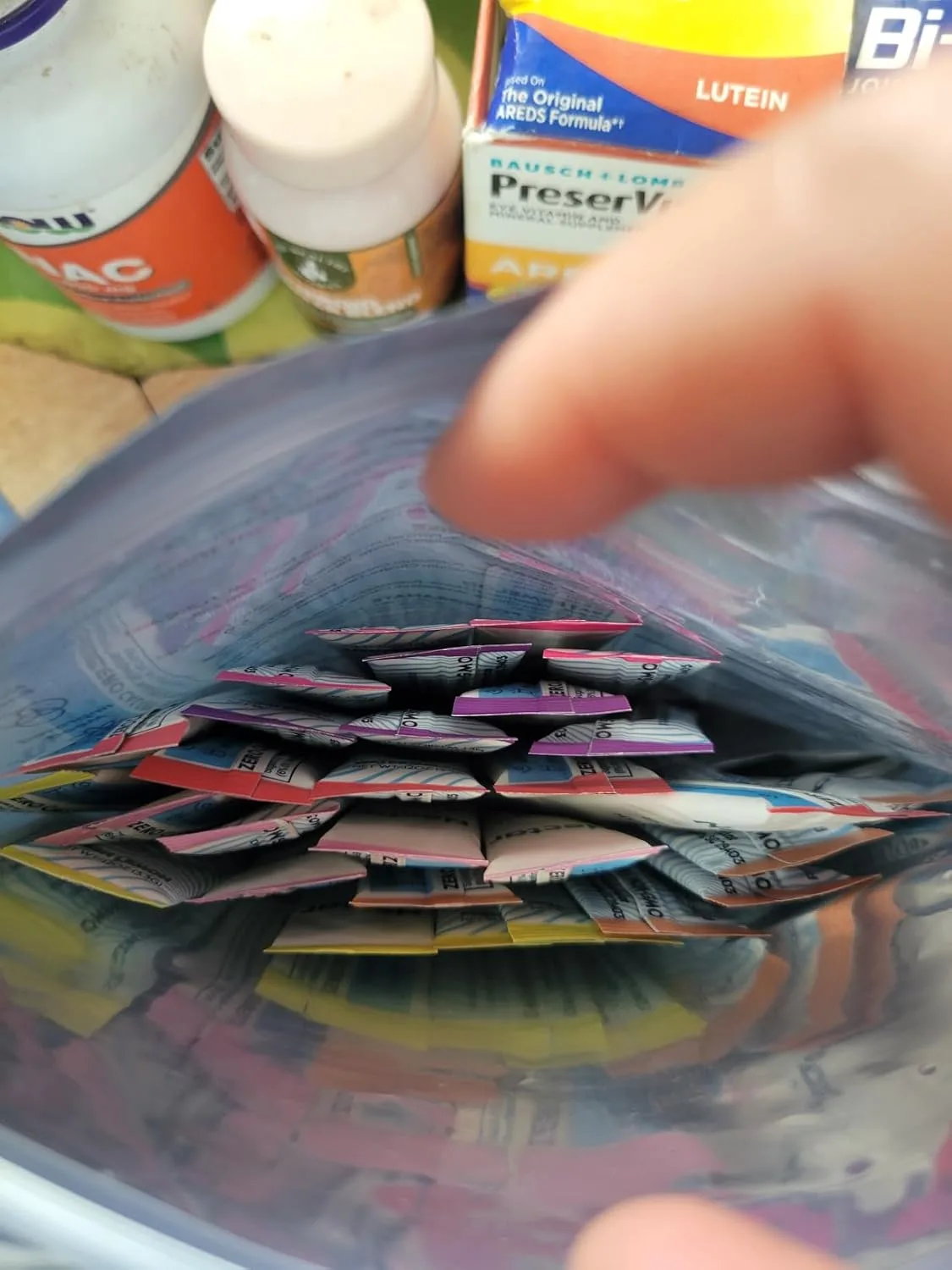
- Flavor options in packet form solve the genuine problem of taste boredom — consuming excessive volumes of any single flavor becomes mentally taxing; switching between variations sustains your willingness to maintain consistent hydration.
- In comparing notes with other people, a recurring observation surfaces: switching between electrolyte solutions and unflavored water yields measurable improvements in headache frequency, dizziness episodes, and the post-prep exhaustion people frequently describe, compared to water-only strategies.
Where electrolytes have limitations
- Electrolyte supplementation cannot diminish the actual bowel movements or delay the prep urgency — the impact centers on maintaining hydration status and managing symptoms, not altering how the laxative itself operates.
- Anyone with kidney dysfunction, cardiac conditions, or taking medications that regulate mineral or fluid levels should verify electrolyte supplementation directly with their physician or the gastroenterology center before starting.
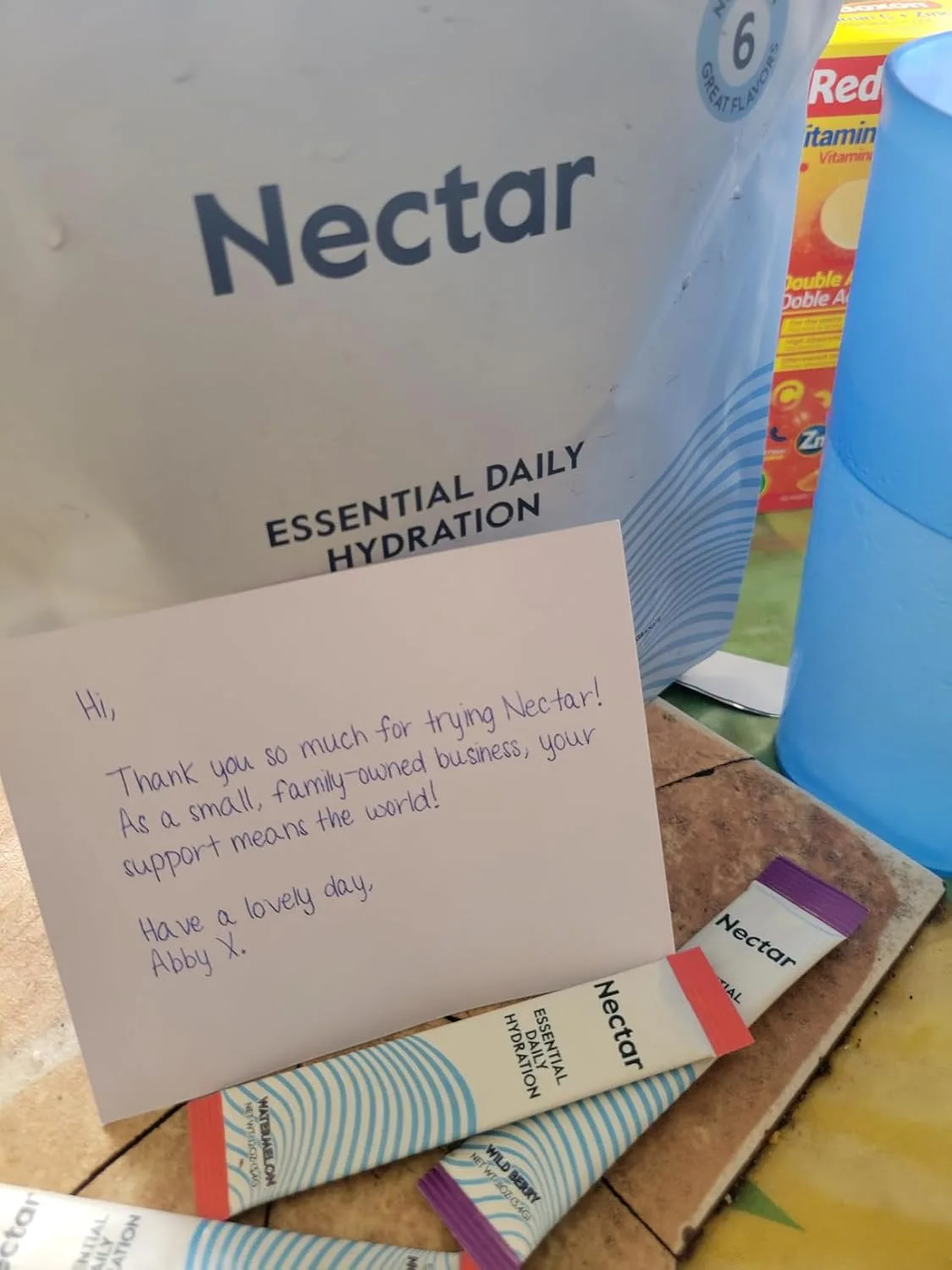
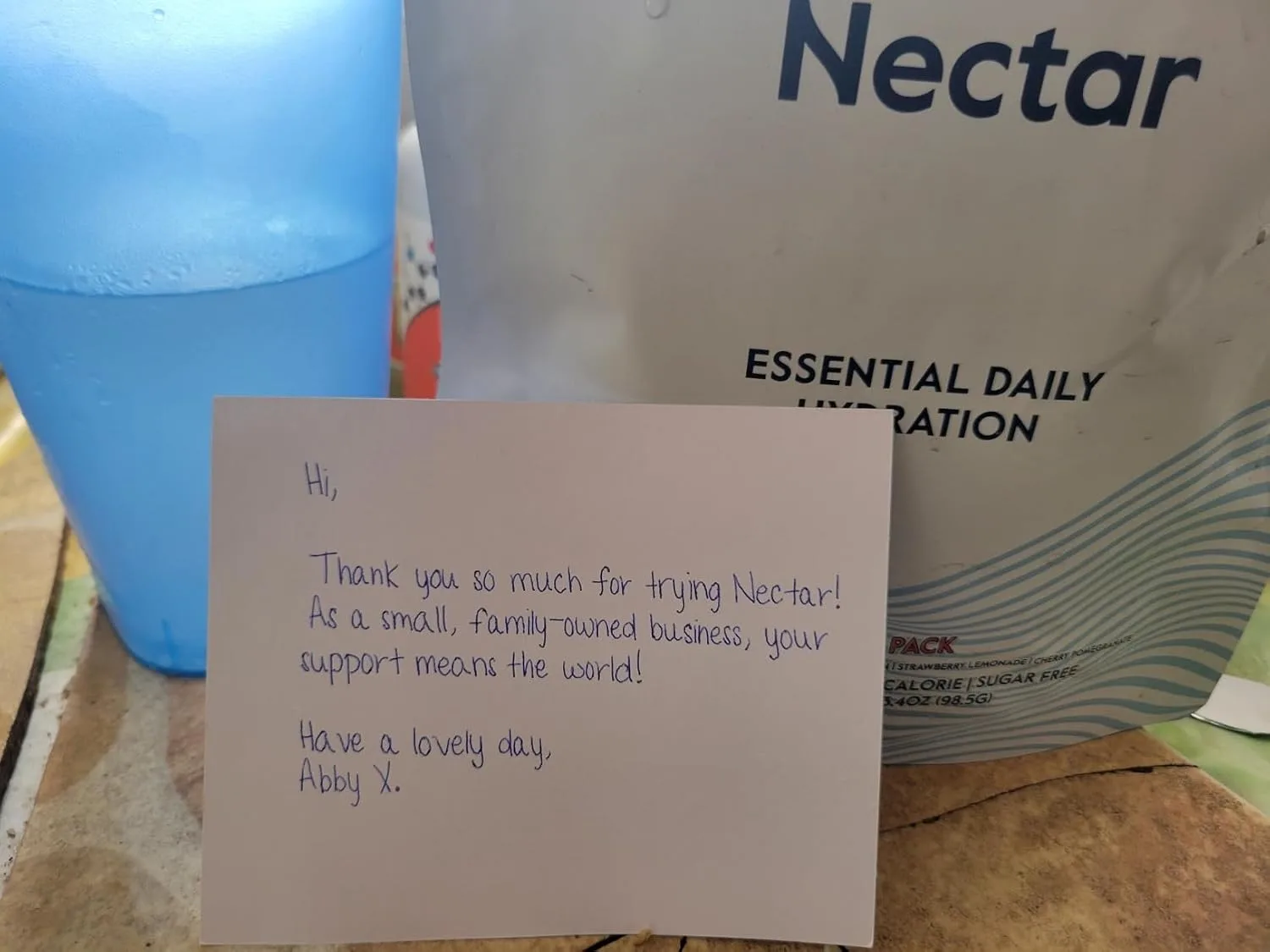
Electrolyte packets are a comfort and support tool during prep, not a medical intervention — they won’t change the prep outcome, but they can genuinely improve how you feel while you’re going through it. Try Nectar Hydration Packets — Electrolytes Powder Packets (Sugar Free, 0 Calorie, Variety 30 Pack) starting 24 hours before your procedure.
About This Article

Written by Alex Mercer. Alex Mercer has lived with IBS since childhood and isn't a nutritionist or a doctor. After years of being told he was anxious or would grow out of it, he spent more than 12 years reading the research properly, and now shares what he has learned with the family, friends and support-group members who come to him with the same questions. He translates peer-reviewed research into practical, honest advice, and is always upfront about what the evidence does and does not show. More about this site.
Scope and limits. Alex is not a doctor, dietitian, or nutritionist, and nothing here is medical advice. Talk to a clinician before changing your diet, starting a supplement, or acting on symptoms — especially persistent or worsening ones.
Verify this against a primary source
Specifics change, and your situation may differ from the one described here. These are the authorities worth checking directly:
- NIDDK — digestive disease research and clinical guidance
- MedlinePlus — plain-language medical reference from the NIH
- Mayo Clinic — symptom and condition reference