Most people believe that colonoscopy prep requires them to essentially stop eating for days. That assumption is wrong, and it causes unnecessary suffering. Through comparing notes with other people facing this procedure, I’ve learned that a strategically designed low residue diet colonoscopy meal plan can sustain you comfortably over the three to five days before your appointment—keeping your energy stable, your hunger at bay, and your bowel genuinely prepared for an examination that matters.
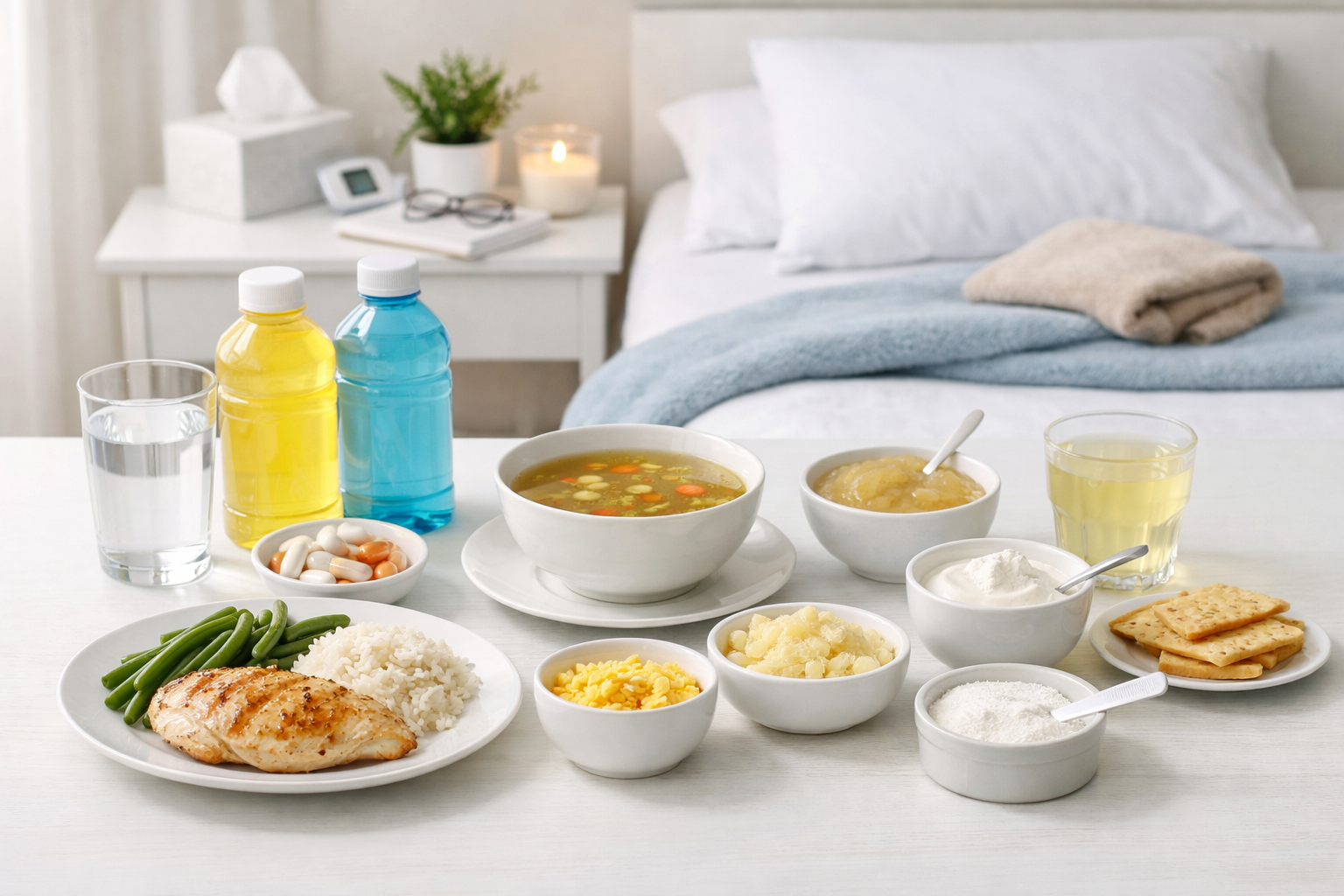
What Is a Low-Residue Diet and Why Does It Matter Before a Colonoscopy?
The concept behind low-residue eating is straightforward: you’re limiting fibre intake and reducing material that remains undigested as it moves through your intestinal tract. Your gastroenterologist requires an unobstructed view of the bowel lining during the procedure. Leftover food debris adhering to the intestinal walls can mask polyps, abnormal tissue, or other findings that need detection. Published research in Gastrointestinal Endoscopy demonstrates that careful dietary choices before colonoscopy directly correlate with the quality of bowel cleansing, which then directly impacts the procedure’s diagnostic accuracy. To put it plainly: your eating choices during those preparation days measurably influence whether your doctor can see what needs to be seen.
In my years supporting people through colonoscopy preparation, I notice a recurring pattern: clinic paperwork tells patients to “limit fibre” but offers almost no actionable detail about which specific foods fit, which ones don’t, and what realistic alternatives exist. That gap in guidance creates real confusion. Let me walk through this with specificity.
Which Foods Belong Off Your Plate During Prep
- Multi-grain options, bran products, bread and pasta made from wholemeal flour
- Uncooked vegetable matter and leafy dishes
- Fruit that carries skin, pit material, or stringy sections (raspberries, pears with skin intact, oranges)
- Beans, chickpeas, split peas, or any legume varieties
- Tree nuts, ground seeds, or seed butters
- Heavily seasoned, deep-fried, or oily preparations
- Full-fat cheese varieties, sour cream, or other high-fat dairy
Structured Meal Plans: The Tool That Makes Low-Residue Prep Actually Doable
The real barrier the people I hear from face isn’t the diet restrictions themselves—it’s navigating what they’re supposed to actually prepare and eat. A thoughtfully constructed low-residue meal-planning resource transforms this from a guessing game into a sequence of meals you can follow with confidence.
Why a structured approach pays dividends
- You stop wasting mental energy hunting for information or questioning whether each food choice passes muster—having recipes vetted for the protocol means you can eat without second-guessing yourself when you’re already stressed about the upcoming visit.
- Prep-specific meal ideas incorporate practical adjustments (such as refined grain pasta instead of whole wheat, or tender-cooked produce rather than raw) that general recipe sites simply don’t address.
- When you map out your meals in advance, you’re far less tempted to grab something unsuitable out of convenience or sudden hunger when you’re running on reduced energy and motivation.
The limits of this approach
- A meal plan cannot substitute for instructions your own physician provides—protocols vary between facilities and individual circumstances, so cross-reference every recipe against the prep paperwork your doctor gave you.
- When you’re managing existing bowel conditions like ulcerative colitis, coeliac sensitivity, or complicated IBS, you may require modifications beyond what a general low-residue framework covers; working directly with a dietitian who understands your specific diagnosis becomes invaluable.
A recipe book is a support tool, not a replacement for your doctor’s colonoscopy prep instructions—always verify that any meal aligns with your specific protocol before eating. Colon Procedure Recipes: Low Fiber-Low Residue Meals is a straightforward resource I’ve recommended to dozens of people preparing for procedures.
About This Article

Written by Alex Mercer. Alex Mercer has lived with IBS since childhood and isn't a nutritionist or a doctor. After years of being told he was anxious or would grow out of it, he spent more than 12 years reading the research properly, and now shares what he has learned with the family, friends and support-group members who come to him with the same questions. He translates peer-reviewed research into practical, honest advice, and is always upfront about what the evidence does and does not show. More about this site.
Scope and limits. Alex is not a doctor, dietitian, or nutritionist, and nothing here is medical advice. Talk to a clinician before changing your diet, starting a supplement, or acting on symptoms — especially persistent or worsening ones.
Verify this against a primary source
Specifics change, and your situation may differ from the one described here. These are the authorities worth checking directly:
- NIDDK — digestive disease research and clinical guidance
- MedlinePlus — plain-language medical reference from the NIH
- Mayo Clinic — symptom and condition reference