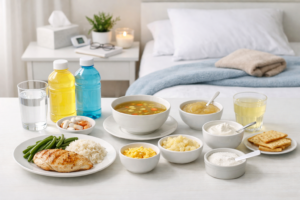
Polyethylene glycol solution consumed the evening before a colonoscopy produces unmistakable results—a thorough bowel clearance that makes the entire procedure viable. Yet most people arrive at their prep appointment with nothing but a printed instruction sheet, feeling lost about which foods actually belong in their diet during the preceding week. I encounter this regularly in my experience: genuine uncertainty about what constitutes an acceptable meal, paired with anxiety that the wrong choice might compromise the procedure outcome. Mastering the colonoscopy prep diet—which foods support your bowel preparation, which ones interfere, and the precise timing for dietary transitions—goes far beyond mere comfort. Your dietary choices directly shape your bowel prep quality, which determines whether your gastroenterologist gains adequate visualization of the colon. Inadequate preparation can necessitate a repeat procedure. What follows is the exact framework I guide my own people through, structured day by day.
Why Your Pre-Colonoscopy Diet Matters More Than You Think
Your prep diet serves a single, critical objective: minimize stool residue within your colon so the bowel-cleansing solution administered before your appointment can work without obstruction. Scientific literature in gastrointestinal endoscopy consistently documents that individuals adhering to a low-residue eating pattern throughout the week preceding colonoscopy demonstrate markedly superior bowel preparation quality compared to those who delay dietary restriction until the final twenty-four hours. Put simply—the seven days (or five, depending on your protocol) before your procedure represent a pivotal window. Your food choices during this time carry real weight.
Colonoscopy prep unfolds across two distinct dietary phases: a low-residue or low-fibre eating pattern spanning the initial five or six days, then a clear liquid diet restricted to the final day and potentially the morning of your procedure. Both phases appear in detail in the sections that follow.
Days 1 Through 5: Transitioning to Low-Residue Eating
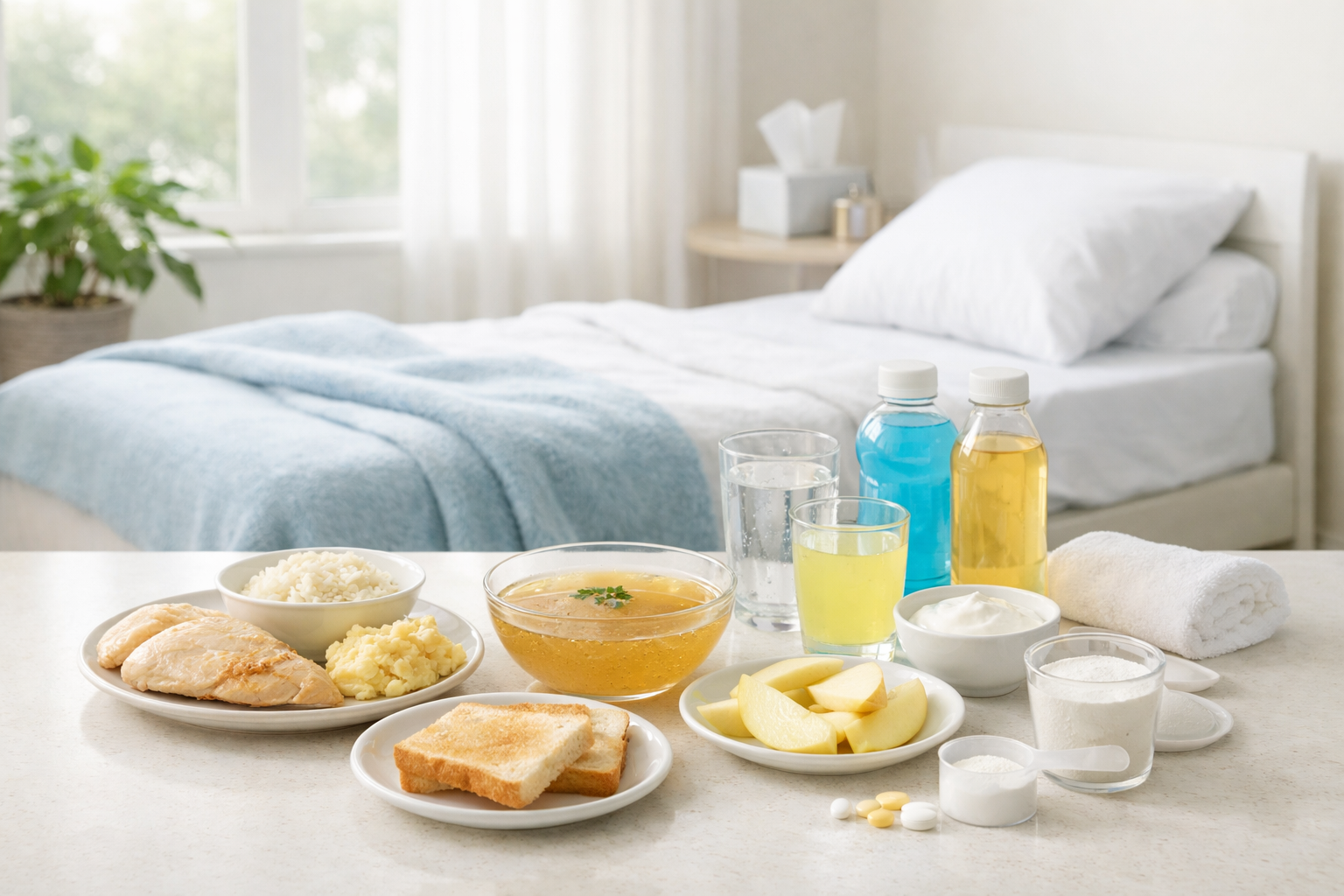
Low-residue eating eliminates foods that produce substantial colon bulk—chiefly high-fibre fruits and vegetables, whole grains, pulses, and seeds. I consistently tell people that this transition feels less restrictive than anticipated. You remain fed throughout. You are simply redirecting your choices temporarily toward gentle, readily absorbed, minimal-bulk options.
Permitted Foods During Your Low-Residue Window
- Refined grain products including white bread, white rice, plain white pasta, and seed-free crackers
- Thoroughly cooked eggs prepared any simple way—fried, scrambled, or soft-boiled
- Tender protein sources including skinless poultry, light-colored fish varieties, and plant-based proteins like tofu
- Softened vegetables stripped of their skins and fibrous cores—peeled zucchini, tender green beans, gently cooked carrots
- Ripe fruit in modest portions, particularly those without seeds or tough fiber—ripe banana, honeydew melon, canned stone fruits packed in their own juice
- Reduced-fat dairy including plain yogurt, gentle cheese varieties, and standard cow’s milk (where tolerated)
- Transparent liquid options such as vegetable stock, mild herbal infusions, and adequate water intake
Navigating the Prep Week With Confidence: A Structured Low-Residue Meal Strategy
The true challenge of colonoscopy prep emerges not during the clear liquid final day, but across the five preceding days when you’re confronted with an open refrigerator and genuine confusion about whether your meal choices align with “low-residue” standards and whether that serving of protein supplies sufficient calories without derailing preparation. Structured meal blueprints eliminate this decision fatigue and safeguard adequate nutritional intake while protecting the integrity of your upcoming procedure.
Where structured prep planning adds value
- Concrete meal outlines paired with complete ingredient lists you can source directly from a store, sidestepping the vague guidance of a single-sheet hospital instruction and the paralysis of improvisation.
- Meal templates engineered to sustain adequate residue restriction while preventing the undereating that leaves you dehydrated and depleted heading into your procedure—people frequently report emotional steadiness and reduced pre-procedure anxiety when confronted with explicit, reliable options.
- Reference images depicting realistic portion dimensions, which proves essential since many people either consume too few calories (arriving in a compromised state) or inadvertently include restricted foods without recognizing their high-fibre classification.
Where structured prep planning has limits
- Supersede your individual gastroenterologist’s prep instructions—institutional protocols differ significantly, and you must adhere to your own provider’s guidance as your foundation. A structured meal guide functions as a resource layer above your prescribed protocol, never as a replacement.
- Accommodate unmodified eating when you manage multiple food sensitivities or allergic responses; you will require recipe adjustments fitted to your particular constraints, or you should consult your doctor or your gastroenterology team’s nutrition support beforehand.
A recipe book is a planning tool that reduces stress and decision fatigue — it’s not a magic fix for anxiety or poor bowel prep, which ultimately depends on following your hospital’s instructions and completing the prep solution itself. Colon Procedure Recipes: Low Fiber-Low Residue Meals
About This Article

Written by Alex Mercer. Alex Mercer has lived with IBS since childhood and isn't a nutritionist or a doctor. After years of being told he was anxious or would grow out of it, he spent more than 12 years reading the research properly, and now shares what he has learned with the family, friends and support-group members who come to him with the same questions. He translates peer-reviewed research into practical, honest advice, and is always upfront about what the evidence does and does not show. More about this site.
Scope and limits. Alex is not a doctor, dietitian, or nutritionist, and nothing here is medical advice. Talk to a clinician before changing your diet, starting a supplement, or acting on symptoms — especially persistent or worsening ones.
Verify this against a primary source
Specifics change, and your situation may differ from the one described here. These are the authorities worth checking directly:
- NIDDK — digestive disease research and clinical guidance
- MedlinePlus — plain-language medical reference from the NIH
- Mayo Clinic — symptom and condition reference