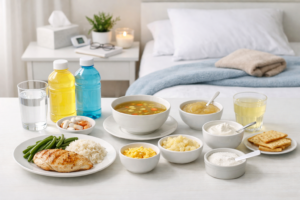
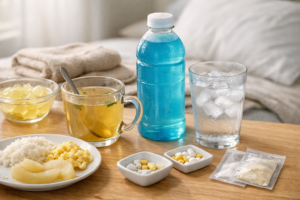
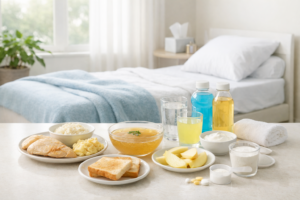
A message came through my inbox last week: “I finished my colonoscopy yesterday and my doctor just said ‘eat normally’ — but my stomach feels wrecked. What am I actually supposed to be doing?” That question lands in my inbox regularly, and it points to a real gap in post-procedure care. In my years comparing notes with other people navigating recovery after colonoscopy, I’ve watched how vague the standard guidance typically is. Most people are sent home with something like “keep it light today, then go back to your regular meals tomorrow.” The intention is sound, but the execution leaves out crucial steps for supporting gut healing, rebuilding beneficial bacteria, and sidestepping the bloating, cramping, and digestive unpredictability that follows for so many. The structured three-day framework I’ve developed addresses exactly that shortfall.

Why Post-Colonoscopy Nutrition Actually Matters
What many people don’t realize is that a colonoscopy involves far more than just looking inside the colon. The bowel prep that precedes it—typically polyethylene glycol or another electrolyte solution—flushes the entire digestive tract thoroughly. Microbiology research has documented that this type of preparatory cleansing substantially decreases the diversity of your gut bacteria, with recovery timelines extending to several weeks or longer if you don’t actively support the process. Beyond the chemical prep, there’s the physical reality: the scope itself stretches the colon tissue, air introduced during the examination can linger and cause distension, and the lining of your intestines may experience mild inflammation. Your digestive system needs more than a day or two to recover from this combination of stressors.
In my experience, the pattern I see most often involves people returning home and diving straight into whatever sounds appealing—a big salad, their usual whole-grain toast, raw fruit, even heading out for dinner—only to spend the next several days battling bloating, discomfort, or unpredictable bathroom patterns. The problem is straightforward: their bacterial communities haven’t stabilized yet, and their gut’s ability to move food along smoothly hasn’t normalized. The three-day reset I outline below fills that gap intentionally.
Day 1: Minimal-Residue Eating and Rehydration as Your Foundation
Immediately following your procedure and throughout your first evening at home, the focus shifts to steady fluid intake and foods that demand minimal digestive effort. Your intestinal lining is inflamed, your microbial populations are depleted, and introducing complex or fiber-rich foods now would place unnecessary stress on a system that’s already recovering.
Electrolyte Replenishment: The Often-Overlooked Recovery Essential After Colonoscopy
During the colonoscopy prep phase, whether your solution was polyethylene glycol, sodium picosulfate, or another agent, your colon lost not just bulk contents but significant amounts of water and dissolved minerals. Most people arrive home already running a mineral deficit, and plain water alone cannot fully restore this loss. A quality electrolyte product corrects the imbalances in sodium, potassium, and magnesium—a detail that becomes genuinely important if the prep triggered nausea or if your baseline digestive sensitivity is already elevated through conditions like IBS.
Benefits you’ll notice
- Eliminates the post-examination tiredness and headache that many people mistake for needing sleep when electrolyte depletion is actually the culprit.
- Maintains the hydration your intestinal barrier specifically requires for tissue repair and recovery during the critical first 48–72 hours.
- Formulas without added sugars or artificial sweetening agents reduce your risk of bloating flare-ups or loose-stool episodes in this sensitive recovery window.
What electrolytes don’t do
- They provide rehydration support only—not microbiome restoration or accelerated healing—so they’re one piece of your recovery plan, not a substitute for thoughtful eating throughout your three-day window.
- Unsuitable if you carry a diagnosis of kidney disease, require cardiac fluid restriction, or take medications in the ACE inhibitor or potassium-sparing diuretic classes—discuss with your doctor before starting if any of these apply to you.
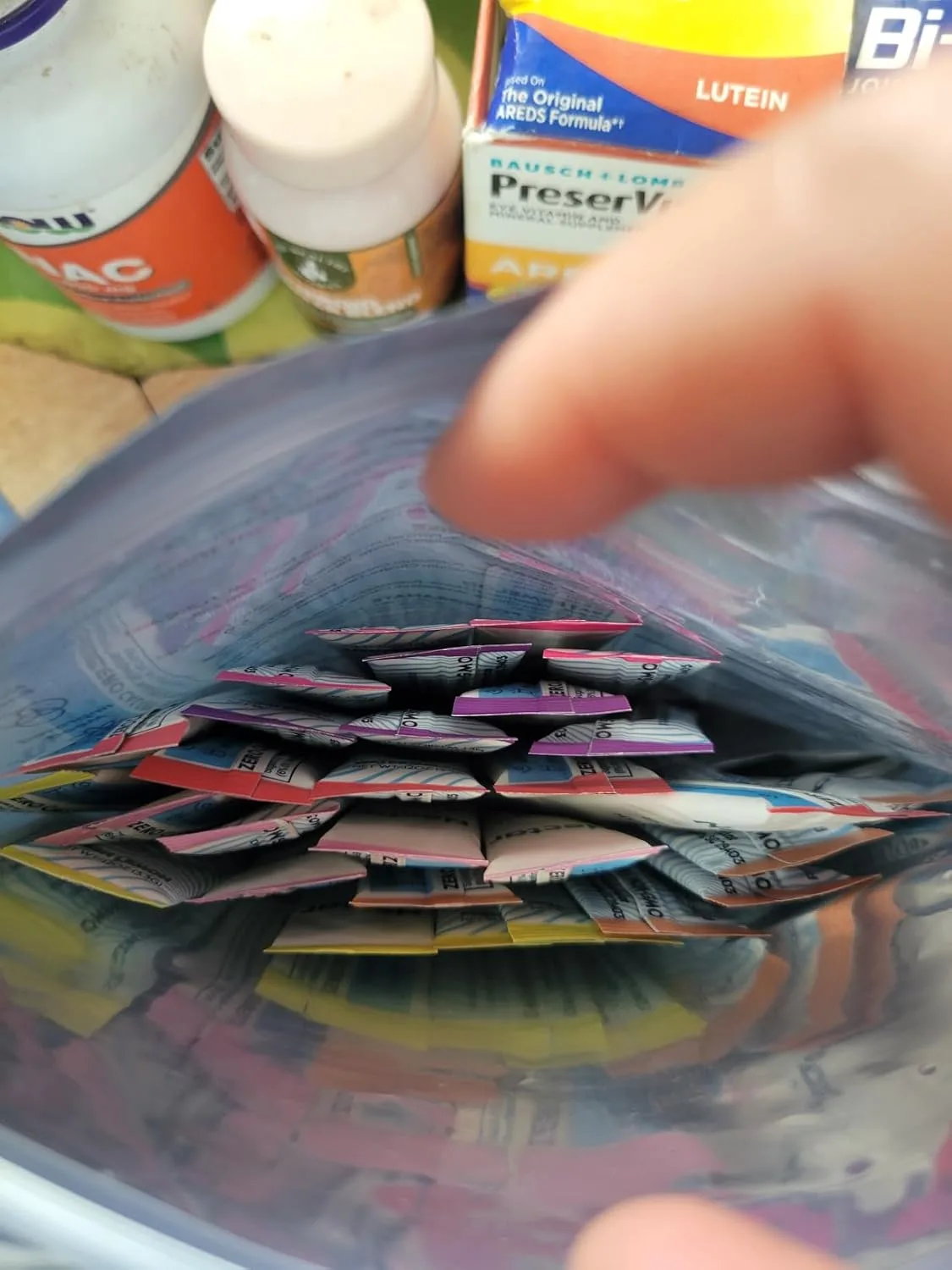
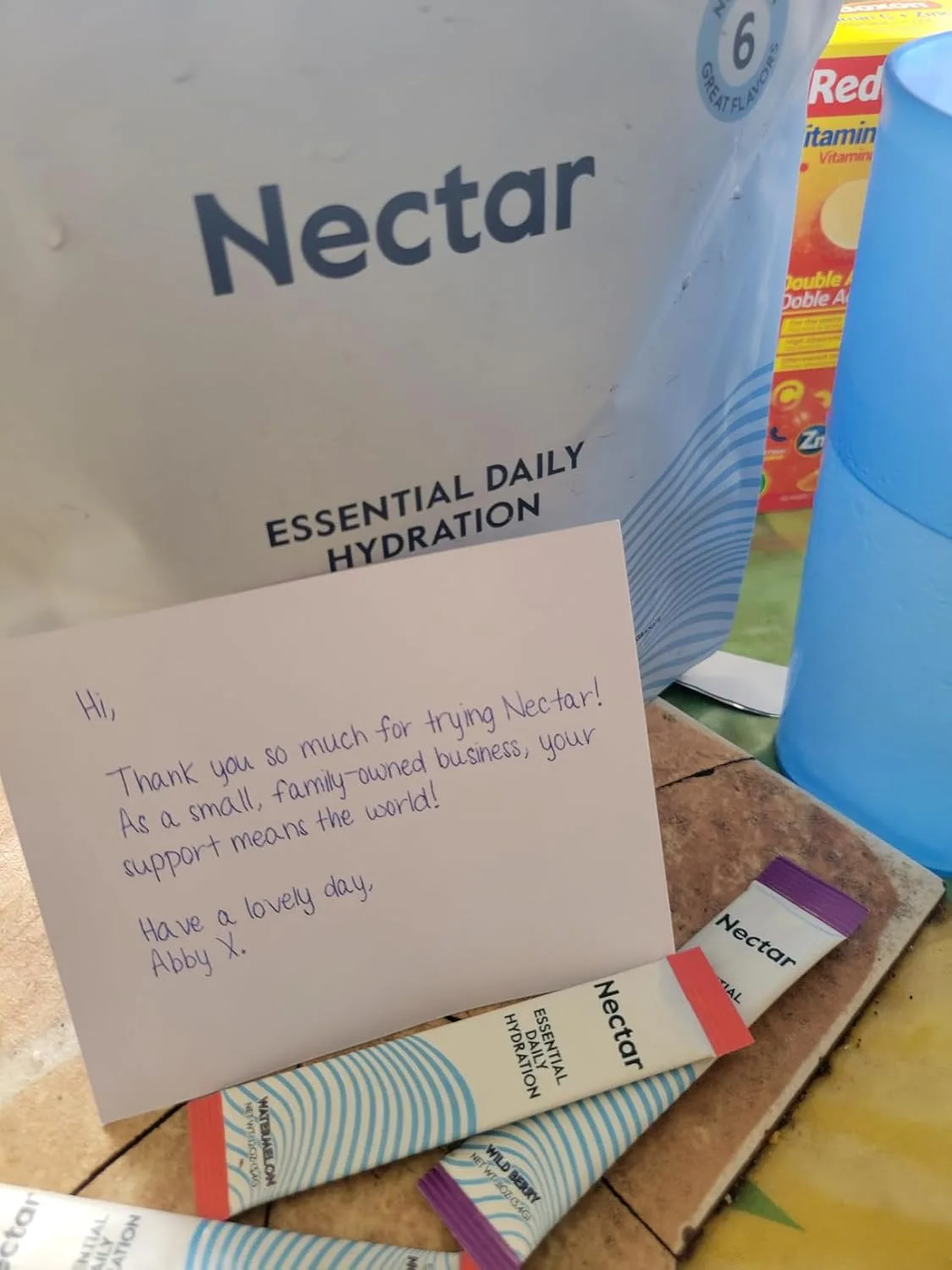
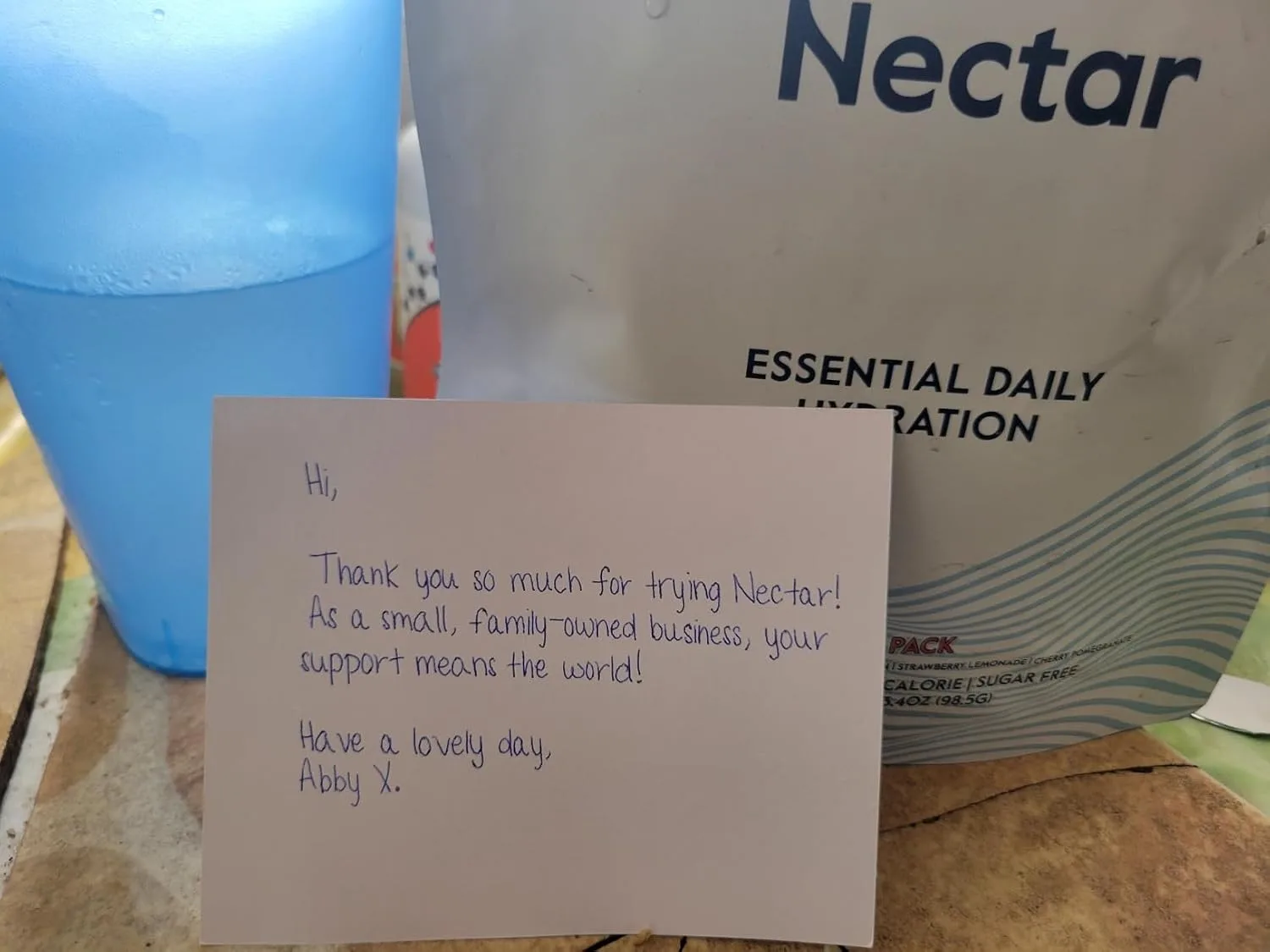
Electrolyte packets are a practical tool for the first 24–48 hours after your procedure, but they’re not a substitute for eating real food or managing any underlying digestive conditions you may have—those still need proper medical oversight. I recommend Nectar Hydration Packets for people who tolerate minimal ingredients and want a straightforward rehydration option.
About This Article

Written by Alex Mercer. Alex Mercer has lived with IBS since childhood and isn't a nutritionist or a doctor. After years of being told he was anxious or would grow out of it, he spent more than 12 years reading the research properly, and now shares what he has learned with the family, friends and support-group members who come to him with the same questions. He translates peer-reviewed research into practical, honest advice, and is always upfront about what the evidence does and does not show. More about this site.
Scope and limits. Alex is not a doctor, dietitian, or nutritionist, and nothing here is medical advice. Talk to a clinician before changing your diet, starting a supplement, or acting on symptoms — especially persistent or worsening ones.
Verify this against a primary source
Specifics change, and your situation may differ from the one described here. These are the authorities worth checking directly:
- NIDDK — digestive disease research and clinical guidance
- MedlinePlus — plain-language medical reference from the NIH
- Mayo Clinic — symptom and condition reference