

Most people assume that managing Inflammatory Bowel Disease is purely a matter of medication and medical supervision—but the truth is far more nuanced. Once you’re living with IBD, the inflammation driving your symptoms becomes something you encounter at every meal, and yet many of the people I hear from arrive without realizing just how substantially their dietary patterns can shift that inflammatory burden. An anti-inflammatory eating approach for IBD isn’t presented here as a replacement for medical care, and I want to be direct about that distinction from the start. What it represents, though, is among the most tangible, actionable levers available to us—one where thoughtful food selection can demonstrably reduce flare intensity, support periods of remission, and restore a sense of agency and normalcy to daily life.

Why Food Choices Matter So Much in IBD
The inflammatory bowel diseases—Crohn’s disease and ulcerative colitis among them—involve persistent, unregulated inflammation throughout regions of the digestive system. The causes branch across multiple domains: inherited genetic susceptibilities, immune system dysregulation, and external environmental pressures each contribute to disease development. What’s become increasingly clear through emerging research is that the bacteria living within your gut and the structural integrity of your intestinal wall act as critical control points. Diet reaches directly into both of these systems, which transforms it from a peripheral concern into a mechanistic intervention point.
The scientific record of the last ten-plus years demonstrates persuasively that the foods entering your body reshape your microbial ecosystem, alter how permeable your intestinal barrier becomes, and determine the types and quantities of inflammatory molecules your immune system produces. A 2021 investigation appearing in Gastroenterology documented that adopting a Mediterranean-influenced eating style corresponded with measurable decreases in inflammatory signalling among individuals with IBD. This represents the kind of empirical foundation I organize my work around—genuine mechanistic logic paired with published evidence, rather than trendy elimination protocols lacking scientific substance.
My opening conversation with someone carrying an IBD diagnosis never centers on handing them a prohibition list. Rather, I work to illuminate the underlying mechanisms that either amplify or quiet inflammatory cascades—empowering them to navigate food decisions with understanding and flexibility, even when circumstances shift or complexity emerges.
Core Anti-Inflammatory Eating Principles I Structure Every IBD Person’s Plan Around
What follows represents the strategic anchors I return to repeatedly across my experience, applicable whether someone is managing Crohn’s pathology, ulcerative colitis involvement, early-stage disease activity, or stable remission periods.
Omega-3 Fatty Acids: The Anti-Inflammatory Nutrient Most IBD Populations Substantially Underconsume
EPA and DHA—the long-chain omega-3 varieties found concentrated in marine sources—interrupt the inflammatory signalling machinery that perpetuates IBD symptom cycles. Among the people I hear from with Crohn’s and ulcerative colitis, omega-3 insufficiency emerges as a consistent pattern, depriving the damaged intestinal lining of essential building blocks for barrier restoration and inflammatory downregulation.
Approaches demonstrating documented benefit
- Peer-reviewed literature demonstrates that sustained omega-3 supplementation produces measurable reductions in inflammatory markers (including C-reactive protein and fecal calprotectin concentrations) alongside decreased flare recurrence in ulcerative colitis populations when maintained for 8–12 weeks minimum—not shorter timeframes.
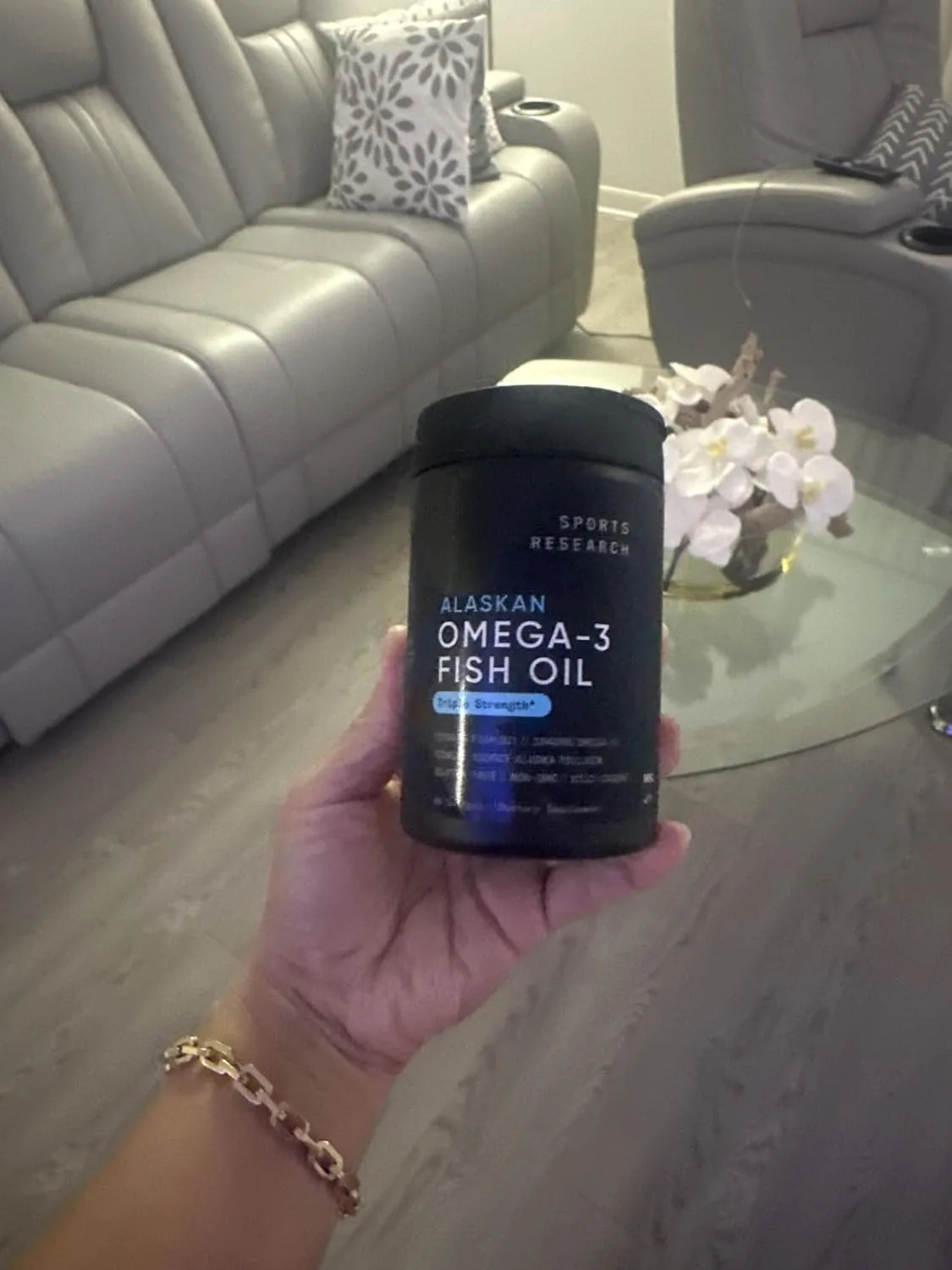
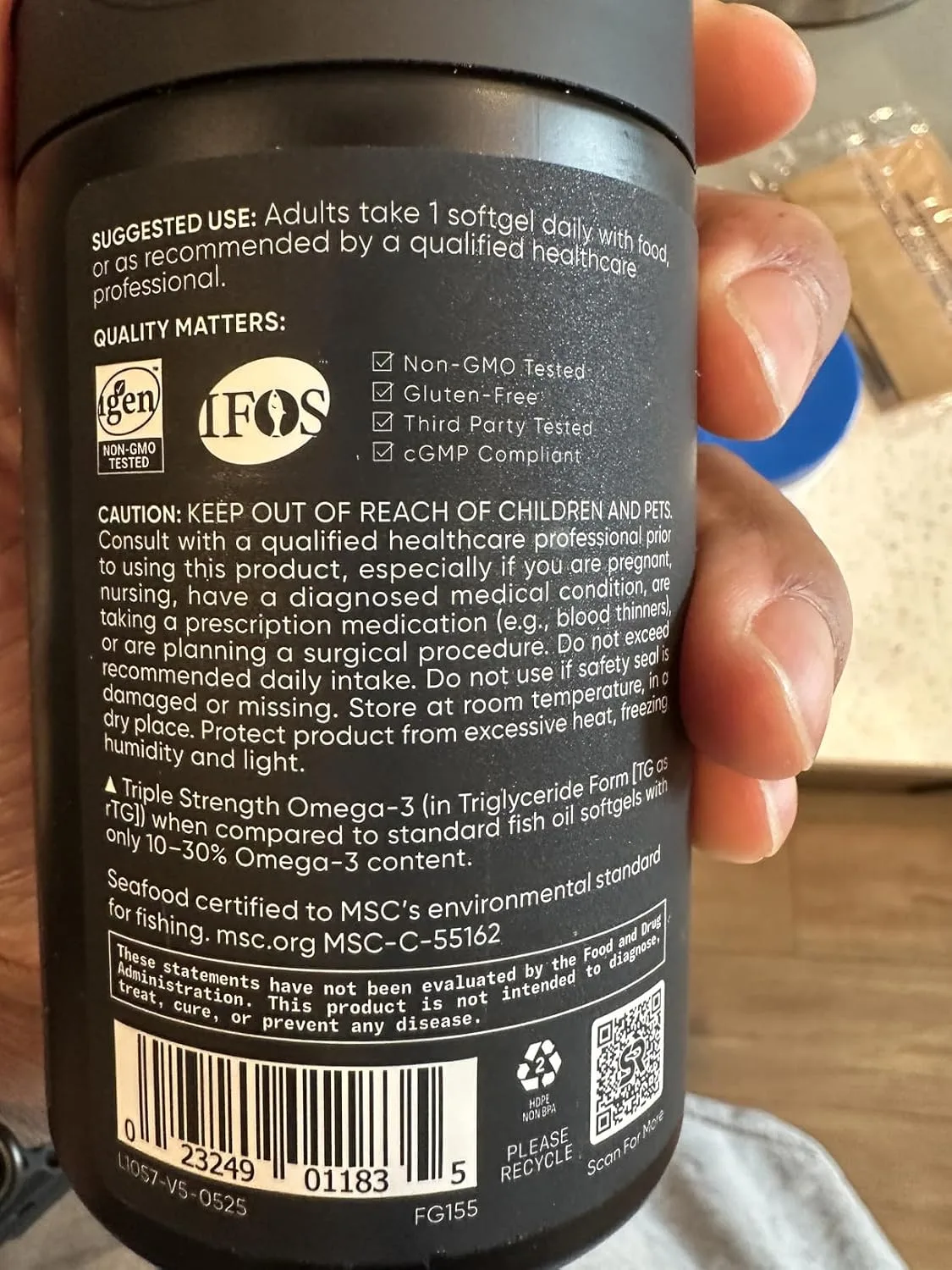
- Concentrated formulations similar to the one referenced here provide efficacious dosing (exceeding 1000mg of combined EPA and DHA per single serving) while minimizing capsule burden—a practical advantage when gastrointestinal sensitivity limits tolerance for larger supplement loads.
- The typical trajectory I observe involves incremental improvements in inflammatory baseline—fewer episodes requiring urgent bathroom access, diminished abdominal distension, restored stamina—unfolding gradually rather than dramatically, which aligns with realistic expectations for IBD management.
Boundaries and limitations worth understanding
- Fish oil functions within a supporting role—it cannot and should not displace your established IBD pharmaceuticals (biologics, aminosalicylates, or others) or be reduced without explicit guidance from your gastroenterologist, as doing so risks disease destabilization.
- Concurrent anticoagulation therapy (whether warfarin or newer anticoagulant classes) can interact with higher-dose fish oil formulations; consult your doctor or pharmacist beforehand, and individuals experiencing active bleeding manifestations or severe active disease should postpone supplementation until inflammatory control improves.
Omega-3s work slowly and work best as part of a broader dietary strategy — they are not a magic fix for active flares. If you’re in a flare right now, focus on your prescribed medication first; once things settle, omega-3s become a powerful maintenance tool. Sports Research Omega-3 Fish Oil 1250 Triple Strength

About This Article

Written by Alex Mercer. Alex Mercer has lived with IBS since childhood and isn't a nutritionist or a doctor. After years of being told he was anxious or would grow out of it, he spent more than 12 years reading the research properly, and now shares what he has learned with the family, friends and support-group members who come to him with the same questions. He translates peer-reviewed research into practical, honest advice, and is always upfront about what the evidence does and does not show. More about this site.
Scope and limits. Alex is not a doctor, dietitian, or nutritionist, and nothing here is medical advice. Talk to a clinician before changing your diet, starting a supplement, or acting on symptoms — especially persistent or worsening ones.
Verify this against a primary source
Specifics change, and your situation may differ from the one described here. These are the authorities worth checking directly:
- NIDDK — digestive disease research and clinical guidance
- MedlinePlus — plain-language medical reference from the NIH
- Mayo Clinic — symptom and condition reference