Three bites into lunch and the cramping starts — a tight, twisting sensation low in your abdomen that makes you pause mid-chew and wonder if you’ve made a mistake with your food choice. You sit with it for a moment, breathing through the discomfort, and your mind immediately loops back to the conversation with your doctor last week: you have either Crohn’s disease or ulcerative colitis, and now you’re supposed to figure out what to eat. The problem is, everyone seems to give you the same generic advice, and you’re left wondering if it actually applies to your specific diagnosis, or if you’re following someone else’s blueprint by accident.
The truth I’ve encountered repeatedly across my years of practice is this: the two conditions share an inflammatory bowel disease label, yet they demand fundamentally different nutritional approaches — and understanding that distinction is where real progress begins.

Understanding the Core Difference Before You Change a Single Thing You Eat
To build an eating strategy that actually works for your body, you need to first grasp the biological reality of what’s happening in your gut — because that biology is what determines which nutrients you’ll struggle to absorb, which foods might trigger problems, and where supplementation becomes essential rather than optional.
Crohn’s disease has the capacity to inflame any section of your digestive tract stretching from your mouth all the way through to your rectum, though the terminal ileum — that final stretch of small bowel before it connects to your colon — tends to be the most frequently affected site. A critical feature distinguishing Crohn’s from other bowel conditions is that inflammation cuts through the entire thickness of the bowel wall, a characteristic called transmural inflammation. Ulcerative colitis remains localised to the colon and rectum exclusively, with inflammation confined strictly to the innermost mucosal layer.
What does this anatomical distinction mean when you’re planning meals and supplements? The small intestine is where nutrient extraction happens — it’s your body’s absorption powerhouse. Damage to the terminal ileum from Crohn’s creates a direct problem with how your body takes in vitamin B12, fat-soluble vitamins such as D, A, E, and K, plus the bile acids that help digest fat. Since ulcerative colitis stays in the colon, the effect on absorption is less dramatic, though blood loss from the inflamed tissue creates anaemia risk, and electrolyte depletion becomes a primary concern during active disease.
This isn’t just semantic — the difference shapes my entire assessment of which deficiencies pose the biggest risk, and how intensely I need to work on correcting them through supplementation.
Recognising Nutritional Deficiencies Linked to Your Specific Diagnosis
Crohn’s Disease: Malabsorption Sits at the Core
The moment someone walks into my experience with a Crohn’s diagnosis — especially when the ileum is involved — I shift my focus immediately to the absorption problem. No matter how pristine someone’s diet looks on paper, their damaged intestinal lining may simply not be extracting what they’re eating. I’ve watched people consume nutrient-dense meals while their bloodwork shows deficiencies in vitamin D, zinc, magnesium, and B12 because their inflamed or surgically altered ileal tissue has lost the capacity to absorb properly.
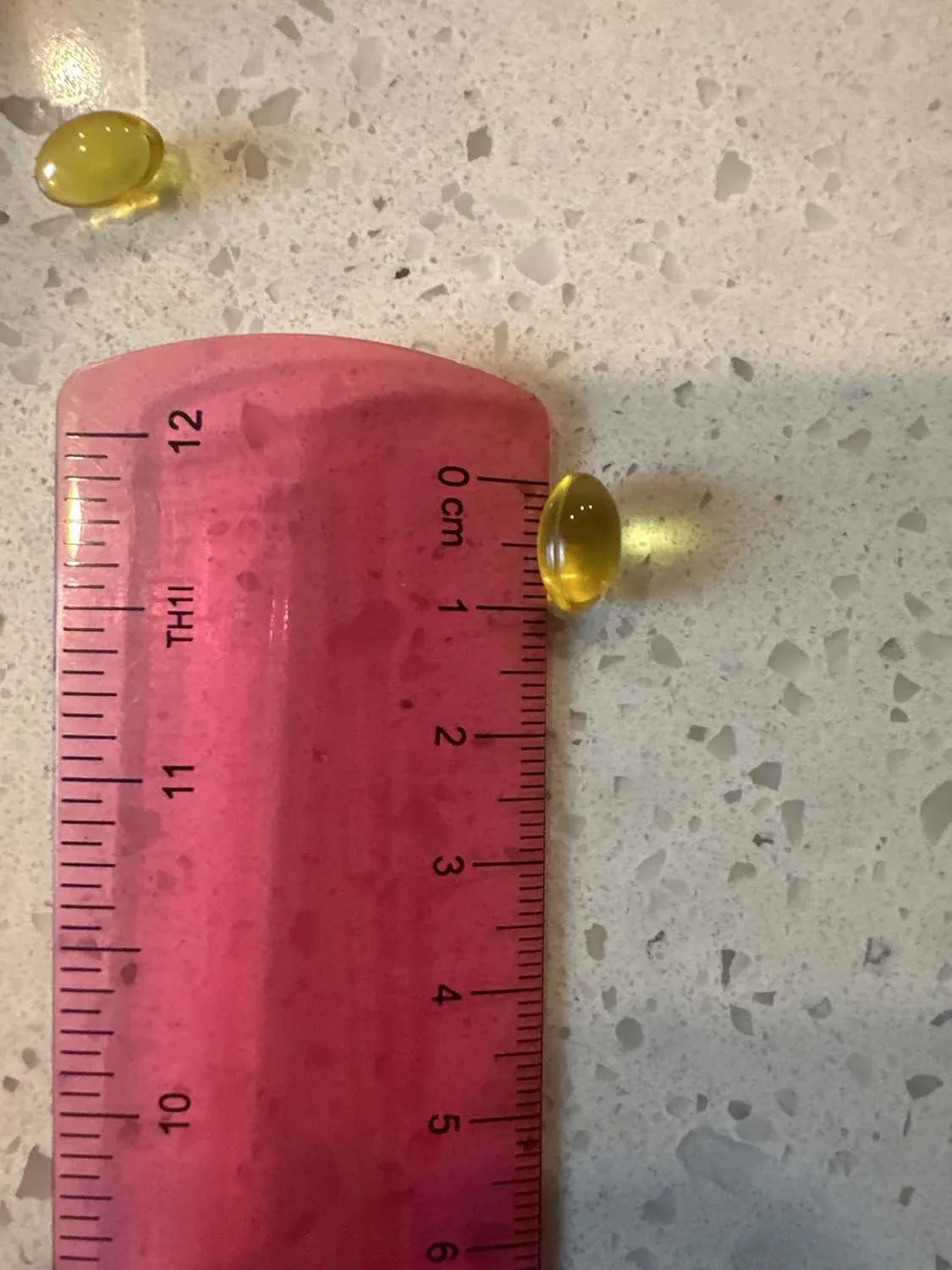
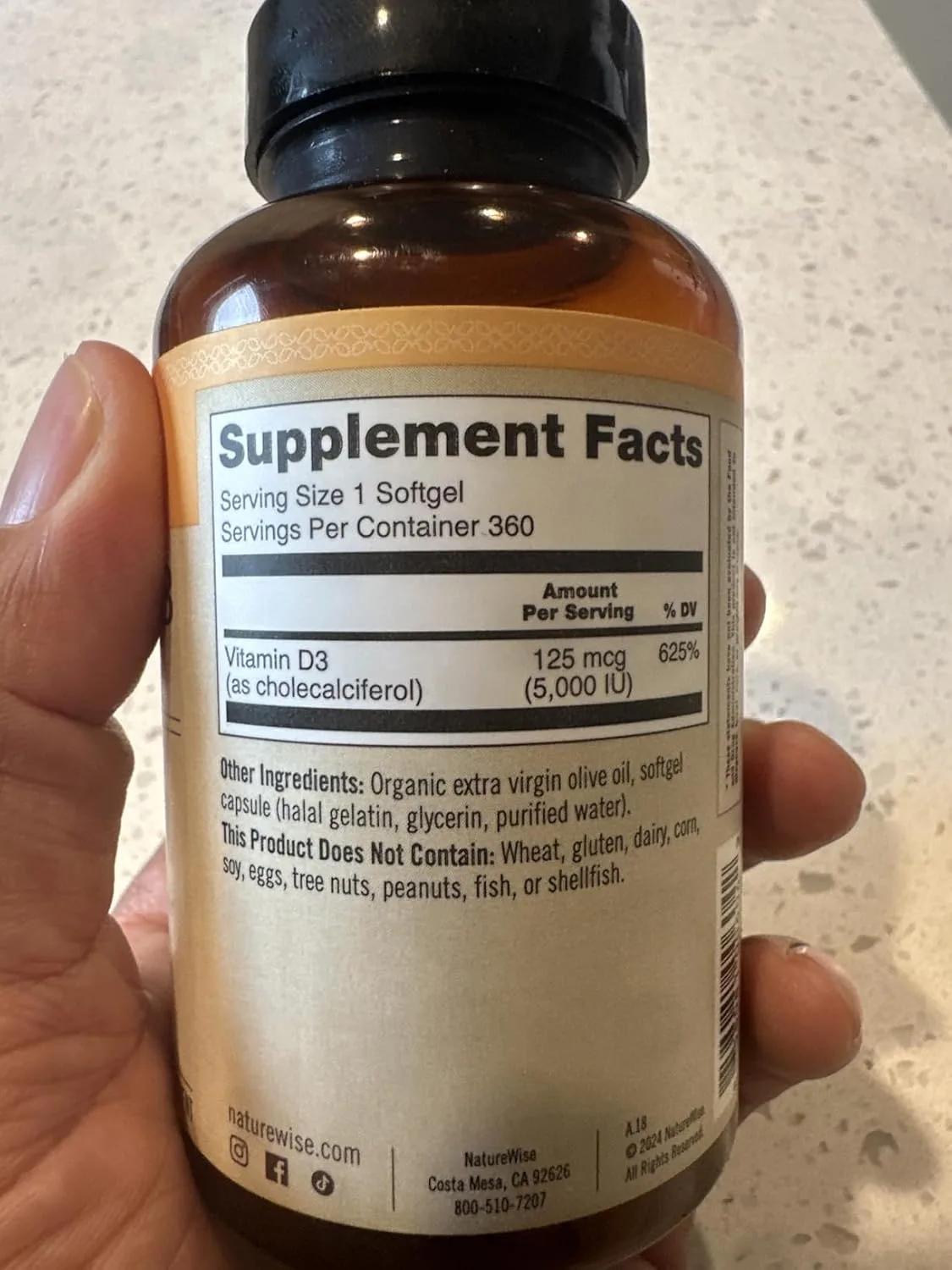
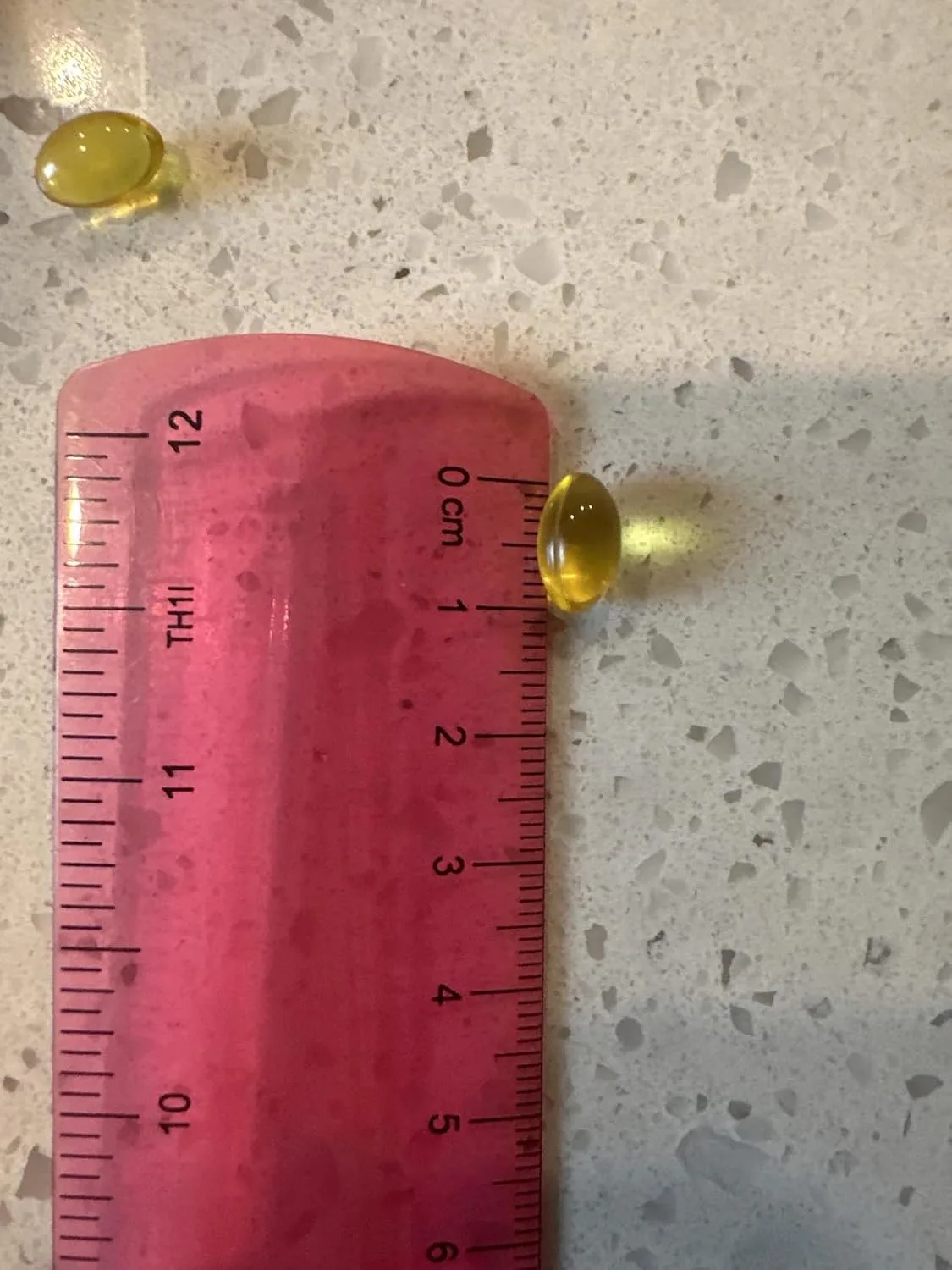
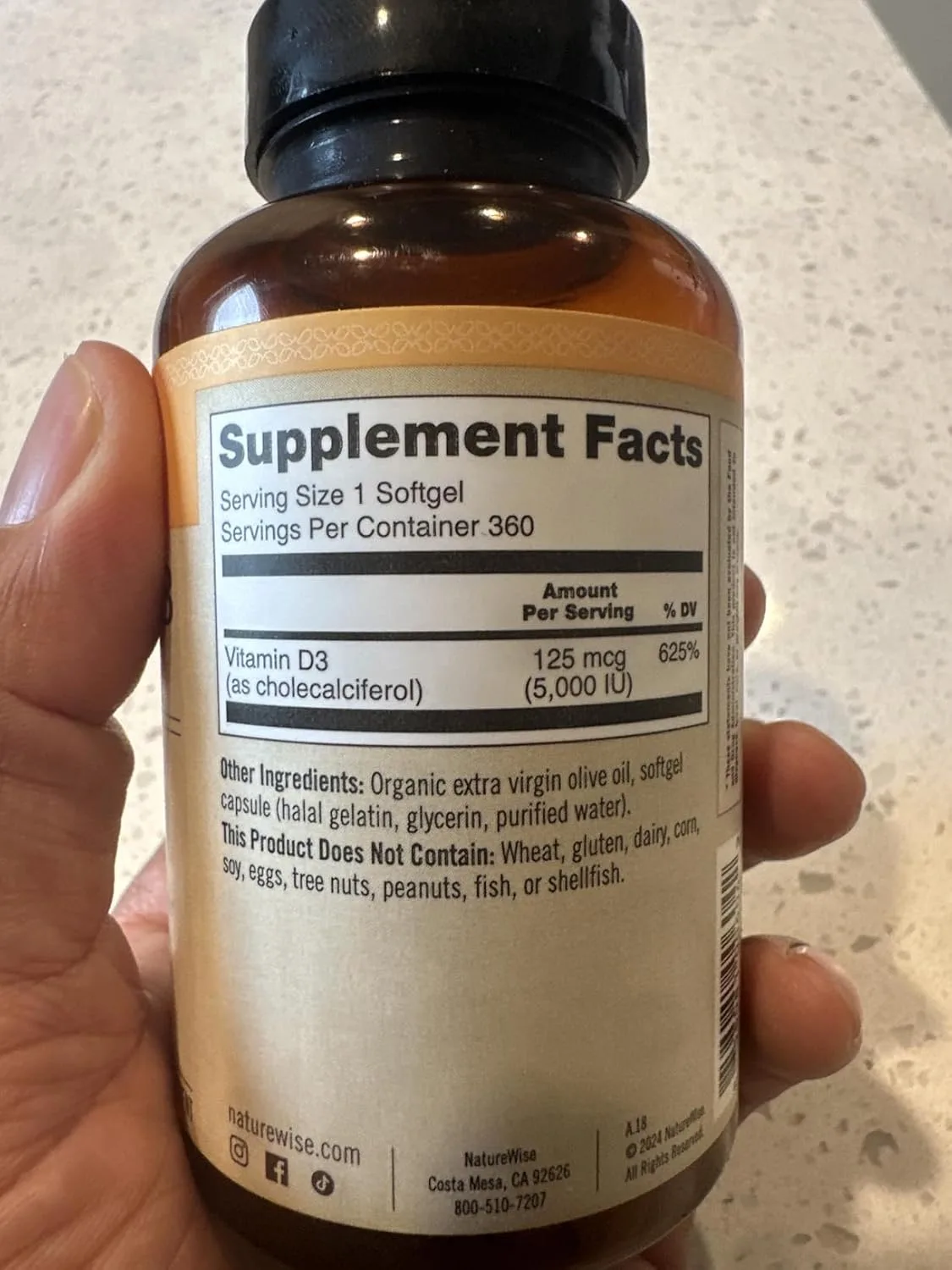
Vitamin D is one of the most consistent deficiencies I see in Crohn’s patients, and it’s worth taking seriously beyond just bone health — emerging research suggests vitamin D plays a meaningful role in modulating immune function and potentially in IBD disease activity itself. I frequently recommend NatureWise Vitamin D3 5000iu in organic extra virgin olive oil for people with confirmed deficiency, as the oil base improves absorption of this fat-soluble nutrient. For those with milder insufficiency, NatureWise Vitamin D3 2000iu can be a useful maintenance dose — but always get your levels checked before supplementing.
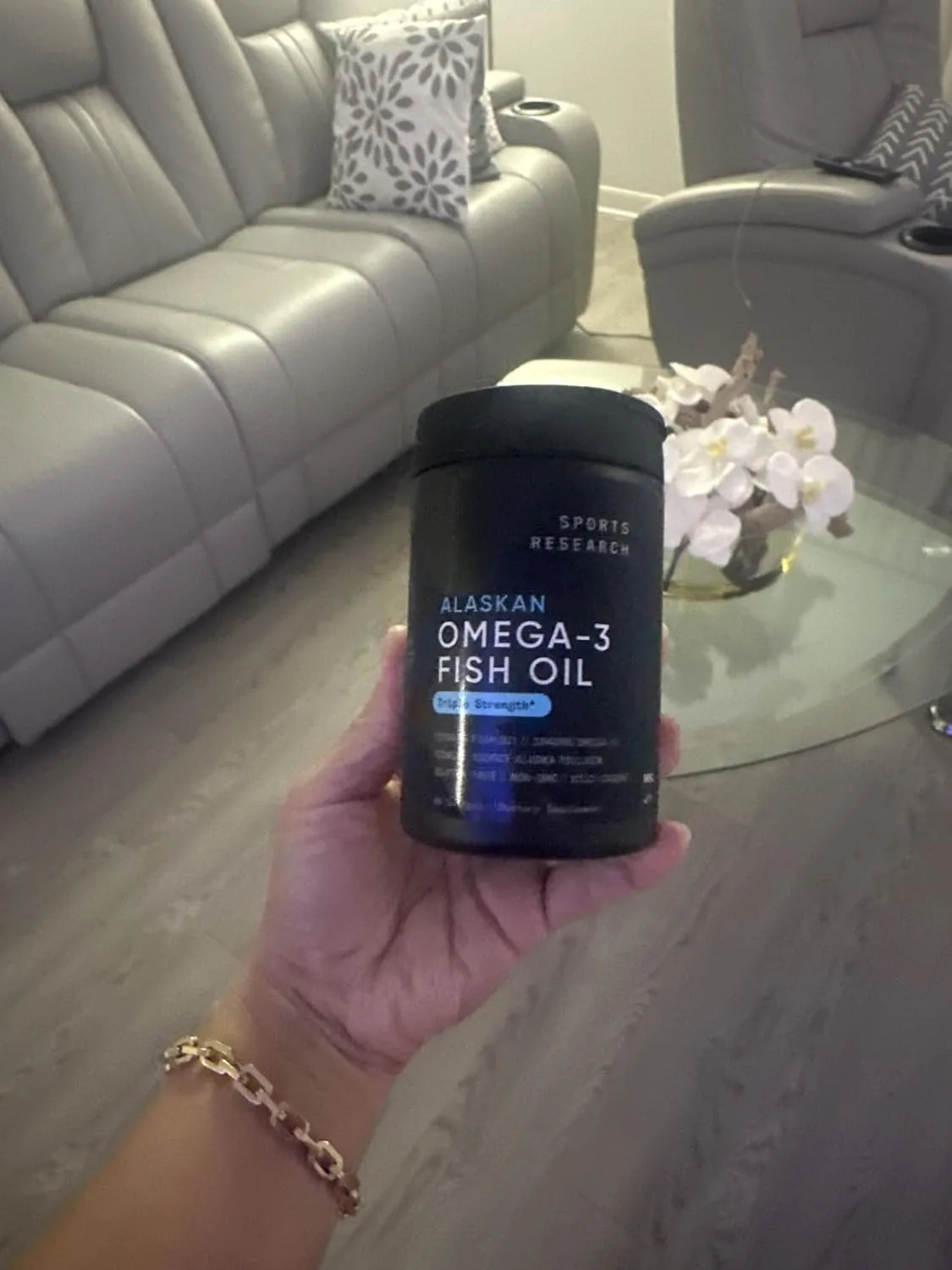
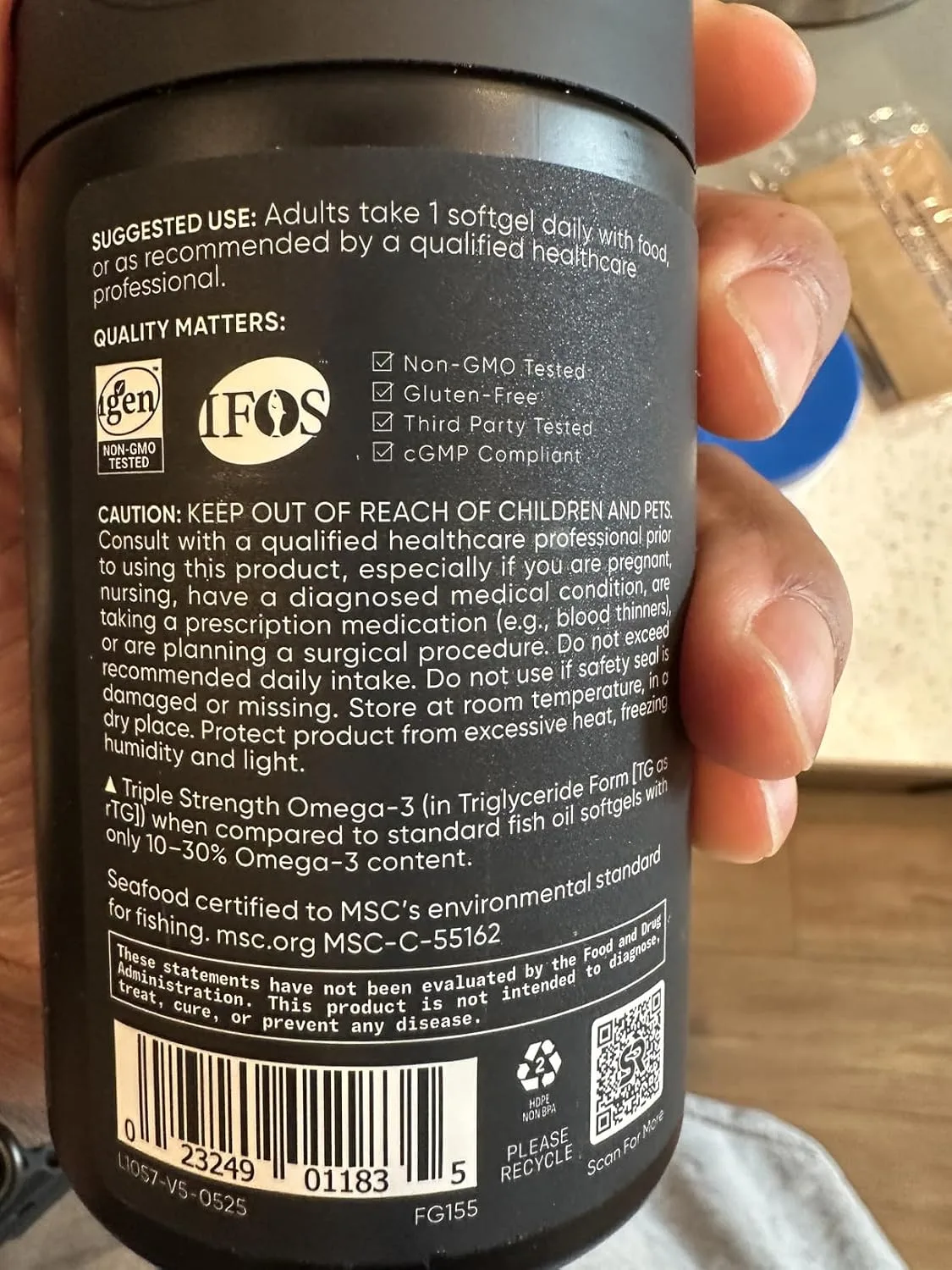
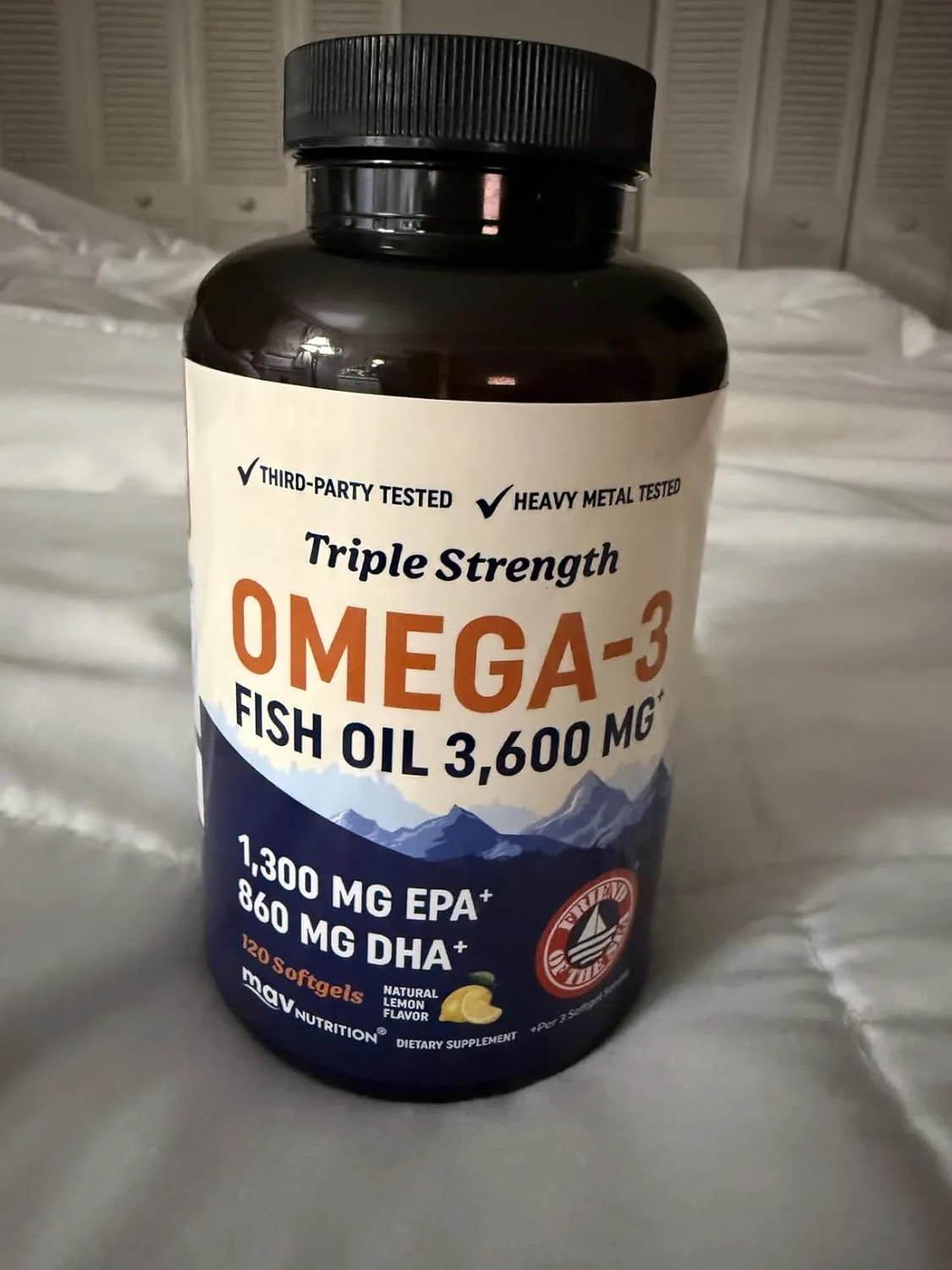
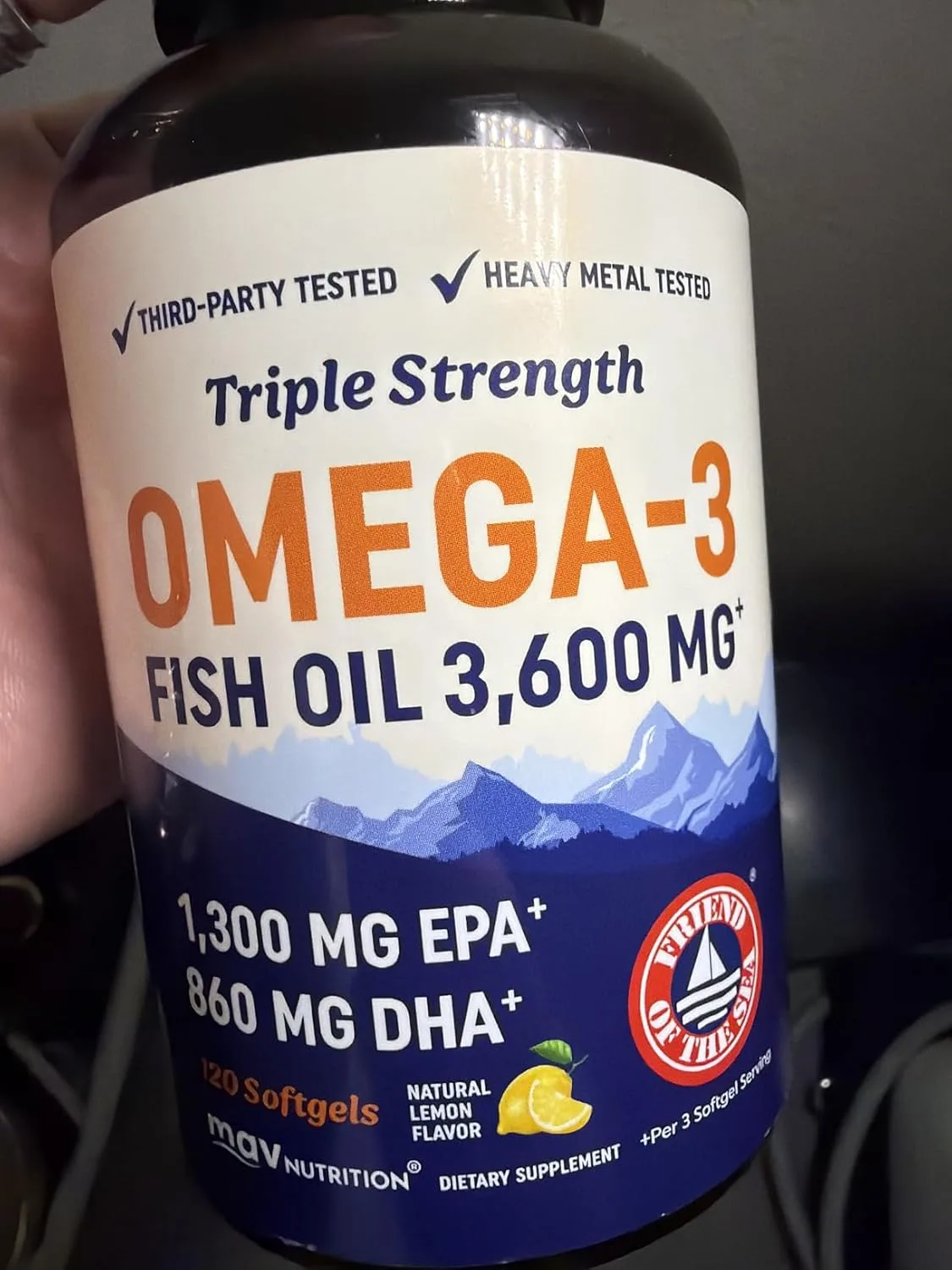
Omega-3 fatty acids are another priority in Crohn’s. The anti-inflammatory properties of EPA and DHA are well-documented, and some research has explored their role in reducing relapse rates in Crohn’s specifically. I often suggest Sports Research Triple Strength Omega-3 Fish Oil from Wild Alaska Pollock as a high-quality, sustainably sourced option, or for those needing higher DHA specifically, Triple Strength DHA Omega 3 Fish Oil 3600mg is worth considering.

Ulcerative Colitis: Iron Depletion, Mineral Loss, and Microbiome Shifts
Ulcerative colitis reshapes the nutritional picture in a notably different way. Since inflammation happens in the colon rather than the small intestine, most absorption pathways function relatively normally — however, the bleeding that accompanies active colitis creates a constant drain of iron from your body. This is among the most frequently overlooked deficiency patterns I encounter in UC people, who often attribute their exhaustion and shortness of breath to the disease itself rather than recognising that iron supplementation could restore their energy substantially.
The frequent bowel movements that accompany disease flares also strip away essential minerals. Sodium, potassium, and magnesium leak away with each loose stool, which can leave you depleted and symptomatic. This is why I prioritise hydration and electrolyte replacement strategies with UC people before layering in additional interventions.
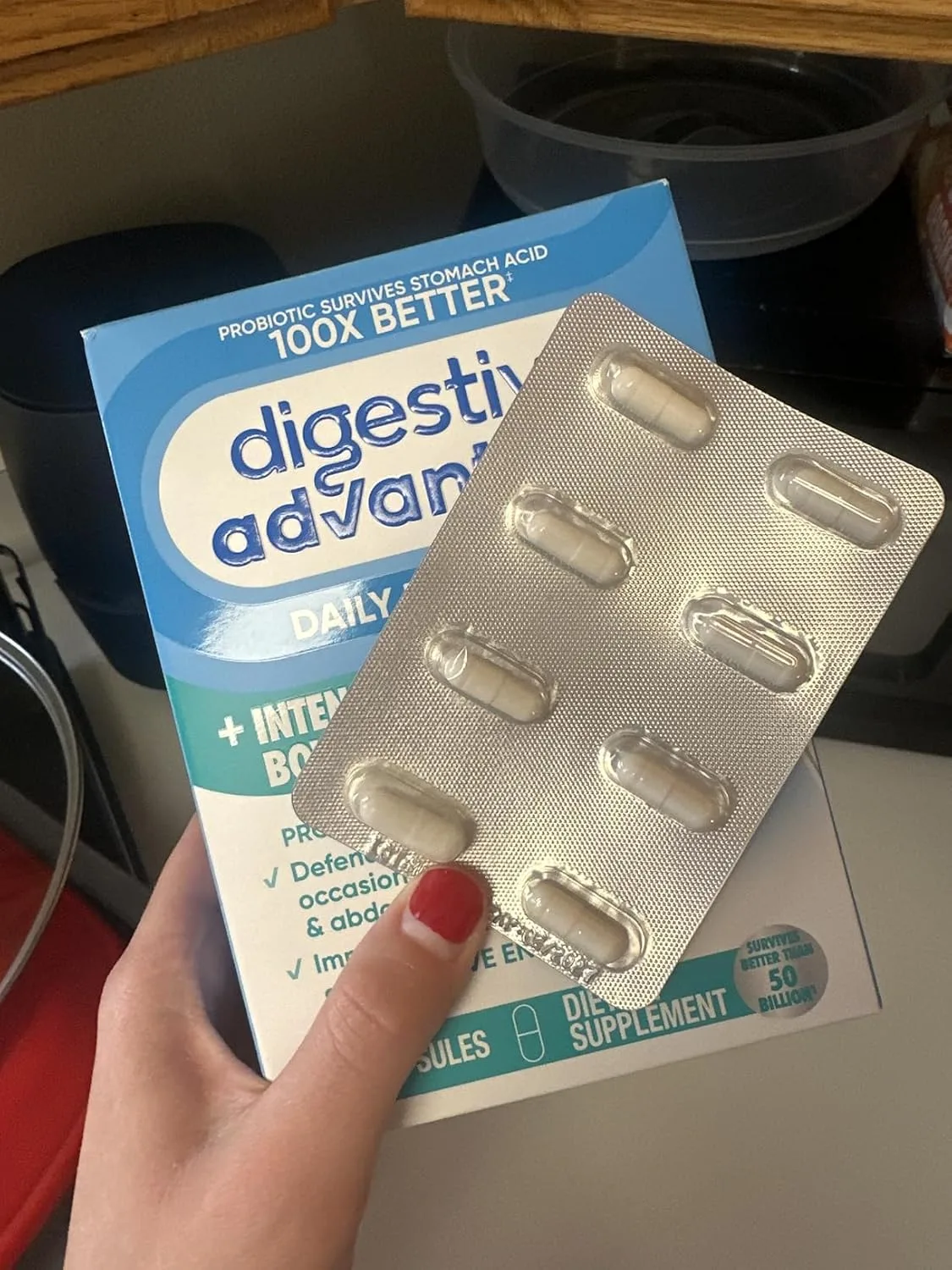
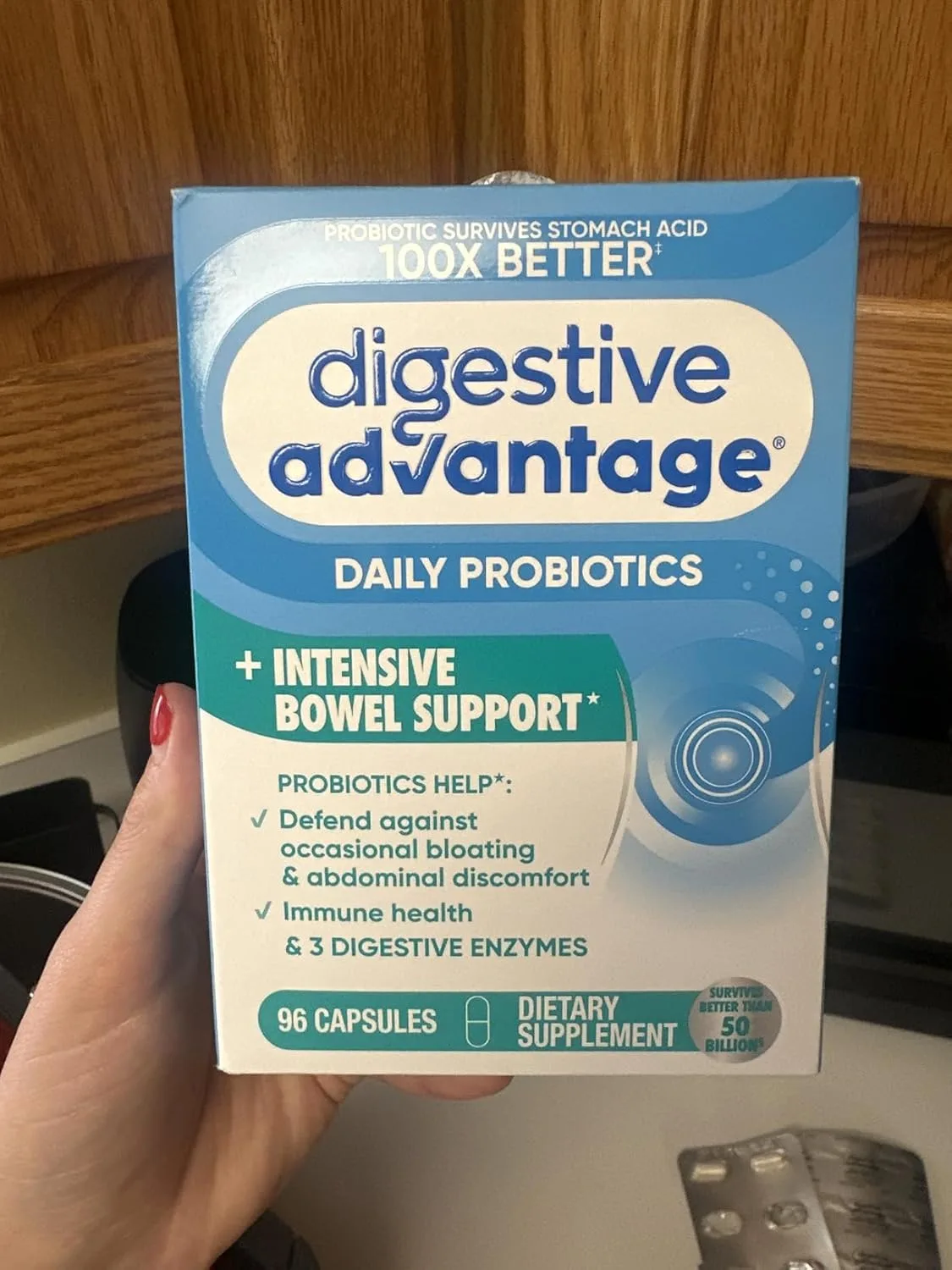
The gut microbiome also appears to be more immediately relevant to UC management than it is in Crohn’s, where the evidence is more mixed. Probiotic research in UC — particularly with certain strains like Lactobacillus and Bifidobacterium — is more encouraging. I often suggest people with UC try Digestive Advantage IBS Daily Probiotic Capsules, which are formulated for digestive resilience, or GeriCare Acidophilus with Pectin Probiotic Capsules for a gentler, well-tolerated option that also supports intestinal flora restoration. Always introduce probiotics slowly and monitor your response carefully.

Fibre Tolerance Diverges Significantly Between the Two Conditions
When people compare notes with others who have IBD, fibre advice often creates confusion — one person was told to eat more, another was told to cut back drastically, and both recommendations came from healthcare providers. The reason: fibre strategy depends heavily on your specific condition and disease state.
Crohn’s disease — particularly versions involving strictures or narrowed passages in the bowel — requires caution around high-fibre foods because they can potentially contribute to blockages or exacerbate symptoms. During flares, adopting a low-residue approach makes sense, which means substantially limiting raw vegetables, whole grain products, nuts, seeds, and fibrous skins. When your disease settles into remission, fibre can be cautiously re-introduced in small amounts, though the stricture risk means some patients need to remain permanently mindful about quantity and type.
Ulcerative colitis presents a more layered situation. Soluble fibre varieties — the kind you find in rolled oats, peeled fruit, and well-cooked vegetable pieces — tends to be more manageable and may support the production of short-chain fatty acids that your colon actually benefits from. Rougher, insoluble fibres can feel more irritating when disease is active, yet many UC patients experience reasonable tolerance to moderate fibre amounts during quiet periods of their disease.
What I emphasise to every person is this reality: fibre tolerance shifts alongside your disease activity, and your individual response may diverge completely from someone else’s experience — even someone with the same diagnosis. Remission tolerance is not flare tolerance, and what works for your cousin with IBD might trigger a relapse for you.
Supplement Strategies Built Around Condition-Specific Needs
Beyond addressing the unique deficiency patterns each condition creates, there are certain supplements that become relevant for IBD patients broadly — whether you’re currently managing inflammation or working to protect your nutritional reserves during remission.
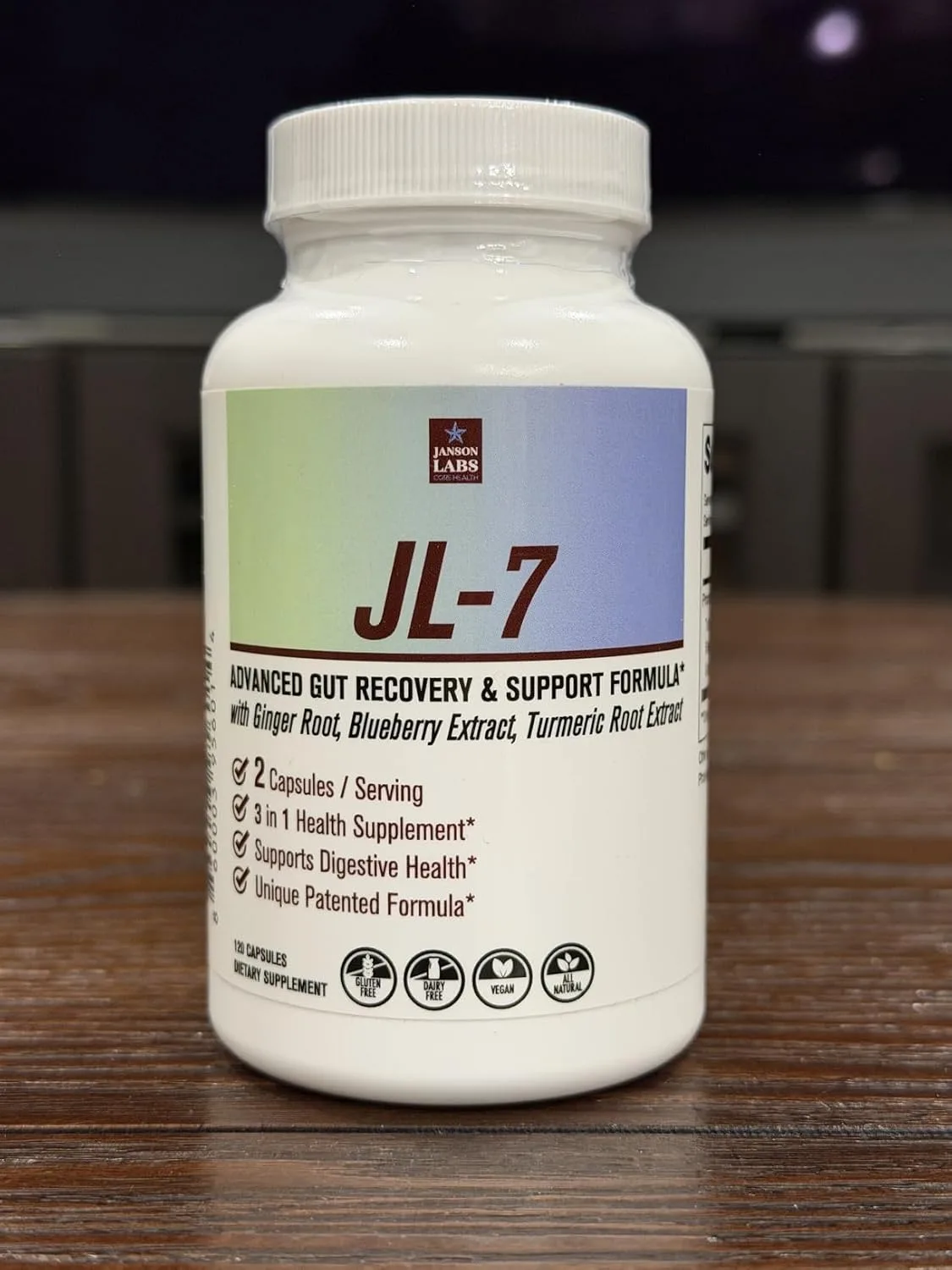
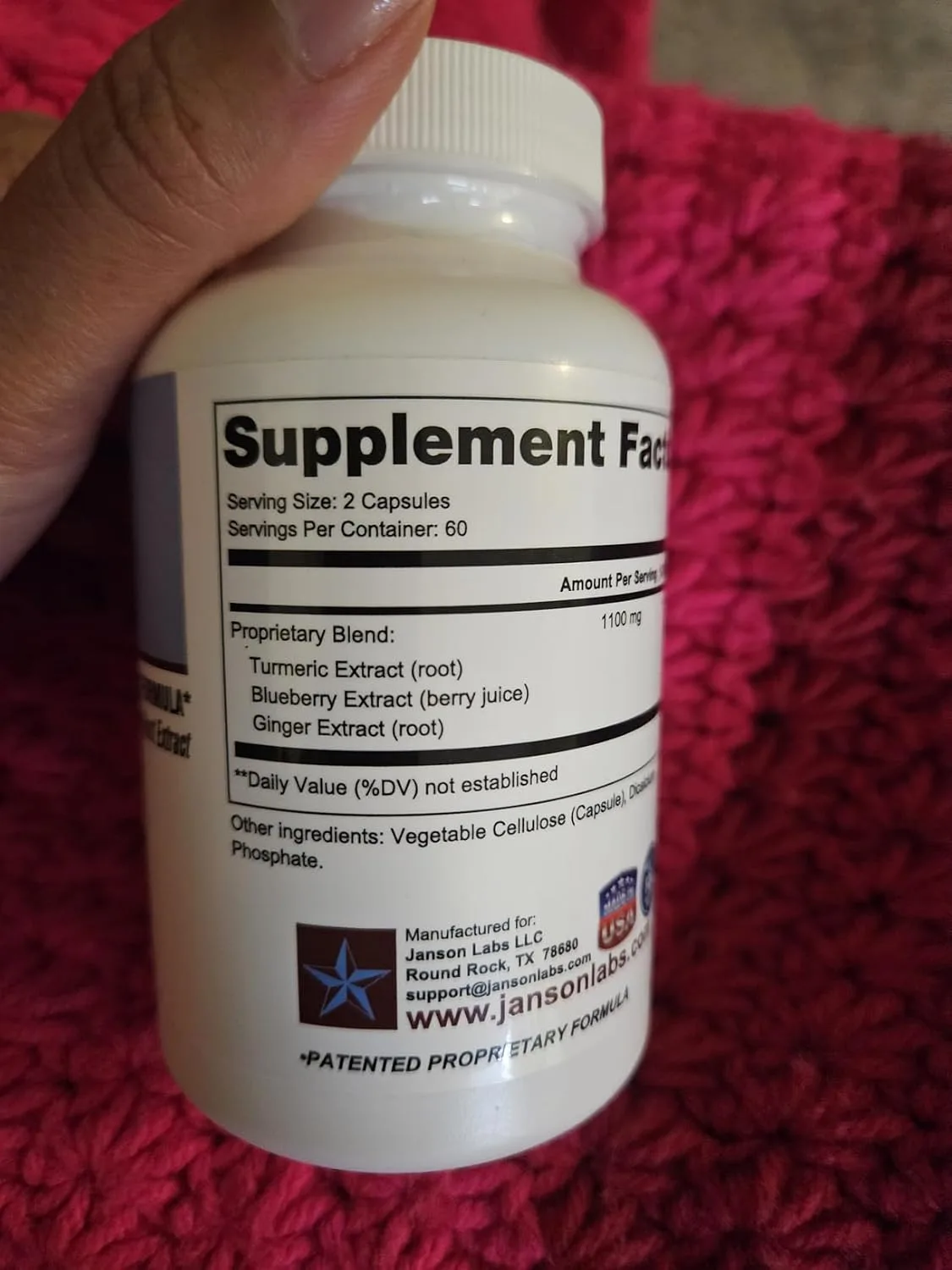
One product I find genuinely useful to bring to other people’ attention is the JL-7 Crohn’s and Colitis Supplement, a patented, all-natural formula specifically developed for gut health in IBD conditions including UC and CD. While I always emphasise that supplements support — but do not replace — medical treatment and dietary strategy, formulations designed with IBD in mind can be a useful addition to a broader management plan.
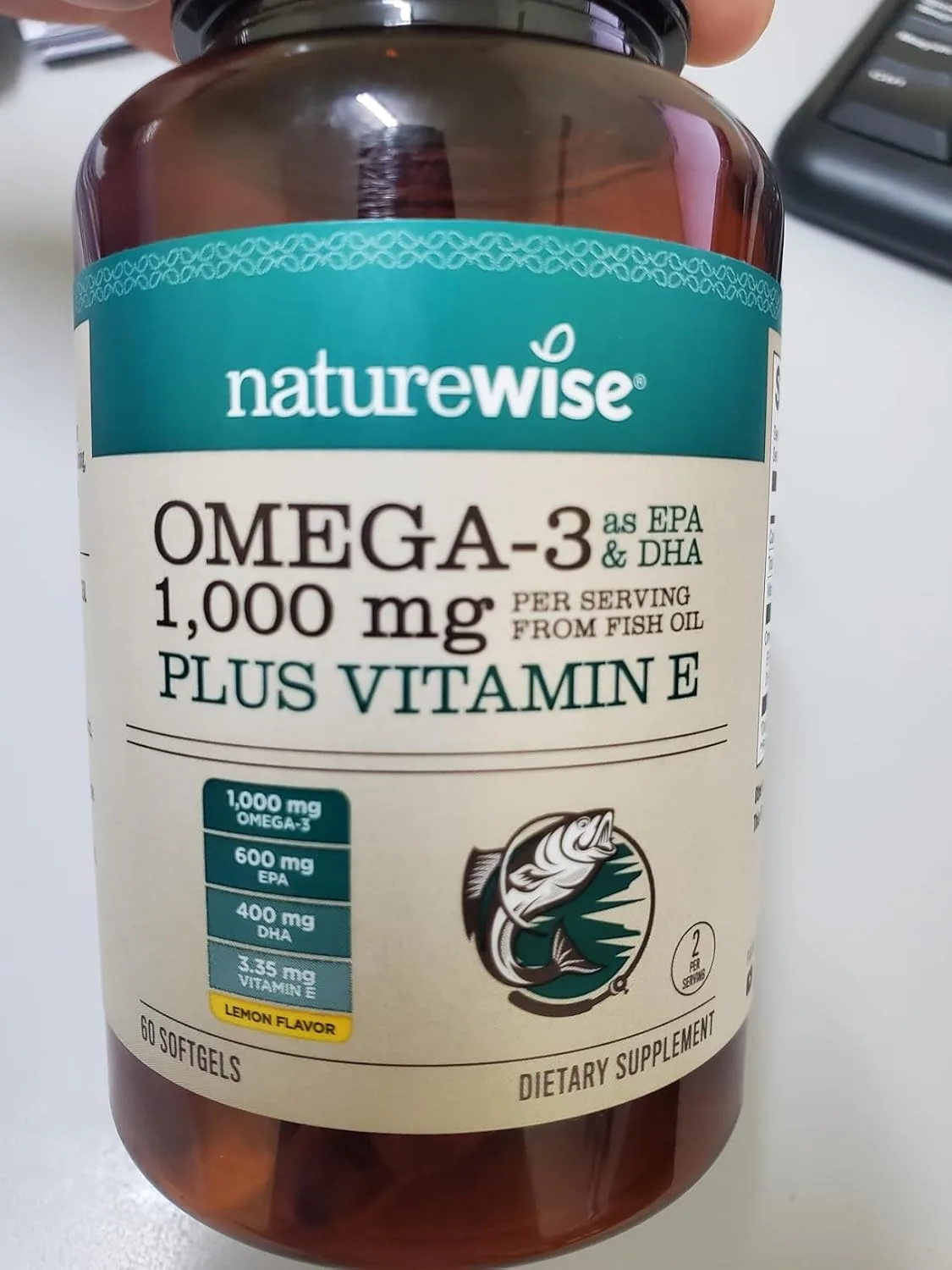
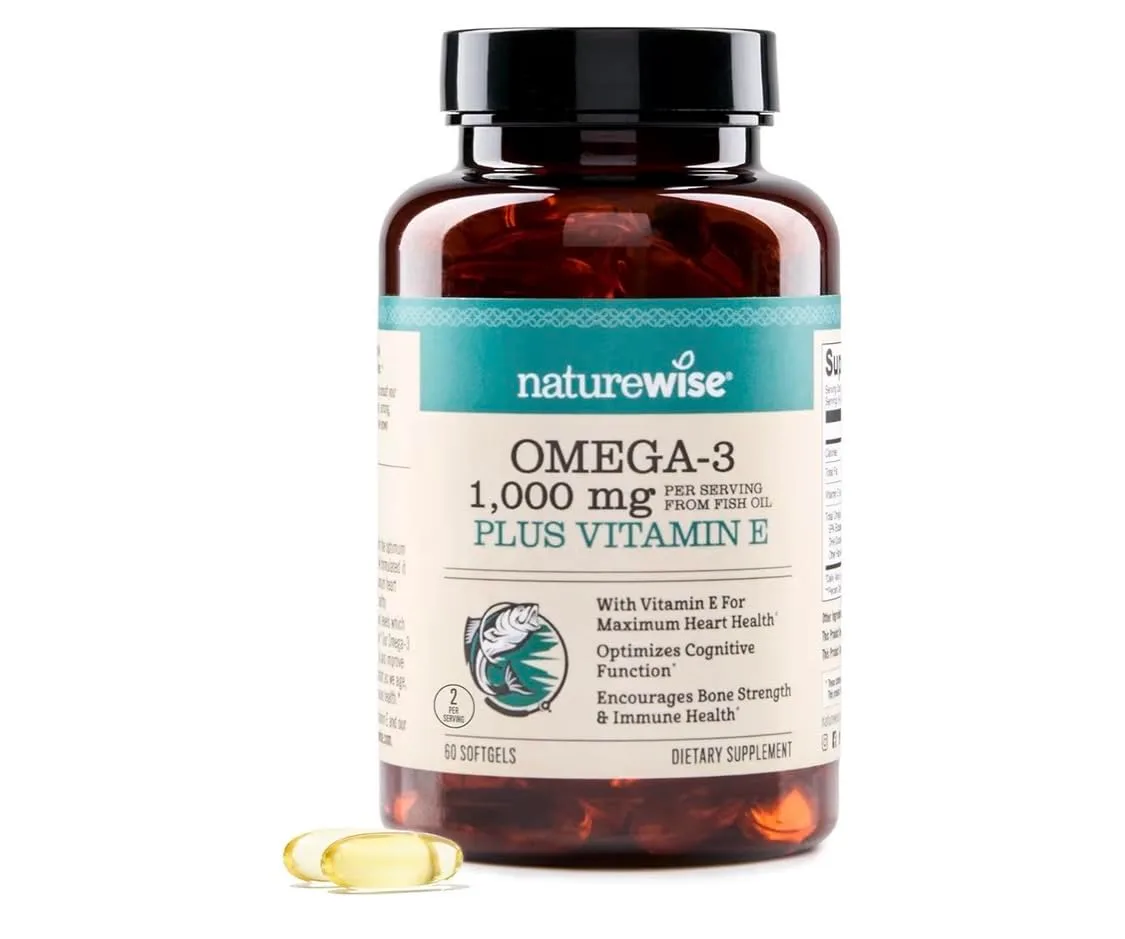
For omega-3 supplementation in patients who find standard fish oil capsules hard to tolerate, NatureWise Extra-Strength Omega 3 Fish Oil with Vitamin E in lemon flavour is a gentler, burp-free option that many of the people I hear from find far more comfortable — an important consideration when your digestive system is already sensitive.
To make this practical, here’s what typically becomes part of my strategy depending on your diagnosis:
- Crohn’s disease: Vitamin D supplementation, vitamin B12 support, zinc repletion, magnesium, iron replacement when needed, omega-3 fatty acid sources, and selective probiotic strains chosen with care
- Ulcerative colitis: Iron management, mineral and electrolyte restoration, omega-3 fatty acids, vitamin D protection, and evidence-based probiotic selection
- Both conditions: An eating pattern centred on reducing inflammation, consistent fluid intake matching losses, and periodic bloodwork to catch nutritional gaps before they become symptomatic

A Critical Note: These Conditions Require Individualised, Not Standardised, Approaches
What I want to stay with you after reading this post is this essential truth: crohn’s disease versus ulcerative colitis nutrition demands meaningfully different thinking, not just small adjustments to a template diet. These represent two distinct disease processes that call for specifically tailored nutritional and supplemental plans, and applying an undifferentiated IBD framework to both can genuinely slow your healing and leave you with persistent deficiencies.
The people who see the best outcomes in my experience are the ones who understand the biological basis of their specific diagnosis, maintain collaborative relationships with their gastroenterology team and someone with deep IBD nutrition experience, and construct a targeted plan based on their condition rather than a one-size-fits-all template. Bloodwork at regular intervals to assess your nutritional standing becomes absolutely crucial — deficiencies in IBD occur frequently, often without obvious symptoms, and respond very well to early intervention once identified.
My strong suggestion is to arrange a dedicated appointment with someone experienced in working with IBD from a nutrition perspective. Bring your diagnostic details, any blood test results from recent months, and a record of what you’ve been eating if you have one available. The clearer the picture of your individual situation, the more precisely targeted and effective your nutritional strategy can become.
As you explore the supplement options discussed in this article, move forward thoughtfully and progressively — and make sure you discuss any new supplement with your medical team before beginning it, especially if you’re currently on IBD-specific medications. The goal is a nutrition plan constructed specifically for your gut’s reality, not a generic approach that happens to fit most people adequately.







About This Article

Written by Alex Mercer. Alex Mercer has lived with IBS since childhood and isn't a nutritionist or a doctor. After years of being told he was anxious or would grow out of it, he spent more than 12 years reading the research properly, and now shares what he has learned with the family, friends and support-group members who come to him with the same questions. He translates peer-reviewed research into practical, honest advice, and is always upfront about what the evidence does and does not show. More about this site.
Scope and limits. Alex is not a doctor, dietitian, or nutritionist, and nothing here is medical advice. Talk to a clinician before changing your diet, starting a supplement, or acting on symptoms — especially persistent or worsening ones.
Verify this against a primary source
Specifics change, and your situation may differ from the one described here. These are the authorities worth checking directly:
- NIDDK — digestive disease research and clinical guidance
- MedlinePlus — plain-language medical reference from the NIH
- Mayo Clinic — symptom and condition reference