- Nature’s Way Ginger Root Capsules, 1100mg per serving — A trusted brand with a strong dose, Non-GMO Project Verified, and vegan-friendly. The 240-count bottle makes it an excellent long-term option if ginger becomes a regular part of your routine.
- Amazon Basics Ginger Root Capsules, 550mg — If you’re budget-conscious or just want to try ginger before committing to a larger bottle, this is a perfectly respectable entry-level
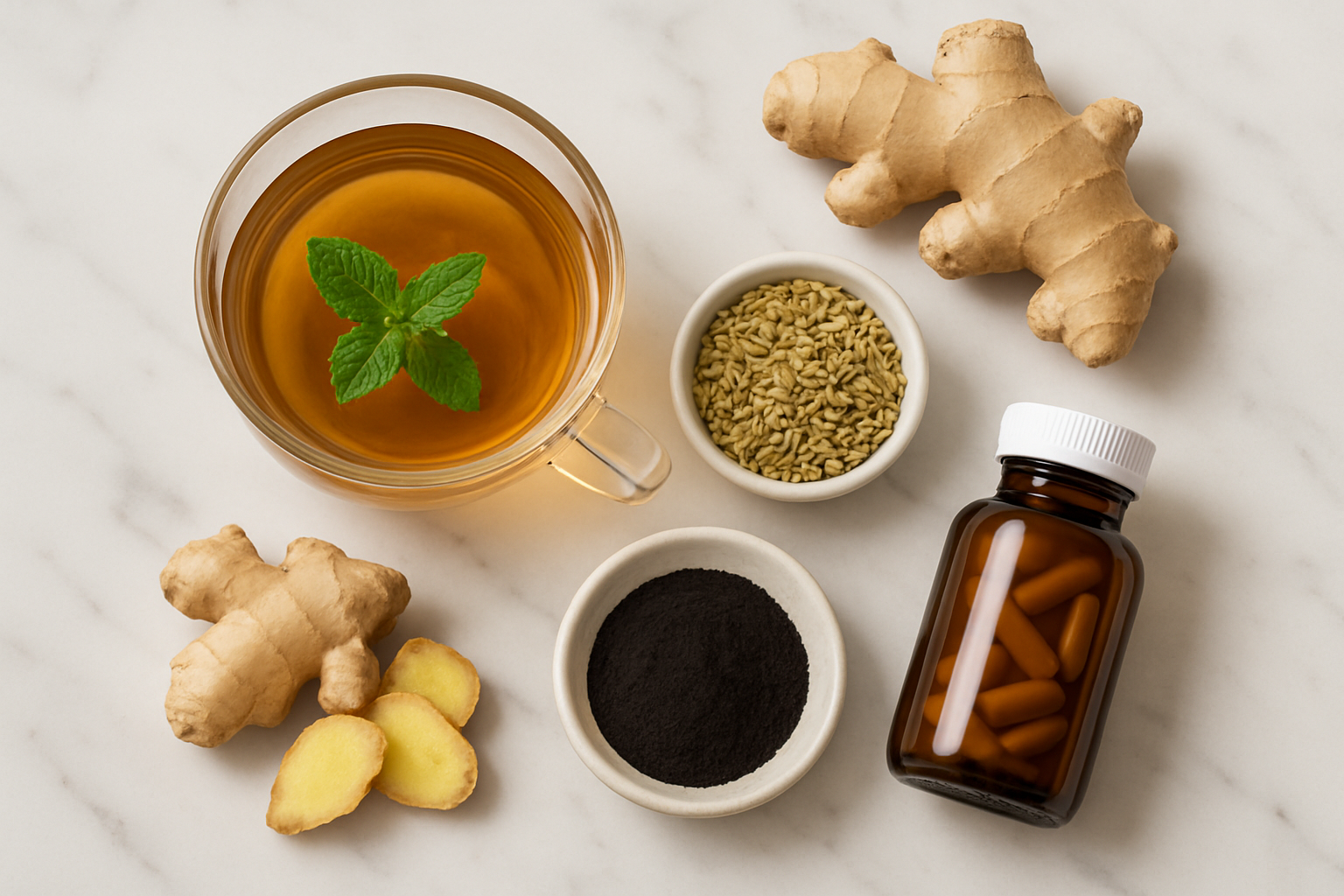
You know that feeling — you eat a perfectly normal meal, maybe nothing out of the ordinary, and an hour later your stomach is puffed out like a balloon and you’re quietly unbuttoning your jeans under the table. I’ve been there more times than I’d like to admit. That uncomfortable, heavy, gassy fullness is one of the most common digestive complaints out there, and honestly, it can derail your whole day. The good news? Some of the most effective herbal remedies for bloating have been sitting in kitchens and apothecaries for centuries — and modern research is finally catching up to what our grandmothers already knew. Today I want to walk you through three powerful herbs — peppermint, ginger, and fennel — that many people find genuinely helpful when it comes to taming that post-meal puffiness.
This post contains affiliate links. As an Amazon Associate, I earn from qualifying purchases. This means if you click a link and make a purchase, I may earn a small commission at no extra cost to you. I only recommend products I believe are worth your time and money.
Why Your Gut Loves These Three Herbs
Before we dive into each herb individually, it helps to understand what’s actually happening when you bloat. Most of the time, bloating is caused by excess gas in the digestive tract, slowed gut motility (things moving too slowly through your system), or muscle tension in the intestinal walls. Sometimes it’s a combination of all three. The herbs we’re talking about today each target one or more of these root causes — and that’s exactly what makes them such a powerful team.
Peppermint: The Muscle Relaxer
Peppermint is probably the most well-researched of the three, and it earns that reputation. The active compound in peppermint — menthol — has a natural antispasmodic effect on the smooth muscle lining of your gut. Research suggests that peppermint oil may help relax the intestinal muscles, allowing trapped gas to move through more easily and reducing that crampy, tight sensation that so often accompanies bloating. Several clinical studies have looked specifically at enteric-coated peppermint oil capsules (the coating allows the oil to bypass the stomach and work in the intestines where it’s needed most), and many people find consistent relief with regular use.
One thing I always emphasize: the form matters. Peppermint tea is lovely and soothing, but if you want targeted intestinal support, enteric-coated capsules tend to deliver the active compounds where they’re actually needed.
Ginger: The Motility Booster
Ginger has been used in traditional medicine across Asia, the Middle East, and beyond for thousands of years — and the science behind it is genuinely impressive. Research suggests that compounds in ginger called gingerols and shogaols may help stimulate gastric motility, meaning they can help food move through your stomach and intestines at a healthier pace. Slow motility is one of the most underappreciated causes of bloating, and when things are moving the way they should, gas doesn’t get the chance to build up and cause discomfort. Many people also find ginger helpful for the nausea that sometimes accompanies a bloated, unhappy gut.
Fennel: The Gas Buster
Fennel might be the least familiar of the three, but it’s been a go-to digestive remedy in Mediterranean and South Asian cultures for generations — and for good reason. Fennel seeds contain volatile oils, particularly anethole, that research suggests may have carminative properties. In plain English: carminatives help relax the muscles in the digestive tract to allow gas to pass more easily. Many people find that fennel is especially helpful after high-fiber meals or after eating foods that tend to cause gassiness. In India, it’s so common to chew fennel seeds after a meal that restaurants often keep a bowl of them by the exit — that’s centuries of practical wisdom right there.
Herbal Remedies for Bloating: Products Worth Trying
There are a lot of supplements out there, and the quality gap between brands is real. Here are the options I’d point a friend toward, based on formulation, ingredient quality, and what the research supports:
Best Combination Formula
If you want all three herbs in one convenient capsule, NOW Foods Peppermint Gels with Ginger & Fennel Oils is genuinely one of my favorite picks. It combines enteric-coated peppermint oil with ginger and fennel oils in a single softgel, giving you the full synergistic benefit of the trio in one daily supplement. It’s a solid value and a great starting point if you’re new to herbal digestive support.
Best Peppermint-Only Options
Sometimes you want to isolate one herb and see how your body responds. For peppermint specifically, I’d look at two options depending on your budget and goals:
- MASON NATURAL Peppermint Oil 50mg Enteric Coated Softgels — A straightforward, affordable 90-day supply that delivers enteric-coated peppermint oil without a lot of extras. Great for anyone who wants to keep things simple and stock up at a reasonable price.
- IBgard Gut Health Supplement — This one uses a specialized microsphere delivery technology designed to release peppermint oil gradually throughout the small intestine. It’s often recommended alongside gut-focused dietary approaches, and many people dealing with more persistent bloating and abdominal discomfort find it particularly supportive.
Best Ginger Supplements
If you want to focus specifically on ginger — especially if slow digestion or post-meal heaviness is your main complaint — here are two solid picks at different price points:
- Nature’s Way Ginger Root Capsules, 1100mg per serving — A trusted brand with a strong dose, Non-GMO Project Verified, and vegan-friendly. The 240-count bottle makes it an excellent long-term option if ginger becomes a regular part of your routine.
- Amazon Basics Ginger Root Capsules, 550mg — If you’re budget-conscious or just want to try ginger before committing to a larger bottle, this is a perfectly respectable entry-level
Category: Bloating & Gas Relief
Related Posts
Why You’re Always Bloated: The 8 Most Common Causes Nobody Talks About
You wake up feeling totally fine, eat a normal breakfast,…
Bloating vs Weight Gain: How to Tell the Difference and What to Do
You wake up, catch a glimpse of yourself in the…

How Eating Speed and Meal Habits Are Making Your Bloating Worse
You just finished lunch — a perfectly normal meal —…