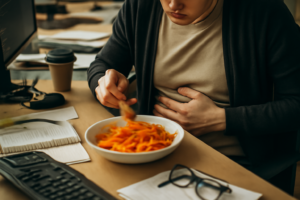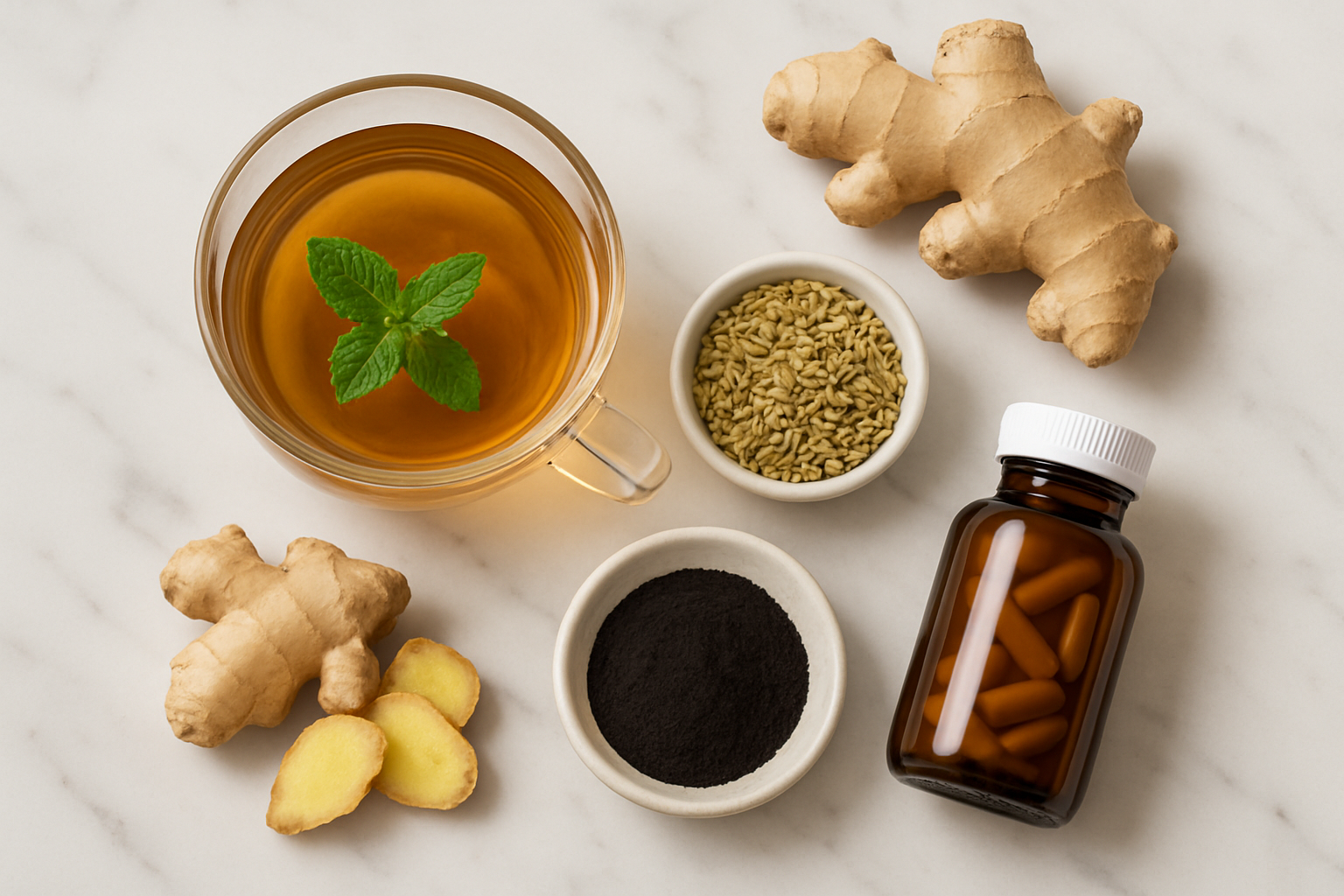
You wake up feeling totally fine, eat a normal breakfast, and by mid-morning your stomach looks like you swallowed a balloon. Sound familiar? If you’ve been dealing with this on a regular basis, you’re definitely not alone — and you’re probably frustrated that nobody seems to have a straight answer for you. Understanding the real causes of chronic bloating can feel like trying to solve a mystery with half the clues missing. But after diving deep into the research and talking with countless people who’ve struggled with the same thing, I’ve found that the culprits are often hiding in plain sight.
The Causes of Chronic Bloating Most People Never Suspect
Bloating gets blamed on the obvious stuff — beans, broccoli, carbonated drinks. And sure, those can be triggers. But if you’re bloated almost every single day, there’s usually something deeper going on. Here are eight surprisingly common causes that don’t get nearly enough attention.
1. You’re Eating Too Fast
This one sounds almost too simple, but it’s genuinely one of the most overlooked triggers. When you eat quickly, you swallow a significant amount of air along with your food. That air has to go somewhere — and it usually ends up trapped in your digestive tract, causing that tight, uncomfortable pressure. Research suggests that slowing down and chewing thoroughly can make a noticeable difference for many people. Try putting your fork down between bites and see how you feel after a week.
2. An Imbalanced Gut Microbiome
Your gut is home to trillions of bacteria, and when the balance between the “good” and “bad” strains tips in the wrong direction, excess gas production often follows. Antibiotics, stress, poor diet, and even aging can all disrupt that balance. Many people find that supporting their gut with a quality probiotic helps ease that daily bloat over time. Research suggests that certain probiotic strains may help promote a healthier digestive environment.
3. Low Digestive Enzyme Production
If your body isn’t producing enough digestive enzymes, food doesn’t break down the way it should. Incompletely digested food travels into the large intestine, where gut bacteria ferment it — and that fermentation produces gas. This is especially common as we get older, and it can be made worse by chronic stress, which signals the body to dial back “non-essential” functions like digestion.
4. Hidden Food Sensitivities
Unlike true food allergies, sensitivities don’t cause an immediate dramatic reaction — they cause a slow, nagging kind of misery. Lactose, gluten, FODMAPs (fermentable carbohydrates found in everything from apples to onions), and artificial sweeteners are among the most common culprits. Keeping a food and symptom diary for two to three weeks can be incredibly revealing. Many people are genuinely surprised by what they find.
5. Chronic Stress and the Gut-Brain Connection
The gut and brain are in constant communication through the vagus nerve, which is why anxiety can literally make your stomach hurt. Stress slows digestion, increases gut sensitivity, and can alter the composition of your microbiome. If your bloating tends to spike during stressful periods, this connection may be worth exploring with a healthcare provider.
6. Not Drinking Enough Water
Dehydration can cause constipation, and constipation is a major driver of bloating. When waste sits in the colon longer than it should, fermentation continues and gas builds up. Aim for consistent hydration throughout the day rather than chugging large amounts all at once, which can actually worsen bloating temporarily.
7. Too Much Sodium
High sodium intake causes your body to retain water, which contributes to that puffed-up feeling — especially around the midsection. Processed foods, restaurant meals, and even “healthy” packaged snacks can be sneaky sodium bombs. Reducing sodium and increasing potassium-rich foods like bananas and leafy greens may help your body find better fluid balance.
8. Sedentary Lifestyle
Movement physically helps move gas through your digestive tract. When you’re sitting most of the day, things slow down — including your digestion. Even a 10 to 15 minute walk after meals has been shown in research to support faster gastric emptying and may help reduce post-meal bloating. It’s one of the easiest and most accessible things you can do starting today.
Products Worth Trying for Bloating Relief
I want to be upfront: no supplement is a magic fix, and none of these are intended to diagnose or treat any condition. But based on the research and feedback from people who’ve dealt with chronic bloating, these are the options I genuinely think are worth considering as part of a broader wellness approach.
The Probiotic Strain Specifically Studied for Bloating and Gas
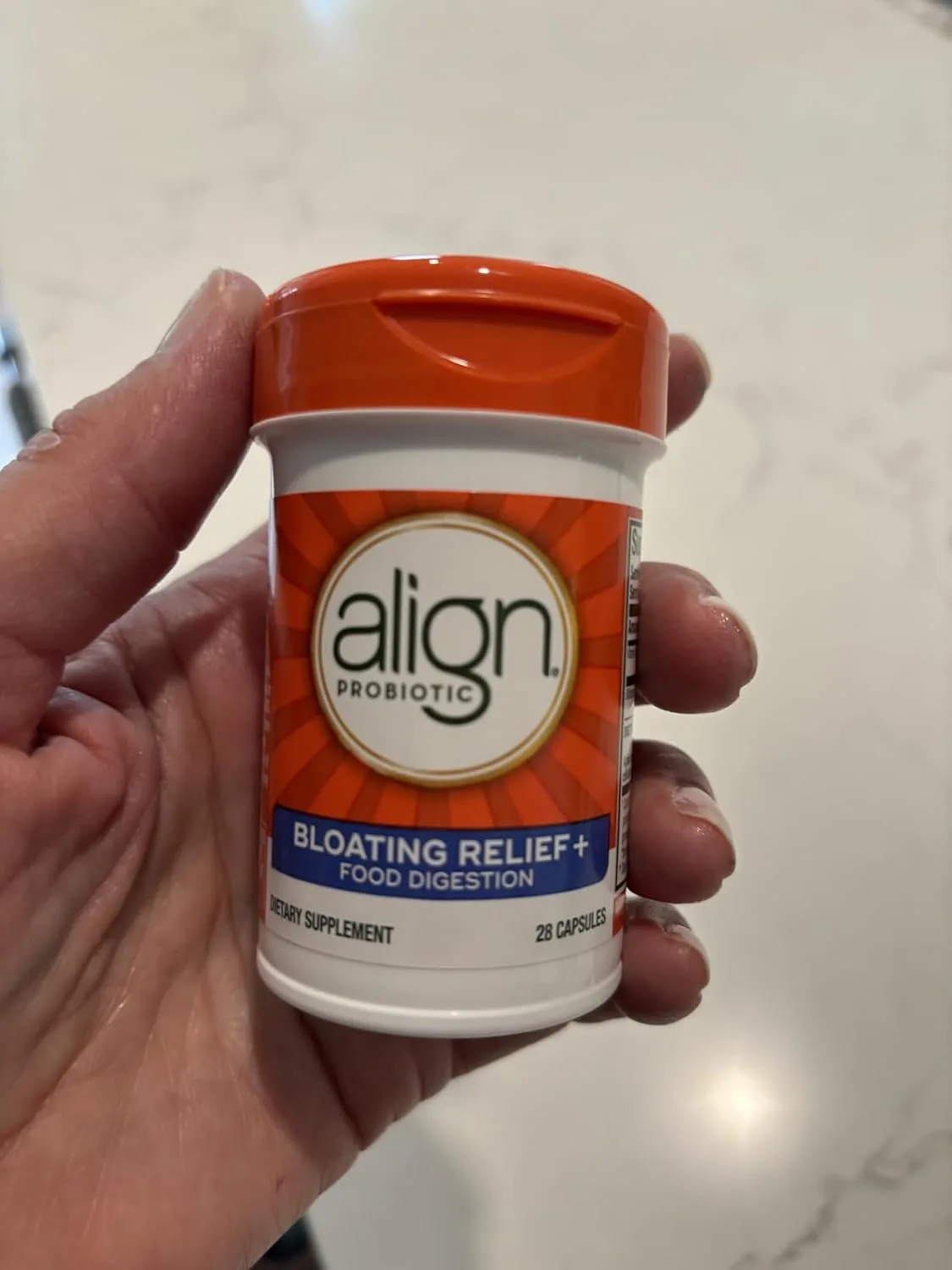
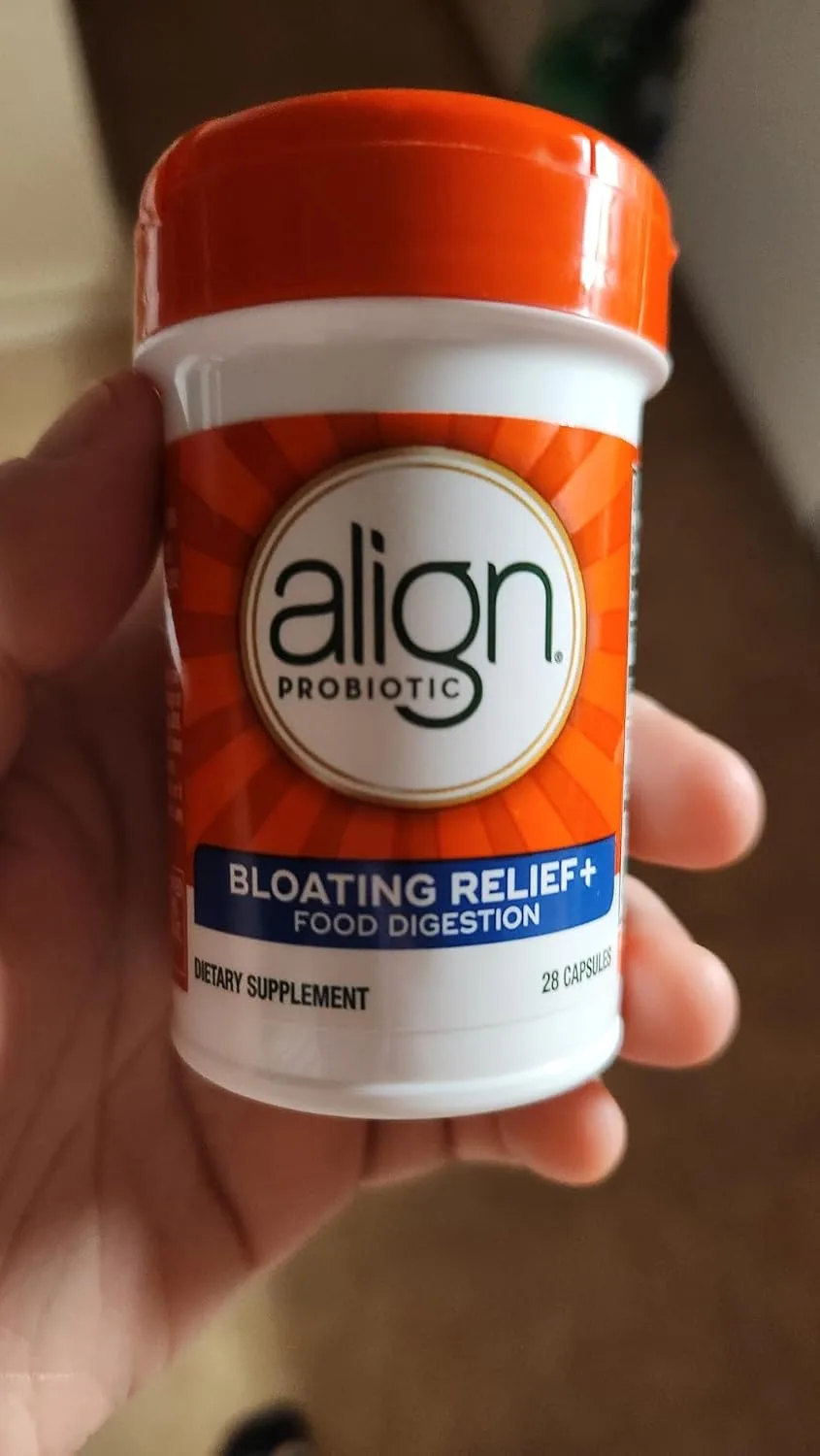
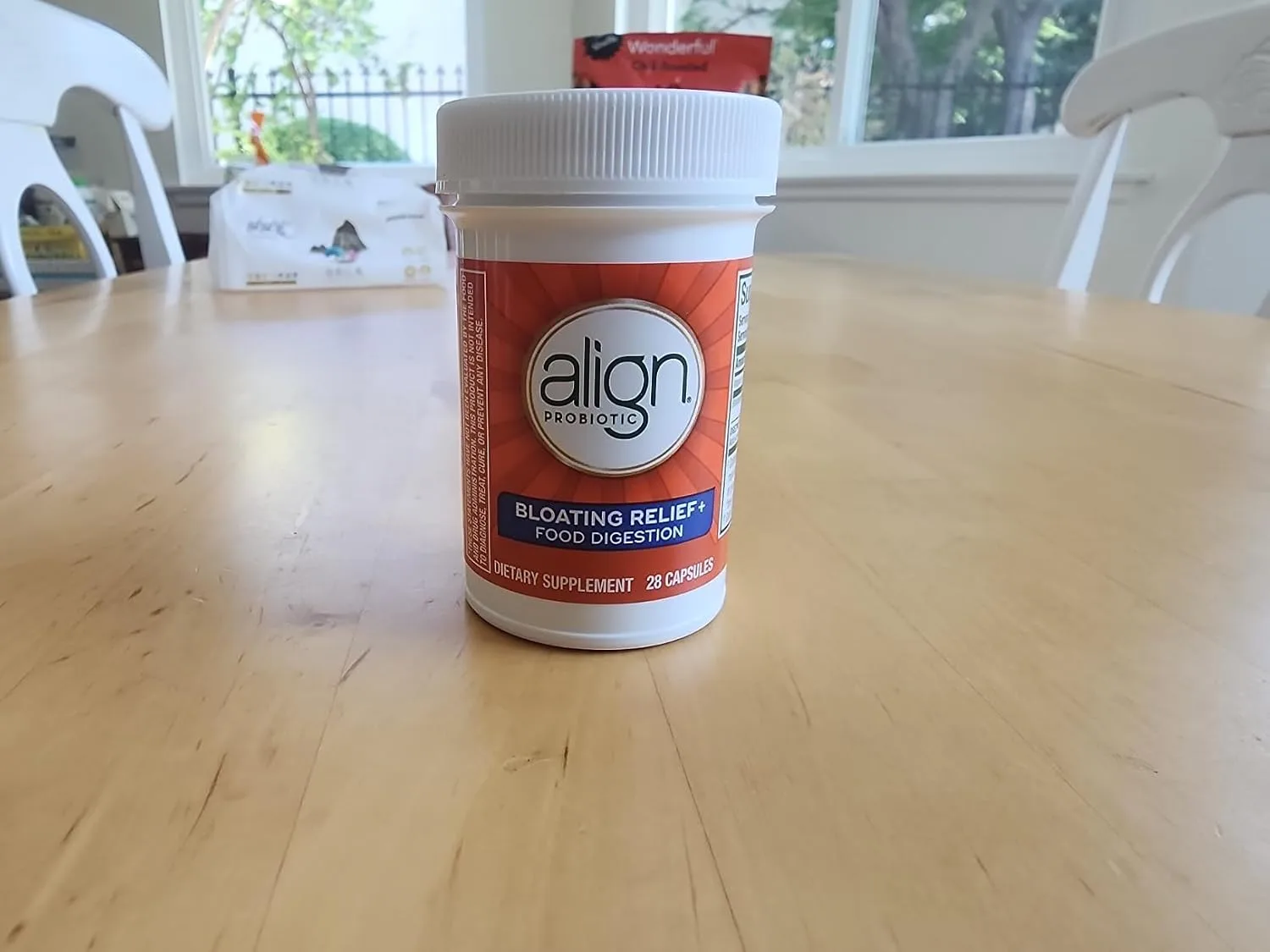
If your bloating comes with excessive gas, farting, or that uncomfortable distended feeling, a targeted probiotic might help—but only if it contains the right strain. Align’s formulation includes Bifidobacterium longum, one of the few strains with actual clinical research behind it for bloating relief.
What works
- The Bifidobacterium longum strain has been studied specifically in people with IBS and bloating, with improvements typically noticeable after 4–8 weeks of consistent use.
- This formulation is shelf-stable and doesn’t require refrigeration, so it’s actually viable for long-term use without degradation—something I check for with every probiotic I recommend.
- Many of my clients report reduced gas and a less distended belly by week 6, particularly if their bloating is tied to food sensitivity or undiagnosed dysbiosis.
What doesn’t
- Probiotics are not a magic fix if your bloating is driven by food intolerances, FODMAP sensitivity, or eating too fast—you still need to address the root cause.
- Some people (especially those with SIBO or severe dysbiosis) can experience temporary worsening of symptoms when starting probiotics; if that’s you, start with a quarter dose and go slower, or talk to your GP first.
Probiotics work best when bloating has a dysbiosis component, not as a band-aid for structural issues or unmanaged food triggers—so if you’ve ruled out the eight common causes in this post, this is worth trying. You can find Align Probiotic Bloating Relief + Food Digestion on Amazon.
This post contains affiliate links. As an Amazon Associate, I earn from qualifying purchases at no extra cost to you.
This post contains affiliate links. As an Amazon Associate, I earn from qualifying purchases. This means I may earn a small commission if you purchase through my links, at no extra cost to you. I only recommend products I genuinely believe may support your digestive wellness journey.