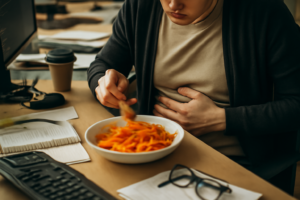
You just finished lunch — a perfectly normal meal — and twenty minutes later your stomach looks like you swallowed a balloon. Sound familiar? If you’ve ever loosened your waistband after eating or felt that uncomfortable pressure building in your belly between meals, you’re definitely not alone. What most people don’t realize is that the eating habits that cause bloating often have nothing to do with what’s on your plate and everything to do with how you’re eating it. The speed you eat, the environment you eat in, and the rituals (or lack of them) around your meals can make a surprisingly huge difference in how your digestive system responds.
Why How You Eat Matters Just as Much as What You Eat
I used to think bloating was purely a food sensitivity issue. Cut out gluten, skip the beans, avoid dairy — problem solved, right? But even after cleaning up my diet, I’d still end up uncomfortably puffy after meals. It wasn’t until I started paying attention to my actual eating behavior that things started to shift.
Here’s the thing: digestion is a process that starts before food even hits your stomach. When you sit down to eat, your body is supposed to shift into what’s called a “rest and digest” state — your brain signals your salivary glands, your stomach, and your intestines to prepare for incoming food. Saliva starts breaking down carbohydrates. Stomach acid ramps up to tackle proteins. Digestive enzymes get ready to do their job. But if you’re rushing, stressed, or distracted, that whole cascade gets disrupted before it even begins.
The Eating Habits That Cause Bloating You’re Probably Ignoring
Eating Too Fast
This is probably the biggest culprit, and research backs it up. When you eat quickly, you tend to swallow large chunks of food that your stomach has to work harder to break down. You also swallow significantly more air — a condition called aerophagia — which gets trapped in your digestive tract and contributes directly to that bloated, gassy feeling. A study published in the Journal of the Academy of Nutrition and Dietetics found that slower eating was associated with less swallowed air and improved satiety signals. Many people find that simply slowing down at meals leads to noticeable improvements in post-meal comfort.
Eating While Distracted
Scrolling your phone, watching TV, answering emails — we’re all guilty of it. But eating while distracted keeps your nervous system in a stressed, “fight or flight” mode, which research suggests may reduce digestive enzyme output and slow gastric motility. Your gut literally doesn’t get the memo that food is arriving. The result? Food sits in your stomach longer than it should, ferments, and — you guessed it — bloating follows.
Skipping Meals and Then Overeating
When you skip breakfast or push lunch until 3pm, your digestive system hasn’t been primed properly. Then when you finally sit down and eat a huge meal all at once, your stomach gets overwhelmed. Portion control isn’t just about calories — it’s genuinely about giving your gut a manageable workload at each sitting. Smaller, more balanced meals spread throughout the day may support more consistent, comfortable digestion.
Drinking Too Much During Meals
Drinking large amounts of cold water or carbonated drinks with your meals can dilute stomach acid and digestive enzymes, potentially impairing the breakdown process. Carbonated drinks, of course, also introduce gas directly into your GI tract. Small sips of warm or room-temperature water are generally much gentler on digestion during a meal.
Simple Habit Shifts That May Actually Help
The good news is that most of these issues are completely addressable without any major lifestyle overhaul. Here are the practical changes that many people find genuinely helpful:
- Chew each bite 20–30 times. It sounds tedious, but it makes a real difference. More chewing means smaller food particles, more enzyme activity, and less air swallowed.
- Put your fork down between bites. This forces you to slow your pace naturally without having to consciously count chews every single time.
- Eat at a table, away from screens. Even 15 distraction-free minutes for a meal can make a meaningful difference in how your body processes food.
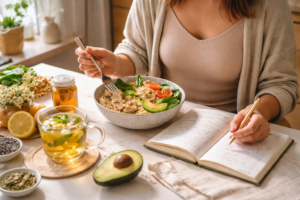
- Take three slow breaths before eating. This sounds almost too simple, but it genuinely helps activate your parasympathetic nervous system — the “rest and digest” mode your gut needs.
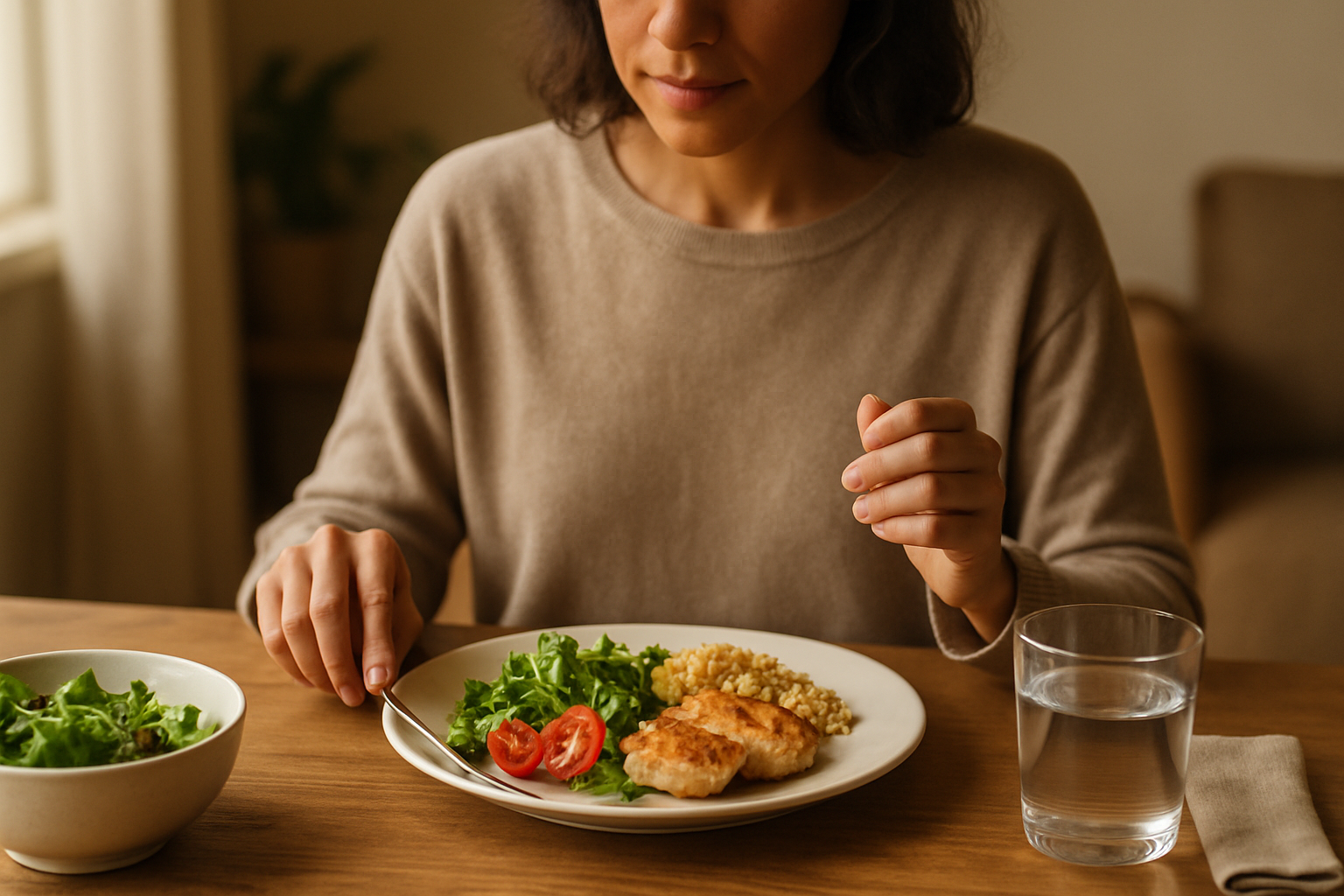
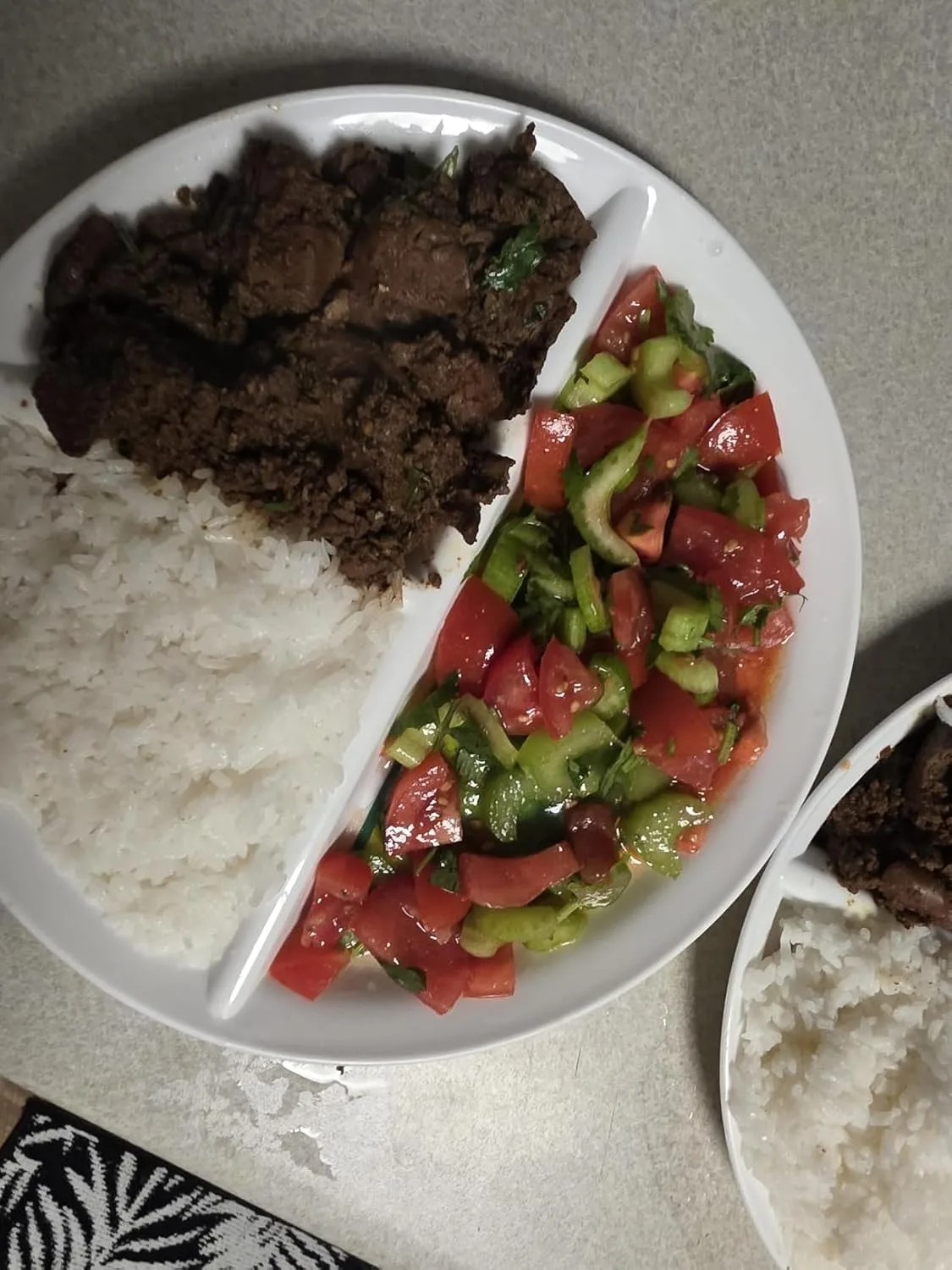
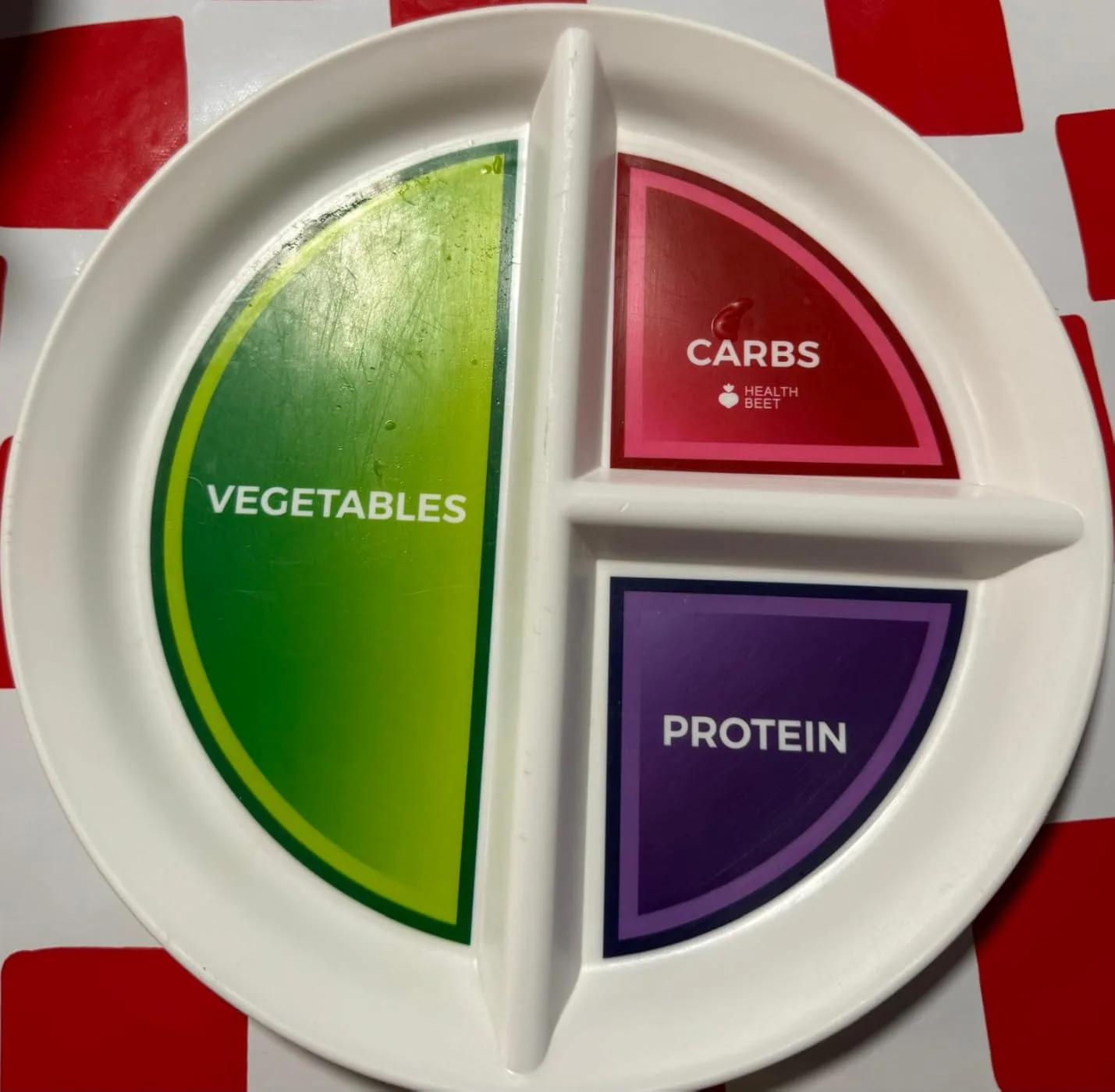
- Use a divided plate. Portioning your food visually helps prevent overeating and encourages you to eat in a more balanced, mindful way.
Products Worth Trying
Over the years, I’ve come across a few practical tools that may help support better eating habits and digestive comfort. Here are some that I think are genuinely worth exploring:
Using Portion Control Plates to Slow Down and Reduce Post-Meal Bloating
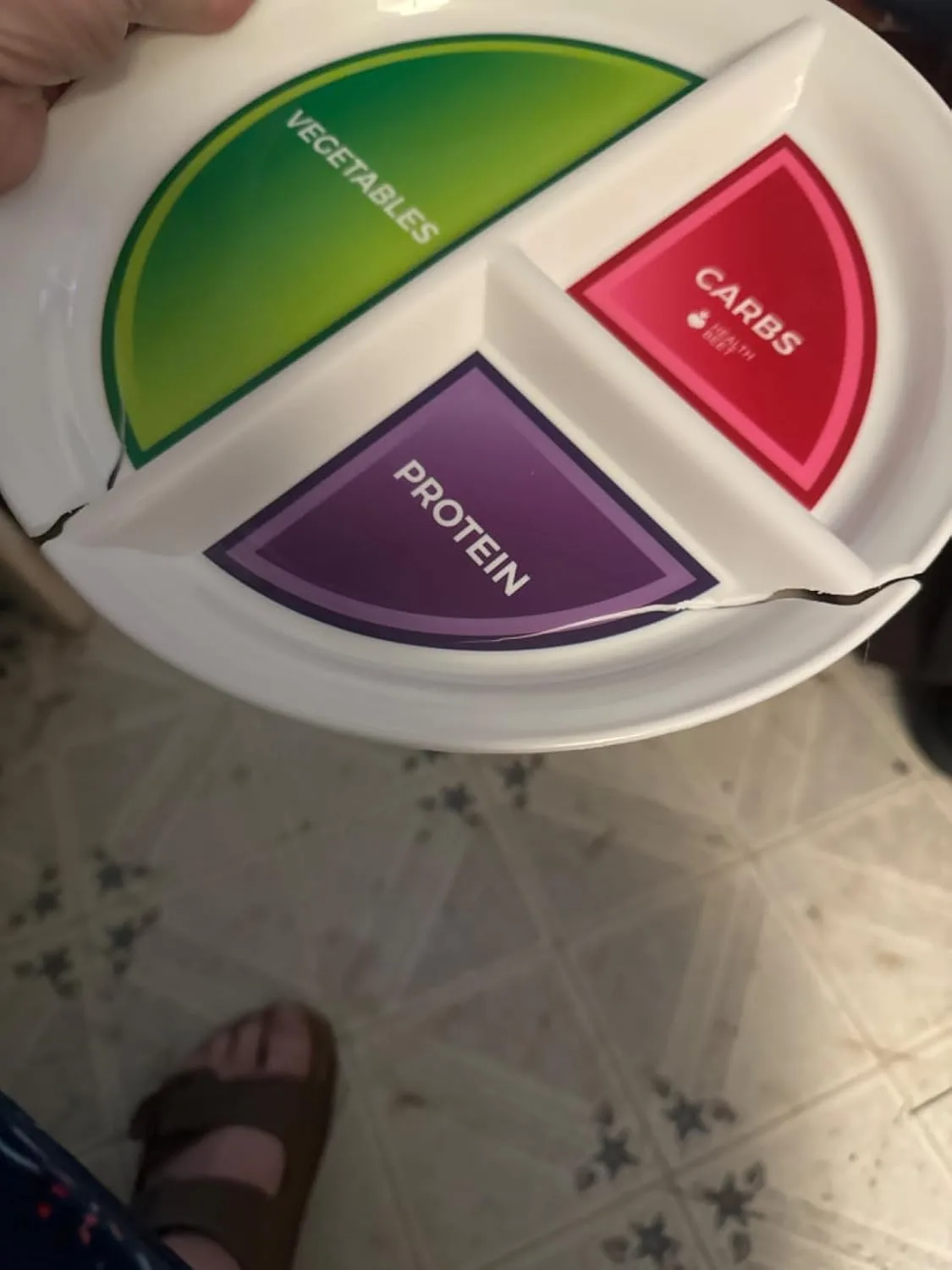
If you’re someone who eats quickly without realizing it — or who tends to overload your plate and eat past comfortable fullness — a visual portion guide can be a surprisingly effective tool for self-regulation. The Health Beet 10″ Diabetic Portion Control Plate uses section markers to naturally slow your pace and prevent the overeating that triggers distension and gas.
What works
- The divided sections create a built-in pause — you’re less likely to mindlessly fill your plate or eat on autopilot when the portions are already visually defined for you.
- Clients report that using a portioned plate naturally reduces overall intake by 15–25%, which translates to less postprandial bloating and that uncomfortable stretched feeling after meals.
- Unlike apps or calorie-counting systems, it requires zero mental effort — the tool does the thinking for you, which makes it sustainable for people who get fatigued by tracking.
What doesn’t
- A portion plate won’t help if the problem is speed alone — you can still shovel smaller portions into your mouth quickly and trigger bloating. You need to pair it with intentional eating habits (chewing, putting the fork down between bites).
- If your bloating is driven by a specific food intolerance (dairy, gluten, high FODMAP foods), a portion plate addresses the quantity problem but not the quality problem — you may still feel uncomfortable even with smaller amounts.
A portion control plate is a helpful behavioral tool, not a medical intervention — if you’re bloating even after slowing down and reducing portions, or if you have persistent abdominal pain, speak with your GP to rule out underlying conditions like IBS or food intolerances. You can find the Health Beet 10″ Diabetic Portion Control Plate on Amazon.
This post contains affiliate links. As an Amazon Associate, I earn from qualifying purchases at no extra cost to you.
This post contains affiliate links. As an Amazon Associate, I earn from qualifying purchases. This means I may earn a small commission if you purchase through my links, at no extra cost to you. I only recommend products I genuinely think may support your digestive wellness journey.