
You know that feeling — you eat what seems like a perfectly normal meal, and within the hour you’re unbuttoning your jeans and wondering why your stomach looks like you swallowed a basketball. If that sounds familiar, you are absolutely not alone. Millions of people deal with this kind of unpredictable, frustrating bloating every single day, and many of them have found real relief by exploring the low FODMAP diet for bloating. I’ve spent a lot of time digging into the research on this approach, and I genuinely think it’s one of the most practical, evidence-backed strategies out there for people whose guts just seem to overreact to certain foods.
What Are FODMAPs and Why Do They Cause Bloating?
FODMAP is actually an acronym — and a mouthful of one at that. It stands for Fermentable Oligosaccharides, Disaccharides, Monosaccharides, and Polyols. These are specific types of short-chain carbohydrates found in a surprisingly wide range of everyday foods. The tricky thing about FODMAPs is that they’re not inherently bad — for many people, they pass through the digestive system without any drama. But for others, particularly those with irritable bowel syndrome (IBS) or general gut sensitivity, FODMAPs can be poorly absorbed in the small intestine. Instead of being properly digested, they travel to the large intestine where gut bacteria ferment them, producing gas and drawing in excess water. The result? That familiar, uncomfortable bloat.
Research suggests that common high-FODMAP foods include things like garlic, onions, wheat, certain dairy products, apples, legumes, and even some vegetables like cauliflower and mushrooms. This can feel overwhelming at first — some of these are foods we think of as healthy! That’s exactly why having a structured approach makes such a big difference.
How the Low FODMAP Diet for Bloating Actually Works
The low FODMAP diet was originally developed by researchers at Monash University in Australia, and it’s since become one of the most studied dietary interventions for IBS and digestive discomfort. The approach is typically broken into three phases:
Phase 1: Elimination
For about two to six weeks, you remove high-FODMAP foods from your diet entirely. This gives your gut a chance to calm down and gives you a clean baseline. Many people find that their bloating, gas, and general digestive discomfort improves significantly during this phase.
Phase 2: Reintroduction
This is where the real detective work happens. You systematically reintroduce FODMAP groups one at a time, watching carefully for symptoms. This helps you identify which specific FODMAPs are actually causing your issues — because not everyone reacts to the same ones.
Phase 3: Personalization
Once you know your triggers, you build a long-term eating plan that’s as varied and enjoyable as possible while still keeping your symptoms at bay. The goal is never permanent restriction — it’s finding your personal threshold so you can live your life without dreading every meal.
A large body of research supports this approach. Studies have found that up to 75% of IBS patients may experience meaningful symptom improvement on a low FODMAP diet. That’s a pretty compelling number, even if it doesn’t mean it works for everyone.
Practical Tips for Getting Started Without Feeling Overwhelmed
Here’s the honest truth: the low FODMAP diet has a bit of a learning curve. The food lists can feel intimidating at first, and it’s easy to accidentally eat something high-FODMAP because you simply didn’t know it was on the list. Garlic is hidden in almost every spice blend imaginable. Onion powder sneaks into soups, sauces, and seasonings. This is why having the right tools and resources from the start makes such a huge difference in actually sticking with it and getting results.
A few things that genuinely help:
- Keep a food and symptom journal during the elimination phase so you can spot patterns clearly.
- Plan your meals for the week before you go grocery shopping — winging it leads to accidental FODMAP slip-ups.
- Focus on what you can eat rather than what you’re cutting out. There are plenty of delicious low-FODMAP foods including eggs, most meats, rice, oats, strawberries, blueberries, spinach, carrots, and more.
- Don’t try to do this alone if you can help it — a registered dietitian experienced in the low FODMAP protocol can be invaluable, especially during the reintroduction phase.
Products Worth Trying on Your Low FODMAP Journey
I’ve pulled together a few resources and products that I think are genuinely useful for anyone starting out or trying to make this lifestyle more sustainable. These are the kinds of things I wish someone had pointed me toward from the beginning.
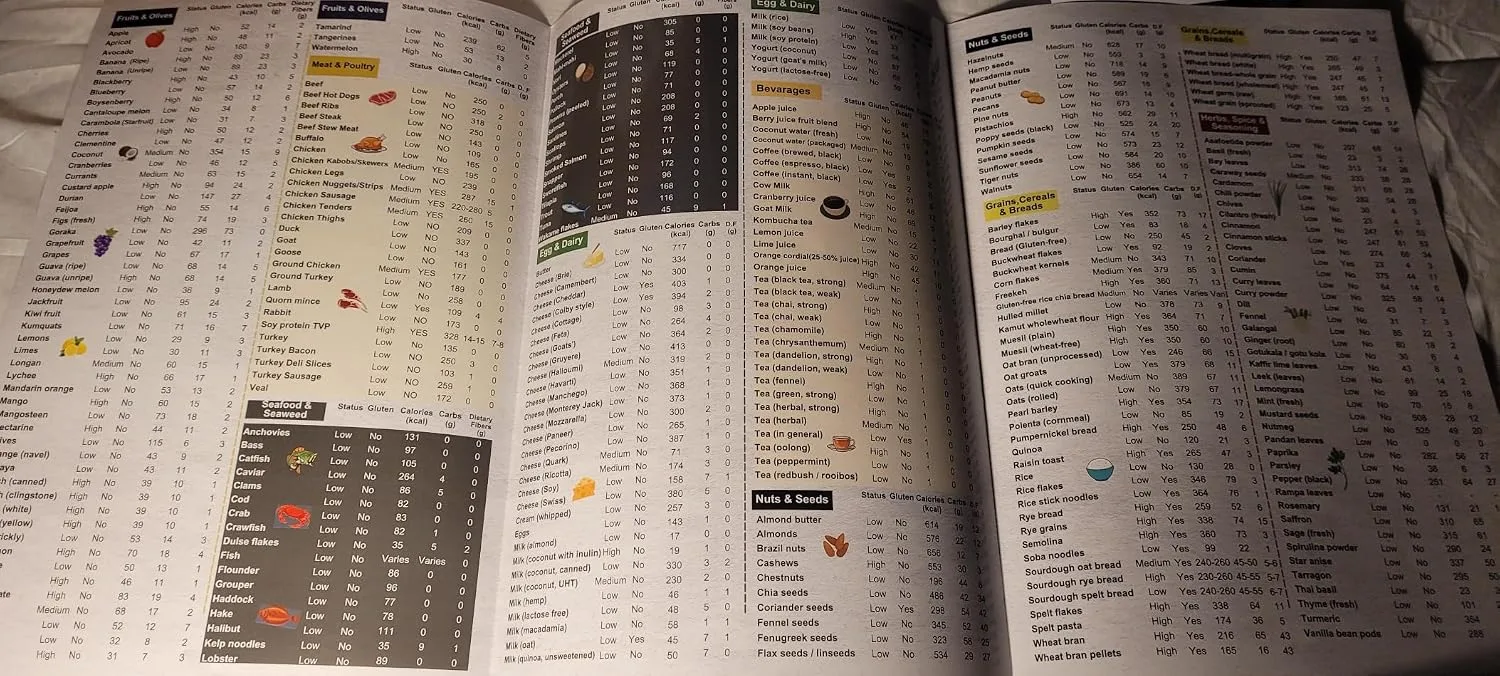
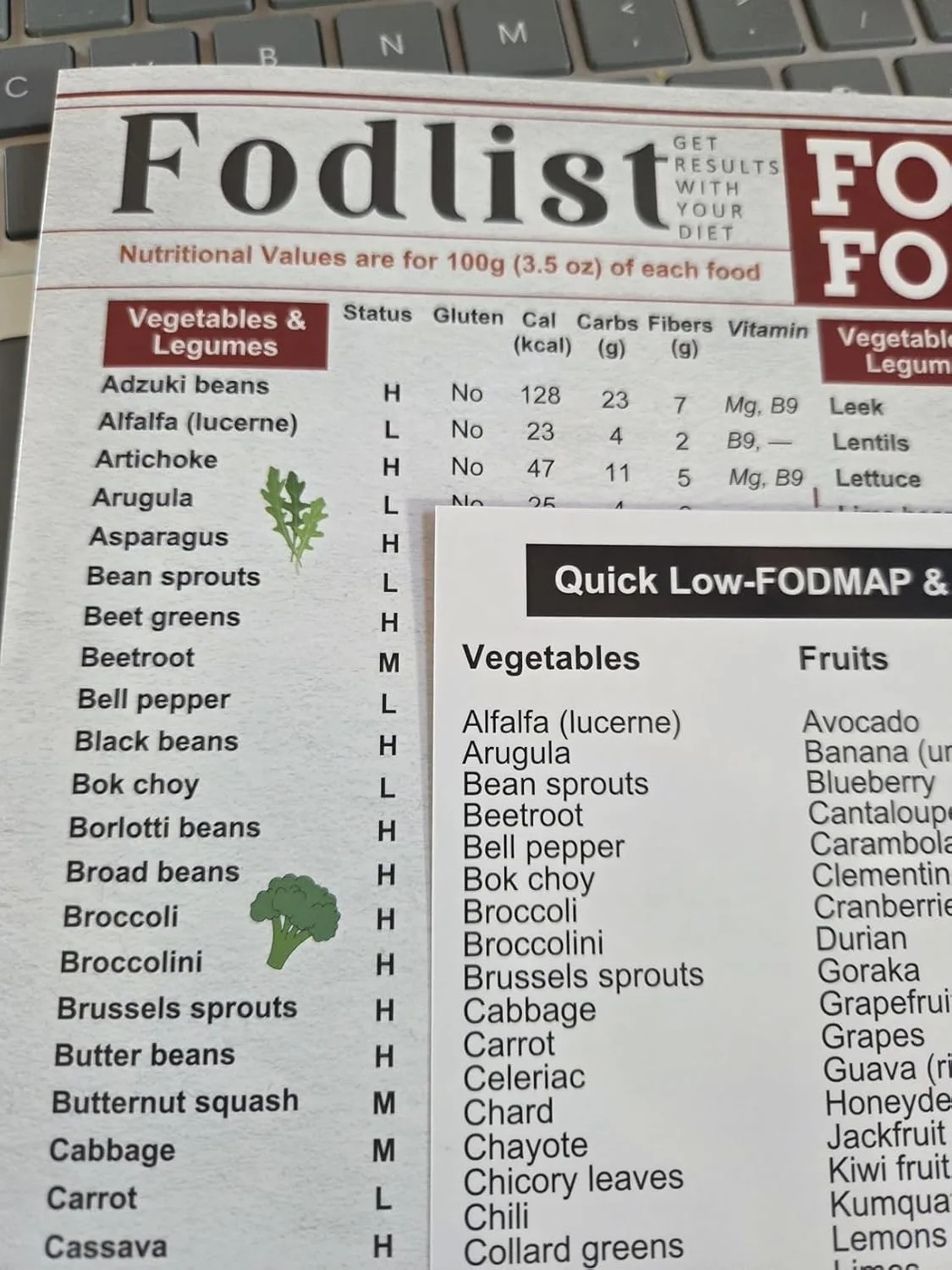
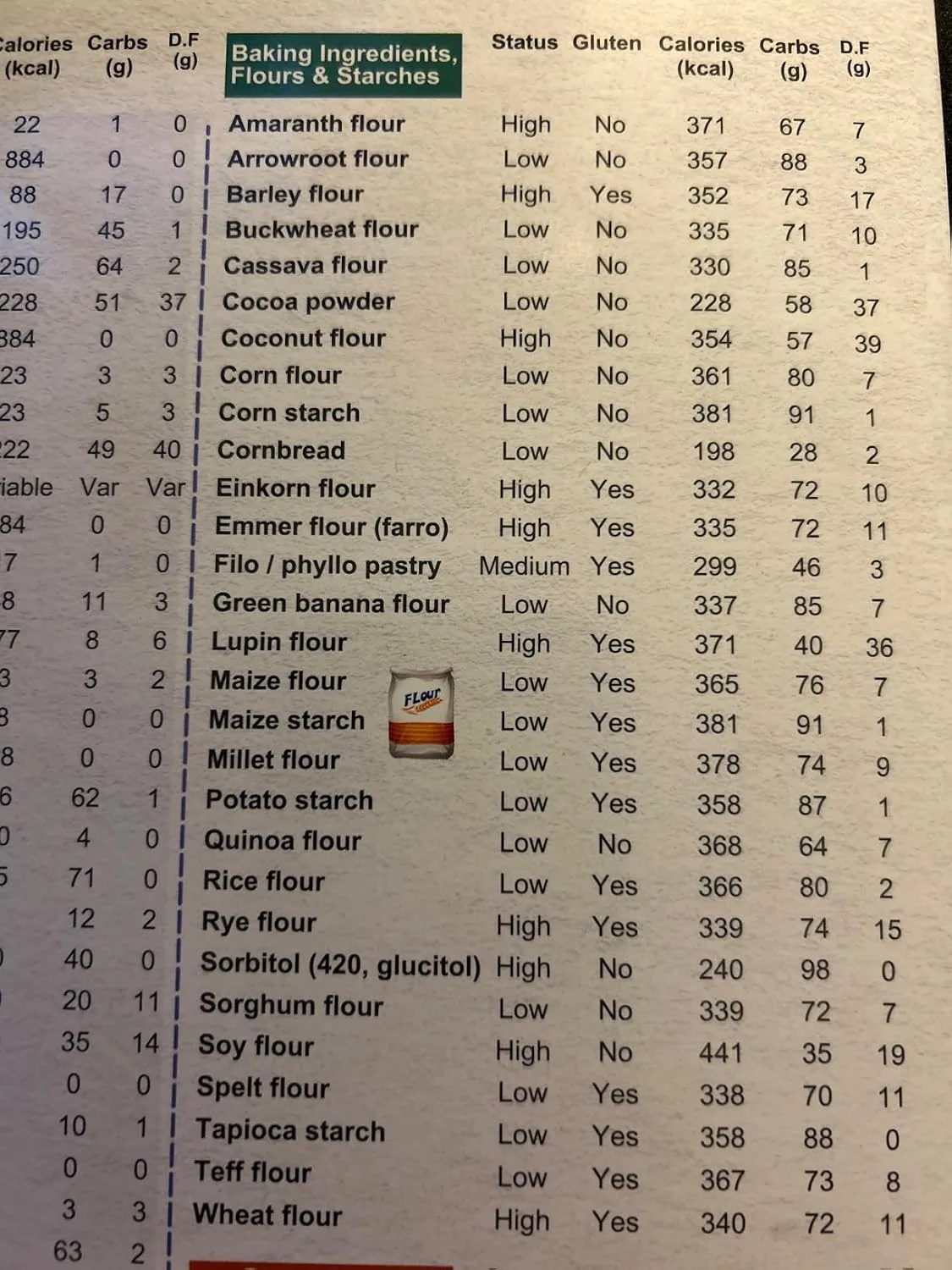
The FODMAP Reference Tool That Actually Gets Used
When you’re first learning which foods trigger your bloating, a reliable FODMAP chart becomes your constant companion—the difference between guessing in the supermarket and actually knowing what’s safe to eat. This is where a physical or digital reference tool saves you from the overwhelm of contradictory information online.
What works
- Colour-coded categories make it fast to scan at a glance—no need to memorise lists or scroll through five different websites while standing in the produce aisle.
- Covers portion sizes, which is critical because many high-FODMAP foods are fine in small amounts; this chart prevents the common mistake of avoiding foods entirely when you only needed to adjust quantity.
- Clients report actually sticking to the elimination phase longer when they have a tangible reference—it feels less restrictive and more navigable when you can clearly see what IS allowed rather than just what isn’t.
What doesn’t
- A chart alone won’t tell you *your* personal triggers—low-FODMAP is a starting point, not a diagnosis, and some people improve dramatically while others see no change because bloating has a different root cause.
- If you haven’t been formally diagnosed with IBS or FODMAP sensitivity (ideally with a GP or dietitian), randomly eliminating foods based on a chart can lead to unnecessary restriction and nutritional gaps without actually solving the problem.
A FODMAP chart is a navigation tool, not a treatment—if you’ve been bloated for months and nothing seems to help, this works best alongside professional guidance to rule out other causes like coeliac disease, food allergies, or dysbiosis. Fodlist FODMAP Chart
This post contains affiliate links. As an Amazon Associate, I earn from qualifying purchases at no extra cost to you.
This post contains affiliate links. As an Amazon Associate, I earn from qualifying purchases. This means if you click a link and make a purchase, I may earn a small commission at no extra cost to you. I only recommend products I genuinely believe can be helpful.