You wake up, catch a glimpse of yourself in the mirror, and think — wait, did I gain weight overnight? Your jeans feel snug, your stomach looks puffier than usual, and you’re already second-guessing every meal you ate yesterday. Sound familiar? Here’s the thing: what you’re experiencing might not be weight gain at all. Understanding the bloating vs weight gain difference is something so many of us overlook, and honestly, it changed the way I think about my body on those frustrating “puffy” days.
Bloating vs Weight Gain Difference: Why It Matters More Than You Think
True weight gain and bloating can look and feel surprisingly similar in the moment — but they have very different causes, timelines, and solutions. Mixing them up can lead to unnecessary stress, restrictive eating, or worse, ignoring something your body is genuinely trying to tell you.
Bloating is typically temporary. It’s that uncomfortable, tight, sometimes visibly distended feeling in your abdomen that can show up after a big meal, a salty dinner, a gassy vegetable, or even during certain points in your hormonal cycle. Research suggests bloating is often caused by excess gas in the digestive tract, water retention, or slow gut motility — and it can resolve within hours or a day or two.
True weight gain, on the other hand, happens gradually over time. It reflects actual changes in body composition — fat, muscle, or both — and it doesn’t disappear after a trip to the bathroom or a good night’s sleep. Most health experts agree that gaining even one pound of actual body fat requires consuming roughly 3,500 calories above your maintenance level. So no, that salty pasta dinner did not make you gain three pounds of fat overnight. What it probably did was cause your body to hold onto extra water and gas.
How to Tell If What You’re Feeling Is Bloating or Actual Weight Gain
Here are some practical clues I’ve found really helpful when trying to read what my body is doing:
Signs It’s Probably Bloating
- Your stomach feels tight or distended, especially after eating
- You notice more gas or burping than usual
- The puffiness seems worse in the evening and better in the morning
- You ate something salty, high-fiber, or known to cause gas (beans, cruciferous veggies, carbonated drinks)
- It’s that time of the month — hormonal fluctuations commonly cause water retention and bloating
- The scale is up a few pounds but returns to normal within a day or two
Signs It Might Be Actual Weight Gain
- The scale has been gradually creeping up over several weeks
- Your clothes are consistently fitting differently, not just on “puffy” days
- You don’t feel gassy or uncomfortable — just fuller overall
- Your eating habits or activity levels have shifted recently
- The change has persisted for more than a week or two regardless of what you eat
Keep in mind that both can happen at the same time — and neither one says anything bad about you as a person. Your body is just communicating, and learning its language is genuinely empowering.
Common Causes of Bloating (And What May Actually Help)
Once you’ve identified that you’re likely dealing with bloating rather than weight gain, it helps to understand what’s triggering it. Some of the most common culprits include:
- Excess sodium: High-salt meals cause your body to retain water, leading to that puffy feeling throughout your midsection and even your face and hands.
- Food intolerances: Dairy, gluten, and FODMAPs (fermentable carbohydrates found in foods like onions, garlic, and apples) are common triggers. Research suggests that many people experience significant bloating relief when they identify and reduce their specific triggers.
- Slow digestion or constipation: When things aren’t moving through your gut as efficiently as they should be, gas and waste can build up and cause that uncomfortable, heavy bloating feeling.
- Swallowing air: Eating too fast, drinking through straws, or chewing gum can introduce excess air into the digestive tract.
- Hormonal changes: Many women experience significant water retention and bloating in the days leading up to their period, thanks to fluctuations in estrogen and progesterone.
The good news is that most bloating responds well to targeted lifestyle adjustments and, in many cases, gentle supplemental support.
Products Worth Trying for Bloating and Water Retention Support
I want to be upfront: these aren’t magic fixes, and nothing below is meant to diagnose or treat any condition. But if you’re dealing with occasional bloating and water retention, these are products that many people find genuinely helpful — and that I feel good about recommending based on the research behind their key ingredients.
When Fluid Retention Is the Real Culprit Behind Bloating
If your bloating is driven by water retention rather than gas or digestive dysfunction, a gentle herbal diuretic can help your body shed excess fluid without the harsh side effects of prescription diuretics. This is especially useful on days when hormonal shifts, sodium intake, or inflammatory foods have left you feeling genuinely waterlogged.
What works
- Herbal formulas with natural diuretic botanicals (like parsley and corn silk) work gradually to support fluid balance without depleting electrolytes the way pharmaceutical diuretics do.
- Most clients report a noticeable reduction in puffiness within 24–48 hours, particularly around the abdomen, face, and ankles—the typical places fluid settles.
- Unlike stimulating laxatives, these supplements don’t trigger urgency or cramping, so they’re practical to use on work days or when you need gentle, steady relief.
What doesn’t
- If your bloating is driven by FODMAP sensitivity, dysbiosis, or gas production, a diuretic won’t address the root cause—you’ll be treating the symptom, not solving the problem.
- Anyone with kidney disease, on blood pressure medication, or with a history of electrolyte imbalance should check with their GP before using herbal diuretics, as they can interact with medications and medical conditions.
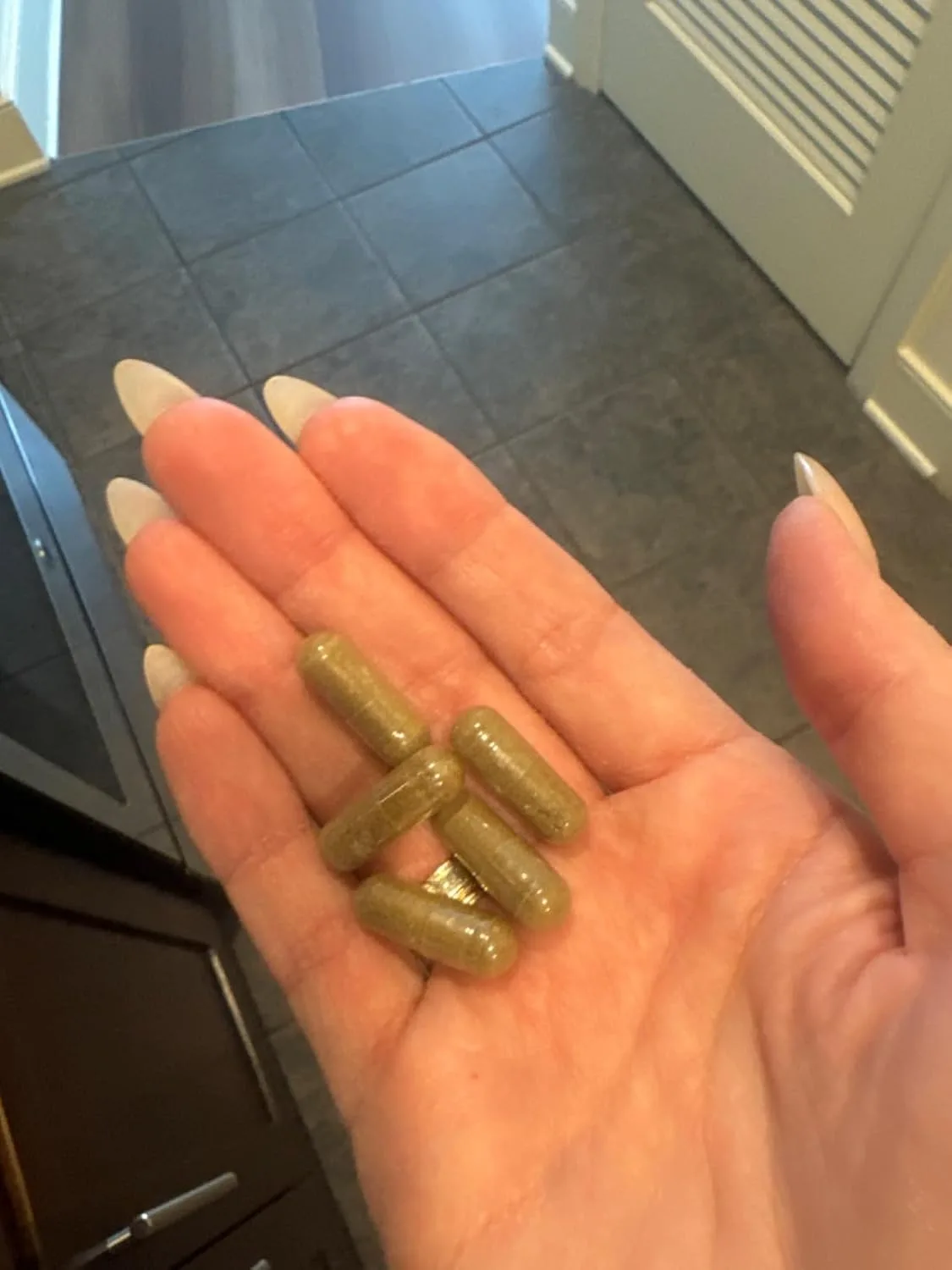
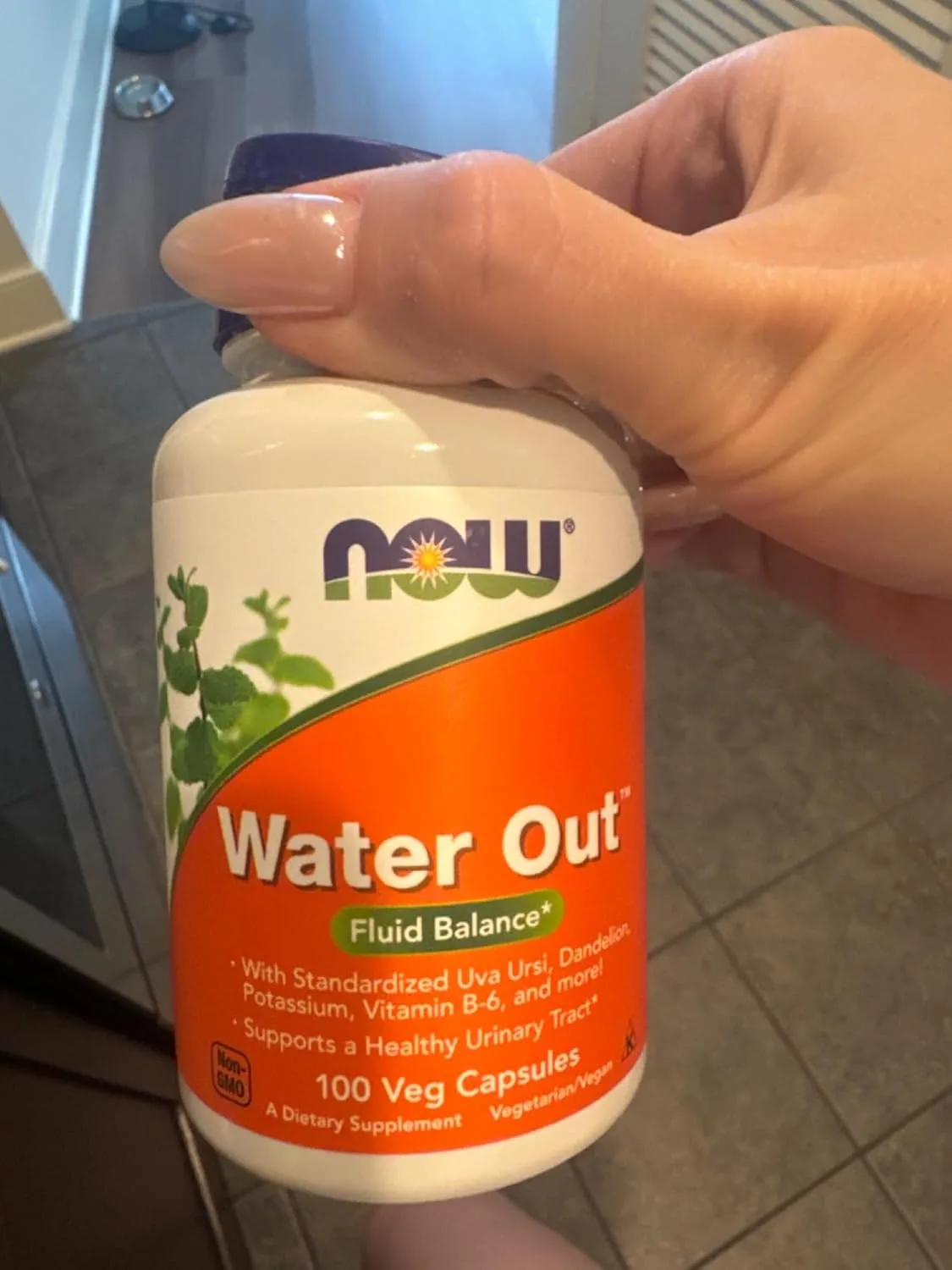
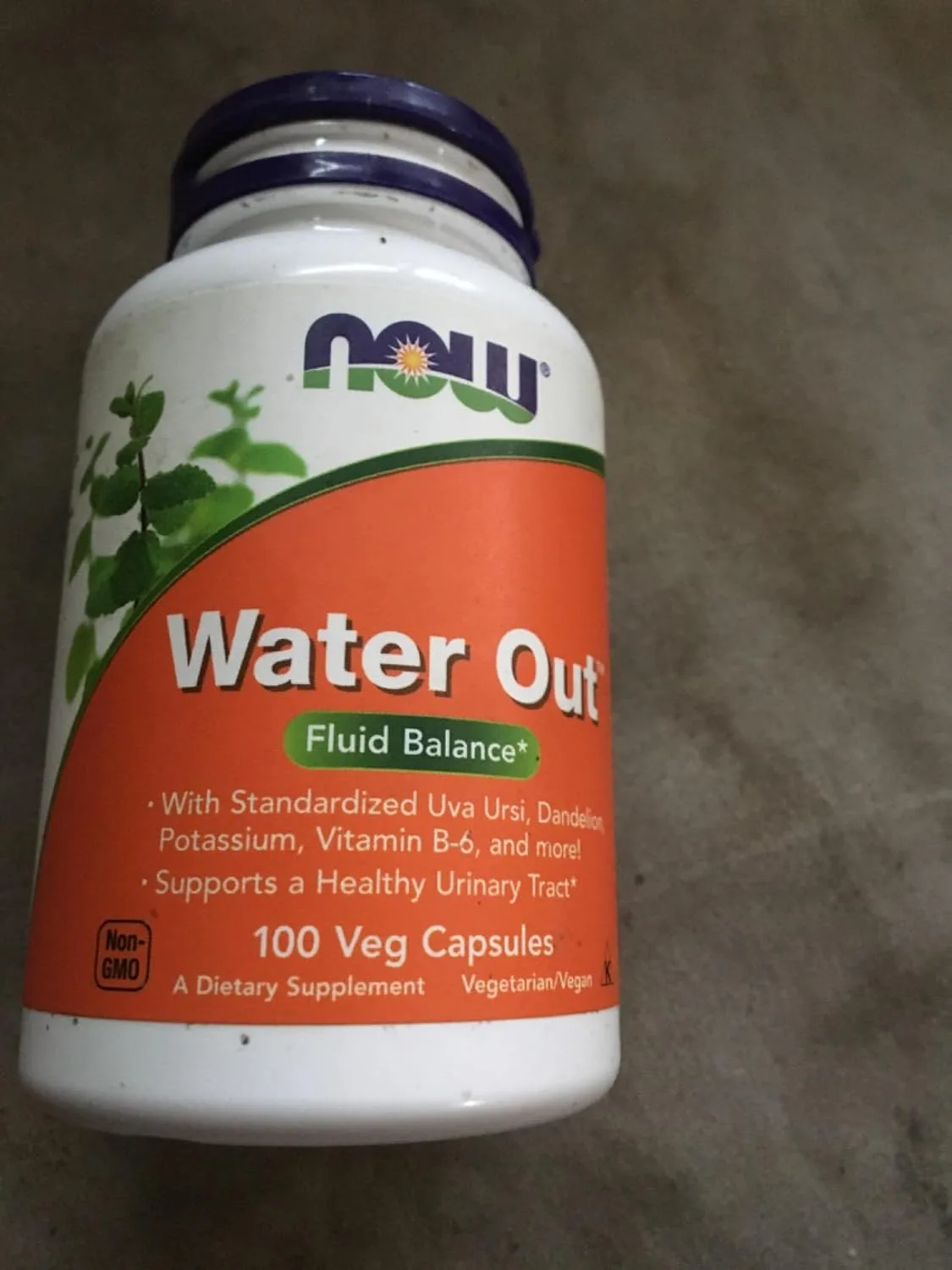
If your bloating is persistent, painful, or accompanied by other digestive symptoms (urgency, constipation, or changes in appetite), this supplement isn’t a substitute for working with a healthcare provider to identify the actual cause. For straightforward fluid retention, NOW Foods Water Out is a reliable, gentle option many of my clients keep on hand.
This post contains affiliate links. As an Amazon Associate, I earn from qualifying purchases at no extra cost to you.
This post contains affiliate links. As an Amazon Associate, I earn from qualifying purchases. This means I may earn a small commission if you click through and make a purchase — at no extra cost to you. I only recommend products I genuinely think are worth trying.