

About eight years into all this, someone mentioned almost casually — as we were wrapping up — that she’d been noticing traces of blood occasionally. “Probably just piles,” she said with a shrug. That moment lodged itself in my memory. I’ve encountered this pattern repeatedly since: bowel cancer warning signs get rationalized, downplayed, or never articulated at all — frequently because of shame, anxiety, or simple denial that anything serious could be happening. My goal today is to break that silence.

Why People Stay Silent About Digestive Symptoms
Discussion of bowel function remains perhaps the final taboo in wellness conversations — I see this barrier constantly in my work. People will openly discuss sleep quality, metabolic issues, and hormonal shifts without hesitation, but the moment I ask about stool consistency and frequency, the energy in the room shifts. This cultural reticence carries genuine medical consequences.
The research paints a striking picture: delays in seeking care emerge as a critical variable in colorectal cancer outcomes. A 2019 British Journal of General Practice analysis revealed that substantial numbers of patients with bowel cancer had carried symptoms for well over three months before contacting their doctor. Though I work in nutritional guidance rather than diagnosis, my role includes asking the difficult questions that actually compel people to schedule that GP visit. That distinction matters profoundly.
I want to outline the symptoms I routinely screen for in the conversations I have — and the ones I discover people have endured quietly for months or even years.
Key Symptoms I Consistently Screen For in Bowel Cancer Conversations
Visible Bleeding from the Rectum or Within Stools
This is the warning sign I encounter most frequently being dismissed or minimized. The automatic assumption is internal haemorrhoids — and statistically, that endpoint proves correct in many instances. But “many” is not “all.” Scarlet bleeding at the surface often originates from lower rectal or anal tissue, whereas darker coloration dispersed throughout the stool may point to bleeding originating deeper within the colon. Both presentations warrant professional medical investigation. I always encourage the people I hear from: obtain medical clearance, confirm benign causes, and then you’ll both have genuine peace of mind. The reassurance alone justifies the appointment.
Notable Shifts in Toilet Patterns Lasting Weeks
This particular warning indicator is deceptively subtle — which partly explains why it gets overlooked. Should your regular bowel activity shift noticeably — whether toward increased frequency, decreased frequency, looser consistency, or narrower diameter — and this alteration persists beyond three to four weeks with no identifiable trigger such as dietary modification or geographical relocation, medical evaluation becomes appropriate. Through the conversations I have, I regularly discover people have fully internalized their changed pattern as their new baseline, losing sight of how they previously functioned. Take a moment to genuinely reflect: has your pattern diverged from what you experienced just months ago?
Lingering Sensation of Incomplete Evacuation
Clinically termed tenesmus, this symptom represents perhaps the most underreported indicator I encounter — people almost never bring it up unprompted. The experience involves a persistent urge to defecate even moments after actually doing so. It can feel inconsequential and easily rationalized as a temporary irregularity, yet when it manifests consistently without clear precipitant, it may signal physical obstruction or tissue abnormality within the bowel. If this describes your experience, raising it with your physician becomes essential.
Mysterious Energy Depletion, Unintended Body Mass Reduction, or Low Iron Status
I become particularly alert when someone reports persistent exhaustion alongside iron insufficiency — especially when their dietary intake appears adequate. This combination can reflect chronic microscopic bleeding originating in the bowel, which gradually depletes iron stores and causes iron-deficiency anaemia without necessarily producing visible blood. Spontaneous weight reduction similarly demands thorough medical investigation, independent of whether gastrointestinal symptoms exist in the same timeframe.

What Amplifies Risk — And Which Variables Sit Within Your Influence
Educating people about risk factors represents one of my most valuable contributions. Bowel malignancy does not emerge through random chance; while lifestyle modifications cannot promise immunity, the scientific evidence linking dietary patterns and digestive wellness to colorectal cancer development is remarkably robust.
According to World Cancer Research Fund data, consumption of processed meat products, inadequate fibre consumption, elevated body weight, regular alcohol use, and sedentary living patterns constitute adjustable risk factors. Advancing age, hereditary predisposition, and pre-existing conditions such as ulcerative colitis or Crohn’s disease elevate vulnerability but remain outside personal control. Conversely, the calibre of daily gut support absolutely lies within your agency.
Restoring Healthy Bowel Regularity When Sluggish Elimination Obscures Warning Signals
Sluggish bowel movement creates a dangerous masking effect — blocked passages, anal straining, and sparse elimination can camouflage what might otherwise present as unmistakable red flags. Incorporating a soluble fibre formulation can help re-establish a transparent baseline for normal elimination, enabling both you and your physician to detect authentic deviations from your natural pattern more readily.
What tends to deliver results
- Psyllium-derived fibre products (such as this formulation) retain fluid progressively, making stools more pliable without producing the cramping or urgency that engineered alternatives frequently cause — a critical distinction when your objective is tracking genuine changes in bowel patterns.
- Encapsulated delivery systems facilitate gradual upward titration; the majority of people I hear from manage 2–3 capsules nightly comfortably, whereas granulated iterations frequently provoke gas accumulation in IBS-sensitive digestive systems.
- Effects emerge incrementally across 3–5 days rather than instantaneously, reducing the likelihood that supplement-induced changes will feel like brand-new, alarming symptoms requiring additional investigation.
What typically underperforms
- Existing indicators of bowel blockage, diverticulitis, or sharp abdominal distress represent contraindications to supplemental fibre — escalating rather than resolving the underlying issue. Physician consultation must precede any self-directed fibre intervention in these scenarios.
- Fibre supplementation functions as a normalizing instrument rather than a cancer detection mechanism; its utility lies strictly in clarifying your individual baseline so you can accurately identify what constitutes a genuine modification in your specific presentation.
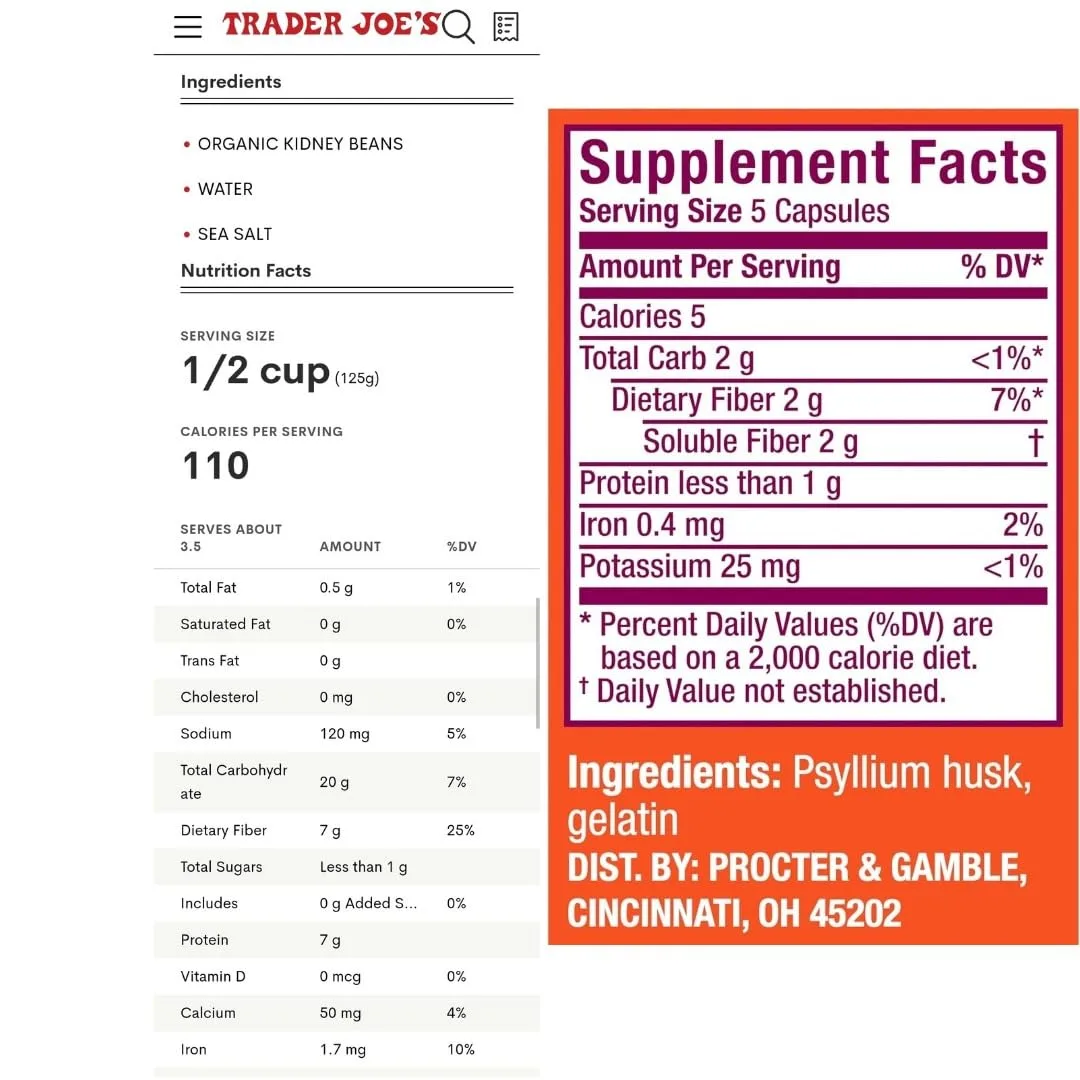
This supplement supports bowel regularity, but it is absolutely not a substitute for getting any persistent change in your bowel habit checked by a doctor — that’s non-negotiable. If you’re experiencing recurrent blood, unexplained weight loss, or a change in your usual pattern that lasts more than a few weeks, book an appointment with your GP before reaching for anything else. Metamucil 3-in-1 Fiber Capsules


About This Article

Written by Alex Mercer. Alex Mercer has lived with IBS since childhood and isn't a nutritionist or a doctor. After years of being told he was anxious or would grow out of it, he spent more than 12 years reading the research properly, and now shares what he has learned with the family, friends and support-group members who come to him with the same questions. He translates peer-reviewed research into practical, honest advice, and is always upfront about what the evidence does and does not show. More about this site.
Scope and limits. Alex is not a doctor, dietitian, or nutritionist, and nothing here is medical advice. Talk to a clinician before changing your diet, starting a supplement, or acting on symptoms — especially persistent or worsening ones.
Verify this against a primary source
Specifics change, and your situation may differ from the one described here. These are the authorities worth checking directly:
- NIDDK — digestive disease research and clinical guidance
- MedlinePlus — plain-language medical reference from the NIH
- Mayo Clinic — symptom and condition reference