Bowel cancer prevention through dietary fibre is not some emerging theory or preliminary finding — it is among the most solidly supported conclusions in all of nutritional science, and I make it the cornerstone of what I recommend to other people. The protective effect is real, measurable, and well within everyone’s reach through straightforward food choices.

What the Research Actually Tells Us About Fibre and Bowel Cancer
Colorectal cancer—commonly referred to as bowel cancer—remains among the most prevalent malignancies across developed nations, yet it is simultaneously one of the most responsive to dietary and lifestyle intervention. When the World Cancer Research Fund reviews the scientific literature on cancer prevention, dietary fibre consistently emerges as a key protective component. A large meta-analysis in Annals of Oncology demonstrated that adding just 10g of total dietary fibre daily was linked with a substantial lowering of colorectal cancer incidence. To put that in perspective, you could reach that threshold with a bowl of rolled oats, a small handful of tree nuts, and a portion of cooked beans—all within a single meal.
The science behind why this works is straightforward. As fibre moves through your digestive tract, it accelerates how quickly bowel contents move onward, limiting the window during which harmful substances can damage the intestinal lining. Certain types of fibre—especially those that dissolve and ferment—nourish the protective bacteria living in your colon. Those microbes then generate short-chain fatty acids, particularly butyrate, which has a remarkable ability: it prompts cells showing early signs of abnormality to self-destruct rather than multiply. The moment I walk someone through this mechanism, their perception of fibre shifts entirely. It becomes less about preventing constipation and far more about active cellular protection.
Bridging the Consumption Gap: Understanding How Much Fibre Is Actually Missing
What troubles me most in my work is the scale of the shortfall. Across North America and the UK, typical daily fibre consumption sits somewhere in the 15–18g range. The target that health authorities recommend is 30g daily for adults. That discrepancy is stark, and the health implications are significant. When I’m reviewing someone’s food patterns—especially someone with a family history of bowel cancer or ongoing digestive sluggishness—the first assessment I do is a straightforward audit of their fibre intake. Without exception, that conversation reveals substantial underconsumption.
The culprit is largely our food environment. Industrially processed items, stripped grains, and convenience products have gradually replaced the fibre-rich whole foods that dominated our ancestors’ plates. Switching from wholemeal to white bread, peeling away vegetable skins, or drinking juice instead of eating the whole fruit—each choice removes fibre almost invisibly from the daily total.
Fixing this shortfall demands neither radical restriction nor elimination. Rather, it requires thoughtful, strategic additions woven into existing eating patterns. This is the framework I use with people, and it proves far more durable than any approach based on what you should stop eating.
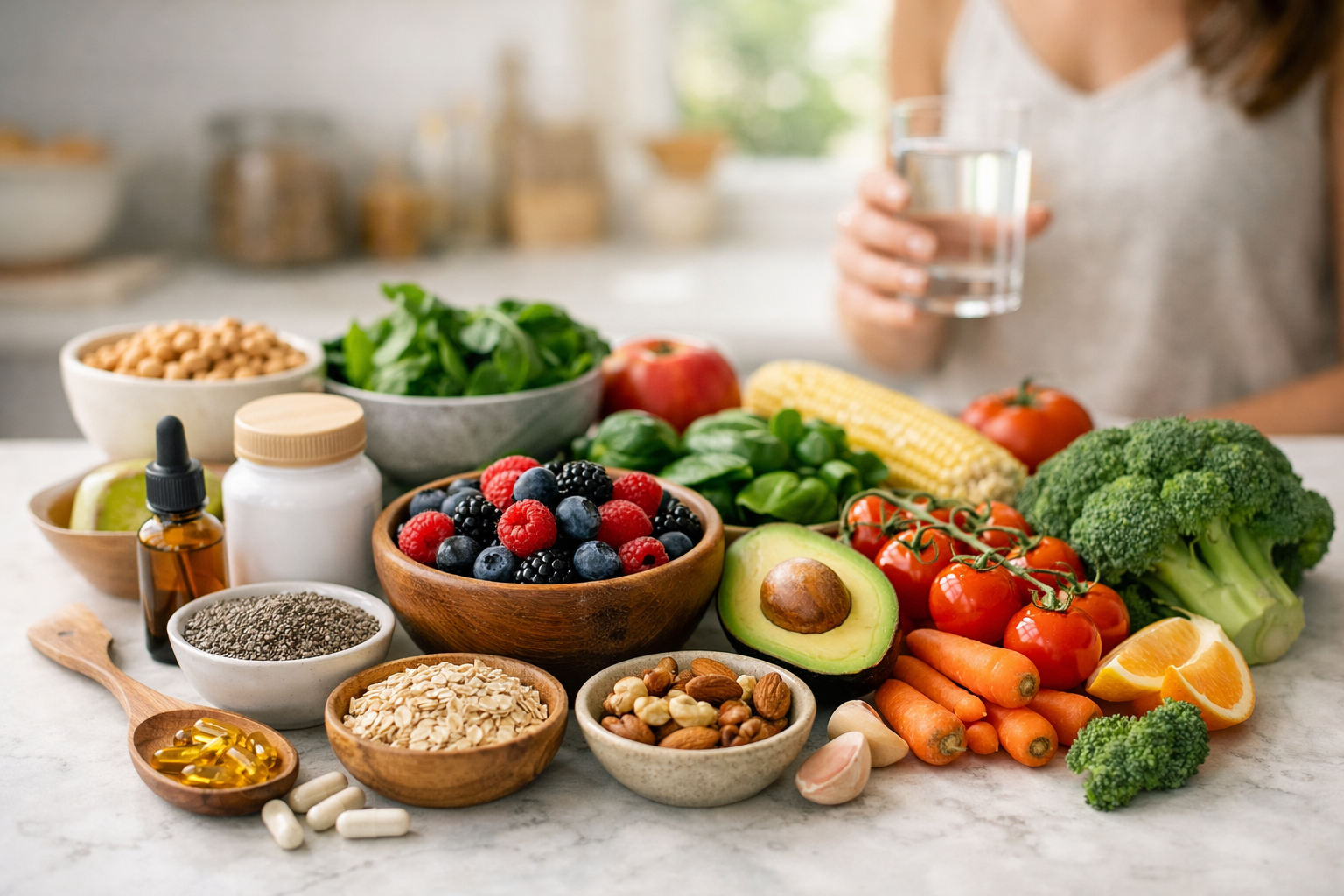
The Core Fibre-Dense Foods I Turn to Consistently in Practice
I lean heavily toward food-based fibre strategies and reserve supplementation for situations where whole foods cannot reasonably bridge the gap. The foundation I build with every person rests on these core categories, chosen as much for diversity—which supports a richer microbiome—as for total fibre volume.
Beans, Lentils, and Other Legumes
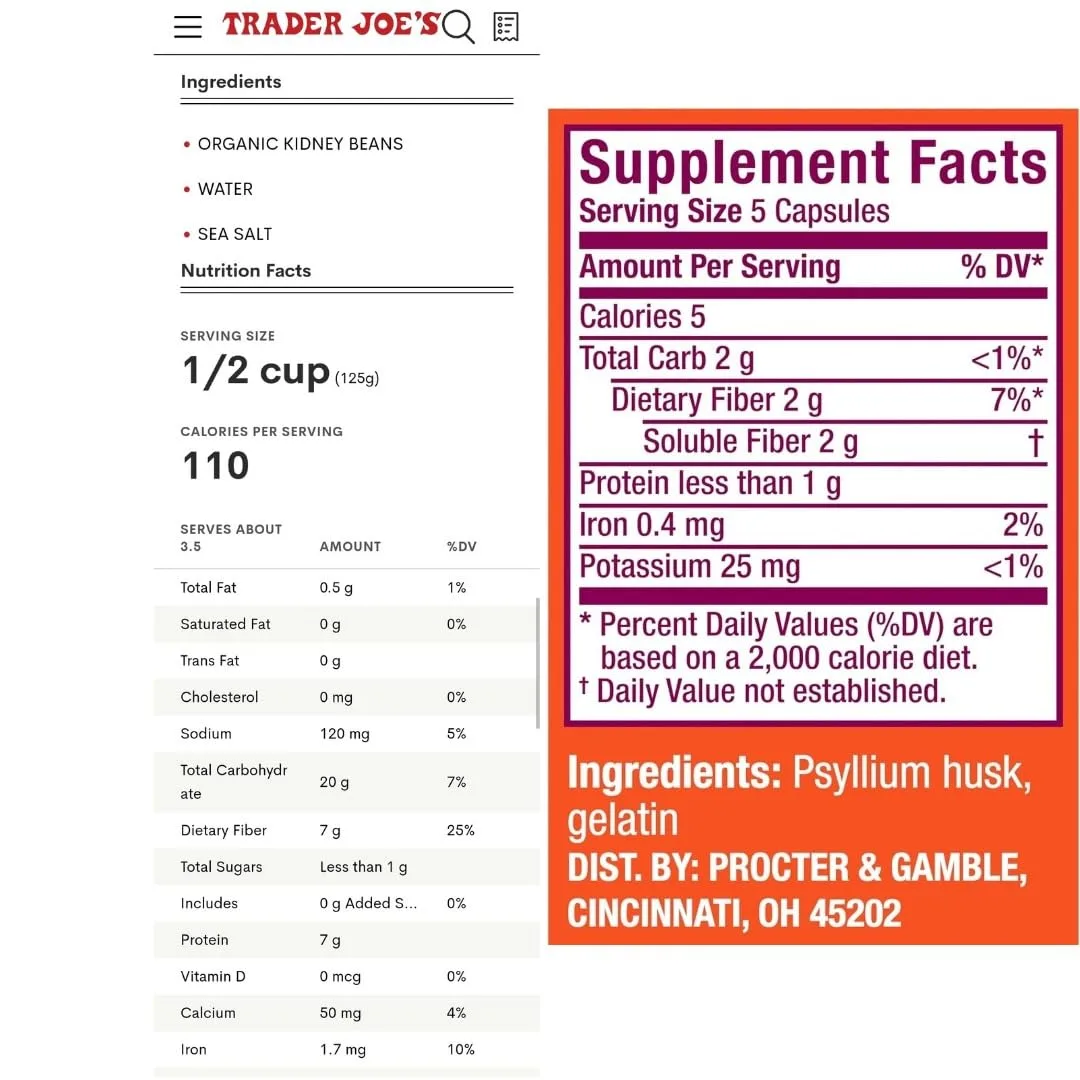
No food category delivers fibre more reliably or affordably than legumes. Chickpeas, lentils of every variety, kidney beans, black beans, and split peas pack extraordinary amounts of fibre per serving while remaining inexpensive and adaptable to countless dishes. A standard 200g portion of prepared lentils yields approximately 8g of fibre. My typical recommendation is to incorporate legumes at minimum four times each week—into salads, slow-cooked dishes, spreads, and broths.
Grains in Their Whole Form
Rolled oats, barley, brown rice, quinoa, wholegrain breads, and seeded crackers all make substantial contributions toward the daily fibre target. Oats deserve particular mention because they contain beta-glucan, a type of soluble fibre documented to both nourish beneficial bacteria and reduce blood cholesterol levels. I frequently suggest overnight oats as a starting point—it requires minimal effort and establishes a fibre-supporting habit that people can maintain indefinitely.
Produce, Nuts, Seeds, and Tree Fruits
Unpeeled produce of all kinds, cruciferous vegetables, leafy greens, underground vegetables, stone fruits, berries, pears, almonds, walnuts, flaxseeds, and pumpkin seeds represent both soluble and insoluble fibre sources. Whenever possible, I encourage people to retain the edible skins and choose intact fruit over any beverage form. Ground flaxseed stands out as something I suggest to nearly every person—a single tablespoon mixes seamlessly into porridge, smoothies, or dairy yoghurt and delivers meaningful fibre alongside beneficial lignans without any noticeable texture shift.

Supplemental Fibre When Whole Foods Cannot Meet Your Needs
The majority of people I hear from succeed in hitting their fibre targets through whole foods—legume dishes, vegetable servings, whole grains, and fruit. However, some people navigate unpredictable work schedules, restricted food availability, or existing digestive conditions (such as flaring Crohn’s disease or IBS in its acute phases) that make regular whole-food fibre temporarily problematic. Psyllium-based supplement formats address this gap effectively without the gastrointestinal disturbance or unpleasant sensory experience common with inferior fibre products.
When Supplemental Fibre Makes Sense
- Psyllium husk represents a soluble fibre with extensive safety records and robust scientific backing for promoting healthy bowel regularity and improving lipid panels—this is documented evidence, not marketing language.
- Capsule formats prove gentler for individuals with texture sensitivities or frequent travel requirements; there is no powder dissolution needed and no grainy mouthfeel afterward.
- When people use psyllium consistently alongside sufficient hydration, most report normalised bowel function within three to five days, with minimal cramping—a stark contrast to the discomfort produced by lower-grade, insoluble-predominant alternatives.
When Supplemental Fibre May Not Be Appropriate
- For those with IBS-D presentations (diarrhea-type symptoms), soluble-fibre supplements can intensify troubling symptoms—these individuals require individualised guidance from their doctor or a specialist before beginning any supplementation routine.
- Psyllium is a fibre supplement designed to support adequate daily intake—not a “cleanse,” detox formula, or weight-loss agent. Expectations around rapid body-composition changes or dramatic symptom reversal will go unmet.
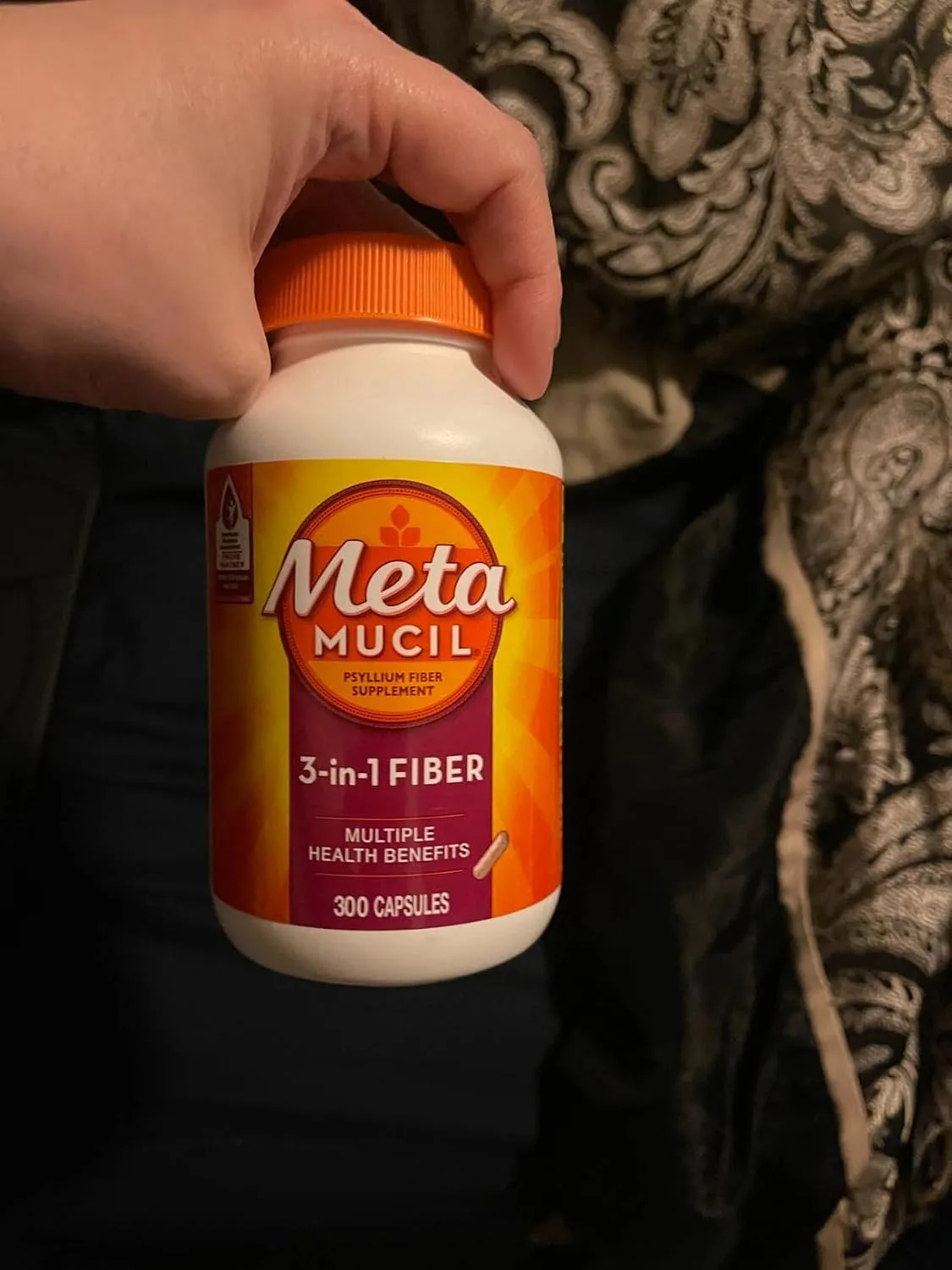
A fibre supplement is a practical tool, not a cancer-prevention magic bullet—bowel cancer risk reduction comes from consistent, long-term fibre intake from all sources combined, along with physical activity, limiting processed meat, and screening when appropriate. If you’re interested in trying a convenient, evidence-backed option, Metamucil 3-in-1 Fiber Capsules is what I recommend to people who need simplicity without compromise.

About This Article

Written by Alex Mercer. Alex Mercer has lived with IBS since childhood and isn't a nutritionist or a doctor. After years of being told he was anxious or would grow out of it, he spent more than 12 years reading the research properly, and now shares what he has learned with the family, friends and support-group members who come to him with the same questions. He translates peer-reviewed research into practical, honest advice, and is always upfront about what the evidence does and does not show. More about this site.
Scope and limits. Alex is not a doctor, dietitian, or nutritionist, and nothing here is medical advice. Talk to a clinician before changing your diet, starting a supplement, or acting on symptoms — especially persistent or worsening ones.
Verify this against a primary source
Specifics change, and your situation may differ from the one described here. These are the authorities worth checking directly:
- NIDDK — digestive disease research and clinical guidance
- MedlinePlus — plain-language medical reference from the NIH
- Mayo Clinic — symptom and condition reference