The connection between meat consumption and bowel cancer is one of the most persistent concerns I encounter in my experience—people arrive with hastily printed news articles, genuinely worried about whether their current eating habits have already set them on a risky path. Most of the time the question emerges phrased something like, “Should I eliminate meat from my diet?” The actual relationship between red meat, processed meat, and colorectal cancer risk turns out to be far more layered than what typically appears in sensationalized reporting — and grasping these layers matters enormously if you want to build sustainable, fear-free dietary decisions grounded in real evidence rather than panic-driven swings.

What the Research Actually Shows — and What It Doesn’t
To ground this discussion properly: in 2015, the World Health Organisation’s International Agency for Research on Cancer (IARC) assigned processed meat to Group 1 (carcinogenic to humans) and red meat to Group 2A (probably carcinogenic to humans), specifically regarding colorectal malignancy. News outlets erupted with coverage—and justifiably, given how those labels sound. Yet here is the essential context that got buried under headlines: the grouping system reflects certainty about whether a link exists, not how large that link actually is.
Processed meat shares Group 1 status with tobacco — yet the magnitude of danger is entirely different. Tobacco smoking inflates your lifetime lung cancer risk to staggering levels. By contrast, the IARC evidence for processed meat indicated that consuming 50 grams daily (roughly two slices of bacon) corresponded with an 18% elevation in relative risk for colorectal malignancy. Expressed as absolute figures, this translates to a shift from roughly 5.6% to roughly 6.6% lifetime probability for a typical individual. That deserves attention and warrants serious consideration — yet it represents a different threat tier altogether from what most media coverage suggested.
Unprocessed red meat shows a weaker and more variable association within published literature. Certain population-level studies demonstrate correlations with elevated consumption; conversely, when investigators control for lifestyle factors like dietary composition, smoking history, exercise frequency, and BMI, the connection frequently diminishes or vanishes.
Understanding the Distinction Between Cured and Fresh Meat
Throughout comparing notes with other people, I emphasize a sharp separation between these two categories, as many people conflate them entirely—a conflation that generates avoidable confusion. Processed meats—including bacon, sausage links, frankfurters, cured ham, pepperoni, and smoke-treated preparations—undergo preservation via salting, curing, fermentation, or smoking techniques. The biological mechanisms most implicated in cancer promotion stem from these preservation methods specifically: N-nitroso compound generation from nitrate and nitrite additives, plus heterocyclic amine (HCA) and polycyclic aromatic hydrocarbon (PAH) creation during intensive-heat cooking. These are the suspected carcinogenic pathways.
Unprocessed red meat—when subjected to gentler cooking—lacks this nitrate load. The mechanism of concern here centers instead on haem iron, the bioavailable iron species in animal tissue, which laboratory evidence proposes may catalyze mutagenic byproduct generation at the intestinal epithelium. Yet this pathway exhibits dose-dependence, and lower-to-moderate intake levels show substantially less alarming signals than what emerges from processed meat investigations.
My approach with people always involves separating these two profiles. A person consuming grilled lamb twice monthly faces a distinctly different risk exposure than an individual eating cured deli products as a daily lunch staple.
Dietary Fiber as a Concrete Strategy for Lowering Colorectal Cancer Risk
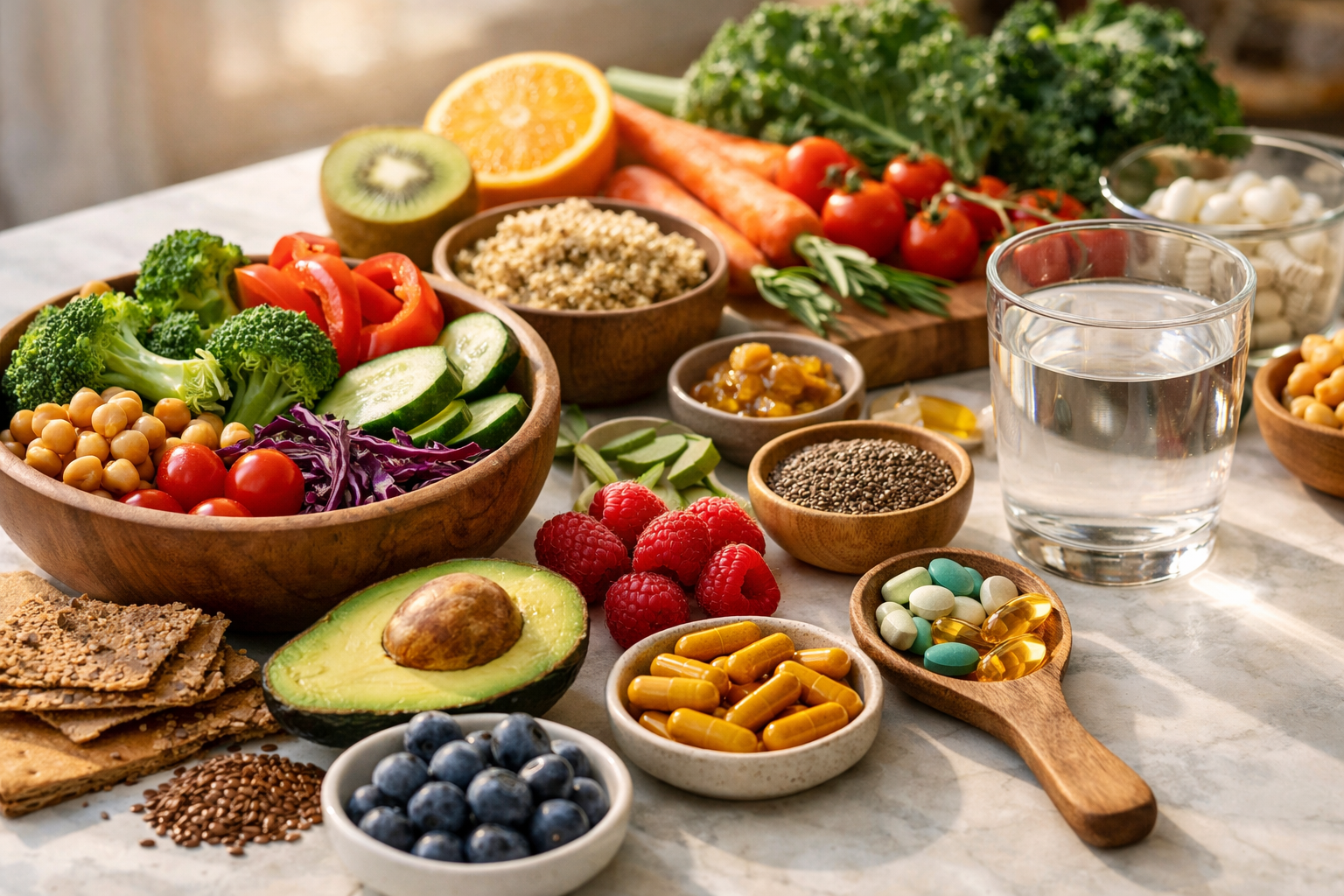
Among the most robustly supported protective mechanisms against colorectal malignancy stands adequate dietary fiber consumption—yet the majority of people fall substantially short of optimal intake. Should meat consumption raise your concern level, directing energy toward elevating fiber intake represents a far more concrete and evidence-anchored intervention than wholesale dietary elimination.
Approaches with demonstrated benefit
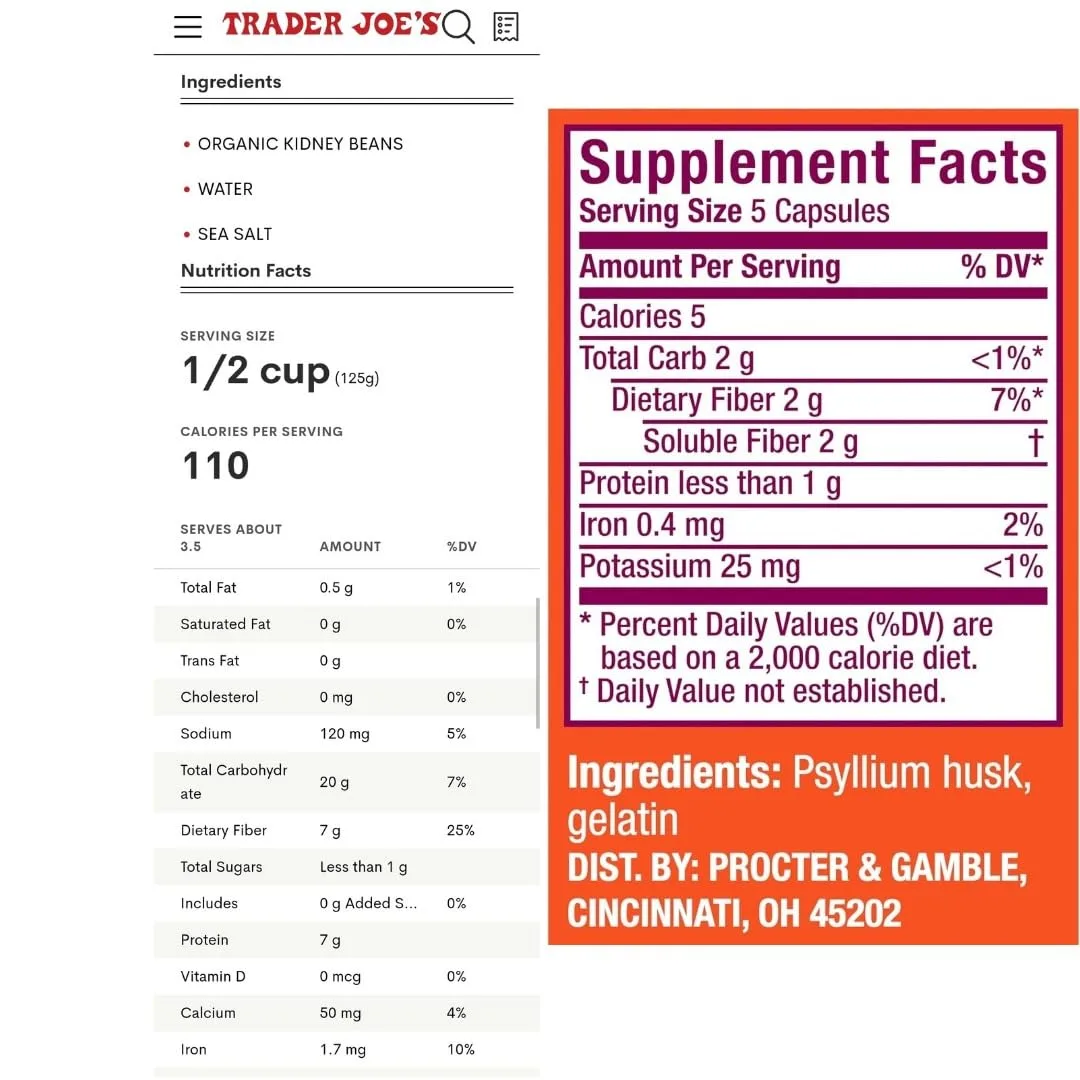
- Psyllium husk demonstrates established efficacy for augmenting fecal volume, reducing colon transit duration, and nourishing protective microbiota—each contributing to diminished carcinogen contact within the large intestine.
- Encapsulated delivery tends to prove gentler for those finding fiber powder triggers distension; gradual upward titration becomes feasible without the textural barrier that discourages consistent use.
- Formulations combining psyllium with added insoluble fiber (such as cellulose) provide simultaneous prebiotic activity and bulking capacity within a single dosing unit.
Limitations and cautions
- For individuals with IBS-D presentations, psyllium occasionally amplifies loose-stool patterns; beginning with reduced quantities and progressing cautiously is advisable, or pivoting toward predominantly soluble sources instead.
- Fiber supplementation operates as a complementary lifestyle adjustment—not as an alternative to medical screening protocols or clinical guidance, particularly when genetic predisposition to colorectal cancer exists.
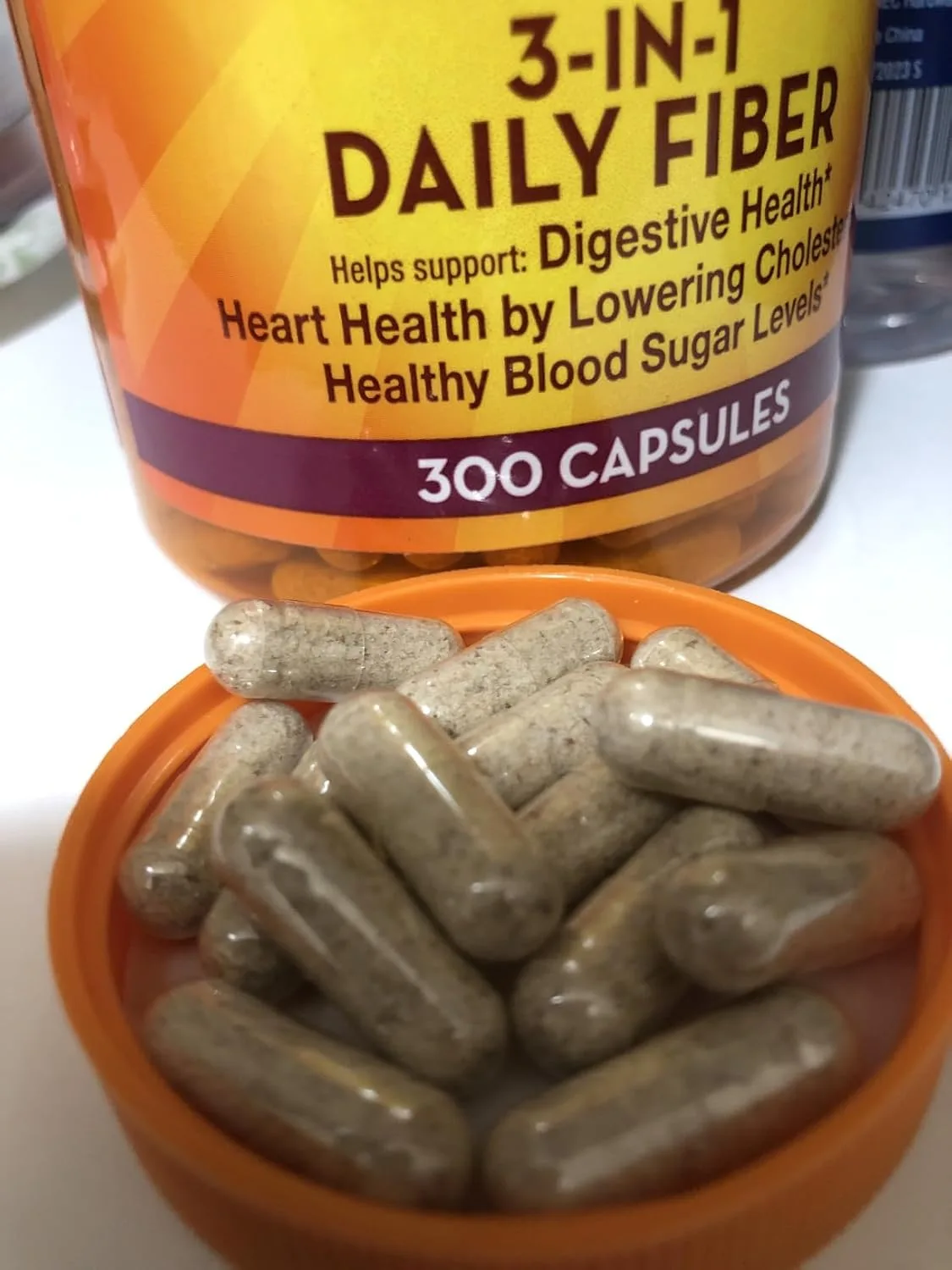
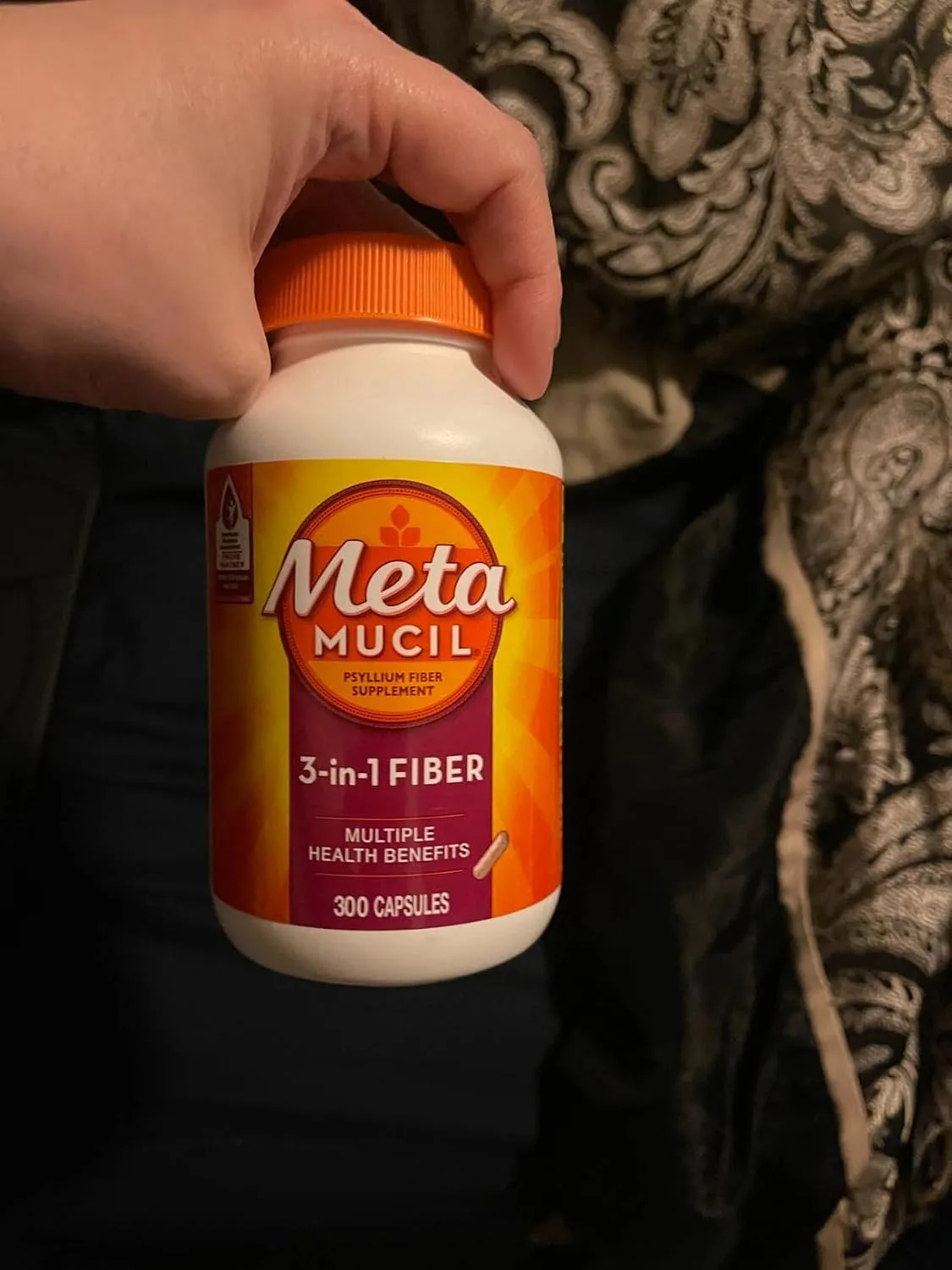
This supplement works best as part of a broader dietary shift toward whole grains, vegetables, and legumes—not as a replacement for eating real food. That said, if you’re stuck in a dietary pattern low in fiber and want a realistic bridge while you rebuild your eating habits, Metamucil 3-in-1 Fiber Capsules is a sensible, evidence-backed option.
About This Article

Written by Alex Mercer. Alex Mercer has lived with IBS since childhood and isn't a nutritionist or a doctor. After years of being told he was anxious or would grow out of it, he spent more than 12 years reading the research properly, and now shares what he has learned with the family, friends and support-group members who come to him with the same questions. He translates peer-reviewed research into practical, honest advice, and is always upfront about what the evidence does and does not show. More about this site.
Scope and limits. Alex is not a doctor, dietitian, or nutritionist, and nothing here is medical advice. Talk to a clinician before changing your diet, starting a supplement, or acting on symptoms — especially persistent or worsening ones.
Verify this against a primary source
Specifics change, and your situation may differ from the one described here. These are the authorities worth checking directly:
- NIDDK — digestive disease research and clinical guidance
- MedlinePlus — plain-language medical reference from the NIH
- Mayo Clinic — symptom and condition reference