At 54%, the proportion of bowel cancer cases attributable to lifestyle factors according to Cancer Research UK represents something remarkable: a majority of diagnoses that never needed to happen. And since dietary choices sit at the center of that preventability, the opportunity to reshape your risk through what lands on your plate each day is substantial — more so than genetics or age alone would suggest.

Why Diet Is at the Heart of Bowel Cancer Prevention
Throughout my years comparing notes with other people navigating digestive health, I’ve encountered many who arrive with a family history of colorectal cancer or recent screening results that have prompted them to reassess their daily patterns. What I consistently emphasize is this fundamental truth: genetics remain fixed, but tomorrow’s breakfast is entirely within your control. That single shift in perspective — from helplessness to agency — can reshape how someone approaches the next fifteen years of meals.
In my experience, the dietary landscape around bowel cancer prevention centers on a handful of well-documented risk drivers: inadequate fibre consumption, elevated red and processed meat intake, regular alcohol use, and weight gain stemming from nutritional imbalance. Understanding each of these independently — and then how to address them — forms the foundation of a practical prevention strategy.
The strongest scientific evidence points to several modifiable patterns: insufficient daily fibre, habitual consumption of processed and red meats, alcohol frequency and volume, and obesity rooted in dietary patterns rather than metabolic dysfunction alone. Let me walk through what the research actually shows, and how each translates into actionable steps.
Closing the Fibre Deficit: What the Data Reveals
Dietary fibre stands as one of the most robustly supported protective mechanisms in colorectal cancer research. A pivotal 2011 systematic review published in the British Medical Journal demonstrated that each additional 10 grams of fibre consumed daily corresponded with approximately a 10% lower risk of colorectal cancer development. The UK dietary standard calls for 30 grams daily, yet typical adult intake hovers around 18 grams — a shortfall I observe repeatedly when people first share their eating patterns with me.
The protective mechanisms operate on multiple levels simultaneously. Fibre increases stool volume and accelerates movement through the colon, thereby minimizing the window during which harmful compounds remain in contact with the intestinal lining. Simultaneously, fibre serves as substrate for your gut’s beneficial microorganisms, which ferment it into short-chain fatty acids — particularly butyrate — compounds demonstrating anti-inflammatory and potentially cancer-protective activity in research contexts.
Supplementing Fibre: A Practical Tool for Bowel Cancer Risk Reduction
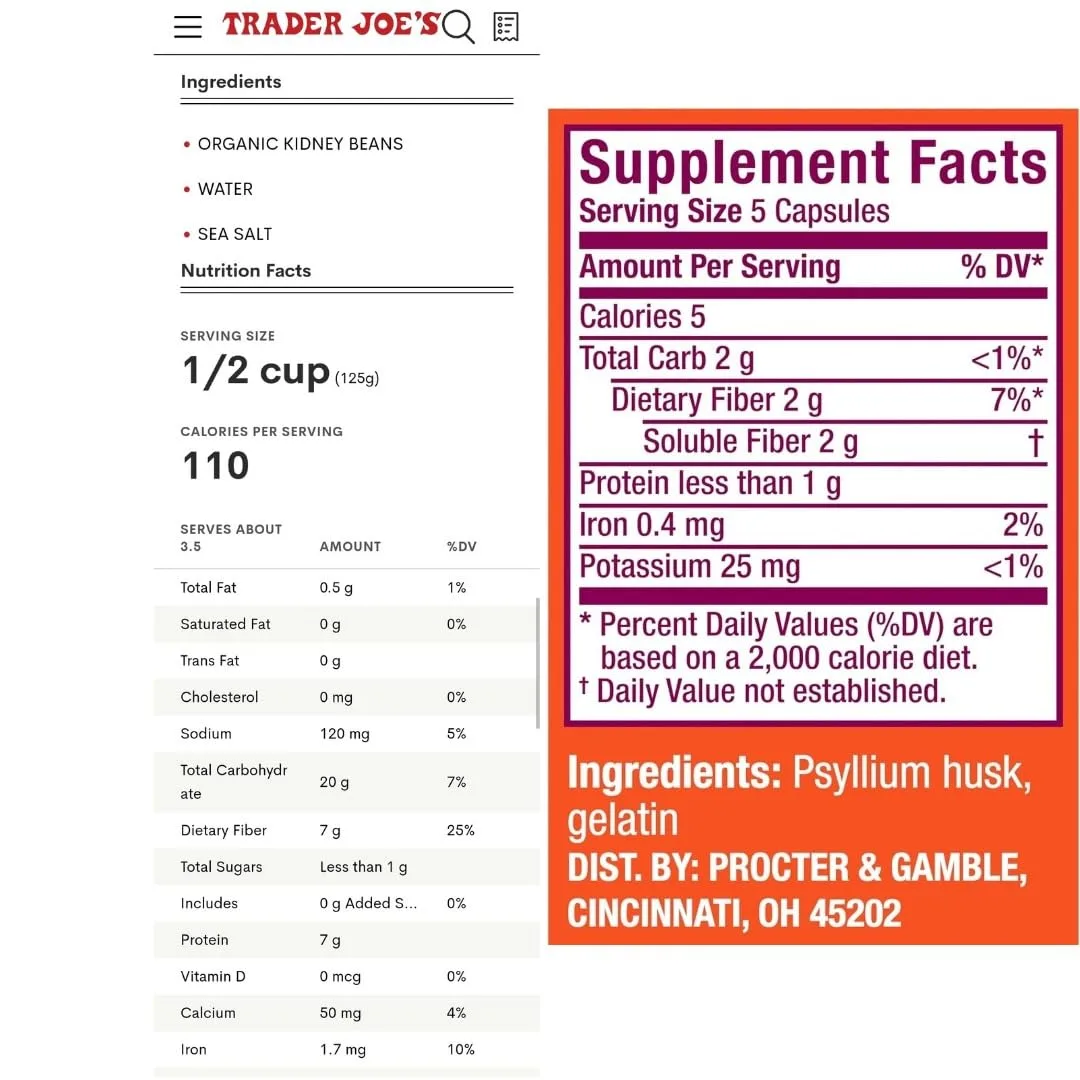
Reaching adequate fibre through whole foods alone poses challenges for many people, particularly those managing digestive sensitivities or underlying conditions like IBS. Psyllium husk formulations such as Metamucil provide a straightforward, well-tolerated avenue for closing that nutritional gap — especially valuable for individuals who’ve encountered barriers when attempting to increase grain or vegetable consumption through diet alone.
Where this approach succeeds
- Soluble fibre serves as nourishment for the protective bacterial populations inhabiting your colon, driving increased butyrate synthesis — a short-chain fatty acid that reinforces intestinal barrier integrity and exhibits cancer-preventive signaling in laboratory and animal research.
- Capsule formulations tend to offer superior tolerability compared to powder versions; they allow precise dosing consistency, require no mixing preparation, travel easily, and this convenience typically translates to sustained use across extended periods.
- Combined soluble and insoluble fibre products harness complementary physiological pathways — stool bulking, colonic transit enhancement, and prebiotic activity operate through distinct mechanisms, making combination approaches strategically superior to single-fiber supplements.
Where limitations emerge
- For individuals with diarrhea-predominant IBS, elevated soluble fibre intake can temporarily intensify bowel urgency or loose-stool episodes; introduction must proceed cautiously (beginning at 1–2 capsules daily with gradual increases), and some people may find sustained tolerance unachievable regardless of dosing strategy.
- Supplemental fibre functions as one supportive element within a comprehensive risk-reduction framework, not as a substitute for structured screening protocols, ongoing medical monitoring in the context of familial risk, or therapeutic intervention following polyp detection or removal.
If you’re on medications (particularly blood thinners or diabetes drugs), check with your GP before starting any fiber supplement, as timing and dose matter. Metamucil 3-in-1 Fiber Capsules are a reliable, affordable option to start with.


About This Article

Written by Alex Mercer. Alex Mercer has lived with IBS since childhood and isn't a nutritionist or a doctor. After years of being told he was anxious or would grow out of it, he spent more than 12 years reading the research properly, and now shares what he has learned with the family, friends and support-group members who come to him with the same questions. He translates peer-reviewed research into practical, honest advice, and is always upfront about what the evidence does and does not show. More about this site.
Scope and limits. Alex is not a doctor, dietitian, or nutritionist, and nothing here is medical advice. Talk to a clinician before changing your diet, starting a supplement, or acting on symptoms — especially persistent or worsening ones.
Verify this against a primary source
Specifics change, and your situation may differ from the one described here. These are the authorities worth checking directly:
- NIDDK — digestive disease research and clinical guidance
- MedlinePlus — plain-language medical reference from the NIH
- Mayo Clinic — symptom and condition reference