This post contains affiliate links. As an Amazon Associate I earn from qualifying purchases at no extra cost to you.
Let me be straightforward with you from the start: supplements are never a substitute for a well-rounded, fibre-rich, plant-forward diet. But when it comes to supplements for bowel cancer prevention, the research has reached a point where I genuinely cannot ignore it in my clinical practice. Colorectal cancer is the second leading cause of cancer death in many Western countries, and the link between gut health, diet, and cancer risk is one of the most well-studied areas in nutritional medicine. That is why certain targeted supplements have earned a regular place in my client recommendations — not as magic bullets, but as meaningful additions to a solid dietary foundation.

Why Fibre Is the Foundation of Bowel Cancer Prevention
If I could recommend just one dietary strategy to reduce bowel cancer risk, it would be increasing fibre intake. The evidence here is robust and consistent. A landmark meta-analysis published in the British Medical Journal found that every 10g increase in daily dietary fibre was associated with a 10% reduction in colorectal cancer risk. Fibre feeds beneficial gut bacteria, bulks stool, reduces transit time, and dilutes potential carcinogens in the colon — all mechanisms that matter enormously for long-term colon health.
In my practice, I see the same pattern repeatedly: clients coming in with low fibre intakes, sluggish digestion, and a family history of bowel issues. Getting fibre up through wholegrains, legumes, fruits, and vegetables is always my first goal. But for many people — particularly those with busy lifestyles or sensitive digestive systems — hitting the recommended 30g daily through food alone is genuinely difficult. That is where a quality fibre supplement becomes a practical and evidence-supported tool.
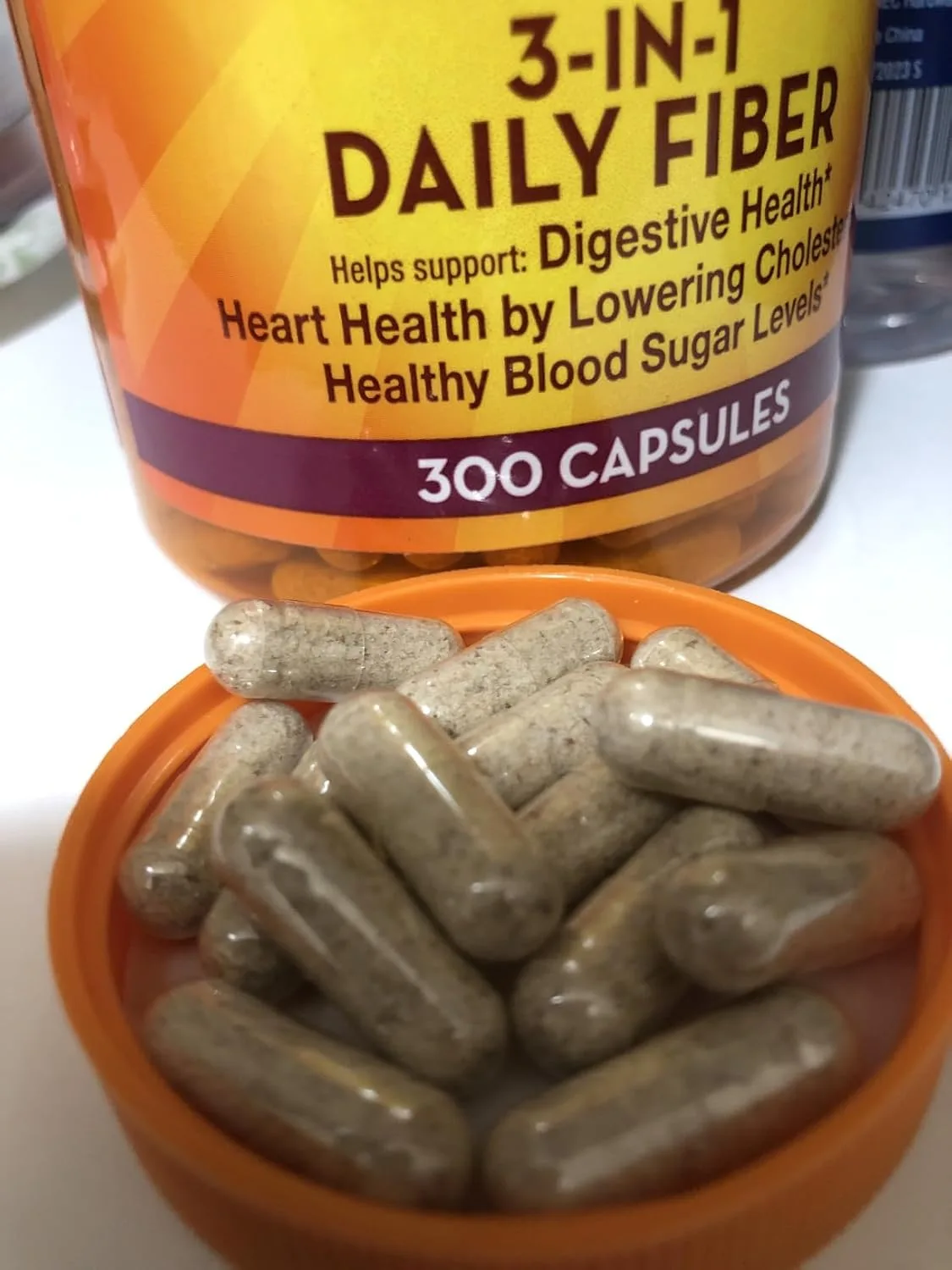
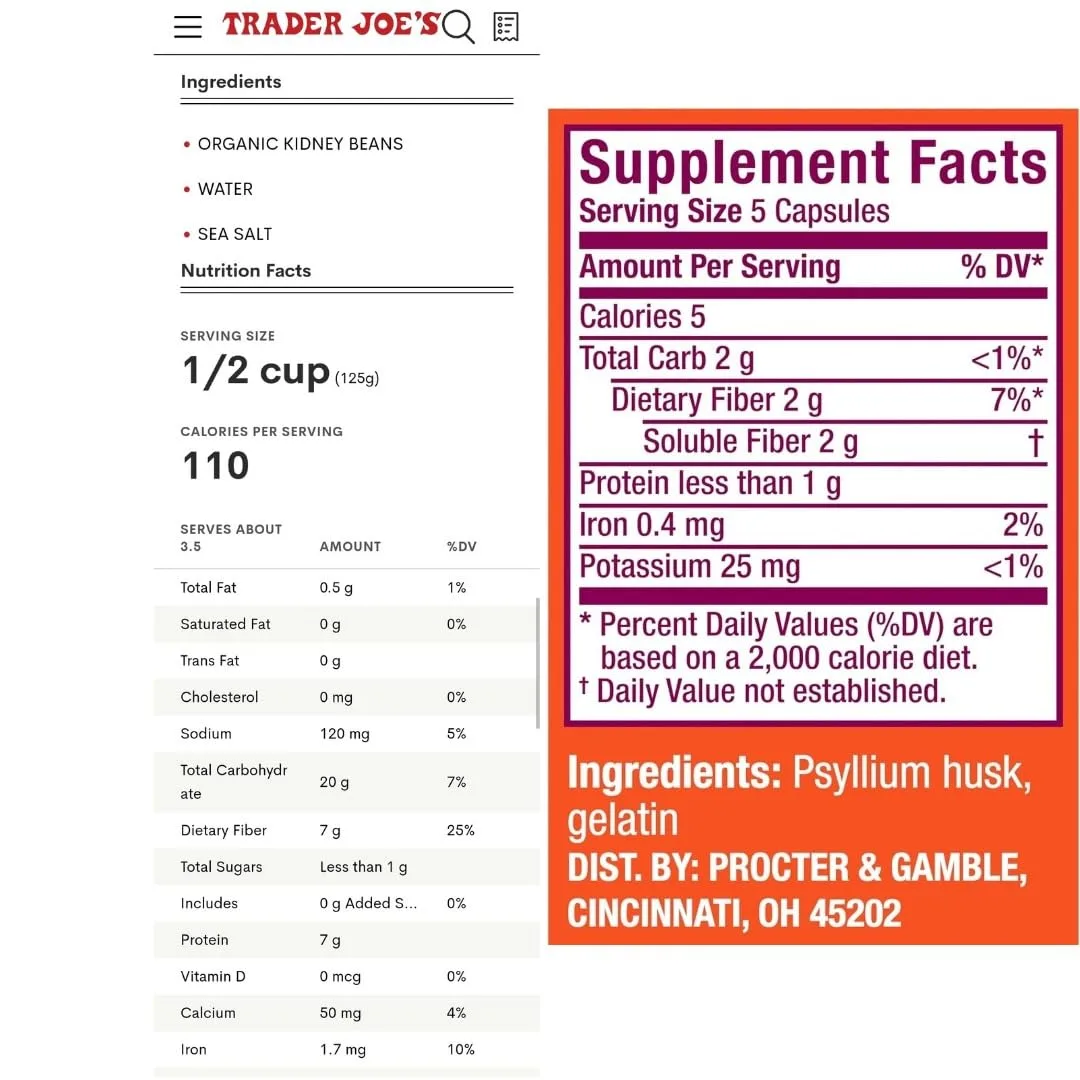
Psyllium husk is my go-to recommendation for supplemental fibre. It is a soluble fibre that forms a gel in the gut, supporting regularity, feeding beneficial bacteria, and helping to maintain a healthy colonic environment. I regularly recommend Metamucil 3-in-1 Fiber Capsules, which use psyllium husk and carry the distinction of being the number one doctor-recommended fibre brand. For a more economical option that still delivers quality, GoodMeds Psyllium Husk Fiber 520mg Capsules offer solid colon support in a convenient 200-count format.
For clients who want a broader digestive support formula alongside their fibre, I often point them toward NatureWise Total Colon Care Fiber Cleanse, which combines herbal laxatives, prebiotics, and digestive enzymes in a single capsule — useful when someone presents with both low fibre intake and poor enzyme activity. Similarly, the Sanar Naturals Colon Cleanser combines psyllium husk with probiotics, which I find helpful for clients who need both fibre and microbiome support simultaneously. If you prefer a powder format, Health Plus Colon Cleanse Natural Daily Fiber Powder is a clean, gluten-free option that mixes easily and provides 48 servings per container — great for those who struggle with capsules.

Omega-3 Fatty Acids: Anti-Inflammatory Support for the Gut Lining
Chronic low-grade inflammation in the colon is a well-recognised driver of colorectal cancer development. This is where omega-3 fatty acids become genuinely interesting from a preventive nutrition standpoint. EPA and DHA — the long-chain omega-3s found in fatty fish and quality fish oil supplements — have demonstrated meaningful anti-inflammatory effects in the gut. Research published in journals including Gut and Cancer Prevention Research has shown associations between higher omega-3 intake and reduced colorectal cancer risk, particularly in people with elevated inflammatory markers.
Omega-3s work through several pathways: they modulate prostaglandin synthesis, reduce inflammatory cytokines, and appear to support the integrity of the gut mucosal barrier. For clients with a history of inflammatory bowel conditions, polyps, or strong family history of bowel cancer, I consider a quality omega-3 supplement non-negotiable.
My top clinical recommendation in this category is Microbiome Labs MegaMarine Omega 3 Fish Oil. What distinguishes this product is that it is specifically formulated with gut health in mind — delivering EPA, DHA, and DPA in a formula designed to support both immune function and gut barrier integrity. This is not your average fish oil, and for clients with gut-specific concerns, it is my first choice.
For those looking for a high-potency, well-tolerated everyday option, Nordic Naturals Ultimate Omega is a trusted name that I have been recommending for years. It delivers 1280mg of omega-3 per serving in a lemon-flavoured soft gel that minimises the fishy aftertaste many clients complain about. Alternatively, Sports Research Triple Strength Omega-3 Fish Oil 1250mg is an MSC-certified sustainable option sourced from wild Alaska Pollock — ideal for clients who are environmentally conscious and want a clean, non-GMO product.

What the Research Actually Says: Key Nutrients Beyond Fibre and Omega-3
Beyond fibre and omega-3s, the evidence points to a handful of additional nutrients worth discussing with your healthcare provider in the context of bowel cancer prevention. I want to be clear: these are not replacements for medical screening or treatment. They are adjuncts — tools that support a preventive nutrition strategy.
Vitamin D
Vitamin D deficiency is associated with increased colorectal cancer risk in multiple large-scale studies. The vitamin D receptor is expressed throughout the colon, and adequate vitamin D appears to support healthy cell turnover and reduce abnormal cell proliferation. I test vitamin D levels in almost every new client I see, and deficiency is remarkably common — particularly in those living in northern latitudes or spending most of their time indoors.
Magnesium
A dose-response meta-analysis published in the European Journal of Clinical Nutrition found that higher magnesium intake was associated with a significantly reduced risk of colorectal cancer. Magnesium plays a role in DNA repair and cell cycle regulation — both critical processes in cancer prevention. Many people are suboptimally nourished in magnesium, particularly those with poor dietary variety or chronic stress.
Calcium
Calcium has one of the stronger evidence bases in bowel cancer research. It appears to bind to bile acids and fatty acids in the colon, reducing their potential to damage the colon lining. Several major studies, including findings from the Women’s Health Initiative, have examined calcium’s role in colorectal cancer risk reduction, with generally positive associations for adequate intake.
When a client presents with low dietary calcium, limited sun exposure, and a family history of bowel cancer, addressing vitamin D, magnesium, and calcium alongside fibre and omega-3s becomes a more comprehensive preventive strategy — always tailored to their individual health picture.
How I Build a Bowel Cancer Prevention Protocol in Practice
No two clients are the same, and I never apply a one-size-fits-all supplement stack. But when someone comes to me with a genuine focus on reducing their bowel cancer risk — particularly those with a family history, prior polyps, or inflammatory bowel conditions — there are consistent pillars I return to.
- Increase dietary fibre first — aim for 25–35g daily through wholegrains, vegetables, legumes, and fruit
- Add a quality psyllium husk supplement if dietary fibre targets are not being met consistently
- Include a gut-targeted omega-3 supplement to address colonic inflammation
- Check vitamin D, magnesium, and calcium status and supplement where clinically indicated
- Support the microbiome with probiotic-rich foods or a targeted probiotic supplement
- Maintain regular bowel cancer screening as recommended by your GP — supplements do not replace colonoscopy or stool testing
Hydration, stress management, regular movement, and minimising ultra-processed food and red meat are the dietary lifestyle foundations I always address alongside supplementation. Supplements amplify a good diet — they cannot rescue a poor one.

My Final Recommendation on Supplements for Bowel Cancer Prevention
The evidence supporting targeted supplements for bowel cancer prevention is genuinely compelling — particularly for fibre and omega-3 fatty acids. These are not fringe recommendations; they are supported by decades of epidemiological research, clinical trials, and mechanistic science. Used alongside a nutrient-dense diet and regular medical screening, they form a meaningful part of a preventive health strategy.
If you are looking for practical starting points, I recommend beginning with a quality psyllium husk supplement — either Metamucil 3-in-1 Fiber Capsules or GoodMeds Psyllium Husk Fiber Capsules — and pairing it with a gut-focused omega-3 like Microbiome Labs MegaMarine Omega 3. From there, work with a qualified nutritionist or your GP to assess your individual vitamin D, magnesium, and calcium status.
Your gut health is one of the most powerful levers you have