By the time a new person with Crohn’s disease sits down with me, they’re almost always carrying at least one significant nutritional gap — usually several. These aren’t a side effect or an occasional complication; they’re a predictable, nearly inevitable consequence of the condition itself. Chronic inflammation, malabsorption, restricted diets, medication interactions, and the sheer physical toll of flares all combine to put the body in a constant uphill battle for what it needs. That’s exactly why nutritional status is the first thing I look at in every one of these conversations, before anything else.

Why Crohn’s Disease Makes Nutrient Deficiencies Almost Inevitable
To understand why deficiencies are so widespread, it helps to know what Crohn’s actually does to the digestive system. Unlike ulcerative colitis, which stays confined to the colon, Crohn’s can affect any part of the gastrointestinal tract — but it most often targets the terminal ileum, the section of small intestine responsible for absorbing vitamin B12, fat-soluble vitamins, and bile salts. When that tissue is inflamed, damaged, or surgically removed, absorption of those nutrients drops sharply no matter how well someone eats.
Several other mechanisms compound the structural issue. Chronic diarrhoea speeds up transit time, so nutrients simply don’t stay in contact with the intestinal wall long enough to be absorbed. Reduced appetite during flares lowers overall intake. Many people also self-restrict — cutting dairy, raw vegetables, high-fibre foods — in an understandable effort to manage symptoms, which often strips key micronutrients from the diet in the process. Medications add another layer: corticosteroids deplete calcium and vitamin D, methotrexate interferes with folate metabolism, and sulfasalazine blocks folate absorption too.
When someone shows up with unexplained fatigue, poor wound healing, hair thinning, low mood, or frequent infections, none of that is vague or psychosomatic. In the context of Crohn’s disease, these are red flags pointing to specific nutritional deficiencies that deserve urgent clinical attention.
The Most Common Deficiencies I See in Practice
Certain deficiencies surface again and again after years of comparing notes with other people managing inflammatory bowel disease. These are the ones I investigate whenever Crohn’s comes up.
Vitamin D
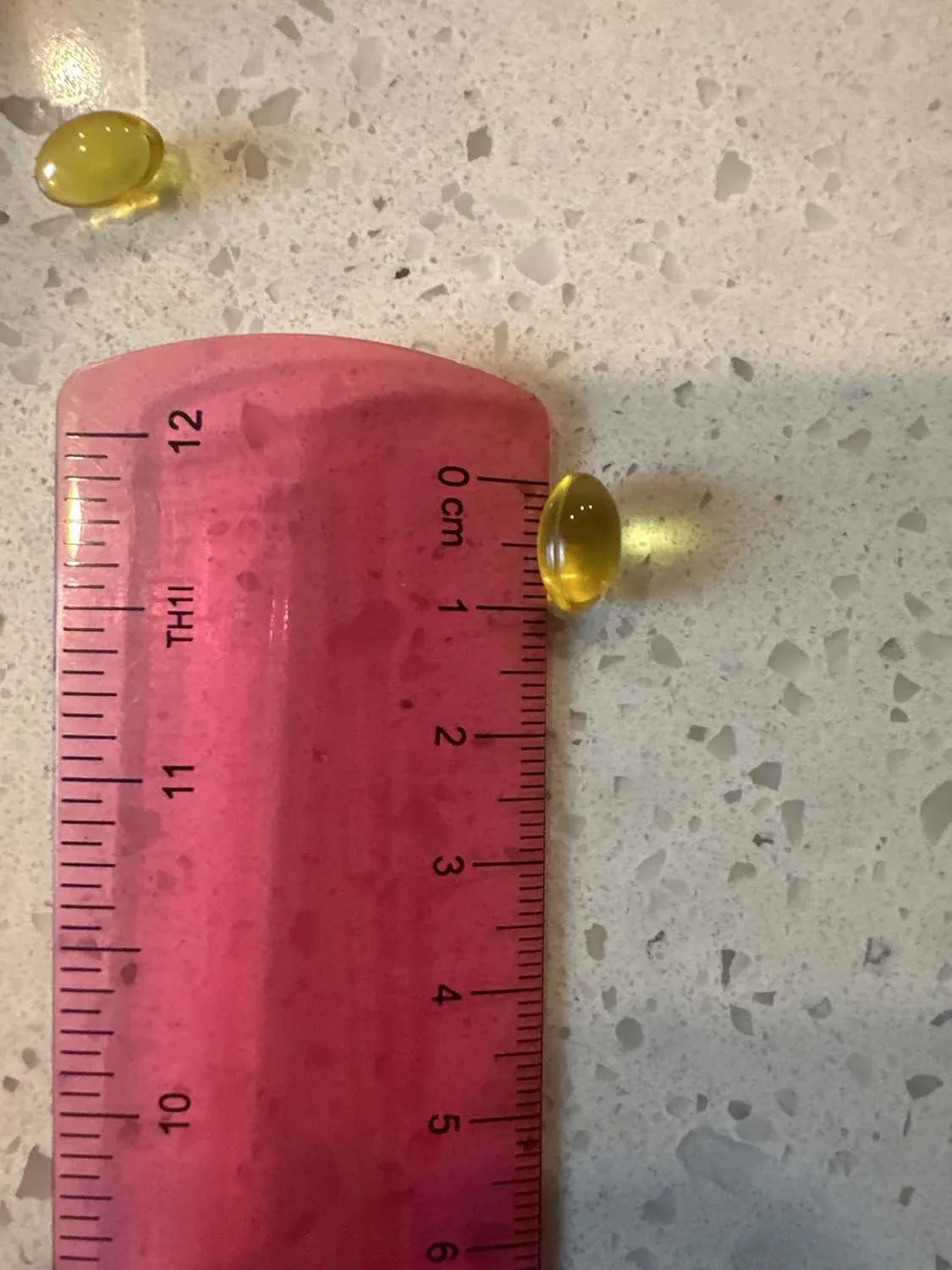
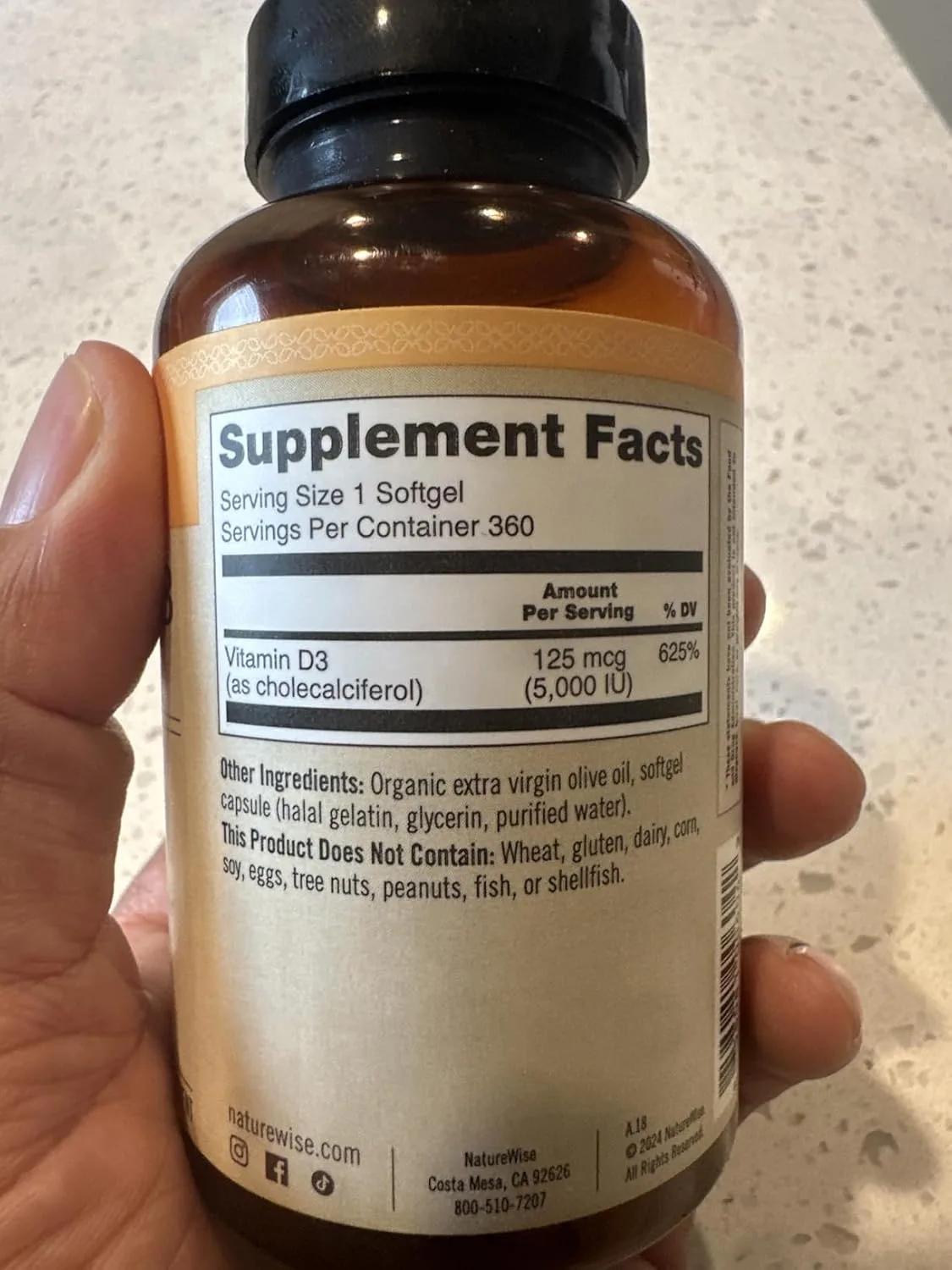
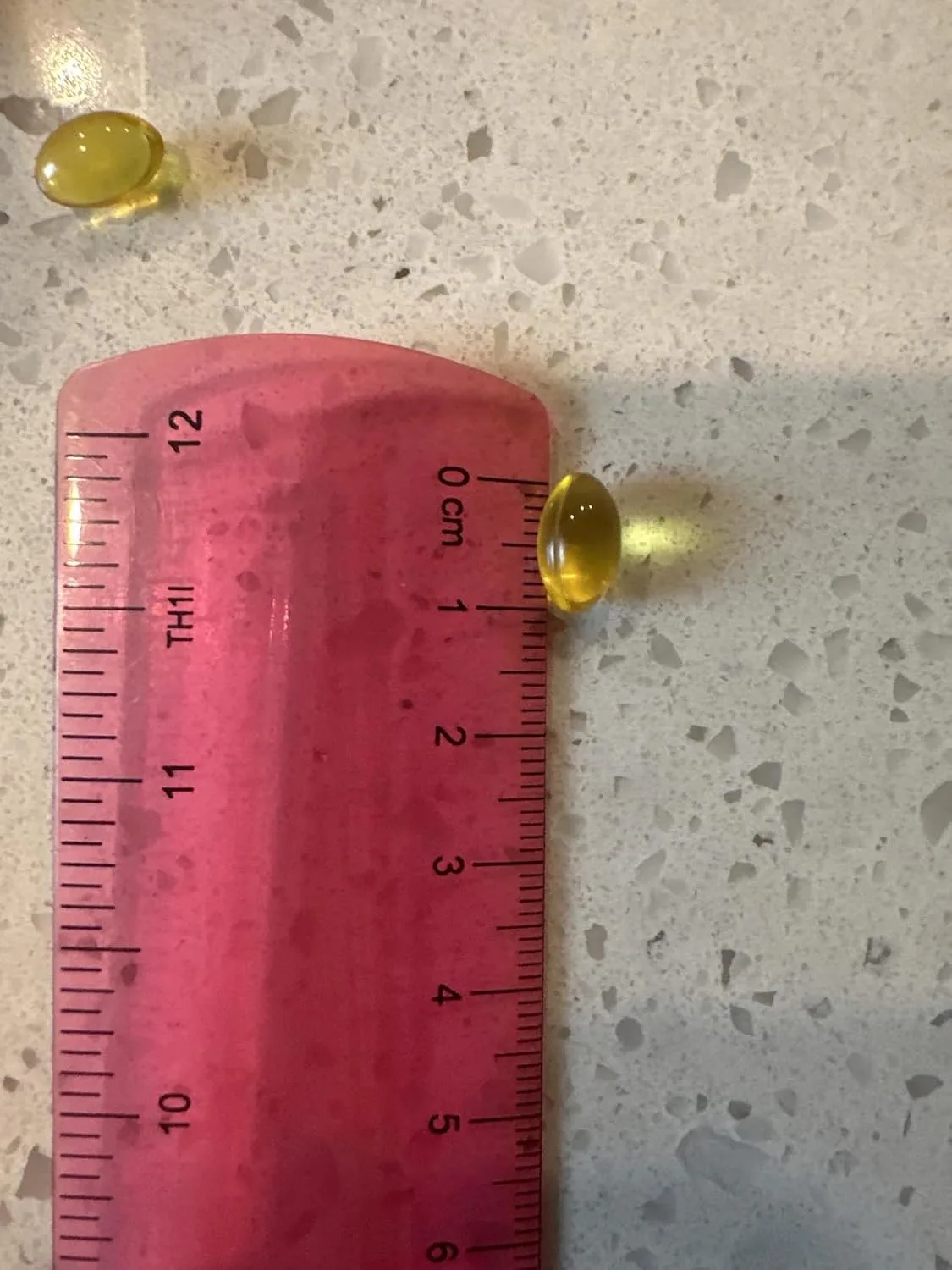
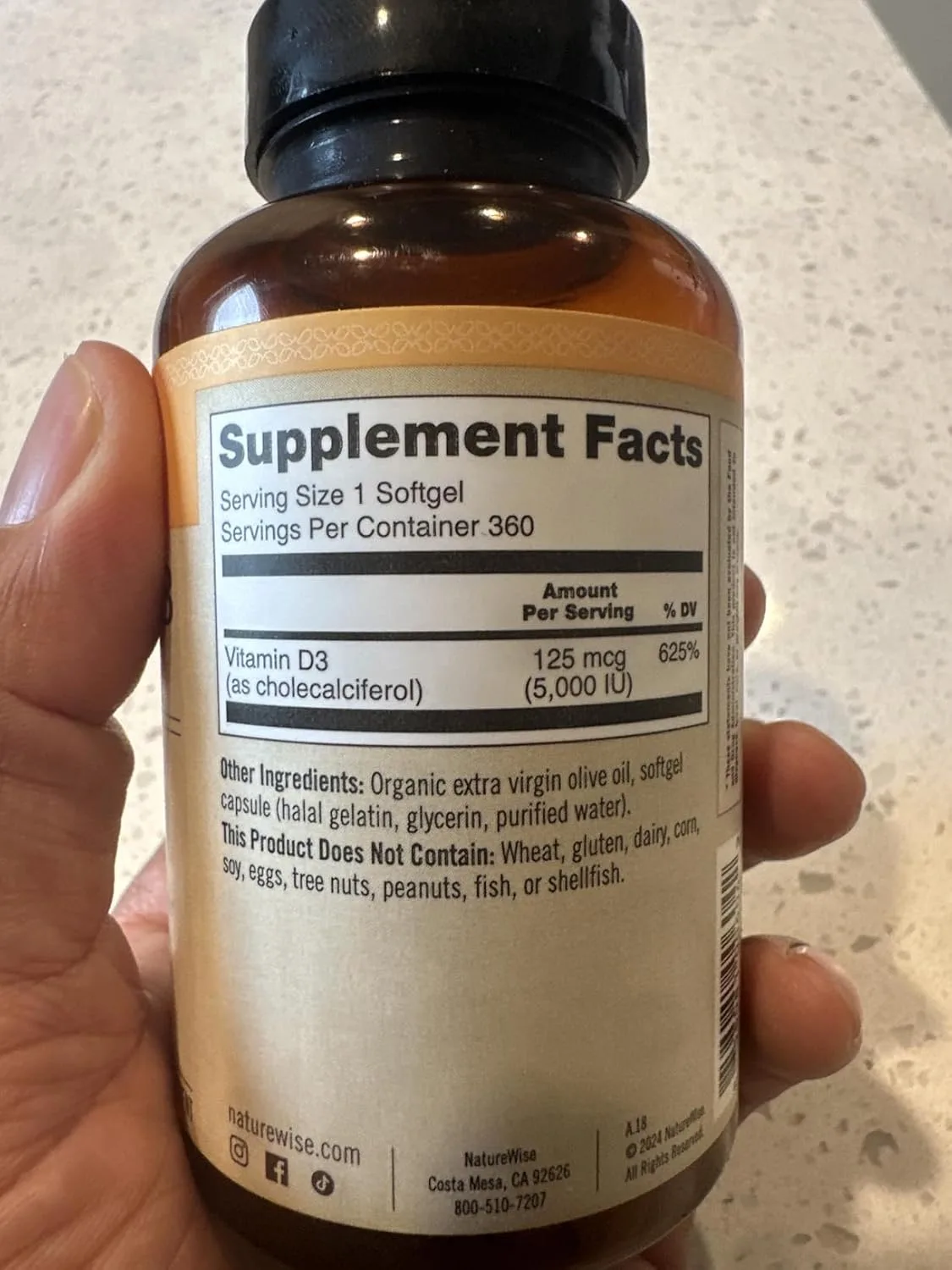
This is probably the most consistent finding in my experience. Research consistently shows that vitamin D deficiency is widespread in Crohn’s patients, and a meta-analysis of 14 studies found people with IBD had 64% higher odds of vitamin D deficiency than controls (OR 1.64), with ulcerative colitis patients at more than double the odds. Vitamin D is critical not only for bone health — already a concern in Crohn’s due to steroid use and reduced calcium absorption — but also for immune regulation. Low vitamin D has been associated with higher disease activity and increased risk of flares. I almost always recommend a quality supplement, and I often point people toward NatureWise Vitamin D3 5000iu, a non-GMO softgel in organic olive oil that supports immune function, bone health, and healthy muscle function. For those who need a lower maintenance dose, the NatureWise Vitamin D3 2000iu version is a gentler option — both come in a one-year supply which matters for long-term management.
Iron
Anaemia ranks among the most common extraintestinal complications of Crohn’s, with iron deficiency a leading driver. Chronic blood loss from intestinal inflammation, poor dietary intake, and impaired absorption in the duodenum and upper small intestine all play a role. Symptoms like fatigue, breathlessness, and difficulty concentrating are often written off as general “Crohn’s fatigue,” which delays proper treatment. Ferritin is the most sensitive marker, and I request it alongside a full blood count without exception.
Vitamin B12
Because B12 is absorbed exclusively in the terminal ileum, anyone with ileal involvement or resection faces high risk. Deficiency can build quietly over months or years, and by the time symptoms like peripheral neuropathy or cognitive changes show up, stores are already severely depleted. I recommend B12 testing every six to twelve months for people with ileal disease, with oral or sublingual supplementation — or intramuscular injections where absorption is too compromised — usually warranted.
Folate, Zinc, and Magnesium
These three often cluster together in people on significantly restricted diets. Methotrexate and sulfasalazine both deplete folate, and diets that exclude leafy greens compound the shortfall. Zinc is lost through chronic diarrhoea and is essential for immune function, skin integrity, and wound healing. Magnesium, frequently overlooked, drives hundreds of enzymatic processes and is commonly deficient in malabsorptive conditions — low levels can also worsen fatigue, muscle cramps, and anxiety, symptoms many people assume come solely from their Crohn’s.

Supporting Gut Health Alongside Targeted Supplementation
Correcting individual deficiencies through targeted supplementation matters, but it works best paired with support for the gut’s overall environment. Chronic inflammation damages the intestine’s absorptive surface, so even well-chosen supplements have limited impact if the gut lining itself is severely compromised. This is where a broader approach to gut health becomes part of the nutritional strategy.
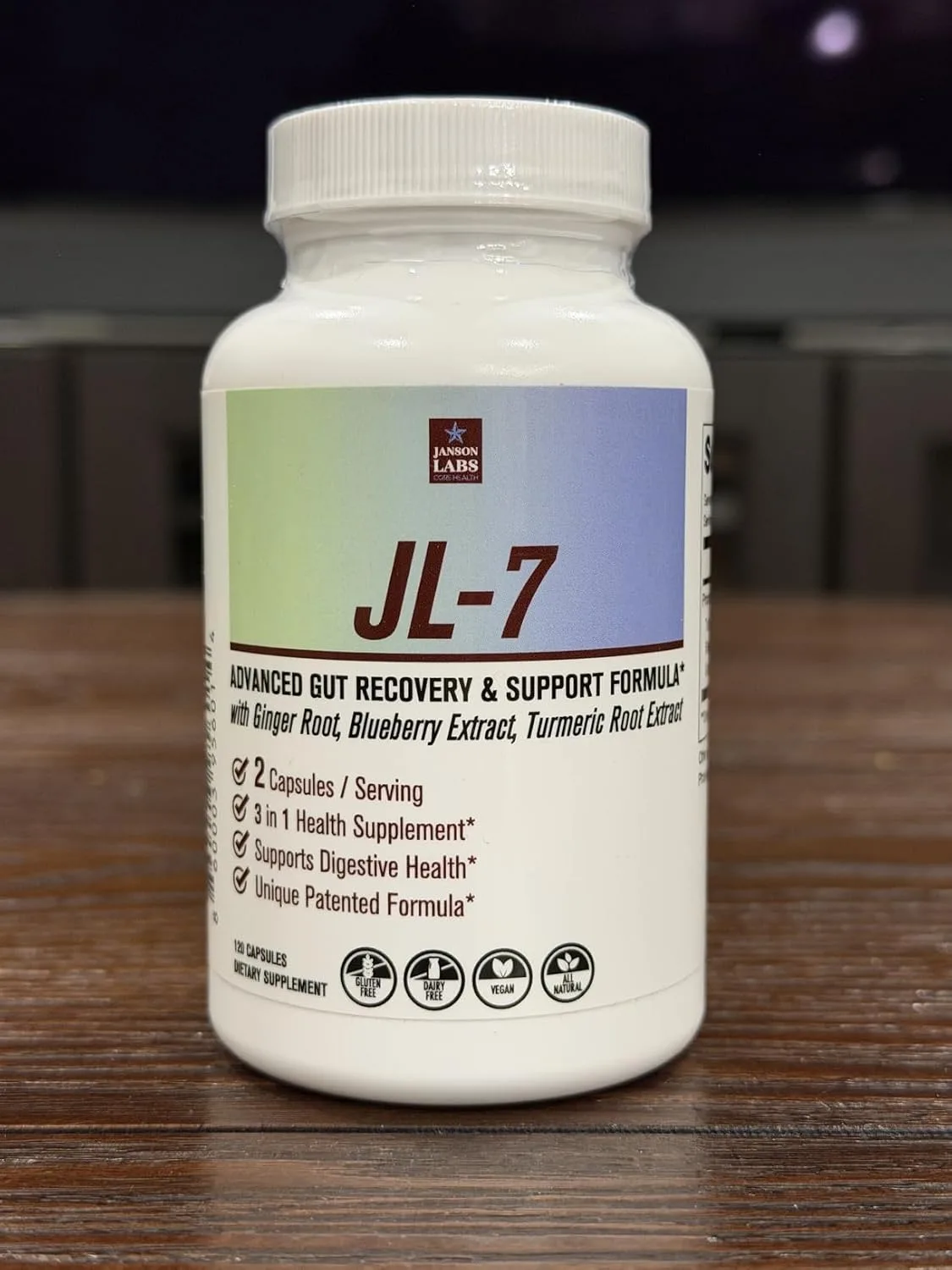
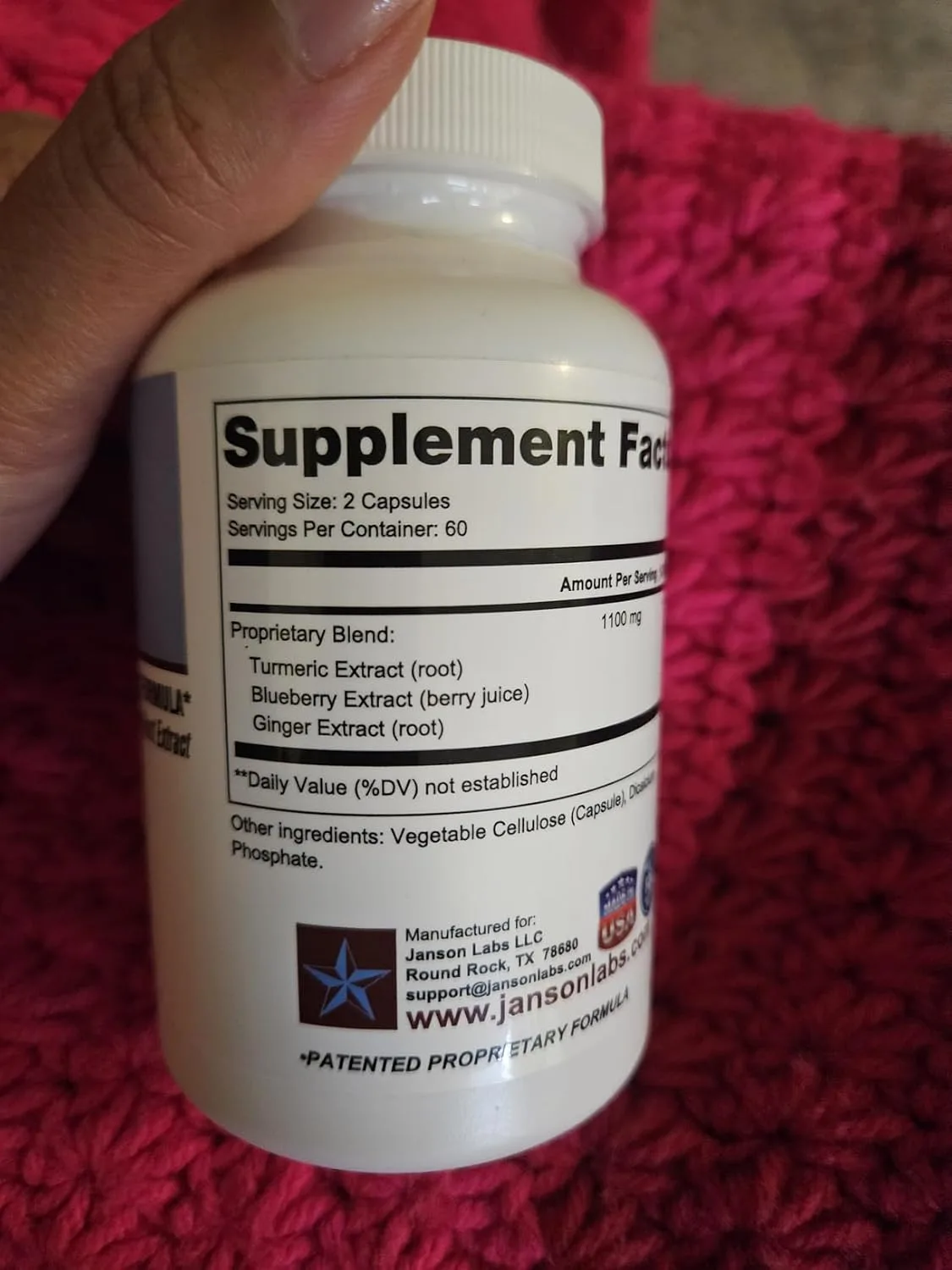
One product I have found worth discussing with appropriate people is the JL-7 Crohn’s and Colitis Supplement, a patented, all-natural formulation designed to support gut health in the context of IBD-related GI tract inflammation including Crohn’s disease and ulcerative colitis. As always, any new supplement should be discussed with your gastroenterologist or IBD nurse, but for people looking to take a proactive, natural approach to gut support alongside their medical treatment, this is one I consider worth exploring.
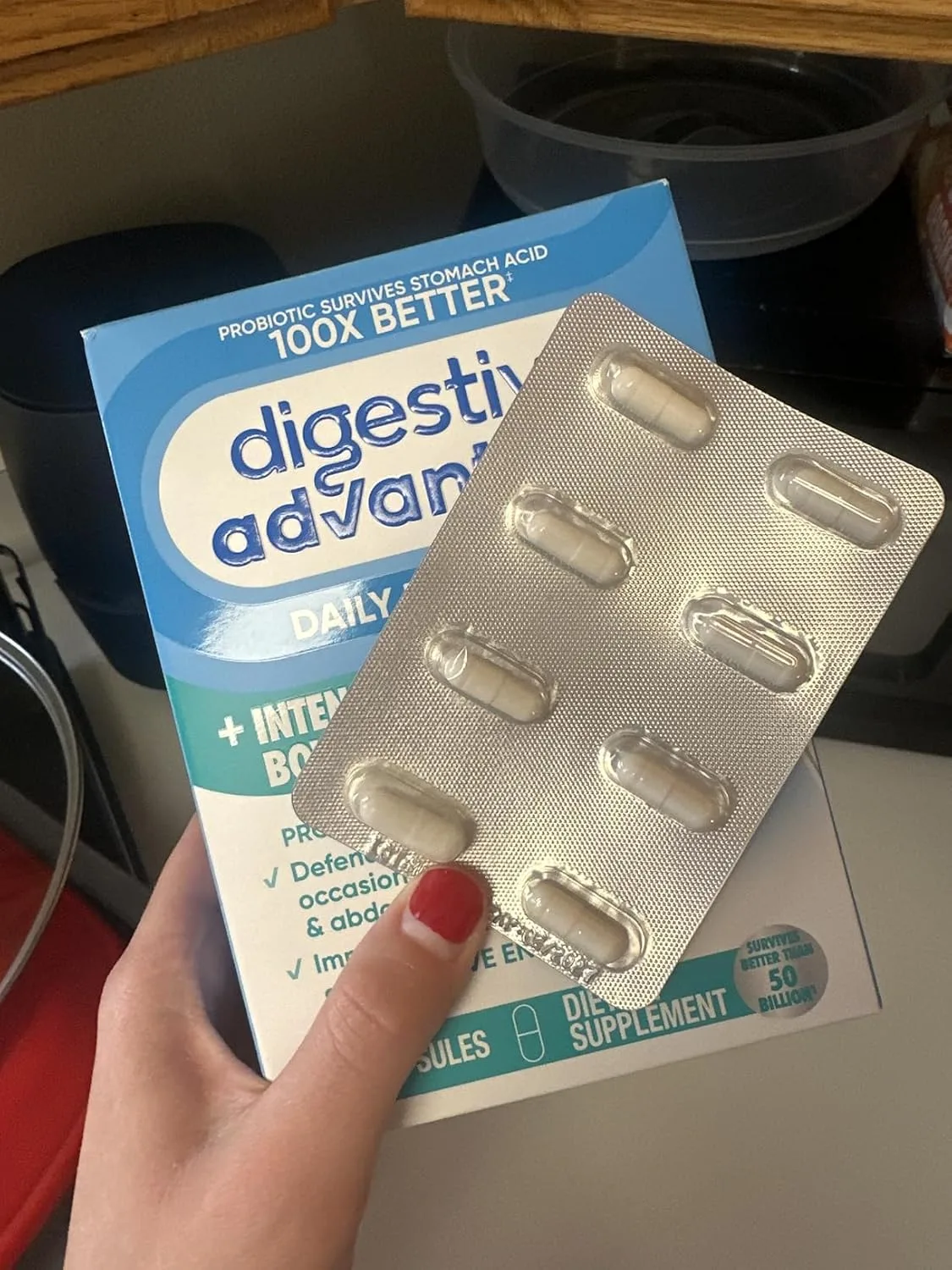
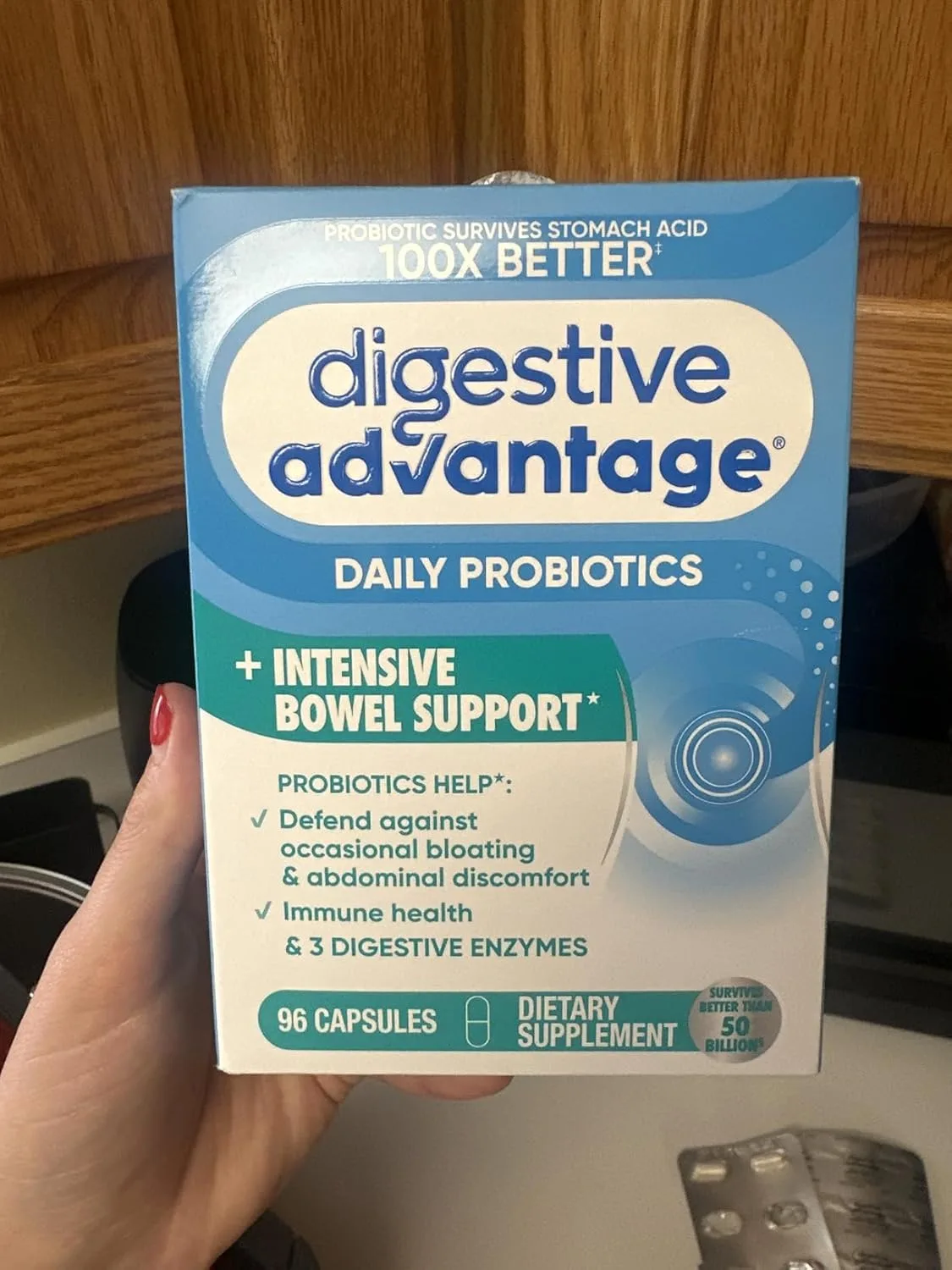
Probiotic support is another area I address carefully in Crohn’s people. The evidence base is more nuanced here than it is for conditions like IBS, and strain selection matters. For general digestive and immune support, I sometimes recommend the Digestive Advantage Daily Probiotic Capsules, which combines digestive enzymes with probiotic support — a practical dual-action option for people managing both digestive discomfort and nutrient breakdown. For those who specifically want an acidophilus-based probiotic to help optimise intestinal flora, the GeriCare Acidophilus with Pectin Probiotic Capsules is a cost-effective option that also supports immune defences and bone health — two areas of particular concern in Crohn’s disease.

Omega-3 Fatty Acids: An Underutilised Tool in Crohn’s Nutrition
Omega-3 fatty acids deserve their own section here, because they’re consistently underused by people with Crohn’s despite a genuinely solid evidence base. EPA and DHA from marine sources in particular carry well-documented anti-inflammatory properties. Research published in journals including Gut and Clinical Nutrition has examined their role in modulating intestinal inflammation, and while they don’t replace medical treatment, they represent a meaningful adjunct for many people.
Fat malabsorption in Crohn’s also means dietary omega-3s from oily fish are often insufficient or poorly absorbed, so supplementation is frequently necessary. A few quality options I recommend, depending on someone’s needs and budget:
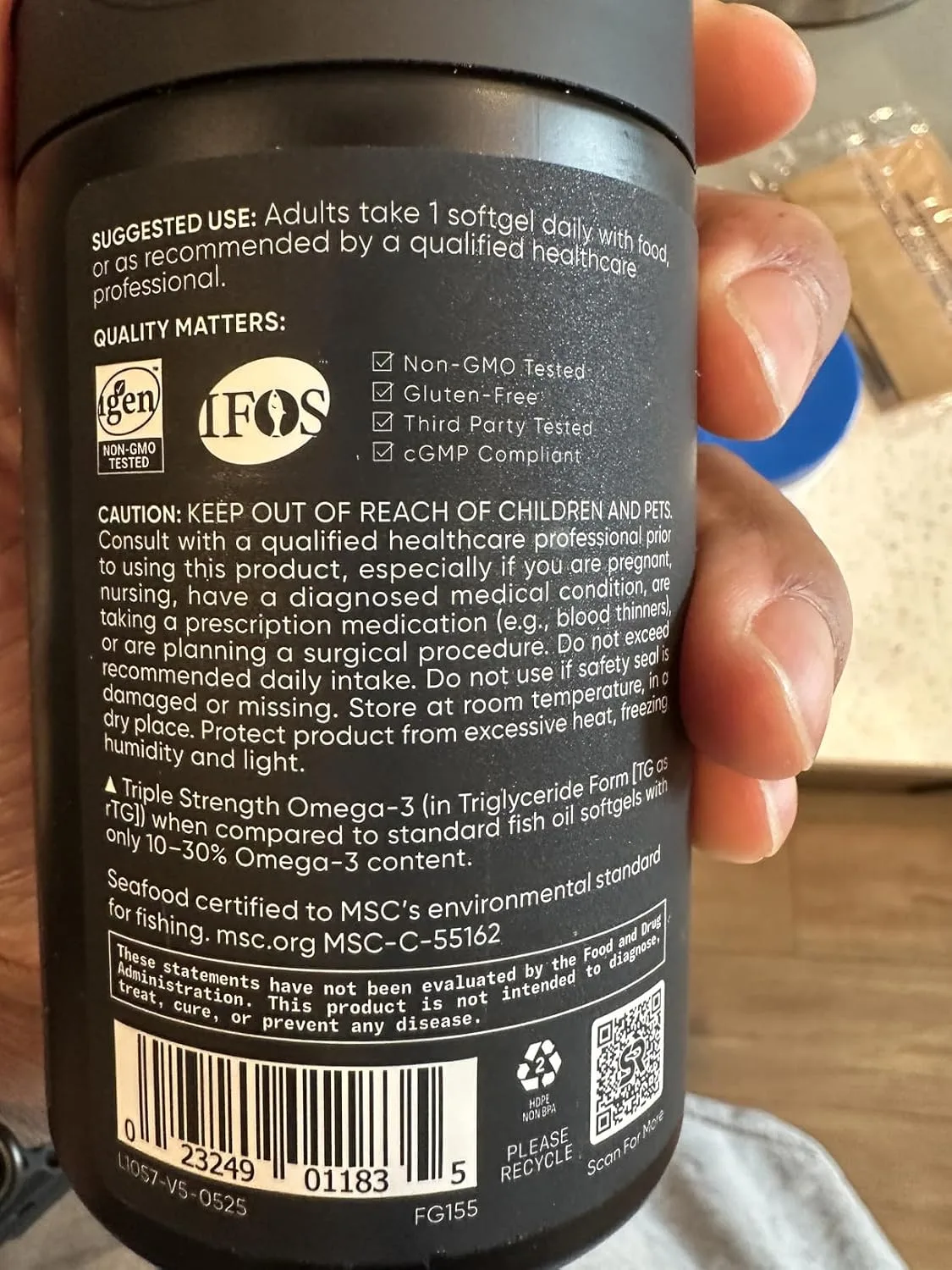
- Sports Research Omega-3 Fish Oil 1250mg — triple strength, sustainably sourced from wild Alaska Pollock, MSC certified, non-GMO and soy free. A reliable everyday option with strong sourcing credentials.
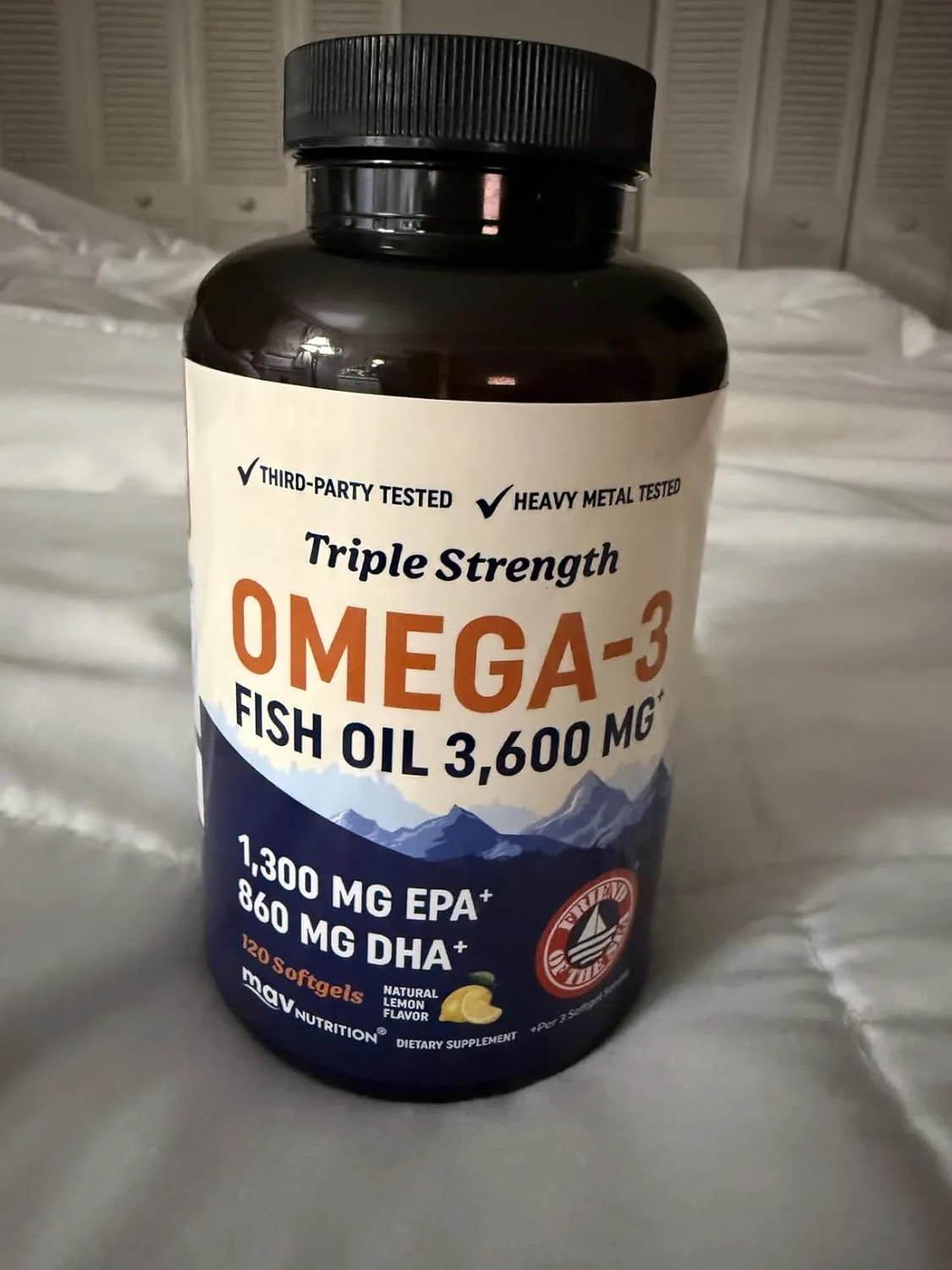
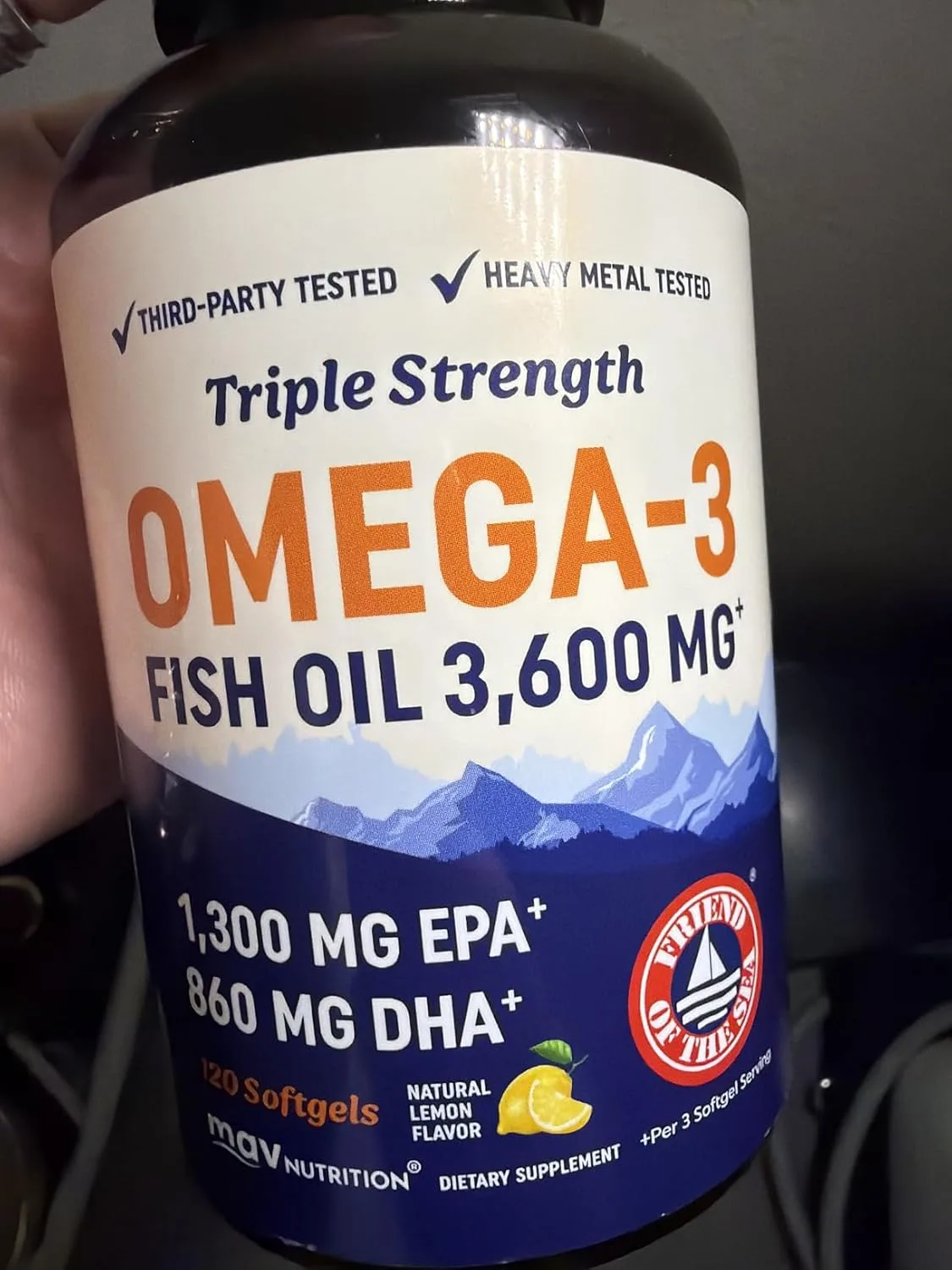
- Triple Strength DHA Omega-3 Fish Oil 3600mg — for people who need a higher therapeutic dose, this provides over 2100mg of combined omega-3s per serving including 860mg DHA and 1300mg EPA from premium wild-caught fish. Burpless formula, which the people I hear from particularly appreciate.
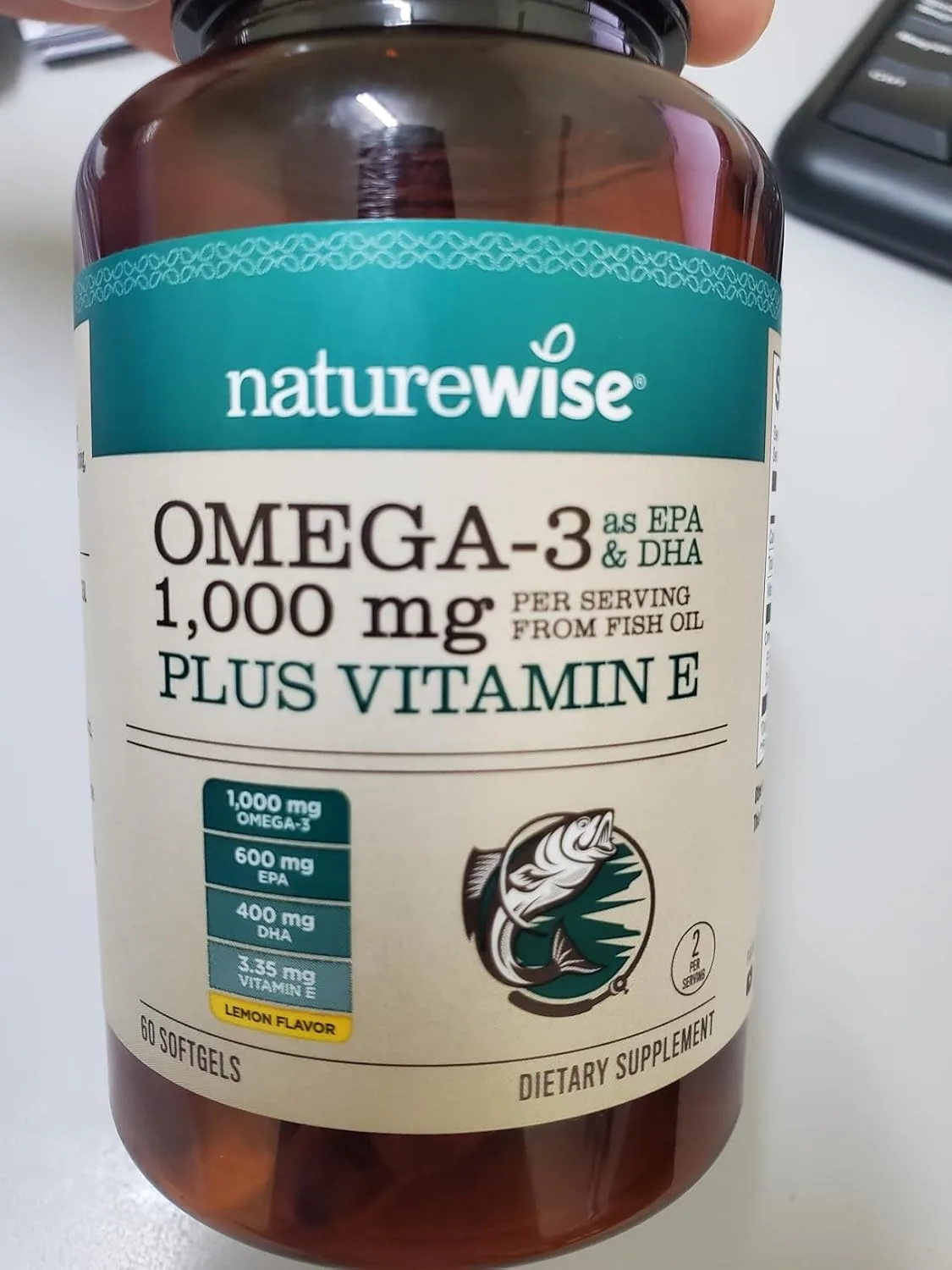
- NatureWise Extra-Strength Omega-3 Fish Oil — a well-rounded option with 600mg EPA and 400mg DHA per serving, plus vitamin E for antioxidant support and a pleasant lemon flavour. GMO-free and a good fit for people new to fish oil supplementation.
I typically fold omega-3 supplementation into a broader anti-inflammatory nutritional strategy, especially during remission, when building nutritional reserves and reducing systemic inflammation becomes the primary goal.

Why Vitamin D Testing Should Come Before Supplementation in Crohn’s
Vitamin D deficiency is close to universal in Crohn’s disease, driven by malabsorption in the small intestine, sun avoidance during flares, and sometimes medication interactions. But here’s the lesson from years of practice: supplementing without knowing your baseline almost always means under-dosing or simply guessing.
What works
- Most people I see with Crohn’s test at 20–30 ng/mL; a 5000iu dose produces measurable results within 8–12 weeks without pushing most people into the toxic range.
- Higher-dose D3 supplementation correlates with better bone density, fewer respiratory infections during remission, and improved mood — all documented concerns within the Crohn’s population.
- The NatureWise formulation is clean, third-party tested, and comes in a single easy capsule that people actually stay consistent with, unlike chewables or liquids that can irritate during flares.
What doesn’t
- When malabsorption is severe, especially during active disease, even 5000iu may fail to raise levels enough — which is exactly why testing at baseline and again at 12 weeks is non-negotiable, not optional.
- It’s not a substitute for calcium co-supplementation; vitamin D without adequate dietary calcium can paradoxically worsen bone loss, especially for people on corticosteroids.
Vitamin D is foundational for immune regulation and bone health in Crohn’s, but it’s not a stand-alone fix — it works best as part of a broader micronutrient strategy guided by actual lab values. NatureWise Vitamin D3 5000iu is my go-to for people with confirmed deficiency and reasonably stable absorption, but always get tested first and retest after 12 weeks.









About This Article

Written by Alex Mercer. Alex Mercer has lived with IBS since childhood and isn't a nutritionist or a doctor. After years of being told he was anxious or would grow out of it, he spent more than 12 years reading the research properly, and now shares what he has learned with the family, friends and support-group members who come to him with the same questions. He translates peer-reviewed research into practical, honest advice, and is always upfront about what the evidence does and does not show. More about this site.
Scope and limits. Alex is not a doctor, dietitian, or nutritionist, and nothing here is medical advice. Talk to a clinician before changing your diet, starting a supplement, or acting on symptoms — especially persistent or worsening ones.
Verify this against a primary source
Specifics change, and your situation may differ from the one described here. These are the authorities worth checking directly:
- NIDDK — digestive disease research and clinical guidance
- MedlinePlus — plain-language medical reference from the NIH
- Mayo Clinic — symptom and condition reference