

Roughly 1 in 100 people receive a coeliac disease diagnosis at some point in their lives — yet most feel blindsided when their name is added to that statistic. The cascade of questions about safe foods, the anxiety surrounding invisible cross-contamination, and the sheer volume of conflicting information can make those first weeks feel chaotic and uncertain. That’s a completely understandable response. Throughout my years helping other people navigating this transition, I’ve developed a framework that helps people walk away from their first conversation with genuine clarity, tangible confidence, and a realistic roadmap forward. What follows are the ten foundational concepts I share with every newly diagnosed coeliac disease person.

1. Understand What Coeliac Disease Actually Is
My first conversation always centres on the biological reality underpinning the diagnosis. Coeliac disease is fundamentally an autoimmune disorder—distinct from food allergies and separate from intolerances—triggered when gluten (a protein present in wheat, barley, and rye) enters the body and prompts an aberrant immune cascade that strips away the villi, the microscopic finger-shaped structures lining the small intestine that handle nutrient uptake. Once these protective projections become flattened or eroded, the intestine loses its capacity to absorb essential minerals and vitamins, setting off a domino effect of complications. This explains why so many newly diagnosed individuals report longstanding tiredness, low iron stores, or weakened bones long before their digestive tract produces obvious warning signals. Grasping this biological mechanism shifts how people approach the dietary restrictions—from viewing them as optional lifestyle tweaks to understanding them as medically necessary interventions.
2. Strict Adherence to a Gluten-Free Diet Is Mandatory — And Entirely Achievable in Today’s World
I always weave together two truths simultaneously: the demanding one and the hopeful one. Even minimal quantities of gluten—typically quantified as 20 parts per million or greater in certified gluten-free labelled items—can spark a damaging autoimmune cascade in someone with coeliac disease. That said, I remind people that 2025 offers unprecedented access to gluten-free living compared to previous generations. The category of certified gluten-free baking flours has undergone dramatic evolution, and I routinely direct people toward two standout options for their own kitchen experiments.
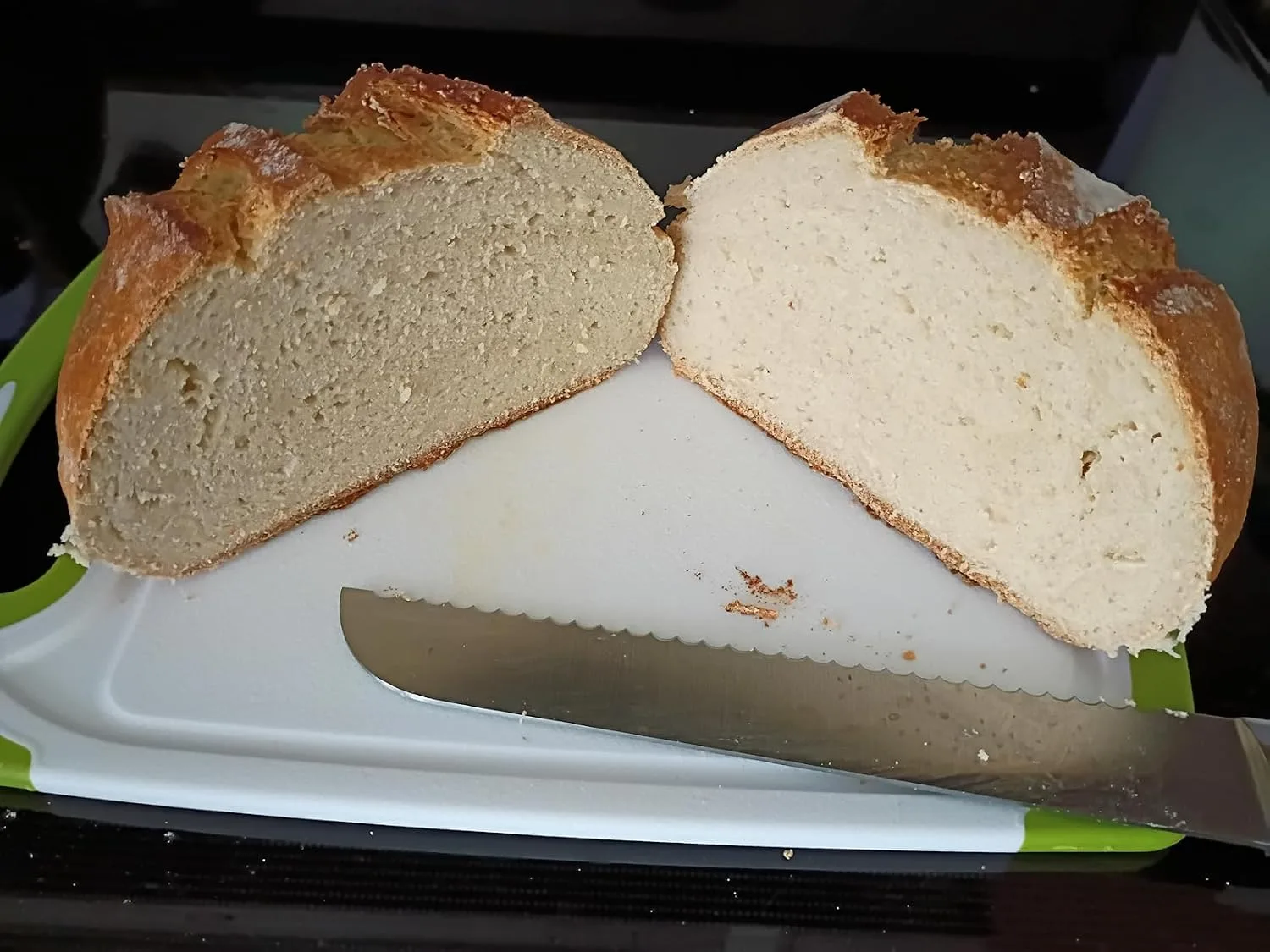
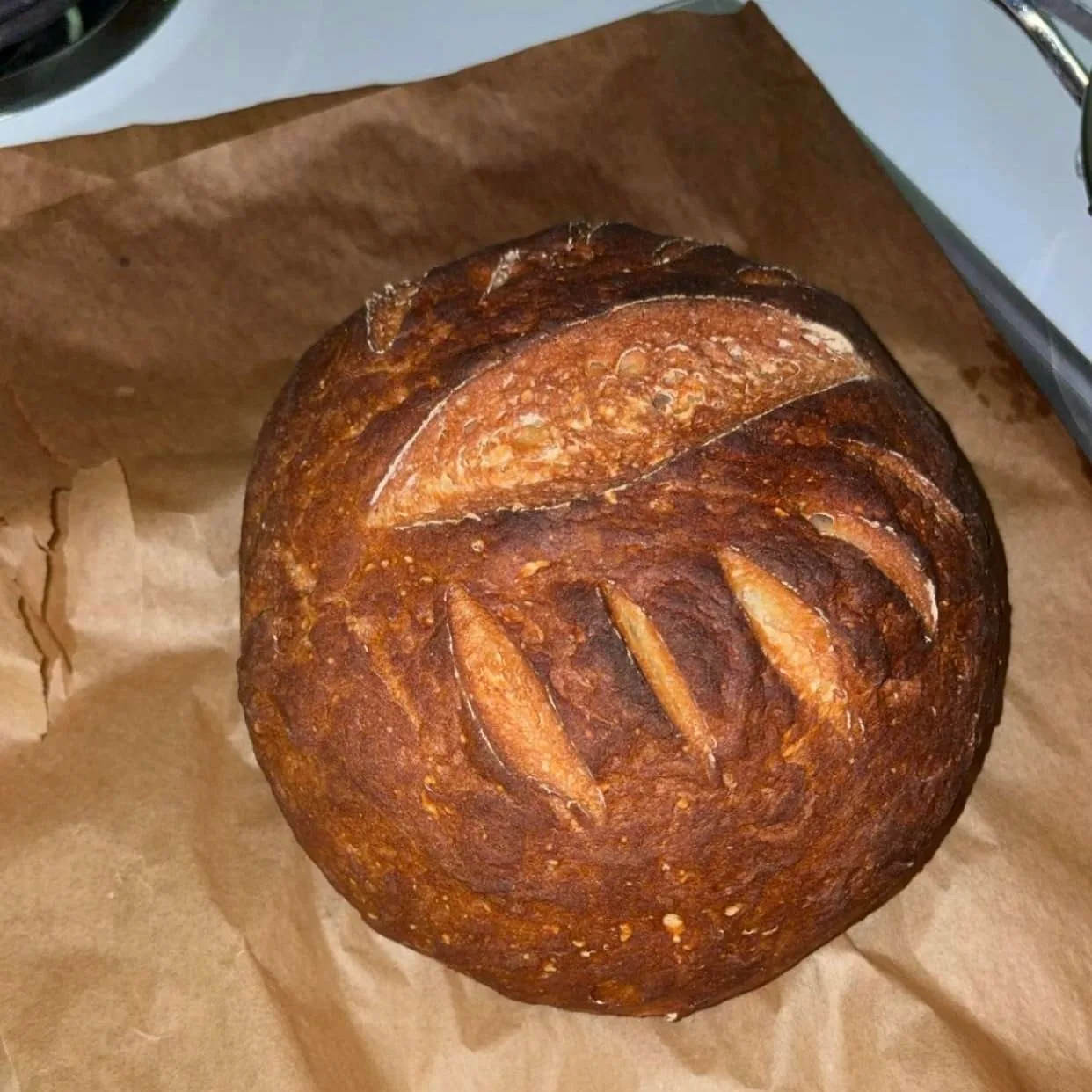
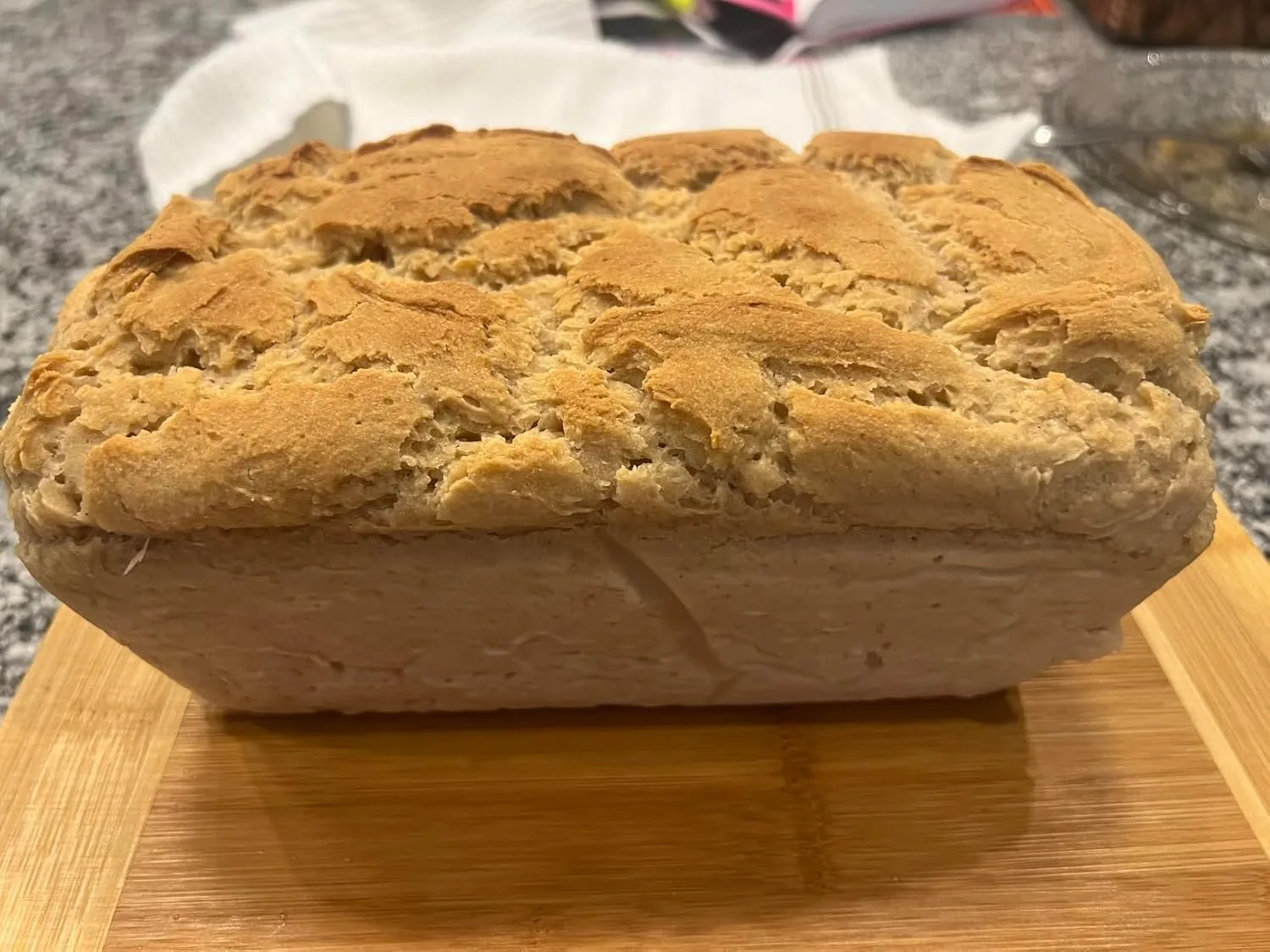
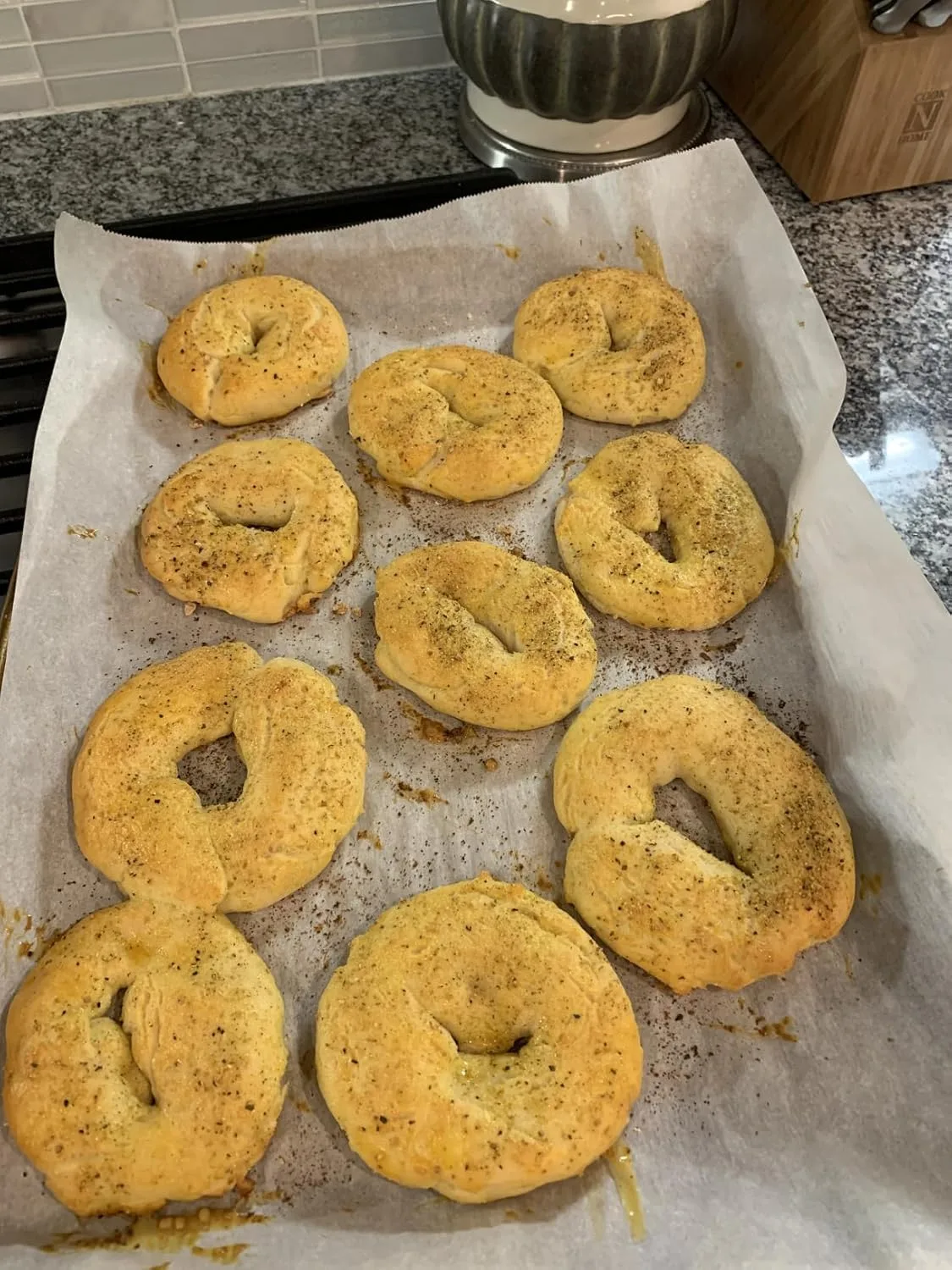
For general baking — cakes, muffins, cookies, pancakes — I point people towards King Arthur Measure for Measure Gluten-Free Flour, a reliable 1:1 substitute for wheat flour that is Non-GMO and Kosher certified. For those who want to tackle yeasted breads, bagels, or cinnamon rolls, King Arthur Gluten-Free Bread Flour is formulated specifically for those recipes and delivers a texture that genuinely rivals its wheat-based counterpart. I also keep Bob’s Red Mill Gluten Free 1 to 1 Baking Flour on my recommended list — it is widely available, vegan, and performs consistently well across a broad range of recipes.

3. Secondary Exposure Through Shared Cooking Spaces Carries Equal Risk
Throughout my conversations with newly diagnosed people, the single most recurrent barrier to symptom improvement despite strict ingredient avoidance is unintentional re-exposure via cross-contamination pathways. I spend considerable time translating this concept into household specifics: a communal toaster accumulating wheat residue, wooden boards that trap flour particles, the same strainer rotating through pasta-cooking duties, spreads with visible breadcrumb debris, and unvetted bulk-bin products from specialty retailers. In the home environment, I consistently advocate for reserving designated cooking tools and, whenever feasible, purchasing a separate toaster unit. When dining externally, I recommend advance phone contact with restaurant staff, leveraging coeliac-focussed restaurant guides, and explicitly framing the requirement as medical rather than preference-based.
Testing Your Own Exposure at Home
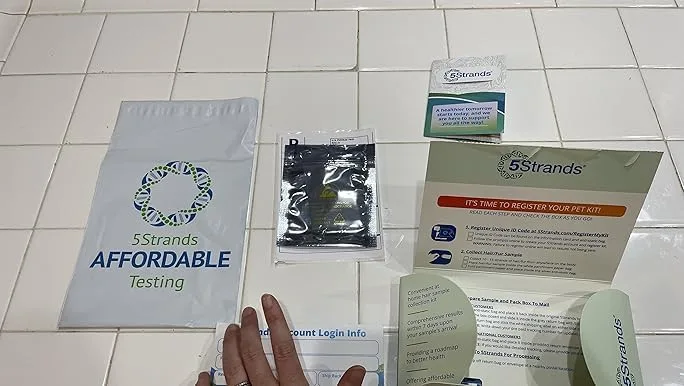
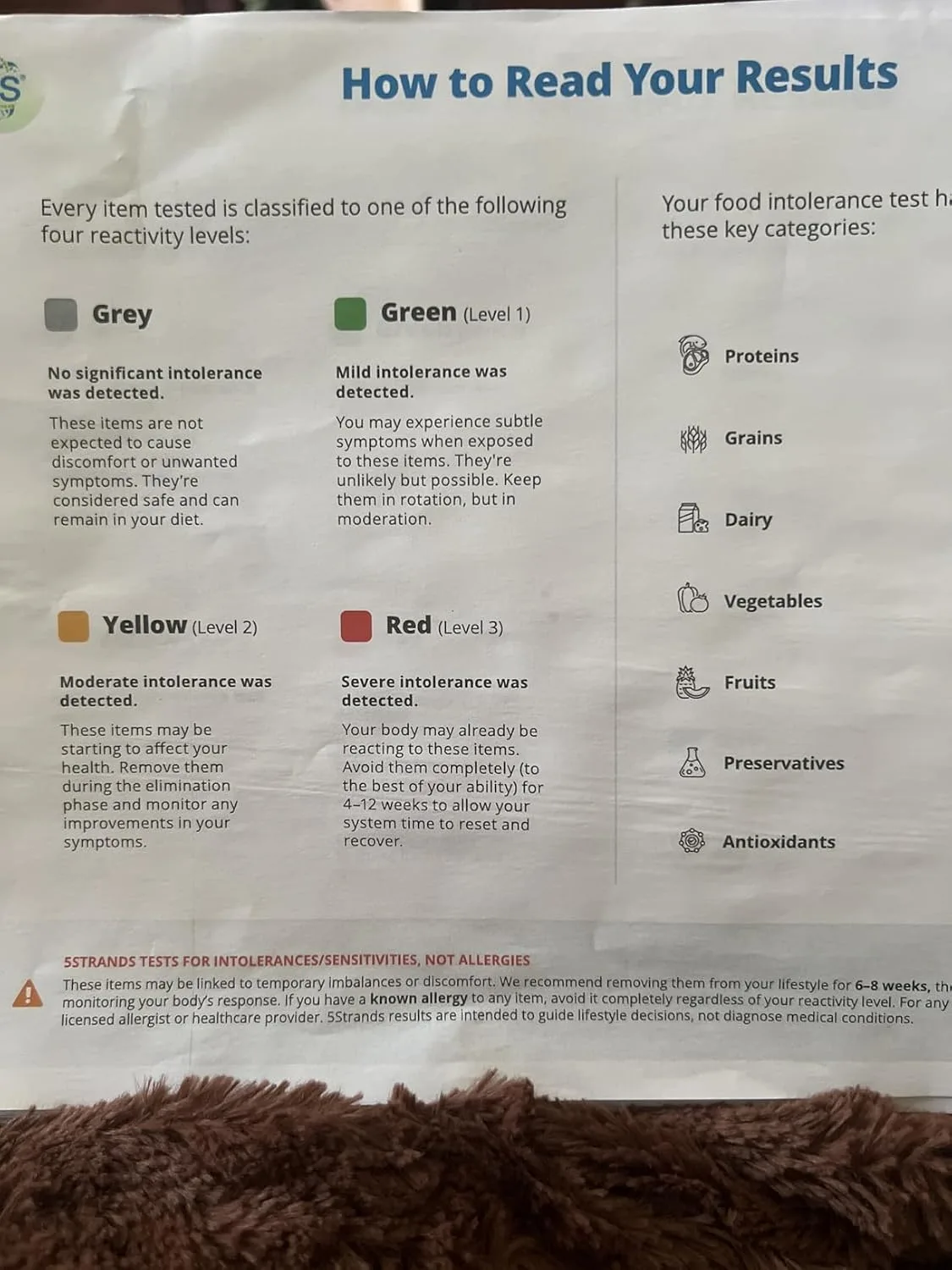
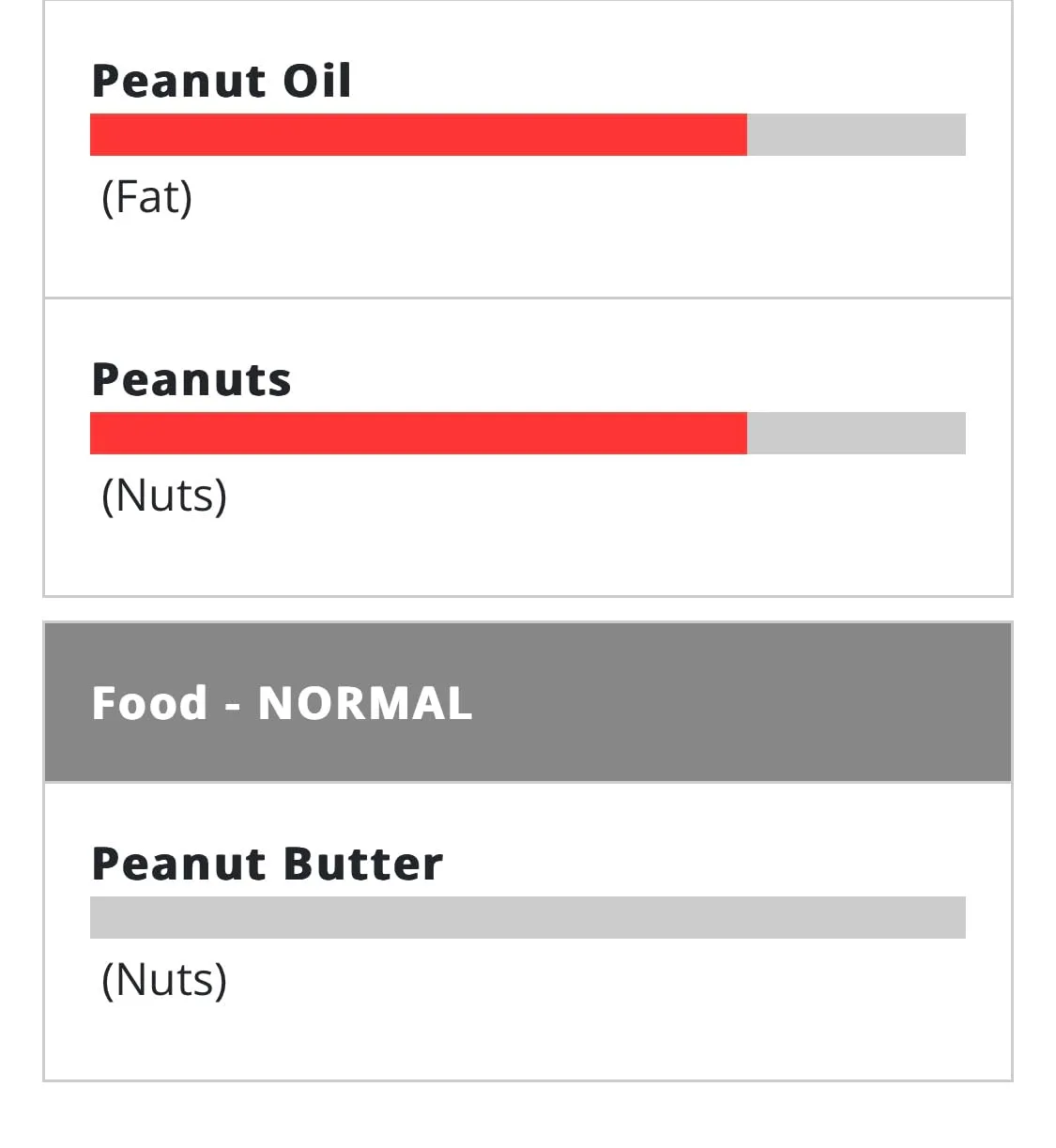
For people who are particularly symptomatic or anxious about accidental exposure, I sometimes suggest a home monitoring tool. The Gluten Detect Kit (2 Tests) allows you to evaluate gluten-free diet compliance and detect accidental exposure via stool — a practical option for those who want objective reassurance, particularly in the early weeks of adapting to the diet. For a broader picture of food reactivity, some people also find the 5Strands Food Intolerance Test useful — it tests 658 items via a simple hair sample and can help identify other dietary triggers that may be compounding symptoms while the gut is still healing.
4. Repair Depleted Nutrient Reserves Without Delay
This particular recommendation frequently gets deprioritised by both people and their GPs—a gap I actively work to close. Most people who receive a confirmed coeliac diagnosis have already spent considerable time with progressively worsening intestinal tissue damage, often spanning months or even years prior to diagnosis confirmation. The nutrient slate accumulates significant gaps: iron stores plummet, folate reserves drop, B12 becomes scarce, vitamin D dwindles, and bone mineral density suffers. I consistently advocate for comprehensive laboratory work at the diagnostic juncture, then collaborate with someone’s GP to carefully examine those results, determine which deficiencies demand urgent attention, and sequence supplementation thoughtfully.
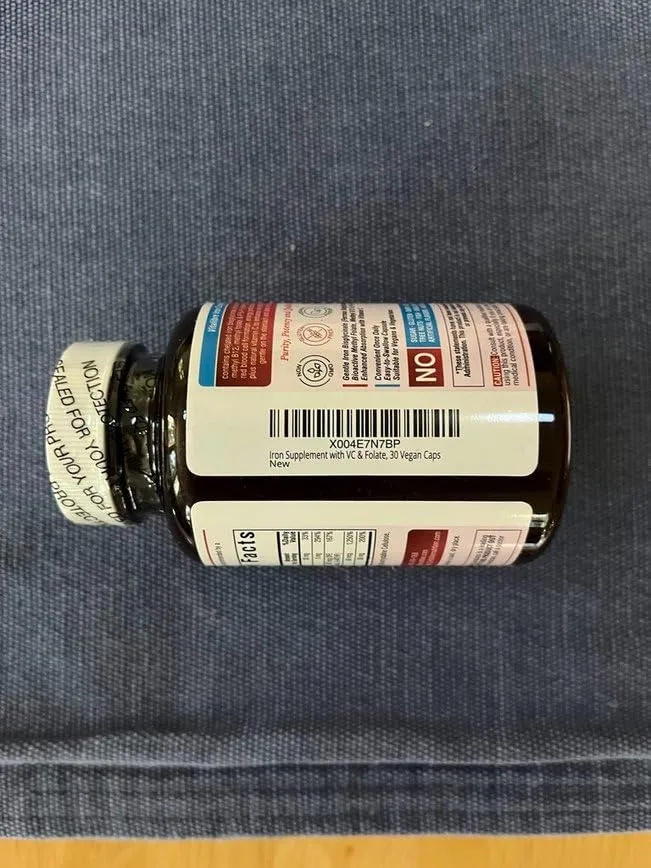
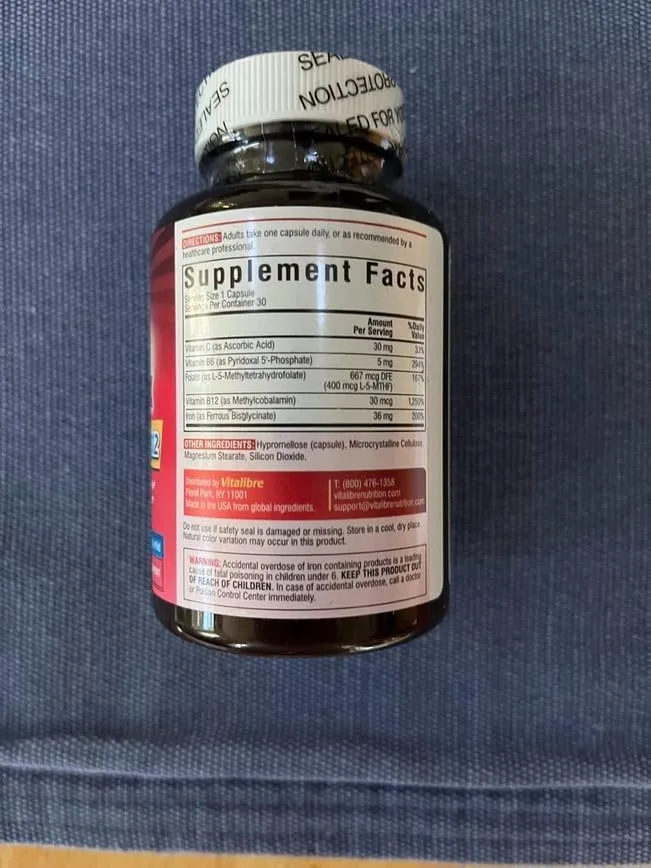
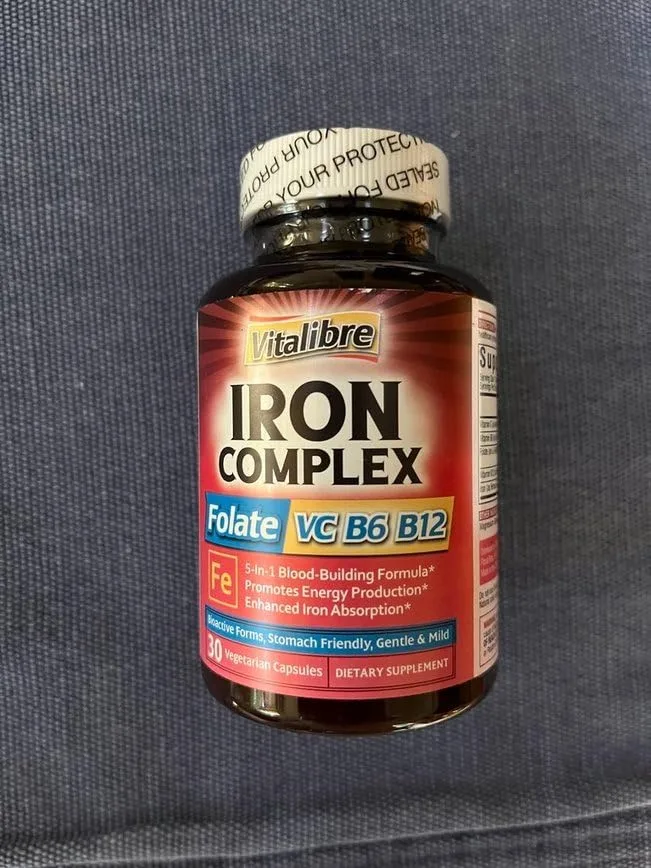
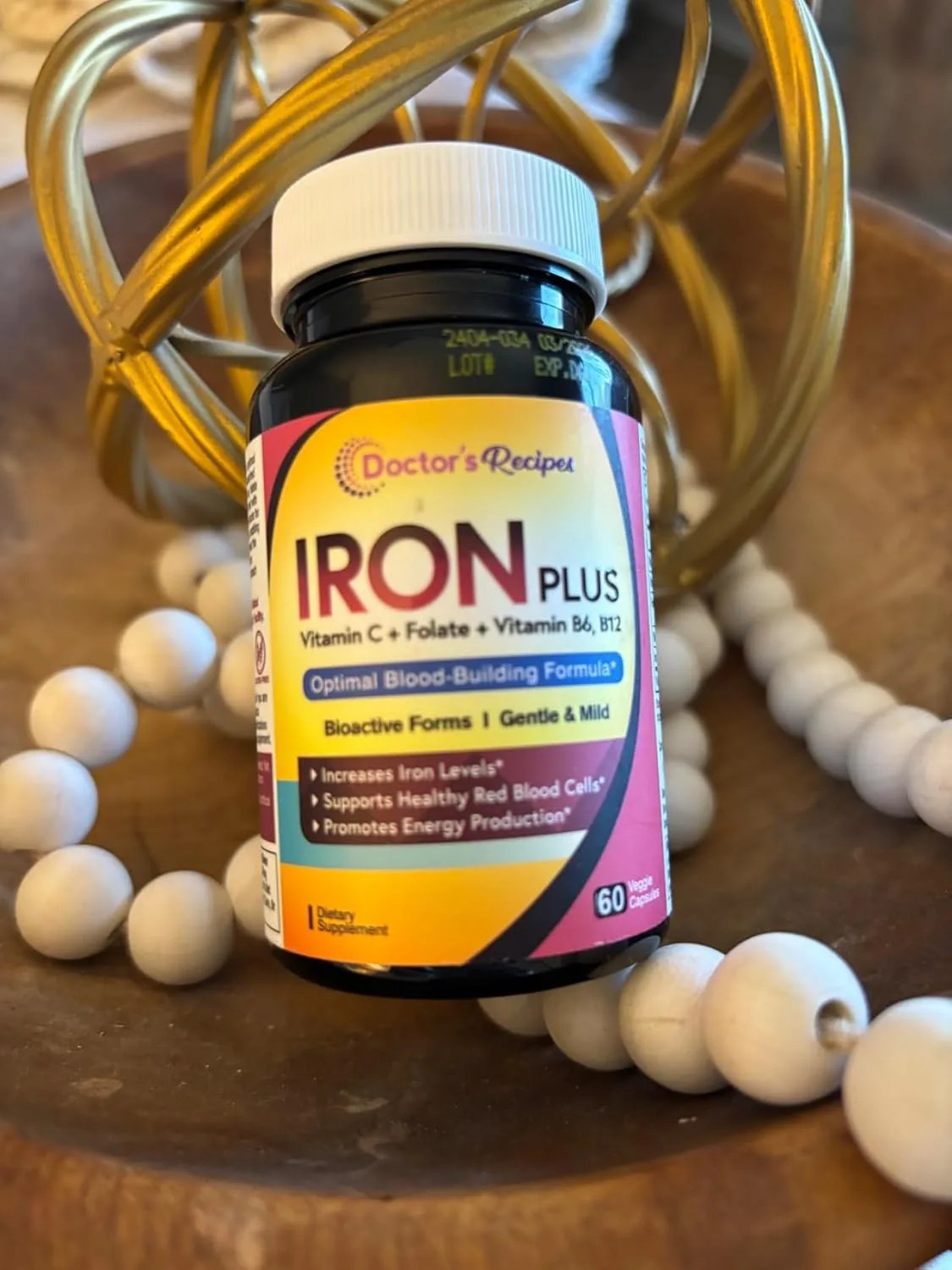
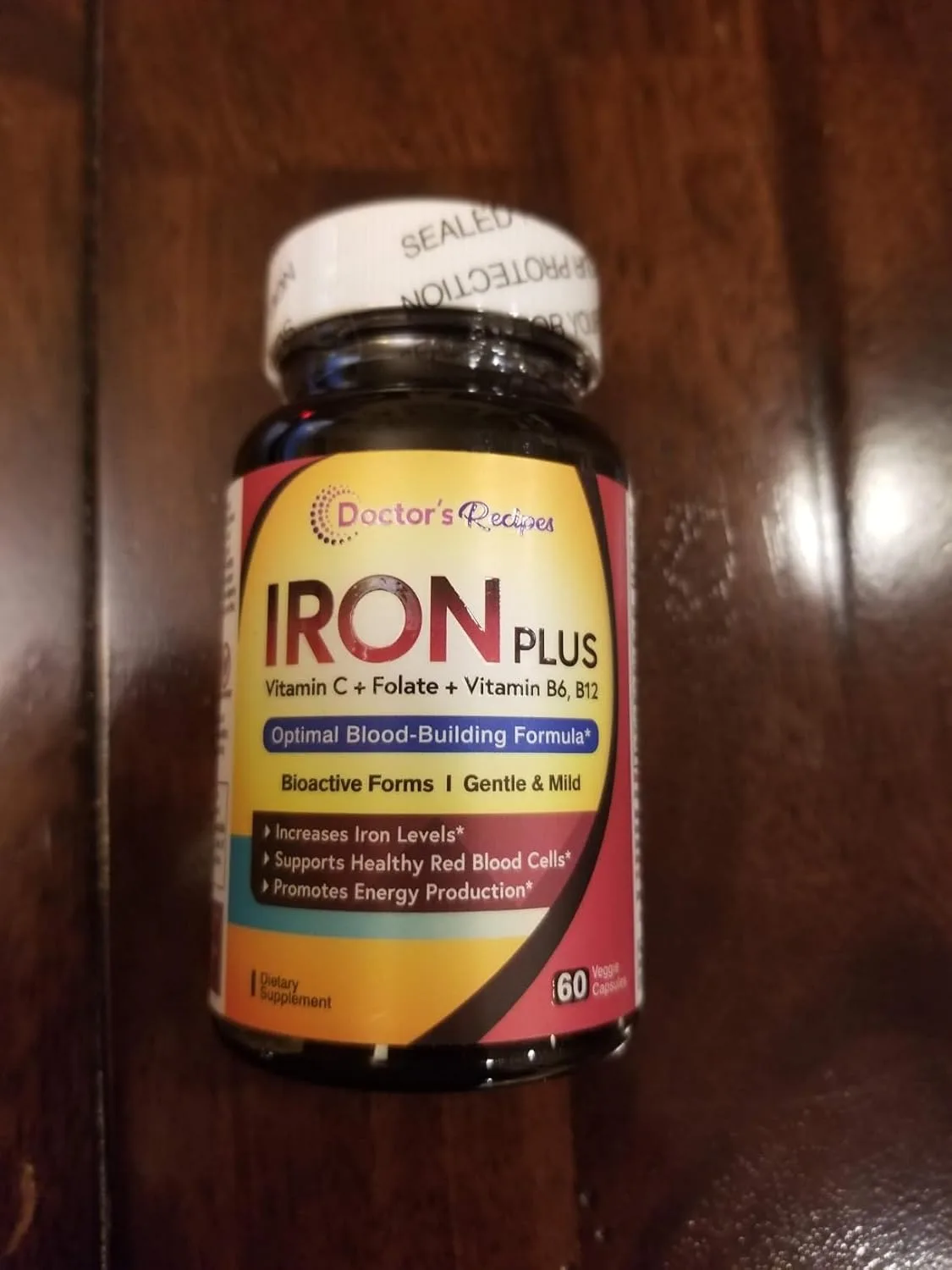
Iron deficiency anaemia is particularly prevalent, and standard ferrous sulphate tablets cause significant gastrointestinal distress in many of the people I hear from. I routinely recommend gentler, highly bioavailable alternatives. Doctor’s Recipes Iron Supplement combines iron bisglycinate with vitamin C, B6, folate, and B12 in a stomach-friendly, vegan capsule — a well-rounded formula that addresses several deficiencies at once. Similarly, this Iron Supplement for Women and Men combines iron with vitamins C, B6, B12, and folate in a non-GMO, gluten-free, vegan capsule that I find people tolerate very well. Please always supplement under the guidance of your healthcare provider and based on confirmed blood test results.

5. Scrutinise Every Ingredient Declaration Consistently
Gluten operates as an invisible additive across an astonishing range of everyday products—tamari and soy sauce variants, ready-made salad dressings, bouillon and stock preparations, prescription medications, and even over-the-counter vitamin formulations. I encourage people to prioritise certified gluten-free packaging claims and to approach anything unmarked with appropriate caution. Formulation shifts also occur regularly at manufacturing facilities, sometimes without public notice, making products that posed no risk twelve months ago potentially problematic today. My cardinal rule with people remains straightforward: ambiguity warrants avoidance.
6. Construct Meals on a Foundation of Inherently Gluten-Free Foods
A pattern I observe repeatedly involves newly diagnosed people pouring discretionary spending into commercially formulated gluten-free replacement items—manufactured breads, boxed pasta alternatives, packaged crackers—many of which deliver minimal nutritional value and carry substantial processing overhead. My starting philosophy prioritises assembling satisfying plates centred on unprocessed, naturally gluten-free staples: white and brown rice varieties, potatoes in all forms, quinoa, beans and pulses, eggs, poultry, seafood, fresh fruit, and raw vegetables. This orientation simultaneously serves multiple aims: it accelerates intestinal restoration, yields superior nutrient density, stretches the household budget, and tastes genuinely good. Replacement gluten-free products occupy a legitimate niche—I’m genuinely grateful they’ve entered mainstream retail—but their appropriate function is enrichment atop a whole-food template, not displacement of it.
7. Accept That Intestinal Restoration Unfolds Gradually Across Extended Timeframes
Reconstruction of damaged intestinal villi cannot be rushed or accelerated through willpower. Scientific literature documents that tissue regeneration typically spans anywhere from twelve months to several years depending on individual physiology, initial severity of mucosal erosion, and consistency of gluten avoidance. I emphasise this timeline not to breed hopelessness, but rather to inoculate people against the disillusionment that frequently emerges when bodily symptoms remain prominent in the initial healing window. Transient lactose intolerance crops up regularly during recovery phases, since lactase enzyme—the catalyst required to digest milk sugar—gets manufactured at villous tips. I frequently counsel temporary (not permanent) moderation in dairy consumption during this restoration window, allowing intestinal tissue to regenerate its enzyme-secreting capacity.
8. Cultivate Community Connections and Seek Expert Guidance
Coeliac disease management flourishes when individuals operate within supportive networks rather than in isolation. I consistently point newly diagnosed people toward membership in their regional coeliac advocacy organisation—Coeliac UK stands out as a truly excellent resource in the British context—plus engagement with evidence-based online communities centred on shared experience. The lived wisdom circulating through peer networks proves invaluable when tackling scenarios like restaurant navigation, international travel logistics, or orchestrating family meals around dietary limitations. Additionally, I strongly recommend establishing a working relationship with a healthcare practitioner—ideally someone with formal training in coeliac disease nutrition—rather than depending exclusively on internet-sourced guidance or generic wellness advice.
9. Articulate Your Medical Needs Directly in All Contexts
A surprisingly consequential discussion I have with other people revolves around effective communication strategies. Numerous individuals experience shame or self-consciousness around their dietary needs—a dynamic I actively work to dismantle. Whether approaching a dining establishment, joining friends for a meal, checking into a hospital, or visiting a clinic, framing coeliac disease as a medical imperative—rather than couching it vaguely as “just a preference for gluten-free options”—dramatically improves practical safety and social ease. I simultaneously counsel people to verify that their formal medical record at their GP practice contains the diagnosis notation and that they’re enrolled in structured follow-up protocols encompassing routine laboratory assessment and bone health evaluation where clinically appropriate.
10. Establish Ongoing Surveillance Systems and Remain Actively Engaged
The closing guidance I deliver concerns the indefinite nature of coeliac disease stewardship. Consistent clinical oversight throughout life—including periodic consultations, recurrent serology testing (specifically tissue transglutaminase antibodies, or tTG-IgA), assessment of red blood cell and haemoglobin parameters, and periodic vitamin D quantification—constitutes evidence-based standard care. In instances where gastrointestinal or systemic symptoms resurface or show persistence notwithstanding a rigorously maintained gluten-free protocol, systematic investigation becomes warranted to distinguish refractory coeliac disease presentations, concurrent disorders like small intestinal bacterial overgrowth (SIBO), or additional food-triggered sensitivities.

The Gluten-Free Flour That Actually Behaves Like the Real Thing
The most persistent frustration I witness among newly diagnosed individuals centres on the realisation that gluten-free baking operates by fundamentally different rules—loaves turn out heavy and compact, cookies shatter when removed from the cooling rack, and the learning curve can feel steep enough to inspire serious doubt about whether ordinary baking pleasure remains within reach. Selecting a premium 1:1 replacement flour specifically engineered to approximate wheat flour’s behaviour can substantially compress that adjustment period and regenerate kitchen confidence.
What works
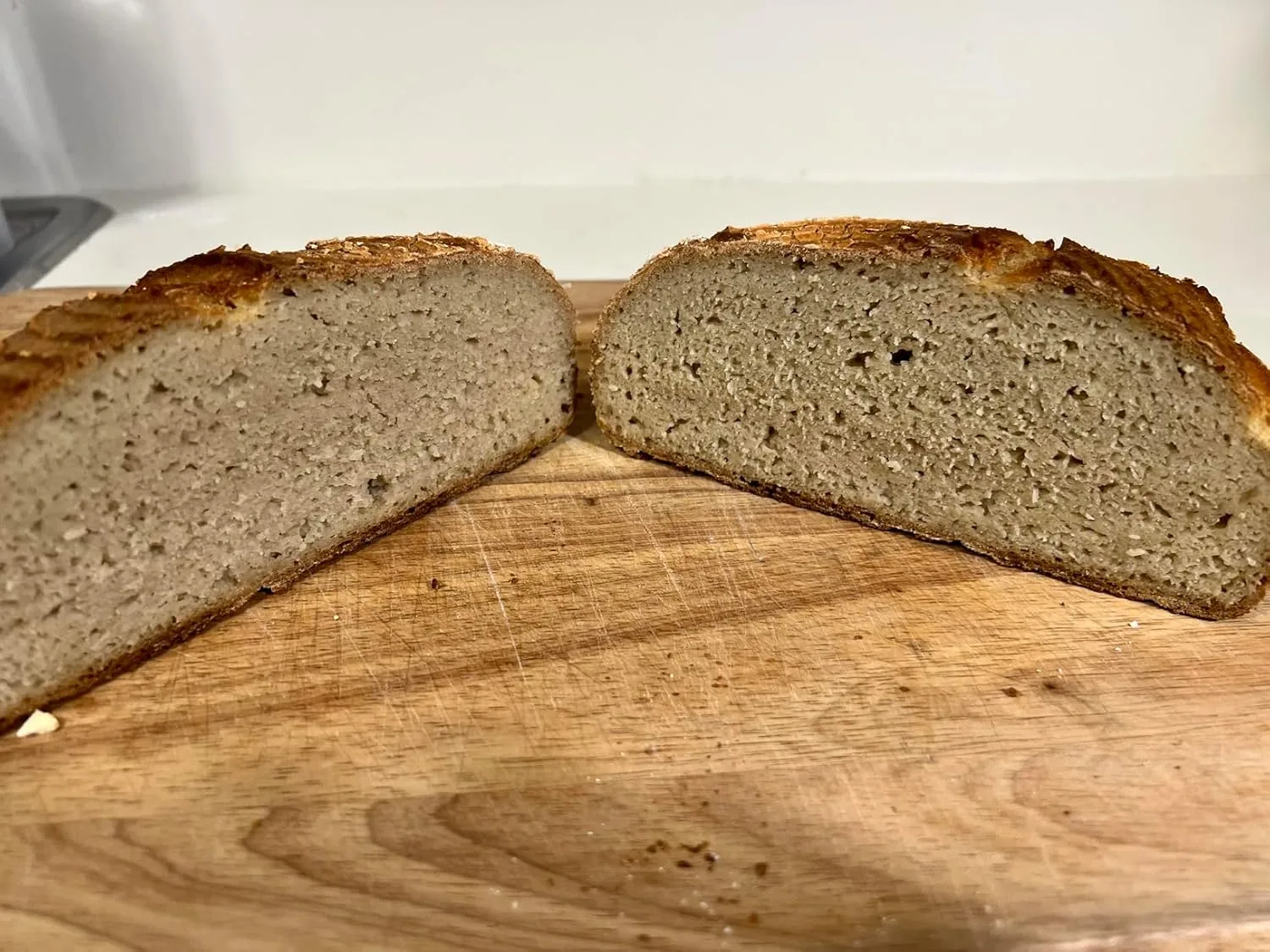
- The formulation combines starches and binding agents calibrated to recreate wheat flour’s structural properties—most people report their initial bread or cookie production demonstrates notably improved texture density compared to results from mono-grain gluten-free alternatives.
- Operating as a genuine 1:1 replacement means recipe adaptation becomes unnecessary—liquid quantities remain unchanged, supplementary binding agents stay optional—allowing you to simply exchange equal volumes, which eliminates a substantial source of recipe miscalculation and failed batches.
- Unlike budget-tier competitors, this product arrives pre-blended with xanthan gum incorporation, eliminating the necessity to source separate components and estimate proper ratios—this built-in consistency proves particularly valuable when you’re reconstructing your baking relationship from scratch.
What doesn’t
- Sensory replication of wheat-based baked products has genuine limits—gluten-free baking will persistently display a distinctly different crumb pattern and textural profile, and establishing realistic expectations early on prevents the frustration that emerges from chasing perfect wheat-flour equivalence.
- Unit cost substantially exceeds conventional wheat flour, so cost-conscious shoppers may opt for single-grain varieties (rice flour, sorghum flour) instead—they’ll function adequately but demand considerably more recipe tinkering and experimentation intensity.
This flour is a confidence-builder and a practical tool, not a magic solution — your early baking attempts may still require some experimentation, especially with yeast breads. If you want to start your gluten-free kitchen on the strongest possible footing, King Arthur Measure for Measure Gluten-Free Flour is worth the investment.




About This Article

Written by Alex Mercer. Alex Mercer has lived with IBS since childhood and isn't a nutritionist or a doctor. After years of being told he was anxious or would grow out of it, he spent more than 12 years reading the research properly, and now shares what he has learned with the family, friends and support-group members who come to him with the same questions. He translates peer-reviewed research into practical, honest advice, and is always upfront about what the evidence does and does not show. More about this site.
Scope and limits. Alex is not a doctor, dietitian, or nutritionist, and nothing here is medical advice. Talk to a clinician before changing your diet, starting a supplement, or acting on symptoms — especially persistent or worsening ones.
Verify this against a primary source
Specifics change, and your situation may differ from the one described here. These are the authorities worth checking directly:
- NIDDK — digestive disease research and clinical guidance
- MedlinePlus — plain-language medical reference from the NIH
- Mayo Clinic — symptom and condition reference