Have you ever eaten what felt like a perfectly healthy diet, taken your probiotic religiously every morning, and still felt like something was just… off with your digestion? Bloating that won’t quit, energy that crashes after meals, or just a general sense that your gut isn’t happy? I’ve been there, and when I finally started digging into the research, I kept running into one concept that changed how I think about gut health entirely. If you’ve been wondering what are prebiotics for gut health and whether they actually matter, I want to walk you through what I’ve learned — because honestly, this might be the missing piece you’ve been looking for.
This post contains affiliate links. As an Amazon Associate, I earn from qualifying purchases. This means if you click a link and make a purchase, I may earn a small commission at no extra cost to you. I only recommend products I genuinely believe in and that align with the research I share here.
So, What Are Prebiotics for Gut Health — And Why Does Everyone Keep Talking About Them?
Let’s start with the basics, because this is where a lot of people get confused. Probiotics are the beneficial bacteria themselves — the live microorganisms you hear about in yogurt commercials. Prebiotics, on the other hand, are the food those bacteria need to survive and thrive. Think of it this way: if your gut microbiome is a garden, probiotics are the seeds, and prebiotics are the fertilizer and water that actually make things grow.
More specifically, prebiotics are a type of non-digestible fiber — meaning your body can’t break them down on its own. They pass through your stomach and small intestine relatively intact, and when they reach your large intestine, your beneficial gut bacteria feast on them through a process called fermentation. This fermentation process produces short-chain fatty acids (SCFAs) like butyrate, acetate, and propionate, which research suggests may play an important role in supporting the gut lining, immune function, and overall digestive comfort.
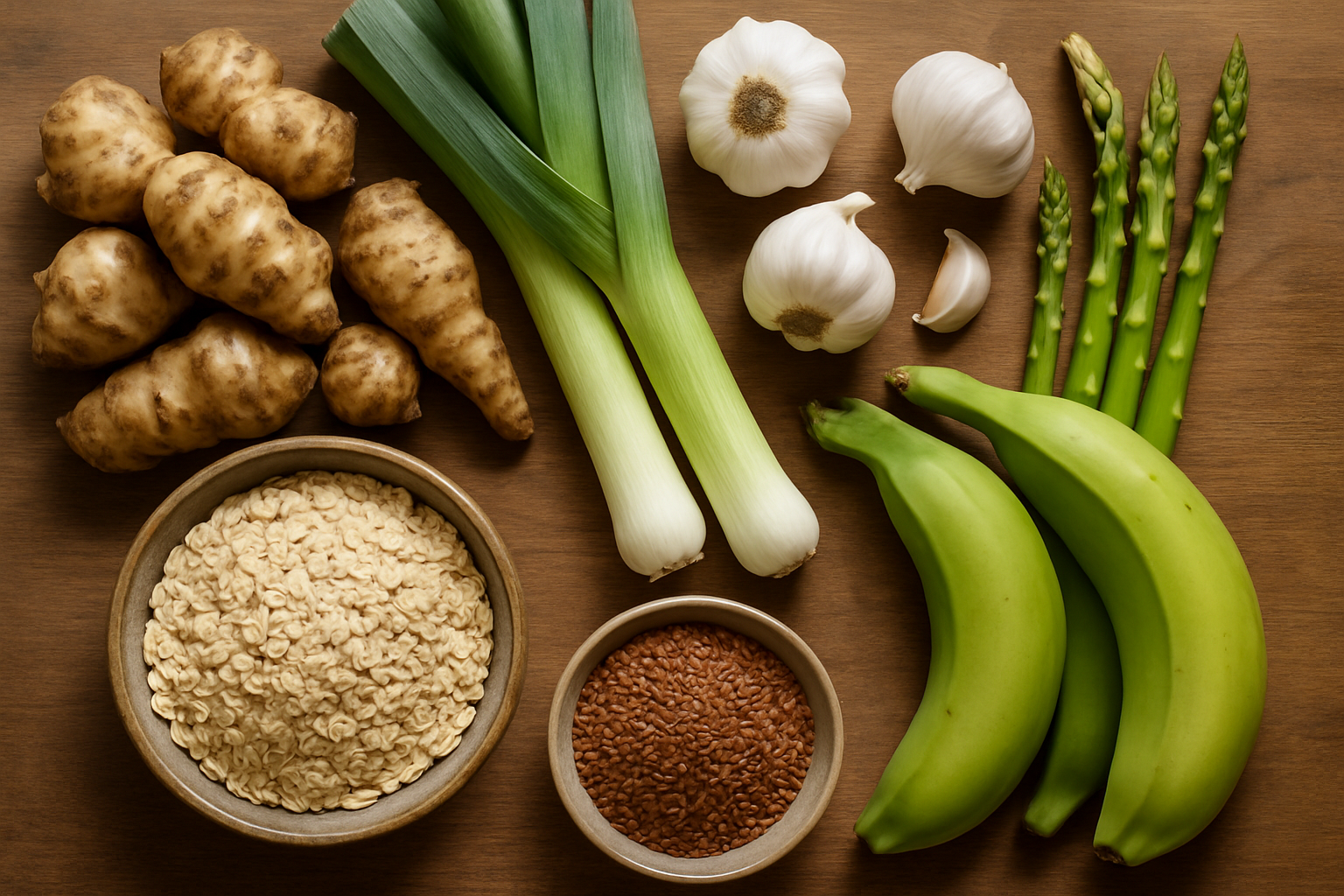
The most well-studied prebiotics include inulin, fructooligosaccharides (FOS), and galactooligosaccharides (GOS). Inulin, in particular, is found naturally in foods like chicory root, garlic, onions, leeks, asparagus, and bananas. But here’s the honest truth: most of us simply don’t eat enough of these foods consistently to give our gut bacteria what they need.
Your Gut Bacteria Are Probably Underfed — Here’s Why
Modern diets have shifted dramatically from what our digestive systems evolved to handle. Highly processed foods, refined grains, and low-fiber convenience meals dominate most people’s plates. The average American consumes somewhere around 15 grams of fiber per day, while health guidelines recommend 25–38 grams. That fiber gap isn’t just a number — it represents a real shortage of fuel for the trillions of microorganisms living in your gut.
When your beneficial bacteria don’t have enough prebiotic fiber to ferment, research suggests a few things can happen over time. The diversity of your microbiome may decrease, less-helpful bacteria can gain ground, and the protective mucus layer of your gut lining may become thinner. Many people find that chronic low fiber intake correlates with sluggish digestion, inconsistent bowel habits, and that uncomfortable bloated feeling that seems to have no clear cause.
I want to be clear — I’m not a doctor, and nothing here is medical advice. But the emerging science on the gut microbiome is genuinely fascinating, and the connection between prebiotic fiber and gut bacteria health is one of the most consistently supported areas of digestive research right now.
How to Start Adding More Prebiotics to Your Daily Routine
The good news is that this doesn’t have to be complicated or expensive. There are two main approaches: food-first and supplementation. I always recommend starting with food where you can, and then filling gaps with a quality supplement if needed.
Prebiotic-Rich Foods to Eat More Of
- Garlic and onions — among the richest natural sources of inulin and FOS
- Leeks and asparagus — easy to add to soups, stir-fries, or roasted veggie trays
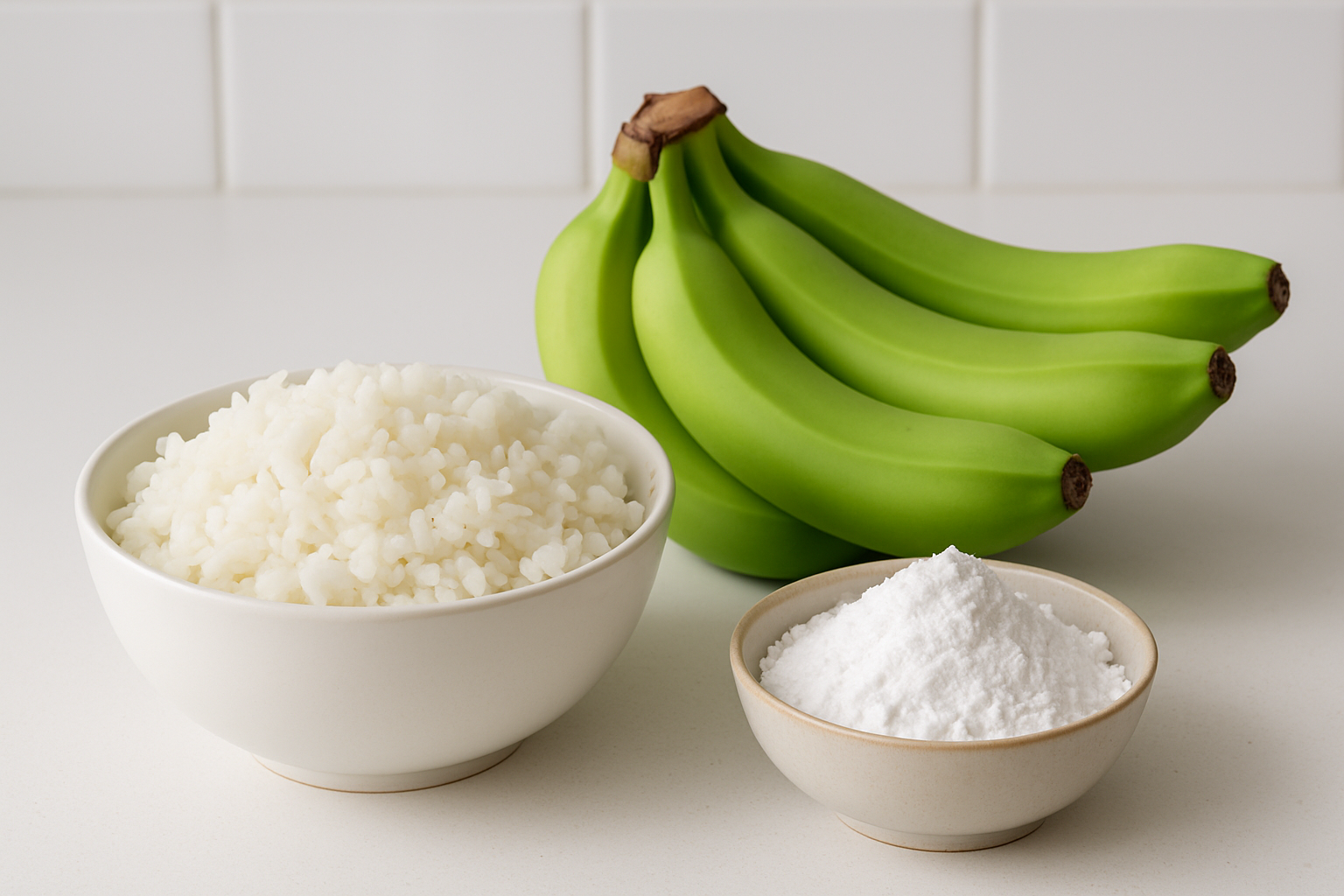
- Slightly underripe bananas — contain resistant starch, which acts as a prebiotic
- Jerusalem artichokes — one of the highest natural inulin sources (start small — they’re potent!)
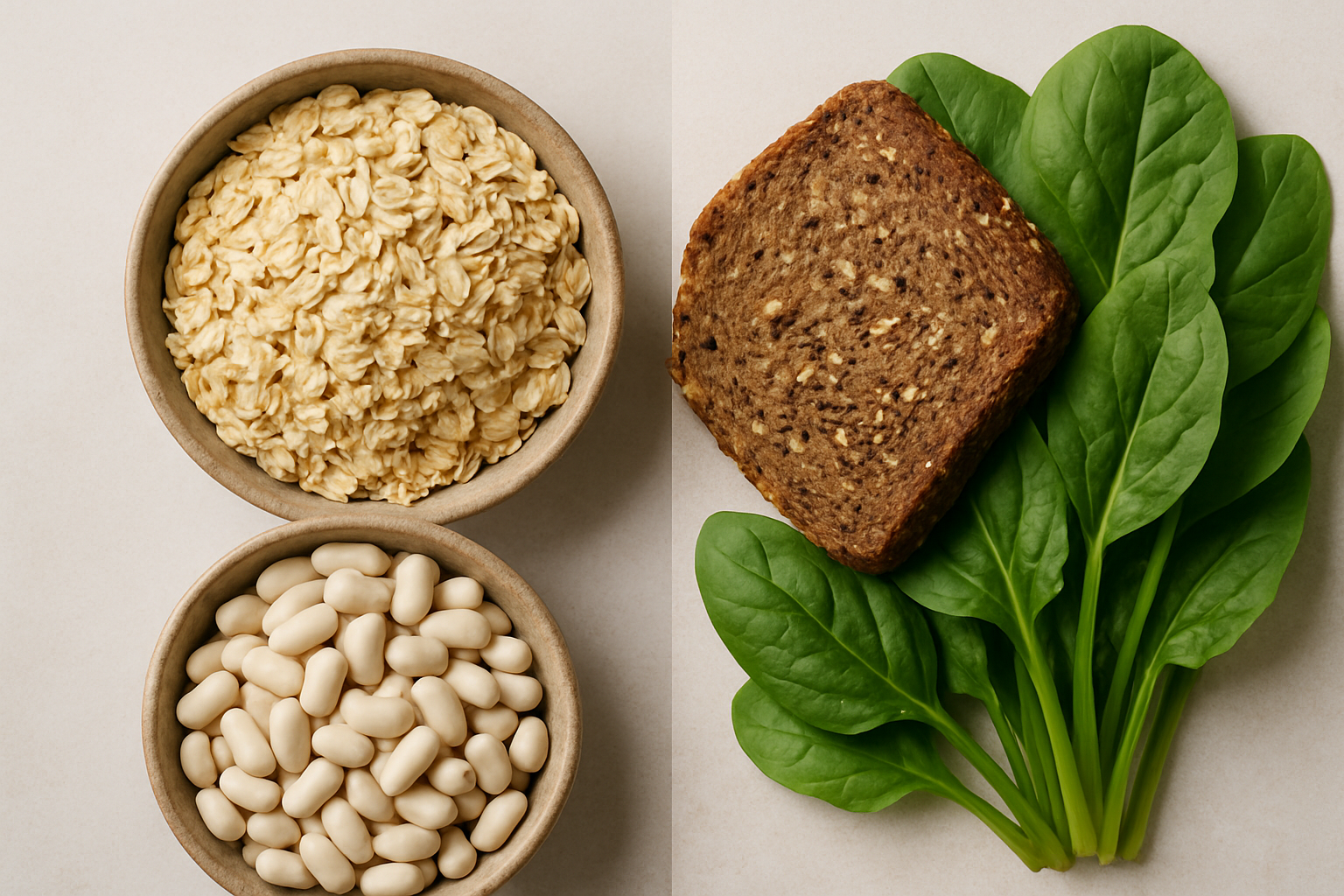
- Oats — contain beta-glucan, a well-researched prebiotic fiber
- Chicory root — the source most commonly used in prebiotic supplements
A Word About Starting Slowly
If you’re new to prebiotic-rich foods or supplements, please ease in gradually. Because prebiotic fiber feeds fermentation in your gut, adding too much too fast can temporarily cause gas, bloating, or cramping — especially if your microbiome has been running on empty. This isn’t a sign something is wrong; it often just means your gut bacteria are getting active. Most people find these symptoms settle down within one to two weeks as their microbiome adjusts.
Products Worth Trying: Inulin Prebiotic Supplements I Actually Recommend
When I was looking for a simple, clean way to supplement prebiotic fiber without a long ingredient list of extras, inulin powder from chicory root kept coming up as the most research-backed, versatile option. It’s tasteless or mildly sweet, dissolves in liquids, and makes it easy to control your dose as you build up gradually. Here are the options I think are worth your consideration:
NOW Foods Organic Inulin Pure Powder (1 lb)
NOW Foods has a strong reputation for quality and third-party testing, and this inulin powder checks a lot of boxes. It’s USDA Certified Organic, Non-GMO Project Verified, and comes as a pure powder with no fillers or additives. Many people find it easy to stir into their morning coffee, oatmeal, or a smoothie. At one pound, it’s also a great value for daily use. Check it out on Amazon here.
It’s Just! Inulin Prebiotic Fiber — Chicory Root Powder (Two Size Options)
The “It’s Just!” brand has built a loyal following by keeping things refreshingly simple — single-ingredient, no fluff, made in the USA from Belgian chicory root. It’s water soluble, vegan, and keto-friendly, making it a great fit for a wide range of dietary approaches. It’s a brand I genuinely like for its transparency. You can find it in a smaller size here or a Tags: gut bacteria foodinulin fiber prebiotic fiber prebiotic supplement prebiotics