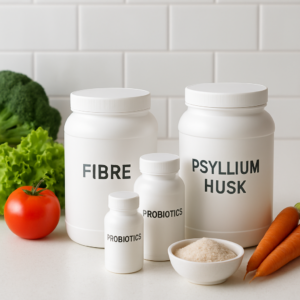
Have you ever finished a meal, felt uncomfortably full, and still somehow found yourself reaching for something else an hour later — only to deal with bloating and sluggishness the rest of the day? I’ve been there more times than I’d like to admit. It took me a while to connect the dots, but a lot of that uncomfortable cycle came down to one thing I was consistently ignoring: fiber. Specifically, my daily fiber intake gut health connection was something I hadn’t taken seriously at all. Once I started paying attention to how much fiber I was actually getting versus how much I actually needed, everything started to make a lot more sense.
What the Research Actually Says About Daily Fiber Intake and Gut Health
The recommended daily fiber intake, according to the Dietary Guidelines for Americans, is around 25 grams per day for women and 38 grams per day for men. After age 50, those numbers drop slightly to 21 and 30 grams respectively. Sounds manageable, right? Here’s the sobering reality: the average American gets somewhere between 10 and 15 grams of fiber per day. That means most of us are getting roughly half — or less — of what our digestive systems are designed to work with.
Research suggests that adequate fiber intake may support a healthy gut microbiome, help regulate bowel movements, and contribute to more stable blood sugar levels after meals. Fiber essentially feeds the beneficial bacteria living in your large intestine. When those bacteria are well-fed, they produce short-chain fatty acids like butyrate, which many researchers believe may play an important role in maintaining the integrity of your intestinal lining. When fiber is scarce, those bacterial communities can shift in ways that many people find correlate with digestive discomfort, irregularity, and a general sense of feeling “off.”
Why Most Americans Fall So Short — And It’s Not Just Laziness
I want to be honest here because I think there’s a tendency to frame low fiber intake as a willpower problem, and I just don’t think that’s fair or accurate. The modern food environment is genuinely stacked against us. Ultra-processed foods — the ones that dominate grocery store shelves and fast food menus — have had most of their natural fiber stripped away during manufacturing. White bread, crackers, packaged snacks, most breakfast cereals, and even a lot of “healthy” convenience foods are surprisingly low in fiber.
Add to that the fact that many people don’t realize how much fiber is actually in whole foods, or how easy it is to accidentally build a diet around fiber-poor options even when you’re trying to eat well. A chicken breast and a side of white rice? Almost zero fiber. A smoothie made with protein powder, almond milk, and fruit? Probably less than three grams. These are foods people genuinely think of as healthy choices, and they can be — but the fiber gap adds up fast.
There’s also the confusion between soluble and insoluble fiber. Soluble fiber dissolves in water and forms a gel-like substance in your gut — this is the type that may support healthy cholesterol levels and help slow digestion in a beneficial way. Insoluble fiber adds bulk to your stool and helps keep things moving. You genuinely need both, and they come from different foods. Most people aren’t thinking about this distinction at all.
How to Actually Start Getting More Fiber (Without Overhauling Your Entire Life)
One of the most important things I’ve learned is that increasing fiber gradually is really the only sustainable way to do it. If you go from 12 grams a day to 35 grams overnight, your gut bacteria will let you know — loudly and uncomfortably. The bloating and gas that many people associate with high-fiber diets is often just the result of adding too much too fast. Give your digestive system two to four weeks to adapt and most people find those symptoms largely resolve.
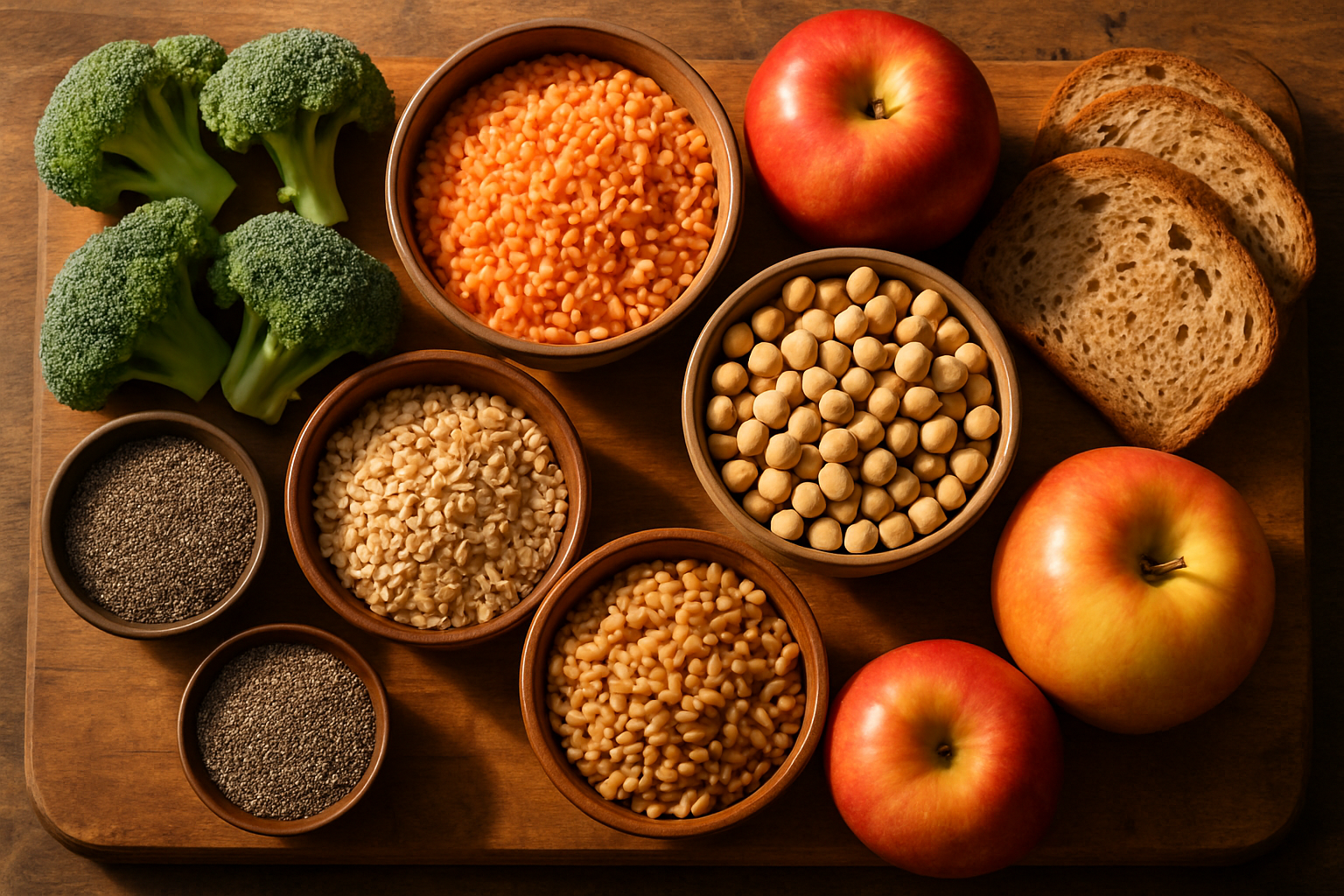
Practical swaps that can genuinely move the needle include switching white bread for 100% whole grain, adding a handful of beans or lentils to soups and salads a few times a week, eating whole fruit instead of drinking juice, and keeping snacks like almonds, pumpkin seeds, or edamame within reach. Chia seeds are one of my personal favorites because two tablespoons deliver around 10 grams of fiber with almost no effort — you can stir them into oatmeal, blend them into a smoothie, or mix them into yogurt.
For days when food sources just aren’t cutting it, a quality fiber supplement can be a genuinely useful bridge. I think of supplemental fiber as a tool, not a replacement — but it’s a tool worth having.
Products Worth Trying
I’ve tested quite a few fiber supplements over the years, and these are the ones I feel good about recommending. As always, talk to your doctor or a registered dietitian if you have specific health concerns before adding new supplements to your routine.
The Soluble Fiber Supplement That Actually Dissolves Without the Grit
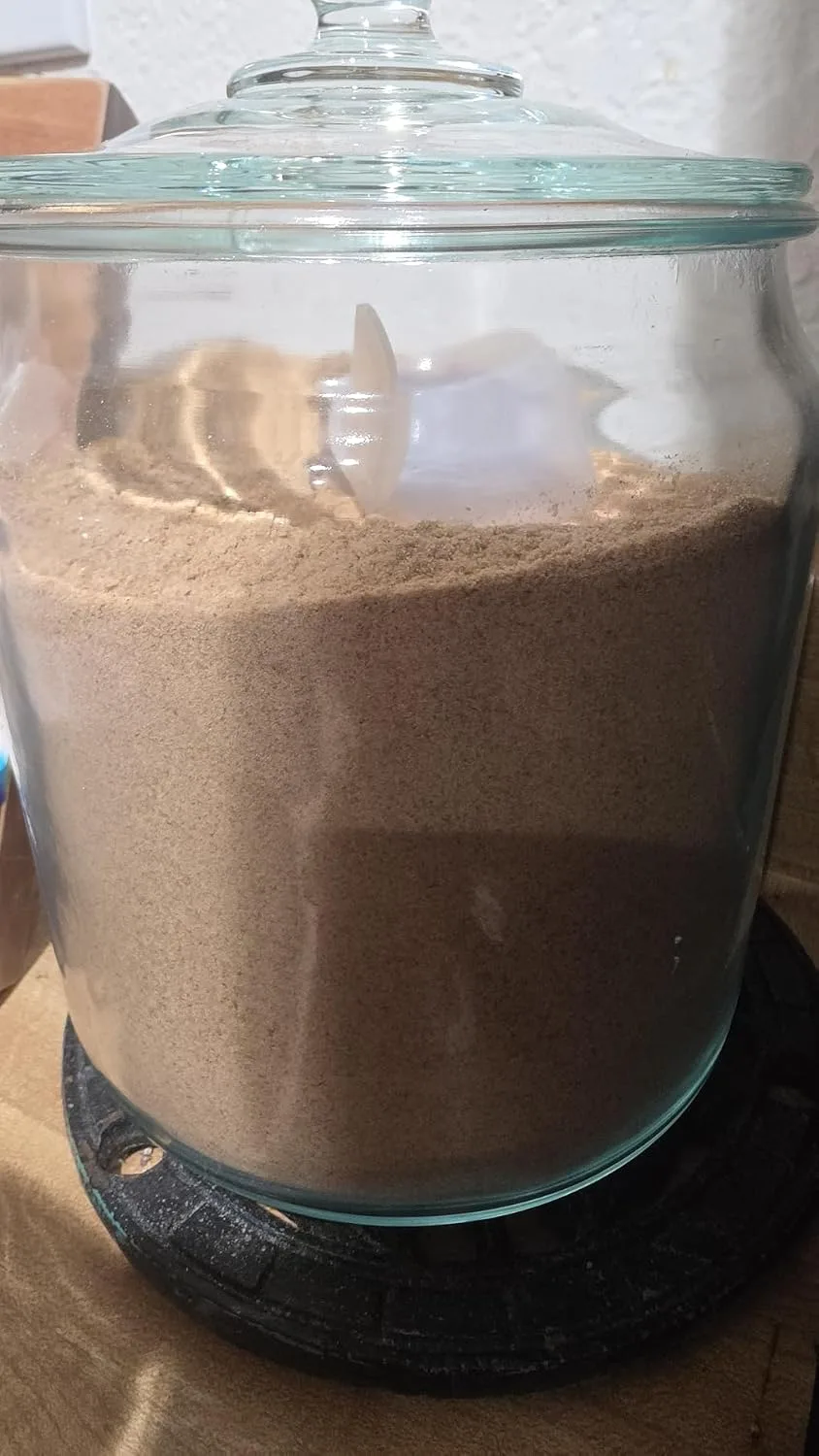
If you’re starting from a very low fiber baseline or have sensitive digestion, jumping straight to whole grains and legumes can backfire—bloating, gas, and cramping often send people right back to their old habits. Psyllium husk powder is a pure, soluble fiber that absorbs water and moves through your system gently, making it one of the easiest ways to bridge the gap between where you are now and where you need to be.
What works
- Soluble fiber absorbs water in the digestive tract, which softens stool and reduces that urgent, crampy sensation many people experience when fiber intake jumps too quickly.
- Most clients report noticeably improved regularity within 3–5 days, without the bloating or gas that often comes from insoluble fiber sources like bran.
- NOW Foods psyllium husk is finely milled and mixes smoothly—no grainy texture or chalky aftertaste that makes people abandon the habit after a week.
What doesn’t
- This is a bridge tool, not a permanent solution—the goal is to transition to whole food fiber sources (vegetables, fruit, legumes, whole grains) once your system adjusts, usually within 4–6 weeks.
- If you have IBS-D (diarrhea-predominant), diverticulitis, or a bowel obstruction history, talk to your GP first—psyllium can temporarily worsen symptoms in these conditions until the underlying issue is addressed.
This supplement works best alongside adequate water intake (at least 8 glasses daily) and a realistic commitment to gradually increasing whole food fiber—don’t expect it to fix digestive issues on its own if your overall diet remains low in nutrients. If you’re looking for an accessible starting point, try the NOW Foods Psyllium Husk Powder 12-ounce option.
This post contains affiliate links. As an Amazon Associate, I earn from qualifying purchases at no extra cost to you.


This post contains affiliate links. As an Amazon Associate, I earn from qualifying purchases. This means if you click a link and make a purchase, I may earn a small commission at no extra cost to you. I only recommend products I genuinely think are worth your time and money.