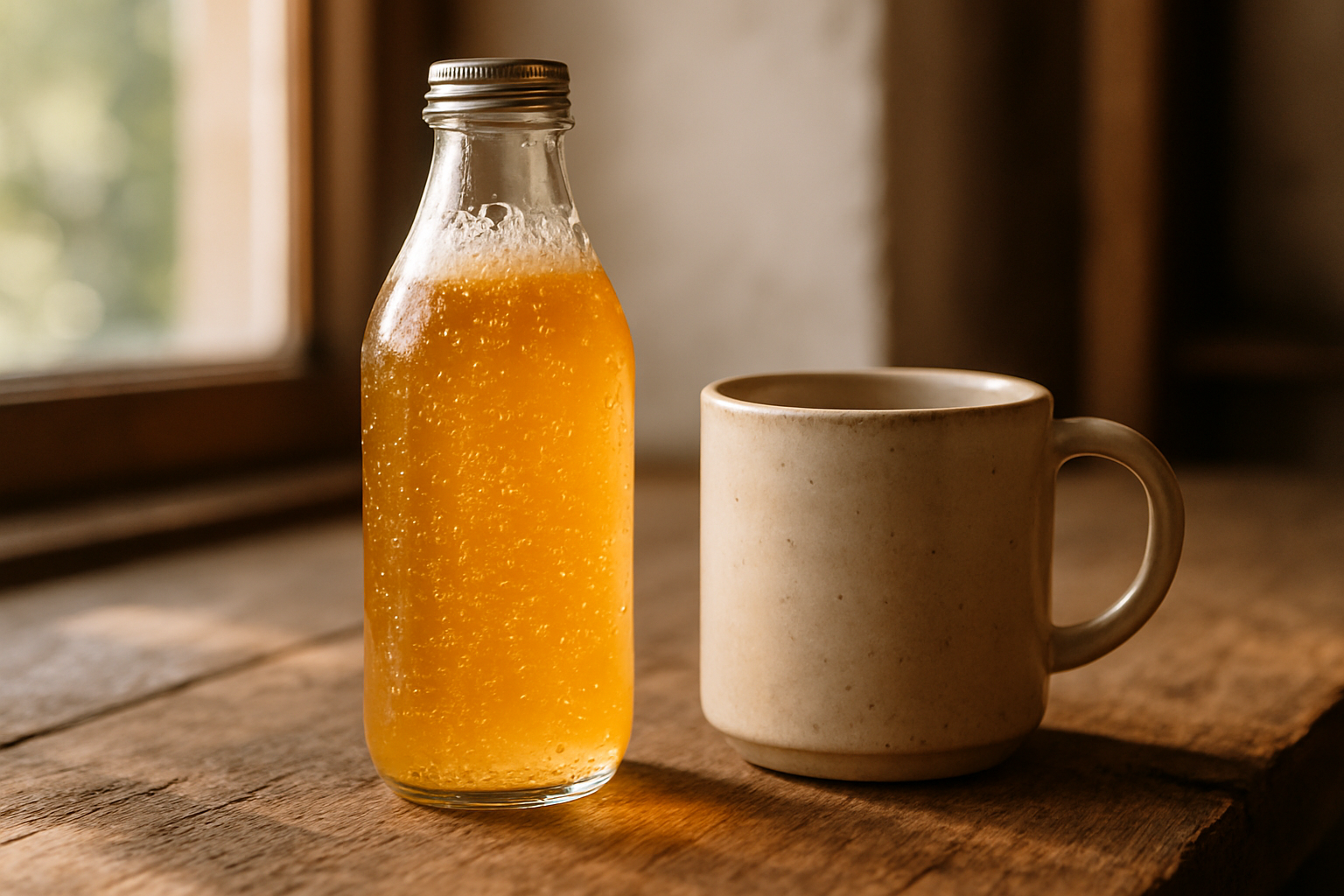
You’ve probably stood in the grocery store aisle, staring at a colorful bottle of kombucha, wondering if it’s actually worth the four dollars — or if it’s just another wellness trend dressed up in a pretty label. I’ve been there too. And honestly, when a friend first handed me a bottle and said, “This stuff changed my digestion,” I was skeptical. But the more I started digging into the research on kombucha gut health benefits, the more I realized there’s something genuinely interesting going on inside that fizzy, tangy drink — even if the hype sometimes outpaces the science.
So, What Exactly Is Kombucha?
Kombucha is a fermented tea that’s been around for centuries — some historians trace it back to Northeast China around 220 BCE. It’s made by adding a SCOBY (that stands for Symbiotic Culture Of Bacteria and Yeast) to sweetened tea and letting it ferment for anywhere from one to four weeks. The result is a lightly carbonated, slightly sour drink that contains live bacteria, organic acids, B vitamins, and small amounts of alcohol produced naturally during fermentation.
What you end up with in the bottle is genuinely different from plain tea — it’s a living product, which is part of what makes it so fascinating from a digestive health standpoint.
Kombucha Gut Health Benefits: What the Research Actually Says
Let’s be honest — a lot of what you read about kombucha online is either wildly exaggerated or frustratingly vague. So let me break down what research actually suggests, without overpromising anything.
It May Introduce Beneficial Bacteria to Your Gut
Kombucha contains live cultures of bacteria and yeast, which technically makes it a probiotic food. Research suggests that consuming probiotic-rich foods may help support a more diverse gut microbiome — and gut diversity is increasingly linked to better digestive function, immune response, and even mood. The specific strains in kombucha can vary depending on the brewing process, but many people find that incorporating fermented foods like kombucha into their routine helps them feel more balanced digestively.
Organic Acids May Support Digestive Comfort
During fermentation, kombucha produces organic acids — including acetic acid (also found in apple cider vinegar) and gluconic acid. These compounds may support healthy digestion by creating a slightly more acidic environment in the gut, which some research suggests can be helpful for gut lining health and nutrient absorption. A 2023 review published in Nutrients noted that the bioactive compounds in kombucha showed promising antioxidant and antimicrobial properties, though researchers were careful to note that more large-scale human trials are still needed.
It May Help With Bloating and Sluggish Digestion
Many people report that drinking kombucha regularly seems to ease occasional bloating and that sluggish, heavy feeling after meals. While this is largely anecdotal, it tracks with what we know about fermented foods generally. The enzymes present in raw, unpasteurized kombucha may assist in breaking down food more efficiently — which could explain why so many people feel a noticeable difference when they start drinking it consistently.
That said — and I want to be upfront here — kombucha is not a cure for any digestive condition. If you’re dealing with serious gut issues, please work with a qualified healthcare provider. Think of kombucha as a supportive addition to a gut-friendly lifestyle, not a replacement for medical care.
Store-Bought vs. Homemade: Which Is Better?
Here’s where it gets fun. Store-bought kombucha can be a great starting point — brands like GT’s and Health-Ade are widely available and genuinely decent. But here’s the thing: many commercial kombuchas are pasteurized after brewing, which can significantly reduce the live culture count. Some are also loaded with added sugars to balance the sourness, which somewhat undermines the whole point.
Brewing your own kombucha at home gives you full control over the sugar content, the fermentation time, and the quality of the final product. It sounds intimidating, but I promise — once you get the hang of it, it becomes one of those genuinely satisfying kitchen rituals. And it’s dramatically more affordable in the long run.
Products Worth Trying: Home Brewing Kits I Recommend
If you’re curious about brewing your own, here are some solid options I’d point a friend toward. Whether you’re just starting out or ready to scale up your setup, there’s something here for every level.
If You Want to Try Kombucha Without the Price Tag — Or Control the Sugar Content
Store-bought kombucha can get expensive fast, and honestly, the sugar content varies wildly between brands. If you’re committed to making kombucha a regular part of your routine and want to dial in the fermentation length to suit your own digestion, home brewing gives you that control.
What works
- A complete starter kit removes the guesswork — you get the SCOBY, starter tea, and all equipment in one place, so there’s less chance of contamination or failed batches that discourage people from continuing.
- You control fermentation length, which directly impacts how much sugar remains and how strong the probiotic profile becomes — longer ferments mean lower residual sugar and potentially more beneficial bacteria.
- The cost per batch drops significantly after the initial investment, making regular consumption realistic for people on a budget who actually want to stick with it long-term.
What doesn’t
- Home brewing requires consistency and attention — you can’t set it and forget it, and a neglected batch can develop mold or off-flavours, which frustrates people expecting it to be as simple as buying a bottle.
- The probiotic strains in homemade kombucha are largely wild fermentation organisms, not standardized like clinical-grade probiotics, so you won’t get the same documented CFU counts or strain specificity that research on targeted strains is built on.
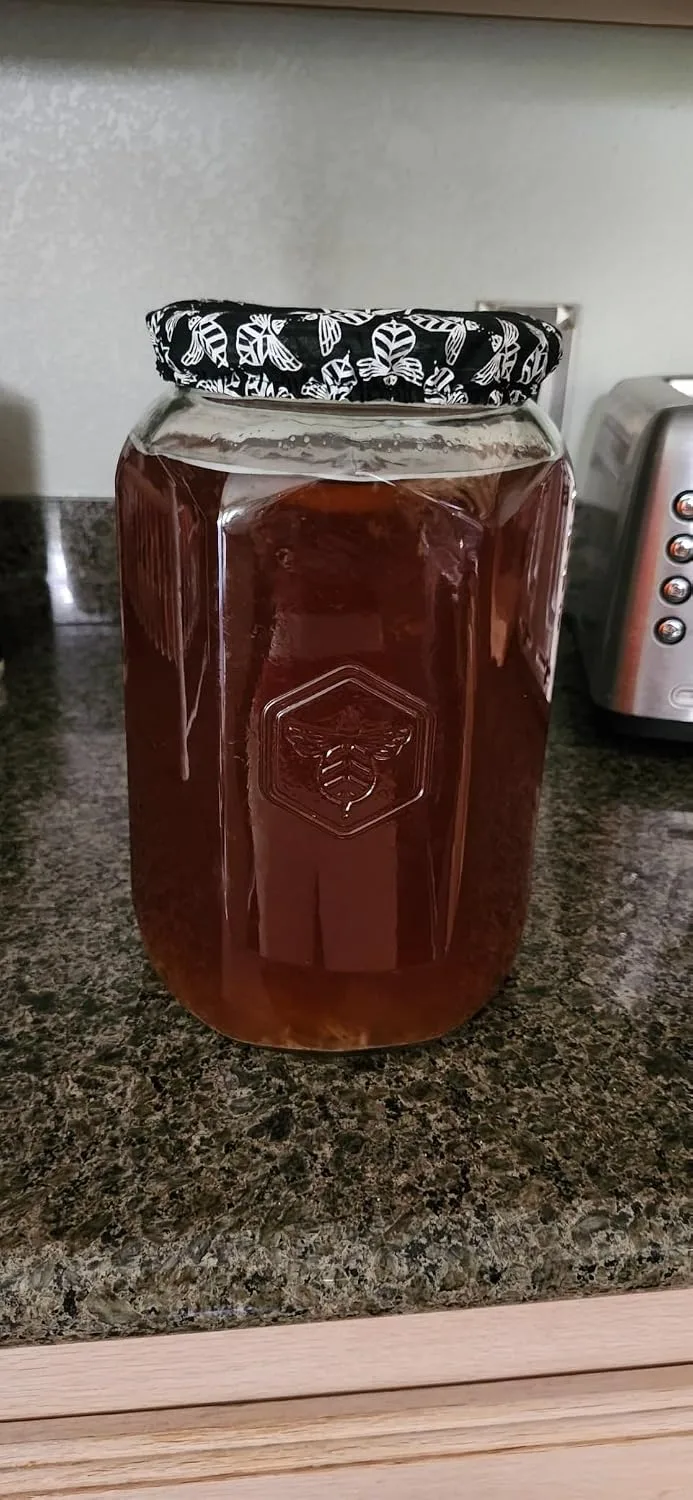
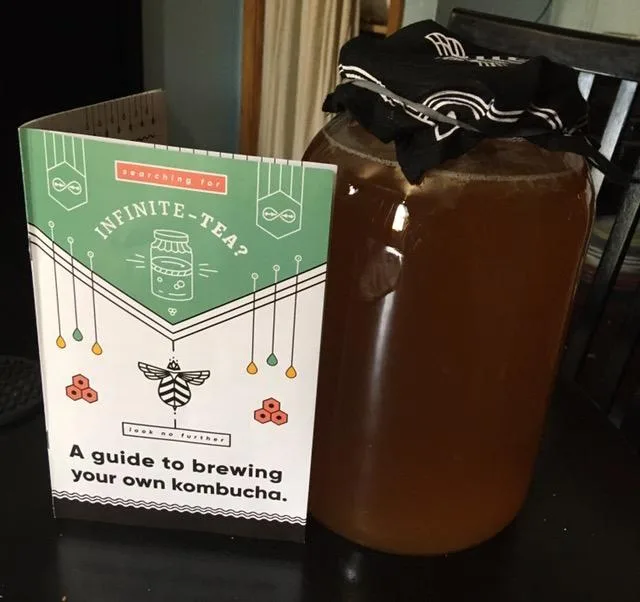
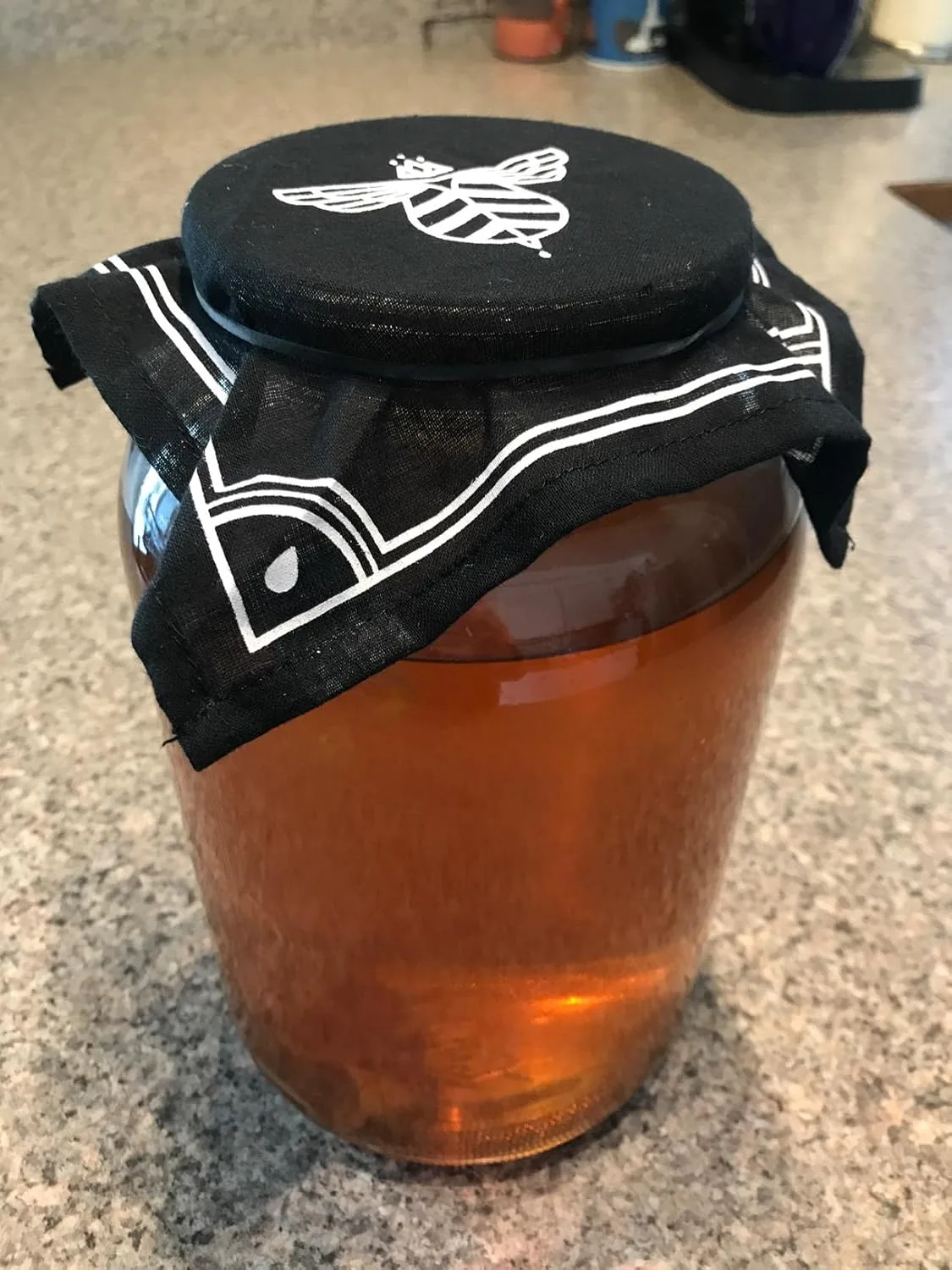
Home brewing is a commitment, not a quick fix — if you’re looking for an immediate digestive improvement from kombucha, you’d be better off trying store-bought first to see if it actually helps your individual symptoms before investing in equipment. If you do decide to brew, Craft A Brew Home Brewing Starter Kit includes clear instructions and a sturdy jar with a spigot, which makes the process less intimidating for beginners.
This post contains affiliate links. As an Amazon Associate, I earn from qualifying purchases at no extra cost to you.
This post contains affiliate links. As an Amazon Associate, I earn from qualifying purchases. This means if you click a link and make a purchase, I may earn a small commission at no extra cost to you. I only recommend products I believe are worth your time and money.