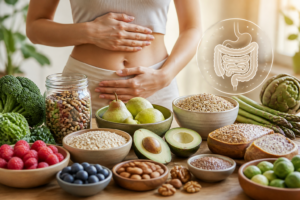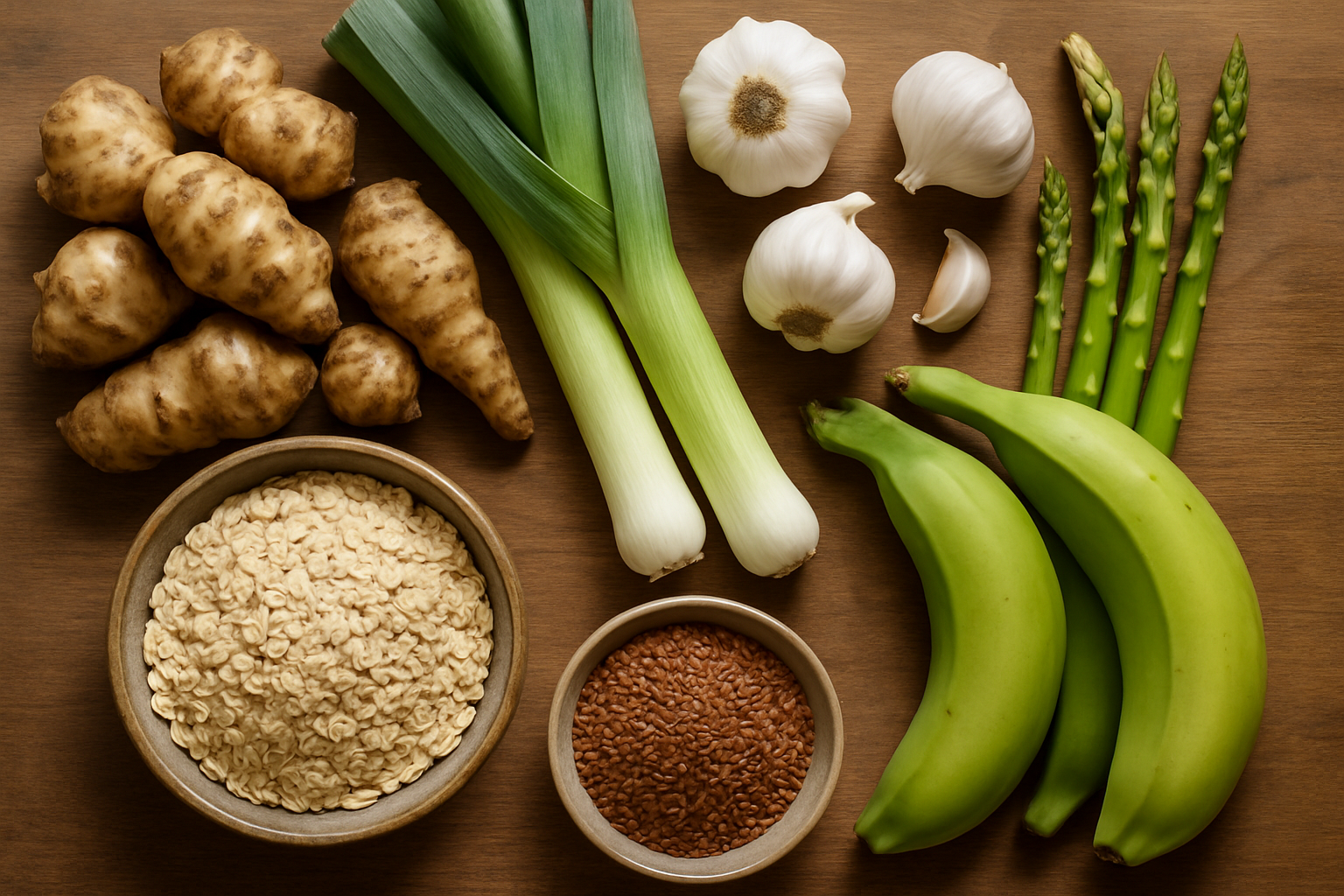
Have you ever eaten what you thought was a “healthy” meal, only to feel bloated, sluggish, or just… off? I’ve been there. For a long time, I figured I was eating enough fiber — whole wheat bread, the occasional salad, a banana here and there. But what I didn’t realize was that not all fiber is created equal. Some fibers just pass through. Others actually feed the beneficial bacteria living in your gut. Those are the ones that matter most, and building a solid high fiber prebiotic foods list is honestly one of the most powerful things you can do for your digestive health.
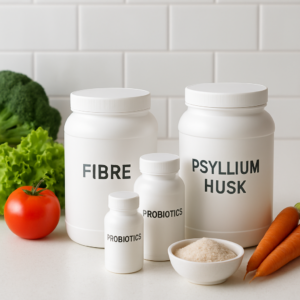
So what exactly is a prebiotic? Think of it this way: probiotics are the beneficial bacteria themselves, while prebiotics are the food those bacteria need to thrive. Without a steady supply of prebiotic fiber, even a well-populated gut microbiome can struggle. Research suggests that regularly eating prebiotic-rich foods may support microbial diversity, promote more comfortable digestion, and contribute to overall gut resilience. Let’s dig into which foods actually deliver — ranked by their prebiotic power.
The High Fiber Prebiotic Foods List You Actually Need (Ranked by Gut Impact)
I want to be upfront: “ranking” prebiotic foods isn’t a perfect science. Different fibers feed different bacterial strains, and individual gut microbiomes vary widely. That said, research does give us a pretty solid picture of which foods consistently show up as heavy hitters when it comes to feeding good gut bacteria.
1. Jerusalem Artichoke (Sunchoke) — The Inulin Powerhouse
If there’s one food that gut researchers seem genuinely excited about, it’s the Jerusalem artichoke. These knobby little tubers contain somewhere between 16–20% inulin by weight — one of the most well-studied prebiotic fibers in existence. Inulin is a type of fructooligosaccharide (FOS) that selectively feeds beneficial bacteria like Bifidobacterium and Lactobacillus. Studies suggest it may support regularity, improve stool consistency, and help promote a more diverse microbiome. The catch? Fresh sunchokes aren’t always easy to find, and their high inulin content means some people experience gas when they eat too much too soon. Start small and build up gradually.
2. Garlic and Onions — The Everyday Prebiotic Duo
Good news for people who already love cooking with garlic and onions — you’ve been feeding your gut bacteria without even trying. Both are rich in FOS and inulin, with raw garlic being especially potent. Research suggests that garlic may help increase Bifidobacterium levels and may inhibit the growth of some less desirable gut bacteria. Onions, particularly raw or lightly cooked, deliver similar benefits. Leeks and shallots are excellent options too if you’re looking to mix things up.
3. Green (Unripe) Bananas — The Resistant Starch Champion
Here’s something that surprised me when I first learned it: a ripe banana and an unripe banana behave completely differently in your gut. As bananas ripen, their resistant starch converts to simple sugars. But a firm, slightly green banana is loaded with resistant starch — a type of fiber that escapes digestion in the small intestine and ferments in the colon, feeding beneficial bacteria and producing short-chain fatty acids like butyrate. Butyrate, in particular, is a key energy source for the cells lining your colon and has been studied for its potential role in supporting gut barrier function.
4. Chicory Root — The Original Prebiotic Source
Chicory root is actually where most commercial inulin supplements come from. In food form, it shows up in some coffee substitutes and naturally in the chicory plant itself. It contains up to 41.6% inulin by dry weight, making it arguably the most concentrated whole-food source available. Many people find that small amounts — whether from food or supplemental inulin derived from chicory — may help support regularity and digestive comfort.
5. Asparagus, Leeks, and Dandelion Greens — The Underrated Three
These three vegetables don’t always make the headlines, but they absolutely deserve a spot on any solid prebiotic foods list. Asparagus contains inulin and FOS, dandelion greens are one of the richest plant sources of prebiotic fiber you can find in a grocery store, and leeks bring both inulin and flavonoids to the table. If you’re not already rotating these into your meals, it’s worth starting.
Products Worth Trying: Convenient Ways to Boost Your Prebiotic Intake
Eating fresh Jerusalem artichokes and dandelion greens every day is a lovely idea, but real life doesn’t always cooperate. That’s where a few well-chosen supplements and food powders can fill the gap. Here are some options I think are genuinely worth looking at.
The Prebiotic Powder That Actually Feeds Your Beneficial Bacteria
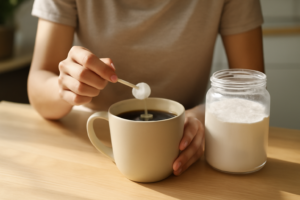
If you’re looking for a concentrated source of inulin—one of the most researched prebiotics—Jerusalem artichoke powder is a practical way to increase your prebiotic intake without having to eat pounds of whole foods. It’s particularly useful when whole food sources alone aren’t delivering enough fermentable fiber to shift your microbiome.
What works
- Jerusalem artichoke is high in inulin, a prebiotic fiber with solid clinical evidence for feeding Bifidobacteria and Faecalibacterium—two of the most beneficial genera in a healthy gut.
- The powder form is practical: ½–1 teaspoon daily is enough to provide meaningful prebiotic effect without the digestive drama that comes from overdoing whole artichoke or high-dose inulin supplements.
- Organic sourcing matters here because conventional Jerusalem artichokes can be heavily sprayed; Erbology’s organic certification reduces pesticide load, which is particularly relevant for clients with sensitive or inflamed guts.
What doesn’t
- If you have FODMAP sensitivity or active IBS flare-ups, inulin can trigger bloating, gas, and cramping—start with a tiny amount (¼ teaspoon) or skip it until your gut is more stable, then introduce slowly.
- This is a prebiotic, not a probiotic: it won’t introduce new bacteria, and it only works if you already have a reasonable population of bacteria to feed. If your microbiome is severely depleted (e.g., after heavy antibiotics), you may need to rebuild with probiotics first.
Inulin supplements work best as part of a broader dietary shift toward whole prebiotic foods—they’re a boost, not a replacement for eating variety. If you have IBS, SIBO, or severe bloating, talk to your GP or dietitian before adding any inulin powder to rule out intolerance. You can find Erbology Organic Jerusalem Artichoke Powder on Amazon.
This post contains affiliate links. As an Amazon Associate, I earn from qualifying purchases at no extra cost to you.