Have you ever noticed that you feel completely different after eating a bowl of freshly cooked pasta versus cold leftover pasta straight from the fridge? I used to chalk it up to imagination — or maybe just the fact that reheated food never tastes quite as satisfying. But it turns out there’s real science behind that difference, and it has everything to do with resistant starch gut health benefits that most of us never learned about in school. Once I fell down this rabbit hole, I couldn’t stop reading — and honestly, it changed the way I think about carbs entirely.
So What Exactly Is Resistant Starch?
Most carbohydrates get broken down pretty quickly in your small intestine — they’re digested, absorbed into the bloodstream, and used (or stored) as energy. Resistant starch is different. As the name suggests, it resists digestion in the small intestine and travels intact all the way to your large intestine, where something really interesting happens. Instead of feeding you, it feeds your gut bacteria.
Think of resistant starch as a slow, steady delivery of fuel for the trillions of microorganisms living in your colon. Those microbes ferment the resistant starch and produce short-chain fatty acids (SCFAs) — particularly butyrate, propionate, and acetate. Butyrate, in particular, has been studied extensively and research suggests it may play a meaningful role in supporting the health of your colon lining, reducing inflammation, and keeping your gut environment balanced and thriving.
The Resistant Starch Gut Health Benefits You Actually Want to Know About
I want to be upfront here — resistant starch isn’t a miracle cure, and I would never claim it is. But the research is genuinely exciting, and many people (myself included) notice a real difference when they start incorporating more of it into their daily eating. Here’s what the science suggests:
It May Support a Healthier Gut Microbiome
Your gut microbiome thrives on diversity and the right kind of nourishment. Resistant starch acts as a prebiotic — meaning it selectively feeds beneficial bacteria like Bifidobacterium and Lactobacillus. Research suggests that regularly consuming prebiotic fibers like resistant starch may help increase the diversity and abundance of these helpful microbes, which is increasingly linked to better overall digestive wellness.
It May Help Regulate Blood Sugar Response
Because resistant starch bypasses digestion in the small intestine, it doesn’t cause the same spike in blood glucose that regular starch does. Several studies have found that meals containing resistant starch tend to produce a more gradual blood sugar response. Some research even points to a “second meal effect,” where eating resistant starch at breakfast may blunt blood sugar spikes at lunch. For anyone trying to keep their energy levels steady throughout the day, this is pretty compelling.
It May Support Feelings of Fullness
Many people find they feel more satisfied after meals that include resistant starch. The fermentation process stimulates the release of gut hormones like peptide YY and GLP-1, which are associated with satiety. This might be part of why the title of this post rings true — it really is a carb that nourishes your gut rather than piling on the caloric load of rapidly digested starches.
It May Contribute to a Healthier Colon Environment
The butyrate produced from resistant starch fermentation is the preferred energy source for colonocytes — the cells that line your colon. Research suggests that adequate butyrate production may help maintain the integrity of the gut lining and support a healthy inflammatory response in the digestive tract. A well-nourished colon lining is foundational to long-term digestive health.
Where to Find Resistant Starch in Real Food
Here’s the cool part — you don’t need to overhaul your entire diet. Resistant starch shows up in foods you probably already enjoy. The key is in how you prepare and cool them.
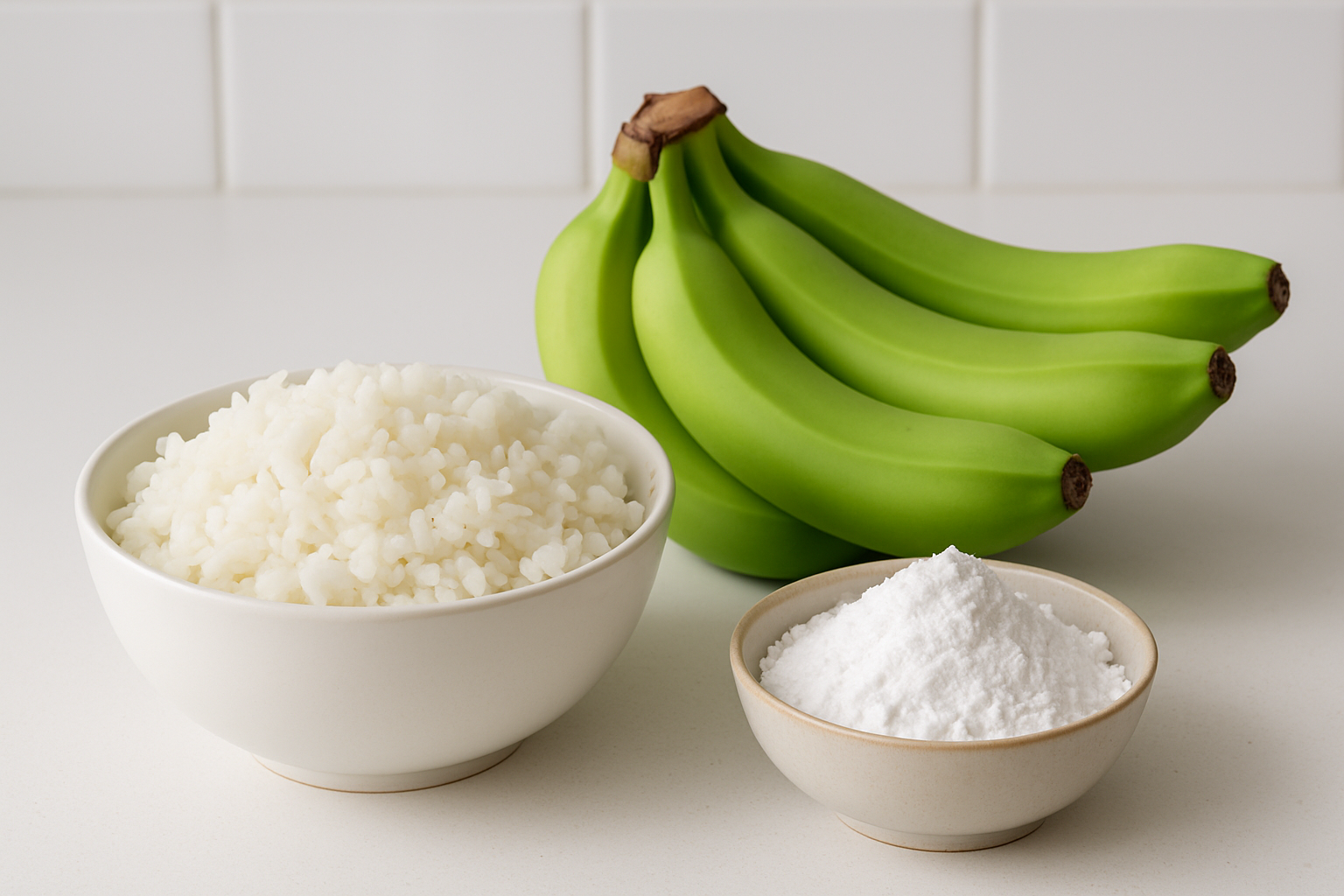
- Cooked and cooled potatoes or rice: When you cook starchy foods and then let them cool, a process called retrogradation converts some of the digestible starch into resistant starch. This is why cold potato salad and day-old rice are actually more gut-friendly than their freshly cooked counterparts.
- Unripe (green) bananas: The greener the banana, the higher the resistant starch content. As bananas ripen, that resistant starch converts to regular sugar — which is why ripe bananas taste sweeter.
- Legumes: Lentils, chickpeas, black beans, and white beans are all solid sources, especially when cooked and cooled.
- Oats: Raw oats (like in overnight oats) contain more resistant starch than cooked oatmeal.
- Raw potato starch: This one surprises people. Raw potato starch is one of the most concentrated sources of resistant starch available — just a tablespoon or two stirred into water, a smoothie, or yogurt can deliver a meaningful dose.
One practical tip: start low and go slow. If you suddenly flood your gut with a lot of resistant starch, you may experience some temporary bloating or gas as your microbiome adjusts. This is normal — it’s a sign your gut bacteria are actively fermenting — but easing in gradually makes the transition much more comfortable.
The Resistant Starch I Recommend When Clients Want to Feed Their Gut Bacteria
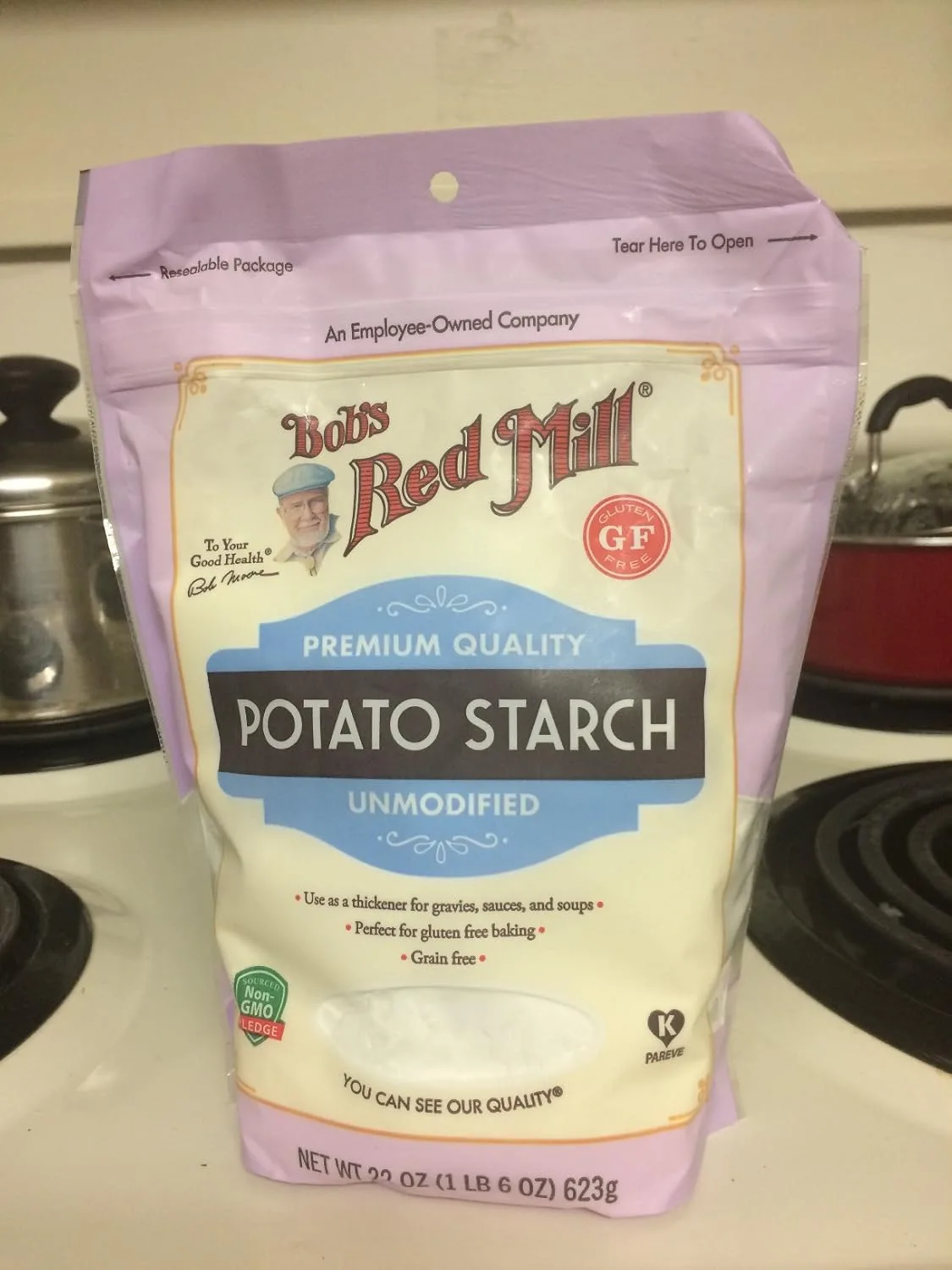
If you’re going to experiment with resistant starch, you need a pure, reliable source that won’t introduce other variables. Potato starch is the simplest way to start—no additives, no fiber blend confusion—so you can actually feel what resistant starch does for your digestion.
What works
- Most clients notice improved bowel regularity within 1–2 weeks, and many report less bloating once they’re past the adjustment phase—this is the resistant starch actually reaching your colon and feeding beneficial bacteria.
- At around 8g per tablespoon, it’s a concentrated source, so you don’t need to eat a huge volume; a small spoonful stirred into yogurt, smoothies, or cooled porridge is enough to make a difference.
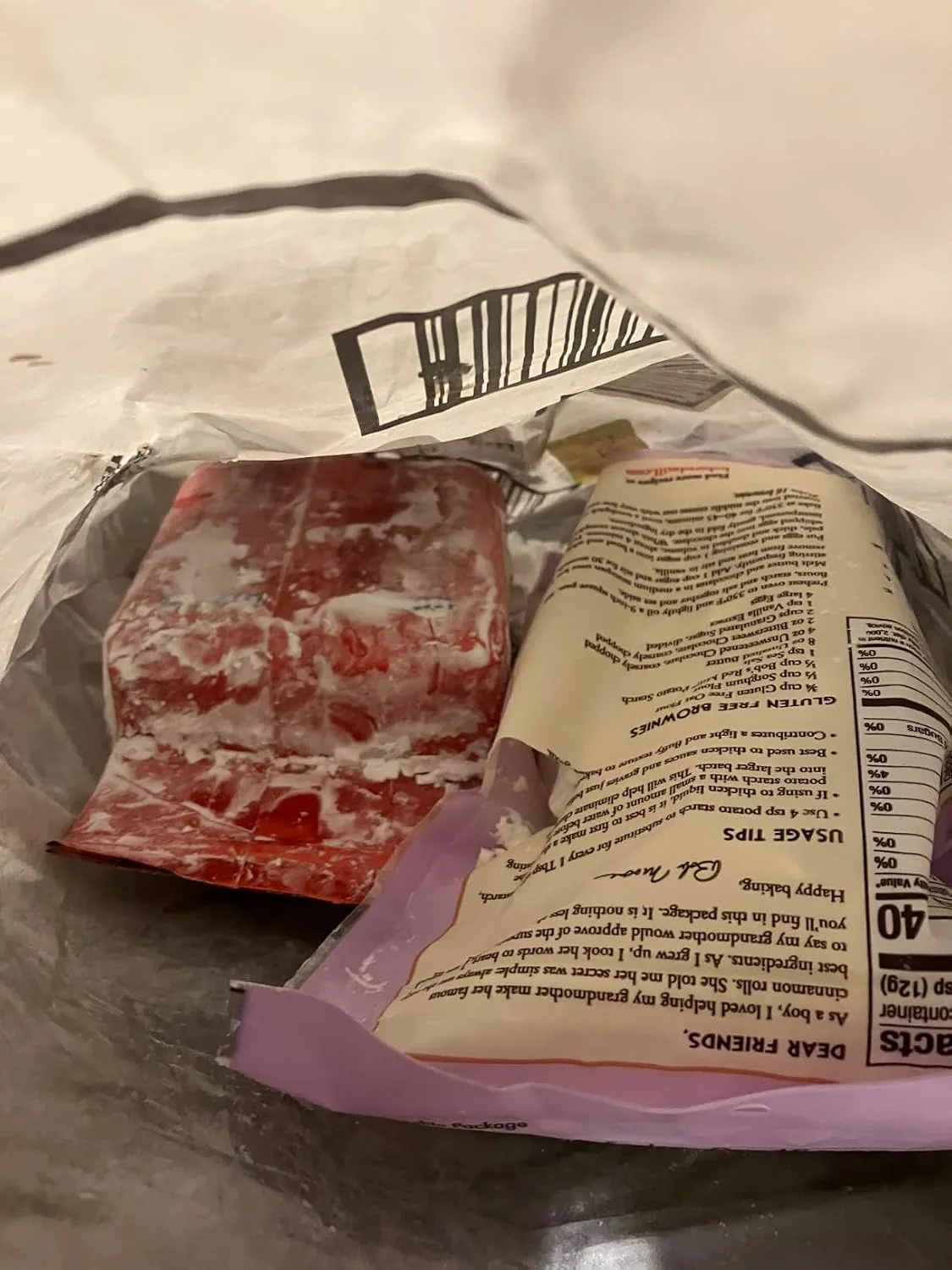
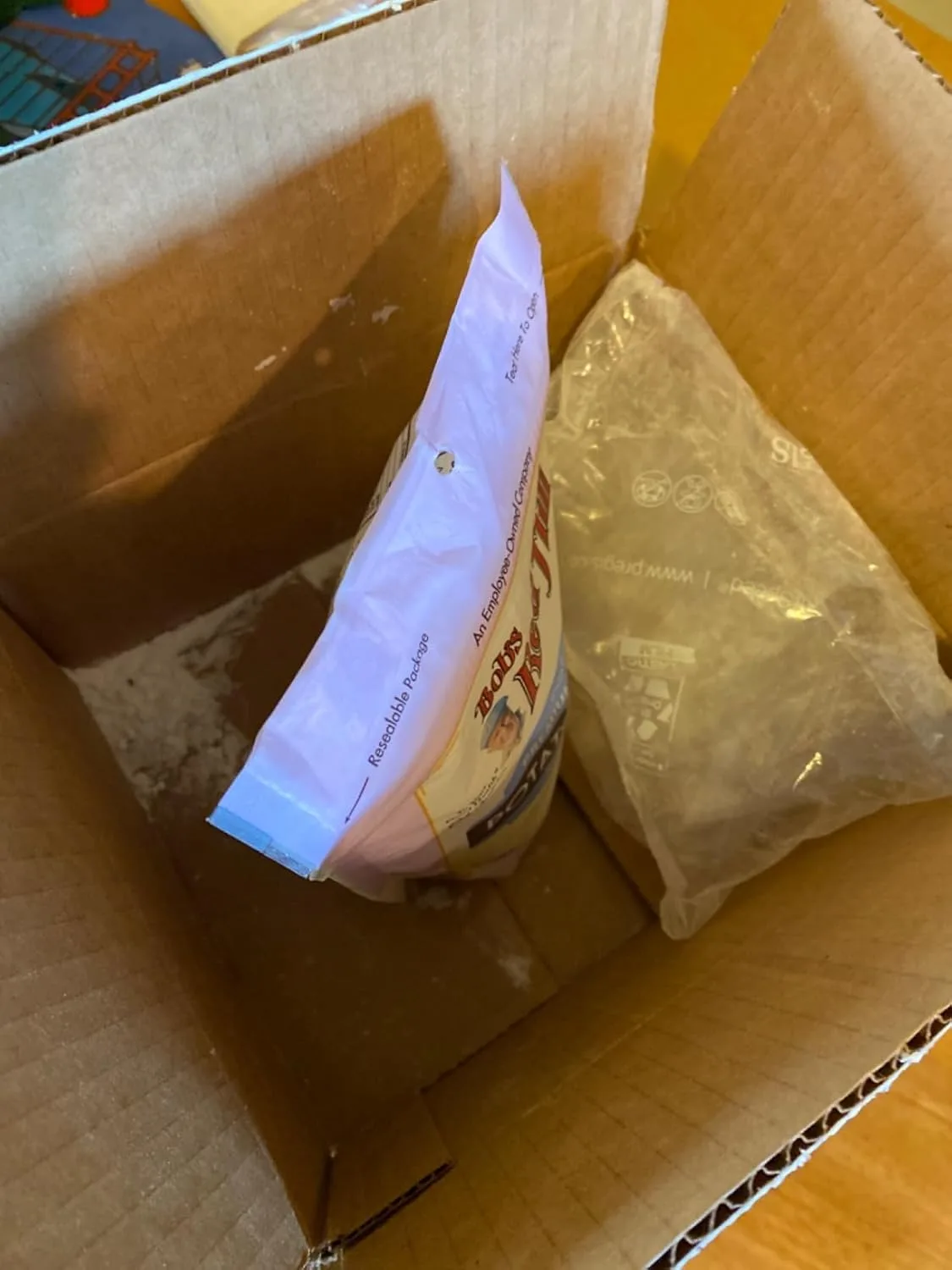
- Bob’s Red Mill is reliable, widely available, and reasonably priced—I’ve recommended it to dozens of clients and haven’t seen quality variation, which matters when you’re trying to track what’s actually helping.
What doesn’t
- If you have active IBS-D, SIBO, or are in a flare, resistant starch will almost certainly make bloating and gas worse before it gets better—you may need to wait until your gut is more stable, or start with a much smaller dose (like 1/2 teaspoon) and go very slowly.
- This is not a substitute for addressing the bigger picture: food sensitivities, stress, or underlying inflammatory conditions won’t be solved by potato starch alone, and if your symptoms are severe or unexplained, you need a proper diagnosis first.
Resistant starch is a genuine tool for feeding good bacteria, but it’s not magic—and it absolutely can backfire if your gut is already inflamed or dysbiotic. If you’re stable and curious, Bob’s Red Mill Potato Starch, 22oz (Pack of 4) is a sensible starting point.
This post contains affiliate links. As an Amazon Associate, I earn from qualifying purchases at no extra cost to you.