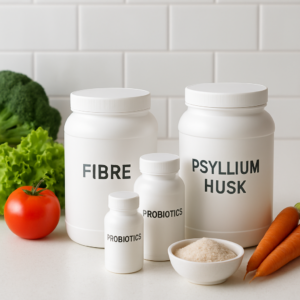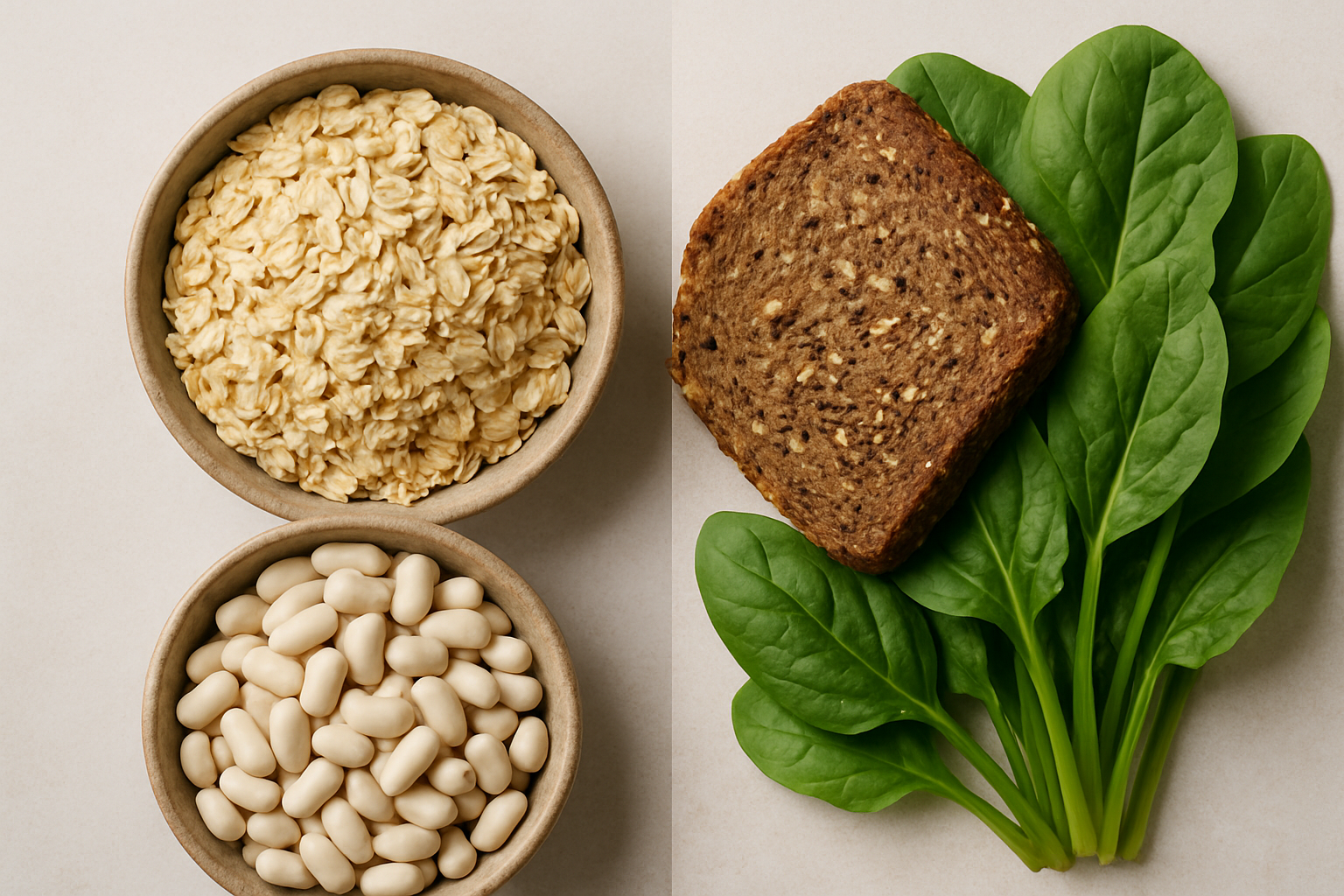
Have you ever added more fiber to your diet — maybe grabbed a fiber bar or started eating more salads — and still found yourself dealing with bloating, irregularity, or just a gut that never quite felt right? You’re not alone. I spent years thinking fiber was just fiber, a single thing you either got enough of or didn’t. It wasn’t until I started digging into the research on the soluble vs insoluble fiber gut connection that everything clicked. Turns out, these two types of fiber behave completely differently inside your digestive system, and understanding that difference may be the missing piece for so many people struggling with gut discomfort.
What Is Soluble Fiber and What Does It Actually Do?
Soluble fiber is the type that dissolves in water and forms a thick, gel-like substance as it moves through your digestive tract. Think of it like a slow, gentle river — it moves deliberately, coating things along the way. This gel action is actually incredibly useful for your gut. Research suggests that soluble fiber may help slow digestion, which can support more stable blood sugar responses after meals, and it may also help soften stool by drawing in water. But here’s the part I find most fascinating: soluble fiber is the preferred food source for your beneficial gut bacteria. When your gut microbiome ferments soluble fiber, it produces short-chain fatty acids like butyrate, which many researchers believe may play a key role in supporting the health of your gut lining.
Common sources of soluble fiber include oats, barley, apples, citrus fruits, carrots, psyllium husk, acacia fiber, and legumes. If you’ve ever made oatmeal and noticed how thick and almost gluey it gets, that’s soluble fiber doing its thing right in front of you.
What Is Insoluble Fiber and Why Your Gut Needs That Too?
Insoluble fiber takes a completely different approach. Rather than dissolving, it stays largely intact as it travels through your digestive system. Picture it as nature’s broom — it adds bulk to your stool and helps push things through your intestines more efficiently. Many people find that getting enough insoluble fiber supports more regular bowel movements and may help relieve the sluggish, heavy feeling that comes with occasional constipation.
You’ll find insoluble fiber in foods like whole wheat, bran, nuts, seeds, and the skins of many fruits and vegetables. That satisfying crunch in celery or the hearty texture of brown rice? Largely insoluble fiber at work. It doesn’t feed your gut bacteria the same way soluble fiber does, but it plays a crucial mechanical role in keeping your digestive transit moving at a healthy pace.
Most whole foods contain a mix of both types, which is one of the many reasons why a varied, plant-rich diet tends to support gut health so well. The current general recommendation from most health organizations is around 25–38 grams of total fiber per day, yet research consistently shows that most adults get less than half of that. No wonder so many of us feel off.
Soluble vs Insoluble Fiber Gut Health: Which One Do You Actually Need More Of?
Here’s where I want you to really pause, because this is the part that changed how I think about fiber entirely. The answer isn’t one or the other — it’s both, in the right balance, introduced in the right way for your body. That said, many people find that they’re getting more insoluble fiber from raw vegetables and whole grains, while falling short on the gentler, gut-microbiome-feeding soluble fiber.
If you experience bloating, loose stools, or urgency, jumping straight into large amounts of insoluble fiber can sometimes make things worse. Research suggests that soluble fiber, introduced slowly, may be better tolerated by people with sensitive digestive systems. On the flip side, if you struggle with sluggishness and irregularity, a mix of both types — with plenty of water — may support a more comfortable rhythm.
One practical approach I genuinely recommend is starting with a gentle, well-tolerated soluble fiber supplement while you work on building fiber-rich whole foods into your meals. It removes some of the guesswork and lets you increase your intake gradually, which is key to avoiding that dreaded gas and bloating that happens when you go from zero to fiber hero overnight.
Products Worth Trying for Fiber Support
I’ve done a lot of research and tried a variety of fiber supplements over the years. Here are some options I think are genuinely worth considering, depending on your needs and preferences.
For Psyllium Husk — A Classic Soluble Fiber Powerhouse
Psyllium husk is one of the most well-researched soluble fibers out there, and for good reason. It forms a gel in your gut, may support regularity, and is generally well-tolerated when introduced gradually with adequate water intake.
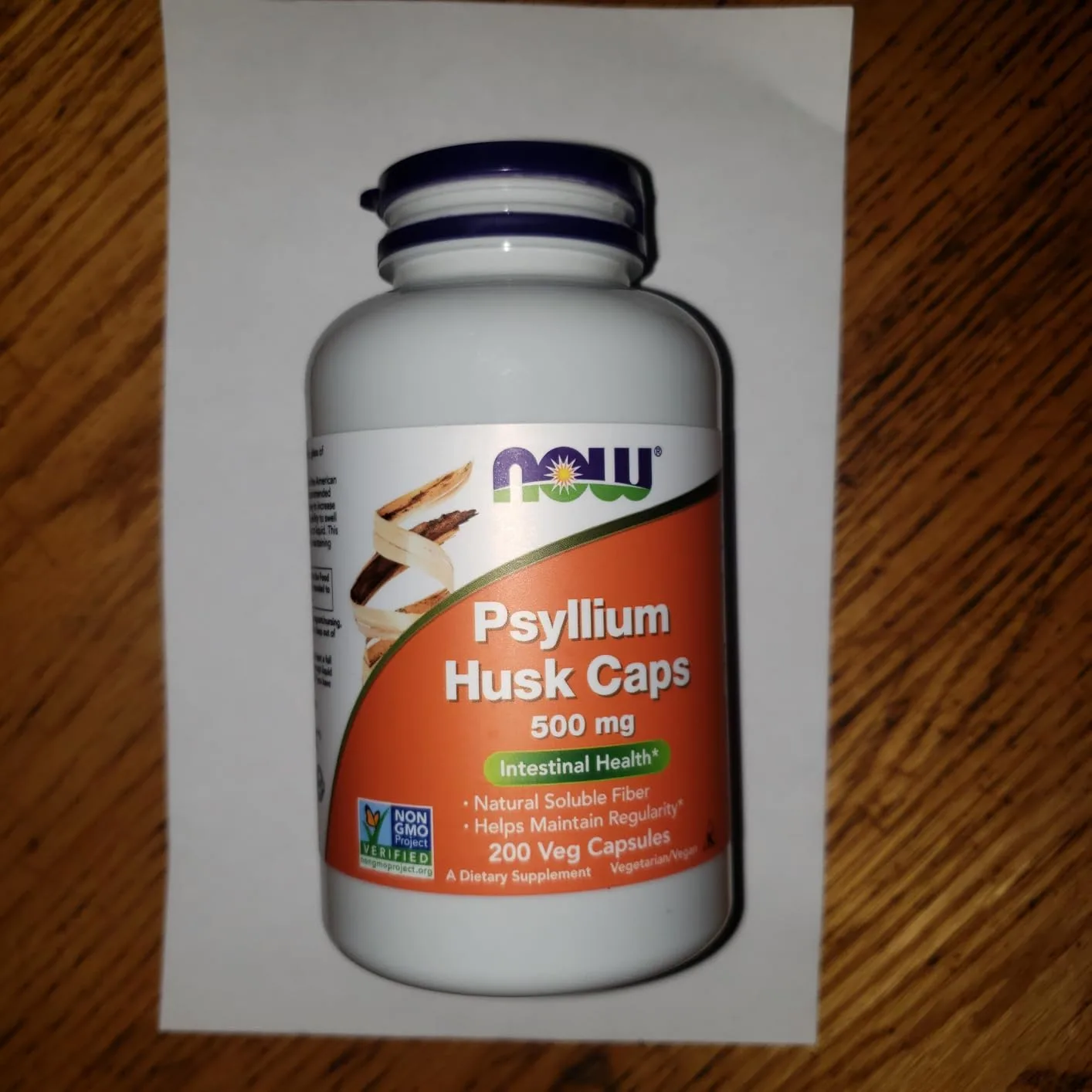
- NOW Foods Psyllium Husk Caps 500mg — 200 Veg Capsules: A clean, Non-GMO Project Verified option with no unnecessary fillers. Great for people who want a simple, straightforward psyllium supplement in an easy capsule form.
- Psyllium Husk 1500mg with Inulin & Acacia Complex — 300 Capsules: What I love about this one is that it combines psyllium with inulin and acacia, giving you a broader spectrum of soluble prebiotic fibers in one supplement. That layered approach may offer more comprehensive support for your gut microbiome.
- Metamucil Psyllium Husk Capsules — 300 Capsules: One of the most recognized names in fiber supplementation for a reason. Metamucil’s psyllium capsules are a reliable, widely available option that many people find easy to incorporate into their daily routine.
For Acacia Fiber — The Gentle Prebiotic Option
Acacia fiber (also called acacia senegal) is one of my favorite recommendations for people with particularly sensitive digestive systems. It’s a soluble, prebiotic fiber that ferments more slowly than some other options, which means many people find it produces less gas and bloating as their gut adjusts. Research suggests it may help support beneficial bacteria like Bifidobacterium and Lactobacillus.
- NOW Foods Certified Organic Acacia Pure Powder — 12
The Soluble Fiber Supplement for People Who Get Bloated on Everything Else
If you’ve tried adding fiber and ended up more uncomfortable, psyllium husk in capsule form lets you start small and titrate up without the texture or mixing hassle — and it’s one of the most researched soluble fibers for supporting both regularity and a healthier microbiome without triggering urgency in sensitive systems.
What works
- Capsule form means you can start with 1–2 caps daily and increase by one every few days, giving your gut time to adapt without the bloating spike that happens when you jump to a full serving of powder.
- The gel-forming action of psyllium husk is backed by decades of research showing it may support more comfortable bowel movements and feed beneficial bacteria without the fermentation symptoms (gas, cramping) that sometimes come with other soluble fibers.
- Veg capsules (like the NOW Foods option) are better tolerated than tablets by many clients with IBS or sensitive digestion, and there’s no flavor or texture to work around if you struggle with chalky or gritty supplements.
What doesn’t
- If you’re not drinking enough water (at least 8 oz per serving), psyllium can actually contribute to constipation or a heavy feeling — it needs adequate hydration to do its job, and this is a real sticking point for people who rush through their day.
- It’s not a fix for underlying inflammation or dysbiosis; if you have active Crohn’s or ulcerative colitis, you need to check with your GI specialist first, as high-fiber supplements can sometimes aggravate acute flares even if they’re well-tolerated long-term.
This is a helpful tool for gradually building your fiber intake, but it’s not a substitute for addressing underlying food triggers, stress, or motility issues that might be at the root of your discomfort—if symptoms persist after 3–4 weeks of consistent use with adequate water, it’s time to talk to your GP or a gastroenterologist. Try NOW Foods Psyllium Husk Caps 500mg — 200 Veg Capsules
This post contains affiliate links. As an Amazon Associate, I earn from qualifying purchases at no extra cost to you.
I was surprised how fine the powder mixes—no clumping like other brands I’ve tried. 
I was surprised how quickly this dissolved and thickened when I mixed it in. 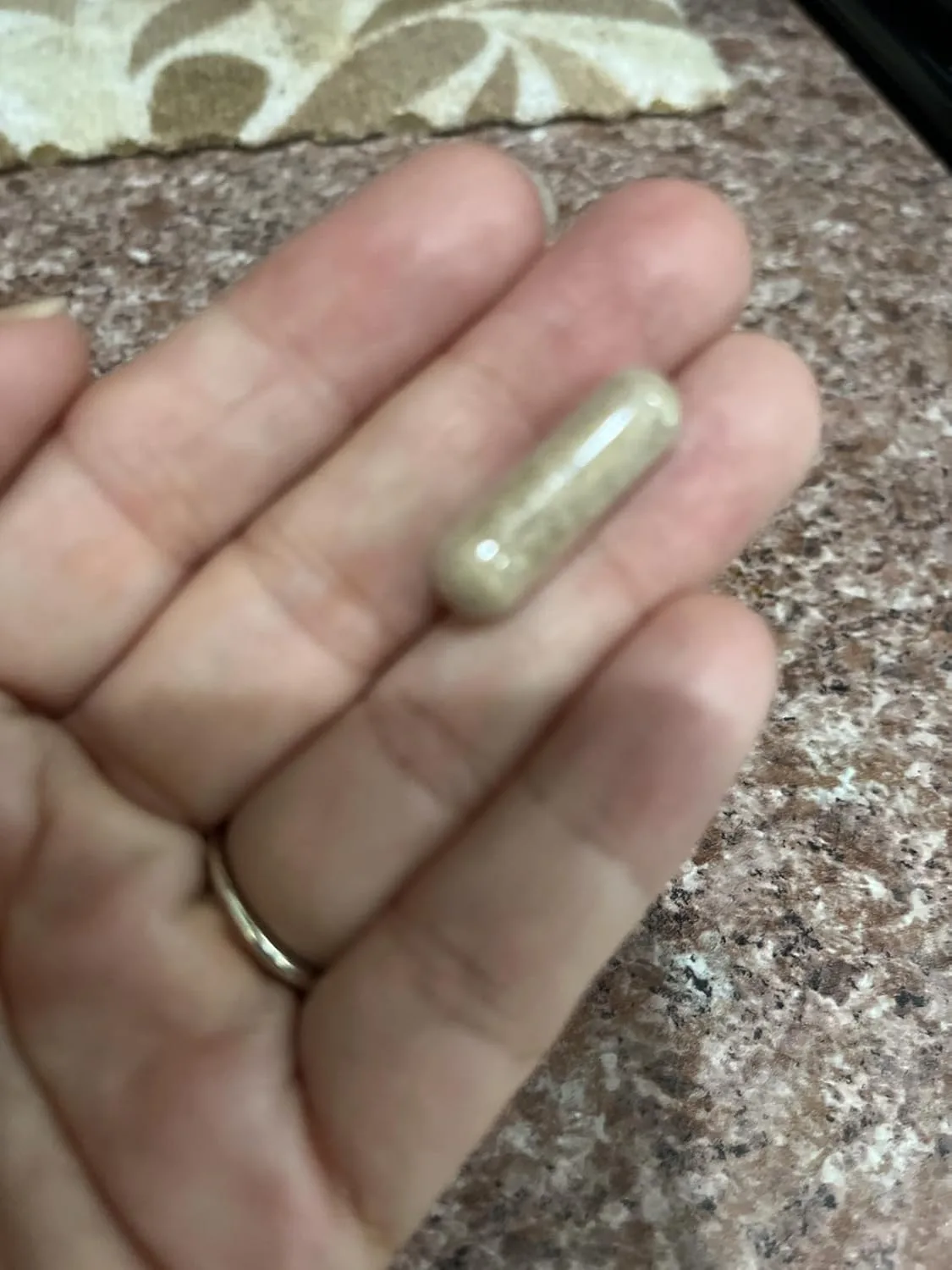
Easy to mix and no clumping—exactly what I needed. 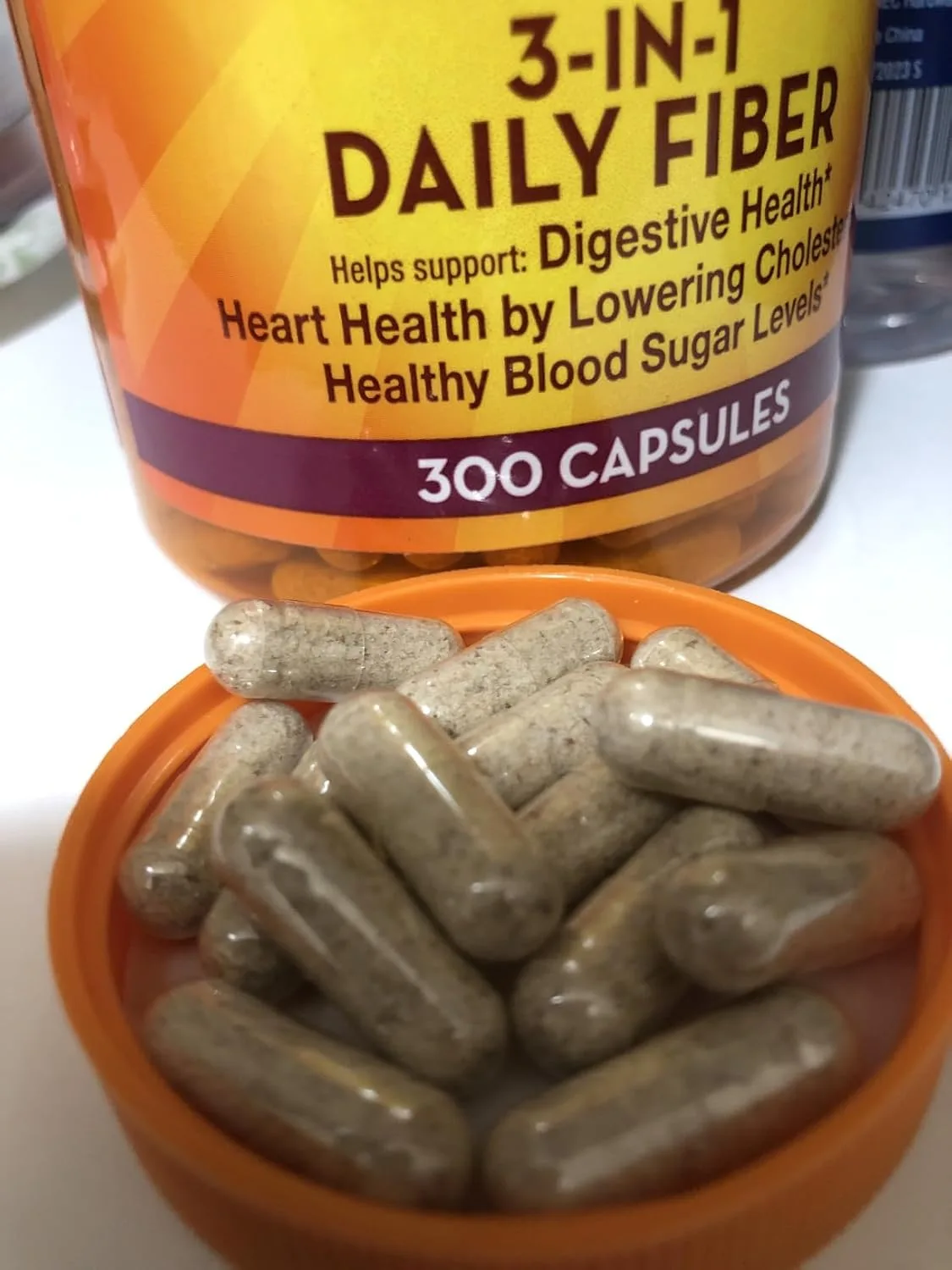
I was surprised how fine the powder is—it mixed smoothly without clumping. 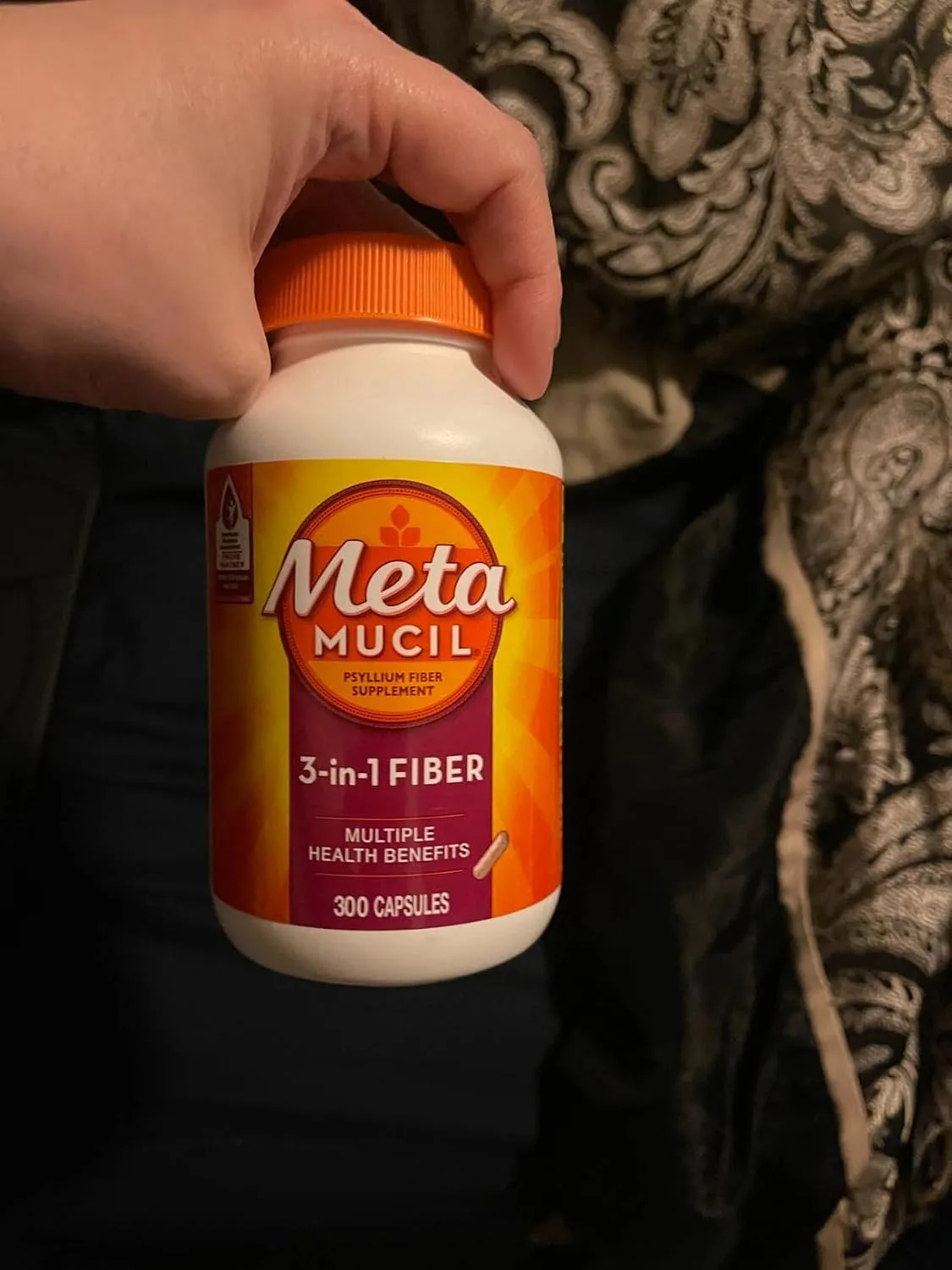
I was surprised how quickly this dissolved—no clumping like other brands I’ve tried. 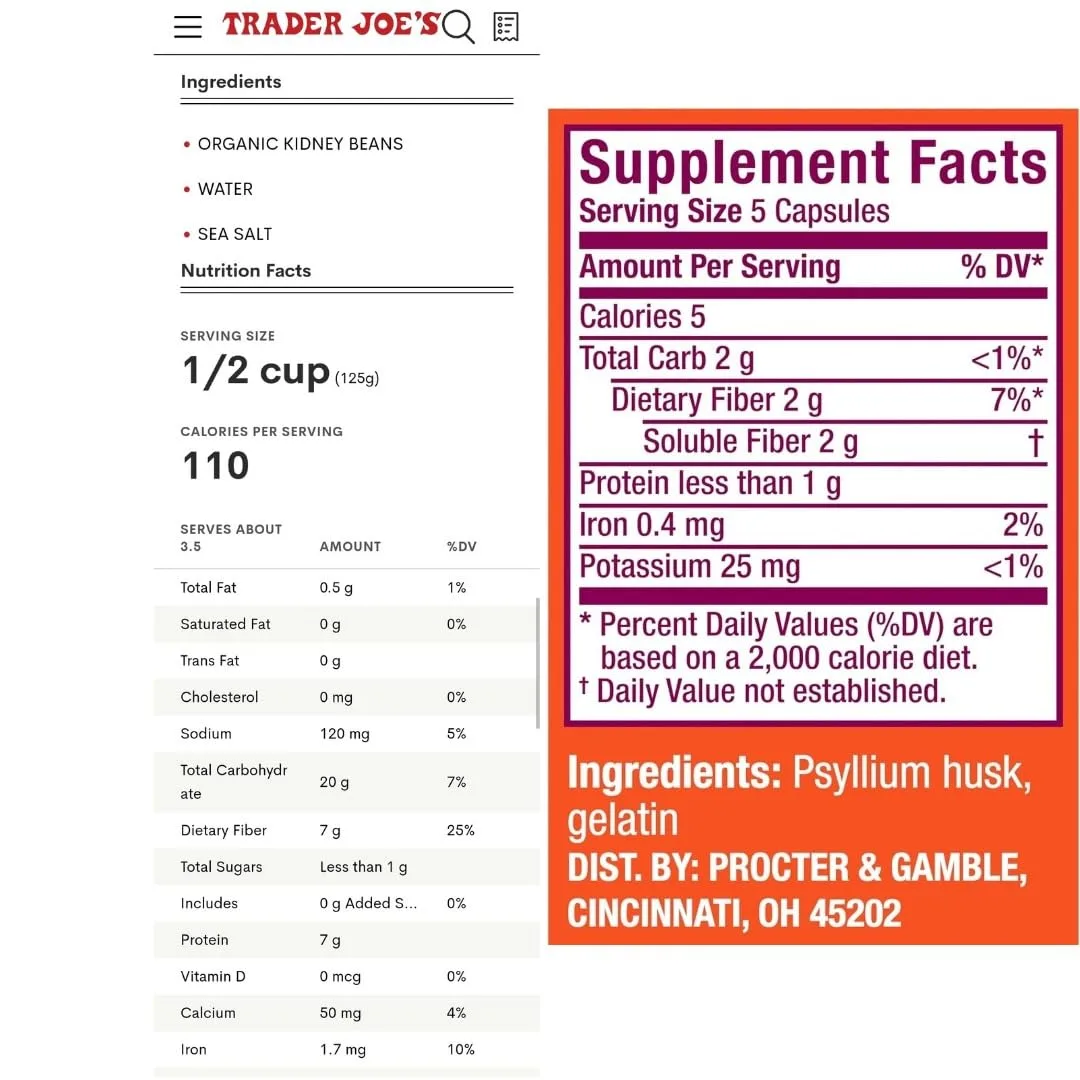
I was surprised how fine and easy to mix this psyllium powder actually is. 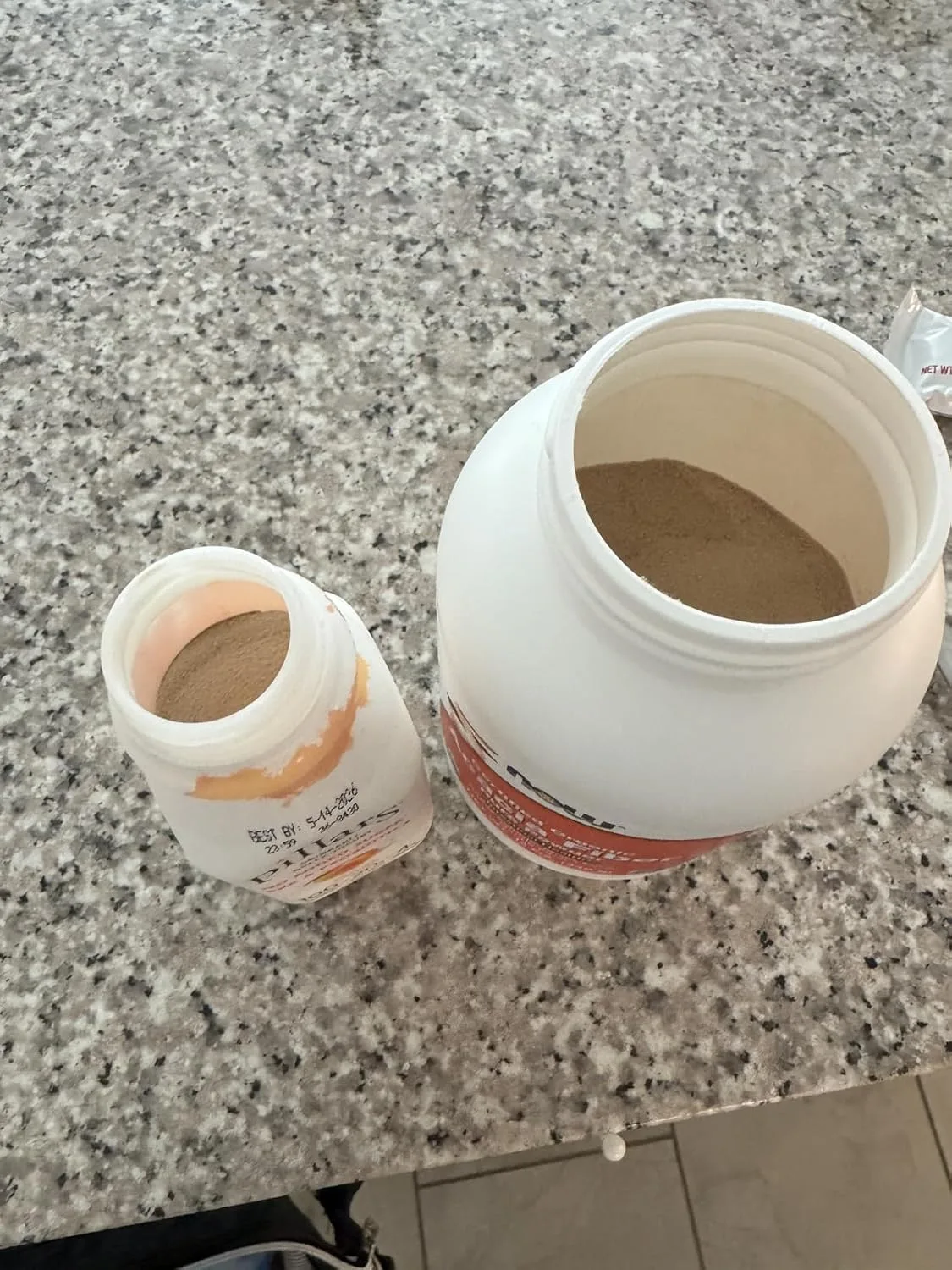
I was surprised how fine the texture is when I mixed this into my morning smoothie. 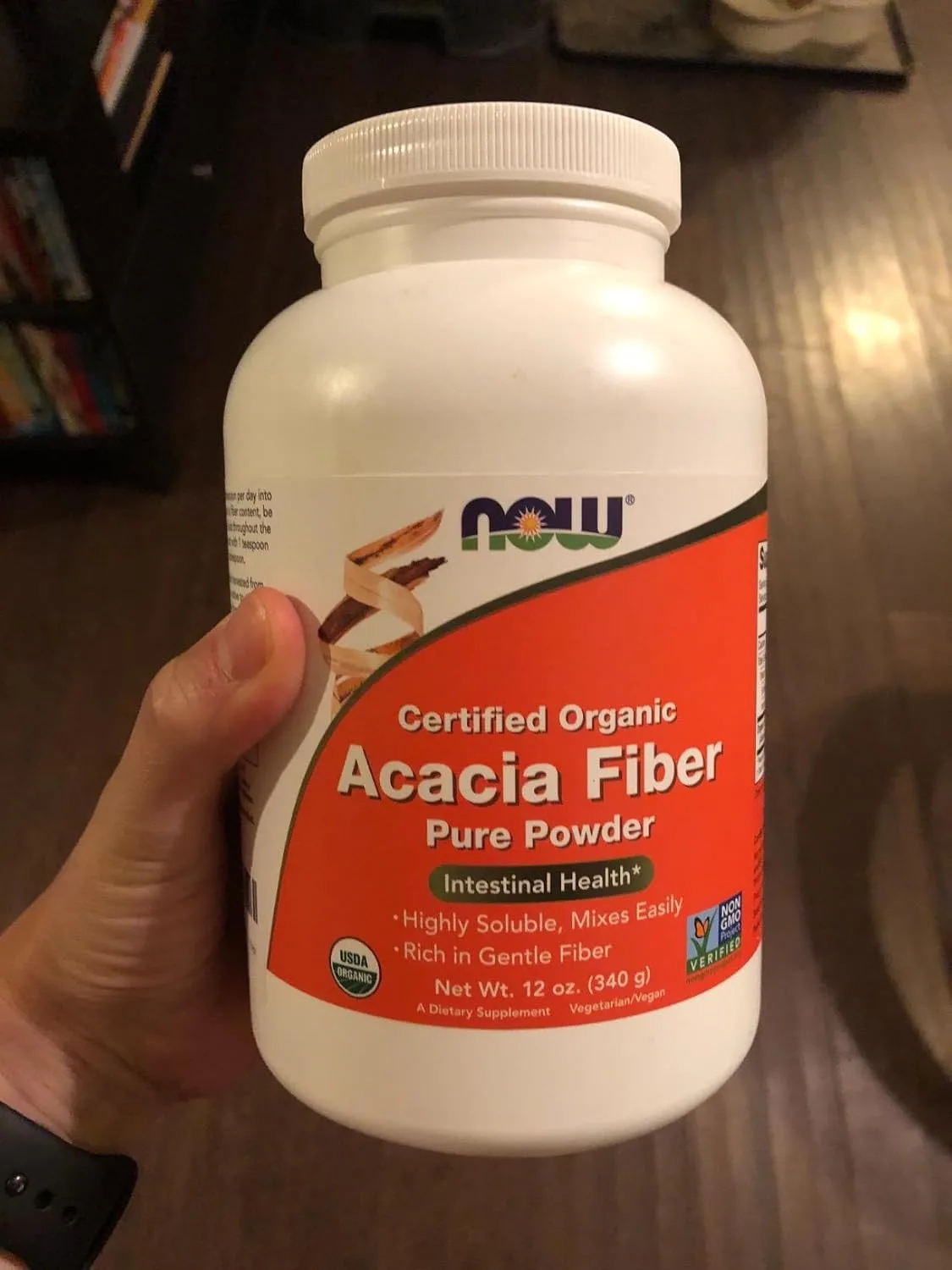
I was surprised how quickly this dissolved without any clumping or gritty texture. 
I was surprised how instantly this dissolved without any grittiness or clumping. 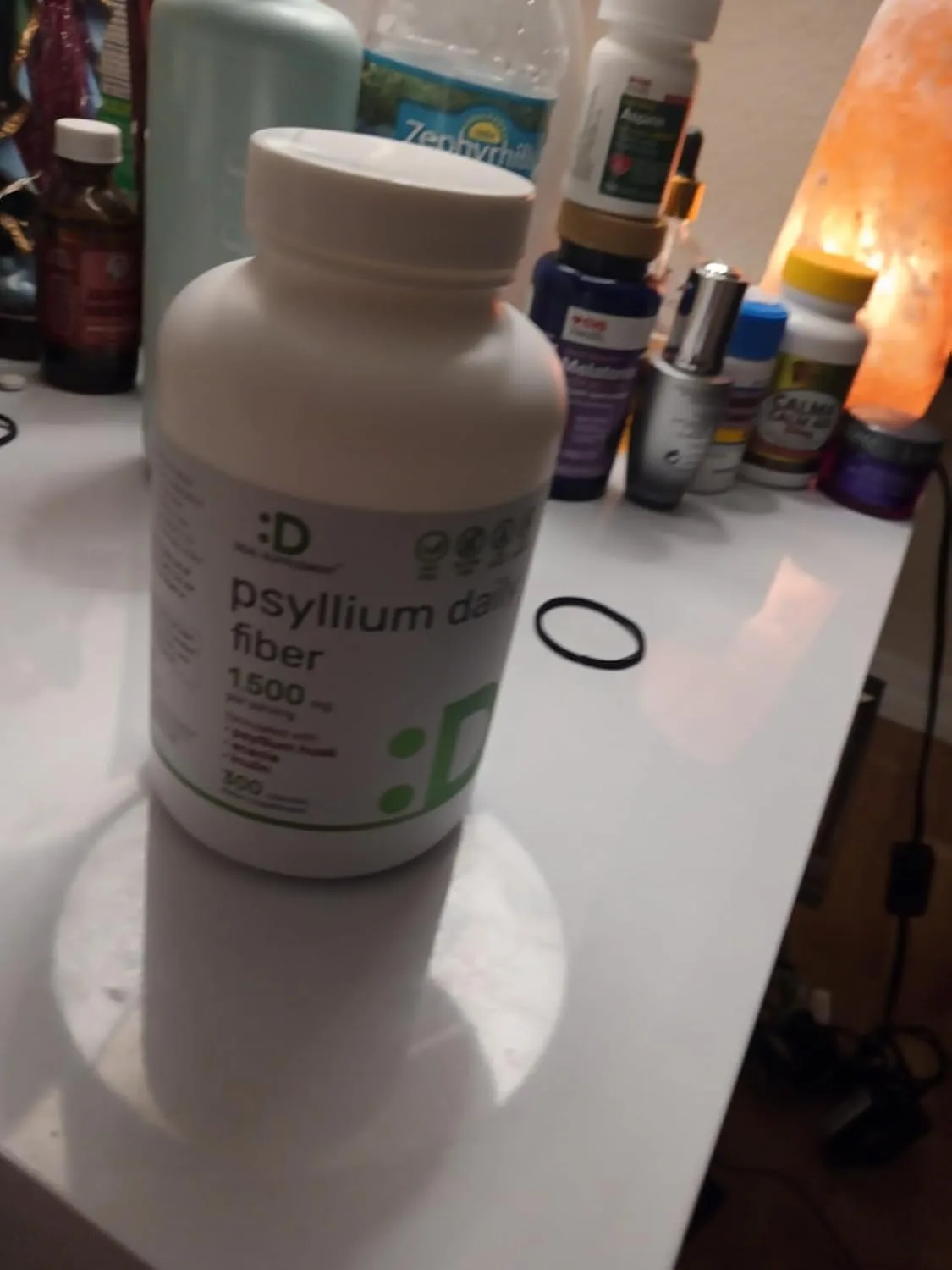
Easy to mix – no clumping, dissolves smoothly every time. 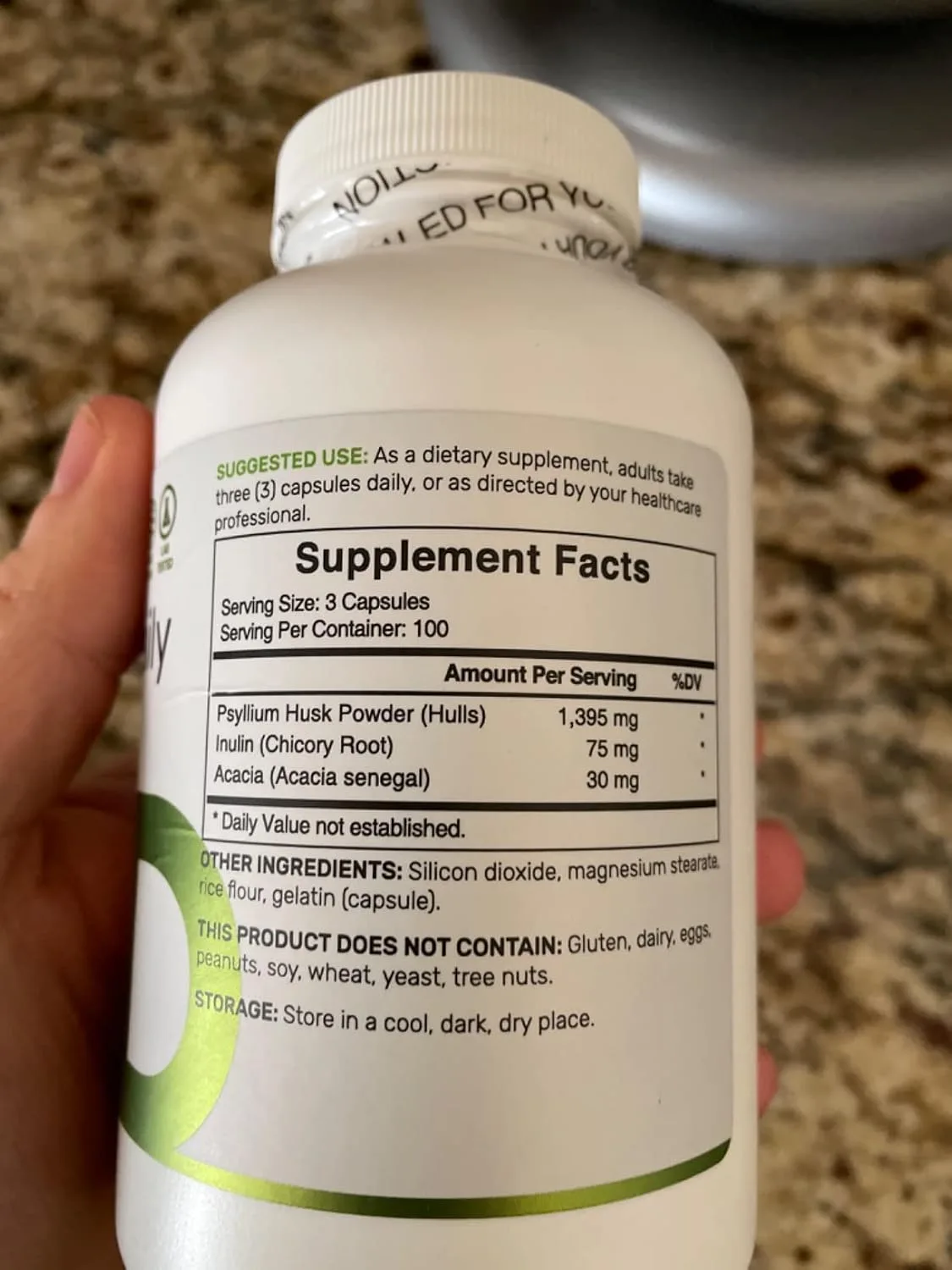
I was surprised how fine and smooth the powder texture was compared to other brands I’ve tried. 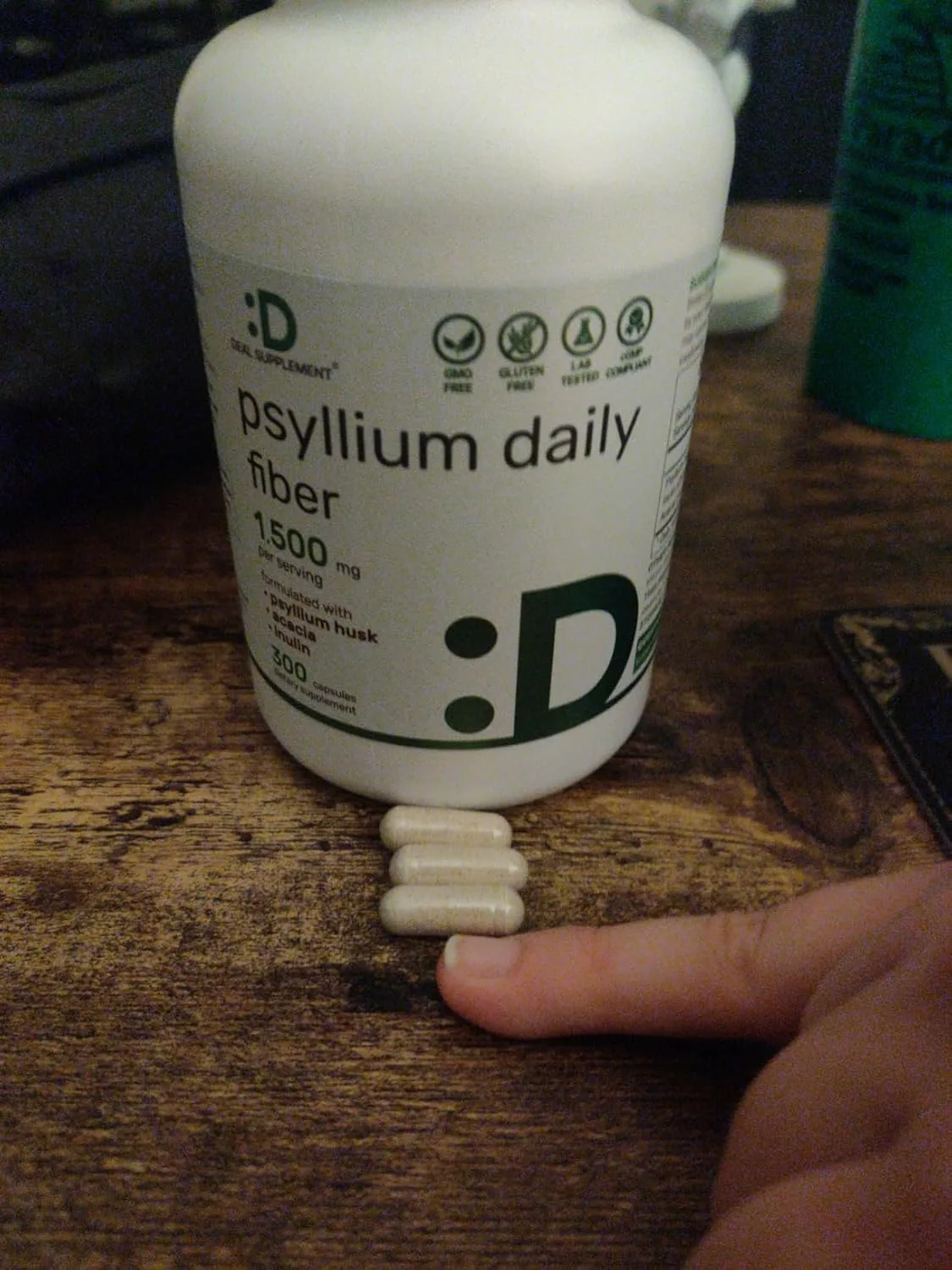
I appreciated how fine the powder texture was—it mixed smoothly without clumping.