You know that feeling — the morning of a big presentation, a difficult conversation you’ve been dreading, or even just a packed and overwhelming day, and suddenly your stomach is in knots. Maybe it’s cramping, bloating, or that urgent dash to the bathroom that seems to come out of nowhere. If this sounds painfully familiar, you’re not imagining things. The stress and IBS gut brain connection is very real, and understanding it might be one of the most helpful things you can do for your digestive health.
This post contains affiliate links. As an Amazon Associate, I earn from qualifying purchases. This helps keep digestionfaq.com running at no extra cost to you — thank you for your support!
What Is the Gut-Brain Axis, Exactly?
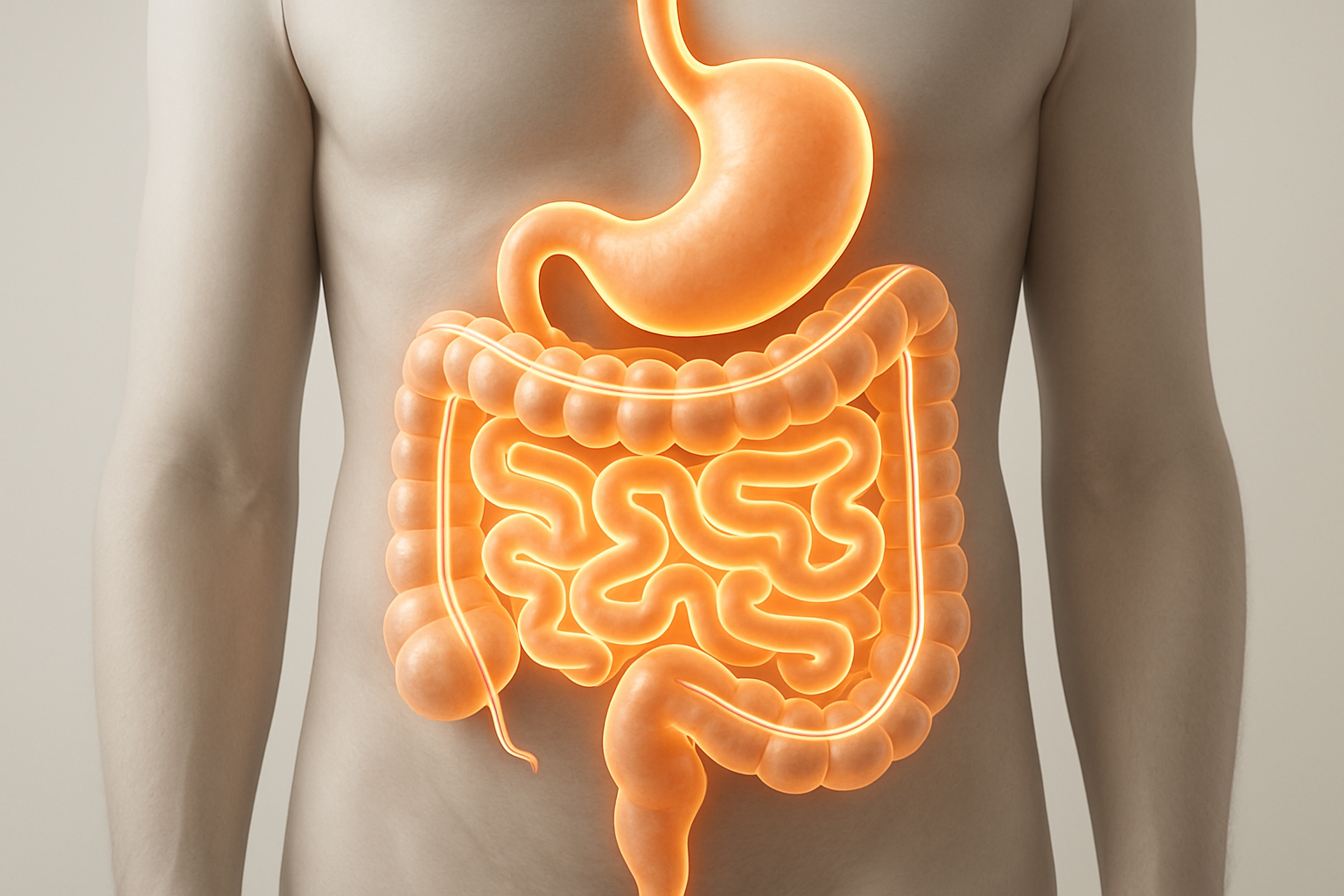
The gut-brain axis is the two-way communication highway between your central nervous system — your brain and spinal cord — and your enteric nervous system, which is the complex network of neurons that lines your entire digestive tract. Your gut actually contains around 100 million nerve cells, which is why researchers sometimes call it your “second brain.” These two systems are in constant conversation, sending signals back and forth through the vagus nerve, hormones, and even the bacteria living in your microbiome.
Here’s the part that blew my mind when I first read about it: this communication runs both ways. Your brain can tell your gut to slow down, speed up, or basically go haywire — but your gut can also send distress signals right back to your brain. This is why gut problems can affect your mood, and why anxiety and stress can trigger immediate, uncomfortable digestive symptoms.
The Stress and IBS Gut-Brain Connection: What the Research Says
For people living with Irritable Bowel Syndrome, this gut-brain highway can feel more like a chaotic feedback loop. Research suggests that individuals with IBS often have a more sensitive gut-brain axis — meaning their digestive system reacts more intensely to stress signals than in people without IBS. Studies published in journals like Gut and Neurogastroenterology & Motility have found that psychological stress can alter gut motility, increase intestinal permeability, and even change the composition of the gut microbiome.
When your brain perceives a threat — whether that’s a work deadline or a genuine emergency — it triggers a stress response. Cortisol and adrenaline flood your system. Blood flow is redirected away from digestion toward your muscles. Your colon can begin contracting more rapidly. For someone with IBS, this cascade can mean urgent diarrhea, painful cramping, or uncomfortable bloating that can linger long after the stressful moment has passed.
Many people find that their IBS flares cluster around periods of high stress — before travel, during relationship conflict, or in demanding seasons at work. If that pattern sounds familiar, the gut-brain connection is almost certainly playing a role.
Practical Ways to Support Your Gut-Brain Axis
The encouraging news is that because the gut-brain relationship is bidirectional, there are multiple entry points for supporting it. You can work from the brain side down — managing stress responses — or from the gut side up, nurturing your microbiome and reducing inflammation. Many people find that doing both together makes the biggest difference.
Mind-Body Practices
Research suggests that practices like diaphragmatic breathing, mindfulness meditation, and progressive muscle relaxation may help calm the vagus nerve and reduce the intensity of gut-brain stress signals. Even five to ten minutes of slow, deep breathing before meals may support more comfortable digestion. Cognitive behavioral therapy (CBT) and gut-directed hypnotherapy have also shown promising results in clinical studies for IBS specifically — worth asking your doctor about if symptoms are significantly impacting your life.
Sleep and Recovery
Poor sleep is one of the fastest ways to elevate cortisol and send your digestive system into a sensitive state the next day. Prioritizing consistent, quality sleep isn’t just about feeling rested — it may genuinely help regulate the gut-brain axis and reduce IBS flare frequency. Many people find that a calming nighttime routine makes a meaningful difference.
Dietary Approaches
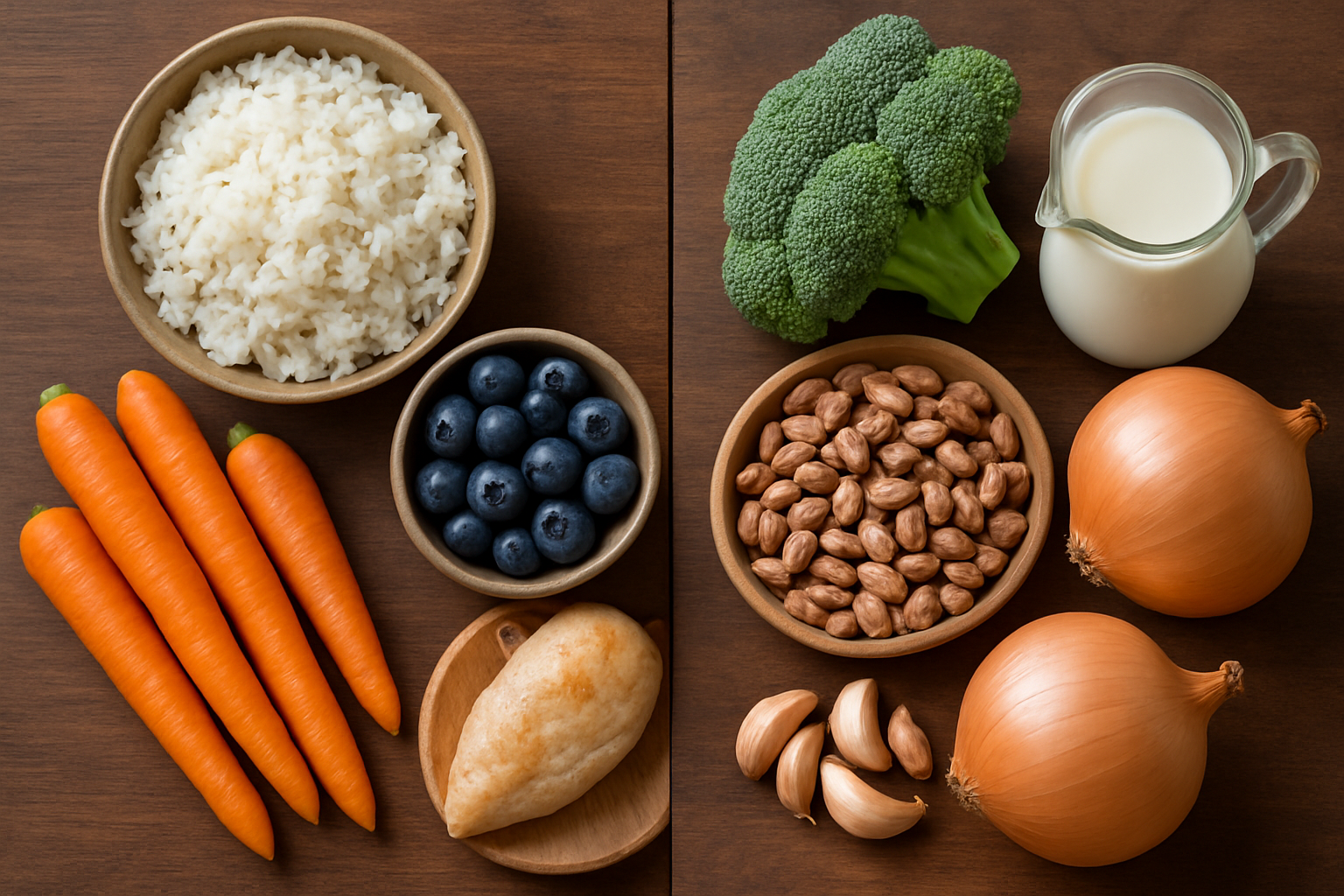
A low-FODMAP diet has strong research support for reducing IBS symptoms in many people. Beyond that, eating slowly, chewing thoroughly, and avoiding meals while stressed or distracted may support better digestion. A diet rich in fermented foods and fiber also helps nourish the gut microbiome, which plays a supporting role in regulating mood and stress responses through the gut-brain axis.
What I Recommend: Supplements That May Support Stress and Gut Health
I want to be clear that supplements aren’t a cure, and they’re not a replacement for working with your healthcare provider. But as part of a broader strategy, certain well-researched supplements may help support a calmer nervous system and a healthier gut environment. Here are some options I think are worth knowing about.
Ashwagandha Supplements
Ashwagandha is an adaptogenic herb with a growing body of research behind it. Adaptogens are compounds that may help your body regulate its response to stress more effectively over time. Several well-designed studies suggest ashwagandha may help lower cortisol levels and support a calmer mood — both of which could benefit people whose IBS is stress-triggered.
- Garden of Life Organic Ashwagandha with Probiotics & Ginger — I love that this one combines ashwagandha with a probiotic blend and ginger, which means you’re supporting both the stress side and the gut side of the equation in one tablet. It’s organic, vegan, and gluten-free — a solid two-month supply.
- Nature’s Bounty Stress Relief Ashwagandha KSM-66 — KSM-66 is one of the most studied forms of ashwagandha extract. This is a straightforward, affordable option from a well-established brand if you want to start simple.
- Ascool Ashwagandha Gummies with Magnesium + Vitamin D — If swallowing capsules isn’t your thing, these sugar-free vegan gummies are a nice alternative. The added magnesium is a bonus, since magnesium deficiency is common and may play a role in both stress regulation and bowel function.
L-Theanine for Calm Focus
L-Theanine is an amino acid found naturally in green tea that research suggests may promote relaxed alertness without drowsiness. Many people find it helpful for taking the edge off anxious feelings without feeling foggy or sedated. Tags: anxiety digestiongut brain axis IBS nervous system gut stress IBS