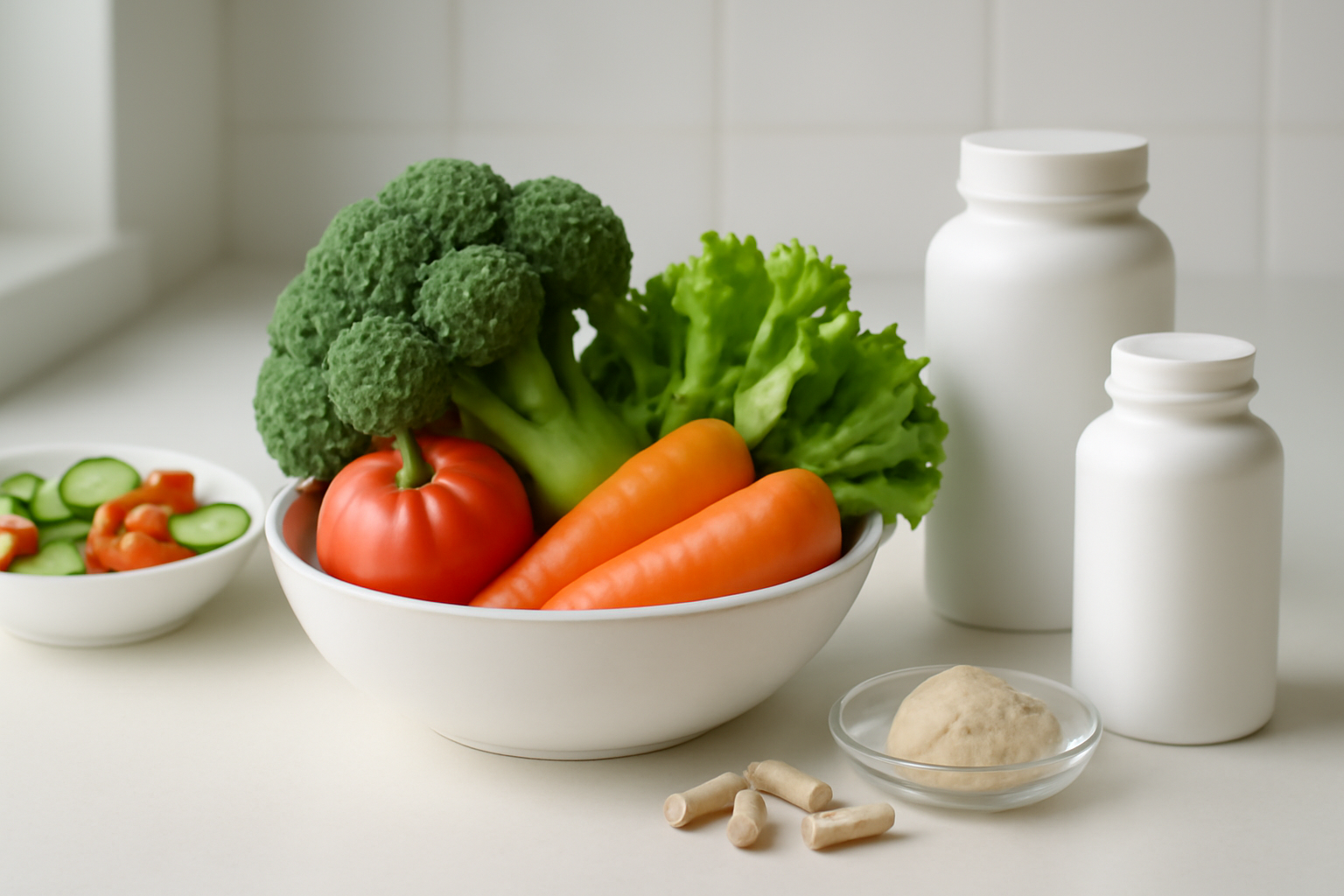
About eight years into my practice, I sat across from a client — I will call her Rachel — who had been following high-fibre dietary advice to the letter for six months. She was eating bran cereals, adding flaxseed to everything, and snacking on raw vegetables. She was also in agony. Bloating so severe she looked three months pregnant by mid-afternoon. Cramping that disrupted her work. And a growing conviction that healthy eating was making her worse.
She was right. And I had not given her good enough guidance.
That case pushed me to go back to the literature with fresh eyes, and to fundamentally change how I counsel IBS patients on fibre. What I found — and what I have since confirmed across hundreds of client cases — is that the relationship between fibre and IBS is far more nuanced than the standard “eat more fibre” advice most people receive. In fact, for a significant proportion of IBS sufferers, increasing total fibre intake without careful attention to fibre type makes things considerably worse.
Here is what changed my thinking, and what I now actually recommend.
The Problem With Generic “Eat More Fibre” Advice
Fibre is not a single thing. It is an umbrella term for a broad category of non-digestible carbohydrates, and the physiological effects of different fibres vary enormously. There are two primary categories that matter clinically:
- Insoluble fibre — found in wheat bran, many raw vegetables, and most whole grains. It adds bulk and speeds gut transit. It does not dissolve in water and is not easily fermented.
- Soluble fibre — found in oats, psyllium husk, legumes, and some fruits. It dissolves in water to form a gel, which slows transit and softens stool. It is fermentable to varying degrees depending on the source.
For years, NHS and general dietary guidelines grouped these together and recommended adults consume around 30g of total fibre daily. That is reasonable population-level advice. But IBS is not a population-level condition. It is a profoundly individual gut disorder, and applying blanket fibre targets to IBS patients — as I was trained to do early in my career — ignores the mechanisms that drive IBS symptoms in the first place.
A 2014 systematic review published in the American Journal of Gastroenterology by Moayyedi et al. examined fibre supplementation across 14 randomised controlled trials. The headline finding was that overall fibre supplementation significantly improved global IBS symptoms — but when they separated the data by fibre type, the picture shifted dramatically. Soluble fibre drove the benefit. Insoluble fibre, particularly bran, showed no benefit and in several trials worsened symptoms. Yet insoluble fibre is exactly what most high-fibre dietary advice steers people towards.
What Actually Happens in the IBS Gut
Understanding why this matters requires a quick look at IBS physiology. The defining features of IBS — visceral hypersensitivity, altered gut motility, and in many cases gut microbiome dysbiosis — mean the IBS gut reacts differently to fermentable substrates than a healthy gut does.
Rapidly fermentable fibres produce gas quickly. In a hypersensitive gut, that gas translates directly into pain and bloating, even in amounts that a non-IBS gut would manage without issue. This is the same mechanism that underpins the Low FODMAP diet, developed by researchers at Monash University, which I have been using clinically since 2015. FODMAPs — fermentable oligosaccharides, disaccharides, monosaccharides, and polyols — include many fibres. Restricting them provides symptom relief in approximately 57–72% of IBS patients in clinical trials.
Insoluble fibre adds bulk and increases transit speed. For IBS-D (diarrhoea-predominant) patients, that is the last thing they need. For IBS-C (constipation-predominant) patients, the increased bulk without the water-binding gel effect of soluble fibre can actually make straining worse, not better.
Soluble, gel-forming fibre — particularly psyllium husk — behaves very differently. It absorbs water, softens stool, regulates transit in both directions, and ferments slowly enough that gas production is far more manageable. The Rome Foundation’s dietary guidelines for IBS, updated in 2022, specifically identify psyllium as the fibre supplement with the strongest evidence base for IBS management. That recommendation aligns exactly with what I have observed clinically.
How I Restructured My Fibre Advice for IBS Patients
The shift in my practice was not about telling patients to eat less fibre overall. It was about being precise. Here is the practical framework I now use:
Step 1: Identify the IBS Subtype
IBS-C, IBS-D, IBS-M (mixed), and IBS-U (unclassified) respond differently to different fibre approaches. IBS-C patients typically benefit most from added soluble fibre to support stool softening and regularity. IBS-D patients need much more caution — any fermentable fibre can worsen urgency, so I start very low and increase slowly. IBS-M patients need the most individualised approach.
Step 2: Reduce Insoluble Fibre Triggers First
Before adding anything, I ask patients to pull back on the big insoluble fibre sources that are commonly causing grief: bran-based cereals, raw brassicas, high-fibre crackers, and excessive amounts of whole wheat. Many patients see meaningful symptom improvement from this reduction alone, within two to three weeks.
Step 3: Introduce Soluble Fibre Slowly and Consistently
Starting dose matters. I rarely begin above 3–5g of additional soluble fibre per day. Psyllium husk is my clinical first choice because the evidence is strongest, it is predictable, and patients tolerate it well when introduced gradually. The key instruction I give every time: drink plenty of water. Psyllium without adequate fluid can worsen constipation rather than improve it — a detail that many product labels underplay.
This post contains affiliate links. As an Amazon Associate I earn from qualifying purchases.
What I Use and Recommend for Patients
I am always cautious about recommending specific products, because quality, formulation, and additives vary significantly. After working with patients over many years and paying close attention to what they tolerate, there are a few options I return to consistently.
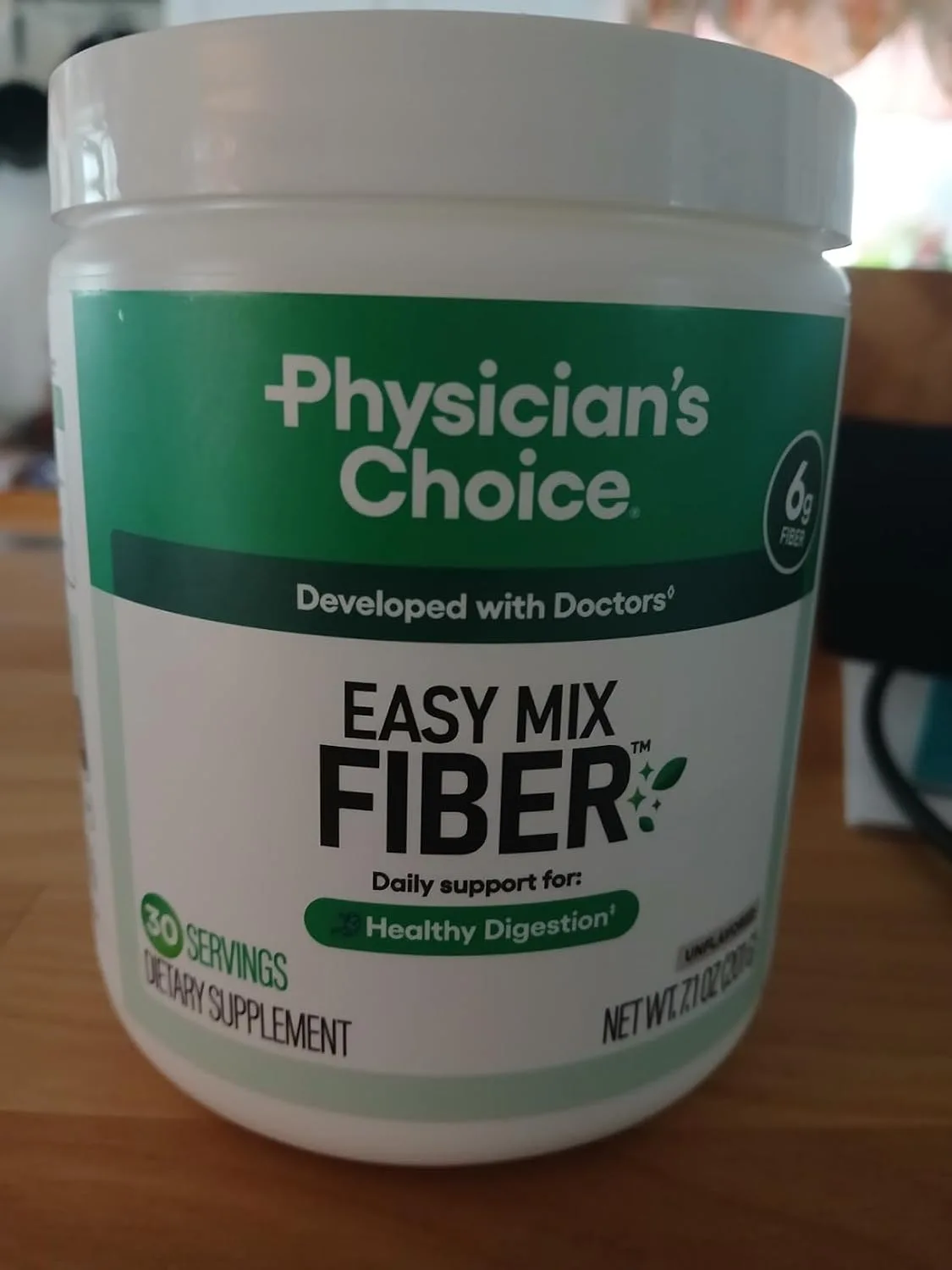
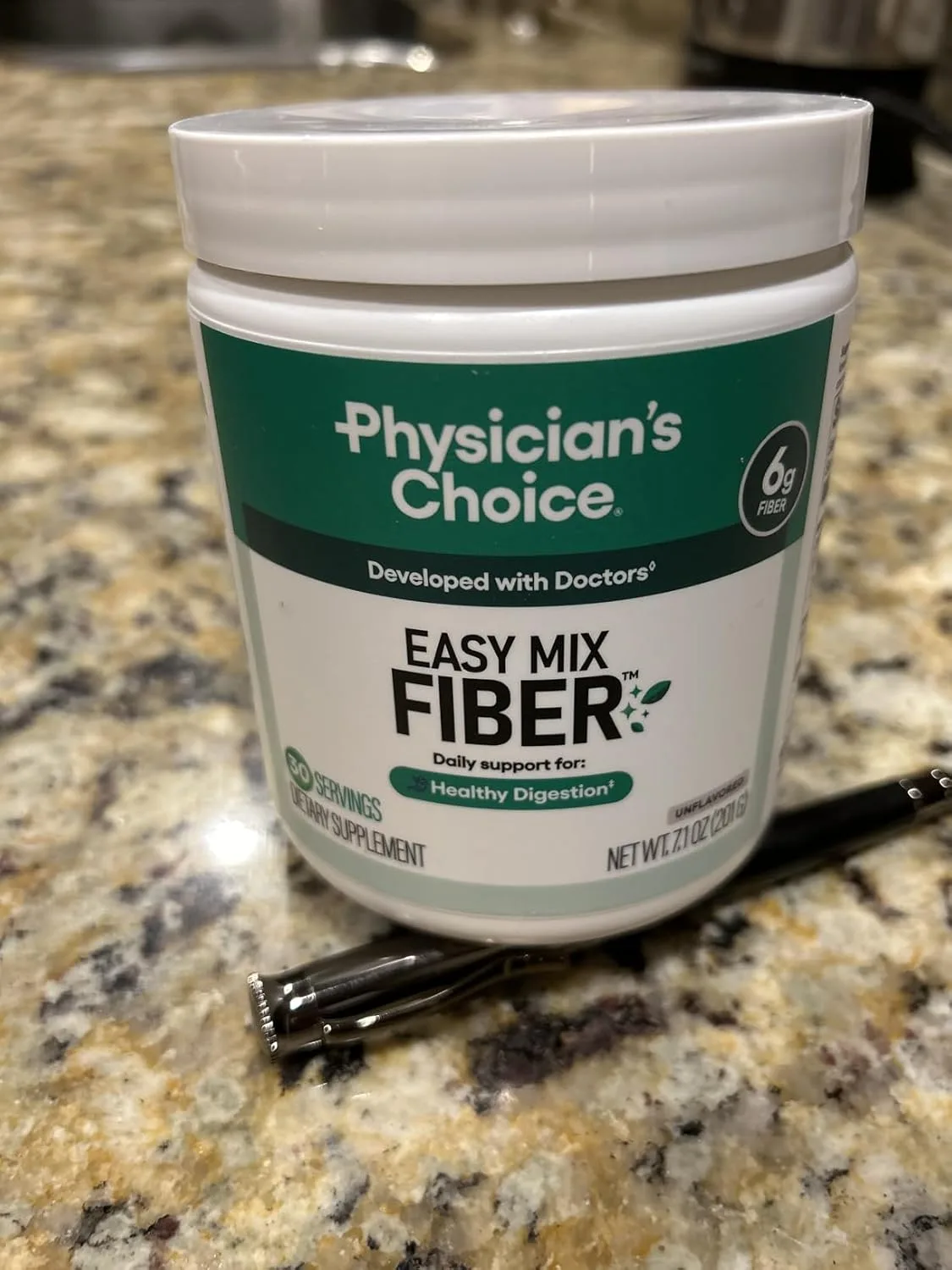
For patients who want a clean, simple soluble fibre supplement with no flavourings, sweeteners, or gritty texture, Physician’s CHOICE Easy Mix Fiber for Digestive Health & Regularity is one I have been recommending recently. It is sugar-free, unflavoured, and genuinely mixes without the texture issues that put many IBS patients off fibre powders. For a population that is already sensitive about what goes into their digestive system, the absence of artificial sweeteners is clinically relevant — several sugar alcohols used in flavoured supplements are themselves low-FODMAP problem compounds.
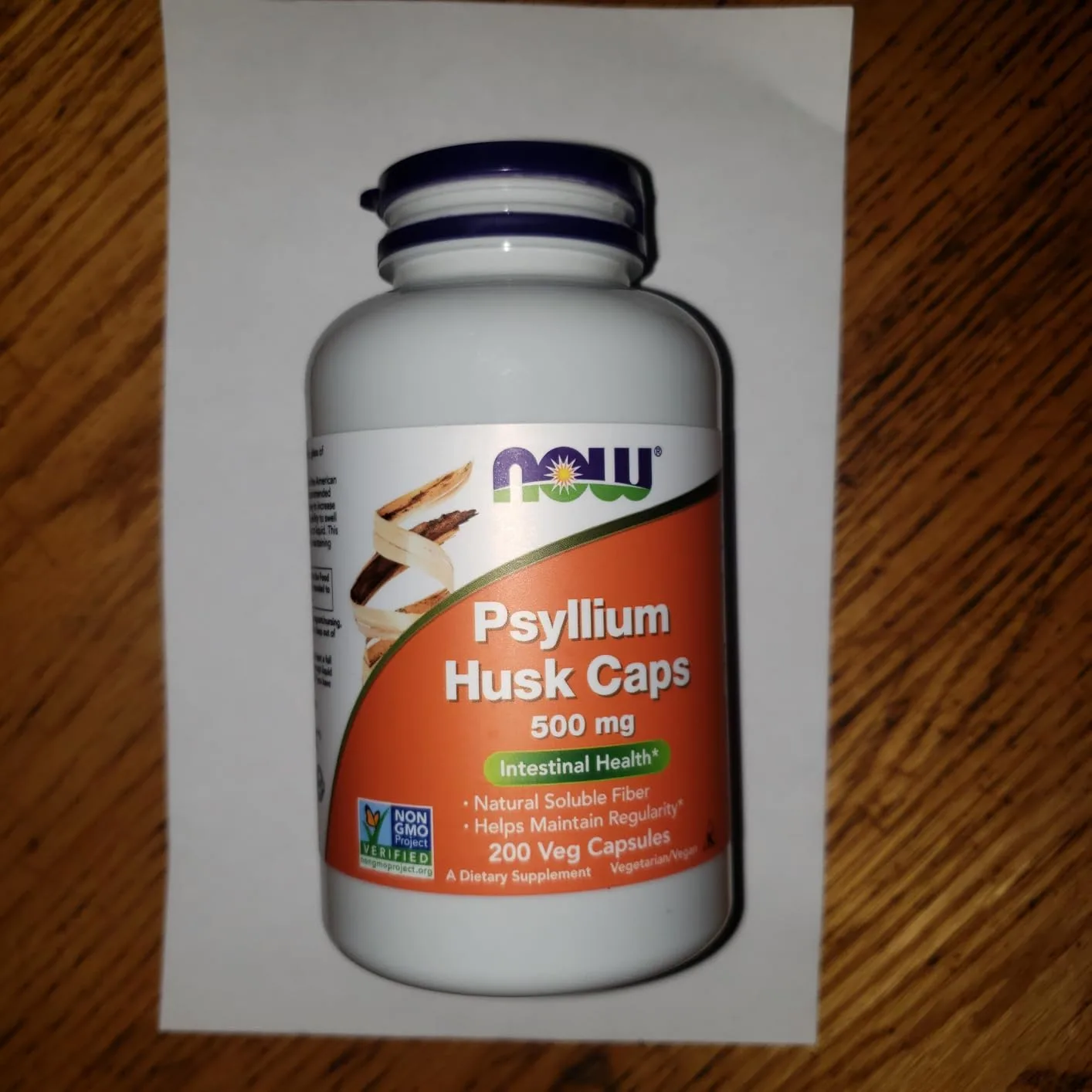
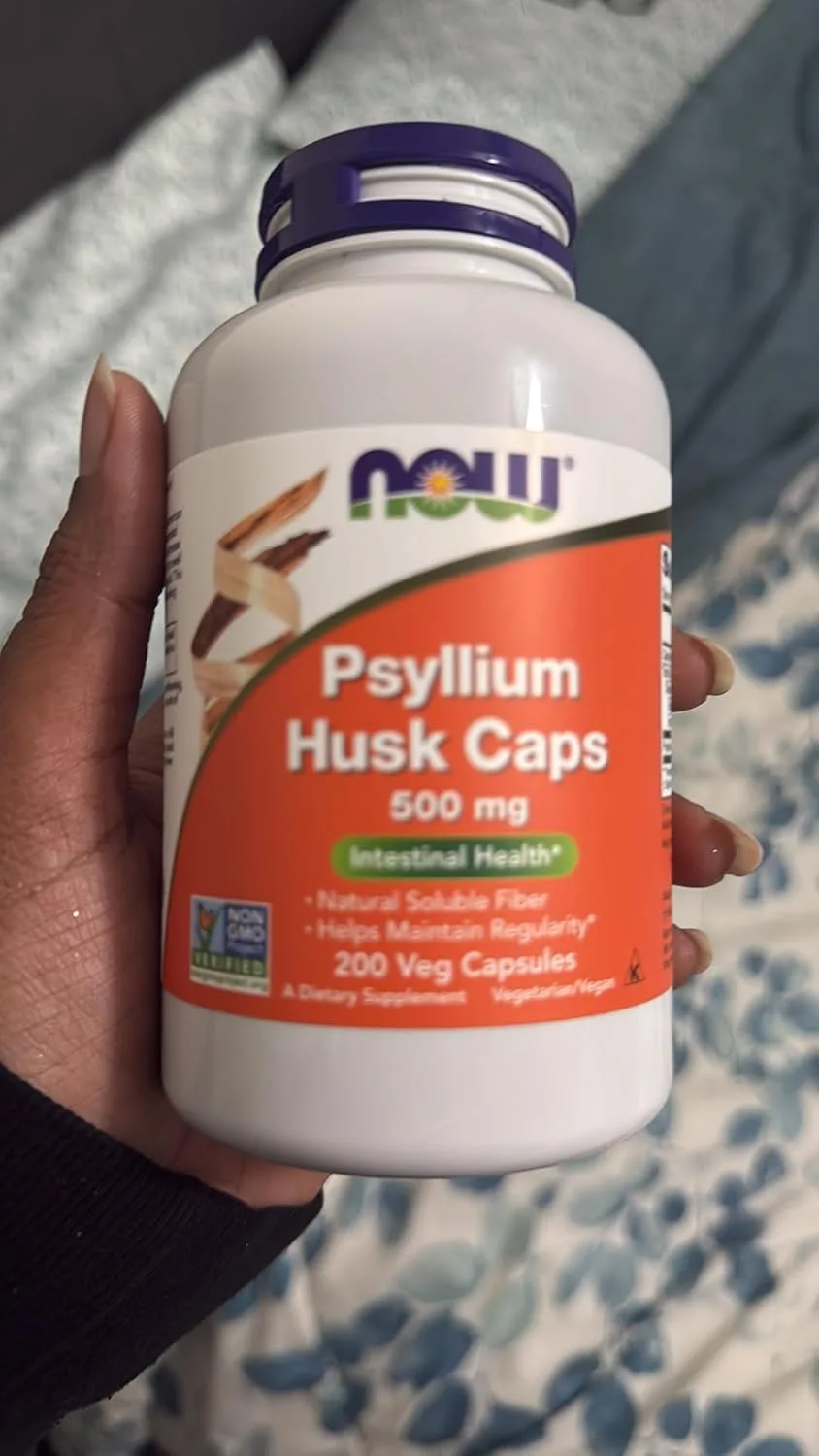
For patients who prefer capsule format — which is often better for those with texture sensitivities or who struggle with powders — NOW Foods Psyllium Husk Caps 500 mg are a well-established option. Each capsule delivers 500mg of psyllium husk, which makes dose titration straightforward, and the Non-GMO Project verification matters to many of my patients who are already managing multiple dietary restrictions.
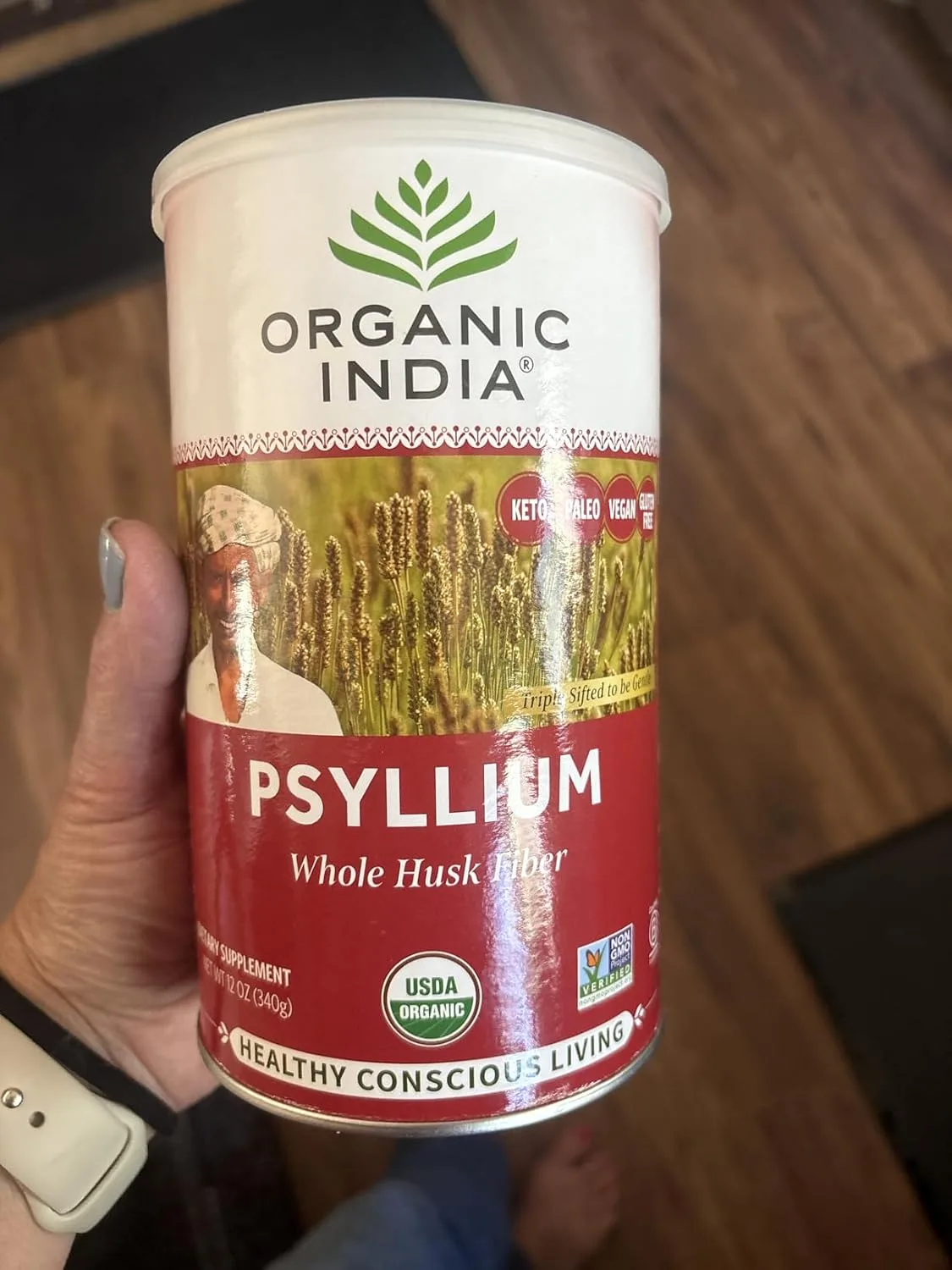
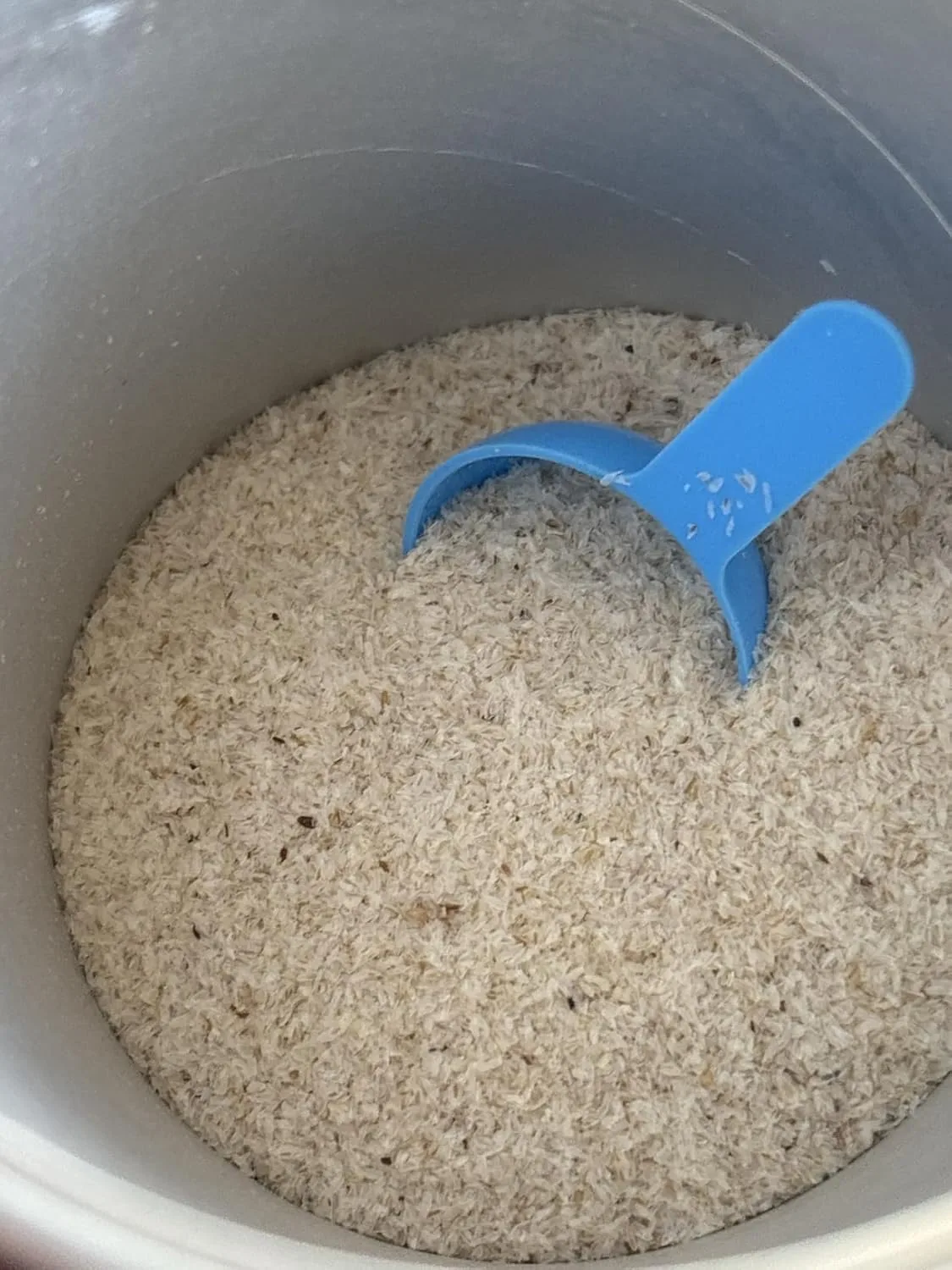
For patients who prefer a whole husk powder and want an organic-certified option, ORGANIC INDIA Psyllium Herbal Powder is one I have used in recommendations for several years. It is USDA certified organic, gluten-free, and vegan — which matters for clients managing overlapping conditions like coeliac disease or dairy intolerance alongside IBS. The whole husk form retains both soluble and insoluble components, so it is slightly better suited to IBS-C than IBS-D in my experience.
An Honest Caveat
I want to be transparent about the limitation of everything I have described here: fibre responses in IBS are genuinely individual. I have had IBS-C patients who could not tolerate psyllium at any dose without significant bloating. I have had IBS-D patients who found low-dose soluble fibre reduced their urgency considerably. The evidence points us in a direction; it does not give us a guaranteed outcome for any specific person.
This is why I am cautious about patients self-diagnosing and self-treating through the internet, including through posts like this one. If you have been struggling with IBS symptoms despite following what seems like reasonable dietary advice, please work with a registered dietitian or nutritionist who specialises in gut health. The Low FODMAP diet in particular should be done with professional support — it is not a lifetime diet, it is a structured elimination and reintroduction protocol, and doing it incorrectly can create unnecessary dietary restriction and nutritional gaps.
The Bottom Line
Fibre and IBS is not a simple story. Telling IBS patients to eat more fibre without specifying which type, how much, and in what context is not helpful guidance — it is the kind of generic advice that leaves patients like Rachel eating bran cereal every morning and wondering why they are getting worse.
What the evidence actually supports, and what my twelve years of clinical practice has reinforced, is this: soluble, gel-forming fibre — introduced slowly, taken with plenty of water, and matched to the patient’s IBS subtype — offers genuine therapeutic benefit for many IBS sufferers. Insoluble fibre, particularly wheat bran, should often be the first thing reduced rather than increased.
That shift in understanding changed how I practise. I hope it changes how you approach your own gut health, too.
The Soluble Fibre Approach for IBS Flare-Ups (When Whole Grains Make It Worse)
If you have IBS and whole-food fibre sources trigger bloating and pain, a gentler, soluble fibre supplement can help you meet your fibre needs without the fermentation overload that raw bran or high-fibre cereals cause. This is the bridge product I reach for when clients need regularity support but their gut isn’t ready for the standard “just eat more vegetables” advice.
What works
- Soluble fibre dissolves and ferments more slowly than insoluble fibre, which means less immediate bloating and gas compared to wheat bran or whole grains.
- The easy-mix format (versus capsules) allows you to start with a small dose and titrate up gradually—crucial for IBS stomachs, where fibre tolerance is highly individual.
- Most clients report gentle, consistent bowel regularity within 3–5 days when introduced slowly, without the cramping that often follows a sudden fibre jump.
What doesn’t
- If you already have severe constipation or don’t drink enough water, adding fibre without addressing hydration will make symptoms worse—this is a tool, not a cure.
- For IBS-D (diarrhoea-predominant) or those with active inflammation, fibre supplements can still trigger urgency or pain; work with your GP or gastroenterologist before starting if that’s your pattern.
This is a symptom manager, not a replacement for identifying your specific IBS triggers or addressing underlying dysbiosis—if you’re in a flare, fibre can wait until symptoms settle. If you’re ready to try a gentler approach, Physician’s CHOICE Easy Mix Fiber for Digestive Health & Regularity is worth starting with a quarter dose mixed into water or broth, once daily.
This post contains affiliate links. As an Amazon Associate, I earn from qualifying purchases at no extra cost to you.
![Customer photo of [specific product feature/packaging/usage]](https://digestionfaq.com/wp-content/uploads/2026/07/B0016AXN7A-1.webp)

![Customer photo of [specific product feature/packaging/usage shown]](https://digestionfaq.com/wp-content/uploads/2026/07/B005P0XUAM-3.webp)