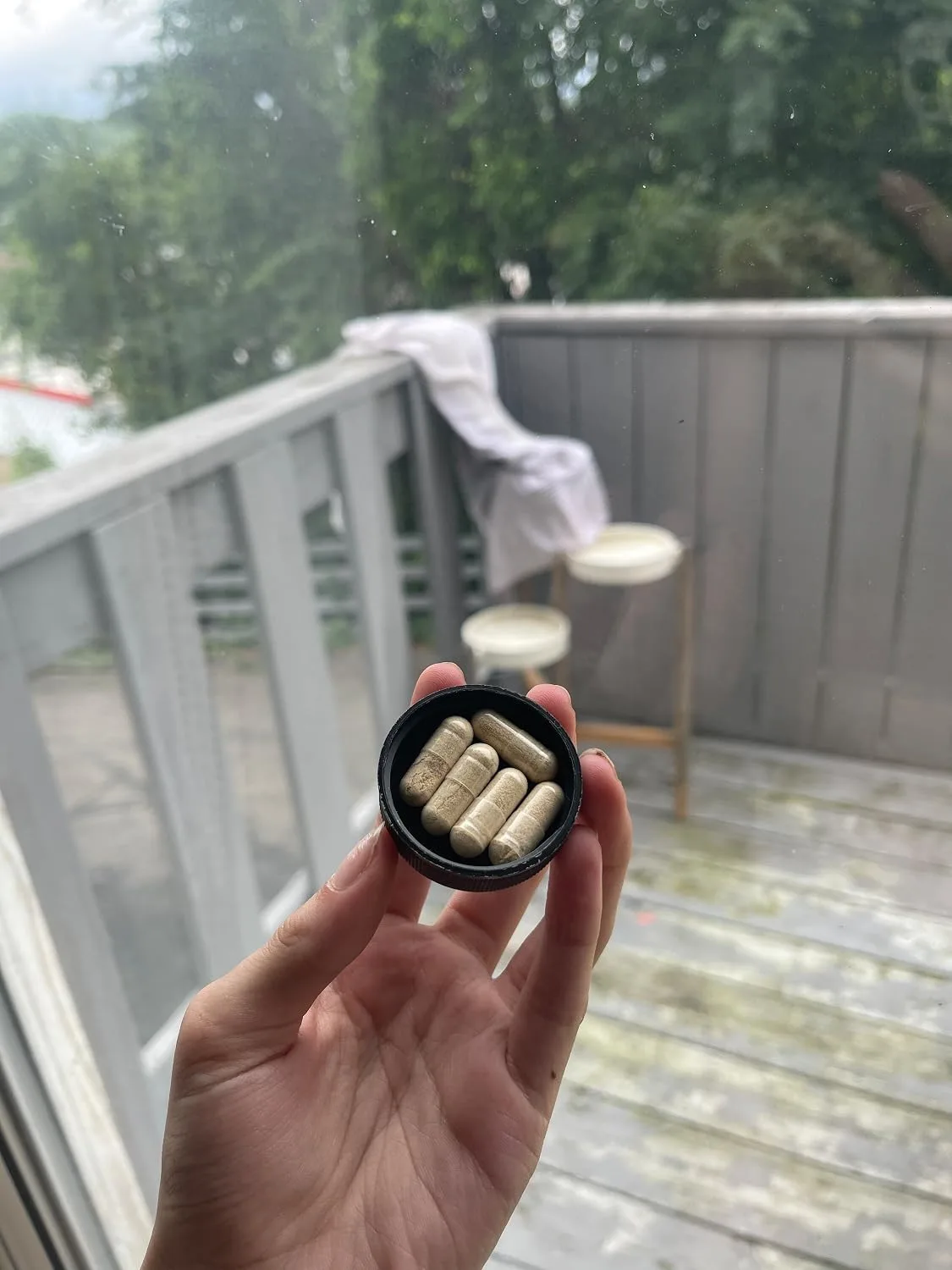
About three years into my clinical practice, I started keeping an informal tally. Of every new client who came to me with IBS, unexplained bloating, or a recent flare of inflammatory bowel symptoms, I asked them one question before we even looked at their food diary: What was happening in your life in the six months before this started?
The answers were almost always the same. A divorce. A redundancy. A bereavement. A particularly brutal stretch at work. The food had not changed much. The stress had.
That informal observation has since become the cornerstone of how I approach gut health consultations. The connection between stress and gut health is not abstract or theoretical — it is something I watch play out, in real time, with real people, week after week. And yet it remains one of the most underexplained and underappreciated factors in digestive care. So here is what I explain in every single consultation.
The Gut-Brain Axis: More Than a Buzzword
You have probably heard the term gut-brain axis. It gets thrown around a lot in wellness content, often without much substance behind it. Let me give you the actual picture.
Your gut contains approximately 500 million neurons — more than your spinal cord — and is connected to your brain via the vagus nerve, the longest cranial nerve in the body. This communication runs in both directions, but here is what most people do not realise: roughly 90% of the signals travel from the gut to the brain, not the other way around. Your gut is, in a very real neurological sense, talking to your brain constantly.
When you are under stress, your hypothalamic-pituitary-adrenal (HPA) axis activates and floods your system with cortisol and adrenaline. Your body enters a fight-or-flight state. Digestion — classified by your nervous system as a non-essential function in a crisis — slows down or becomes dysregulated. Blood flow is redirected away from your gut. Intestinal permeability can increase, which means the tight junctions lining your gut wall become temporarily looser. This is the physiological basis of what people loosely call “leaky gut,” and stress is one of its most reliable triggers.
A 2017 review published in Frontiers in Psychiatry confirmed that psychological stress alters gut motility, increases visceral sensitivity, and disrupts the gut microbiome composition — all within clinically meaningful timeframes. This is not a slow, accumulative effect. Some of these changes can occur within hours of an acute stressor.
What Stress Actually Does to Your Digestion — In Practice
In clinical terms, I see stress manifest in the gut in a handful of consistent patterns:
- Accelerated transit: Stress activates the colon. Many of my clients with anxiety-driven IBS describe needing the toilet urgently before presentations, difficult conversations, or travel. This is not weakness or anxiety being “all in your head” — it is corticotropin-releasing factor (CRF) directly stimulating colonic motility.
- Slowed transit and constipation: Chronic, low-grade stress — the kind that runs quietly underneath a demanding job or a difficult relationship — often produces the opposite effect. The nervous system stays in a low-level sympathetic state, and the gut simply stops moving efficiently.
- Increased visceral hypersensitivity: People under sustained stress report that normal digestive sensations — gas, mild distension, the movement of food through the intestine — feel painful or threatening. The pain threshold in the gut literally drops.
- Microbiome disruption: Research from the Mayer lab at UCLA has shown measurable changes in gut bacterial composition following psychological stress. Lower Lactobacillus counts. Higher inflammatory bacterial populations. These shifts have downstream consequences for mood, immune function, and intestinal integrity.
One client I worked with — a secondary school teacher in her early forties — had been through three endoscopies, two colonoscopies, and a lactulose breath test before she came to me. Everything had come back largely clear. What had not been addressed in any of her consultations was the fact that she had been managing a safeguarding crisis at school for eighteen months. When we addressed that — and built in concrete stress management strategies alongside dietary changes — her symptoms improved by roughly 70% within eight weeks. The diet had been fine all along.
The Magnesium Connection Most People Miss
One of the most practical — and consistently overlooked — nutritional interventions in stress-related gut dysfunction is magnesium. And I want to be specific here, because not all magnesium is equal.
Magnesium is a cofactor in over 300 enzymatic reactions, including those involved in cortisol regulation, neuromuscular function, and intestinal smooth muscle contraction. Deficiency is extremely common — estimates suggest up to 68% of adults in Western populations consume below the recommended intake — and chronic stress actively depletes magnesium further, because cortisol increases urinary magnesium excretion.
In practice, low magnesium presents as poor sleep, muscle cramps, heightened anxiety, and — crucially for gut health — constipation and irregular motility. Supplementing appropriately can address several of these simultaneously.
The form matters enormously. Magnesium oxide, which is what you find in most cheap supplements, has poor bioavailability — around 4%. Chelated forms, particularly magnesium glycinate, malate, and taurate, absorb significantly better and are far gentler on the gut.
Adaptogens and Gut-Directed Support: What the Evidence Currently Supports
I want to be honest here, because I think intellectual honesty is what separates useful clinical writing from wellness marketing. The evidence base for adaptogens — herbs like ashwagandha, rhodiola, and reishi — in gut health is promising but still maturing. Most of the robust trials are small. Long-term safety data in specific populations (pregnant women, those on immunosuppressants, people with autoimmune conditions) is limited.
That said, within appropriate populations and as part of a broader protocol, I have found adaptogenic support — combined with prebiotics, probiotics, and gut-lining nutrients like L-glutamine and zinc carnosine — to be a clinically useful addition. The mechanism is plausible: reducing cortisol output, supporting the HPA axis, and simultaneously nurturing the gut microbiome addresses the problem at multiple levels.
This is not a standalone fix. I want to be clear about that. Supplements do not override a diet high in ultra-processed foods, chronic sleep deprivation, or unaddressed psychological distress. But as part of a structured plan, they have a role.
This post contains affiliate links. As an Amazon Associate I earn from qualifying purchases.
What I Actually Recommend to Clients
After twelve years of clinical practice, here is what I reach for most consistently when working with clients dealing with stress-driven gut symptoms:
For Magnesium Support
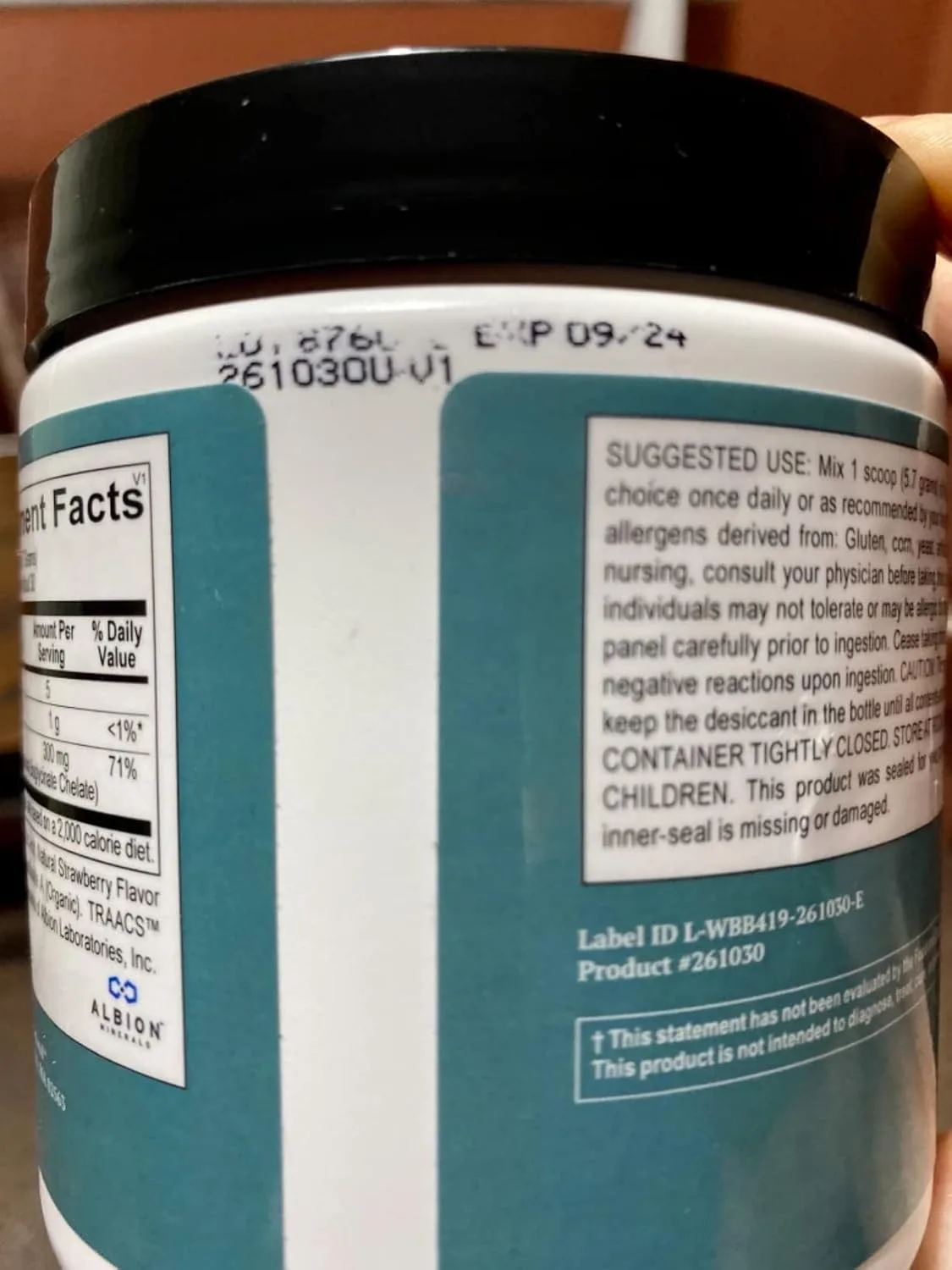
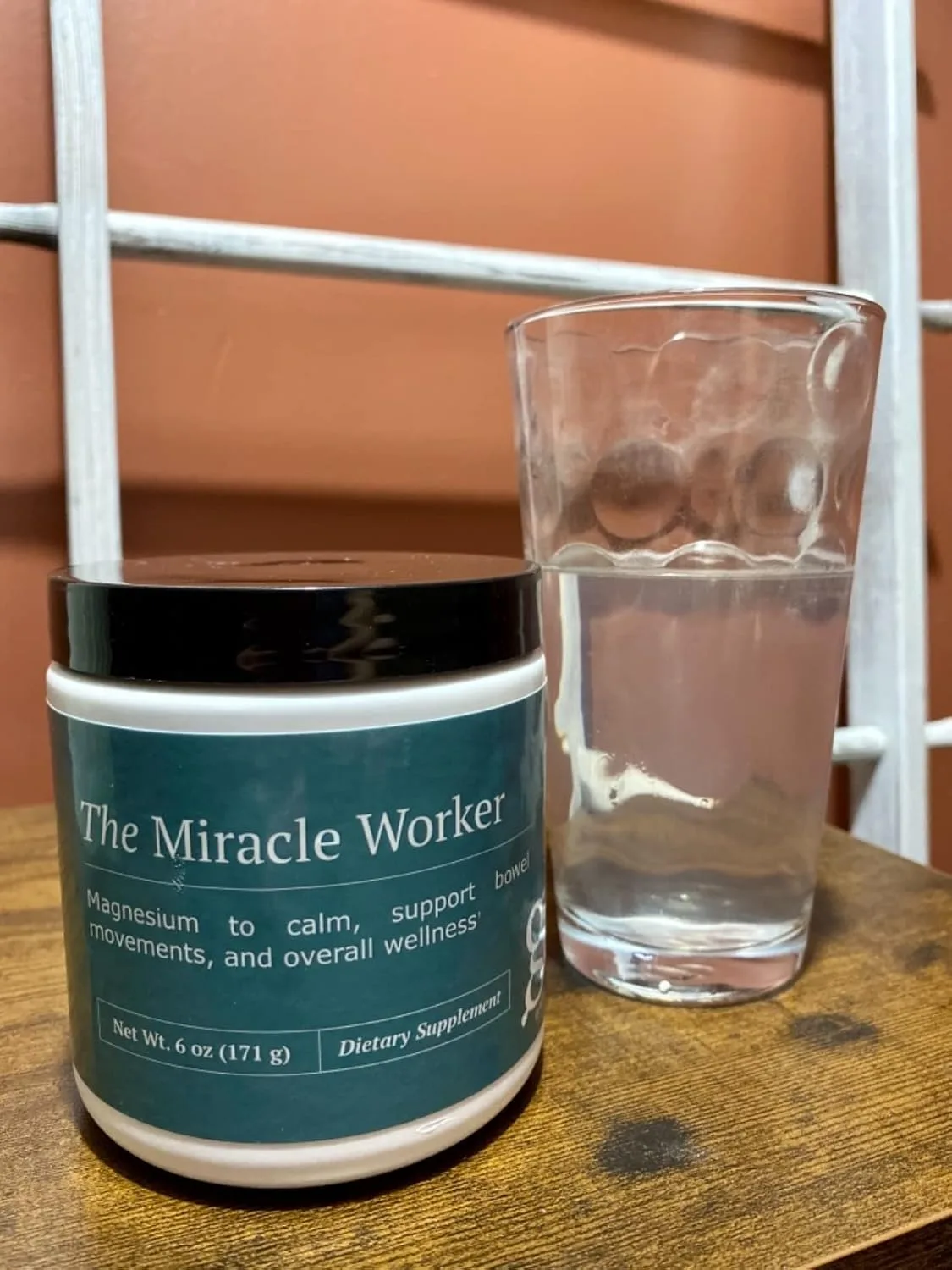
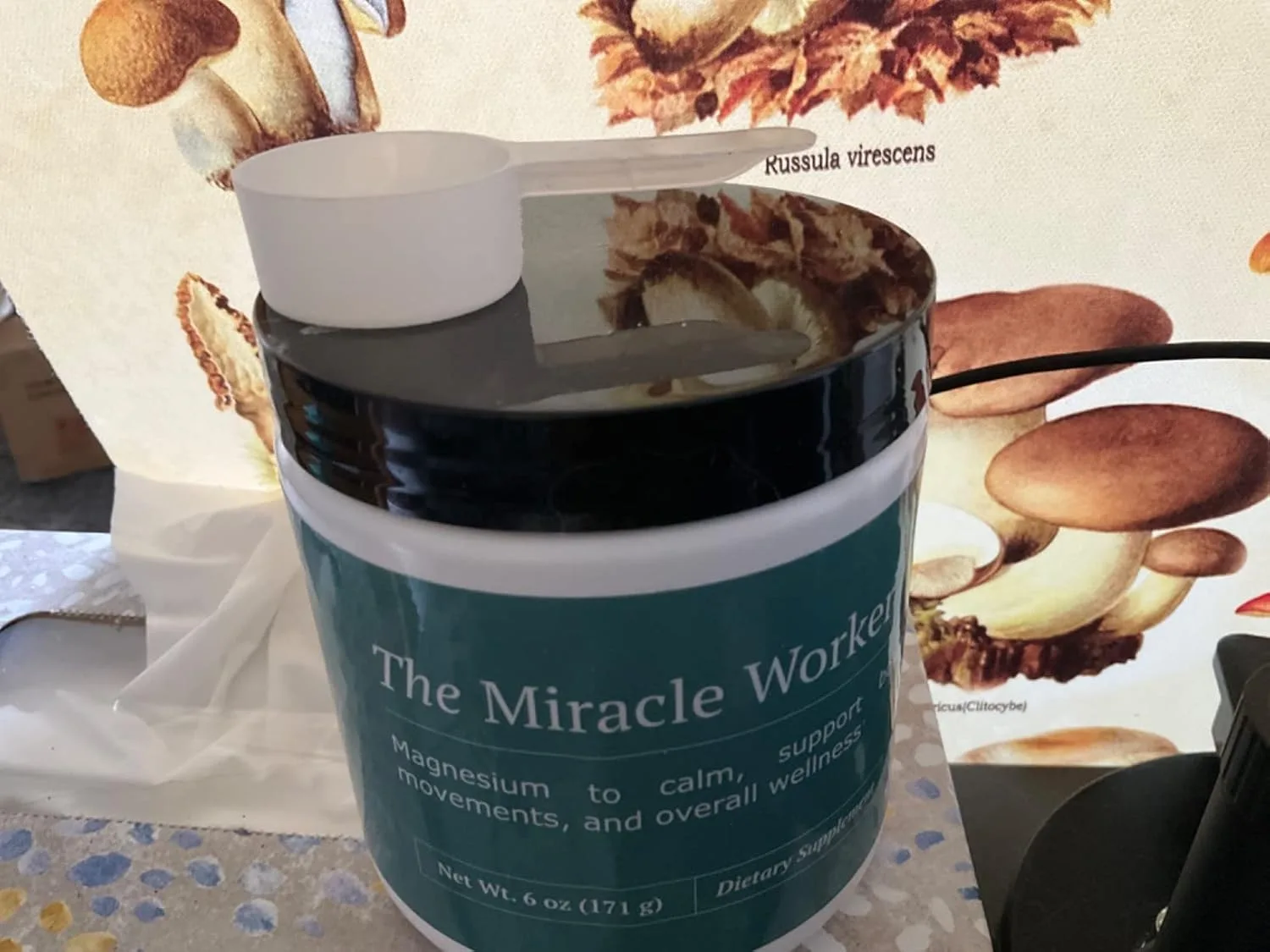
For clients who struggle with sleep disruption alongside gut symptoms — which is most of them — I often suggest a magnesium glycinate powder taken in the evening. The Miracle Worker Magnesium Glycinate Powder for Sleep is a chelated magnesium drink powder that combines convenience with good bioavailability. The strawberry flavour makes evening compliance genuinely easier for clients who struggle with capsule fatigue, and the 30-serving format is practical for a trial period.
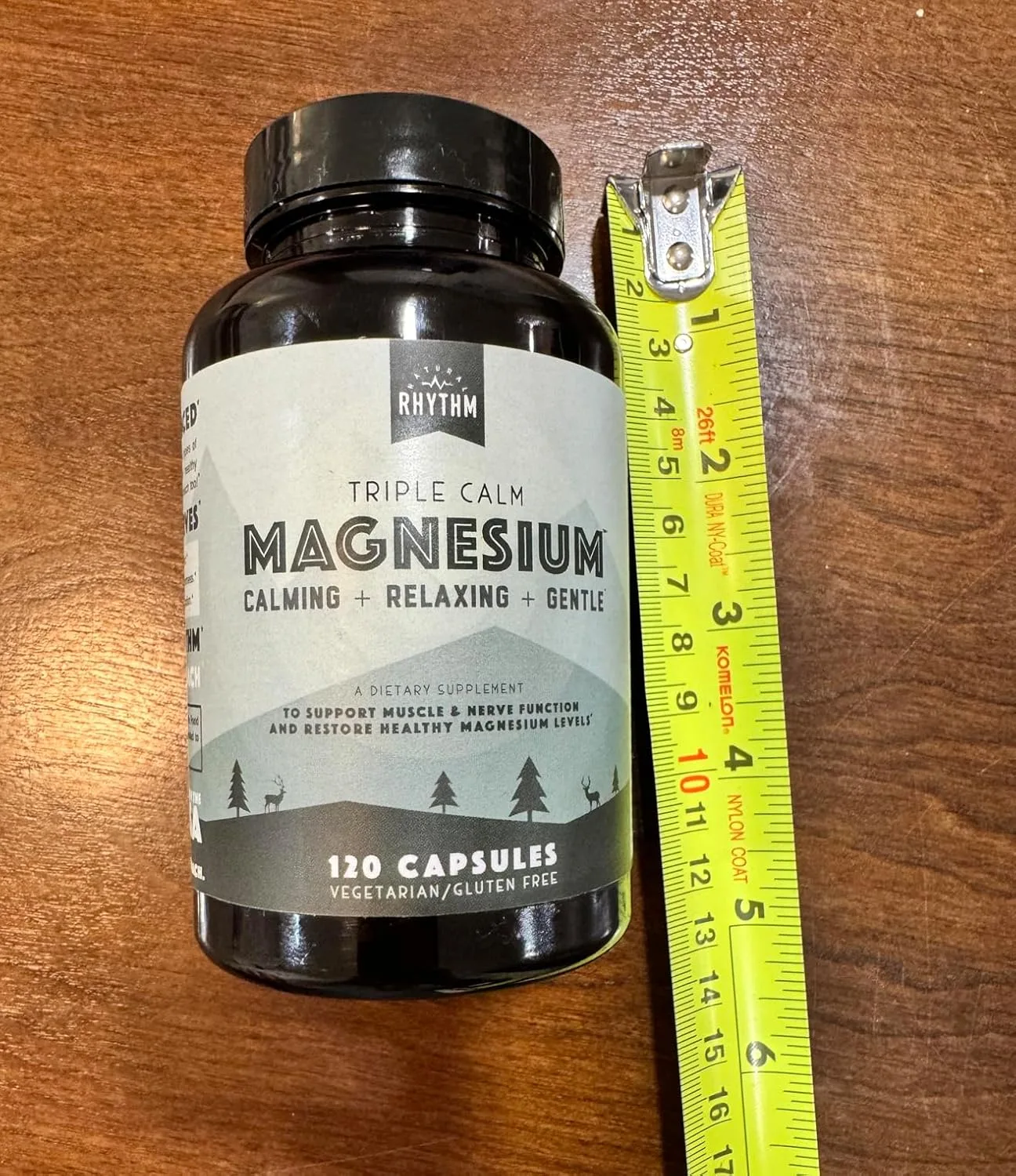
For clients who prefer capsules or who need a broader magnesium profile, the Natural Rhythm Triple Calm Magnesium Complex is one I recommend regularly. It combines magnesium glycinate, taurate, and malate — three well-absorbed chelated forms — in a single vegan, non-GMO capsule. The taurate form in particular has emerging evidence for cardiovascular and nervous system support, which is relevant when the stress-gut connection is front and centre.
For Comprehensive Gut Support
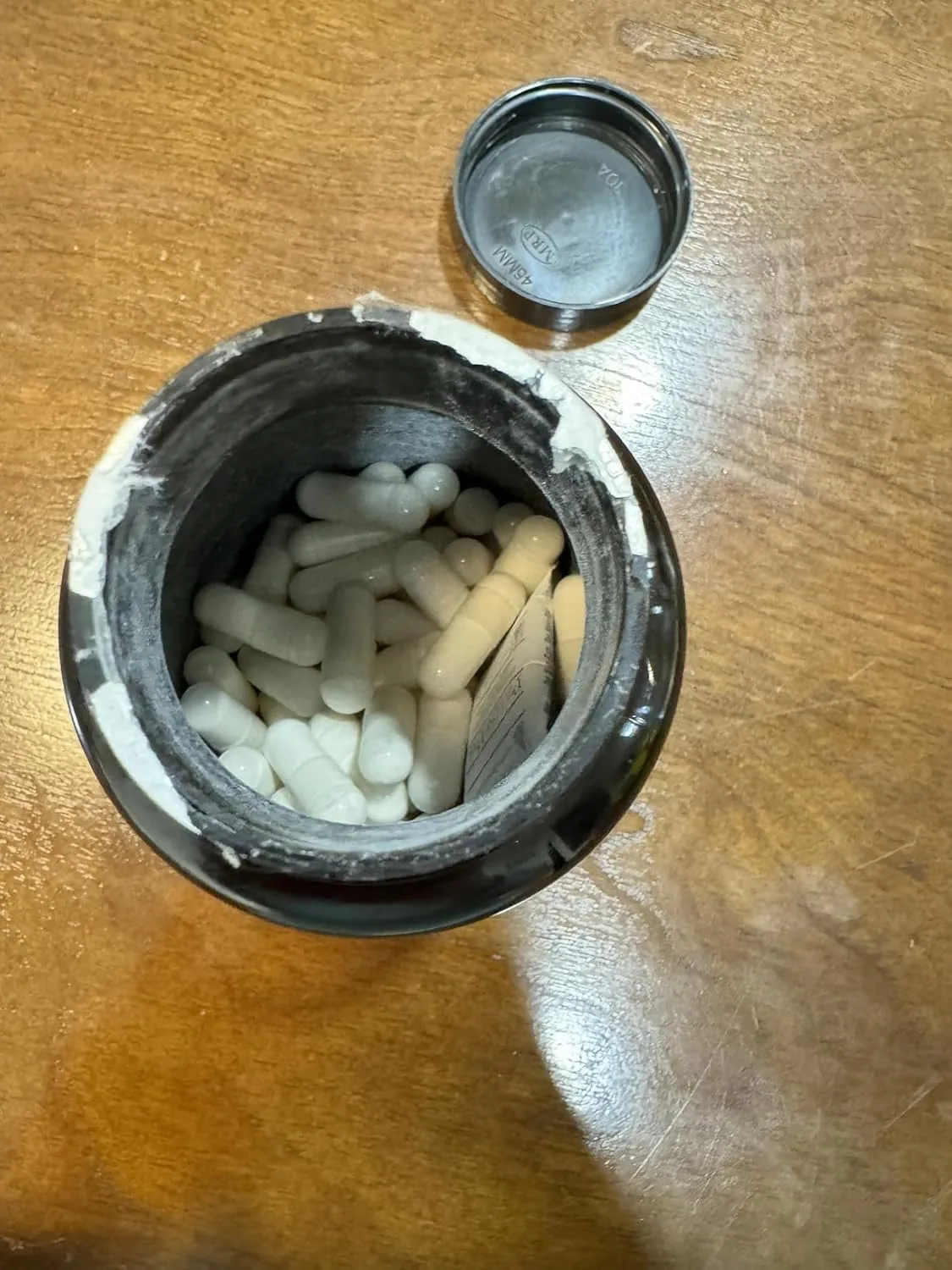
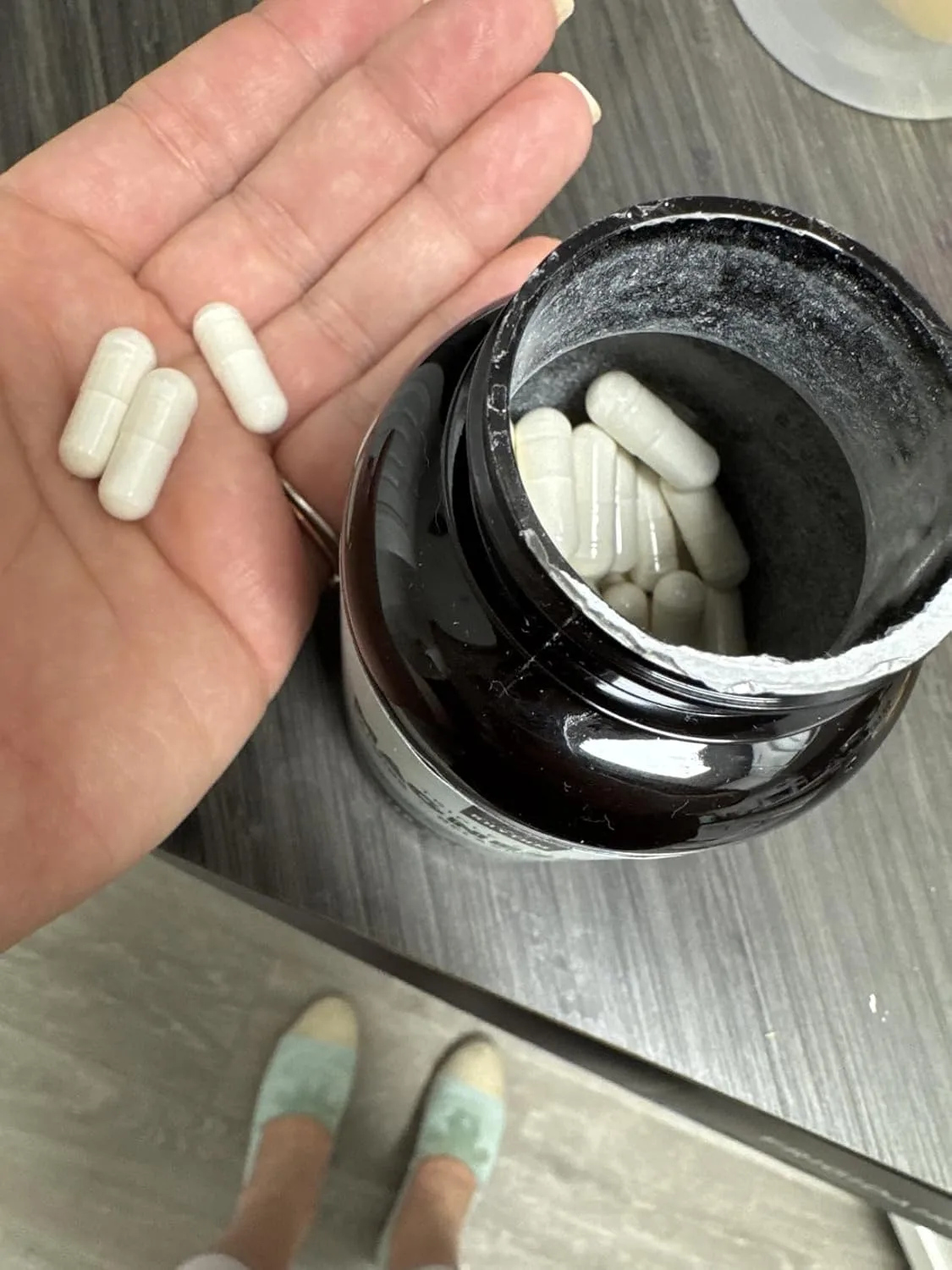
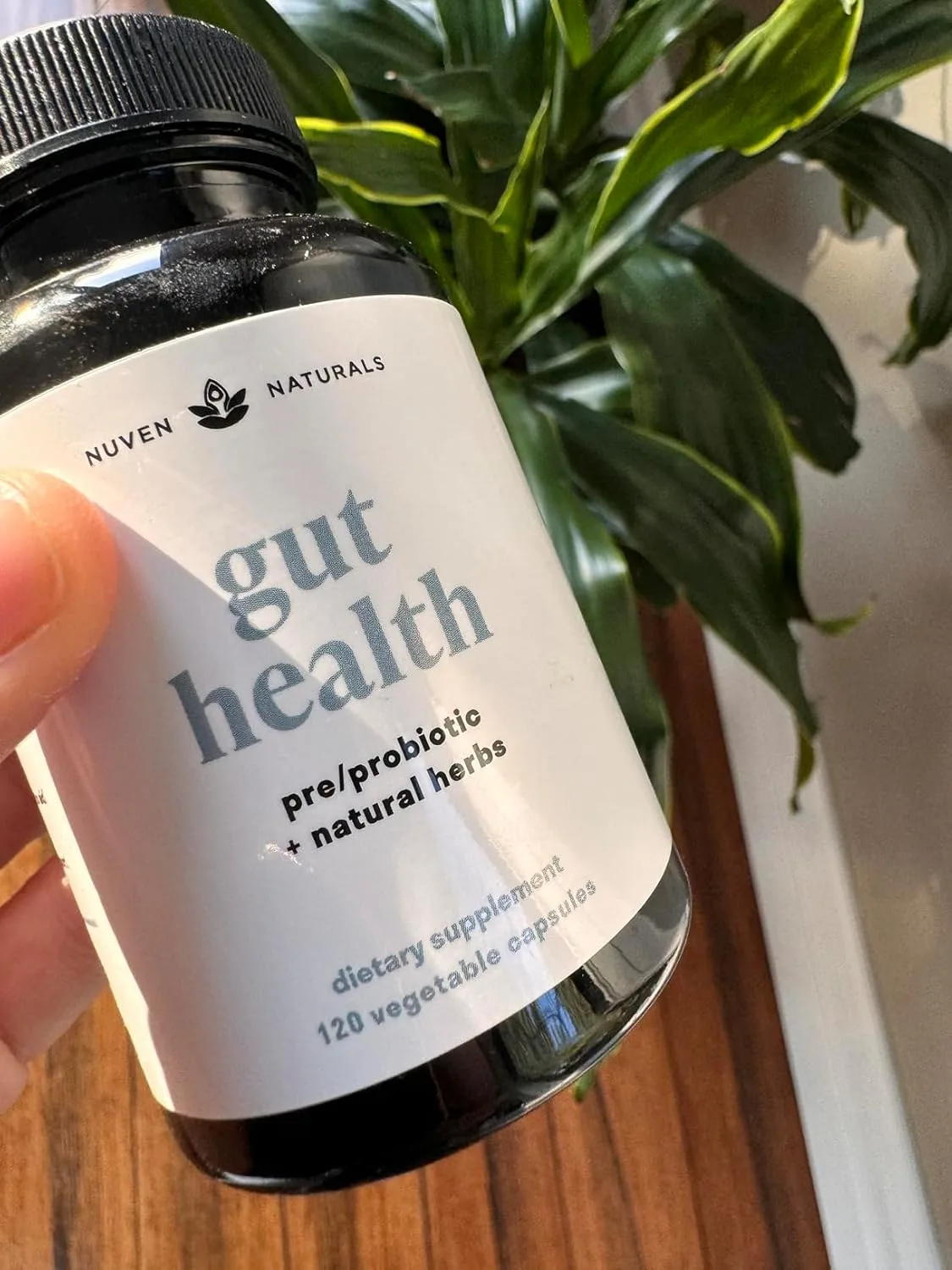
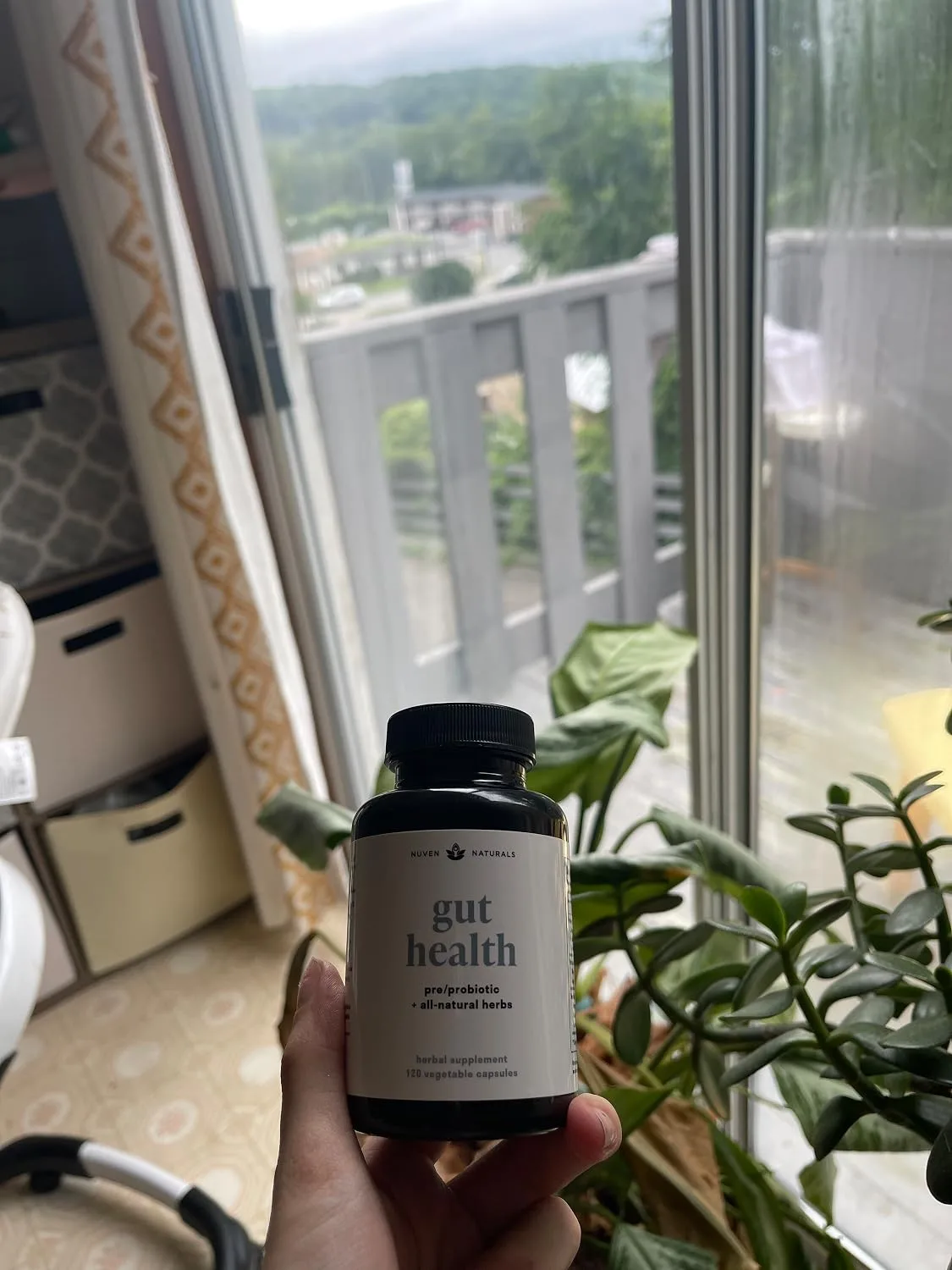
When I want to address the gut environment more broadly — supporting the microbiome, the gut lining, and digestive function simultaneously — I have found all-in-one formulations useful as a starting point. The Nuven Naturals All-in-One Gut Health formula includes probiotics, prebiotics, digestion-supporting herbs, and adaptogens in a single product. The inclusion of adaptogens alongside gut-lining support makes this particularly relevant for clients where stress is the identified driver of symptoms.
The Non-Supplement Work That Actually Moves the Needle
I would be doing you a disservice if I ended on supplements without saying this clearly: the most powerful interventions for stress-related gut dysfunction are behavioural, not nutritional.
In my practice, the tools with the strongest evidence and the best real-world outcomes are:
- Gut-directed hypnotherapy: A 2019 Cochrane-adjacent review found response rates of 50–80% in IBS patients. This is not alternative medicine — it is the most evidence-supported psychological intervention for functional gut disorders.
- Diaphragmatic breathing: Activates the vagus nerve directly and shifts the nervous system from sympathetic to parasympathetic dominance within minutes. I give every client a specific protocol: 4 counts in, hold for 4, 6 counts out, repeated for five minutes before meals.
- Sleep prioritisation: Poor sleep independently worsens gut permeability and increases inflammatory cytokines. I treat sleep as a clinical variable, not a lifestyle preference.
- Regular movement: Not intense exercise — which can raise cortisol further in already depleted clients — but consistent, moderate movement. A 20-minute daily walk has measurable effects on gut transit and stress hormone regulation.
Bringing It Together
The connection between stress and gut health is one of the most well-supported, mechanistically understood, and clinically significant relationships in all of nutritional medicine. And it is still, somehow, one of the most neglected in practice.
If you have been through investigations, tried elimination diets, cut out gluten, dairy, onions, and anything else Google suggested, and you still do not have answers — I want you to sit with one question: What is the stress load in your life right now?
That is where I start. Every time.
Alex Mercer is a Registered Nutritionist (RNutr) specialising in gut health, IBS, IBD, and food intolerances. The information in this post is for educational purposes and does not constitute personalised medical advice. Please consult a qualified healthcare professional before beginning any new supplement regimen.
The Magnesium Strategy for Stress-Driven Gut Symptoms
When stress is driving your digestive symptoms, one of the first things I address is sleep quality and nervous system regulation—and magnesium glycinate is the form I reach for most often. Unlike cheaper magnesium oxide (which can actually worsen bloating), glycinate is gentle on the gut and has a calming effect without the laxative kick.
What works
- Magnesium glycinate is well-absorbed and doesn’t trigger the “magnesium loosens your stool” effect that makes people avoid supplementing—critical when you’re already dealing with IBS-D or unpredictable bowel movements.
- Most clients report better sleep within 5–7 days, and sleep is where your gut actually heals; poor sleep directly amplifies stress hormones that sensitise your digestive system.
- The glycine component itself has mild calming properties, so you’re getting a dual benefit for the nervous system rather than just the magnesium alone.
What doesn’t
- This is not a standalone treatment for stress or anxiety—it’s a support tool that works best alongside proper sleep hygiene, stress management, and often professional mental health support.
- If you’re on certain medications (particularly bisphosphonates for bone health or some antibiotics), magnesium can interfere with absorption, so check with your GP before starting.
Think of magnesium as one piece of the stress-gut puzzle, not the whole solution. If your symptoms are severe or you’re on medications, have a quick conversation with your doctor first. Miracle Worker Magnesium Glycinate Powder for Sleep is the formulation I’ve seen most consistent results with in my practice.
This post contains affiliate links. As an Amazon Associate, I earn from qualifying purchases at no extra cost to you.