If you’ve ever typed your symptoms into a search engine at midnight, wondering why your gut seems to have a mind of its own, you’re not alone. So many people living with irritable bowel syndrome spend years confused — not just about what’s happening in their bodies, but about which types of IBS constipation diarrhea patterns actually apply to them. And here’s the thing: figuring out your specific IBS type isn’t just an academic exercise. It’s genuinely one of the most useful steps you can take toward finding real, lasting relief.
I’ve talked with so many people who’ve been told they have IBS and then just… left to figure it out. No roadmap, no clear next steps. The truth is, IBS isn’t one-size-fits-all. It comes in distinct subtypes, and understanding yours can make a real difference in how you approach diet, lifestyle, and supplementation. Let’s break it all down in plain language.
The Three Main Types of IBS: What Sets Them Apart
Doctors typically classify IBS using the Rome IV criteria, which looks closely at your predominant bowel habits. The three main subtypes are IBS-C (constipation-predominant), IBS-D (diarrhea-predominant), and IBS-M (mixed). There’s also a fourth category called IBS-U (unclassified), but it’s less commonly discussed.
IBS-C: When Things Just Won’t Move
If your biggest frustration is infrequent, hard, or lumpy stools — along with that bloated, heavy feeling that seems to linger for days — IBS-C may resonate with you. Research suggests that people with IBS-C often experience slower gut motility, meaning food and waste move through the digestive tract more slowly than they should. The discomfort isn’t just physical, either. That persistent bloating and sense of fullness can affect your mood, energy, and confidence in daily life.
Many people with IBS-C find that increasing soluble fiber intake, staying well-hydrated, and incorporating gentle movement into their day may support more regular bowel habits. It’s not a cure, but for a lot of folks, these small shifts make a noticeable difference.
IBS-D: When Your Gut Is Always in a Rush
On the other end of the spectrum, IBS-D is characterized by frequent, loose, or watery stools — often with urgency that can feel completely unpredictable and frankly stressful. If you’ve mapped out every bathroom between your home and your workplace, or you hesitate to make plans because you’re not sure how your gut will behave, IBS-D may be your experience. Research suggests that gut dysbiosis (an imbalance of gut bacteria) and heightened gut sensitivity both play a role in IBS-D for many people.
IBS-M: Living in the In-Between
IBS-M might actually be the most disorienting of all. With mixed-type IBS, you may swing between constipation and diarrhea — sometimes within the same week, or even the same day. It can feel impossible to plan around because your gut doesn’t follow a predictable pattern. Many people with IBS-M find that identifying specific trigger foods and focusing on gut microbiome support helps bring some stability to their symptoms.
Why Knowing Your Type Actually Matters for Relief
Here’s what I want you to really take in: the strategies that help someone with IBS-C may actually make IBS-D worse, and vice versa. This is why so many generic IBS tips feel unhelpful — they’re not tailored to your pattern. For example, high-insoluble-fiber foods might help move things along for IBS-C, but could aggravate urgency in IBS-D. Knowing your type gives you a framework for making smarter, more personalized choices.
That said, there are some common threads across all IBS types: managing stress, supporting the gut microbiome, and paying attention to trigger foods (especially high-FODMAP foods) tend to be broadly helpful. The low-FODMAP diet, developed by researchers at Monash University, has some of the strongest evidence behind it for IBS symptom management across subtypes.
Products Worth Trying Based on Your IBS Type
I’ve done a lot of research into supplements that may support digestive health across the different IBS subtypes, and I want to share a few that consistently come up as well-regarded options. As always, check with your healthcare provider before adding anything new — especially if you’re on medication.
For IBS-C and General Gut Support
If constipation is your primary struggle, fiber supplementation is often the first place to start — but the type of fiber matters. Soluble fiber is generally gentler and better tolerated than insoluble fiber for people with IBS.
- Migcopat 14G Fiber Supplement with Probiotics, Prebiotics & Digestive Enzymes — This one is a nice all-in-one option. It combines fiber with probiotics, prebiotics, digestive enzymes, magnesium, and vitamin C. Magnesium in particular may support bowel regularity, and many people find a comprehensive formula like this easier to stick with than taking multiple separate supplements. It’s sugar-free and strawberry-flavored, which makes it easy to add to your morning routine.
- GOBIOTIX Fiber Supplement Powder with Prebiotics — A clean, keto-friendly, vegan soluble fiber powder that also supports GLP-1, which research suggests plays a role in gut motility and satiety. It’s gluten-free and sugar-free, and many users report it’s gentle enough to use daily without causing additional bloating — a real plus when you’re already dealing with IBS discomfort.
- Hilma Prebiotic Fiber Gummies — For anyone who finds powders inconvenient, these citrus-flavored gummies are a lovely option. They’re FSA-eligible, made for adults, and designed to support gut health and promote regularity in a format that genuinely feels easy to take every day.
For IBS-D and Microbiome Balance
When urgency and loose stools are your main concern, probiotic support targeting gut bacteria balance may be especially worth exploring. Research suggests that certain probiotic strains can help calm an overactive gut response.
- Fiber + Probiotics + Prebiotics: The Combination Approach for IBS-C and Mixed-Pattern IBS
If you’re managing constipation-dominant or mixed IBS, fiber alone often isn’t enough — you need the gut bacteria and digestive support working alongside it. A multi-mechanism supplement addresses the three things actually going wrong: insufficient stool bulk, dysbiotic imbalance, and sluggish motility.
What works
- The combination of soluble and insoluble fiber provides both water retention in the stool and mechanical stimulation to the colon — more effective than single-fiber products for most IBS-C clients.
- Prebiotics (like inulin or FOS) feed beneficial bacteria already in your gut, whereas probiotics alone often don’t establish long-term without something to feed them; this formulation includes both, which research suggests creates more stable results.
- Digestive enzymes address secondary issues like fermentation and bloating that commonly occur when fiber is introduced without enzymatic support — clients typically report less gas and cramping when this trio is present together.
What doesn’t
- If you have IBS-D or spend more days with loose stools than constipation, adding fiber will worsen your symptoms — this product is specifically for IBS-C and IBS-M, not diarrhea-dominant patterns.
- Results take 2–3 weeks minimum because you’re not just adding fiber, you’re rebalancing bacteria and rebuilding motility; if you’re looking for overnight relief, you need to talk to your GP about short-term options like osmotic laxatives used alongside this.
This supplement works best as part of a structured plan — not as a standalone fix for severe IBS-C or when there are red-flag symptoms like unexplained weight loss or blood in stool, in which case your GP needs to rule out other conditions first. Migcopat 14G Fiber Supplement with Probiotics, Prebiotics & Digestive Enzymes is worth trying if you’ve confirmed your IBS type and are ready to invest 3+ weeks in a real shift.
This post contains affiliate links. As an Amazon Associate, I earn from qualifying purchases at no extra cost to you.
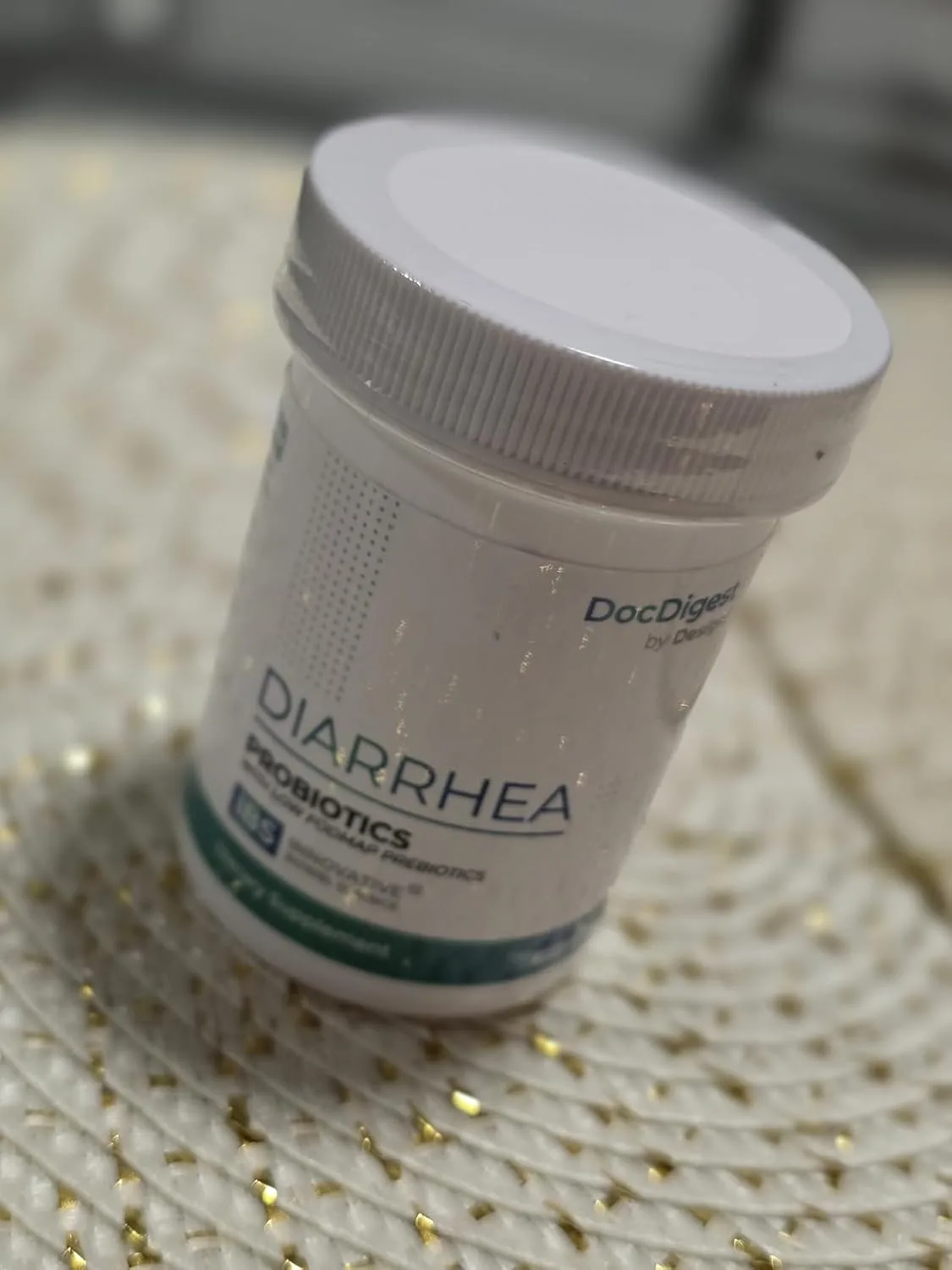
The packaging quality is impressive and professional-looking. 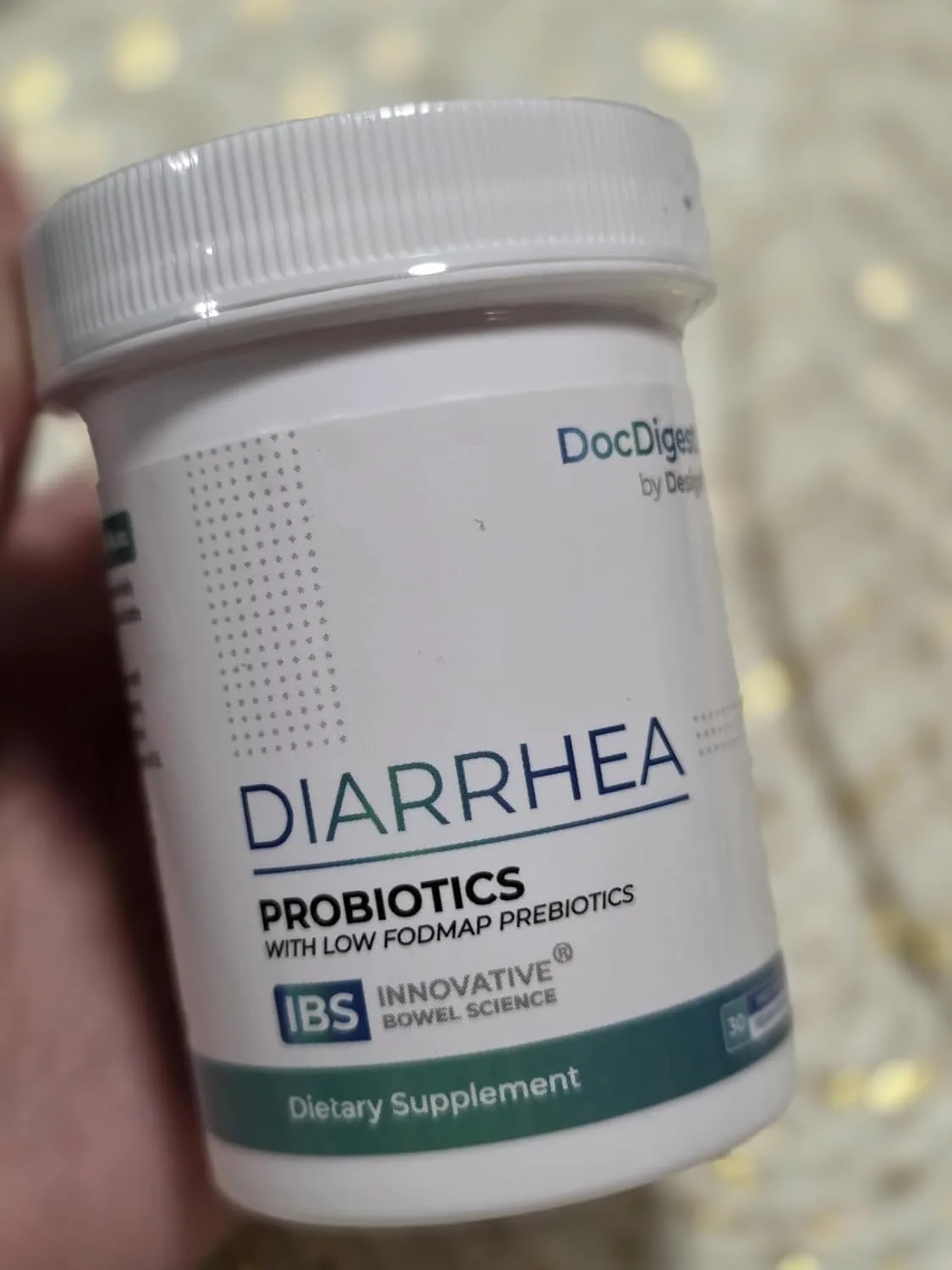
I appreciated how easy it was to read the ingredient list and recommended dosage right on the label. 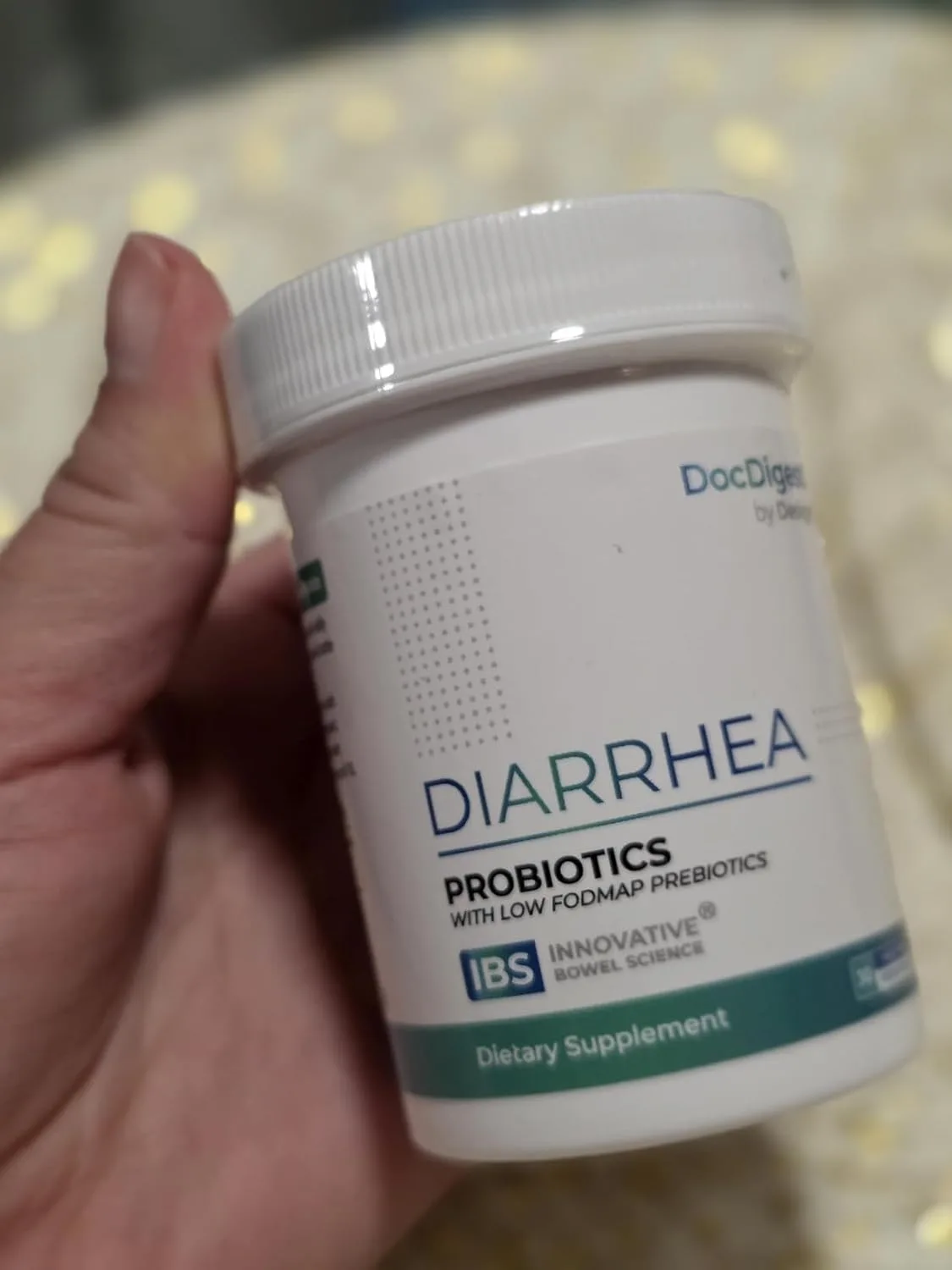
Finally got mine in the mail — packaging looks professional and detailed. 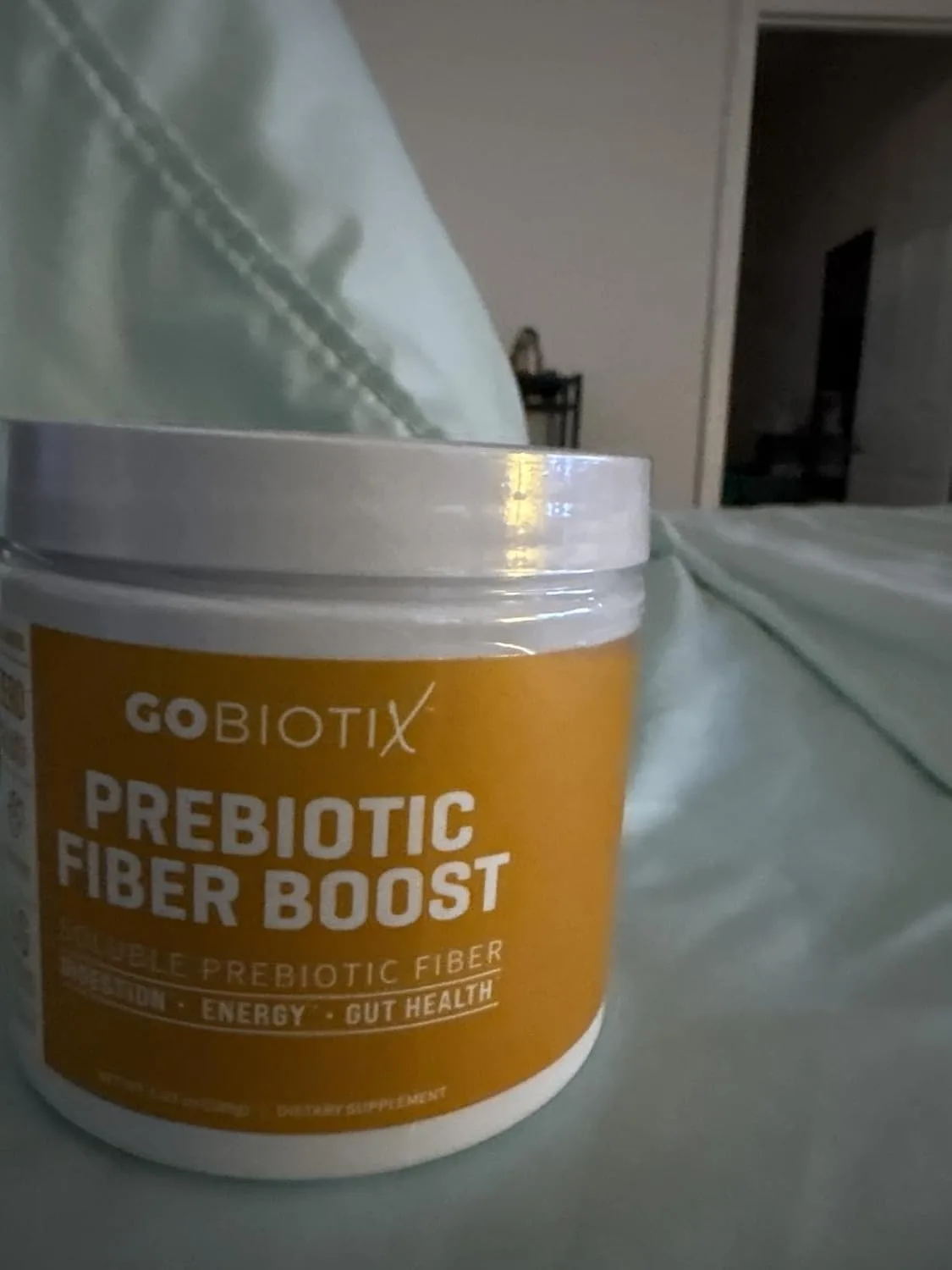
Finally got mine in the mail — packaging looks professional. 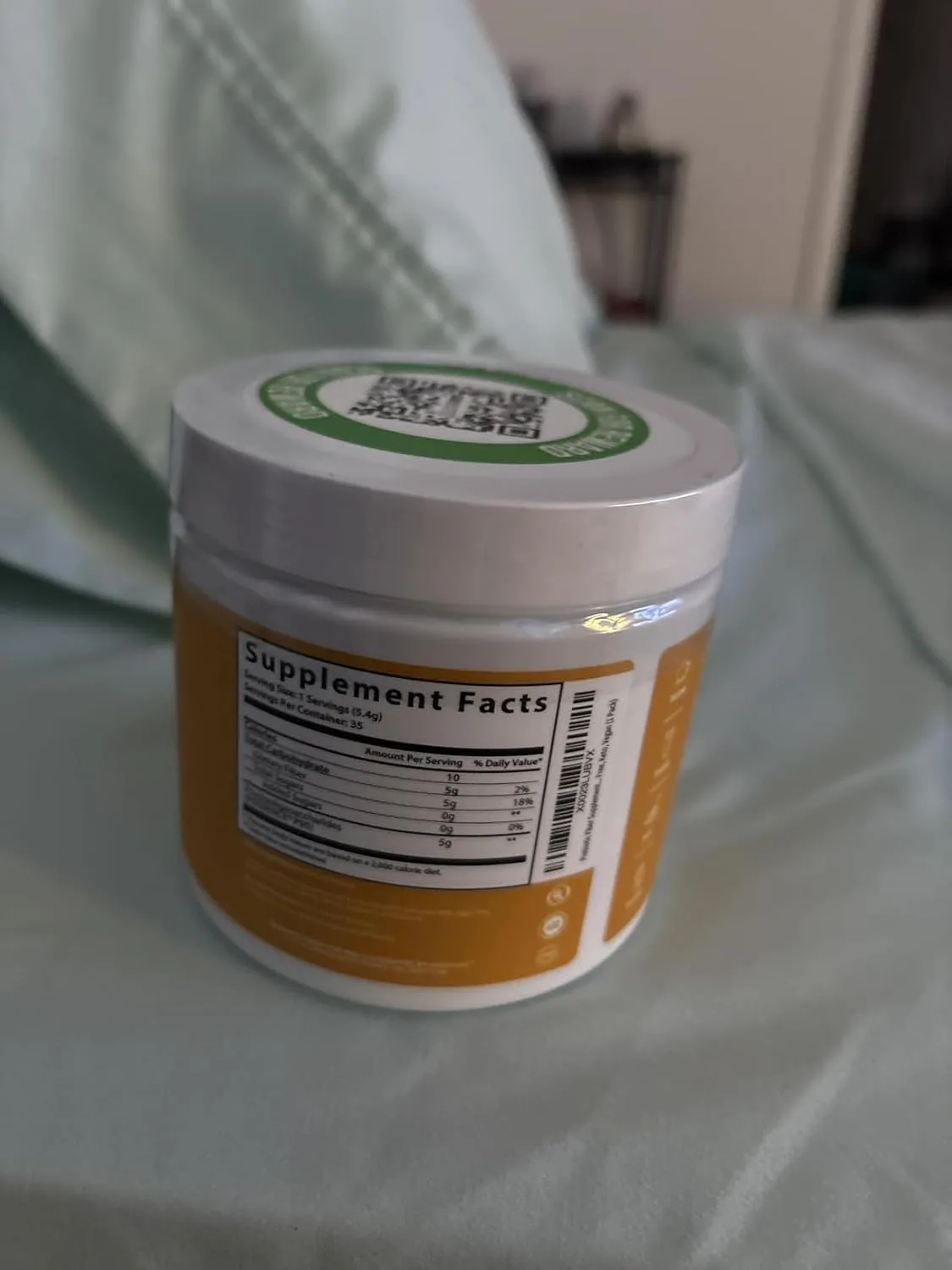
Finally found something that actually works for my symptoms! 
The bottle arrived well-packaged and looks professional. 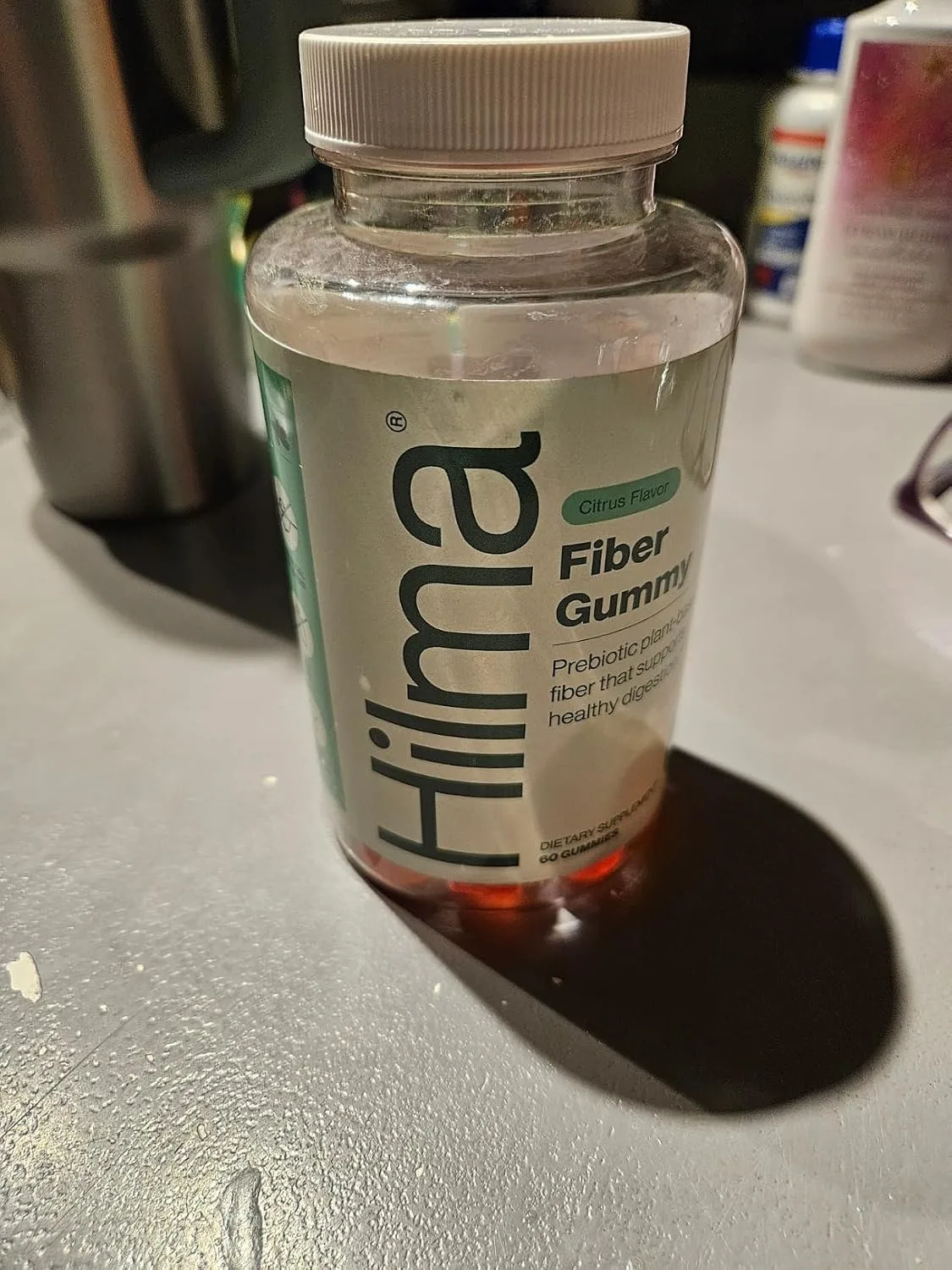
Finally found something that actually works for my IBS symptoms. 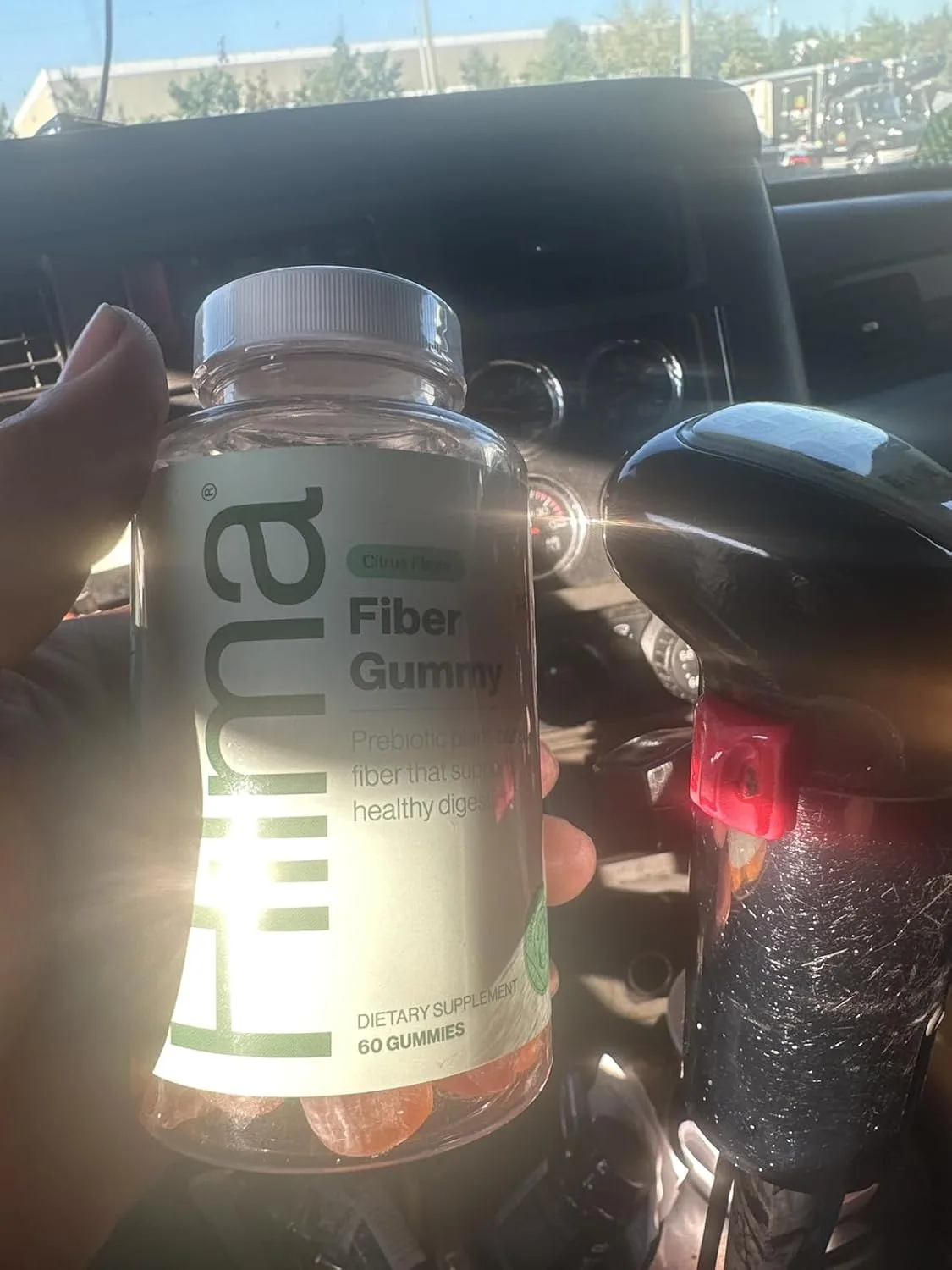
The bottle arrived well-packaged and looks professional quality. 
Clear labeling makes it easy to understand what I’m taking daily.