You know that feeling — you’re out to dinner, you’ve barely finished your meal, and suddenly your stomach starts twisting in ways that make you want to quietly excuse yourself and never come back. Or maybe it’s the opposite: you wake up bloated before you’ve eaten a single thing, or spend the first hour of your morning in the bathroom wondering why your body seems to have declared war on you. If any of that sounds familiar, you’re not alone — and you’re not imagining it. Getting irritable bowel syndrome explained in a way that actually makes sense has helped so many people finally stop blaming themselves and start finding real relief. So let’s dig in.
Irritable Bowel Syndrome Explained: What’s Actually Going On Inside
IBS is one of the most common gastrointestinal conditions in the world, affecting somewhere between 10 and 15 percent of people globally, according to the American College of Gastroenterology. And yet, despite how widespread it is, it remains one of the most misunderstood. Part of the reason? There’s no single visible cause doctors can point to on a scan or blood test. Your intestines don’t look inflamed the way they do in Crohn’s disease. There’s no obvious structural problem. So what IS happening?
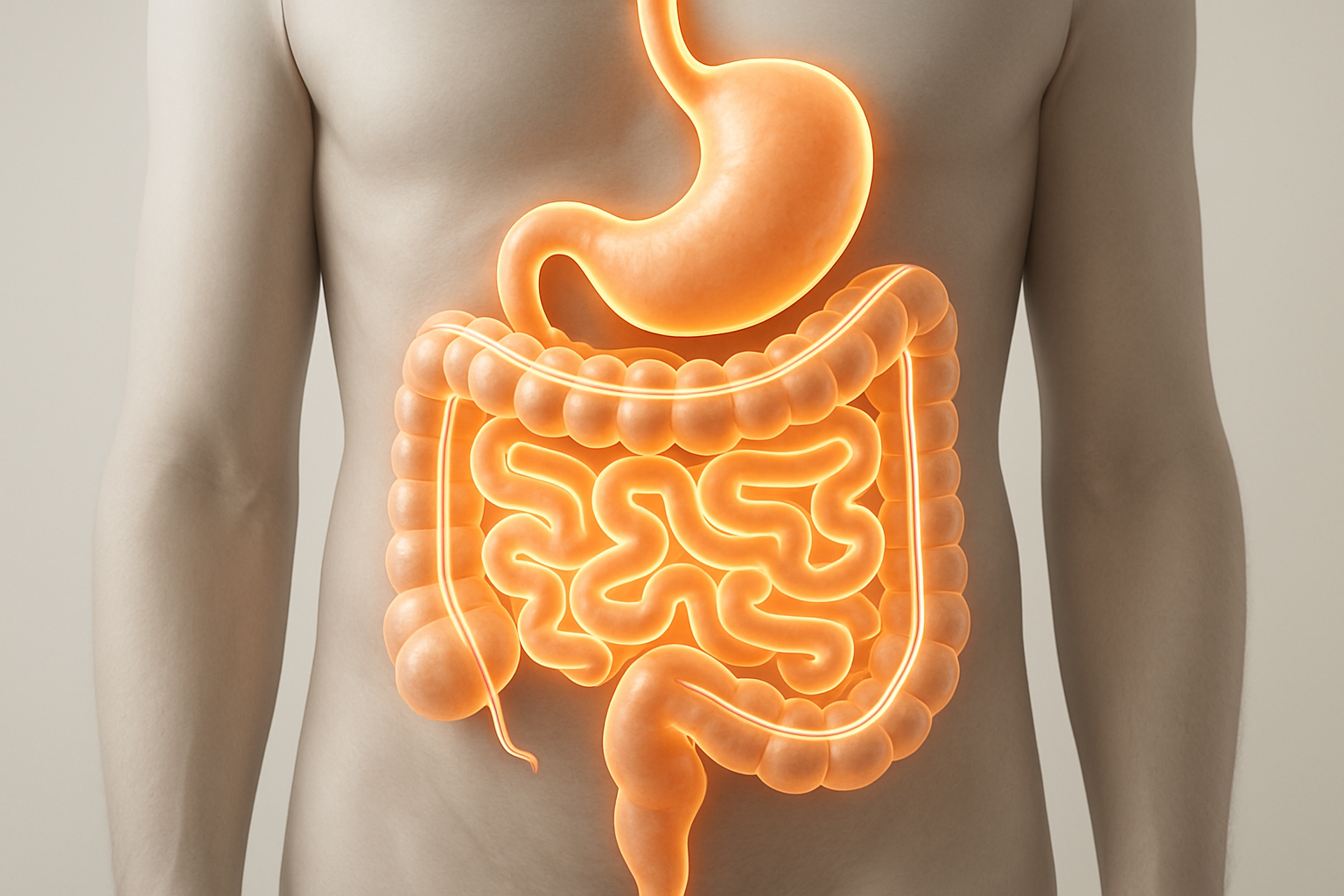
Research suggests IBS is a dysfunction of the gut-brain axis — the two-way communication highway between your digestive system and your central nervous system. Your gut has its own nervous system, sometimes called the “second brain,” and in people with IBS, that system appears to be hypersensitive. Normal digestive movements — gas moving through your colon, food being processed — get interpreted as pain signals when they wouldn’t cause discomfort in someone without IBS. It’s like the volume dial on your gut’s pain receptors is turned up way too high.
On top of that, research points to disruptions in gut motility (how fast or slow things move through your intestines), changes in the gut microbiome, low-grade immune activation in the gut lining, and even past infections as contributing factors. IBS isn’t one single thing. It’s a constellation of overlapping issues — which is a big part of why it’s so frustrating to manage.
Why Doctors Often Struggle to Give You a Straight Answer
If you’ve ever left a doctor’s appointment feeling like you got a shrug and a pamphlet, you’re not alone in that either. IBS is what’s called a “functional” disorder — meaning the function of your digestive system is off, but conventional testing doesn’t reveal obvious damage or disease. Doctors diagnose it using symptom-based criteria (called the Rome IV criteria), which means they’re essentially ruling out everything else before landing on IBS as the answer.
That process can take months or even years. And once you have a diagnosis, treatment options are largely about managing symptoms rather than fixing a root cause — because we don’t yet fully understand what that root cause is for every individual. Different subtypes of IBS (IBS-D for diarrhea-predominant, IBS-C for constipation-predominant, and IBS-M for mixed) respond differently to different approaches. What works brilliantly for your coworker may make your symptoms worse. This isn’t bad medicine — it’s genuinely complex science.
The good news is that the research landscape has changed significantly over the past decade, and there are now more evidence-backed strategies than ever before.
What Actually Helps: Evidence-Backed Approaches Worth Knowing About
The Low-FODMAP Diet
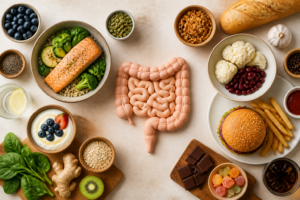
One of the most well-researched dietary interventions for IBS is the low-FODMAP diet. FODMAPs are specific types of fermentable carbohydrates found in many everyday foods — things like onions, garlic, wheat, apples, and certain dairy products. In sensitive guts, these carbs ferment quickly in the large intestine, producing gas and drawing in water in ways that can trigger cramping, bloating, and unpredictable bathroom trips. Research from Monash University and others suggests that a low-FODMAP elimination approach helps reduce symptoms in up to 75 percent of IBS sufferers.
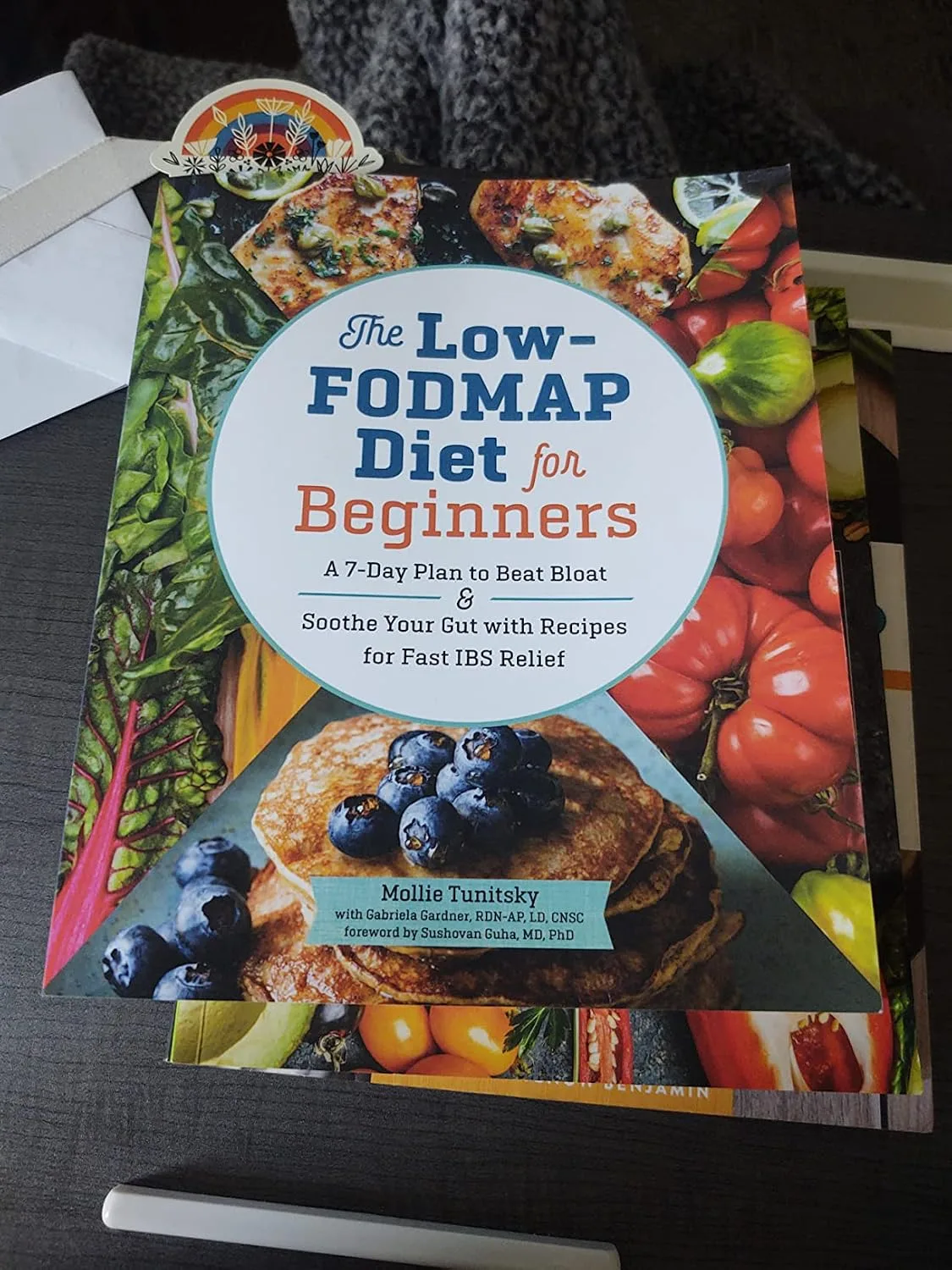
The catch is that it’s not meant to be permanent — it’s an elimination and reintroduction protocol to figure out YOUR personal triggers. Having a solid guide makes a huge difference. Two books I’d genuinely recommend are The Low-FODMAP Diet for Beginners: A 7-Day Plan to Beat Bloat and Soothe Your Gut, which is great if you want a gentle, structured entry point, and The Low-FODMAP Diet Step by Step, which goes deeper with over 130 recipes and a personalized approach that many people find easier to stick with long-term.
Peppermint Oil for Gut Comfort
Peppermint oil is one of those remedies that sounds almost too simple — but the research behind it is surprisingly solid. A 2014 meta-analysis published in the Journal of Clinical Gastroenterology found that enteric-coated peppermint oil capsules were significantly more effective than placebo for reducing IBS symptoms including abdominal pain. The key is “enteric-coated” — that coating allows the peppermint to reach your small intestine rather than dissolving in your stomach, which is where much of the benefit happens.
One product that uses a specific delivery system designed for this is IBgard Gut Health Supplement (48 Capsules). It uses a technology called Site Specific Targeting (SST) to deliver ultra-purified peppermint oil directly to the small intestine. Many people find it helpful for managing day-to-day abdominal discomfort. If you want to try it without committing to a full bottle first, there’s also a 12-capsule travel size of IBgard that’s perfect for testing the waters.
Products Worth Trying
Here’s a quick roundup of the options mentioned above, plus one more worth knowing about:
- IBgard Gut Health Supplement — 48 Capsules: A well-studied peppermint oil capsule using targeted delivery technology. A solid option for ongoing abdominal comfort support.
- IBgard Gut Health Supplement — 12 Capsules: The smaller, travel-friendly version. Great if you’re just starting out or want something to keep in your bag.
- GutCalm IBS Relief — Peppermint Oil Capsules (12 ct): Another peppermint
The book quality is impressive – great binding and print clarity. 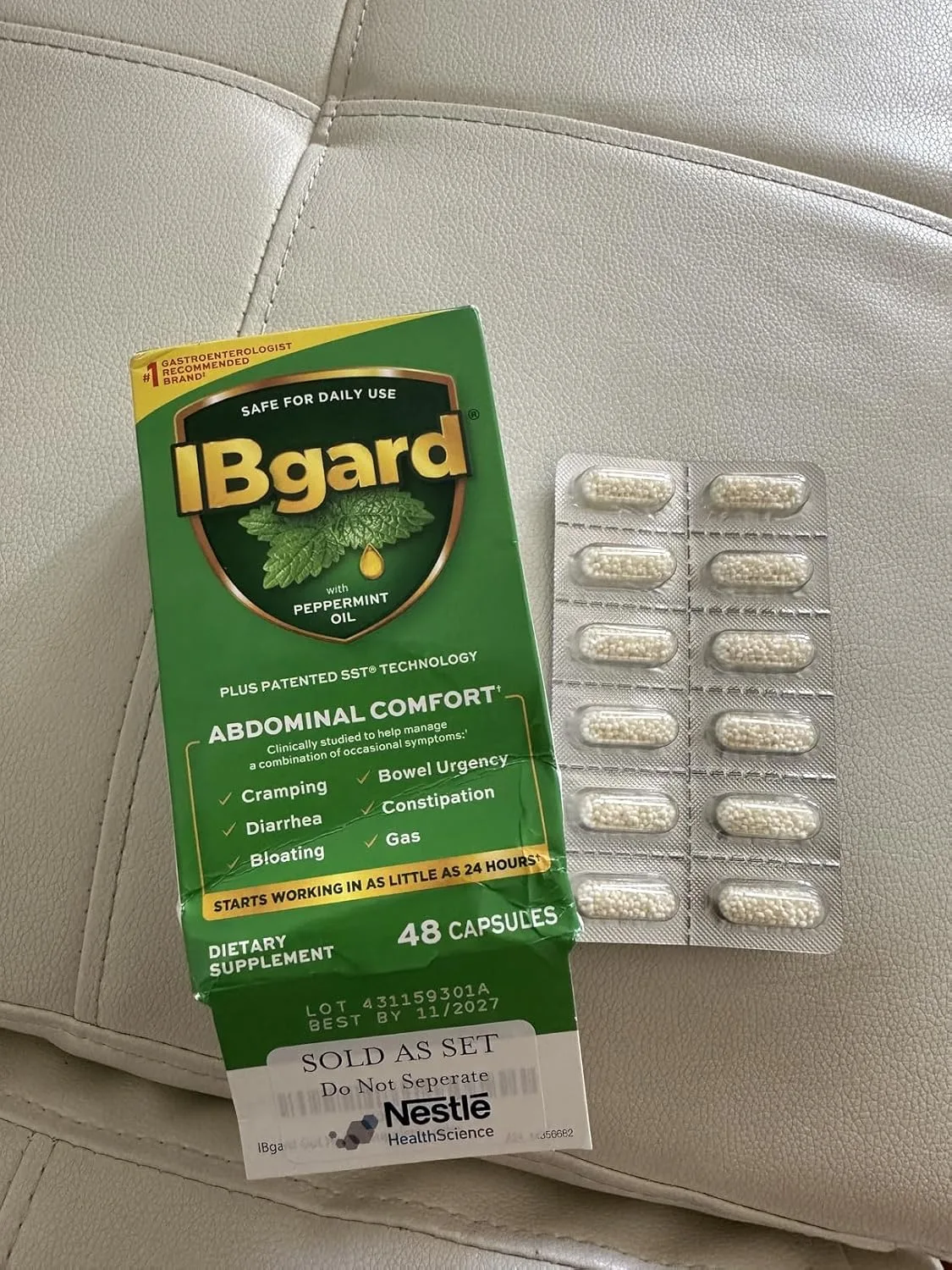
Finally found a product that actually addresses my IBS symptoms. 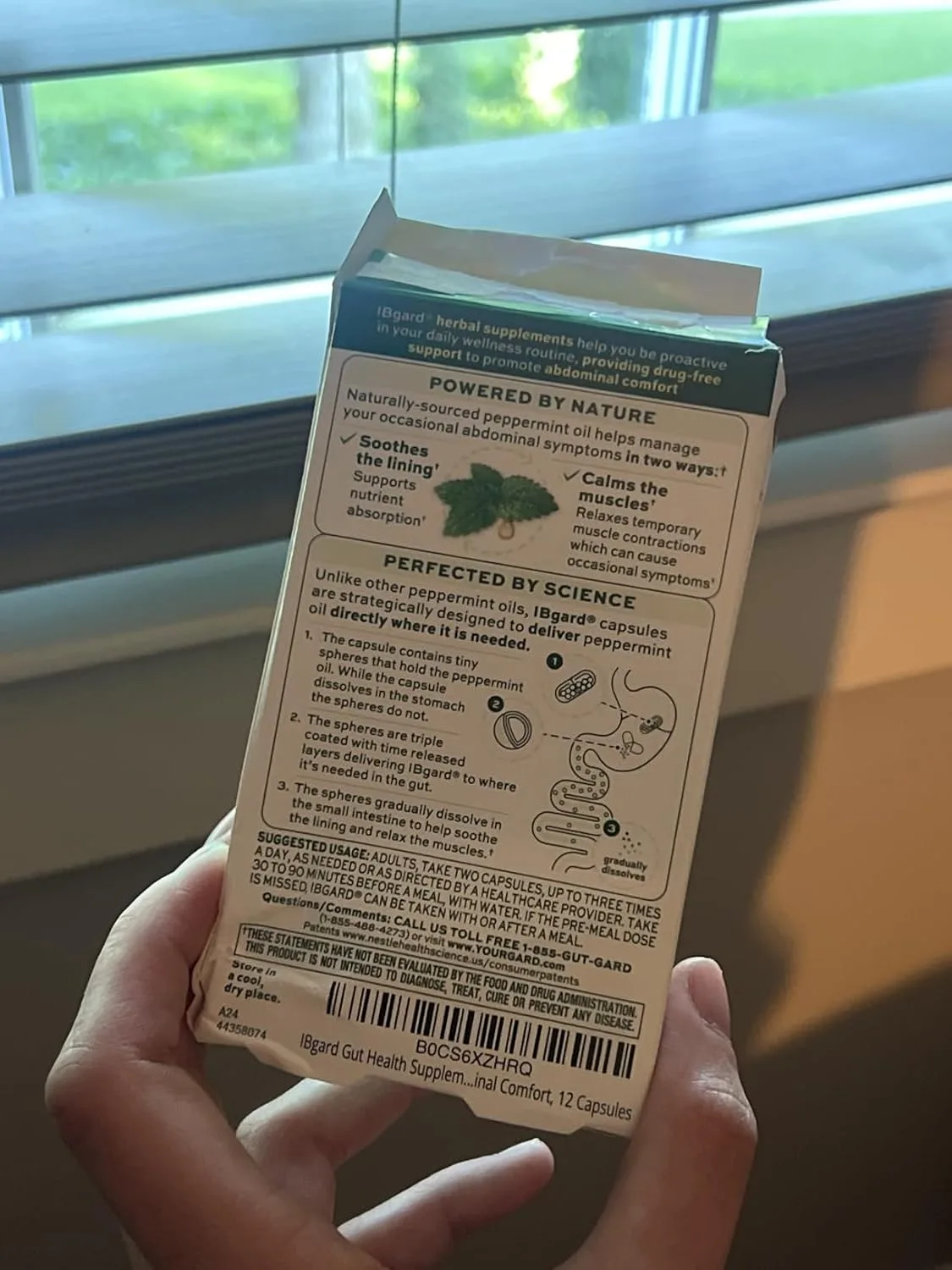
Finally found something that actually helps with my symptoms. 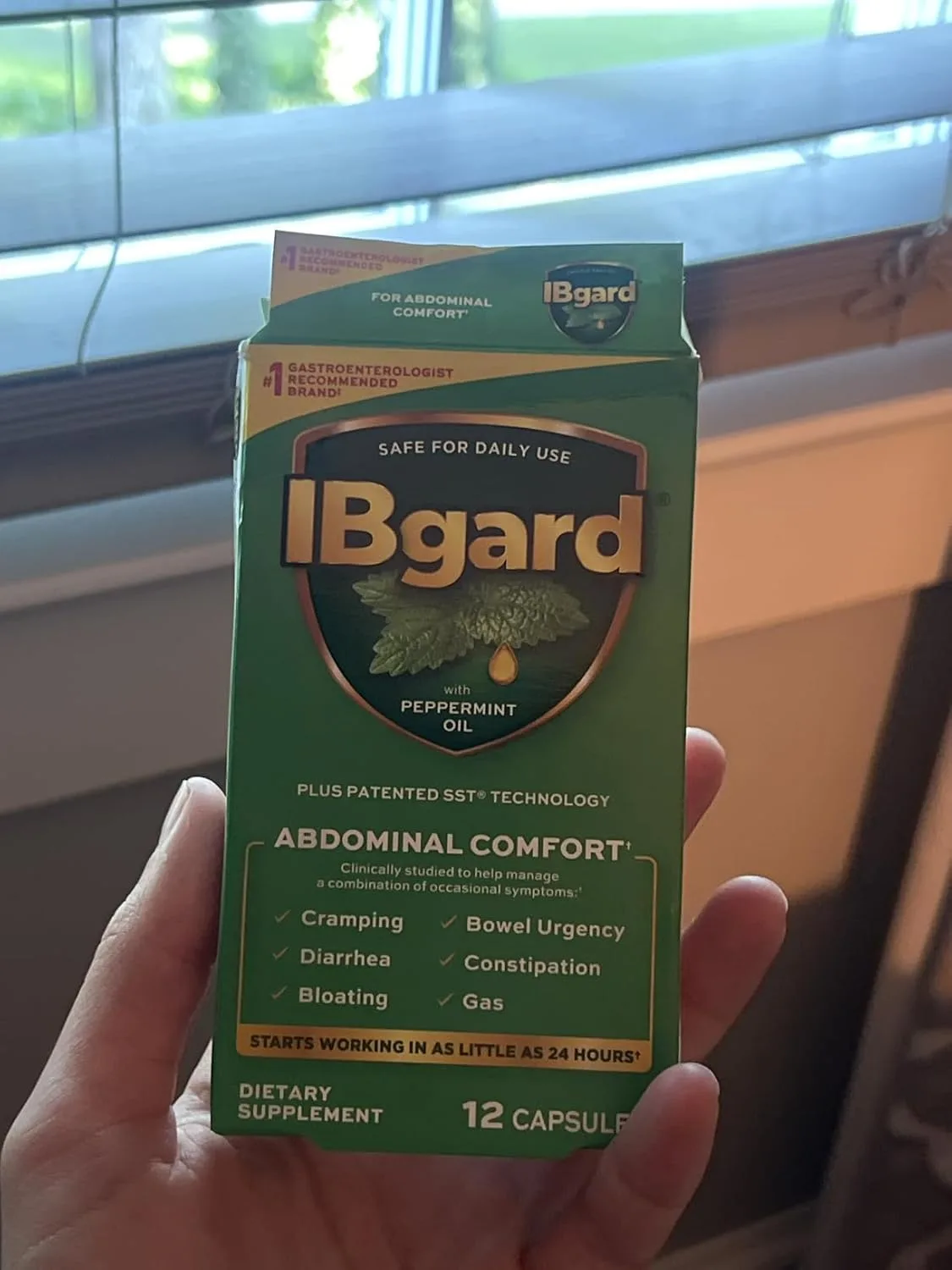
I was surprised how small these capsules were—easy to swallow without water. 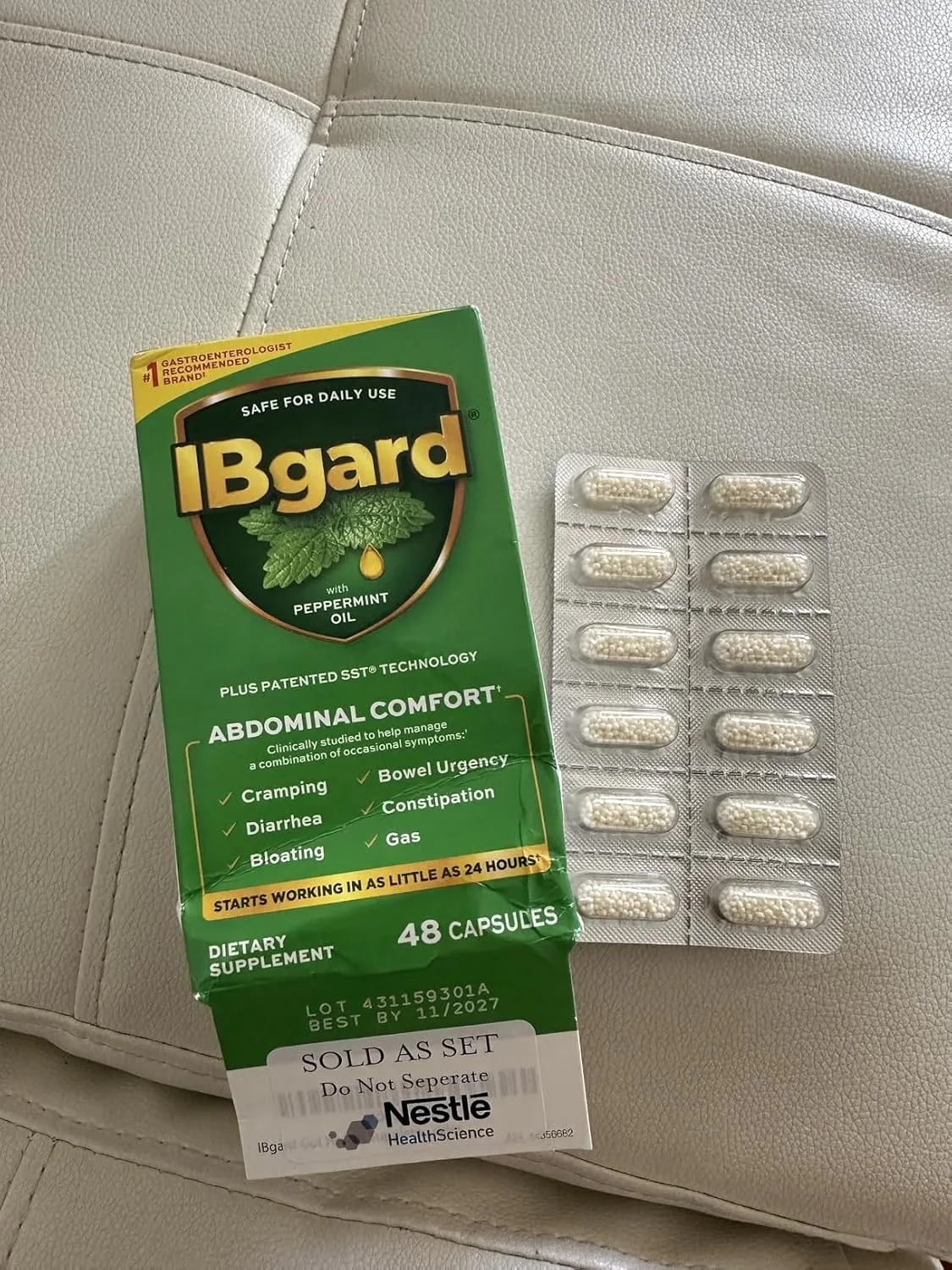
The diagrams actually helped me finally understand what’s happening inside my gut. 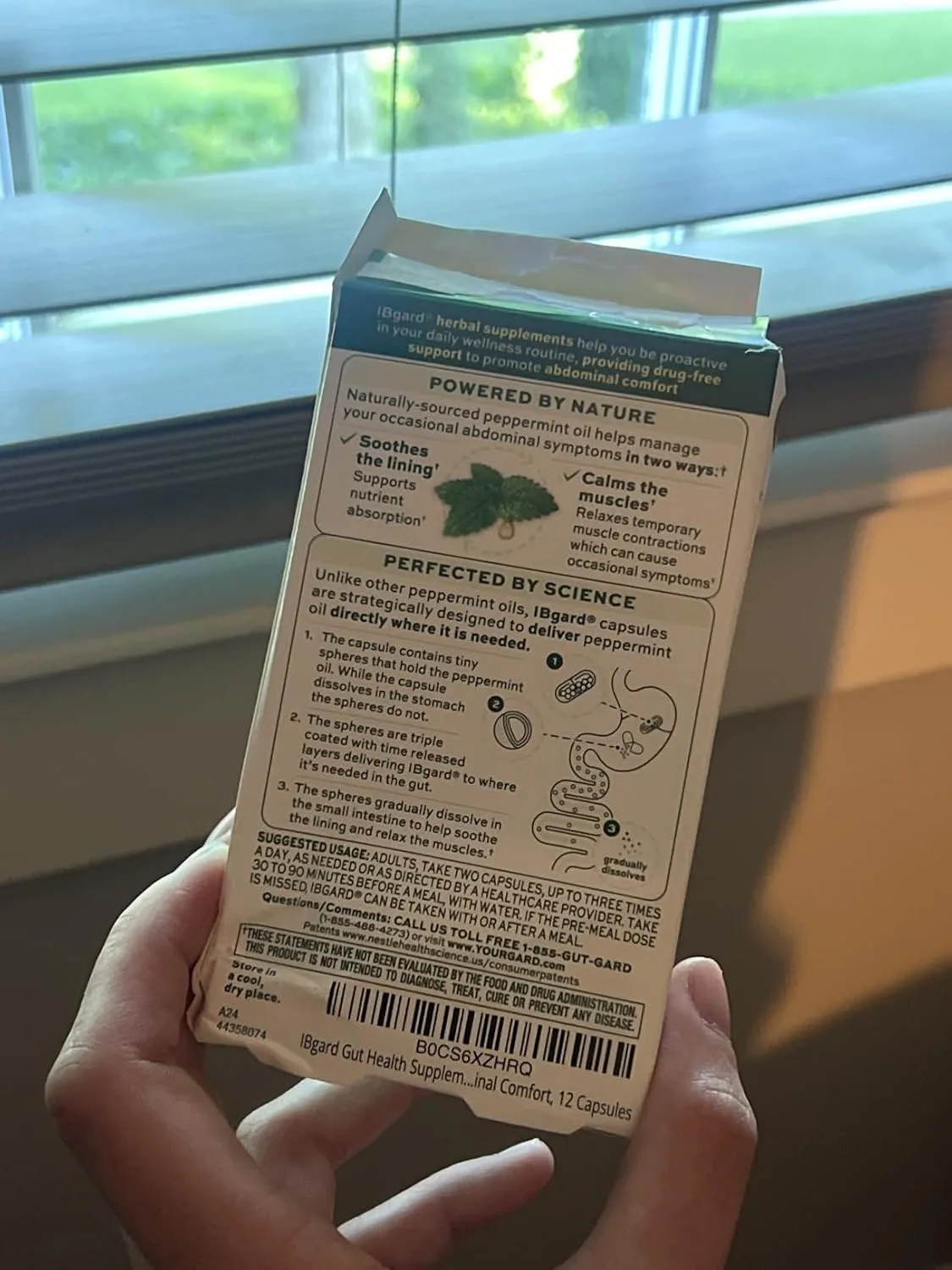
Happy with the quality and presentation of this product. 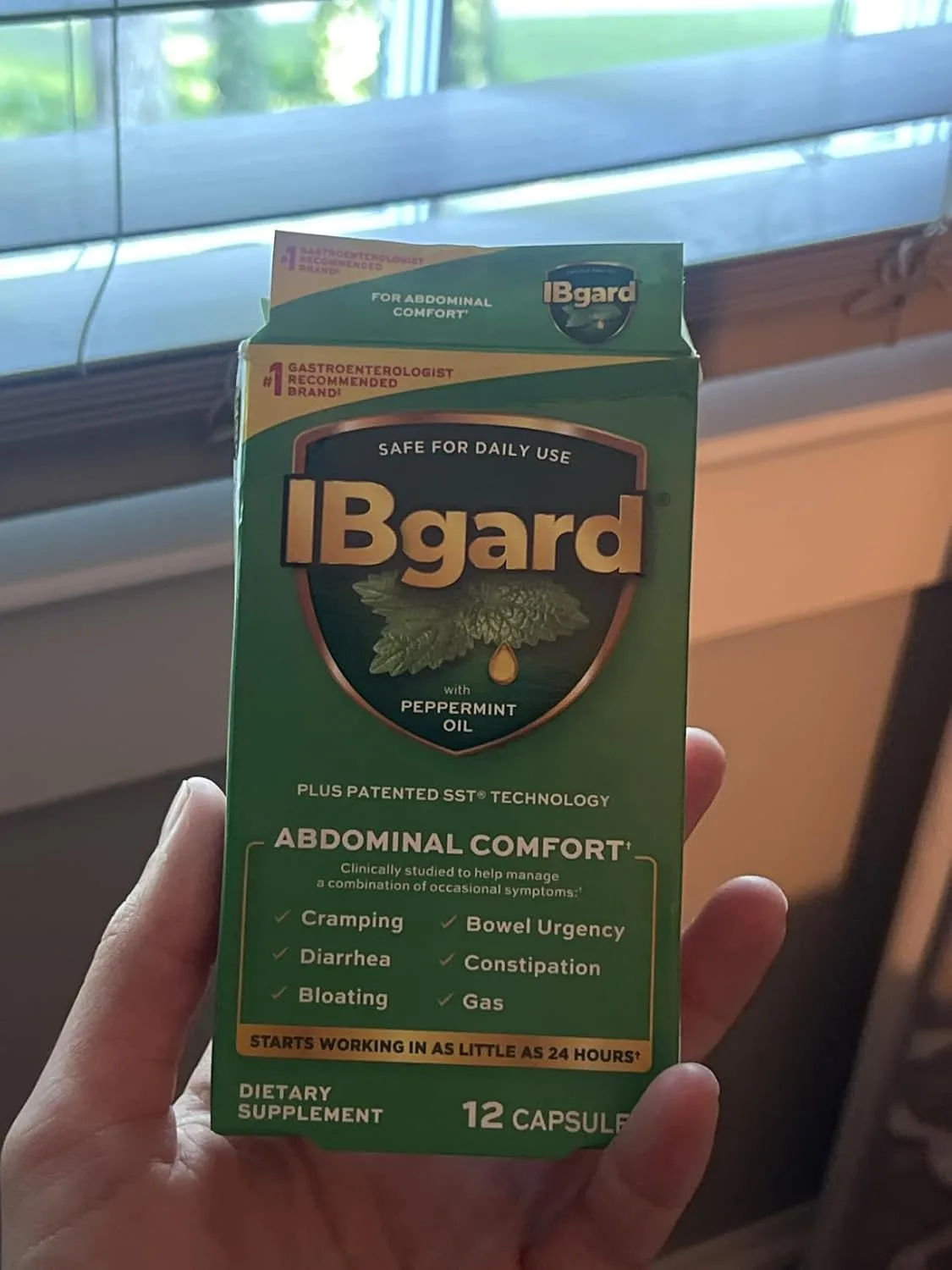
I kept this on my nightstand to remember taking it daily with meals. 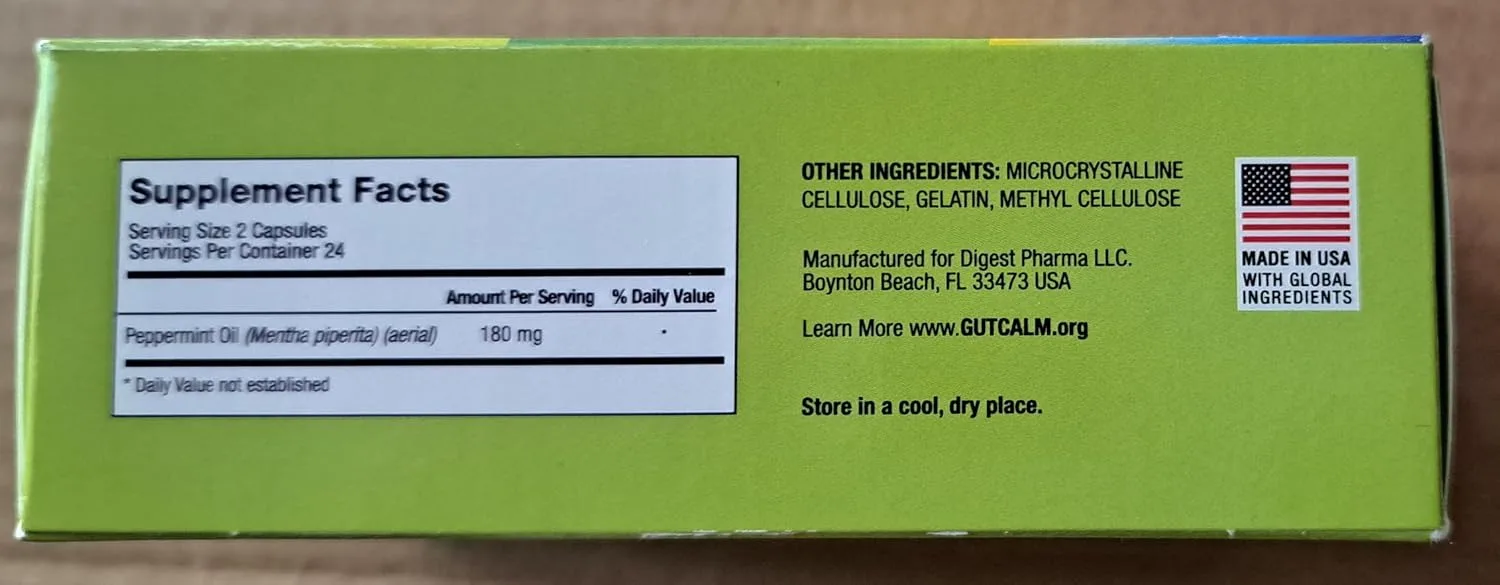
I was surprised how small these capsules are compared to other gut health supplements I’ve tried. 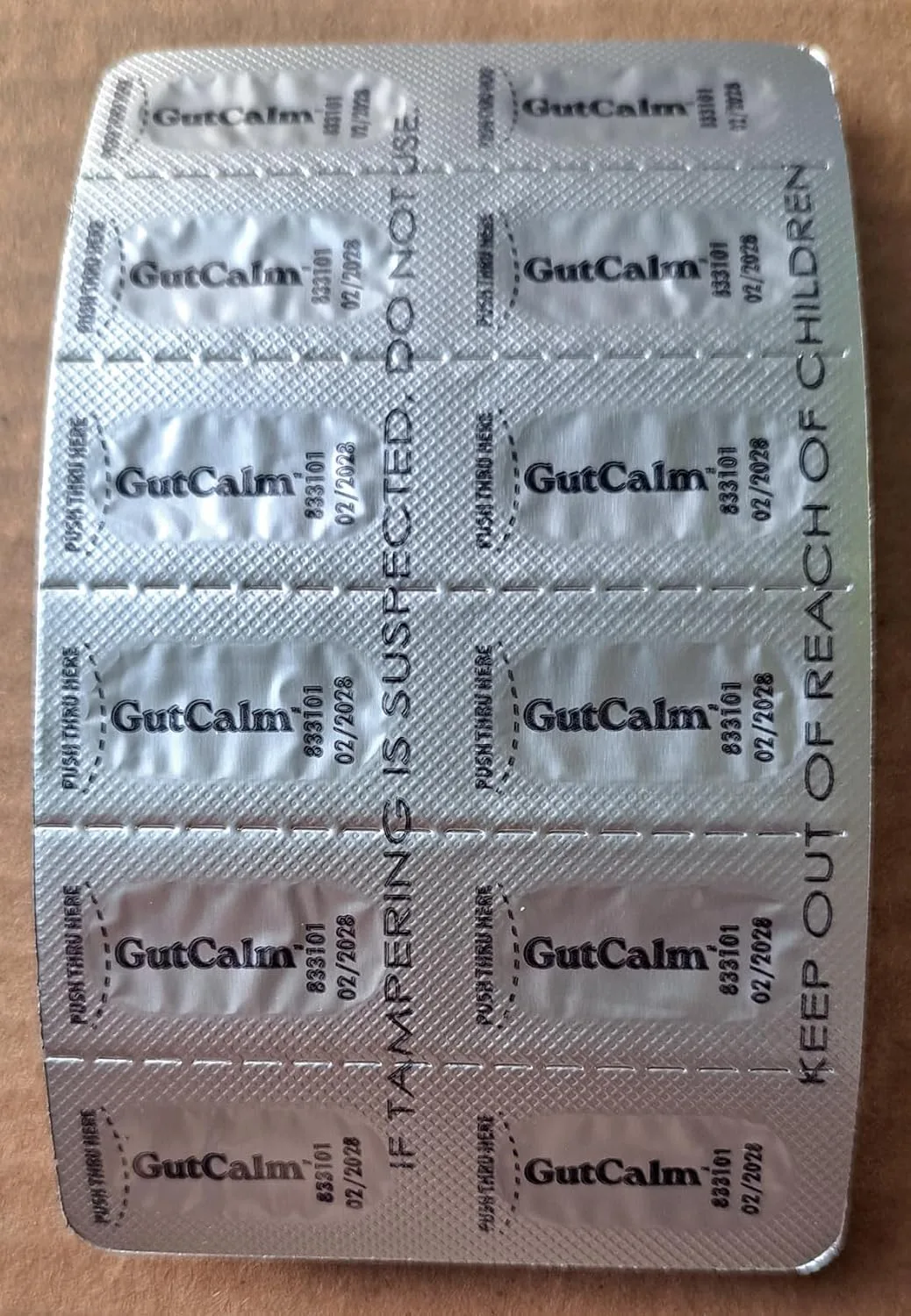
I was surprised how many capsules fit in this bottle for a month’s supply. 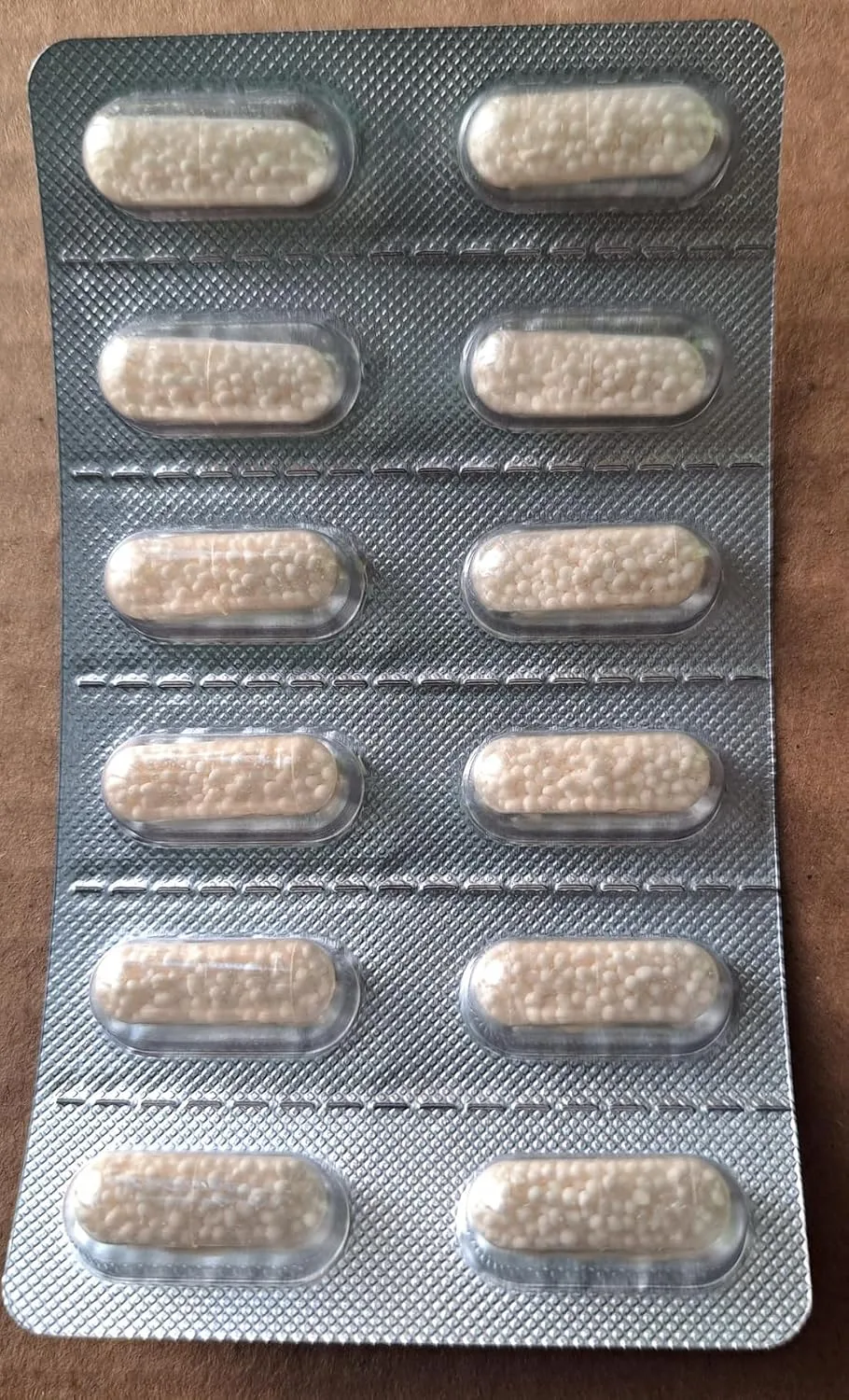
I was impressed by how clearly the label lists every ingredient and their amounts. 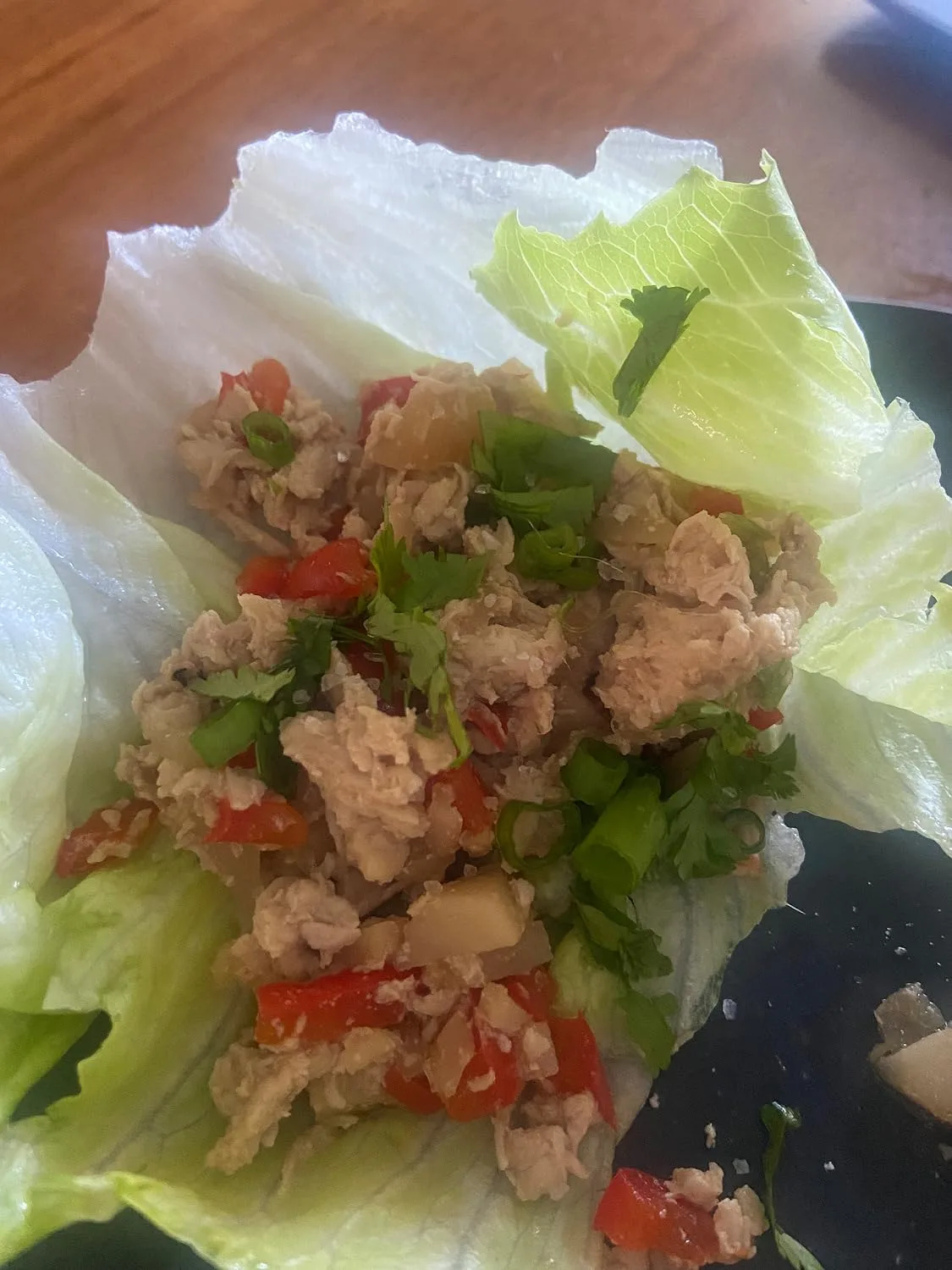
The book arrived in perfect condition, great quality binding. 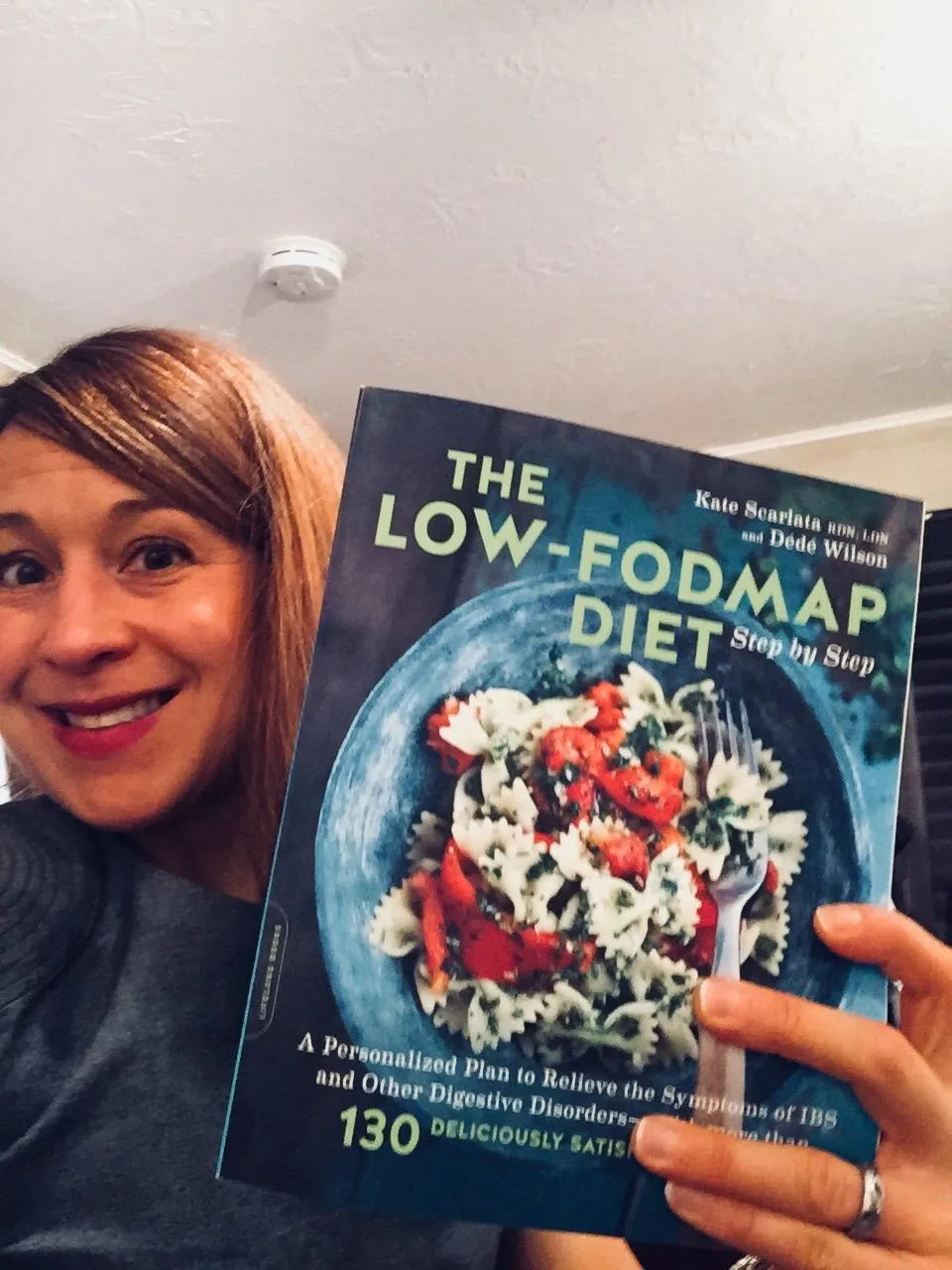
Great reference guide for understanding digestive issues 
The book quality is impressive—sturdy binding and clear print throughout. This post contains affiliate links. As an Amazon Associate, I earn from qualifying purchases.