A few years into my practice, I started noticing a pattern. Clients would arrive clutching printouts from gut microbiome tests they had ordered online, convinced they had finally found the answer to their bloating, fatigue, or unpredictable bowel habits. Some of those tests were genuinely useful. Others were, frankly, a waste of their money and — more worryingly — sending them down entirely the wrong dietary path. After 12 years working with gut health patients and reviewing hundreds of microbiome reports alongside clinical presentations, I have formed some firm opinions about what is worth doing and what is not. This post is my honest breakdown.
Why Gut Microbiome Testing Is More Complicated Than It Looks
The human gut microbiome contains somewhere between 500 and 1,000 bacterial species, plus fungi, viruses, and archaea. The technology to analyse this — primarily 16S rRNA gene sequencing and shotgun metagenomics — has improved enormously over the past decade. But here is the honest caveat I give every single client before we discuss results: we do not yet have universal reference ranges for a “healthy” microbiome. A 2019 paper in Cell (Sonnenburg and Sonnenburg) made this point clearly — microbiome composition is so individual, so shaped by geography, diet history, antibiotic exposure, and genetics, that comparing your results to a static healthy baseline is inherently limited.
That does not mean the tests are useless. It means you need to know what you are actually using them for, and which platforms give you actionable data rather than impressive-looking graphs with nothing useful behind them.
The Tests I Do Not Recommend
Let me start here, because it will save some of you money immediately.
Viome
Viome is heavily marketed, expensive, and uses metatranscriptomic analysis — which measures gene expression rather than just bacterial presence. Sounds impressive. In practice, the dietary recommendations I have seen generated from Viome reports are often so restrictive and so poorly individualised that clients end up more confused and more anxious about food. I have seen Viome flag spinach and lentils as problematic for people who were eating them without any symptoms whatsoever. The science is not yet there to support that level of dietary prescription from microbiome data alone.
Atlas Biomed
Atlas uses 16S rRNA sequencing and provides decent educational content, but the depth of microbial identification is more limited than some competitors, and the actionable recommendations have felt generic in the reports I have reviewed. It is not a bad test. It is just not the best use of your budget if your goal is genuine clinical insight.
Cheap Food Sensitivity + Microbiome Bundles
If you see a test that claims to identify both your microbiome composition and your food sensitivities from the same stool sample — walk away. IgG food sensitivity testing from stool is not validated science. Bundling it with microbiome analysis does not make either test more credible. I have spent more clinical hours than I care to count helping clients undo the dietary restriction they created based on these combination tests.
What to Actually Look For in a Good Test
When I evaluate a gut microbiome test for clinical usefulness, I look at four things:
- Sequencing depth: How many microbial species or operational taxonomic units (OTUs) does the platform identify? Higher is generally better for clinical nuance.
- Reference database quality: Is the platform using a well-validated, regularly updated database? Smaller or proprietary databases produce less reliable identification.
- Actionability of output: Does the report give specific, evidence-informed dietary and lifestyle recommendations, or does it just tell you what bacteria are present with no guidance on what to do about it?
- Transparency about limitations: Any platform that presents microbiome results as definitive diagnostic data without acknowledging the field’s current limitations is a red flag for me.
The Tests I Actually Recommend
Biomesight — My Primary Clinical Recommendation
I have been directing clients toward Biomesight for several years now, and it consistently delivers the most useful clinical data I have seen from a consumer-accessible platform. It uses 16S rRNA sequencing and identifies up to 3,000 microbes, which is substantially higher resolution than many competitors. The 43 gut health scores give you structured insight across areas like bacterial diversity, metabolic function indicators, and potential pathobiont presence — without the pseudo-diagnostic overreach I see elsewhere.
What I particularly value is the personalised food and supplement recommendations tied to your specific profile, and the turnaround of 1 to 2 weeks makes it practical for ongoing clinical work. I have used Biomesight results alongside dietary history, symptom tracking, and in some cases SIBO breath testing to build genuinely targeted intervention plans. The data holds up to scrutiny.
The Biomesight Gut Microbiome Test Kit is an at-home collection kit with straightforward instructions, US lab processing, and results that are genuinely worth taking to a registered nutritionist or functional medicine practitioner for interpretation.
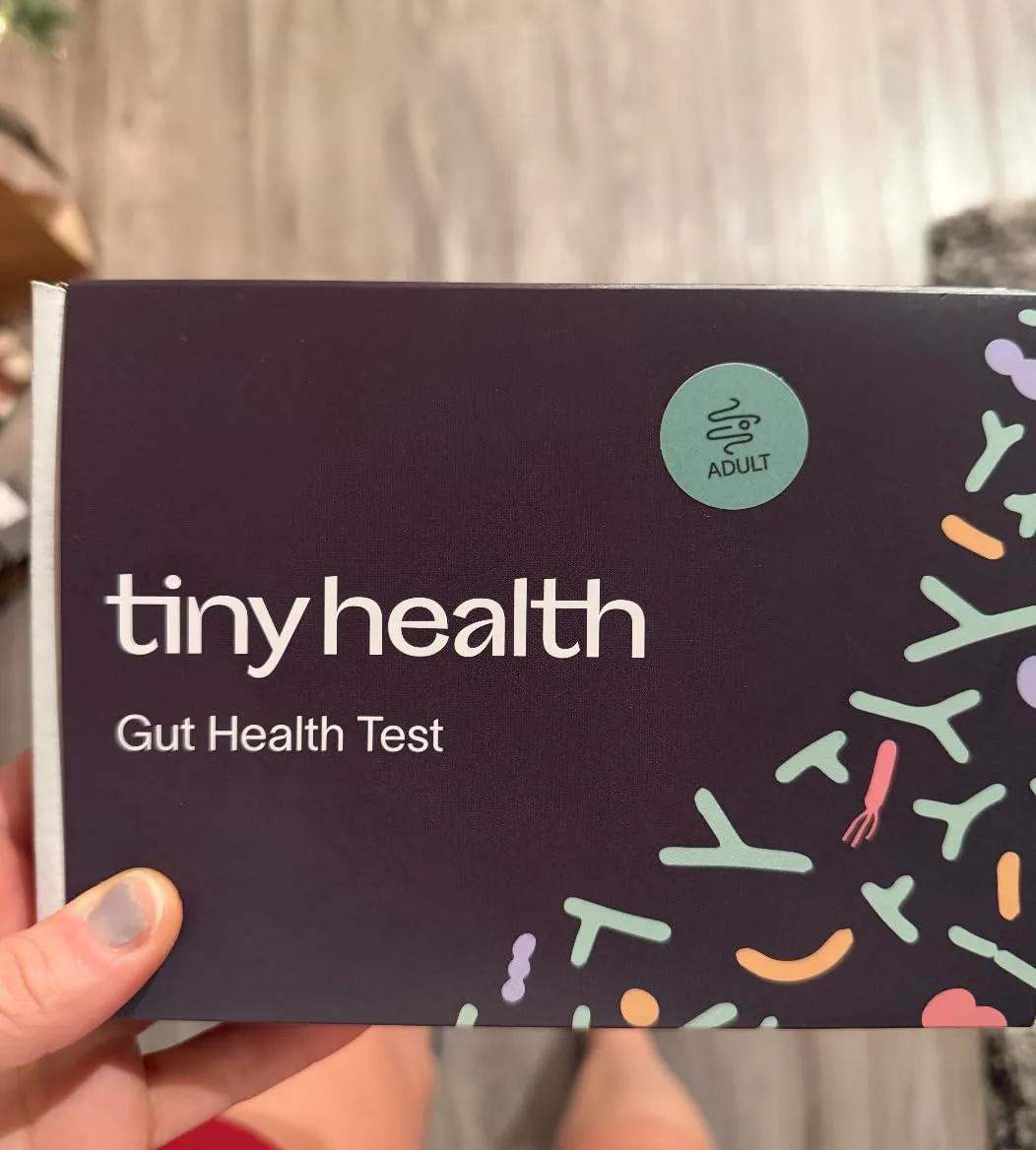
Tiny Health — Best for Adults Wanting Accessible, Expert-Guided Insights
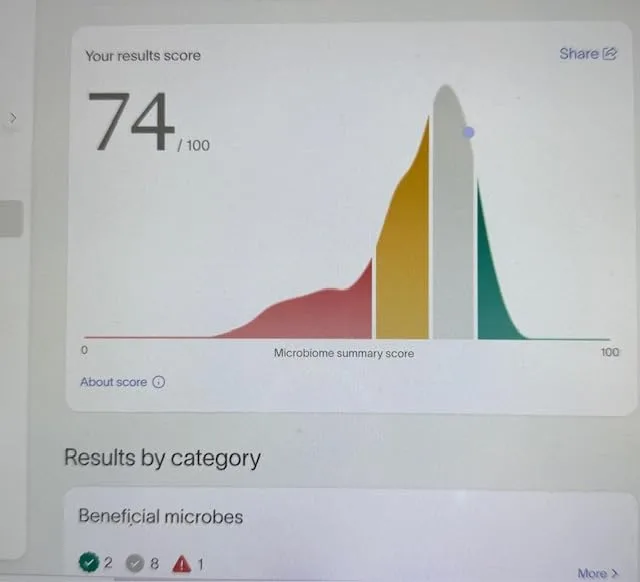
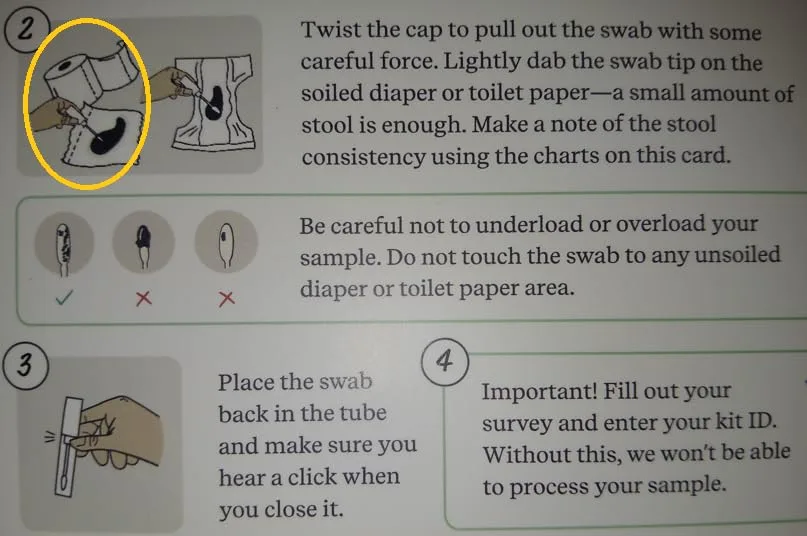
Tiny Health started primarily as a paediatric microbiome testing company (their baby gut test is excellent), but their adult test has matured into a strong option. The collection process is notably clean and mess-free, which sounds minor but makes a real difference to compliance — particularly for clients who are already managing gut symptoms and find the collection process stressful. Results come in 3 to 4 weeks, and the expert insights layered into the report bridge the gap between raw data and practical understanding better than most platforms I have reviewed.
If you are someone who wants to understand your gut health without needing a practitioner to translate a dense scientific report for you, Tiny Health’s communication style is excellent. The Tiny Health Gut Health Test Kit for Adults is a solid, accessible choice for home testing with genuine clinical credibility behind it.
What to Do After You Get Your Results
A microbiome test is a starting point, not a prescription. Here is the framework I walk clients through after they receive their results:
- Cross-reference with symptoms. If a test flags low Lactobacillus species but you have no digestive symptoms and your energy is good, that data point is less urgent than it would be in someone with chronic bloating and irregular stools.
- Focus on dietary diversity first. The single most consistent finding in the microbiome research literature — including the large American Gut Project dataset — is that consuming 30 or more different plant foods per week is associated with greater microbiome diversity. No supplement replaces this.
- Consider targeted probiotic support strategically. Not all probiotics are worth taking, and not all microbiome deficiencies respond to over-the-counter supplementation. That said, for clients managing occasional constipation, diarrhea, gas, or bloating while working on longer-term dietary change, I have found a high-CFU broad-spectrum probiotic useful as a bridging support.
What I Use in Practice — Recommended Products
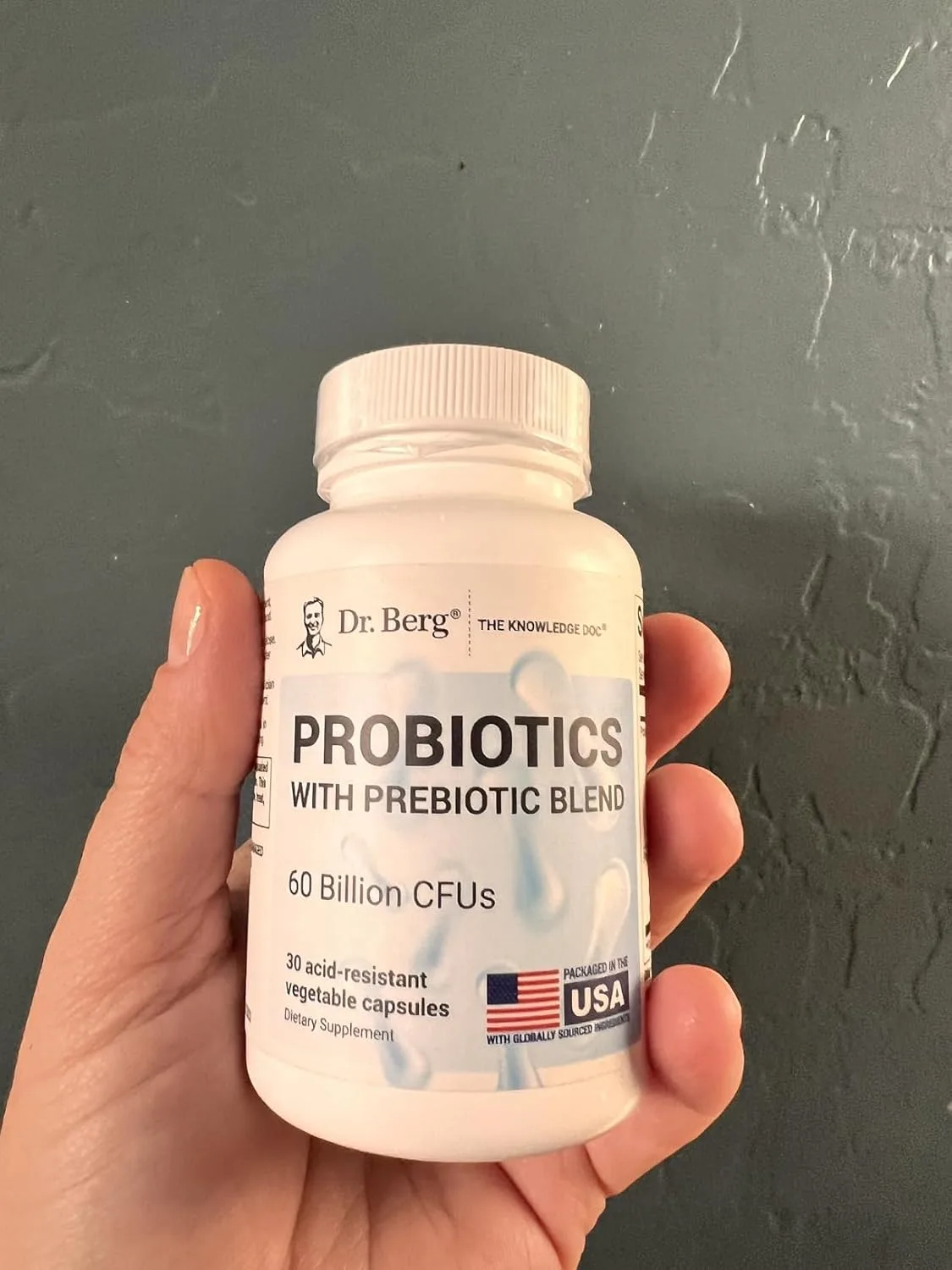
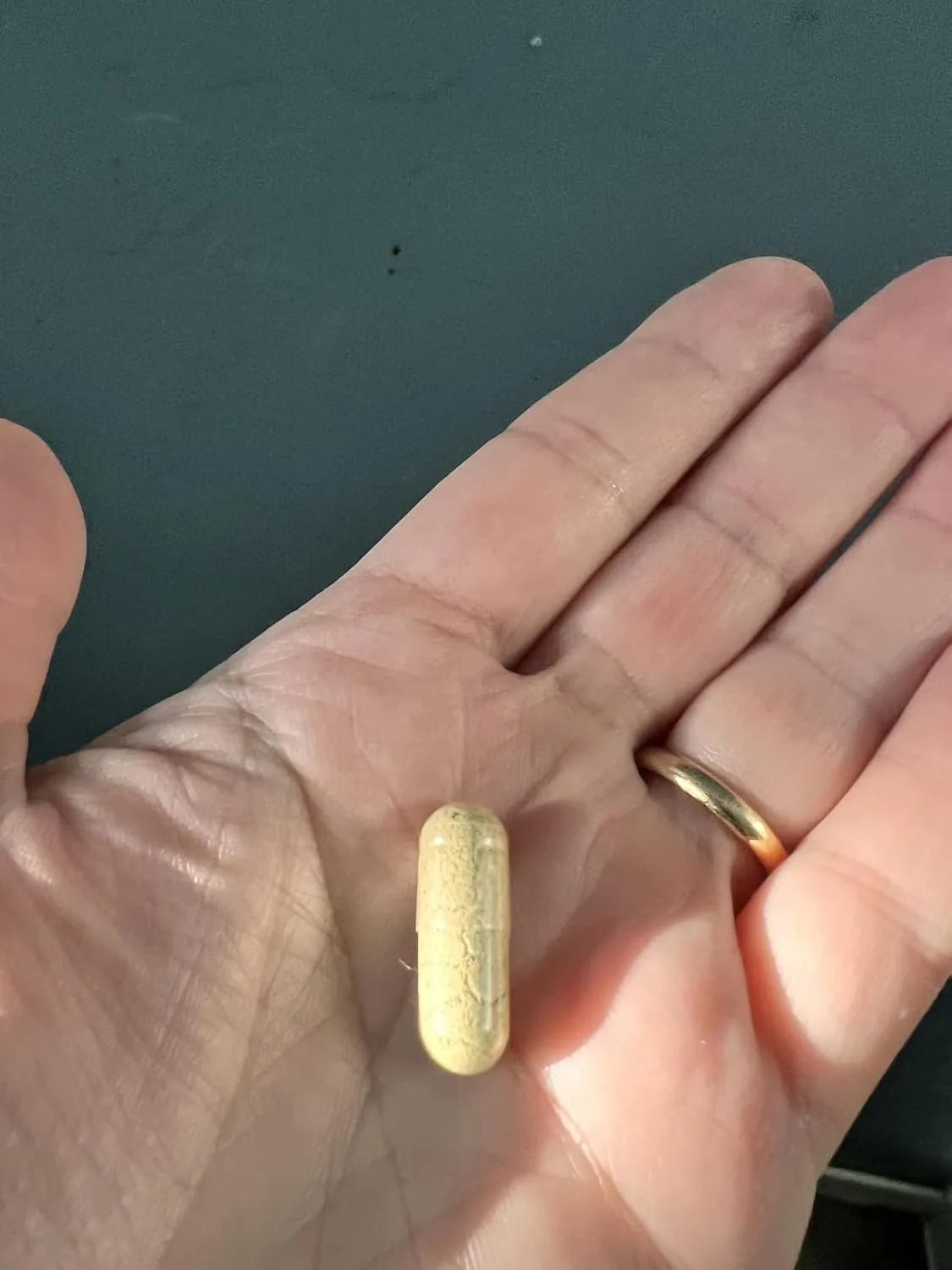
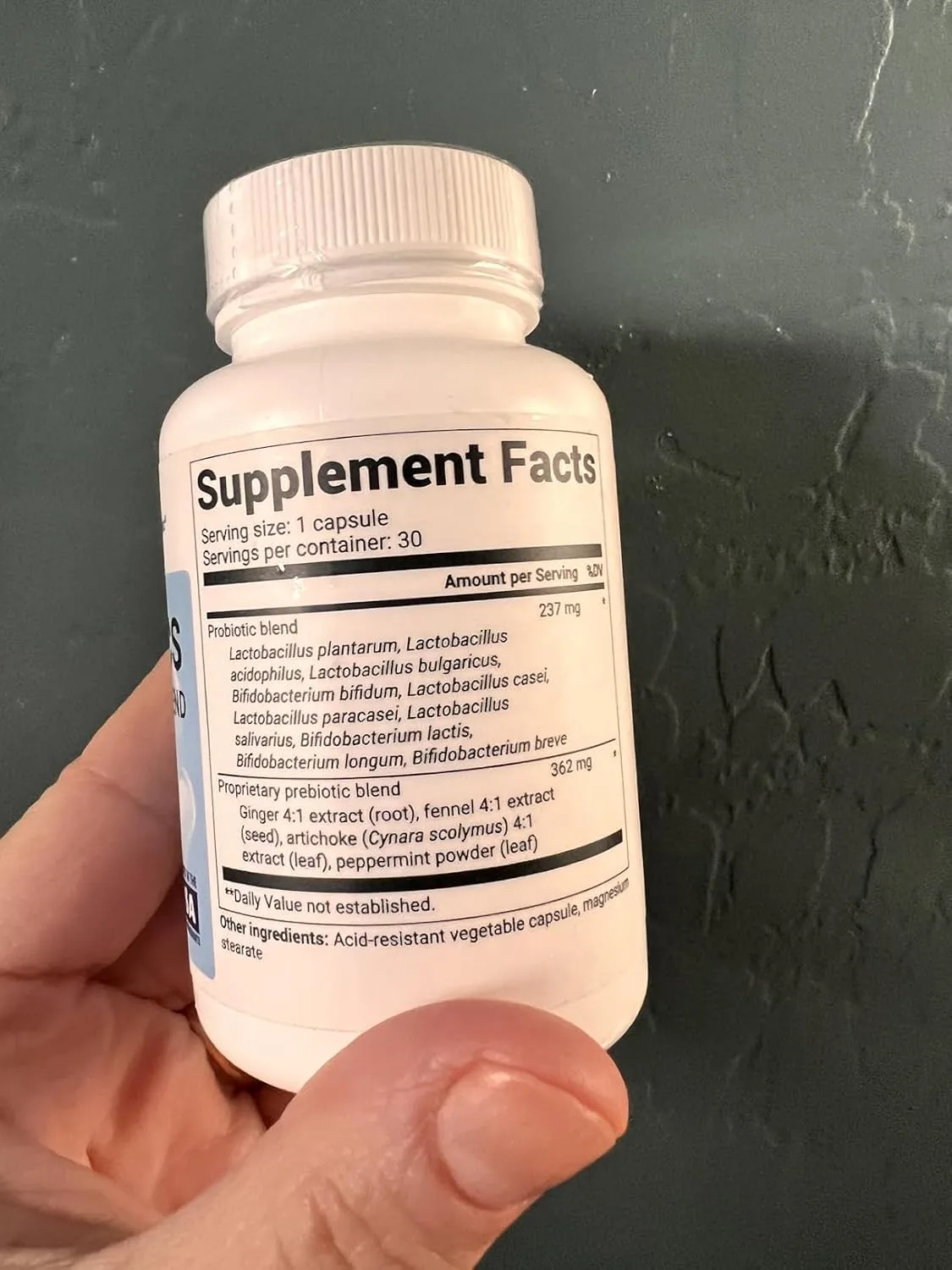
For clients who need short-term digestive support alongside dietary work, I often suggest starting with a quality probiotic while their microbiome test results are being processed. The Dr. Berg Probiotic Supplement provides 60 billion CFUs per serving with a prebiotic component, which supports bacterial survival and colonisation. It is not a replacement for the dietary work, but as a practical support measure for clients in the early stages of a gut health programme, it is a reasonable option.
To summarise what I recommend for testing specifically:
- Biomesight Gut Microbiome Test Kit — best overall for clinical depth and actionable data
- Tiny Health Gut Health Test Kit for Adults — best for accessibility and expert-guided interpretation
The Bottom Line
The best gut microbiome test is the one that gives you accurate, high-resolution data with actionable guidance — and that you actually interpret and act on with appropriate support. Testing your microbiome without changing anything is a moderately expensive way to feel briefly informed and then return to exactly what you were doing before. The value is in using the data as a diagnostic tool within a broader dietary and lifestyle strategy.
If you are currently dealing with IBS, IBD, unexplained digestive symptoms, or simply want to understand your gut health more precisely, I would start with Biomesight. If you are newer to this space and want something slightly more accessible in its communication, Tiny Health is an excellent alternative. And whichever test you choose — please do not let the results make you more afraid of food. That is the opposite of what good gut health care looks like.
The Microbiome Test That Actually Gives You Actionable Results
If you’re going to invest in a gut microbiome test, it needs to tell you something you can actually use—not just confirm what you already suspected or send you on a wild supplement chase. A quality microbiome test should reveal bacterial diversity, identify potential pathogens or imbalances, and map out which dietary shifts might genuinely help your specific situation.
What works
- Provides detailed breakdown of dominant bacterial families and identifies potential overgrowths or deficiencies that correlate with real symptoms like bloating, irregular transit, or food sensitivities.
- Results come with practical dietary recommendations tailored to your specific microbial profile, rather than generic “eat more fiber” advice that may worsen symptoms in dysbiosis.
- Gives you a baseline to retest after dietary changes or probiotic interventions, so you can actually track whether your protocol is moving the needle.
What doesn’t
- A microbiome test alone cannot diagnose inflammatory bowel disease, coeliac disease, or other conditions requiring clinical investigation—it’s a snapshot of bacterial composition, not a replacement for proper medical workup.
- Results can be difficult to interpret without professional guidance; many people read their reports and immediately buy expensive targeted probiotics that don’t match their actual dysbiosis pattern.
A microbiome test is most valuable when paired with a nutrition consultation or GP review, especially if you have active symptoms or suspected IBD—it’s a tool for refinement, not diagnosis. If you’re ready to get real data about your gut bacteria, Biomesight Gut Microbiome Test Kit offers solid depth at a reasonable price point.
This post contains affiliate links. As an Amazon Associate, I earn from qualifying purchases at no extra cost to you.
This post contains affiliate links. As an Amazon Associate I earn from qualifying purchases.